
The North Carolina Shrubs You Prune Now For A Stronger Fall And The Ones That Punish You For Trying
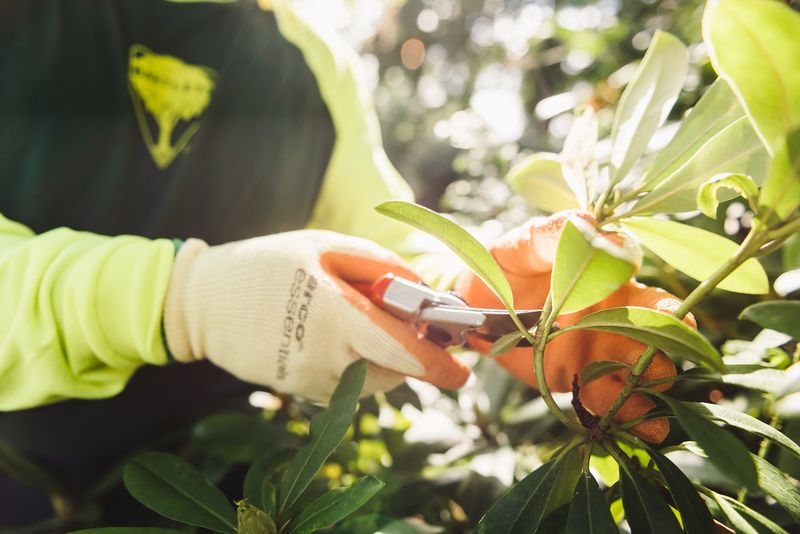
Late summer in North Carolina is a tricky time to grab the pruning shears. Snip the right plants now and you get a stronger, tidier fall show.
Snip the wrong ones and you toss out next spring’s flowers or leave your shrubs open to winter damage. Here is a clear list of what to trim this weekend and what to leave alone, all while keeping your yard safe for box turtles, fireflies, and the pollinators you love.
1. Re-blooming Roses
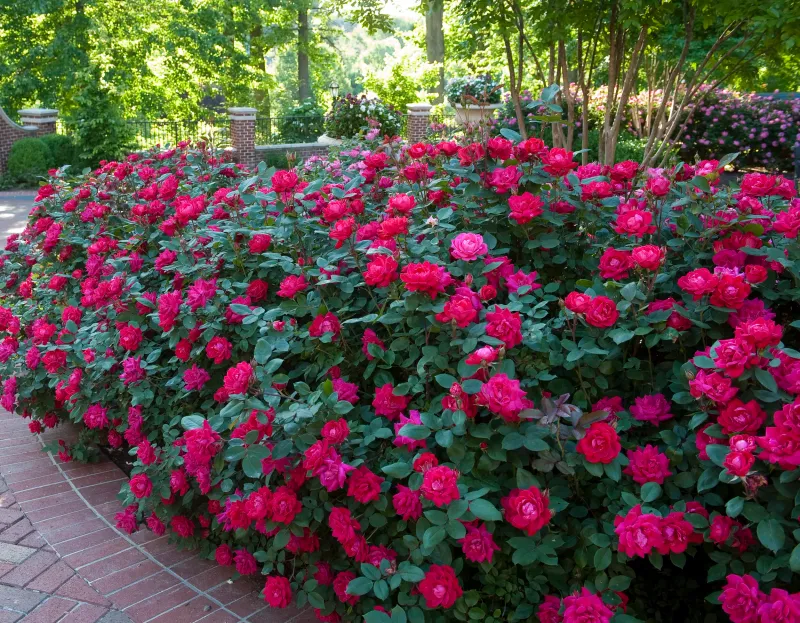
Knock Out roses and other re-bloomers are the overachievers of the shrub world, happy to keep flowering right up until frost if you give them a little help. Deadheading spent blooms now tells the plant to make more flowers instead of hips.
If your roses have gotten leggy and awkward, a light trim followed by a bit of fertilizer can wake them up for one more burst. Keep the cuts shallow and shapely, not drastic.
Skip heavy chopping this late in the season. A gentle touch gives you color into fall without pushing tender growth that winter would only bite back.
2. Summer-Flowering Spirea (Swap the Invasive Kind)
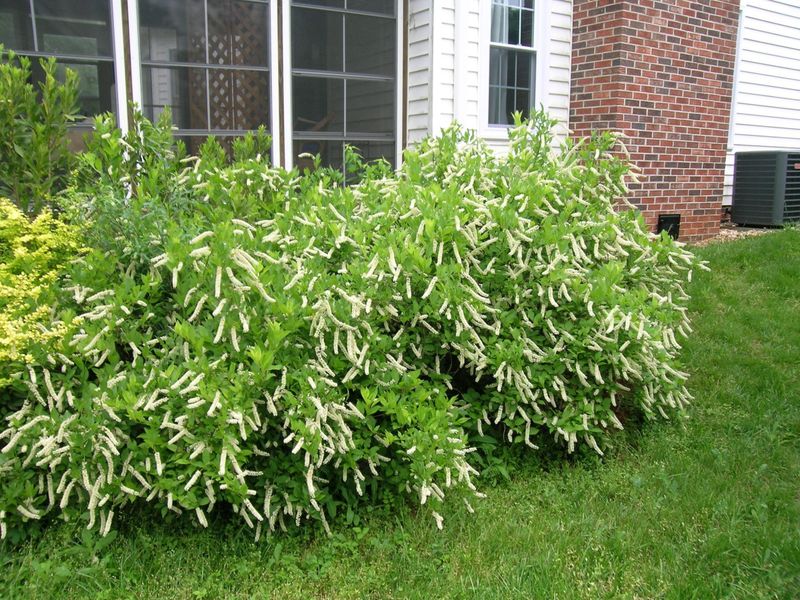
Japanese spirea will reward a light deadheading with a possible second flush and a neater shape for fall. Cut faded clusters back to a healthy set of leaves and it looks fresh again.
Here is the catch: Japanese spirea (Spiraea japonica) is considered invasive in North Carolina, and it escapes into wild spaces where it crowds out the plants our wildlife depends on. Trimming it keeps it tidy, but it does not fix the bigger problem.
If you want to do right by your patch of NC, consider phasing it out for a native like Virginia Sweetspire (Itea virginica) or Oakleaf Hydrangea (Hydrangea quercifolia). Both give you seasonal color and actually feed local pollinators instead of starving them.
3. Native Evergreen Hollies (Light Shaping)
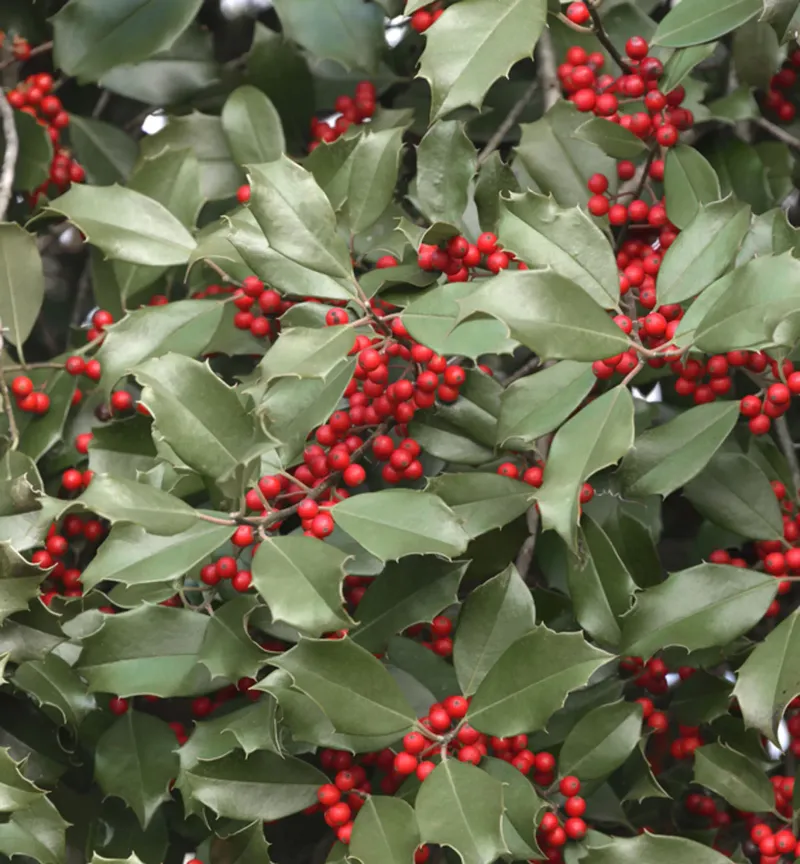
Inkberry holly, yaupon holly, and American holly are the quiet backbone of a winter yard, holding their green while everything else goes bare. A light shaping now keeps their form clean heading into the cold months.
Goldfinches and other birds appreciate the berries and cover these natives provide, so you are shaping a wildlife pantry as much as a shrub. Trim just enough to guide the outline, nothing severe.
Fun bit: yaupon holly is the only native North American plant that naturally contains caffeine, and Indigenous peoples brewed its leaves for centuries. Keep it happy with a gentle August cleanup and it earns its keep year-round.
4. Conifers Like Juniper and Arborvitae (Green Growth Only)
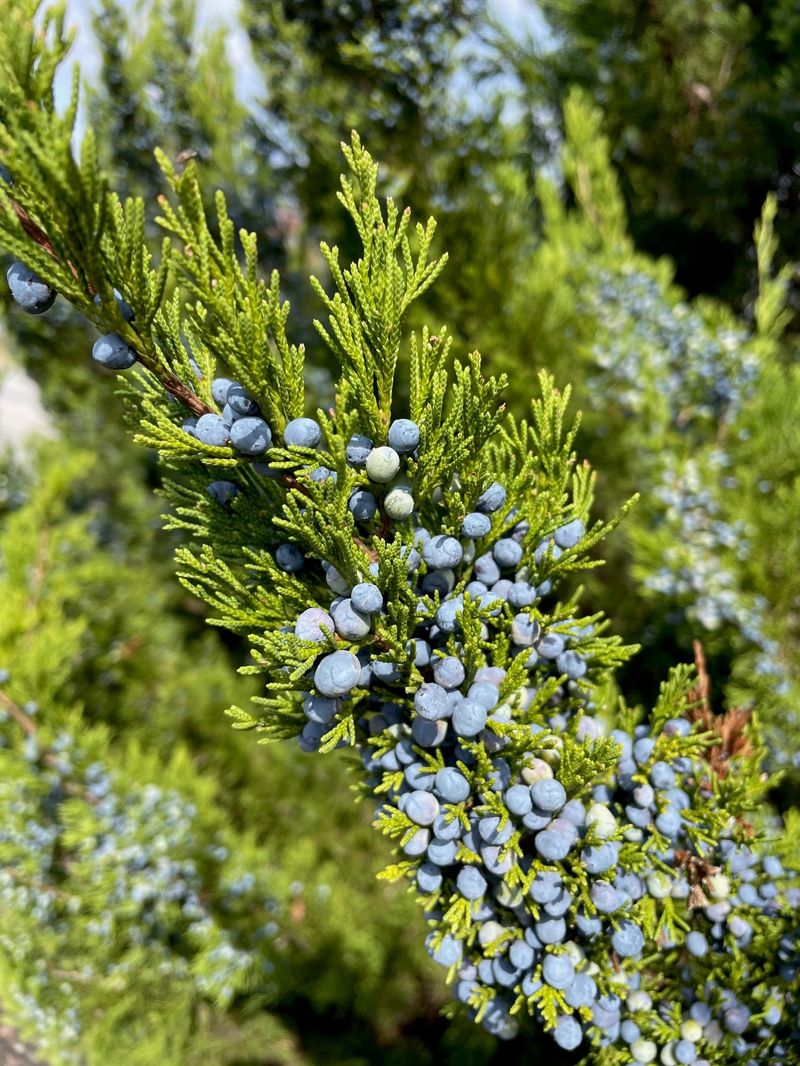
Hemlock, juniper, arborvitae, and Leyland cypress can take a light touch-up in late summer to remove the shaggy growth from this season. The golden rule: only cut into green growth.
Brown, bare wood on these conifers will not sprout back, so cutting too deep leaves a permanent dead patch that never fills in. Keep your snips in the living, green portion and the shrub stays full.
Go easy after midsummer, too. Heavy cutting now can push soft new shoots that freeze and die back once the first cold snap rolls through the Piedmont or mountains.
5. Existing Invasive Wisteria (Contain, Then Replace)
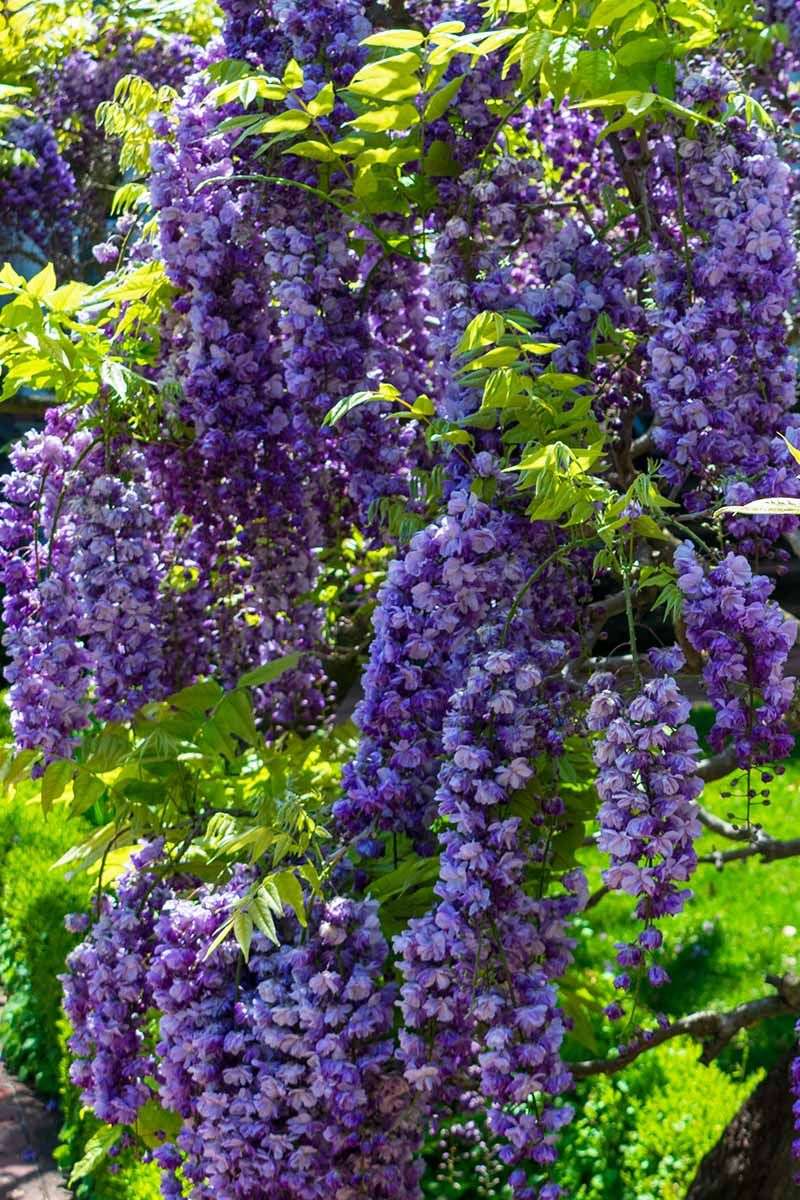
Got a wisteria that seems determined to swallow your fence, shed, and possibly your dog? If it is Chinese (Wisteria sinensis) or Japanese (Wisteria floribunda) wisteria, you are dealing with an invasive that spreads fast across North Carolina.
For plants you already have, August is the time to shorten this year’s long, whippy shoots to five or six leaves from their base. That tames the tangle, lets in light, and nudges flower buds for next year.
The better long-term move is removal and replacement with a native. Trumpet Honeysuckle (Lonicera sempervirens), Carolina Jessamine (Gelsemium sempervirens), Crossvine (Bignonia capreolata), and American Wisteria (Wisteria frutescens) all climb beautifully and keep your yard feeding hummingbirds and pollinators instead of choking out natives.
6. Spring-Flowering Old-Wood Bloomers (Hands Off)
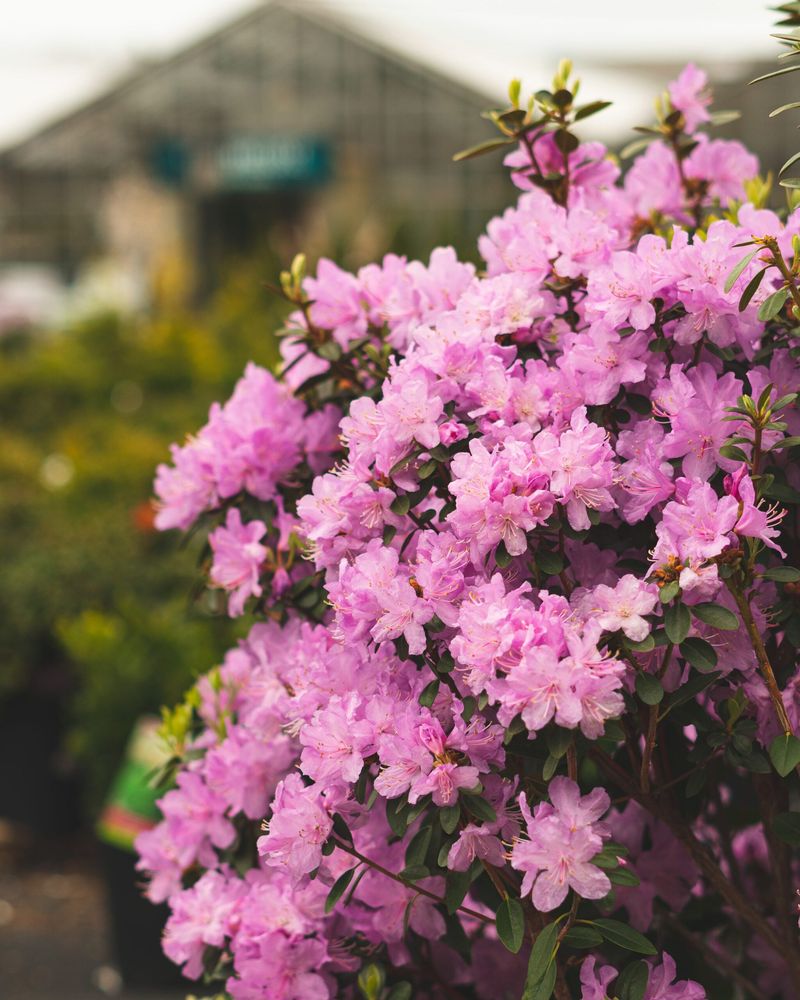
Reach for the shears on an azalea right now and you are quietly canceling next spring. Many spring bloomers set their flower buds on old wood, meaning last year’s growth, during late summer and early fall.
Cut them now and you snip off buds that are already formed and waiting. The list of plants to leave alone includes azaleas and rhododendrons, forsythia, lilacs, flowering quince, mock orange, weigela, spring-blooming viburnums, and daphne.
If these shrubs need shaping, wait until right after they finish flowering next spring. Your patience buys you a full, colorful display instead of a sad, bloomless bush.
7. Hydrangeas That Bloom on Old Wood
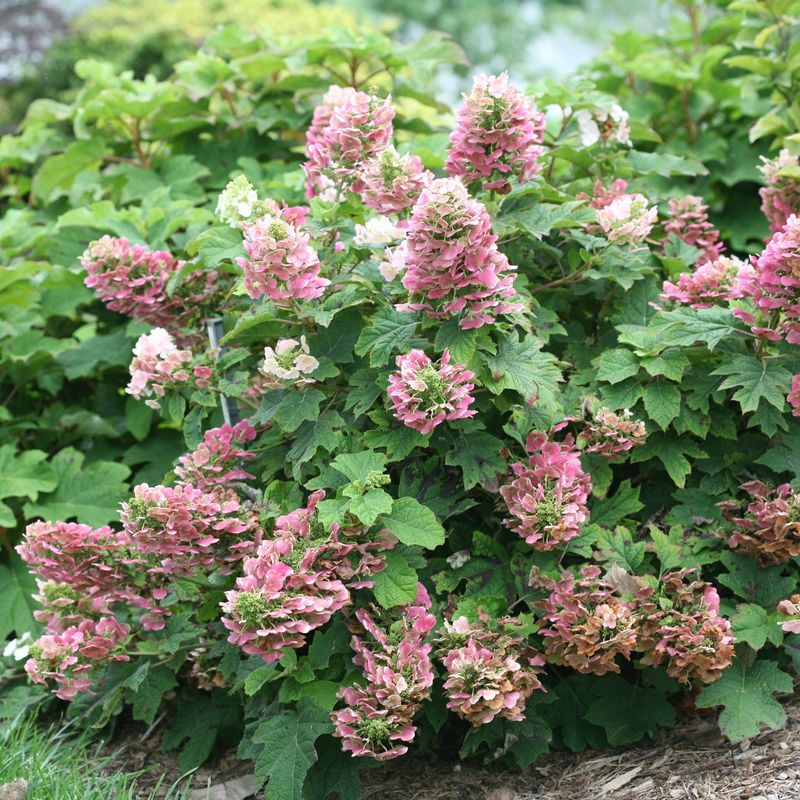
Nothing stings quite like waiting all year for hydrangeas and getting nothing but leaves. Bigleaf Hydrangea (Hydrangea macrophylla) and Oakleaf Hydrangea (Hydrangea quercifolia) both set their buds on old wood in late summer.
Prune them in late August and you are cutting away next year’s flowers before they ever open. Leave the old stems intact, even the ones that look a little tired.
Oakleaf hydrangea earns bonus points as a North Carolina native, offering fall foliage color and food for pollinators. Enjoy the blooms, and save any real cutting for just after they fade next season.
8. Any Heavy Pruning, Including Bleeders and Oaks
Whacking a shrub or tree back hard in late summer feels productive, but it often backfires. Fresh cuts push tender new growth that has no time to harden off before frost, leading to dieback and a weaker plant come winter.
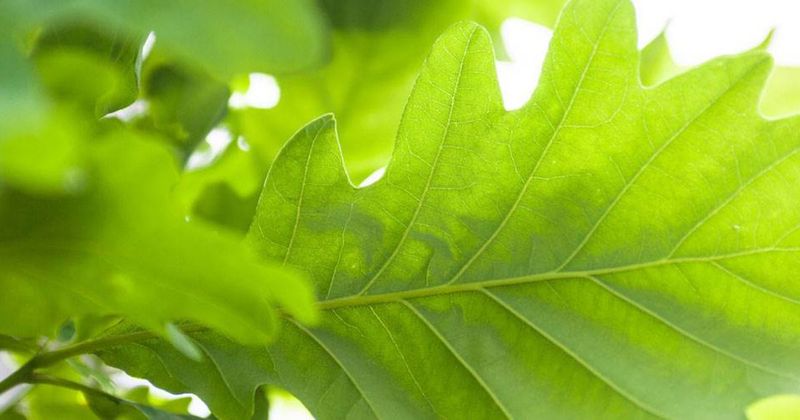
Bleeder trees like maples, birches, and elms are especially fussy, pumping out vigorous but ill-timed growth after a summer chop. And oaks deserve a firm hands-off: fresh summer wounds can attract beetles that spread oak wilt, a disease that can kill the tree.
Save heavy pruning for the dormant season when plants are resting and pests are quiet. Your fall yard, and the box turtles and birds sheltering in it, will thank you for the patience.