
The North Carolina Native Ground Covers That Fill A Hot, Bare Strip Along The Driveway Where Grass Gives Up
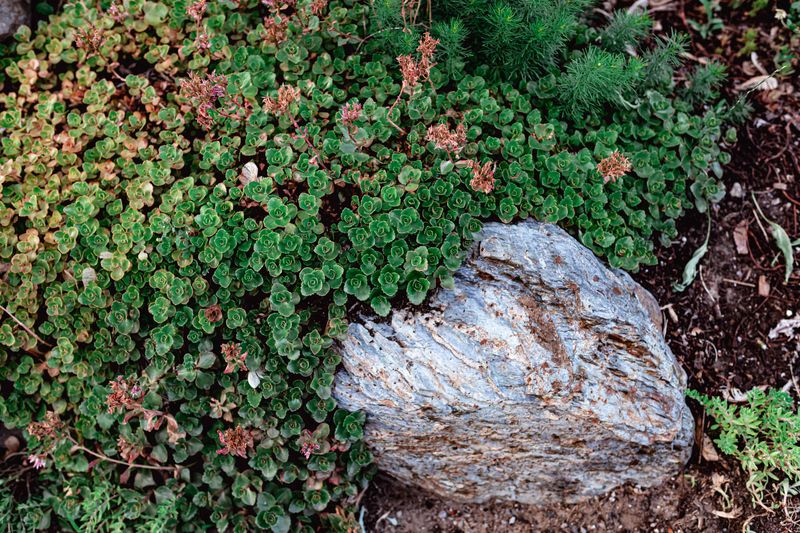
That sun-baked strip along your driveway where grass turns brown and quits is more common than you might think in North Carolina yards. The good news is that our state is home to tough native plants that actually love those hot, dry spots.
Better yet, these natives feed pollinators, hold soil in place, and never bully their neighbors the way invasive ground covers do. Here are seven NC natives that turn that bare, stubborn strip into a living carpet.
1. Wild Strawberry (Fragaria virginiana)
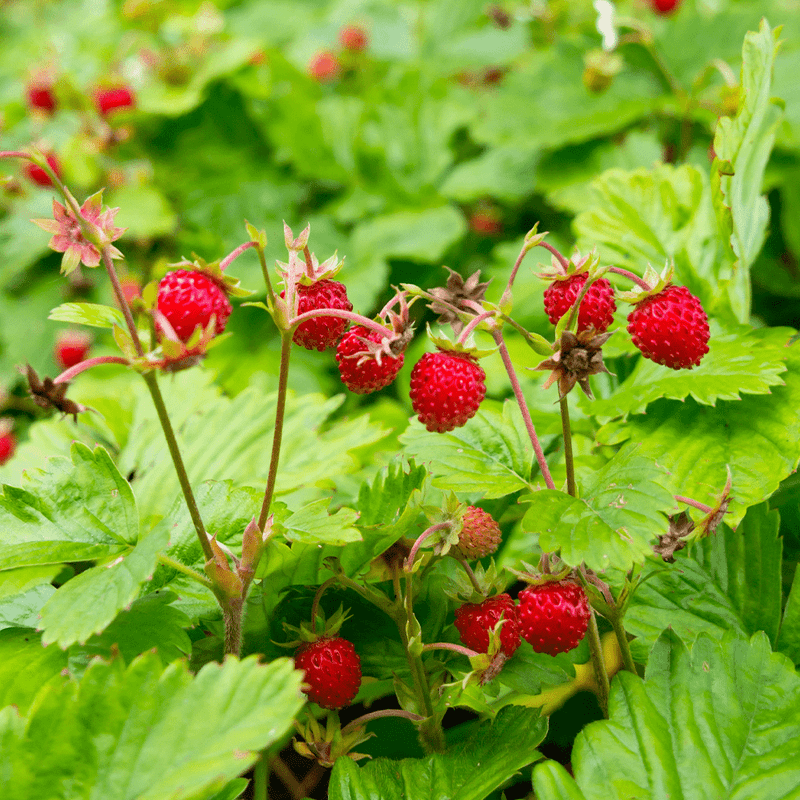
Picture a green carpet that hands you snacks. Wild strawberry spreads fast and low, filling bare ground with lush leaves, cheerful white flowers in spring, and little red berries that birds absolutely adore.
It shrugs off full sun and even light foot traffic, which is exactly what a driveway edge needs. Native across the Piedmont and beyond, it gives you quick coverage without the thuggish behavior of invasive spreaders like vinca.
Pollinators visit the blossoms, and box turtles and songbirds snack on the fruit. If you want a ground cover that earns its keep and pulls double duty as a wildlife buffet, this one is hard to beat.
Just give it room, because it likes to roam and knit itself into a tidy mat within a season or two.
2. Creeping Phlox (Phlox subulata)
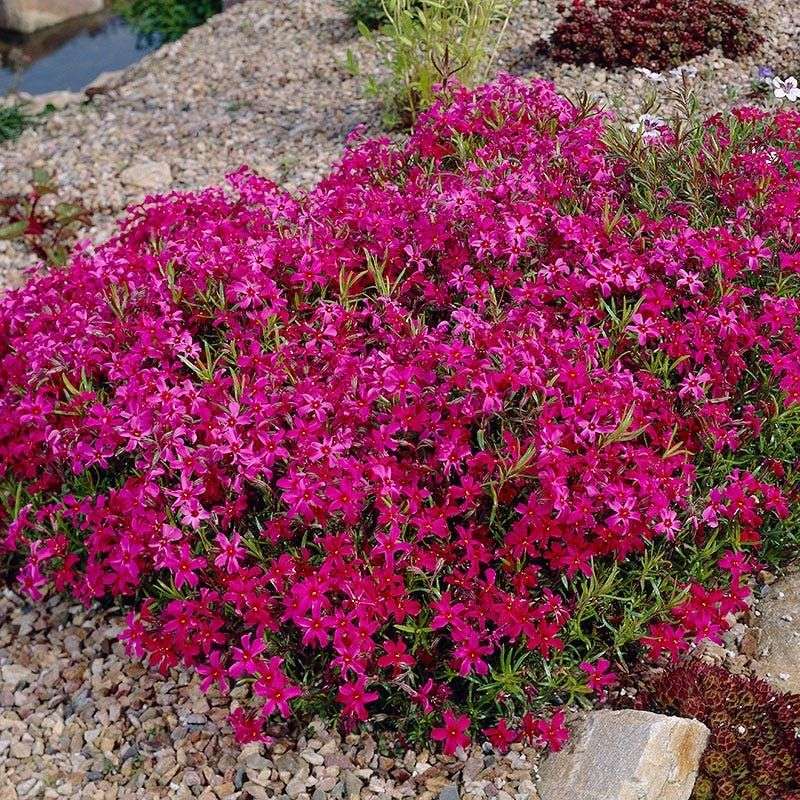
Come April, moss phlox erupts into a blanket of pink and purple blooms so thick you can barely see the leaves underneath. It is the kind of show that makes neighbors slow down as they drive past.
What makes it perfect for that hot strip is its love of dry, sandy or gravelly soil and blazing full sun. Once established, it laughs off drought and stays semi-evergreen through the cold months.
Bees and early butterflies flock to the flowers when little else is blooming, giving pollinators a much-needed spring meal. Plant it where the soil drains fast and the sun beats down hardest, and it will reward you every single spring.
3. Green-and-Gold (Chrysogonum virginianum)
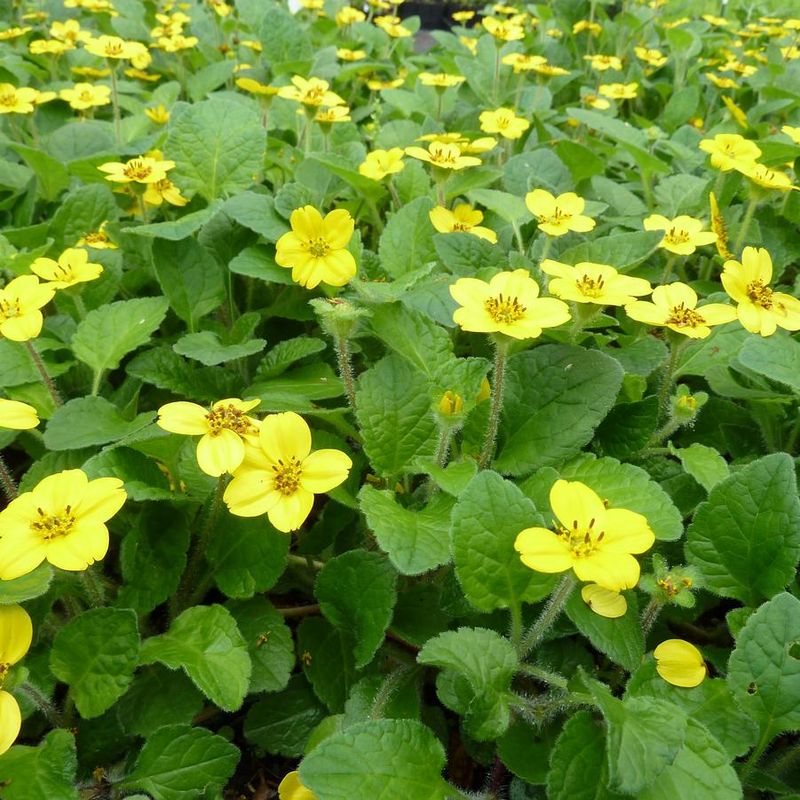
Cheerful yellow star flowers over glossy evergreen leaves make green-and-gold feel like a little burst of sunshine on the ground. It blooms generously in spring and often keeps sending up flowers into summer.
Flexible is the word here. It handles full sun to part shade and takes average to dry soil in stride, so it works whether your driveway strip bakes all day or catches afternoon shadow.
Deer tend to leave it alone, which is a relief for gardeners tired of losing plants overnight. Native to the Piedmont, Coast, and Mountains, it is one of the most adaptable natives you can tuck into that tricky spot.
Small native bees appreciate the flowers, too.
4. Lobed Tickseed (Coreopsis auriculata ‘Nana’)
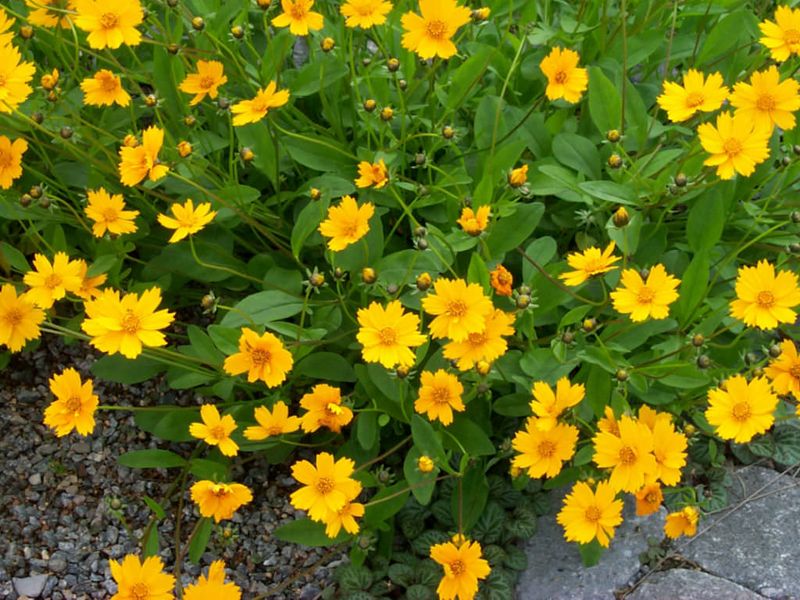
Sunny yellow-orange blooms wave above tidy little rosettes of foliage when this dwarf tickseed hits its stride in late spring. It stays compact, which keeps it from flopping over the edge of your driveway.
Full sun is where it shines, and it fits right into the Piedmont and Mountains without fuss. The daisy-like flowers act like landing pads for native bees and butterflies looking for nectar.
Fun bit of trivia: the name tickseed comes from the seeds, which look a little like ticks, not from the plant attracting them. Deadhead the spent blooms and you may coax a second flush of color later in the season.
5. Mountain Stonecrop (Sedum ternatum)
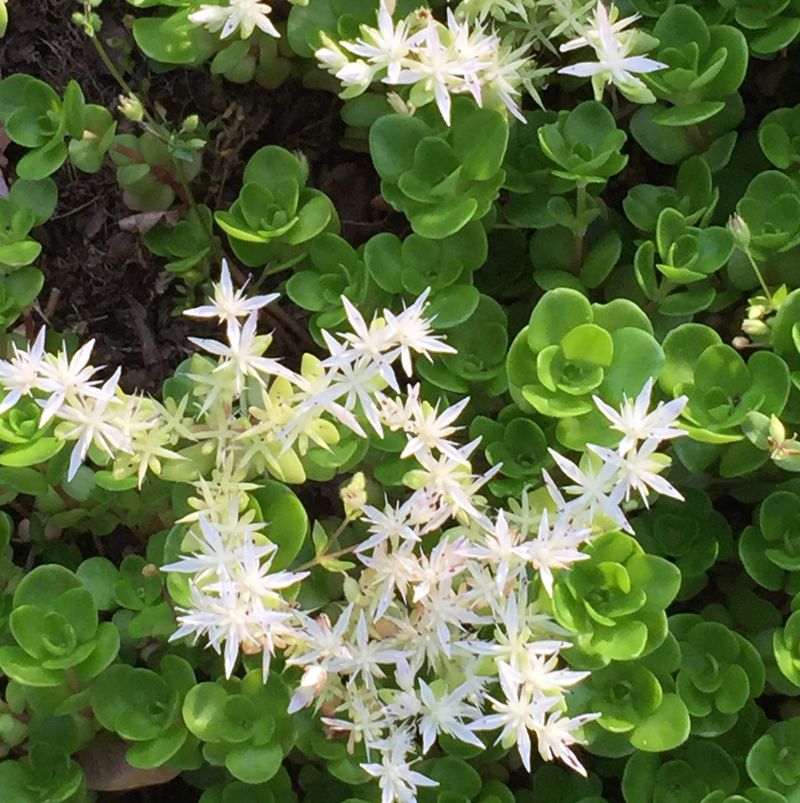
When a spot is so dry and hot that everything else surrenders, mountain stonecrop just keeps going. This native succulent stores water in its plump little leaves, making it practically drought-proof.
It thrives in thin soil over rock and rewards you with dainty white star flowers in spring. The one thing it insists on is good drainage, so that gravelly driveway edge is basically its dream home.
Native to the Piedmont and Mountains, it stays low and mat-forming without overwhelming its neighbors. Small pollinators visit the blooms, and the fleshy foliage adds interesting texture year-round.
If you have been tempted by non-native ice plants, this homegrown succulent is the better neighbor for local wildlife.
6. Creeping Blueberry (Vaccinium crassifolium)
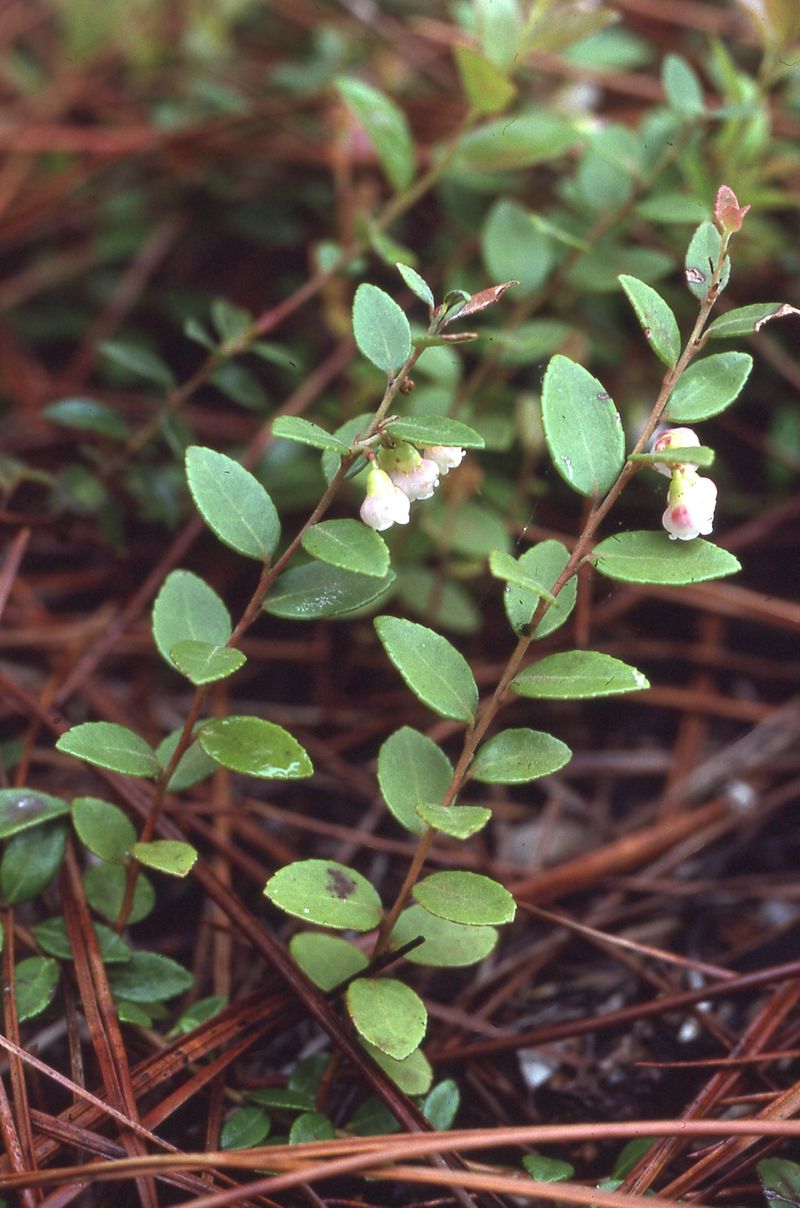
A blueberry that hugs the ground? Creeping blueberry is a woody little native that spreads into a dense evergreen mat, holding soil on slopes and smothering weeds along the way.
Its tiny bell-shaped flowers draw in native bees and other pollinators, and the small glossy leaves give you interest through every season. Sandy, acidic soil is its comfort zone, which makes it a standout choice for Coastal Plain gardeners.
Because it stays low and knits together so tightly, it is fantastic for that eroding edge where mulch always washes away. Swap it in where you might have reached for invasive English ivy, and you get erosion control plus a genuine boost for local wildlife.
7. Pussytoes (Antennaria plantaginifolia)
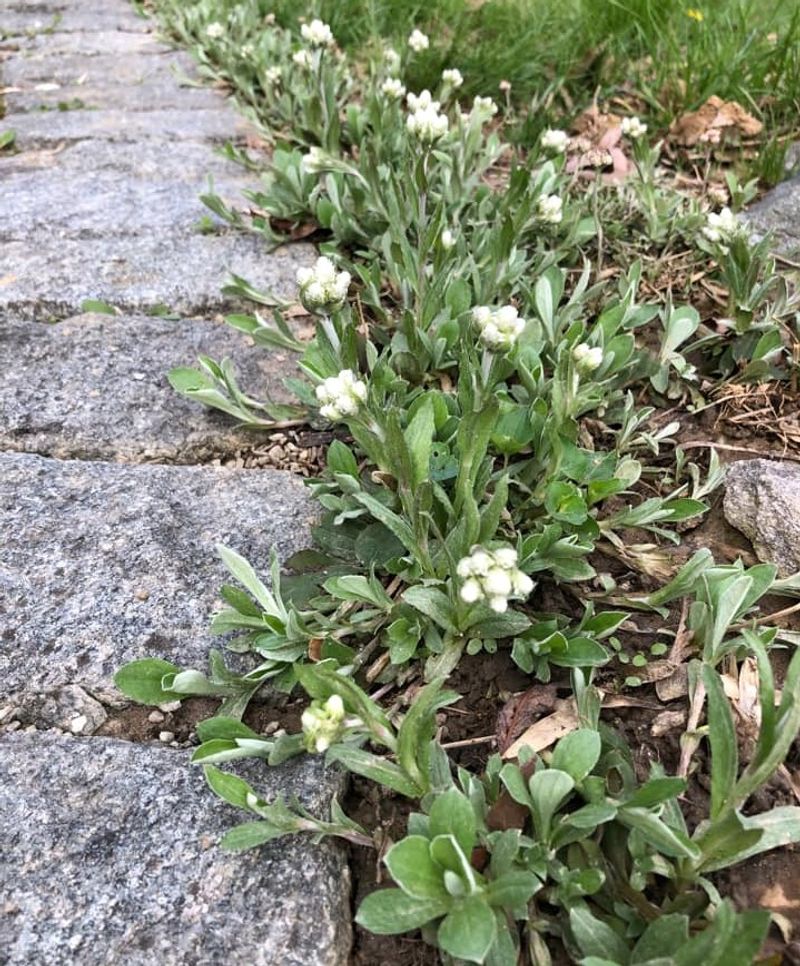
The name says it all: the fuzzy flower clusters really do look like soft little cat paws poking up from a mat of silvery-green leaves. It is a charmer that thrives on neglect.
Poor, dry, well-drained soil is exactly what pussytoes wants, so that lean strip by the driveway suits it perfectly. It spreads gently by runners called stolons and stays somewhat evergreen through the year.
Here is the best part for stewardship-minded gardeners: pussytoes is a host plant for the American Lady butterfly, whose caterpillars feed on the foliage. You will find it native across the Piedmont, Mountains, and Coastal Plain, quietly doing important work for pollinators.
Skip the aggressive imports and let this understated native fill in where grass gave up long ago.