
If Your Roses Bloom Sparse And Stingy, Here Are 13 Reasons And The Simple Fix For Each
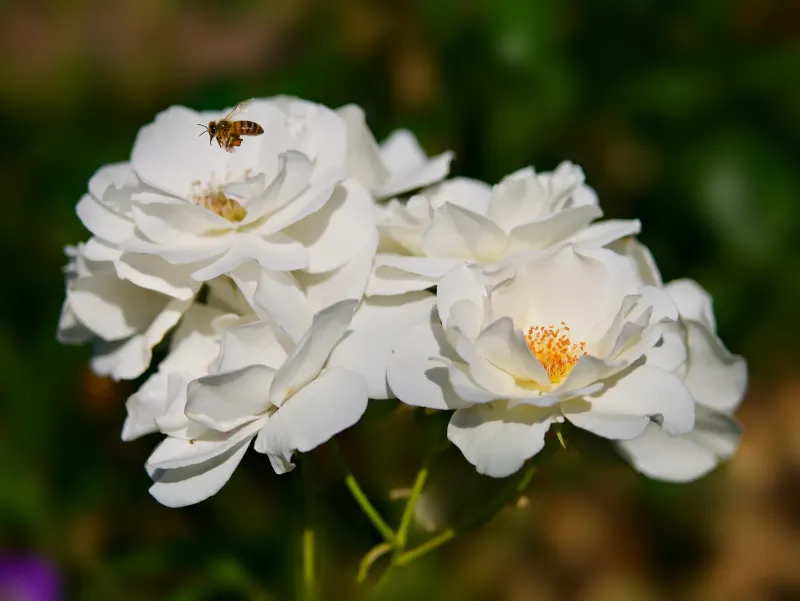
You planted roses dreaming of armfuls of flowers, but your bush is giving you just a few shy blooms and lots of leaves. Do not worry, because a stingy rose is almost always trying to tell you something fixable.
Most of the time it comes down to one small habit or condition you can change today. Let’s walk through the 13 most common reasons your roses hold back, plus the easy rescue for each one.
1. Insufficient Sunlight
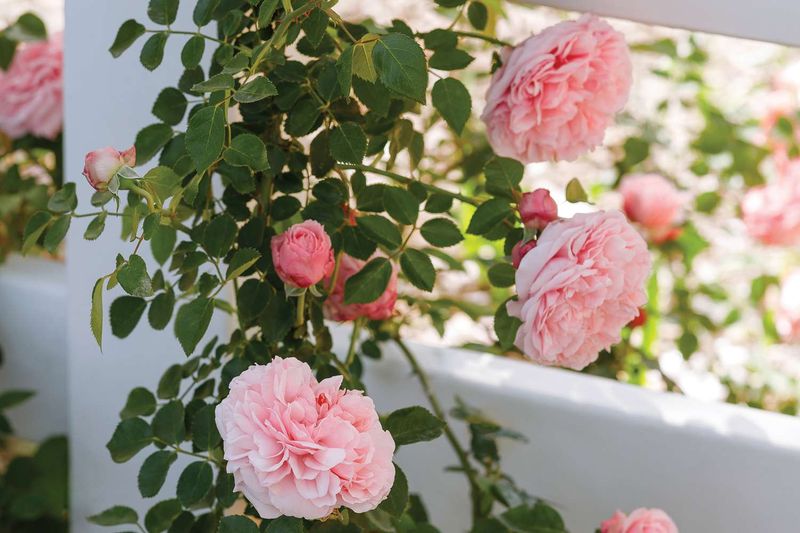
Roses are little sun-eaters at heart. They need at least six hours of direct sunlight every day to build the energy required for a big flush of flowers.
When they sit in too much shade, they switch into survival mode. Instead of blooming, they pour their strength into growing more leaves just to reach the light.
The simple fix is to spend a day watching where the shadows fall in your garden. Trim back overhanging tree branches or crowding shrubs that steal the light, or move the rose to a sunnier spot while it is dormant.
If you live somewhere blazing hot, a bit of dappled afternoon shade actually helps rather than hurts.
2. Improper Watering (Too Much or Too Little)
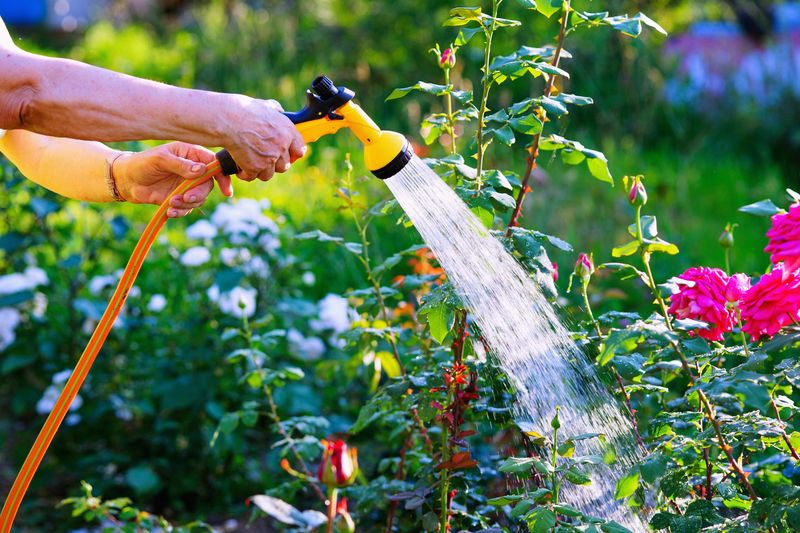
Water is where a lot of well-meaning rose lovers trip up. Give too little and thirsty buds shrivel and drop before they open.
Give too much and the roots drown, unable to pull up the nutrients that flowers depend on.
Soggy soil can even lead to root rot, which quietly starves the whole plant.
Try the deep drink method instead of daily sprinkles. Water slowly and thoroughly, then wait until the top inch or two of soil dries out before watering again, aiming for at least an inch of water a week.
Lay down a two to three inch blanket of organic mulch around the base, keeping it off the cane, to lock in moisture. When in doubt, poke a finger a couple inches into the soil and let it tell you the truth.
3. Nutrient Deficiencies

Think of your rose as an athlete that needs a balanced meal to perform. Phosphorus is the big one for flowering, and when it runs short you get weak, stingy blooms.
Skimp on nitrogen and the leaves turn pale and sparse. Pile on too much nitrogen, though, and you get a jungle of foliage with hardly a flower in sight.
Start with a soil test so you are feeding the real problem, not guessing. Work in organic matter and reach for a balanced, slow-release fertilizer.
If phosphorus is low, bone meal or rock phosphate can help. A general feed with an NPK ratio around 1-2-1 works well, or a diluted balanced blend applied lightly through the growing season.
4. Incorrect Soil pH
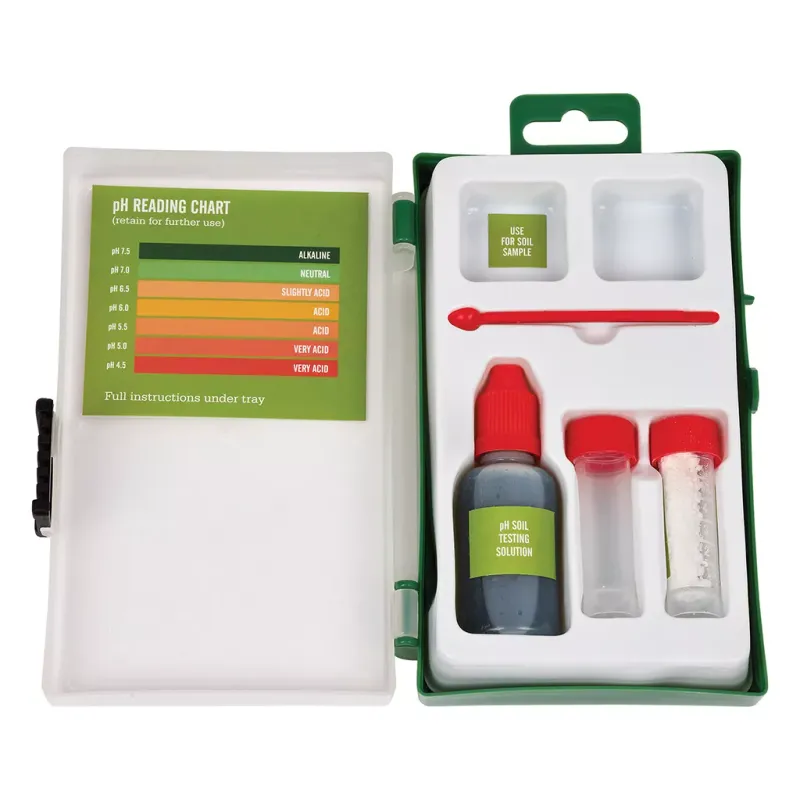
Even perfect fertilizer is wasted if your soil pH is off. Roses like it slightly acidic, somewhere between 6 and 7, with 6.5 hitting the sweet spot.
Stray too far in either direction and the plant simply cannot absorb key nutrients like iron, potassium, and nitrogen. The result is stunted growth and disappointing blooms.
Grab an inexpensive pH kit and test your soil. If it reads too alkaline above 7, you can lower it with elemental sulfur or ferrous sulfate.
If it comes back too acidic below 6, dolomitic limestone or a mix of organic matter and wood ash will nudge it back up.
5. Improper Pruning
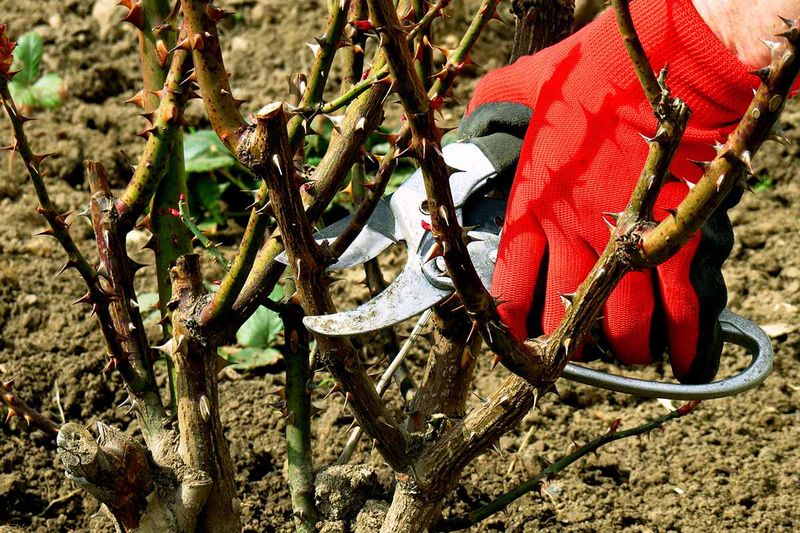
Pruning is a bit like a haircut for your rose, and timing matters just as much as technique. Cut at the wrong moment and you can snip away the very buds that were about to become flowers.
Most modern repeat-blooming roses flower on new wood, so they respond best to a well-timed trim.
Aim to prune these roses in late winter or early spring. Use sharp, clean tools and cut about a quarter inch above an outward-facing bud at a slight angle.
Take out anything dead, diseased, damaged, weak, or crossing. Opening up the center improves air flow and pushes the plant to grow fresh, flower-bearing wood.
6. Lack of Deadheading
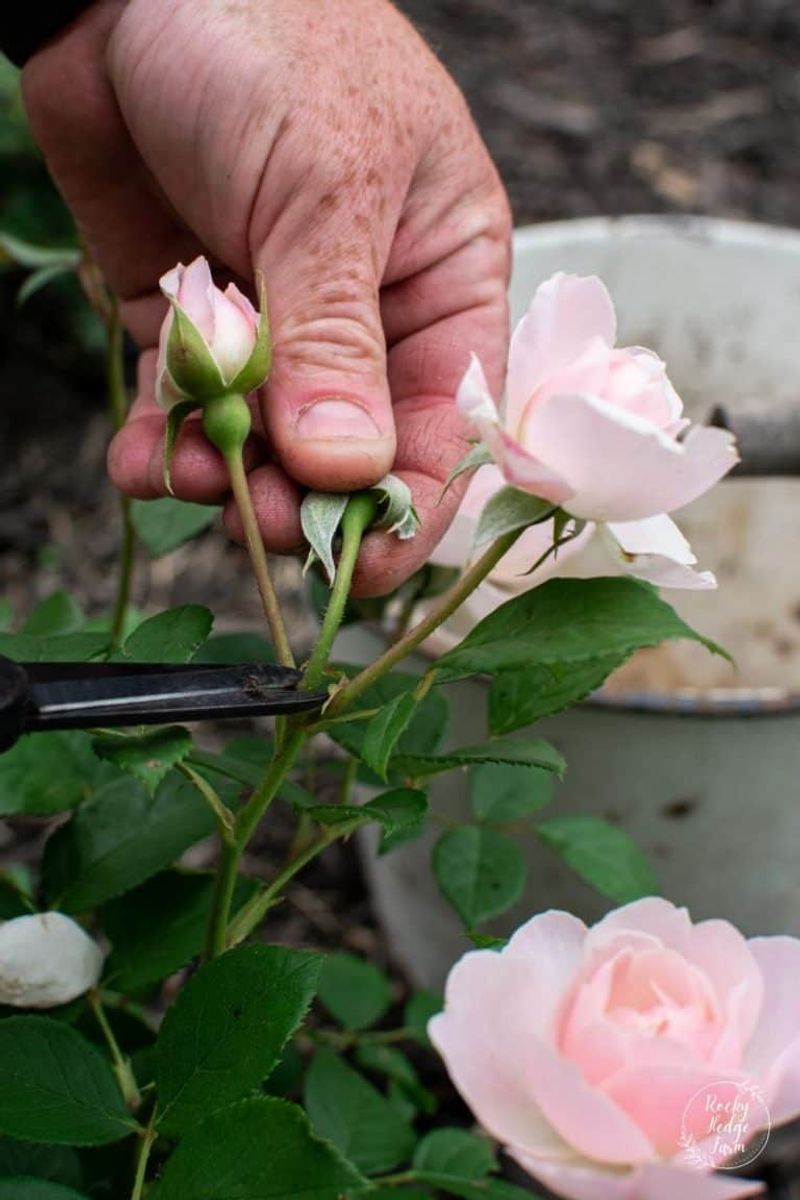
Here is a sneaky one that many folks miss entirely. When you leave faded, spent flowers on the bush, the plant assumes its job is done and starts making seeds instead of new blooms.
A little snipping tricks it into trying again.
Make a habit of removing those tired flowers as they fade. Cut the stem back to an outward-facing bud just above a leaf with five or seven leaflets.
If you enjoy the decorative hips, you can simply pinch off the petals by hand instead. One tip worth remembering: stop deadheading after the first of October so the plant can harden off before winter.
7. Pests
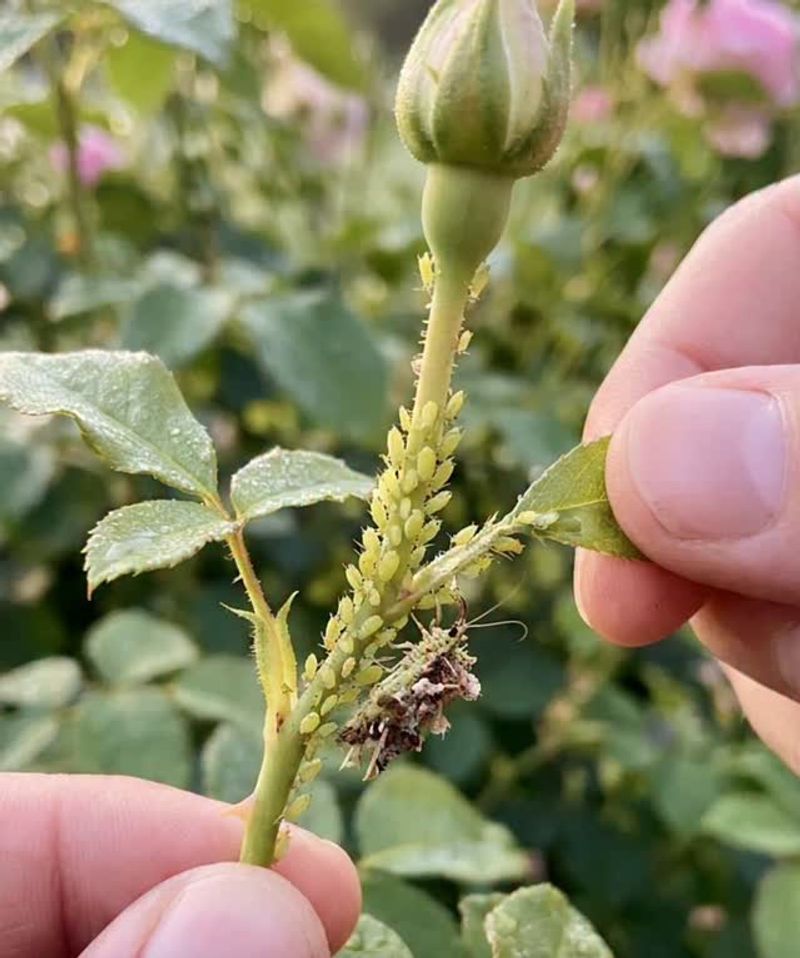
Sometimes the culprits are tiny and hungry. Aphids, thrips, rose slugs, and Japanese beetles chew, suck, and distort your rose’s buds and leaves, leaving you with fewer flowers or blooms that never bother to open.
Aphids especially love clustering on fresh new buds, draining the sap right out of them.
Get in the habit of flipping leaves and checking buds regularly so you catch trouble early. A strong blast from the hose knocks aphids, thrips, and slugs right off, and hand-picking beetles works too.
For a more stubborn invasion, insecticidal soap or neem oil can turn the tide without harsh chemicals.
8. Diseases
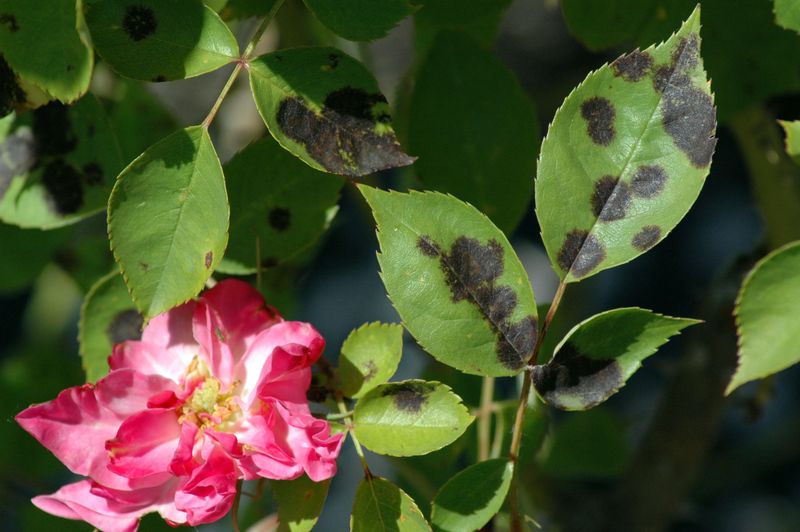
Fungal troubles love to sneak up on roses. Black spot, powdery mildew, and botrytis blight weaken the plant, drop its leaves, and leave you with poor blooms or buds that stay stubbornly shut.
Rose rosette disease, a viral infection, is more serious and causes strange, deformed growth.
Start with disease-resistant varieties when you can, and give plants enough room for air to move between them. Water at the base with a soaker hose so leaves stay dry, and clip off any infected foliage the moment you spot it.
Organic fungicides like neem oil or copper can help hold fungal diseases in check. If rose rosette shows up, though, pull the whole plant right away to protect the rest of your garden.
9. Environmental Stress (Heat or Drought)
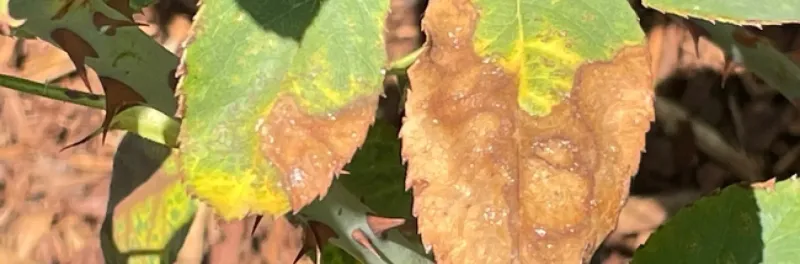
Roses feel the weather just like we do. A brutal heat wave or a long dry stretch can send them into stress mode, where they drop buds, pause their flowering, or push out oddly shaped blooms.
They are basically conserving energy until conditions improve.
Steady moisture is your best friend here, especially when the temperature spikes. A generous layer of mulch around the base keeps the soil damp and the roots cool.
In very hot regions, a spot with gentle dappled light or afternoon shade gives your roses a break from the harshest sun.
10. Competition from Other Plants
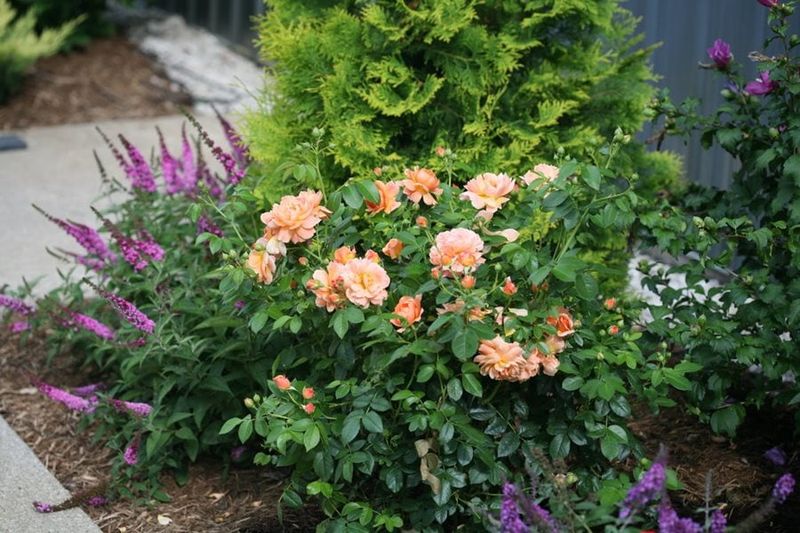
Roses are not great at sharing. When they grow too close to big trees or hefty shrubs, those larger neighbors grab most of the water and nutrients with their aggressive root systems.
Your rose is left fighting for scraps, and blooms are the first thing to suffer.
Give your roses breathing room by planting them well away from greedy trees and shrubs. If the crowding cannot be avoided, a rigid root barrier sunk between the rose and its rival keeps the competition from raiding its share.
11. Immature Plant
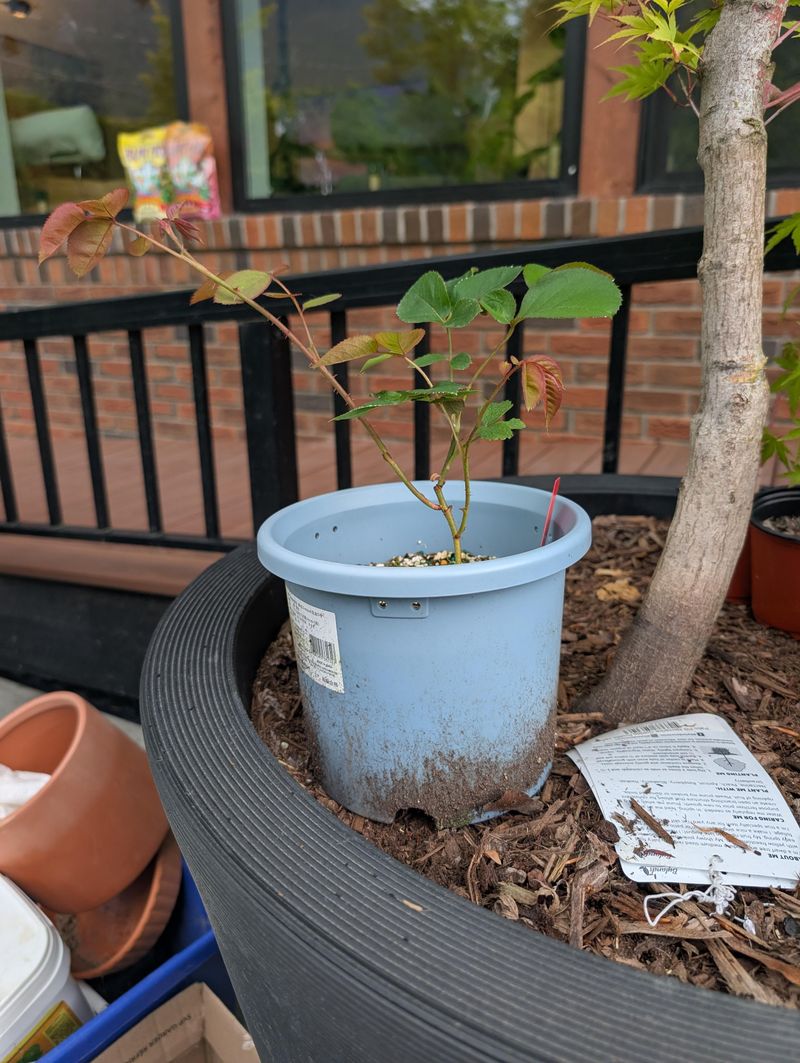
Patience is part of rose growing, even if nobody warned you. A young rose fresh from a small pot or a cutting spends its first season building roots underground before it ever thinks about putting on a flower show.
That establishment phase can stretch to a year or even longer.
The fix here is mostly about resisting the urge to fret. Plant it well in rich, prepared soil and keep the watering consistent through that crucial first year.
Give it time to sink strong roots, and the blooms will follow once it feels settled and secure.
12. Wrong Rose Variety (Once-Blooming)

Sometimes your rose is not misbehaving at all, it is just being exactly what it is. Many old-fashioned roses and certain climbers are once-bloomers by nature, throwing one glorious flush in spring or early summer and then calling it a year.
No amount of coaxing will turn them into repeat performers.
Find out which type you actually have. If you want flowers all season, plant a modern repeat-blooming variety.
And if you discover you own a once-bloomer, lean into its dramatic single show and prune it right after it finishes flowering rather than before.
13. Over-fertilization (especially with Nitrogen)
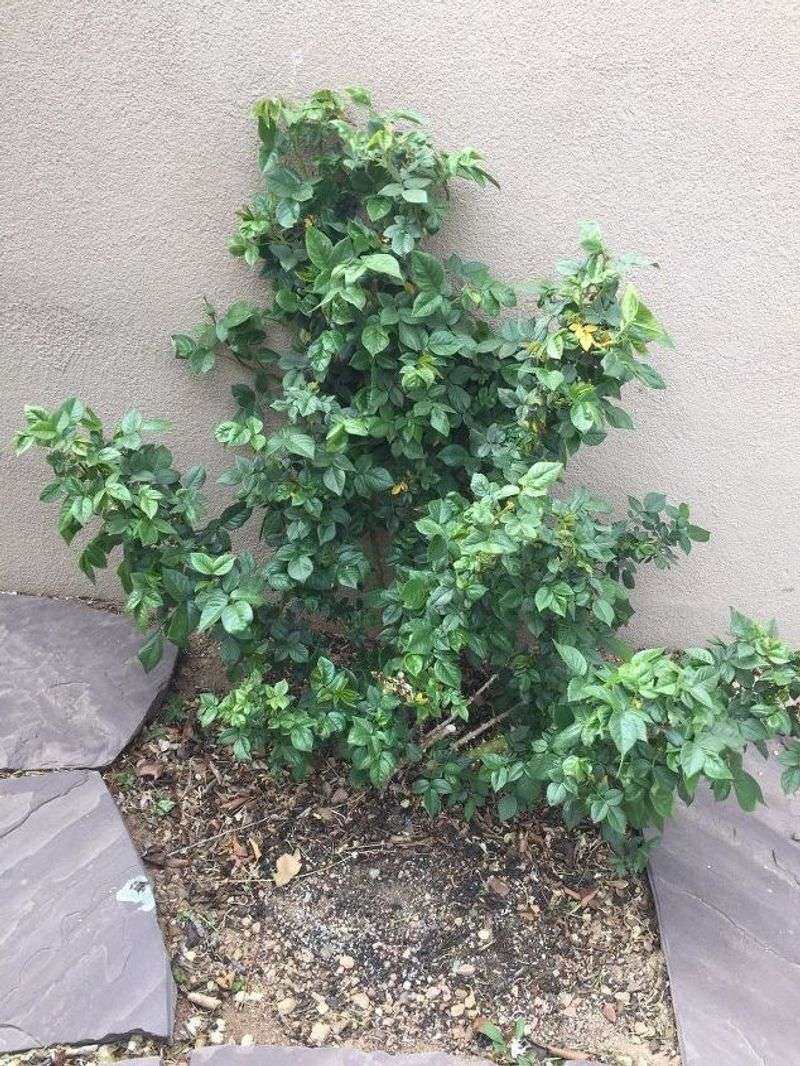
More food is not always better, and roses prove it. Pour on too much fertilizer, especially the nitrogen-heavy kind, and you end up with a bush that is all show-off leaves and almost no flowers.
Nitrogen practically screams grow more green, so that is exactly what the plant does.
Stick with a balanced rose fertilizer and follow the package amounts rather than going by feel. If you suspect you have overdone it, flush the soil with plenty of water to wash away the excess nutrients.
A regular soil test keeps you honest and stops you from feeding a plant that does not actually need it.