
If Raccoons Keep Raiding Your Yard After Dark, Here Are 13 Strong Scents That Send Them Packing
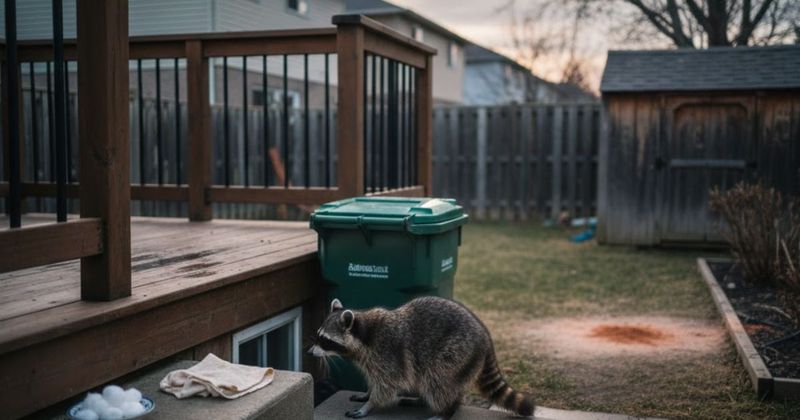
Raccoons are clever little bandits, and once they find your yard has food or shelter, they keep coming back night after night. The good news is that their sharp noses are also their weak spot.
Certain strong smells bother raccoons enough to make them wander off and look elsewhere. Here are 13 scents you can use to keep these masked visitors out of your garden and trash.
1. Peppermint Oil
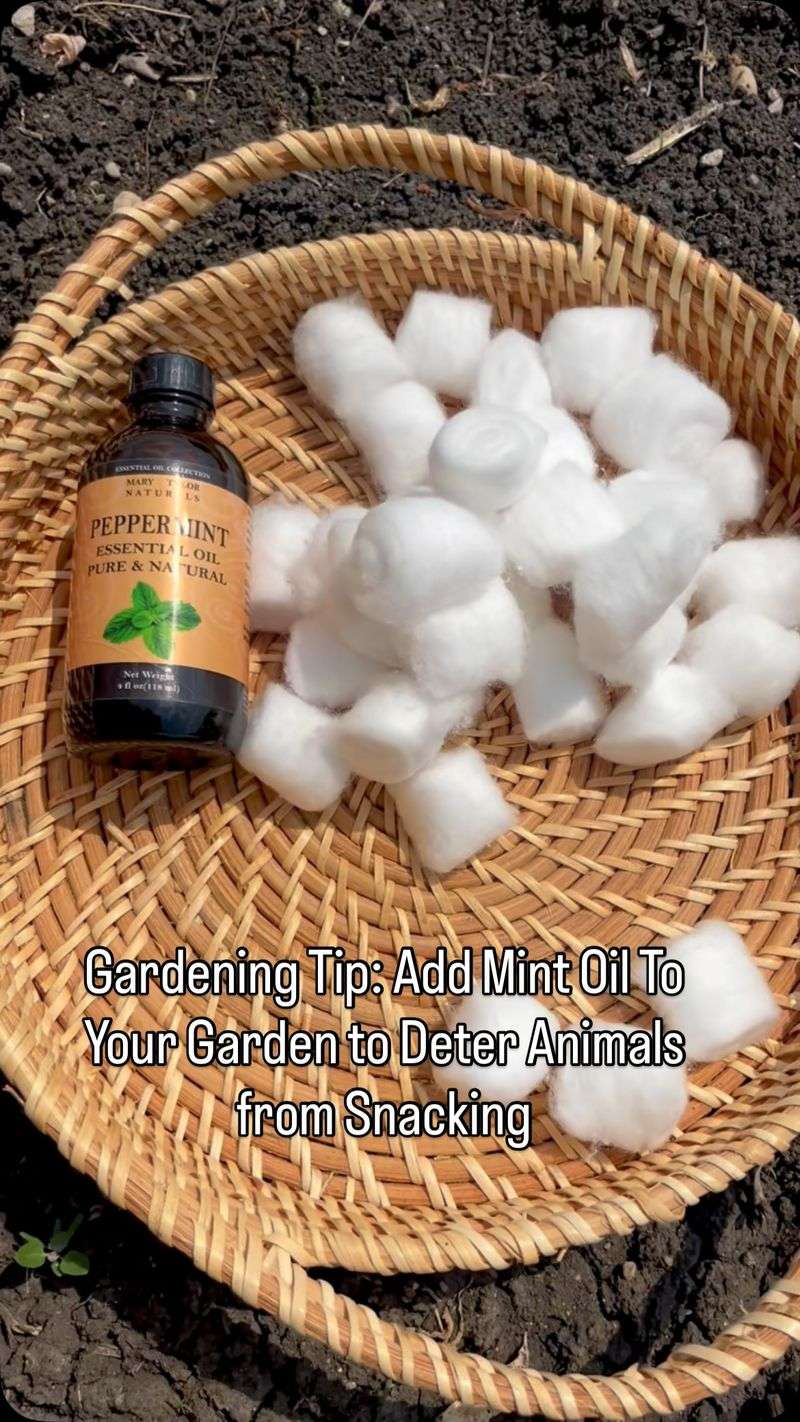
That crisp, tingly smell you love in candy canes is exactly what raccoons can’t stand. Peppermint oil packs a heavy dose of menthol, and it overwhelms their sensitive smell receptors the moment they get close.
Soak a few cotton balls in the oil and tuck them near trash cans, deck steps, or wherever the raccoons like to prowl. You can also mix several drops with water in a spray bottle and mist it around the edges of your yard.
The scent fades over time, so refresh those cotton balls every few days and always after it rains. A cheap bottle goes a long way and leaves your yard smelling fresh to you, too.
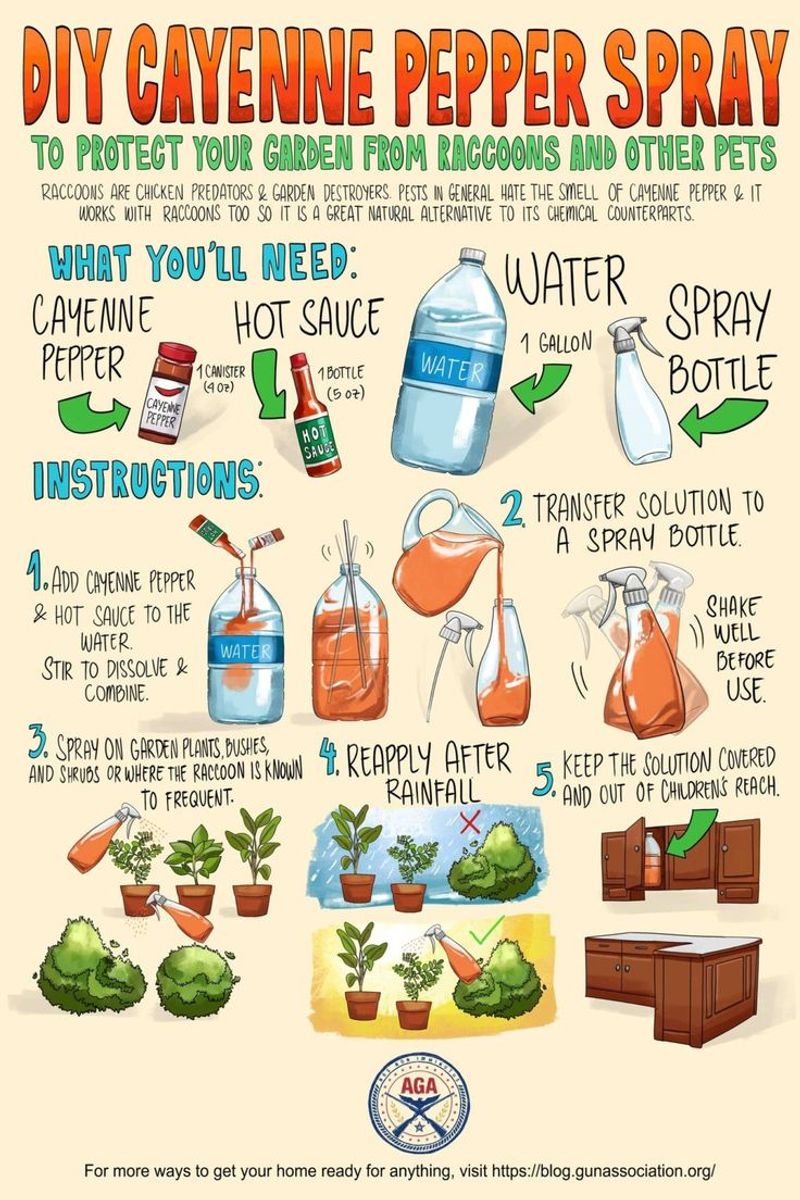
2. Cayenne Pepper and Hot Peppers

Ever bitten into a hot pepper and felt your eyes water? Raccoons get that same fiery reaction, thanks to a compound called capsaicin that burns their eyes and nose.
You can scatter cayenne pepper or chili powder straight onto the ground around your plants and garbage bins. For longer coverage, mix the powder with water and a squirt of dish soap, then spray it along fences and garden borders.
The soap helps the spicy mixture stick to surfaces instead of washing away instantly. Just keep it clear of your own eyes and hands while you work, because the burn is no joke.
3. Garlic
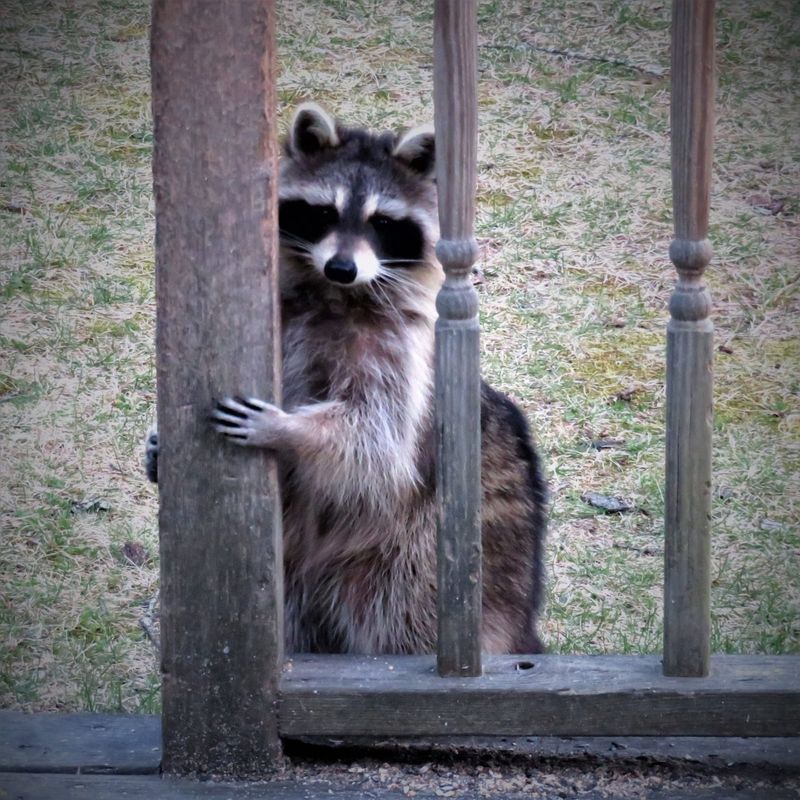
Garlic doesn’t just keep vampires away in old stories. Its pungent, lingering odor is genuinely offensive to a raccoon’s nose, making it a handy natural guard for your garden.
Try planting garlic around the edge of your beds, or simply scatter crushed cloves in the spots raccoons visit. The stronger the smell, the better your results.
For a spray that spreads the scent even wider, boil chopped garlic in water, let it cool completely, then pour it into a bottle and mist your problem areas. Reapply after heavy rain to keep the barrier strong.
4. Vinegar

Sharp and sour, plain white vinegar is a pantry staple that pulls double duty as a raccoon deterrent. The acidic punch messes with their keen sense of smell and sends them looking for friendlier ground.
Soak some old rags in pure vinegar and set them near entry points, sheds, or wherever the raccoons gather. You can swap them out every few days when the smell wears off.
Prefer a spray? Mix equal parts vinegar and water, then coat fences, trash lids, and garden edges.
It’s cheap, safe around most plants, and probably already sitting in your kitchen.
5. Ammonia

Here’s a trick that plays on a raccoon’s survival instincts. Ammonia gives off a harsh, choking smell that reminds raccoons of predator urine, which triggers their natural urge to flee.
Dampen rags with diluted ammonia and place them near dens, entry points, or trouble spots to make raccoons feel unsafe. The reaction is often quick because fear does the work for you.
A word of caution, though: ammonia can harm people, pets, and other wildlife, so handle it carefully and keep it well out of reach. Some folks avoid spreading it widely outdoors because the odor is rough on humans too, so use it sparingly and thoughtfully.
6. Black Pepper
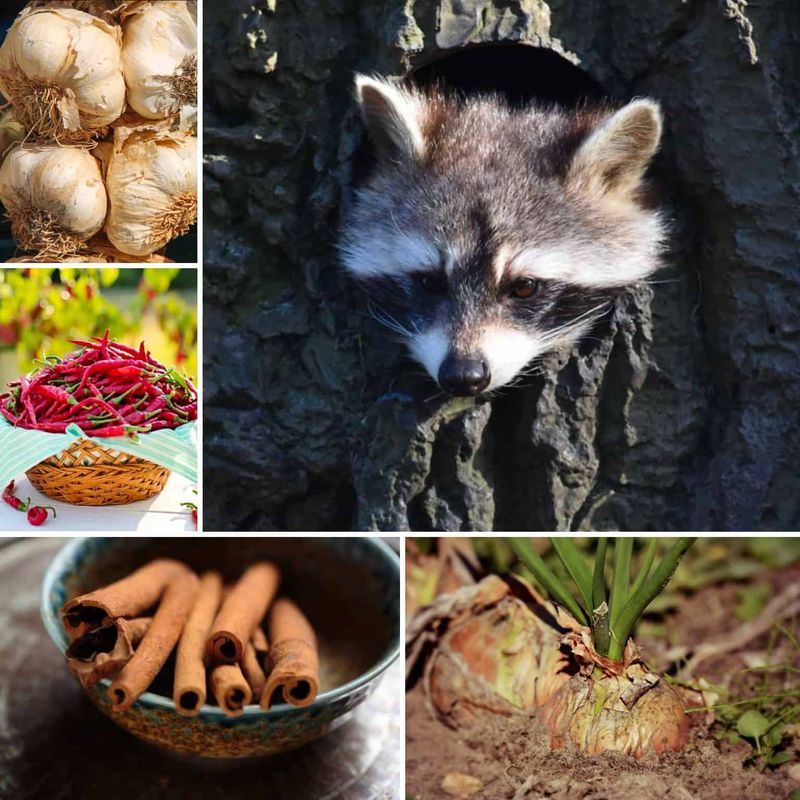
Cousin to cayenne but a little milder, black pepper still carries enough kick to bother a raccoon’s nose. A whiff of that peppery dust makes them sneeze and back away.
Sprinkling ground black pepper around your property is about as simple as deterrents get. Focus on the paths raccoons take and the areas around your trash and garden.
Because it scatters easily in wind and rain, plan to reapply often. It works best as a quick, no-fuss layer alongside your other scent tricks.
7. Onions
The same sulfur smell that makes you cry while chopping onions is a big turnoff for raccoons. They find that sharp, eye-watering odor genuinely unpleasant.
A popular homemade recipe combines chopped onions and hot peppers boiled together in water. Once the mixture cools, strain it and pour it into a spray bottle.
Mist it around your garden, fences, and trash zone to build a stinky wall raccoons won’t want to cross. The pepper adds extra bite, so the two ingredients team up nicely.
8. Citrus Peels

Bright and zesty to us, citrus is a scent raccoons would rather skip. Lemons, limes, and oranges all give off an aroma that these critters dislike.
Instead of tossing your peels in the trash, scatter them near garbage cans and garden beds. They create a fragrant barrier that quietly tells raccoons to move along.
It’s a wonderfully thrifty option since you’re reusing scraps you’d normally throw away. Swap in fresh peels every few days as the old ones dry out and lose their punch.
9. Coffee Grounds
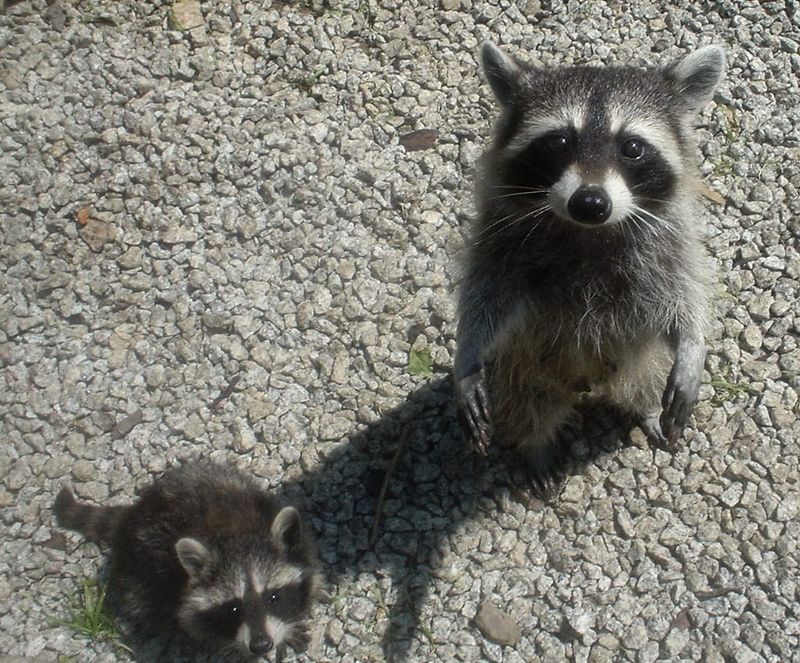
Your morning brew leaves behind more than just an empty cup. Used coffee grounds give off a strong, earthy scent that raccoons tend to steer clear of.
Sprinkle the spent grounds around your garden edges and near your garbage area to set up a scent barrier. It’s a satisfying way to recycle something you’d otherwise toss.
As a bonus, coffee grounds can add a little nitrogen to your soil as they break down. So your plants get a small perk while the raccoons keep their distance.
10. Epsom Salt
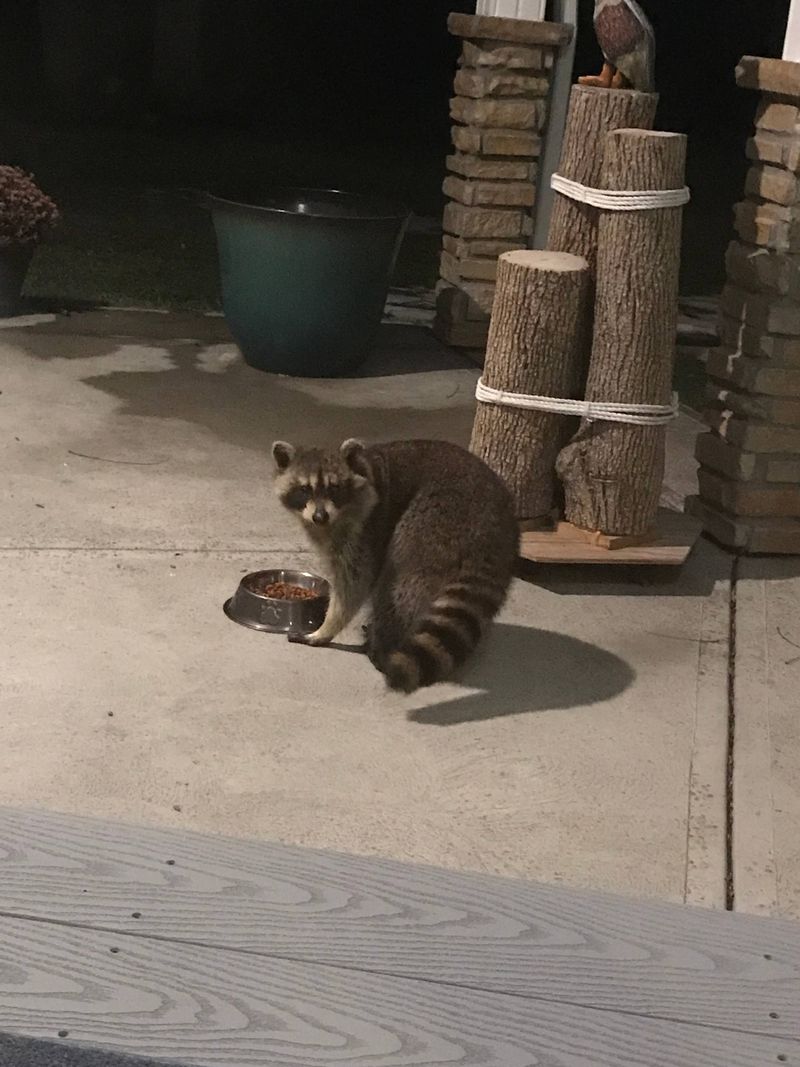
Known mostly for soothing sore muscles, Epsom salt has a surprising second job in the yard. Many gardeners report it works as a raccoon deterrent when spread in the right spots.
Scatter it around areas where raccoons show up, like the base of your trash bins or along garden rows. The scent and mineral makeup seem to discourage them from sticking around.
There’s a nice extra payoff here, too. Epsom salt can feed your plants a dose of magnesium, so you’re deterring pests and fertilizing at the same time.
Just reapply after rain, since it dissolves easily.
11. Lemongrass
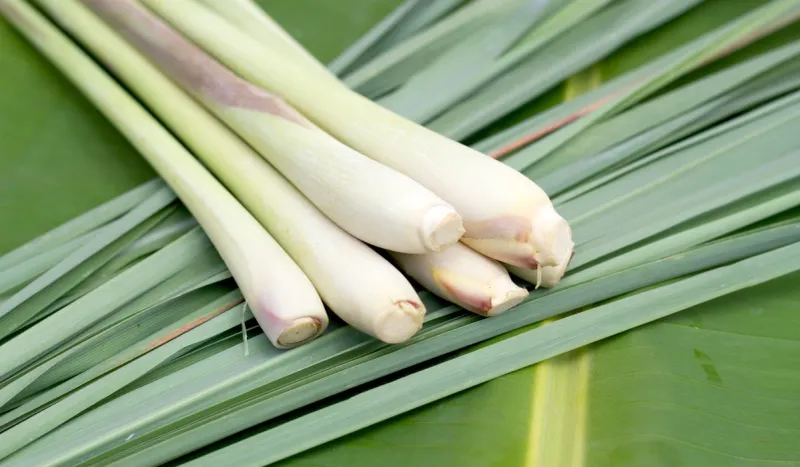
With its clean, grassy citrus scent, lemongrass does something clever in your yard. It masks the food smells that lure raccoons in, so they never catch the scent trail that leads to your trash or crops.
Lemongrass oil is the easiest way to spread that aroma around. Many people mix it with a bit of castor oil, which helps the scent linger longer instead of fading fast.
Spray the blend around garden borders, entry points, and bins. Growing the plant itself along your beds adds a fragrant, living layer of protection that looks nice too.
12. Eucalyptus Oil
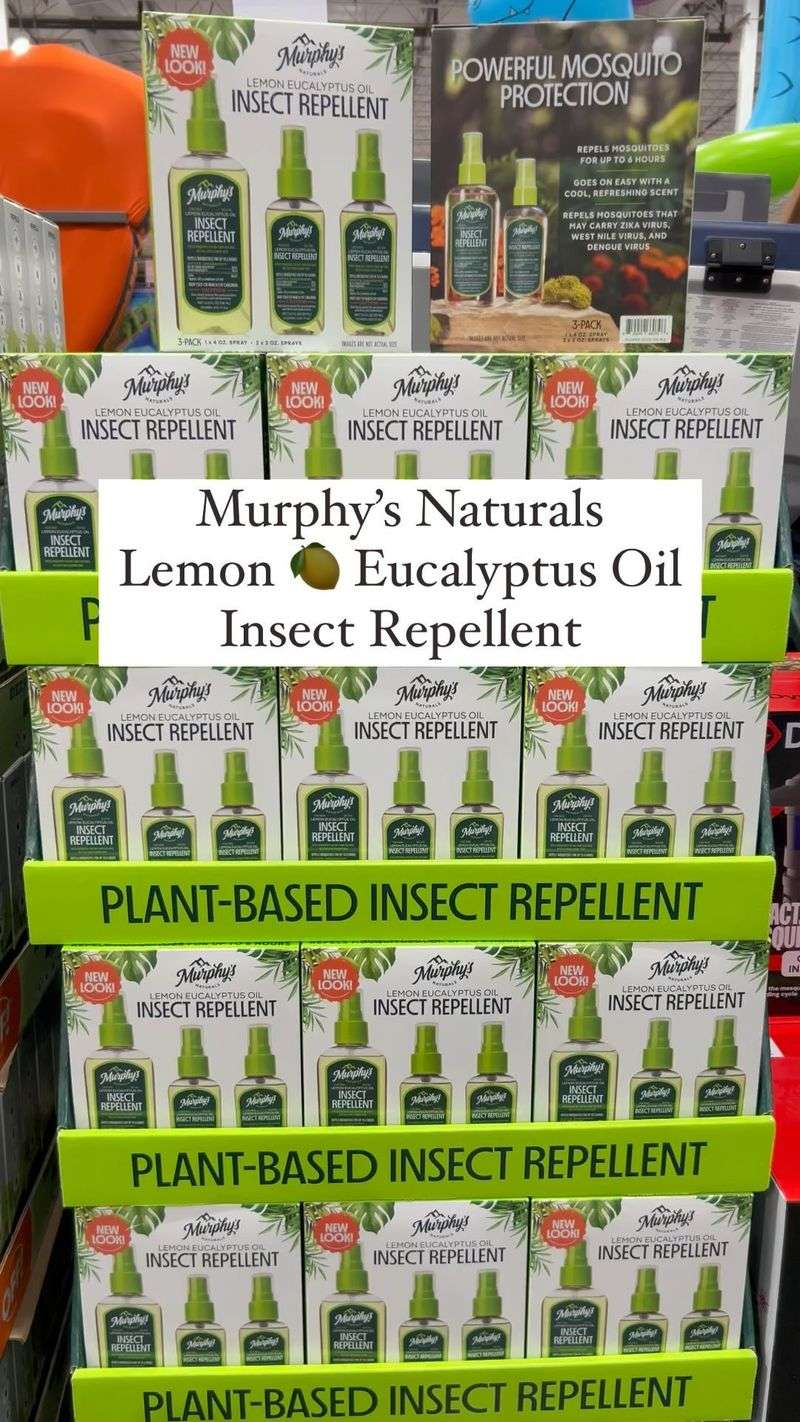
That spa-like, medicinal scent of eucalyptus is another aroma raccoons would rather avoid. What smells refreshing to you reads as unpleasant to their sensitive noses.
Mix eucalyptus oil with water in a spray bottle and treat the areas raccoons target most. Think trash cans, garden beds, and any gaps they might use to sneak in.
A light misting every few days keeps the scent active, especially after rain washes it away. It pairs well with peppermint oil if you want to double up on the essential-oil approach.
13. Marigolds
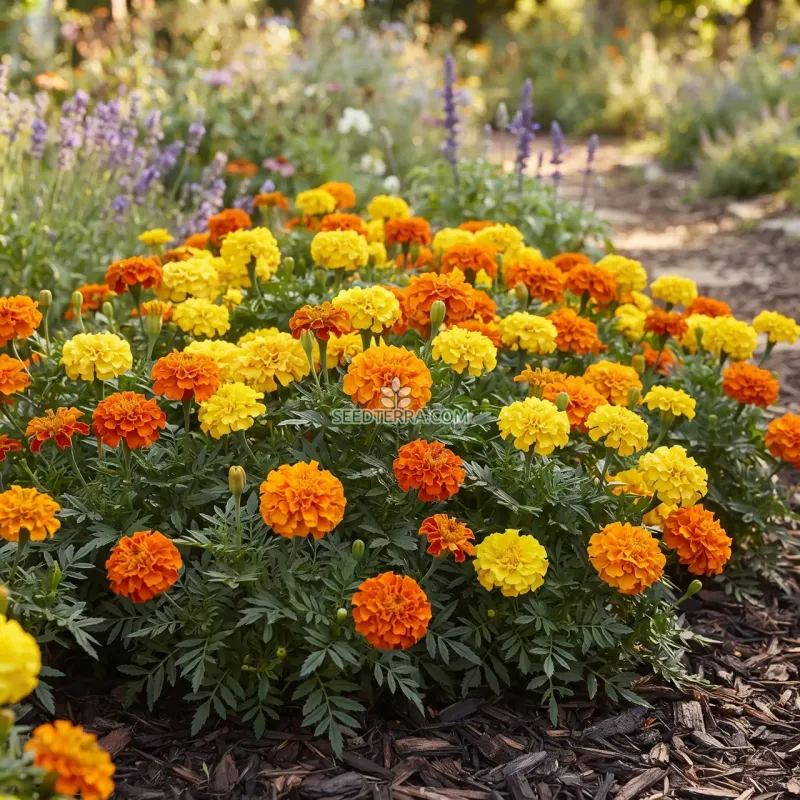
Cheerful and golden, marigolds do a lot more than brighten a flower bed. Mexican marigolds, known by their botanical name Tagetes erecta, produce sulfur-based compounds called thiophenes that scramble a raccoon’s scent receptors.
Planting them along the borders of your vegetable garden gives you a natural, good-looking guard. Their bold fragrance is one raccoons dislike, so they’ll think twice before wandering through.
Fun bit of garden trivia: marigolds are famous for repelling all sorts of pests, which is why so many gardeners tuck them among their tomatoes and peppers. You get color, pollinators, and a raccoon barrier all in one plant.