
The Native Evergreen Ground Cover That Carpets The Shade Under North Carolina Shrubs For Years
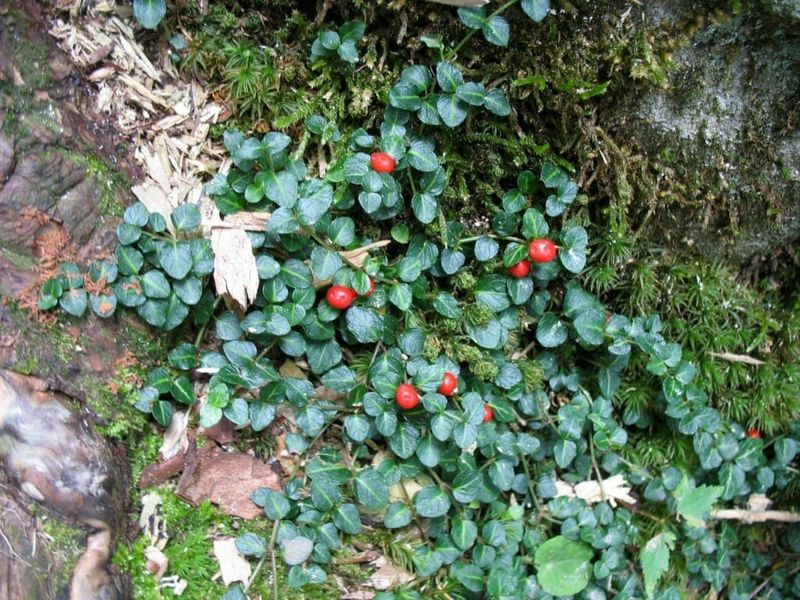
Bare soil under shrubs is one of those garden problems that seems small until weeds move in and stay. Partridgeberry, known botanically as Mitchella repens, is a native evergreen perennial that can slowly fill shaded spots across North Carolina with low, glossy green growth and bright red winter berries.
Gardeners who match this plant to the right site and give it time to settle often find it provides durable, year-round cover that invasive groundcovers like English ivy simply cannot match without damaging the surrounding ecosystem. The catch is that partridgeberry is a patient plant, not a quick fix, and understanding what it needs makes all the difference.
Partridgeberry can slowly green a suitable shade bed
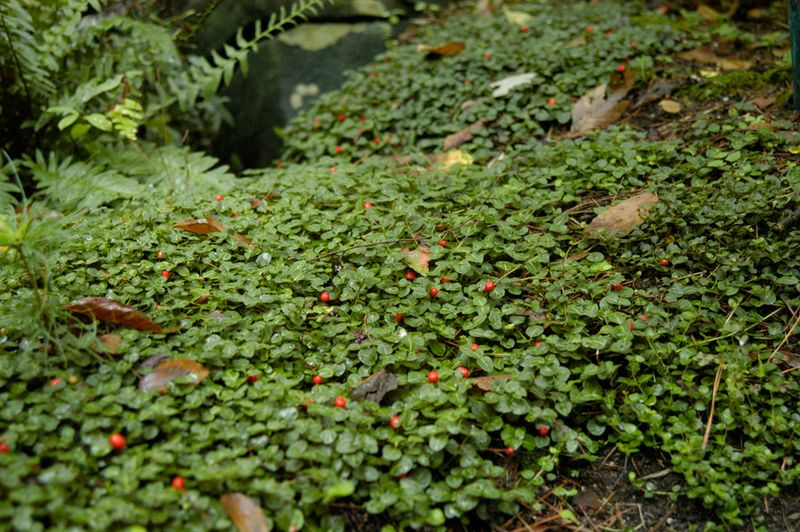
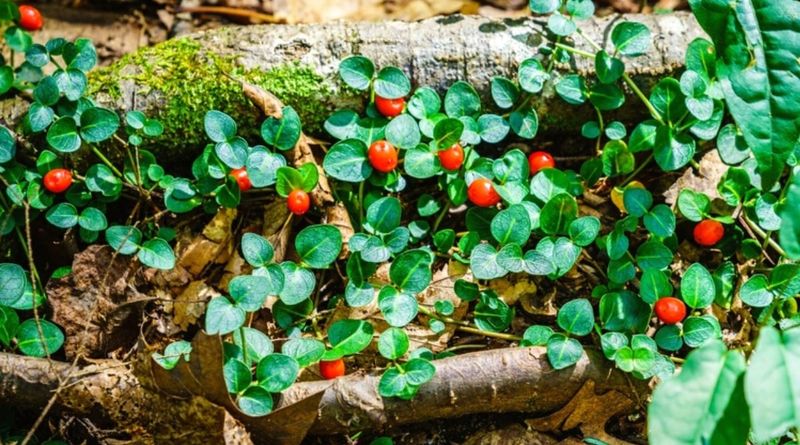
Mitchella repens earns its place in shaded North Carolina shrub beds through a combination of traits that few native plants can match at ground level. Its small, paired leaves are dark and glossy, holding their color through fall and into winter without the brown edges or dieback that many gardeners expect from something this low to the ground.
Mature plants reach roughly 2 to 3 inches tall and spread to about 12 to 16 inches wide, creeping outward as their stems root at nodes along the soil surface.
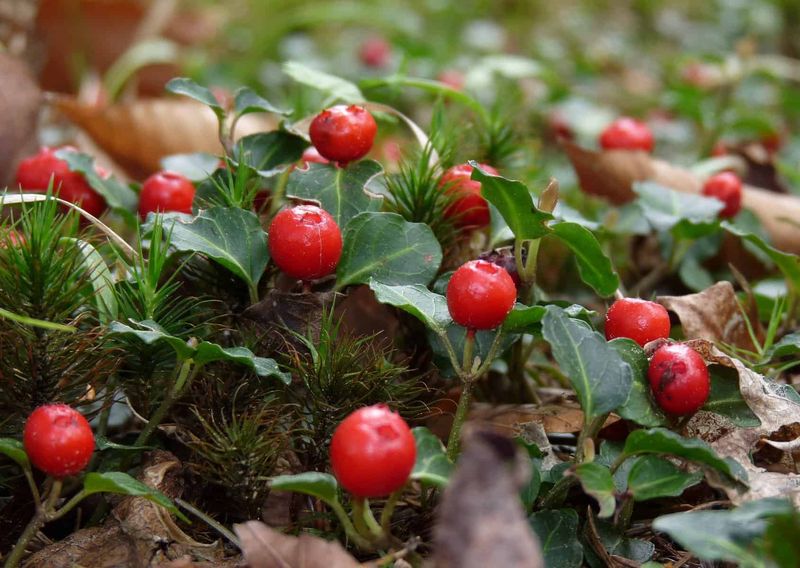
The red berries that appear in late summer and fall are one of the plant’s most recognized features. They often persist well into winter, sitting at the tips of the trailing stems like small ornaments against the green foliage.
NC State Extension’s Plant Toolbox lists the plant as native across all three major North Carolina regions, suited for partial through deep shade, and tolerant of the moist, humus-rich, acidic, well-drained soils that characterize good woodland garden beds.
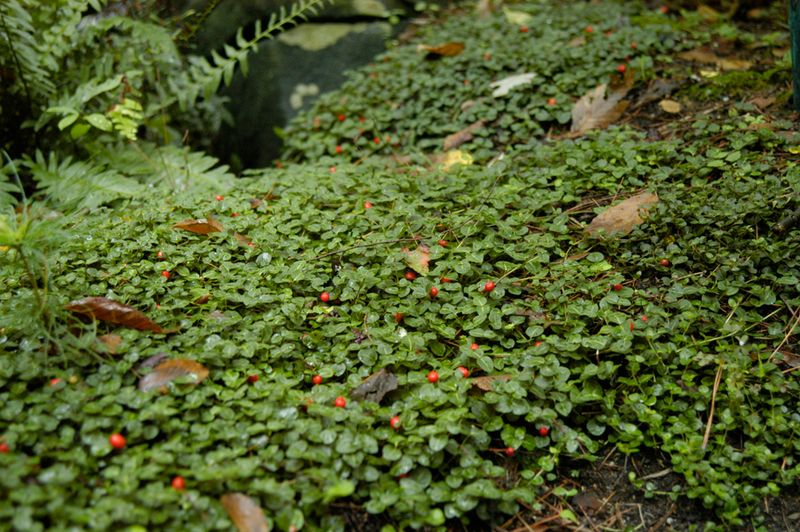
What partridgeberry offers is persistent, low-growing cover that builds gradually rather than arriving all at once. Calling the result a carpet is accurate as a description of its eventual mat-forming habit, but not as a promise of rapid, gap-free coverage.
For gardeners looking to replace invasive groundcovers such as English ivy or periwinkle with something genuinely native, partridgeberry is a strong option for appropriate shaded sites, though it works best on a small scale where patient establishment is possible.
Match the plant to the shade, soil, and roots
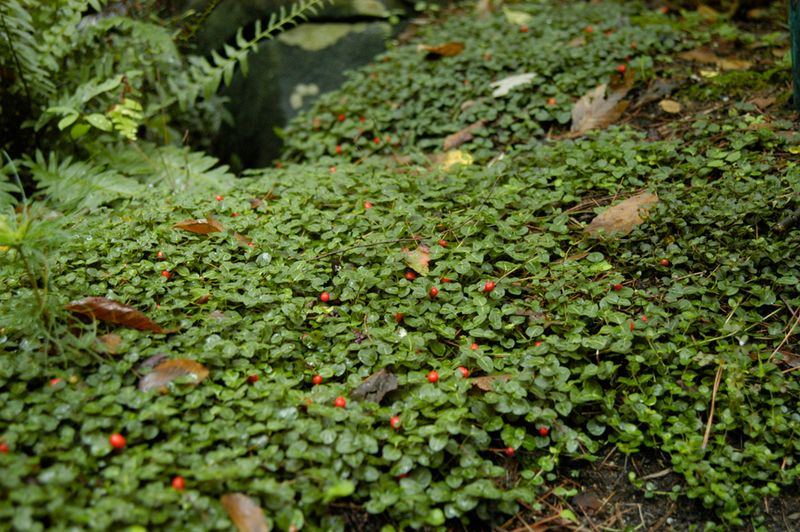
Before buying a single division of partridgeberry, walk the planting site on a dry week and pay attention to what the soil actually feels like. Partridgeberry performs in partial shade through fairly dense hardwood shade, and a USDA Forest Service species account notes it thriving beneath mature canopy cover across eastern forests.
That shade tolerance is real, but shade alone does not describe the full picture of what the plant needs.
Soil condition is just as important as light level. The best-supported target is moist, humus-rich, acidic, well-drained soil, the kind found in established woodland garden beds with years of leaf decomposition worked into the surface.
Compacted clay that drains poorly, sandy soil that dries out quickly between rains, and heavy root mats from aggressive established shrubs can all prevent the plant from settling in, even when the light level looks right on paper. NC State Extension’s guidance on native plant establishment emphasizes that soil texture, drainage, pH, and organic matter matter as much as overhead light when placing shade-tolerant groundcovers.
Partridgeberry is listed for USDA Zones 3a through 8b, covering every part of North Carolina from the coast to the high mountains. That wide range is encouraging, but local site conditions still determine success.
A bed beneath a mature rhododendron or native azalea in the western mountains may be a near-perfect fit if the soil is moist and slightly acidic. A spot beneath a red maple in the Piedmont can work too, but root competition for moisture during summer dry spells is a real challenge and should be factored in before planting.
Drainage deserves special mention. Partridgeberry does not tolerate standing water or chronically saturated soil, even in shade.
NC State’s shade planting guidance points out that poor drainage under tree canopies is more common than gardeners expect, particularly in the Piedmont’s clay-heavy soils. If water pools after rain and stays for more than a few hours, address drainage before planting rather than hoping the groundcover will adapt.
Expect gradual filling, not rapid carpet coverage
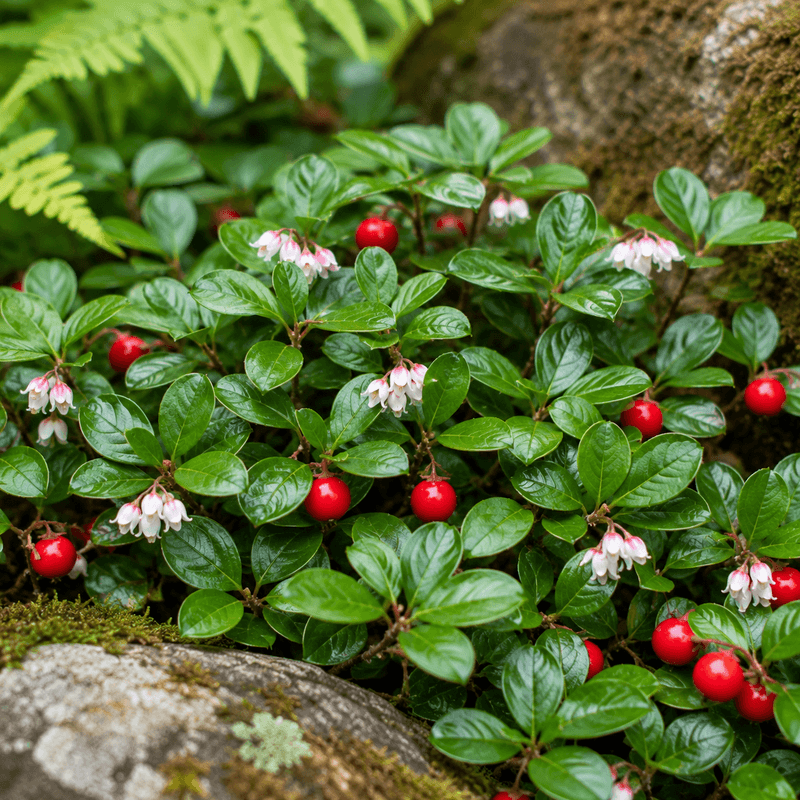
Partridgeberry spreads by sending out creeping stems that root wherever they make good contact with moist soil. The USDA Forest Service’s Fire Effects Information System profile for Mitchella repens describes this vegetative spread as the plant’s primary natural regeneration method, noting that rhizomatous growth allows it to form loose mats across the forest floor over time.
The word “over time” is doing real work in that description.
NC State Extension is direct about the pace: partridgeberry is slow-growing and can be difficult to establish. Small nursery divisions planted into a prepared bed will typically spend their first season putting energy into root development rather than visible spread.
Gaps between plants may stay open for a year or two before stems begin to bridge them, and uneven filling is normal rather than a sign that something went wrong. Expecting a neat, continuous mat by the end of the first growing season sets up disappointment.
The term “carpet” in the context of partridgeberry describes what a mature, well-established planting eventually looks like, not what happens quickly. In the right site, a bed planted with healthy divisions at appropriate spacing can gradually develop into a low, interlocking layer of glossy foliage that reads as cohesive groundcover from a normal viewing distance.
Getting there requires patience, consistent moisture during establishment, and a realistic timeline measured in years rather than months.
One practical implication is that perennial weeds must be controlled before planting and managed during the filling period. Because partridgeberry is not aggressive, fast-growing weeds can outcompete it easily in the gaps between new divisions.
Treating establishment as an active phase, not a set-and-forget moment, gives the plant its best chance to eventually cover the ground on its own terms.
Prepare the bed before planting divisions
Good bed preparation before the first division goes in the ground does more for long-term success than any amount of follow-up care. Start by removing all perennial weeds from the entire planting area, not just the spots where individual plants will go.
Bindweed, ground ivy, and other persistent weeds will find the gaps between slow-growing partridgeberry divisions and claim them quickly if the root systems are left intact. Hand-pulling during a wet period is usually the most practical approach in an established shrub bed where herbicide use around woody roots is risky.
After weeds are cleared, assess the soil honestly. NC State Extension’s native plant handbook recommends testing soil and improving compacted or depleted soil across the full planting area rather than only inside individual planting holes.
For partridgeberry, that means working compost or leaf mold into the top several inches of soil throughout the bed, which improves drainage in clay-heavy Piedmont soils and adds moisture retention in sandier Coastal Plain sites. Acidic organic amendments also help push pH toward the slightly acidic range the plant prefers.
Division is the documented propagation approach for partridgeberry, and most nursery stock arrives as rooted stem divisions. NC State Extension’s shade gardening guidance notes that small plants and careful spacing help reduce disturbance to existing woody roots and improve air circulation around new plantings.
Place divisions so that the plant sits at the same level it occupied in its nursery container, without pushing it deeper into the soil or mounding soil over the foliage. No species-specific planting depth beyond matching the nursery soil line is supported by the available evidence.
Once plants are in place, apply a thin layer of organic mulch, such as shredded leaves or pine straw, around the plants but not over the foliage. Burying the small leaves under heavy mulch cuts off light and traps moisture against the stems in a way that encourages rot rather than rooting.
Water new divisions reliably during the first few weeks, aiming to keep the soil consistently moist while roots extend into the surrounding bed. NC State’s partridgeberry profile confirms that consistent moisture during establishment is important, and skipping irrigation during dry spells in the first season is one of the most common reasons new plantings fail.
Manage leaves, moisture, and woody-root competition
Once partridgeberry is in the ground, the main ongoing tasks are managing what falls on it, keeping moisture available during dry stretches, and staying alert to competition from the woody plants overhead. NC State’s shade planting guidance points out that established trees and shrubs pull water and nutrients from the same soil layer where groundcovers are trying to root, and that competition intensifies during summer dry periods in North Carolina’s Piedmont and Coastal Plain.
Supplemental watering during dry spells is not optional during the first year or two, and even established plants benefit from attention during extended drought. The plant prefers moist soil and while it can tolerate some dry shade once rooted in, drought tolerance is not the same as no irrigation requirement.
A slow, deep soak at the base of the planting is more useful than frequent light sprinkles that wet only the surface.
Fallen deciduous leaves present a genuine management balance. NC State Extension’s leave-the-leaves guidance explains that leaf litter supports ground-foraging wildlife and provides habitat for organisms such as firefly larvae and click beetles, making a light leaf layer genuinely beneficial in a woodland-style bed.
However, a thick accumulation of whole leaves can smother the small foliage of partridgeberry, cutting off light and trapping moisture in ways that weaken rather than protect the plant.
The practical answer is to leave a modest layer of partially broken-down leaves and remove or shred heavy accumulations so that the partridgeberry foliage remains visible above the litter. The Georgia Native Plant Society’s partridgeberry profile also notes that the plant does best when leaf cover is light rather than dense.
Evergreen growth is a genuine asset in winter, but it does not mean the planting runs itself. Ordinary site management, including seasonal leaf checks, periodic weed removal from gaps, and dry-period watering, remains part of keeping the bed healthy year after year.
Let the berries support wildlife, not risky claims
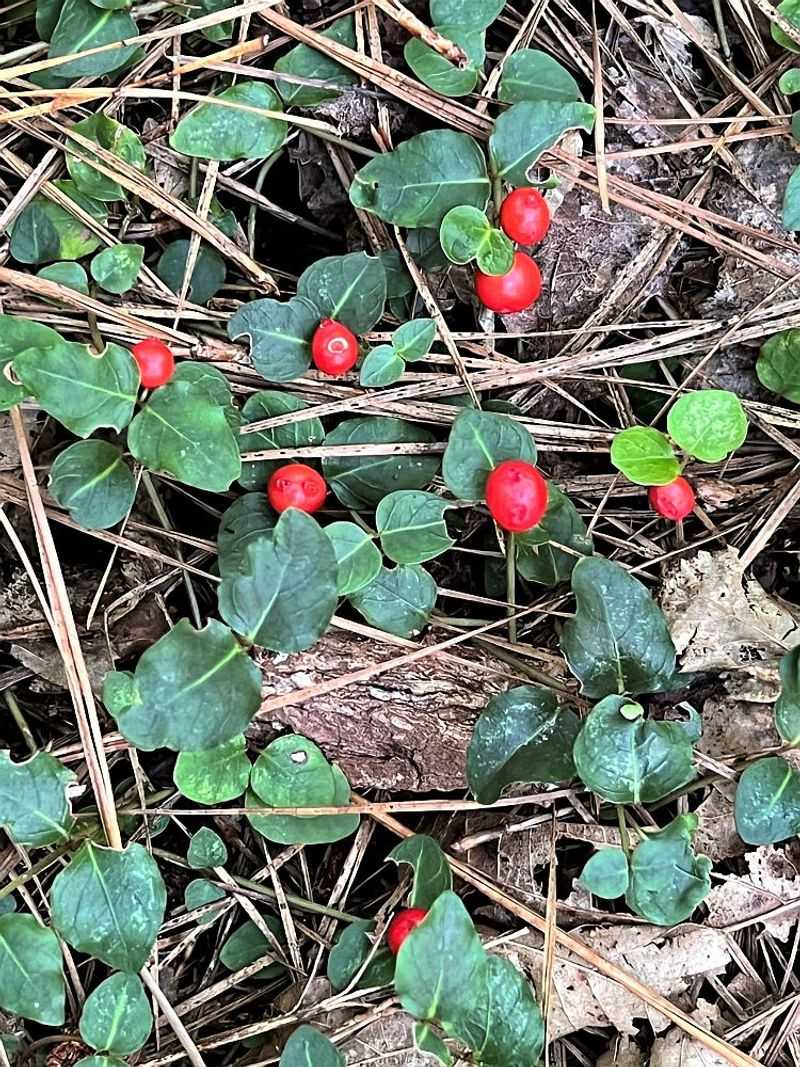
The red berries that give partridgeberry much of its winter appeal serve a practical role in the yard’s food web. Songbirds, ruffed grouse, wild turkeys, and quail are among the documented consumers of the fruit, and the USDA Forest Service’s species review for Mitchella repens adds raccoons and red foxes to the list of animals recorded eating the berries.
That’s meaningful wildlife value from a plant that occupies only a few inches of vertical space.
The habitat benefits associated with a partridgeberry planting extend somewhat beyond the berries themselves. Leaf litter in and around the bed, rather than partridgeberry specifically, is the NC State-supported connection to organisms like firefly larvae.
NC State Extension’s leaf-litter guidance describes how organic ground cover supports a range of invertebrates that form the base of the food chain for many of the birds and small mammals North Carolina homeowners want in their yards. Partridgeberry contributes to that system by keeping the ground covered and providing fruit, but the broader woodland habitat does the heavier lifting.
Deer resistance is worth addressing honestly. NC State’s partridgeberry listing describes the plant as moderately resistant to deer damage, while the USDA Forest Service’s southern species account documents deer browsing on the foliage.
Moderate resistance means browsing is less frequent than with highly palatable plants, not that deer will reliably leave it alone. Gardens in areas with high deer pressure should factor that in when deciding how much of a bed to commit to partridgeberry.
The red berries should be treated as wildlife food, not a human snack or home remedy. Sources on the plant’s historical uses are inconsistent, and a federal ethnobotanical document includes both historical therapeutic references and a toxicity notation for the plant, making human consumption advice unreliable.
One additional identification note: partridgeberry can be confused at a glance with wild ginger in the Asarum genus, which NC State identifies as carrying medium-severity poison characteristics, including nephrotoxic and carcinogenic compounds. Accurate botanical identification matters before handling or consuming any plant from a woodland bed.
Use partridgeberry where patience fits the landscape
Partridgeberry earns its place in the right garden, and defining “right” clearly is the most useful thing a gardener can do before purchasing plants. Protected shrub borders, small woodland-style beds, and shaded pockets where the soil can be improved and kept reasonably moist are its best fits.
A bed under native azaleas in the mountains, a shaded corner beneath a deciduous holly in the Piedmont, or a sheltered spot under a wax myrtle near the coast can all work well when the soil conditions are addressed before planting.
Where partridgeberry is a poor fit is just as important to understand. Dry, root-filled shade beneath large established maples or beeches with dense surface root mats is a genuinely difficult environment, and dropping partridgeberry into it without soil improvement is likely to result in failure rather than a low-maintenance carpet.
NC State’s plant listing notes that many gardeners find the plant insufficiently aggressive for large areas, which means it is better suited to small-scale use than to replacing a full lawn panel or covering a wide open slope. Mulch and active weed management remain necessary throughout the filling period.
The case for choosing partridgeberry over common non-native groundcovers is strong on ecological grounds. North Carolina Sea Grant’s plant swap guide recommends it as a native alternative to English ivy, periwinkle, and wintercreeper, all of which spread beyond garden edges and displace native vegetation.
NC State identifies periwinkle as invasive in North Carolina, a status that makes replacing it with a native like partridgeberry a genuine stewardship act rather than just a stylistic choice.
The conditional takeaway is simple: partridgeberry can deliver durable, attractive green cover in a shaded shrub bed when the gardener matches the plant to the site and allows time for it to settle in. A gardener who understands that the filling is gradual, the soil preparation is non-negotiable, and the scale is small is the one most likely to look at that bed a few years from now and feel the patience was worth it.