
If Your Tomatoes Are Breaking Out In Black Spots, Here Are 13 Causes And The Quick Fix For Each
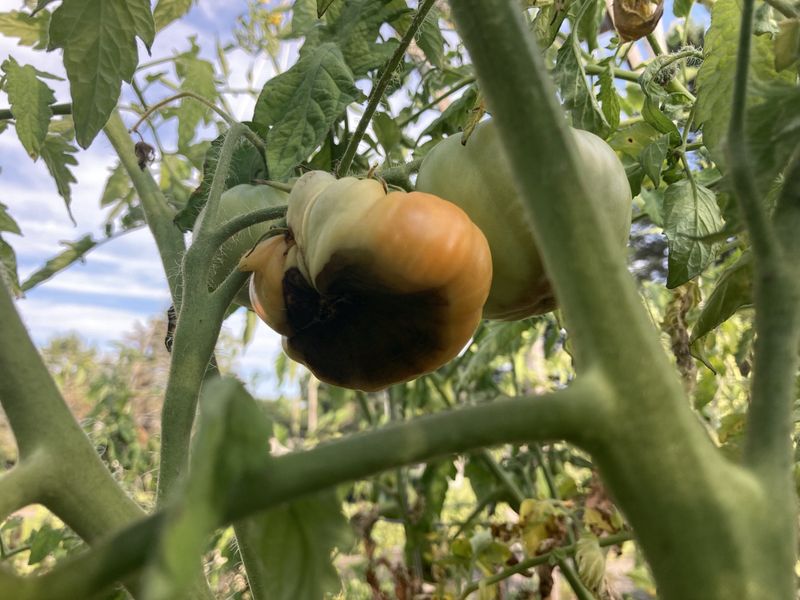
Spotting dark blemishes on your tomatoes can feel like a punch to the gut after all your hard work in the garden. The good news is that most black spots come from problems you can actually fix, whether it’s a watering habit, a fungus, or a hungry bug.
Below are 13 common causes and a simple, doable fix for each one. Let’s help your plants bounce back so you can enjoy a healthy harvest.
1. Blossom End Rot
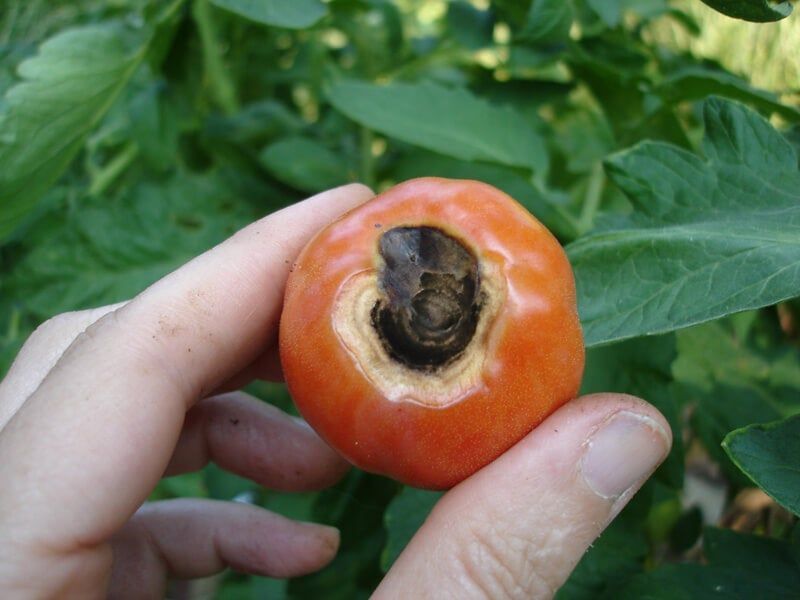
Ever picked what looked like a perfect tomato, only to flip it over and find an ugly sunken brown patch on the bottom? That’s blossom end rot, and it’s one of the most frustrating sights for a home grower.
Despite how it looks, it isn’t a disease. It’s usually caused by a calcium shortage in the fruit, often triggered by uneven watering.
Too much water one week and bone-dry the next throws the whole system off, and poor drainage or too much nitrogen fertilizer can make it worse.
The fix starts at the hose. Water regularly and evenly, aiming for about 1 to 1.5 inches per week, and add a layer of mulch around the base to lock in moisture.
Most soil already has plenty of calcium, so the real trick is helping the plant absorb it through steady moisture. If a soil test confirms a shortage, a calcium supplement can help, and easing off high-nitrogen feed keeps things balanced.
2. Septoria Leaf Spot
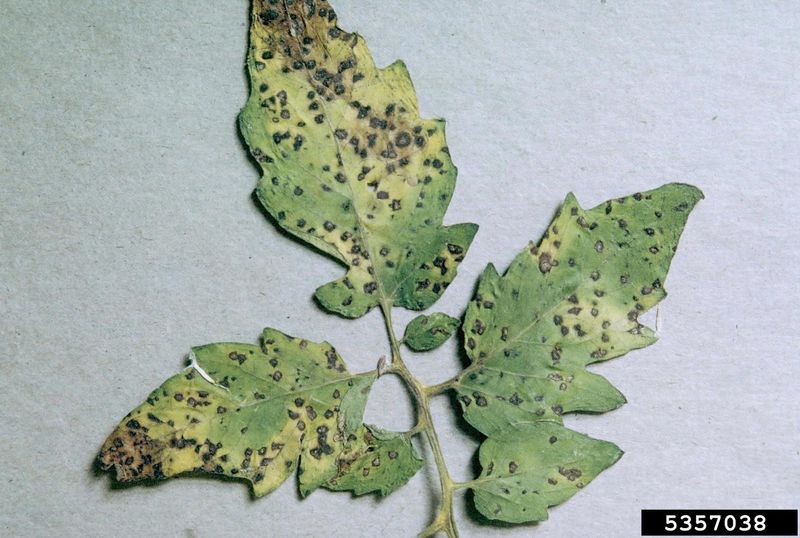
If your lower leaves are speckled with tiny circles that look almost polka-dotted, Septoria leaf spot may be the culprit. Each spot has a dark rim and a pale beige center, often dotted with even smaller black specks that are actually the fungus making spores.
The trouble usually starts near the ground and climbs upward, turning leaves yellow before they dry up and drop off. Warm, damp, humid weather is exactly what this fungus loves.
Grab your pruners and remove any infected leaves right away, then toss them in the trash rather than the compost pile. Give your plants room to breathe by spacing them well and clipping off crowded lower branches.
Water at the base in the morning so leaves dry fast, and a copper-based or biological fungicide can help keep it in check.
3. Early Blight
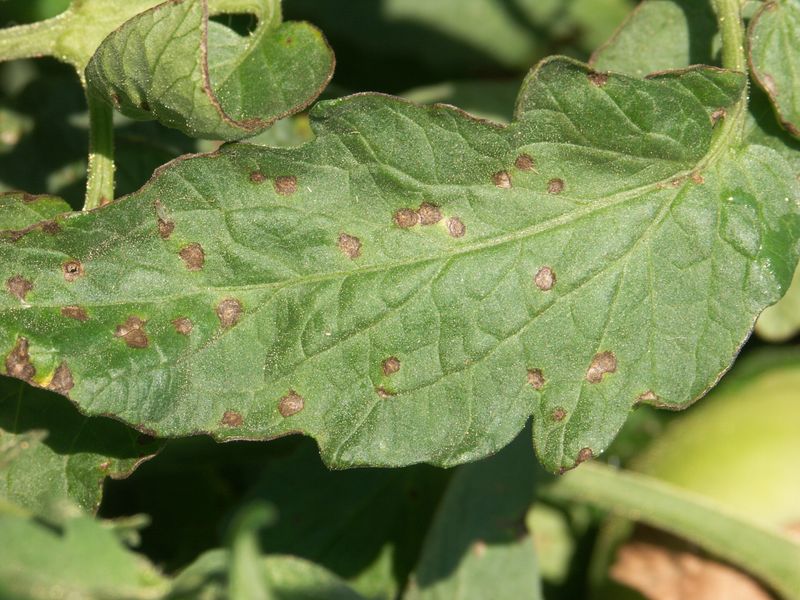
Picture a tiny bullseye stamped onto your tomato leaves. That target-like pattern of concentric rings is the calling card of early blight, a fungal disease that tends to hit older, lower leaves first.
It doesn’t stop at the foliage, either. The fungus can carve dark, sunken lesions into stems and leave leathery black patches on fruit near the stem end.
Plants already stressed by heat or drought are the easiest targets.
Start by pruning away every affected leaf, stem, and fruit you can find. Neem oil, copper, or sulfur dust all work as treatments, and spraying early helps most.
Going forward, rotate where you plant your tomatoes each year, keep air flowing between plants, and water down at the soil line to stop splashing. Choosing disease-resistant varieties next season is a smart insurance policy.
4. Bacterial Spot
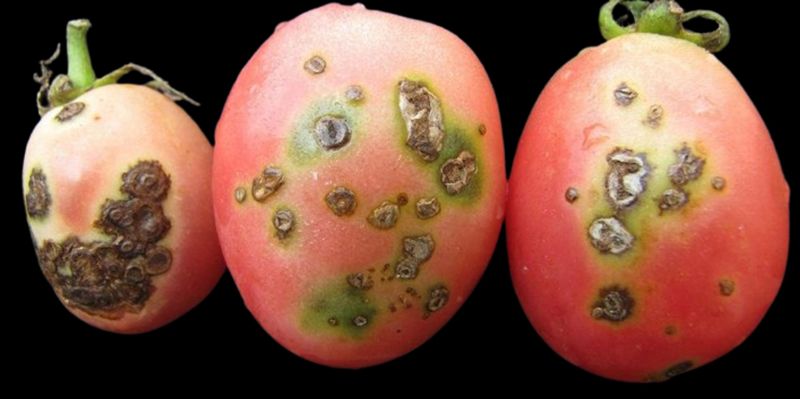
Small, water-soaked dots that darken to black and feel slightly raised? You could be dealing with bacterial spot, caused by Xanthomonas bacteria.
Look for faint yellow halos ringing the spots, plus scabby marks that can show up on stems and fruit.
Warm, wet, and humid stretches let this one spread fast, and once it takes hold hard, there’s no true cure. That makes prevention your best friend here.
Start with certified disease-free seeds and transplants, and wipe down your tools between plants so you’re not carrying bacteria around. Skip overhead sprinklers in favor of drip lines or watering at the base, and apply copper fungicides before problems appear rather than after.
Rotating your crops each year gives the bacteria one less place to overwinter.
5. Bacterial Speck
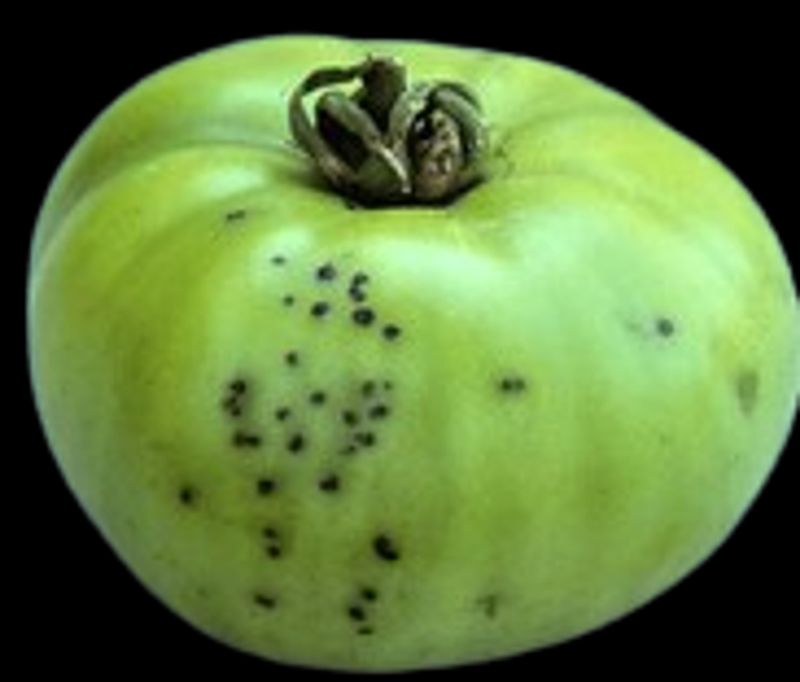
Bacterial speck is like bacterial spot’s cooler-weather cousin. Caused by Pseudomonas syringae, it shows up as very tiny, pinpoint black specks on the fruit, sometimes wearing faint green or yellow halos.
On leaves, you’ll notice small, round, dark brown to black marks. Unlike many tomato troubles, this bacterium actually prefers cool, wet weather, so a chilly damp spring can bring it out.
The playbook mirrors bacterial spot. Reach for pathogen-free seeds and transplants, keep your tools clean, and stop watering from above.
A copper fungicide used preventively during cool, wet spells can help hold it back. If the forecast is cold and soggy, it’s worth waiting for warmer, drier days before you set out new plants.
6. Anthracnose
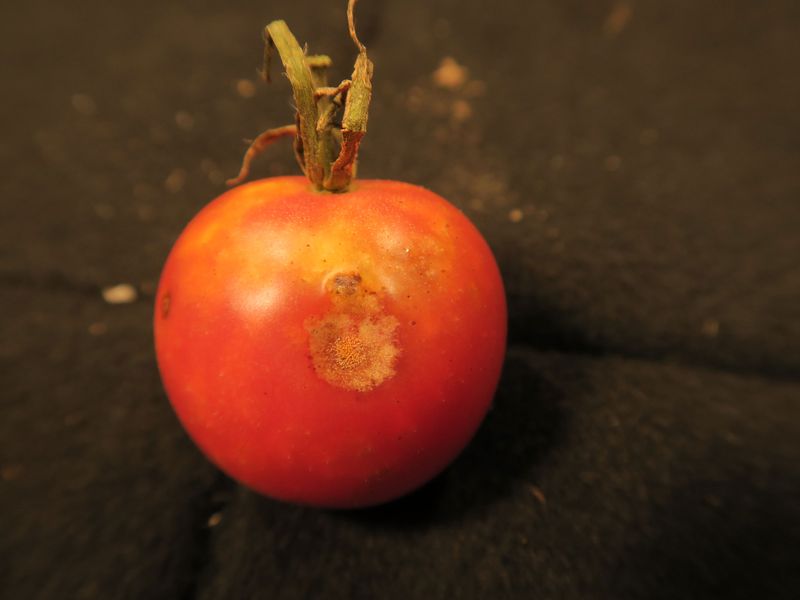
Anthracnose has a sneaky habit of waiting until your tomatoes are ripe and ready before it strikes. It appears as small, sunken, water-soaked spots that grow larger, sink in with dark centers, and sometimes ooze salmon-colored spores when it’s warm and damp.
You might spot it on leaves too, where it often tags along with early blight. Fruit resting on wet soil is especially vulnerable.
Clear out any diseased leaves and fruit as soon as you see them. Copper or sulfur dust works well, and biological fungicides containing Bacillus subtilis are another option.
Keeping fruit off the ground with sturdy stakes makes a big difference, and drip irrigation plus mulch keep things drier. As with so many fungal issues, rotating your crops stops spores from sticking around year after year.
7. Late Blight
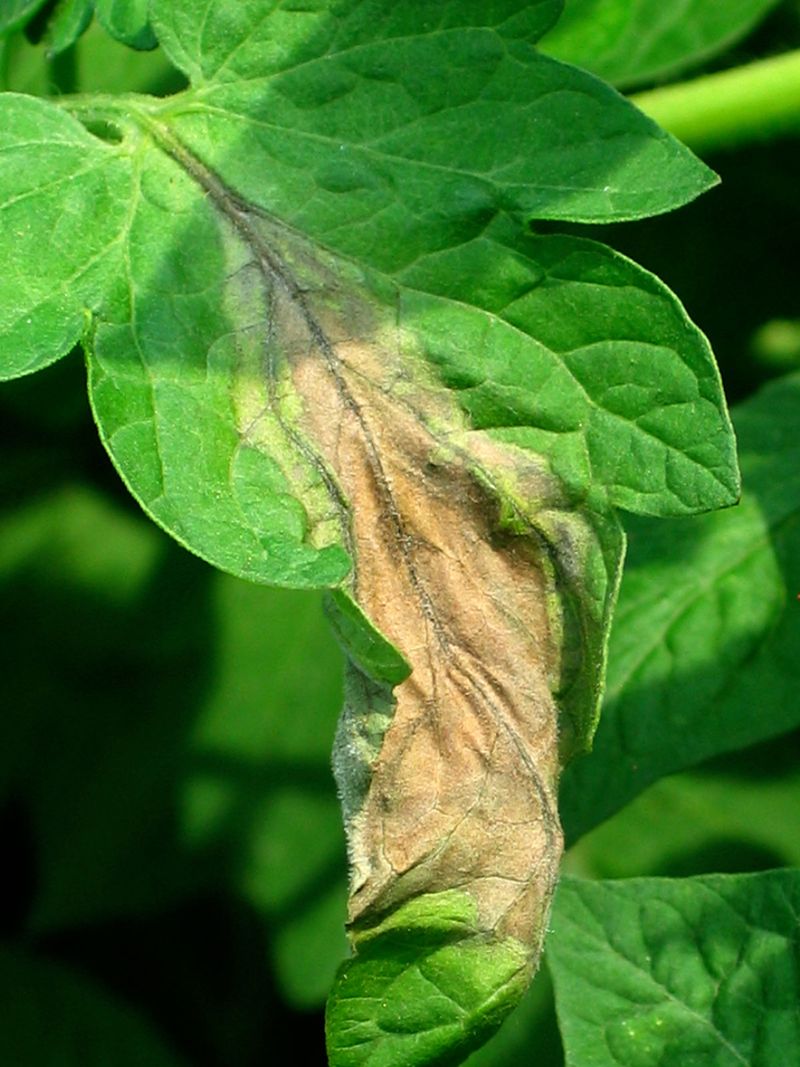
Of all the black-spot troublemakers, late blight is the one that can wipe out a plant in what feels like the blink of an eye. Caused by a water mold called Phytophthora infestans, it spreads like wildfire in cool, wet, humid weather.
The damage is unmistakable: large, irregular, water-soaked patches that quickly turn dark brown or black across leaves, stems, and fruit. A healthy-looking plant can be stripped bare in a matter of days.
Because it moves so fast, staying ahead of it matters. Improve your soil drainage, keep moisture around the plants steady, and plant resistant varieties if you can.
Rotate your crops, and if late blight is a known visitor in your area, apply preventative fungicides before it shows up rather than scrambling once it does.
8. Tomato Spotted Wilt Virus
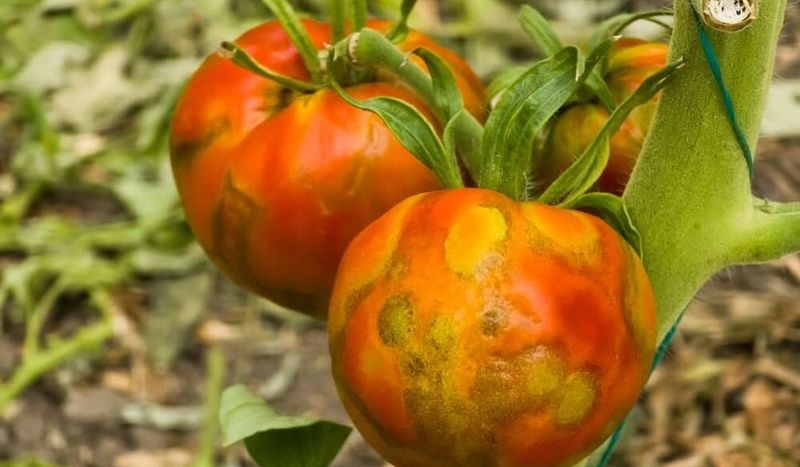
Here’s a puzzle that catches a lot of gardeners off guard: rings on the fruit but hardly a mark on the leaves. Tomato spotted wilt virus creates concentric circles on the tomatoes that begin light yellow and then darken to a necrotic brownish-black, leaving the fruit inedible.
The virus doesn’t spread on its own. It hitches a ride with thrips, those tiny slivers of insects that pierce plant tissue and pass the infection along.
There’s no way to cure a virus once it’s inside a plant, so your focus shifts to the thrips. Insecticidal soap can knock down their numbers, and resistant tomato varieties give you a head start.
Any plant showing symptoms should be pulled and destroyed immediately, never composted, so the virus doesn’t hop to its neighbors.
9. Bacterial Canker
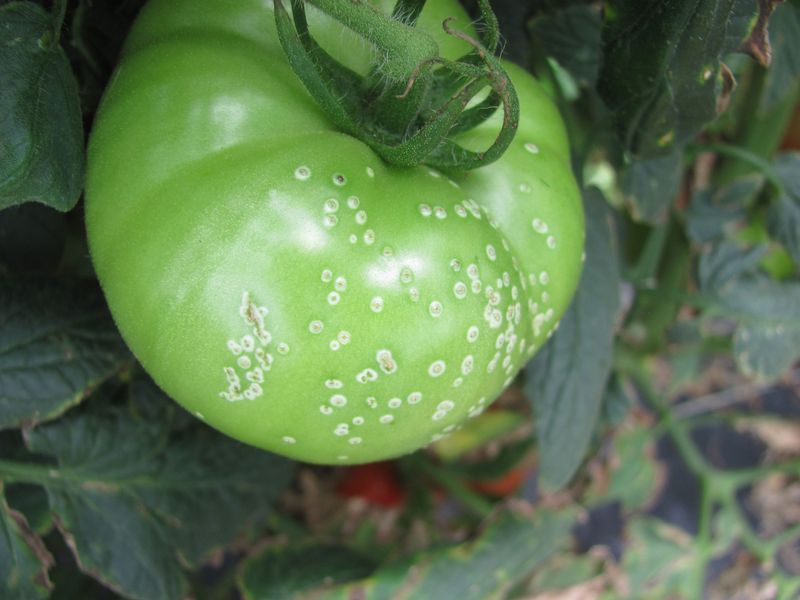
Some spots are so distinctive they earn their own nickname. Bacterial canker leaves behind bird’s eye lesions on ripe fruit, tiny black dots each ringed with a whitish halo that really do look like little eyes staring back at you.
Don’t let the small size fool you. This is a systemic disease, meaning it works through the whole plant and can spread rapidly, eventually killing it.
Because there’s no cure, the response has to be swift and firm. Pull out infected plants the moment you spot symptoms and throw them away, never in the compost.
Then scrub and disinfect every tool you touched so you’re not carrying the bacteria to your remaining healthy plants.
10. Sooty Mold
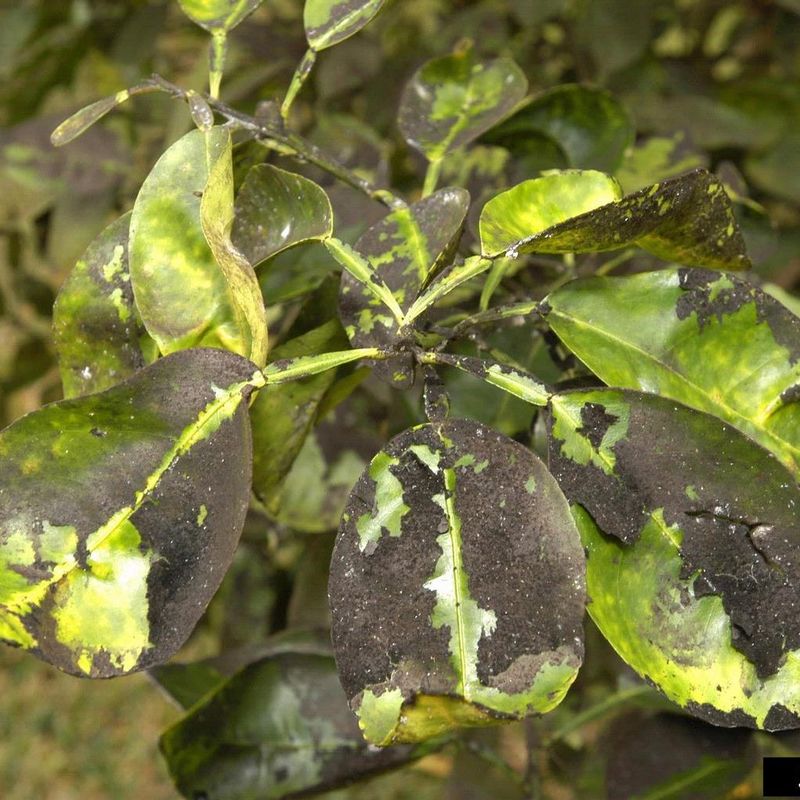
Wipe a leaf and the black comes off on your finger? Then you’re probably looking at sooty mold, and here’s the twist: it isn’t actually infecting your tomato at all.
The powdery black coating grows on the sticky honeydew that sap-sucking pests leave behind, like aphids, whiteflies, and scale insects. While the mold itself doesn’t invade the plant, it does block sunlight, which slows down photosynthesis and weakens your tomato.
The real solution is going after the bugs. A strong blast of water can knock aphids off, and insecticidal soap sprays handle heavier infestations.
Once the pests are gone, the honeydew stops flowing, and the sooty mold will gradually fade away on its own. Fix the source, and the symptom follows.
11. Poor Air Circulation, High Humidity and Overhead Watering
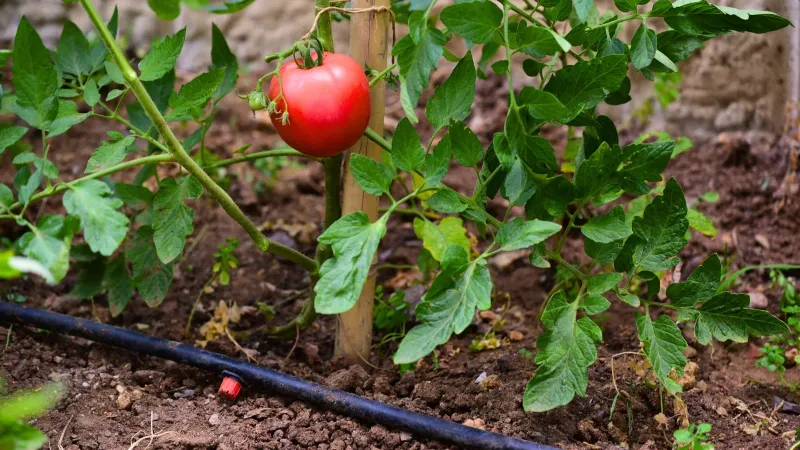
Sometimes the problem isn’t a single villain but the environment you’ve unknowingly created. Crowded plants, muggy air, and wet leaves form a welcome mat for nearly every fungus and bacteria that causes black spots.
When foliage stays damp and air sits still around the plants, spores settle in and multiply. It’s the invisible setup behind so many other issues on this list.
Fixing it is refreshingly low-cost. Space your plants generously so air can move between them, and prune off lower leaves and suckers to open up the canopy.
Always water at the base with a drip line or soaker hose, ideally in the morning, so any stray droplets dry quickly. Skip the overhead sprinklers entirely, and you’ll cut off the conditions many diseases depend on.
12. Cold Stress
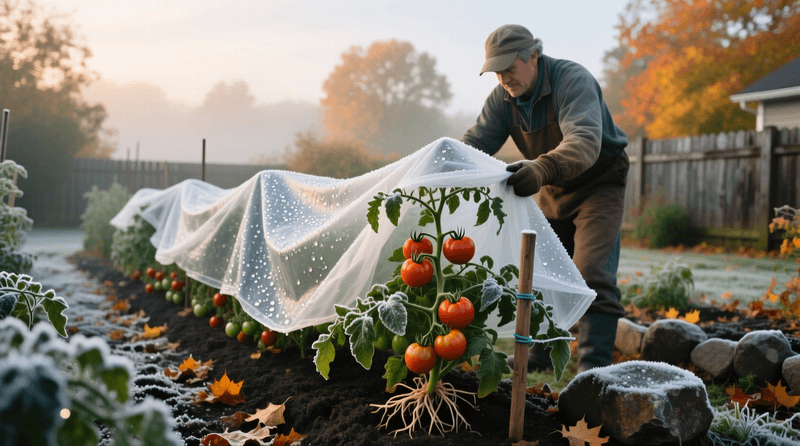
Tomatoes are sun-loving plants at heart, so a sudden cold snap can leave them shivering and vulnerable. Chilly temperatures weaken the plant’s defenses, opening the door for diseases like Septoria leaf spot and bacterial spot to move in and cause dark marks.
The cold itself may not spot the fruit directly, but the stress it creates sets the stage for other problems to take over.
Keep an eye on the forecast, especially in early spring and late fall. Drape row covers over your plants when a cold night threatens, or bring container tomatoes indoors if temperatures are about to plunge.
After a cold event, inspect your plants and snip off any leaves showing signs of disease so trouble doesn’t spread while the plant is still recovering.
13. Potassium Deficiency
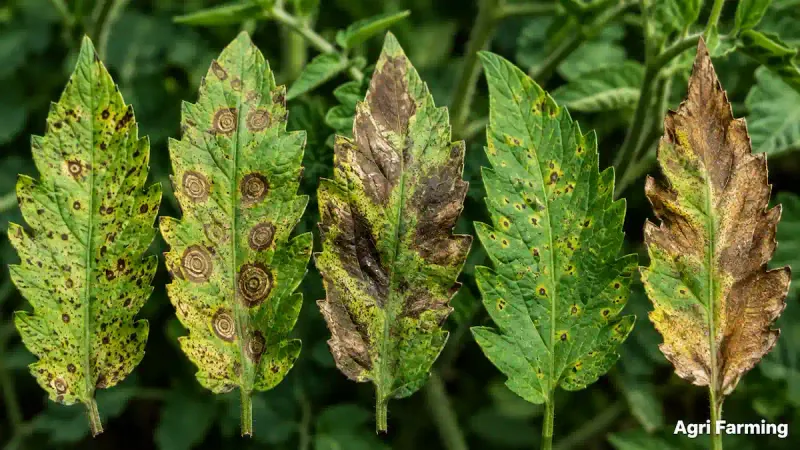
Not every black spot comes from a bug or a fungus. Sometimes your plant is simply hungry, and a serious potassium shortage can leave older leaves yellowing or browning along the edges, with dark, burnt-looking necrotic patches.
There’s a double hit here, too. Plants short on potassium are also weaker fighters, so they catch pathogens more easily, which can then trigger even more black-spot diseases.
Before you start amending anything, run a soil test so you know for sure what’s missing. If potassium really is low, work in potassium sulfate or a bit of wood ash, which is a natural source of potash.
Mixing in organic matter over time also improves how well your soil holds and shares nutrients, giving your tomatoes the balanced diet they need to stay tough.