
If Your Tomato Leaves Are Curling While Still Green, Here Are 13 Reasons And The Fix For Each
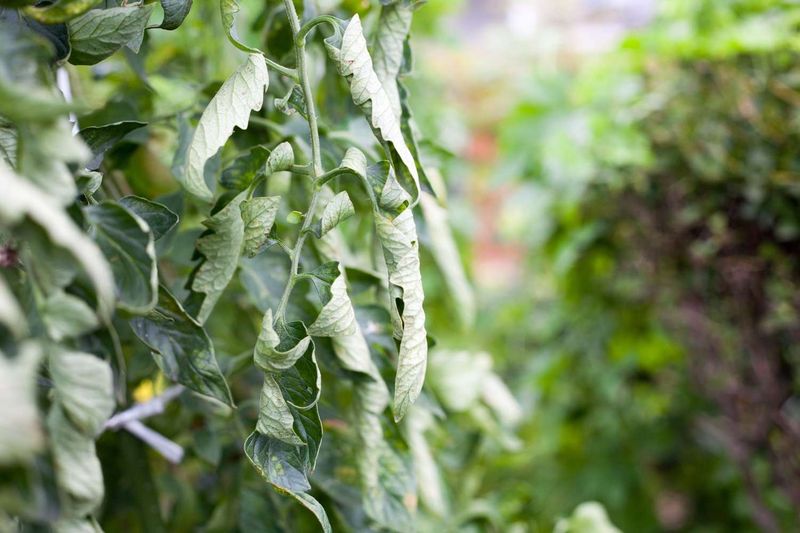
Walking out to check your tomato plants and finding the leaves curling up while they are still green can feel like a punch to the gut. The good news is that curling green leaves are usually a cry for help, not a death sentence, and most causes are easy to fix once you know what to look for.
Below you will find 13 common reasons your tomato leaves might be rolling up, plus a simple fix for each one. Let’s figure out what your plant is trying to tell you.
1. Heat Stress
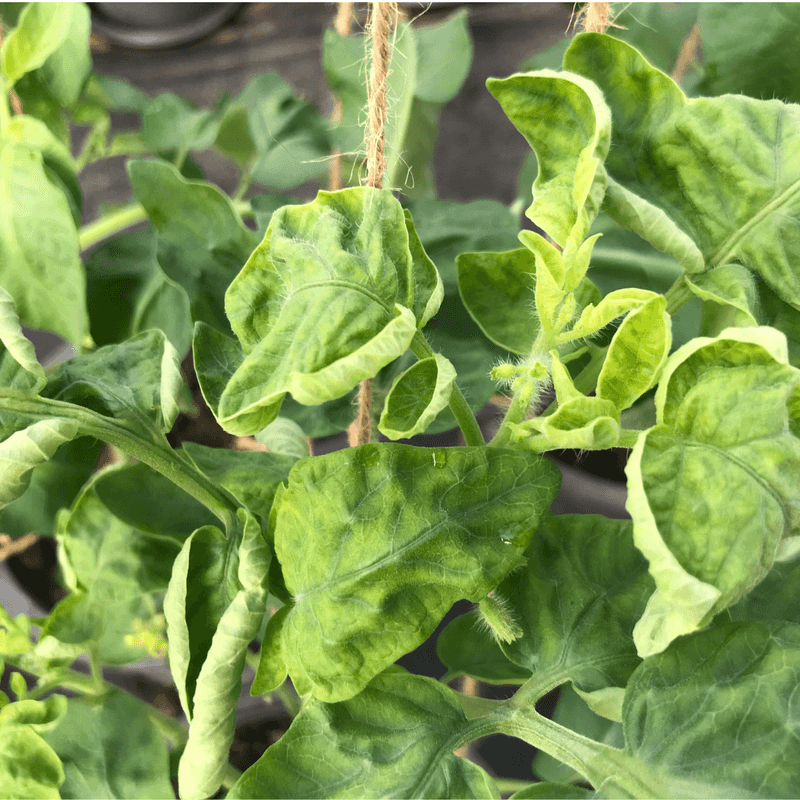
Picture a scorching July afternoon with the sun beating down. Your tomato plant responds by rolling its leaves upward and inward, almost like it is hugging itself.
That curling is actually a clever defense move to shrink the surface area exposed to the sun and slow down water loss.
Heat-related curl usually shows up on the upper leaves first and often relaxes once the temperature drops in the evening. It looks alarming but rarely harms the plant or the fruit.
The Fix: Drape a shade cloth over your plants during the hottest hours of the day to give them a break. Water deeply and on a regular schedule so the roots stay supplied with moisture.
A layer of mulch around the base keeps the soil cooler and holds onto water longer, which takes a lot of pressure off the plant.
2. Drought or Underwatering
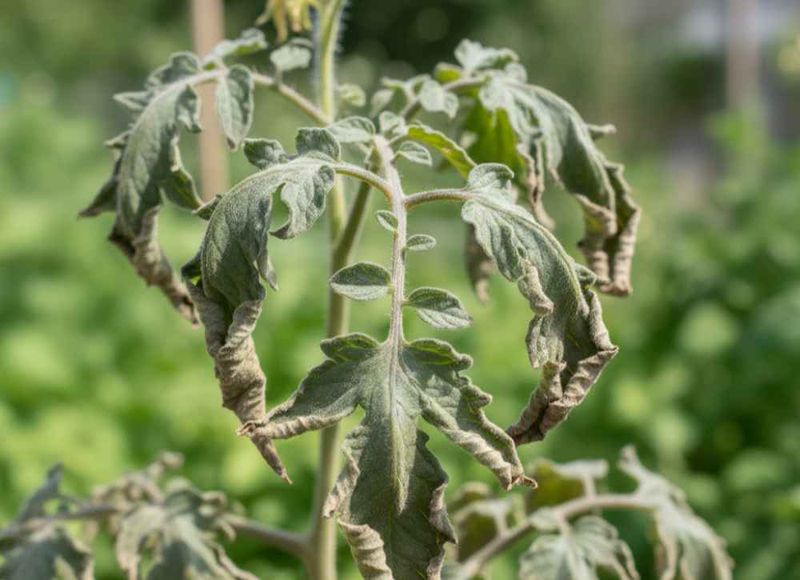
A thirsty tomato plant does not stay quiet about it. When the soil dries out too much, the leaves curl inward to hang onto whatever moisture is left, and they may start to feel leathery or stiff to the touch.
Underwatering is one of the most common reasons behind green leaf curl, especially for gardeners who water lightly and often instead of deeply. Shallow sips never reach the deeper roots where they are needed most.
The Fix: Switch to a deep, consistent watering routine that soaks the soil all the way down rather than just wetting the surface. Stick your finger a couple inches into the dirt to check moisture before watering.
Adding mulch helps trap that moisture so it does not evaporate away on hot days.
3. Overwatering or Soggy Soil
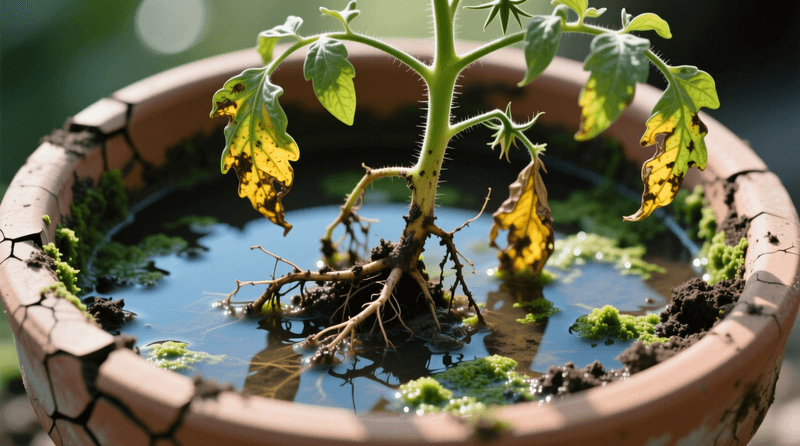
Too much love in the form of water can backfire fast. When soil stays soggy, the roots cannot get enough oxygen, and the stressed plant reacts by curling its leaves in a way that looks a lot like heat roll.
The tricky part is that overwatering and underwatering can look surprisingly similar, so it pays to check the soil before grabbing the hose again. Yellowing lower leaves often tag along with the curl when water is the problem.
The Fix: Make sure your plants sit in well-draining soil, and let the top few inches dry out before you water again. Containers should always have drainage holes so excess water can escape.
Hold off on watering when the soil is already damp, and avoid soaking it during the heat of the day when it is still wet.
4. Cold Stress or Planting Too Early
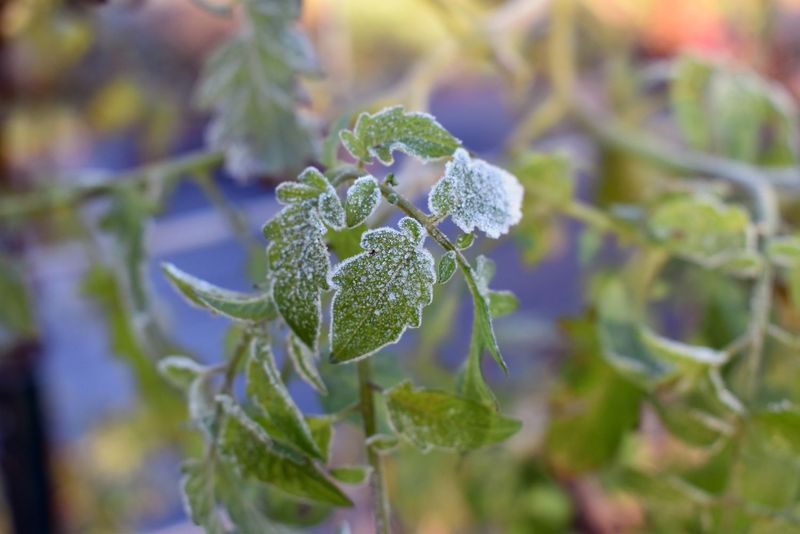
Eager gardeners often plant tomatoes the moment spring arrives, but a chilly snap can leave the plant sulking. Cold nights and cool soil stress the plant, and one of the first signs is curled green leaves.
Tomatoes are warm-weather lovers at heart, so temperature swings between warm days and cold nights can throw them off balance. Early planting during an unpredictable spring is a frequent culprit.
The Fix: Wait to set seedlings out until the weather has warmed up steadily and nighttime temperatures stay mild. Harden off your seedlings first by taking them outside for a little longer each day over a week or two.
That gradual introduction helps them adjust before they face the ground full time.
5. Wind Exposure
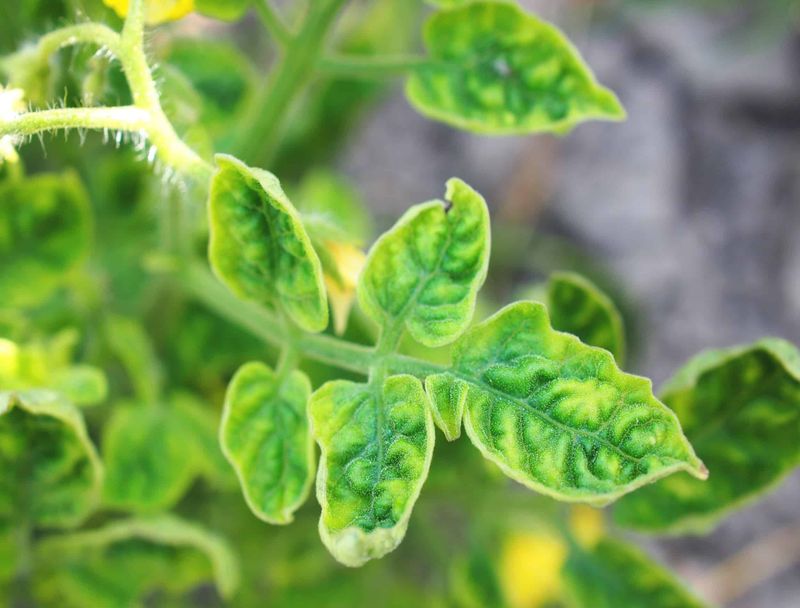
Constant gusts do more than mess up your hair. Tomato plants growing in exposed, breezy spots take a physical beating, and their leaves may curl as a response to the stress and drying effect of the wind.
Wind also speeds up water loss from the leaves, doubling the stress on a plant that is already working hard to stay hydrated. Battered stems and torn foliage often show up alongside the curling.
The Fix: Set up a windbreak using a fence, a row of taller companion plants, or a temporary barrier to shelter exposed plants. Stake or cage your tomatoes firmly so they do not whip back and forth.
Cutting down on that constant movement gives the plant a chance to recover and settle.
6. Transplant Shock
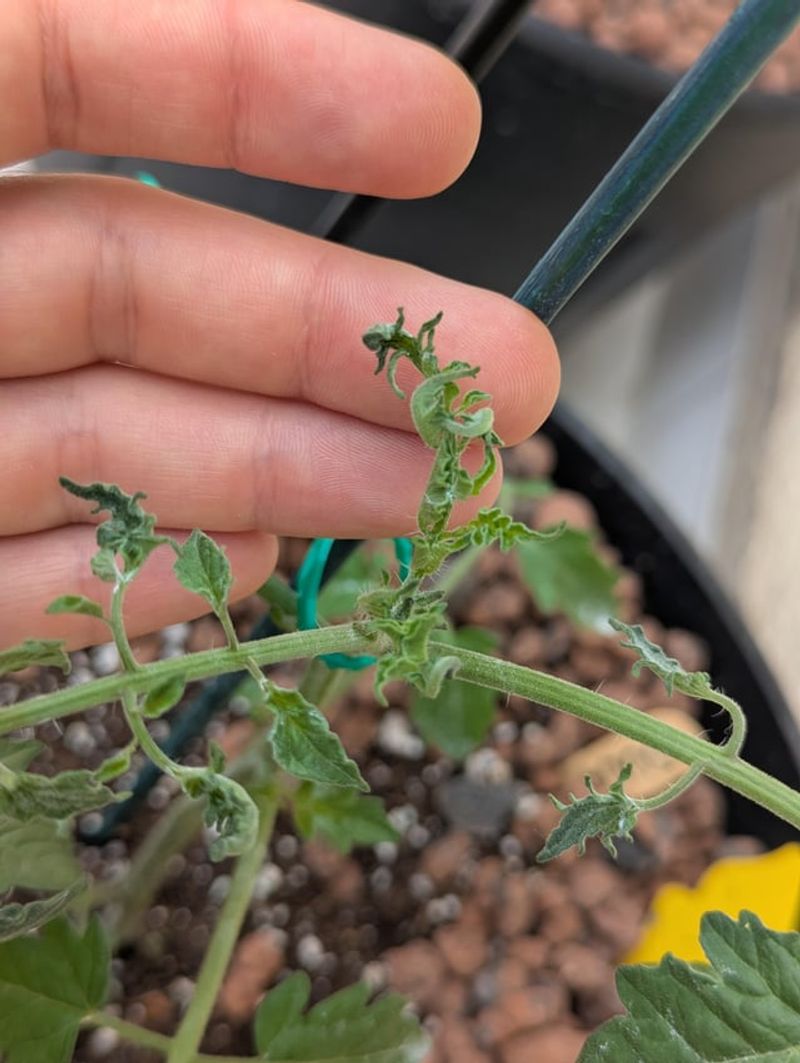
Moving day is stressful for everyone, tomatoes included. A freshly transplanted seedling often responds to its new home by curling its leaves while the roots scramble to get established in unfamiliar soil.
This kind of curl is usually temporary and clears up once the plant adjusts, so there is no need to panic. What matters is giving the plant the gentlest possible start.
The Fix: Harden off your seedlings before planting so the shock is not so sudden. Be careful not to disturb the roots too much when you move them into the ground.
Water thoroughly right after planting to settle the soil snugly around the roots and help the plant feel at home faster.
7. Too Much Nitrogen
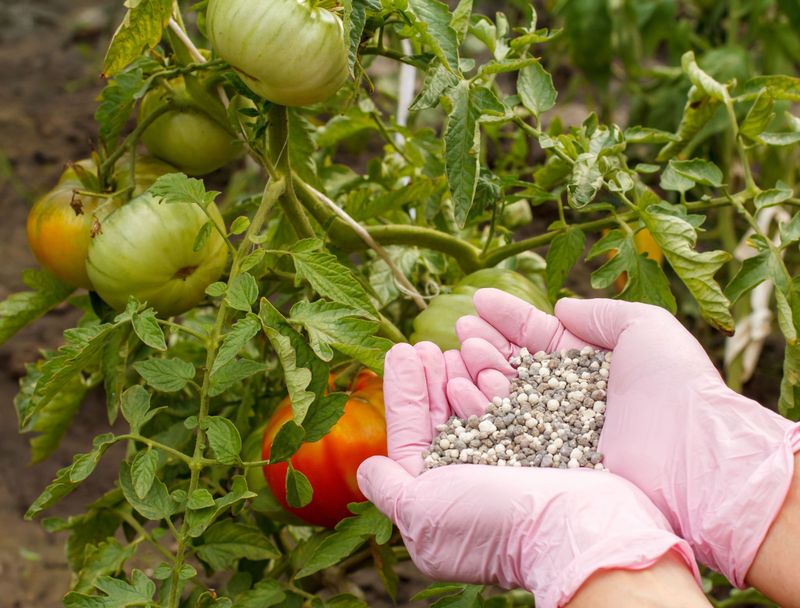
Sometimes a plant that looks almost too healthy is hiding a problem. When a tomato gets loaded with nitrogen, it pumps out lush, dark green foliage so quickly that the leaves curl trying to keep up with all that rapid growth.
Gardeners who feed generously with high-nitrogen fertilizer are often surprised to see curling on such a leafy, vigorous plant. Ironically, all those leaves can come at the cost of fruit production.
The Fix: Ease off the high-nitrogen fertilizers and let the plant balance out. Switch to a more balanced feed, or one that leans higher in phosphorus and potassium to encourage flowers and fruit instead of endless foliage.
Your plant will thank you with better tomatoes.
8. Potassium Deficiency
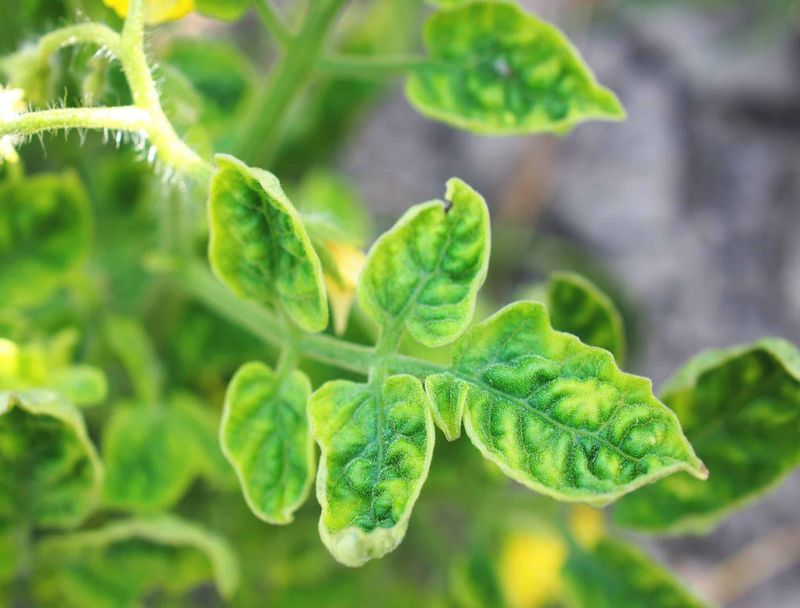
When a tomato plant is short on potassium, its growth slows and the leaves may curl or take on a yellowish cast. Fruit production tends to drop off too, which is frustrating for anyone waiting on a harvest.
Potassium is one of the big nutrients tomatoes rely on to grow strong and produce well, so a shortage shows up in visible ways. Curling is often just one clue among several.
The Fix: Feed your plants a fertilizer specifically rich in potassium to correct the shortfall. Working organic matter like compost into the soil improves overall nutrient availability over time.
A well-fed root zone makes a noticeable difference in both leaves and fruit.
9. Phosphorus Deficiency
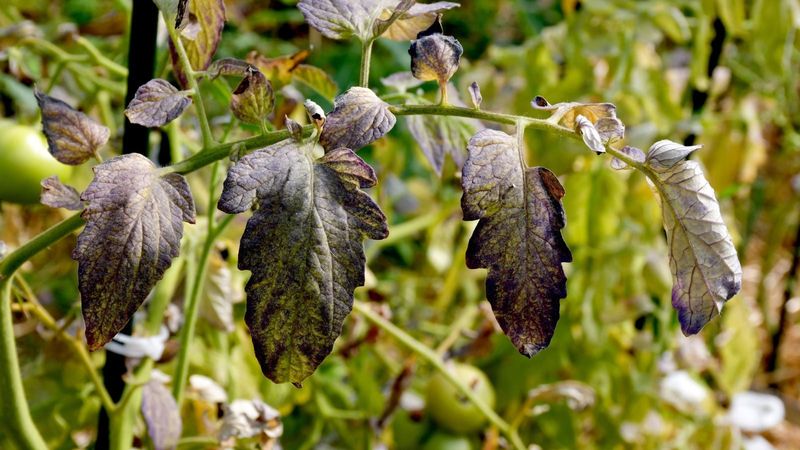
Low phosphorus can quietly hold your tomato plant back. Growth stalls, fruiting suffers, and the leaves may curl or yellow as the plant struggles to function without enough of this key nutrient.
What makes phosphorus tricky is that even when it is present in the soil, the plant may not be able to absorb it if conditions are off. Soil chemistry plays a bigger role here than many gardeners realize.
The Fix: Use a fertilizer with a higher phosphorus content to boost supply. Check that your soil pH sits in the sweet spot, slightly acidic between 6.0 and 6.8, because that range lets the plant actually take up the phosphorus it needs.
Getting the pH right can unlock nutrients already sitting in your soil.
10. Herbicide Damage or Drift
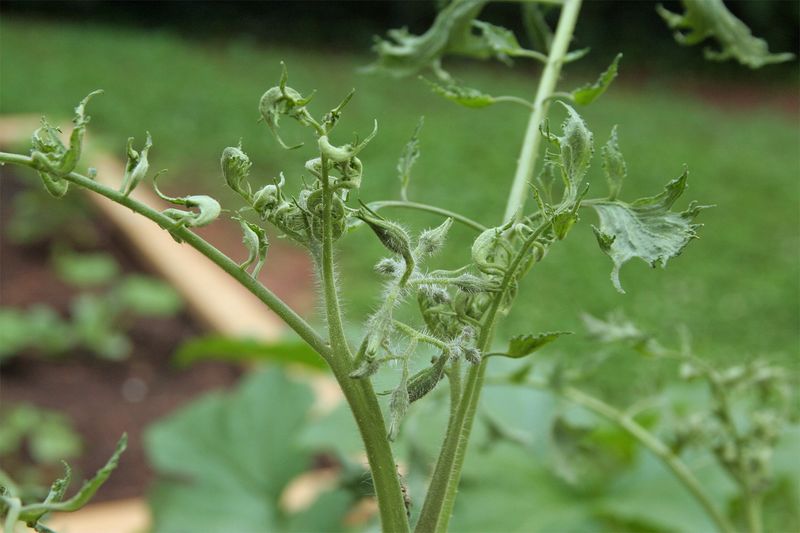
Of all the causes on this list, this one is the most serious and the hardest to reverse. Herbicide exposure, even from a neighbor spraying weeds a few yards away, can cause dramatic, twisted curling with strange club-like tips and warped new growth.
The distortion looks very different from a simple heat or water roll, so it stands out once you know the signs. Drift on a windy day is a common way it sneaks into gardens.
The Fix: There is no direct cure for herbicide damage. If the exposure was mild, the plant may outgrow it over time, but severely affected plants often do not recover.
Avoid spraying herbicides near your garden, steer clear of windy days entirely, and talk with neighbors about what they are using nearby.
11. Excessive Pruning
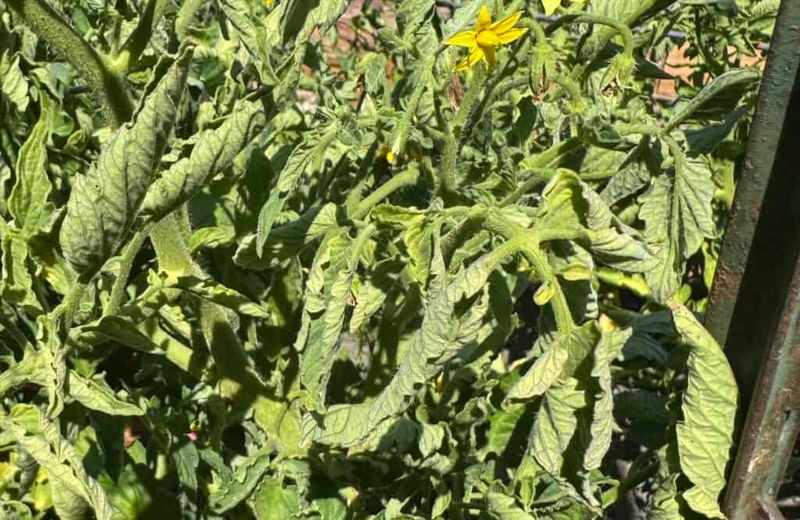
Enthusiastic pruning can backfire in a big way. When you snip off too much or accidentally cut the main growing points, the plant goes into a stress response that often shows up as curled leaves.
Removing suckers is a normal part of tomato care, but there is a fine line between helpful trimming and stripping the plant of what it needs. Overdoing it leaves the plant scrambling.
The Fix: Prune with restraint, focusing mainly on suckers and any diseased or damaged foliage. Leave the main growing points intact so the plant keeps its ability to grow upward and produce.
As long as other growing points remain, most plants bounce back just fine.
12. Root Damage
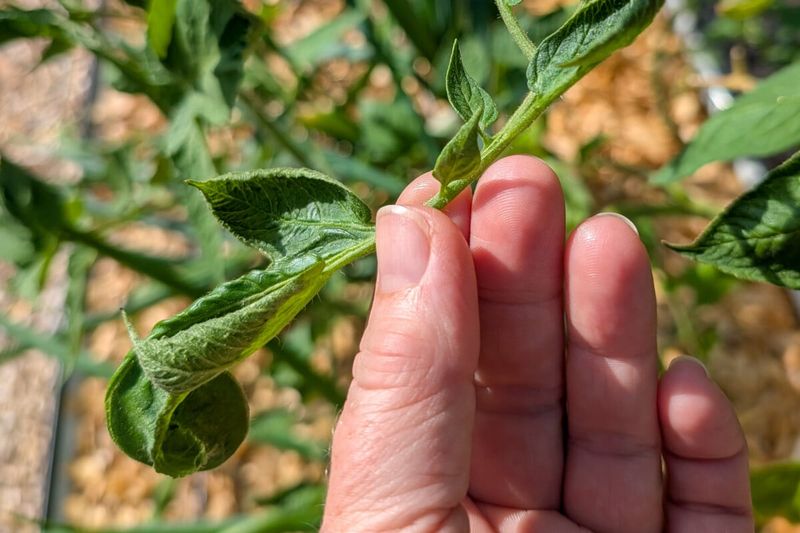
What happens below the soil shows up above it. Aggressive tilling, hoeing, or digging too close to your tomato plant can tear up the roots and stress the whole plant, and curled leaves are one of the first signals.
Roots are the plant’s lifeline, so any disturbance near them ripples upward quickly. Weeding a little too vigorously is a surprisingly common cause.
The Fix: Work gently around your tomatoes and avoid deep digging or hoeing near the root zone. Instead of chopping at weeds with tools, lay down mulch to smother them, which does double duty by protecting the roots and holding in moisture.
Your plant stays undisturbed and better able to thrive.
13. Pests Like Aphids, Whiteflies, and Spider Mites
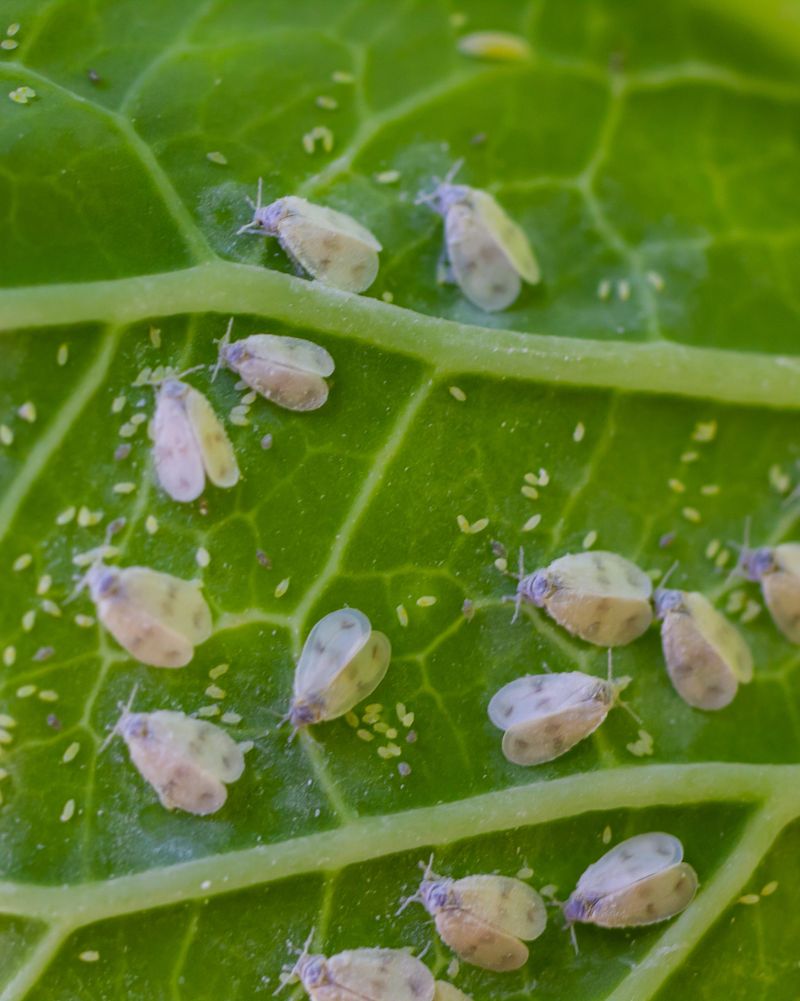
Flip a curled leaf over and you might discover the real troublemakers. Tiny pests like aphids and whiteflies feed on plant sap and can even spread viruses, both of which leave leaves curling and distorted.
Spider mites add to the chaos with their own kind of leaf damage.
These invaders are easy to miss until the curling gives them away, so a quick inspection often solves the mystery. Sticky residue or fine webbing are dead giveaways.
The Fix: Check your plants regularly and blast aphids and whiteflies off with a strong stream of water or treat them with insecticidal soap. For spider mites, raise the humidity, spray them down, or reach for a miticide if the infestation gets severe.
Remove heavily infested leaves, and welcome beneficial insects like ladybugs to keep pest numbers in check naturally.