
The North Carolina Native Plants That Quietly Feed Your Soil And Make Every Bed Healthier Each Year
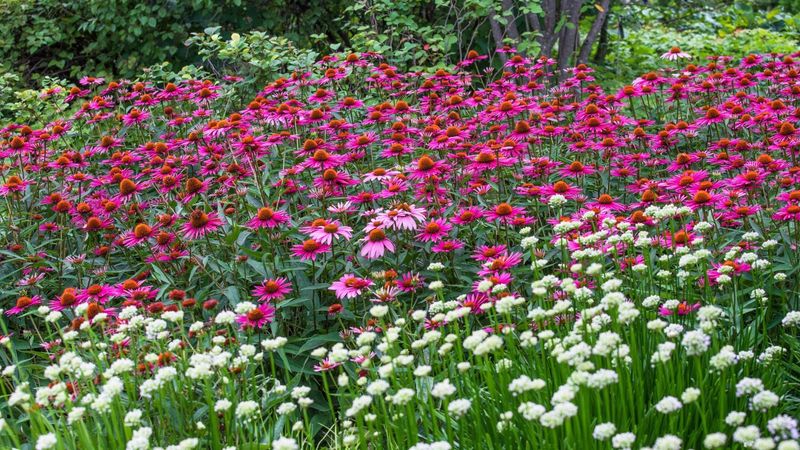
Good soil is the secret behind every thriving North Carolina garden, and some of the best helpers are native plants that improve dirt while you sleep. These plants send roots deep, pull nitrogen from the air, and drop leaves that feed the tiny creatures living underground.
Even better, they support box turtles, goldfinches, and native bees while crowding out invasive troublemakers. Here are eight NC natives that quietly make your beds richer year after year.
1. Wild False Indigo (Baptisia australis)
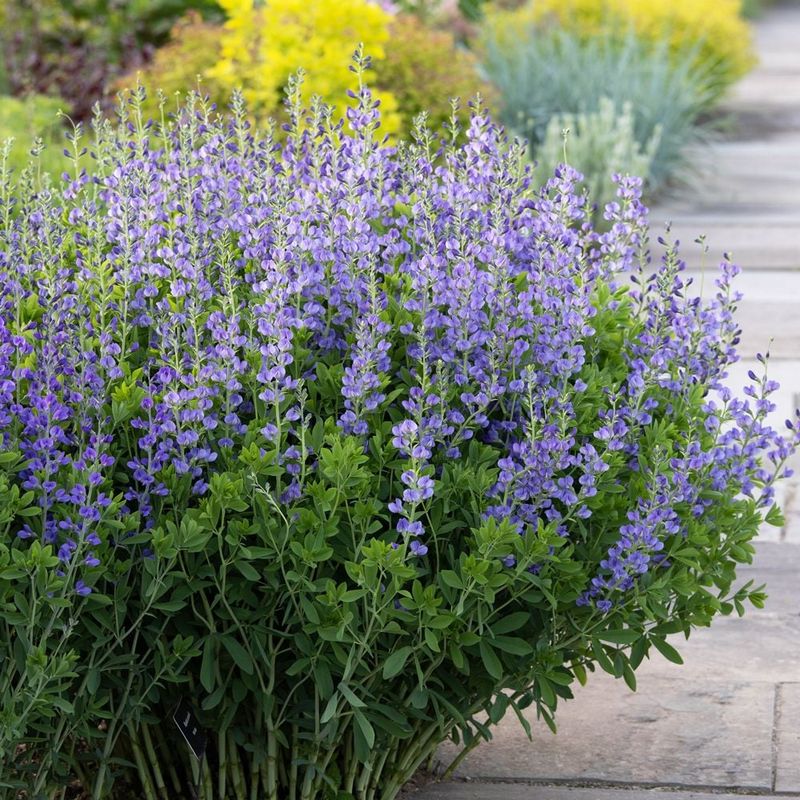
If you want a plant that fertilizes your garden for free, Wild False Indigo is hard to beat. As a legume, it teams up with soil bacteria to pull nitrogen out of the air and lock it into the ground, feeding nearby plants without a single bag of synthetic fertilizer.
Its roots dig deep into Piedmont clay, breaking up compacted earth and helping rainwater soak in instead of running off. Once established, it shrugs off drought and returns bigger each spring.
Native bees adore the blue flower spikes in late spring, making it a quiet workhorse for both your soil and your pollinators. Plant it in a sunny bed and give it room, because this one settles in for the long haul.
2. Purple Coneflower (Echinacea purpurea)
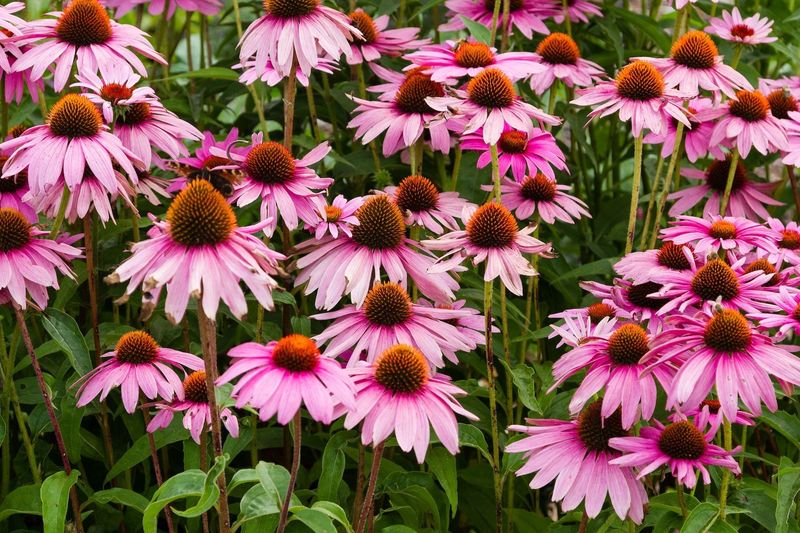
Few natives earn their keep as quietly as Purple Coneflower. Beneath those cheerful pink-purple blooms sits a taproot that plunges deep, loosening heavy soil and reaching subsoil moisture that shallow-rooted plants can never touch.
That deep architecture makes coneflower a champion during dry August spells, when everything else wilts. As the roots grow and die back over the years, they leave channels that improve drainage and add organic matter.
Come fall, leave the seed heads standing. Goldfinches will cling to them all winter, picking out seeds while your soil keeps building itself below the surface.
It is one of the easiest ways to feed both your ground and your birds at once.
3. Wild Strawberry (Fragaria virginiana)
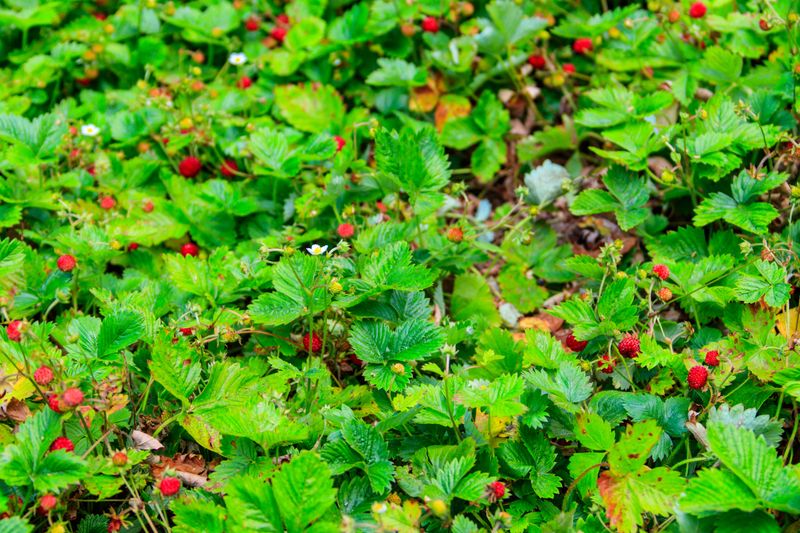
Think of Wild Strawberry as a living blanket for your bare soil. This low, spreading native throws out runners that knit together into a dense mat, holding soil in place on slopes and choking out weeds before they get started.
That green cover shields the ground from pounding rain and blazing sun, keeping moisture in and erosion out. As the leaves and runners break down, they hand fresh organic matter back to the earthworms and fungi below.
Here is the bonus: the little red berries feed box turtles and songbirds through early summer. Tucking Wild Strawberry along a bed edge gives you a soil-saving groundcover and a snack bar for the wildlife you love, all in one tidy package.
4. Coral Honeysuckle (Lonicera sempervirens)
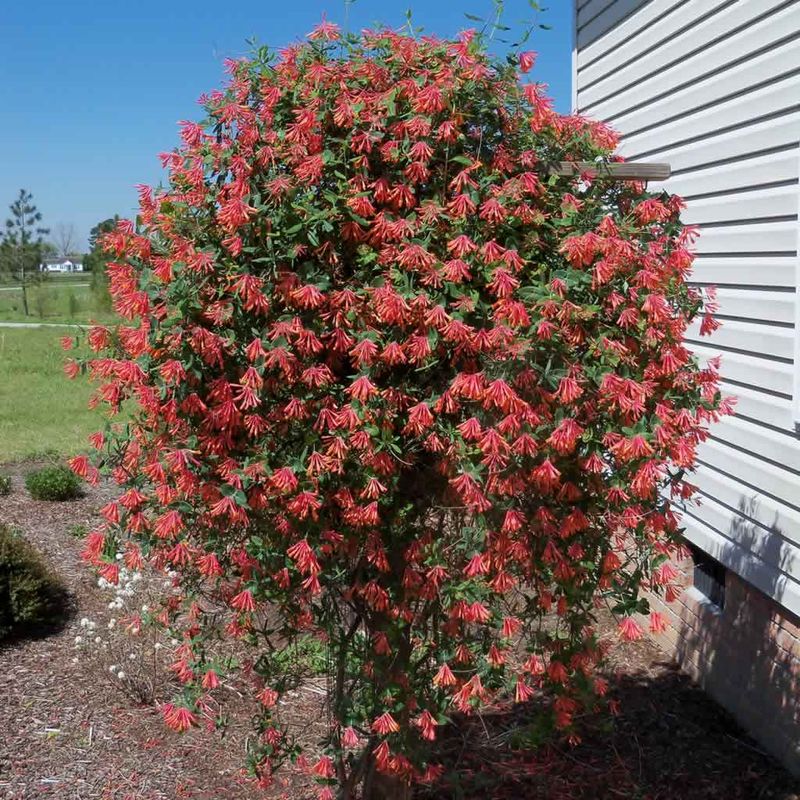
Got an invasive Japanese honeysuckle strangling your fence? Coral Honeysuckle is the swap you have been waiting for.
Unlike its aggressive foreign cousin, this well-behaved native climbs politely and stays put, protecting your beds instead of smothering them.
Its roots help anchor soil along fences and slopes, while fallen leaves feed the ground below. Best of all, it stops the invasive that degrades habitat and worsens erosion across so many NC yards.
Ruby-throated hummingbirds go wild for the tubular red-orange blooms, and butterflies stop by too. Replacing an invasive with this vine is one of the most satisfying stewardship moves a Piedmont or Coastal Plain gardener can make in a single weekend.
5. Joe Pye Weed (Eutrochium spp.)
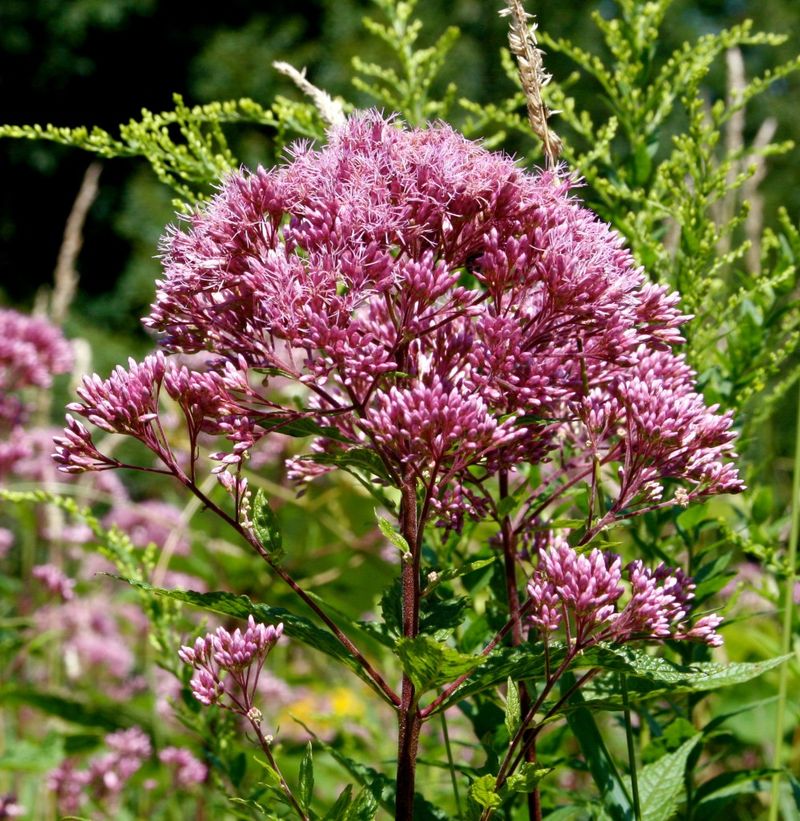
Standing head and shoulders above the rest of the bed, Joe Pye Weed is a nutrient-cycling giant. Its towering stems and broad leaves pull nutrients up through the plant, then return them to the soil as everything breaks down each fall.
That steady rain of organic material feeds the bacteria and fungi that store and cycle nutrients, gently enriching fertility over time. It thrives in the damp spots where other plants sulk, so it is perfect for that low corner of the yard.
Late-summer pollinators mob the dusty-pink blooms, especially butterflies and native bees fueling up before fall. Plant it at the back of a moist bed and let it do the heavy lifting for both your soil and your winged visitors.
6. Rattlesnake Master (Eryngium yuccifolium)
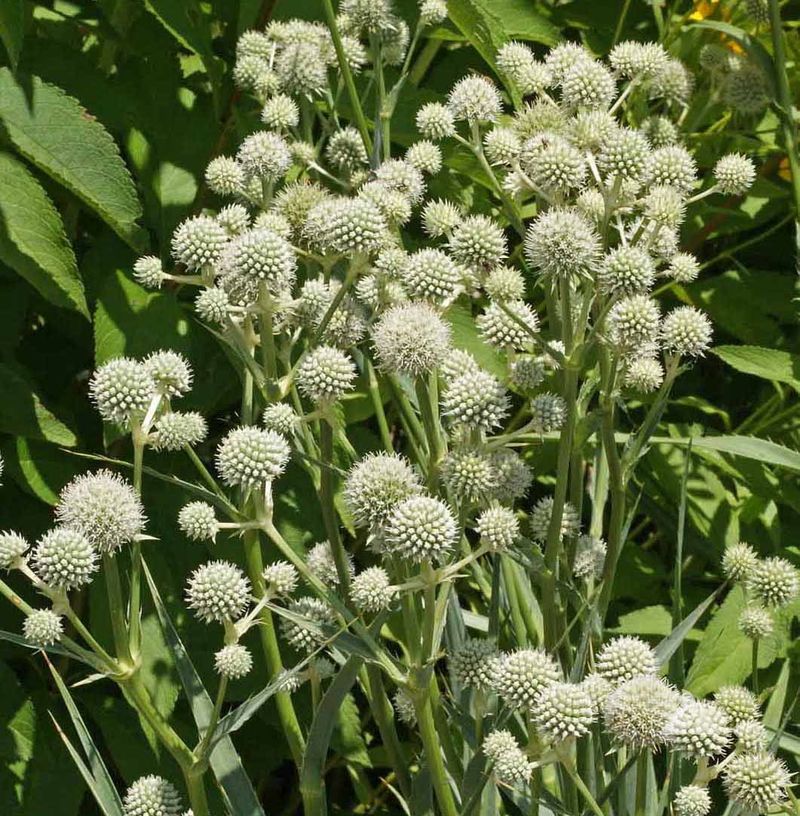
Do not let the fierce name scare you off. Rattlesnake Master is a gentle soil-builder with a fibrous, wide-reaching root system that stitches loose earth together and pulls nutrients through the ground.
Those roots make it a quiet star of nutrient cycling, releasing organic acids and feeding soil life as older roots decay. Its odd, spiky globes and silvery leaves add sculptural interest to sunny, dry beds where softer plants struggle.
Native bees and beneficial insects visit the golf-ball-shaped flowers, adding pollinator value on top of the underground work. For anyone with a hot, sandy Coastal Plain spot, this tough prairie native turns a hard-to-plant patch into healthy ground.
7. Round-headed Bush Clover (Lespedeza capitata)
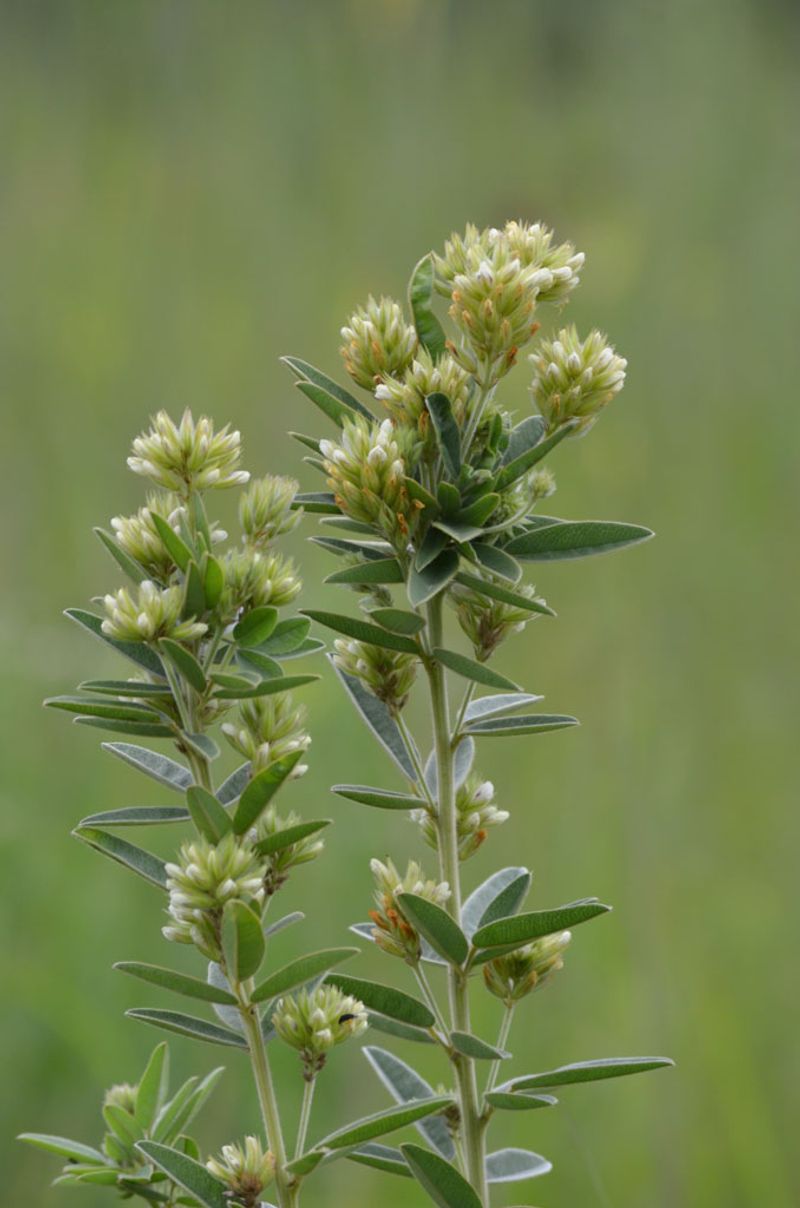
Meet the unsung fertilizer factory of the native world. Round-headed Bush Clover is a legume that partners with soil bacteria to fix nitrogen, quietly enriching the earth around it and easing the load off your compost bin.
Its upright silvery stems and rounded seed heads look great in a naturalistic border, and the deep roots help open up stubborn clay. Season after season, it leaves the soil richer than it found it.
The seeds feed songbirds through fall and winter, while the foliage supports native butterfly caterpillars. If you have a sunny, lean spot that never seems to hold fertility, this modest clover can turn it around without a drop of chemical help.
8. Butterfly Weed (Asclepias tuberosa)
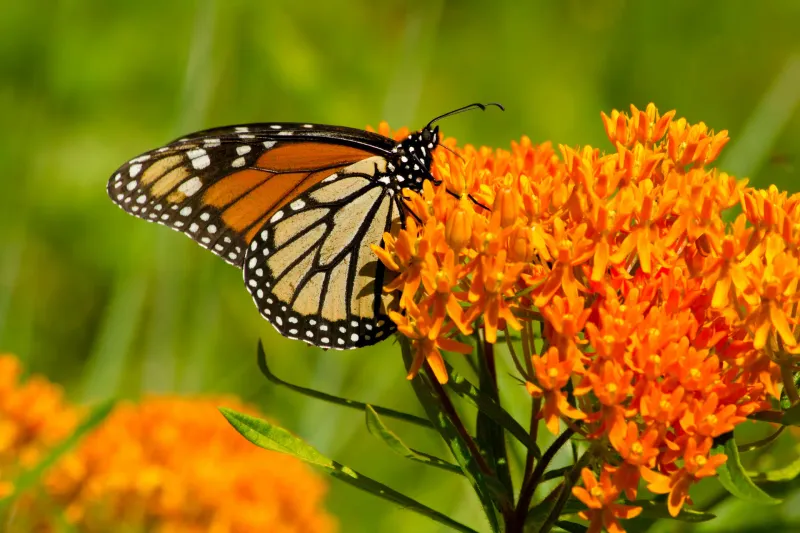
Blazing orange and buzzing with life, Butterfly Weed proves that a soil helper can also be the showstopper of the bed. Below ground, its deep taproot breaks up compacted earth and reaches moisture that keeps the plant thriving through drought.
As that root system grows and sheds material, it adds to the slow cycle of nutrients that feeds hungry soil organisms. This is a plant that improves the ground while asking almost nothing in return.
Did you know it is a milkweed? That makes it a lifeline for monarch caterpillars, along with a nectar stop for countless native bees and butterflies.
Plant it in full sun, leave it undisturbed, and watch both your soil and your pollinators flourish.