
Why North Carolina Homeowners Should Pull This Invasive Shrub Before Every Broken Piece Roots Into A New One
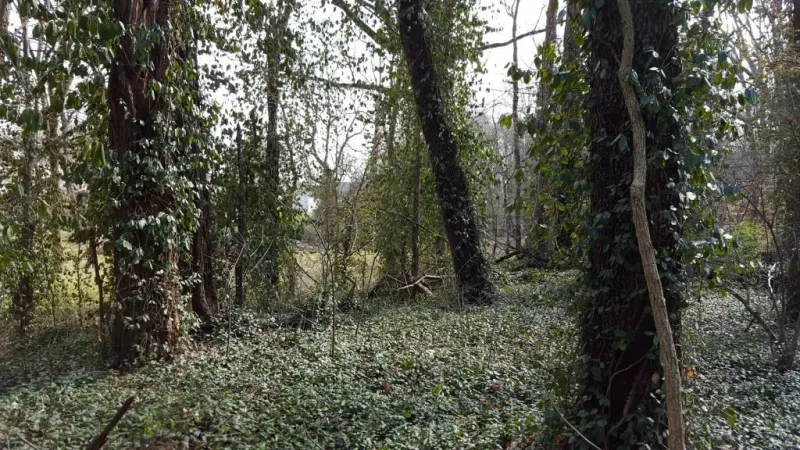
A glossy, low-growing vine called wintercreeper has quietly spread across North Carolina yards, forest edges, and neighborhoods, and many homeowners have no idea it is there. Known scientifically as Euonymus fortunei, this plant is listed as invasive in North Carolina and can smother native ground-layer plants while climbing trees and shrubs.
Removing it takes more than a quick yank, because how you handle cut stems and uprooted pieces matters almost as much as getting the plant out in the first place. Understanding what you are dealing with before you reach for a shovel can save you from making the problem harder to solve.
Identify wintercreeper before disturbing it
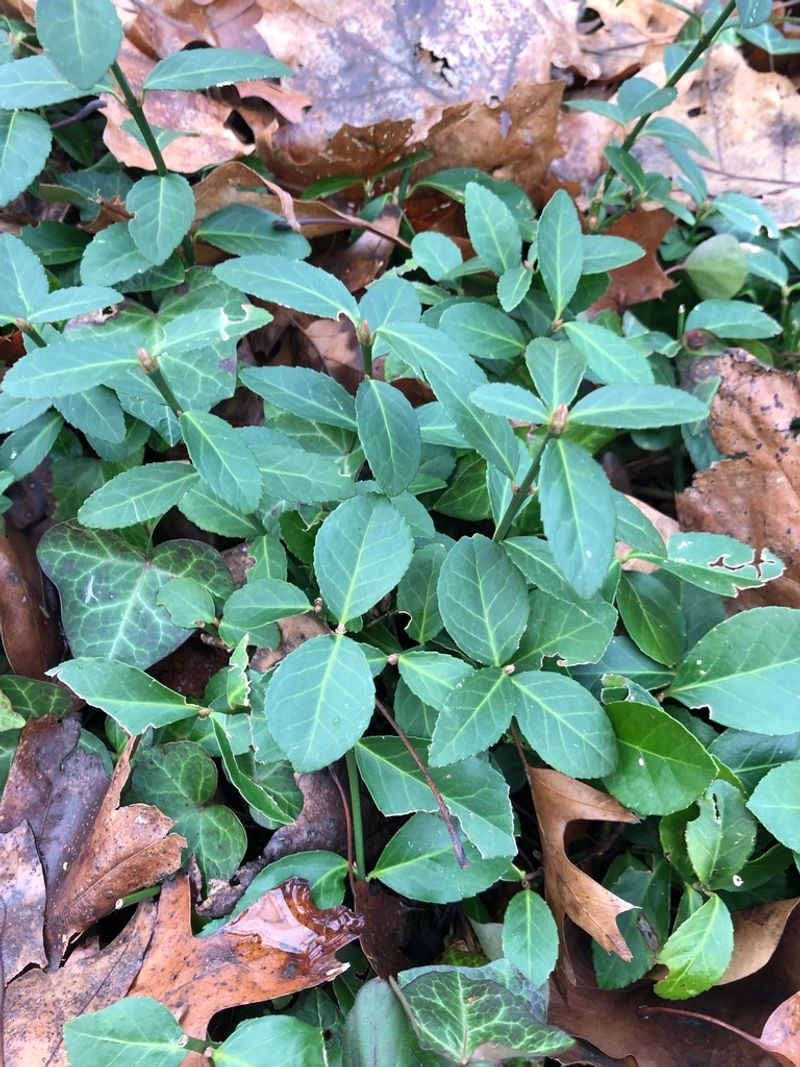
Knowing what you are looking at is the first step, and wintercreeper can fool even experienced gardeners because it shifts shape depending on where it grows. NC Extension’s plant profile for Euonymus fortunei describes it as a woody evergreen that may appear as a flat groundcover hugging the soil, a mounded shrub several feet tall, or a climbing vine that attaches itself to tree bark and works its way into the canopy.
That range of forms is one reason homeowners often overlook it until it has spread well beyond where they first noticed it.
Look for opposite leaves that are glossy, oval, and edged with small teeth along the margins. Many plants also show pale or silvery veins running through the leaf surface, which gives the foliage a subtle two-toned look.
When wintercreeper matures into a climbing form, it can produce small, inconspicuous flowers and pinkish capsules that split open to reveal orange-red seeds, which birds carry into new areas and deposit far from the original plant.
Before you disturb anything, confirm you are looking at wintercreeper and not a plant that belongs there. Several look-alikes share its evergreen, low-growing habit, including vinca, partridgeberry, and other euonymus species that may be native or non-invasive in your area.
NC Extension specifically notes related plants that can be confused with wintercreeper, so a side-by-side comparison or a quick check with your county Extension office is worth the few minutes it takes.
North Carolina sources, including the NC Invasive Plant Council, list wintercreeper as invasive in the state, but that designation does not mean every yard or every county faces the same level of impact. Prevalence and pressure vary by location, so a confirmed sighting in your yard is worth addressing, while a single trailing stem near a fence may call for monitoring before committing to a full removal effort.
Understand why viable pieces can bring it back
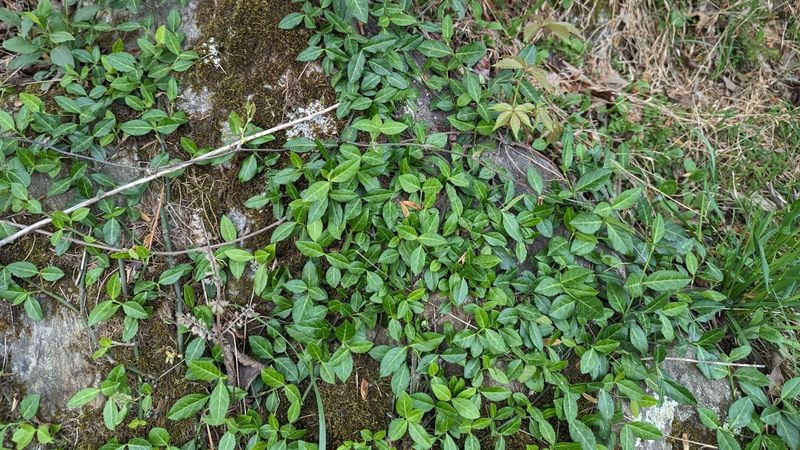
Careless cutting or dragging wintercreeper across a yard can make control harder than if you had left it alone for another week. The reason comes down to how the plant reproduces vegetatively.
Stems that stay in contact with moist soil can produce adventitious roots at their nodes, meaning a trailing piece left on bare ground after a removal session has a real chance of anchoring itself before you come back to check.
That said, the concern deserves an honest qualifier. NC Extension’s wintercreeper profile supports the idea that established plants can spread through rooted portions of trailing stems, root fragments, root crowns, cut stems, and seeds, but the evidence does not show that every arbitrary snapped branch will root under ordinary yard conditions.
Viable pieces, especially those that contain nodes or existing roots and remain in contact with moist soil, are the ones most likely to contribute to reestablishment. A dry stem dropped on a paved driveway is a different situation from a rooted node pressed into a garden bed after rain.
The U.S. Forest Service species review for wintercreeper describes it as persistent and competitive, capable of forming dense stands that shade and displace native ground-layer plants.
When a thick mat develops, it blocks light from reaching seedlings and low-growing natives that would otherwise fill that space. Climbing growth compounds the problem by covering shrubs and lower tree branches, reducing the sunlight available to the host plant over time.
The practical takeaway is to treat removed material as potentially viable rather than assuming it is harmless once it leaves the ground. The section on disposal covers what to do with vines, roots, and fruiting stems once they are cut, but the habit of keeping cut pieces contained starts the moment you begin working, not after you finish.
Choose control based on the plant’s growth habit
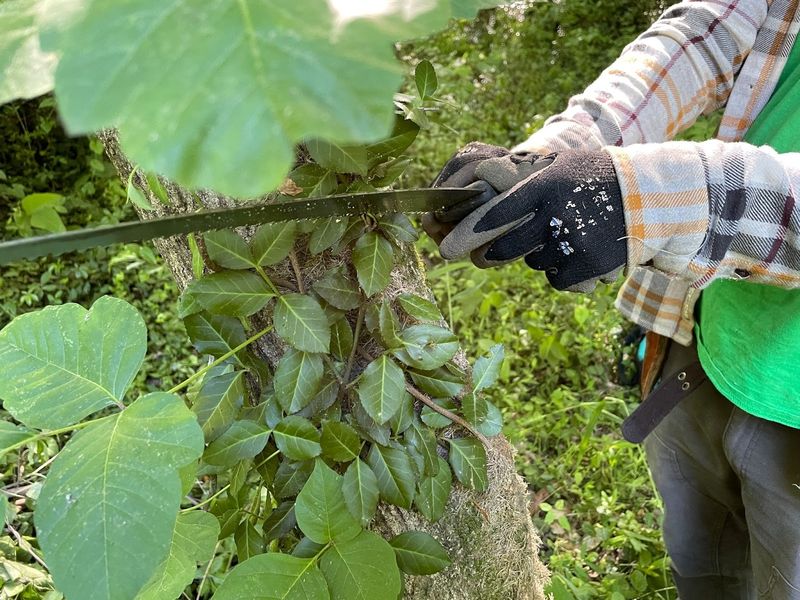
A blanket instruction to pull wintercreeper misses the point, because the plant you find as a loose young stem near a walkway requires a completely different response than the one climbing thirty feet up an oak or the dense mat woven through the roots of a native shrub. Matching the method to the growth habit is what separates a successful removal from one that leaves roots behind or damages plants you want to keep.
University of Maryland Extension’s wintercreeper resource recommends hand-pulling or grubbing when the entire root system can realistically be removed without excessive fragmentation or damage to surrounding desirable plants. That condition applies most cleanly to a small, accessible patch where you can trace stems back to their rooted nodes and lift the crown out of moist soil with a hand fork.
The moment roots are deeply entrenched, intertwined with native plant roots, or spread under a structure, grubbing becomes inefficient and risks scattering viable fragments.
Dense mats call for a different approach. Illinois Extension’s wintercreeper guidance notes that mechanical removal and targeted treatment are often combined for larger infestations, with repeated monitoring built into the plan from the start.
Mowing or cutting alone suppresses growth but rarely eliminates a well-established patch, because the root crown and buried root fragments can resprout after the top growth is removed.
Vines on trees represent a third situation with its own safety considerations, covered in a later section. The overall framework is straightforward: ask whether you can remove the crown and roots without scattering viable pieces or harming nearby plants.
If yes, grubbing is a reasonable starting point. If no, suppression combined with follow-up and, where appropriate, targeted treatment is the more realistic path.
Grub out small patches with care
Soft, moist soil is your best ally when grubbing wintercreeper by hand. Working the day after rain or after watering the area thoroughly lets you slide a hand fork or trowel under rooted nodes without snapping stems at the soil line and leaving root crowns behind.
Dry, compacted soil makes the job harder and increases the chance of fragmenting the plant rather than lifting it out intact.
Start by tracing the runners outward from the main stem. Wintercreeper sends trailing stems in multiple directions, and each place a stem touches soil long enough is a potential rooting point.
University of Maryland Extension recommends loosening the soil around rooted sections with a hand fork or trowel before pulling, then removing the rooted sections and crown as completely as practical. Working slowly in a small area at a time reduces the chance of breaking stems and leaving nodes in the ground.
Keep a tarp or open bag within arm’s reach before you pull a single stem. Dropping vines and root pieces onto bare soil while you work is one of the most common ways a removal session accidentally creates new rooting opportunities.
Place every piece directly onto the tarp or into the bag as you go, including any fruiting stems with pinkish capsules, which carry seeds that birds can distribute even after you have finished.
Pay close attention when working around desirable plants. Roots from wintercreeper and nearby native groundcovers or shrubs can be difficult to distinguish once you are several inches into the soil, and aggressive pulling risks uprooting plants you want to keep.
Slow, deliberate work with a narrow trowel around the base of valued plants is safer than trying to clear a large area quickly.
After the session, inspect the cleared area carefully. Any roots, crowns, or stem fragments left behind can resprout, so plan a follow-up visit within a few weeks to catch early regrowth while it is still small and easy to remove.
Cut tree-climbing vines instead of pulling them down
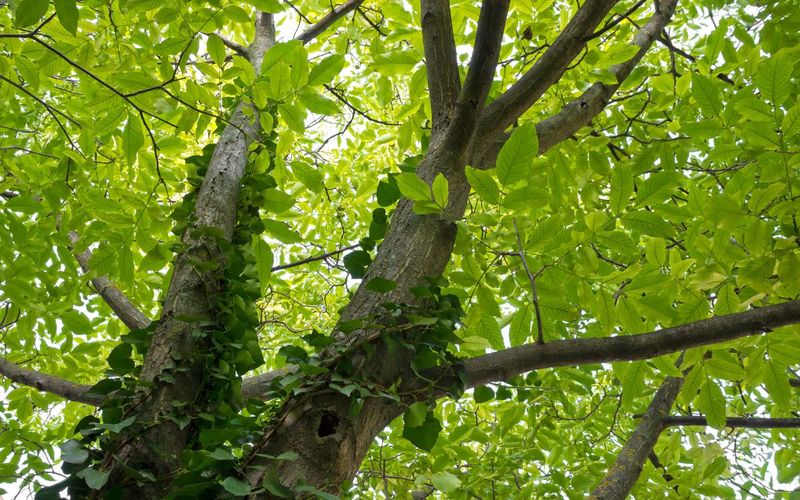
Wintercreeper that has reached a tree trunk and started climbing deserves its own approach, and the most important rule is to resist the urge to grab the vine and pull it down from above. Yanking a climbing vine from a canopy can strip bark, break branches, and create a falling hazard if the vine is heavy or tangled high in the crown.
The host tree can be injured in the process, which compounds the problem rather than solving it.
The correct starting move is a clean cut at the base of the vine, as close to the ground as practical. Once cut, the upper portion of the vine attached to the bark can be left in place to dry out and die, which is far safer than pulling it free.
The NC Department of Agriculture’s invasive removal guidance supports this approach, noting that pulling cut vines can injure trees and create safety risks.
For the lower stem section that remains rooted in the ground, a targeted cut-stem treatment may be appropriate in some situations. The NC Forest Service invasive plant program emphasizes that the current product label, not a general recipe from the internet, controls which herbicide to use, what concentration is appropriate, what protective equipment is required, when to apply it, and what site restrictions apply.
Treating near tree roots, water features, or wildlife habitat adds additional considerations that only a current, site-specific label reading can address.
When vines are high, heavy, or in a location that is unsafe to access from the ground, professional or agency assistance is the right call. County Extension offices and the NC Forest Service can connect homeowners with qualified help and up-to-date guidance for difficult situations.
Attempting to cut or treat vines in positions that require climbing or overhead work without proper equipment is not worth the risk.
Manage large mats with suppression and follow-up
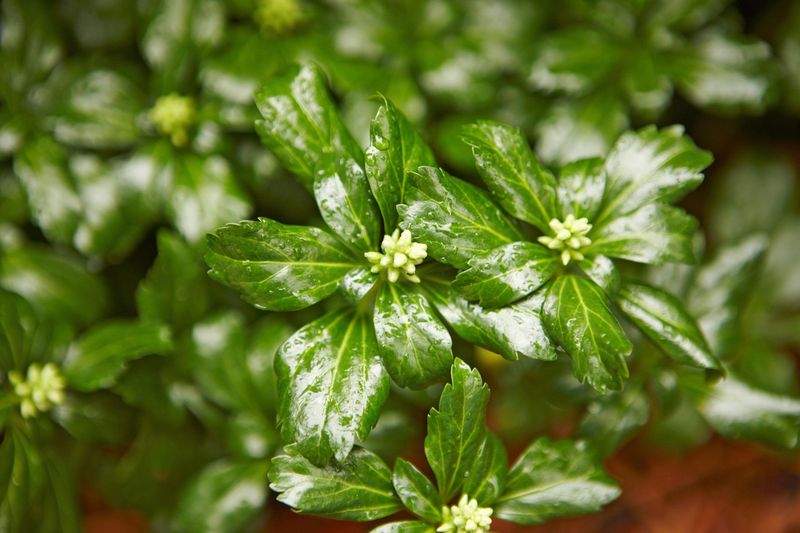
A well-established wintercreeper mat covering a large area is a multi-season project, not a weekend task. Mowing or repeatedly cutting the top growth does reduce the plant’s energy over time, but calling it eradication sets the wrong expectation.
The U.S. Forest Service species review documents wintercreeper’s ability to resprout from roots, root crowns, and cut stems, which means that cutting without follow-up inspection almost always results in regrowth.
Build a realistic schedule around that biology. After an initial cutting or mowing pass, plan to return every few weeks during the growing season and remove any regrowth by hand or with a targeted tool before it has a chance to re-root or develop new nodes.
The goal of repeated suppression is to exhaust the root system gradually, and that process takes consistent follow-through over more than one season for a large patch.
Herbicide can be part of the plan for entrenched infestations, but the approach requires care. Avoid broad spraying near native plants, water bodies, edible crops, or wildlife habitat.
Apply only in calm conditions to prevent drift onto desirable vegetation, and use only a product registered for the intended site and target plant. The NC Forest Service invasive plants page directs homeowners to follow the current product label for all decisions about concentration, timing, protective equipment, and restrictions.
No single internet recipe substitutes for reading the label of the specific product in your hand.
For infestations that are too large, too complex, or too close to sensitive areas to manage confidently on your own, county Extension offices and the NC Forest Service offer assistance and can recommend qualified professionals. Reaching out early, before the infestation expands further, gives you more options and a better starting position.
Contain and dispose of removed material
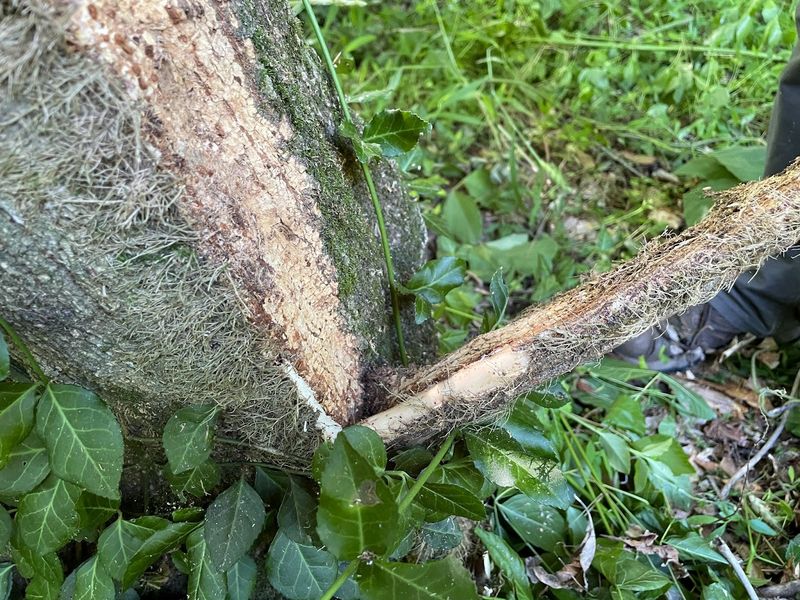
Disposal starts before you pull the first stem, not after the work is done. Having a tarp spread on the ground or bags open and within reach means that cut vines, uprooted roots, and any fruiting stems go directly into containment rather than landing on bare soil where viable pieces could settle and root.
Once removed material is collected, bag and seal it when fragments, roots, or fruit are present. The U.S.
Forest Service review notes that wintercreeper can spread through seeds dispersed by birds and through vegetative fragments, which means a cleanup pile left open near the original site is a potential dispersal point, not a neutral holding area.
Standard backyard composting is not appropriate for wintercreeper unless you are certain the material is completely dead and your composting facility or pile reaches temperatures high enough to kill seeds and plant tissue reliably. Most home compost piles do not reach those temperatures consistently, so the safer default is to bag the material, seal the bag, and check with your local solid waste program about accepted disposal methods for invasive plant material.
Pinkish capsules with orange-red seeds deserve extra attention during disposal. Even a small amount of seed-bearing material left on the ground can be moved by birds or water before it dries out completely.
Treating fruiting stems the same way as rooted sections, bagged and sealed immediately, removes that risk from the equation without requiring a judgment call about which pieces are viable and which are not.
Restore the cleared area and monitor for regrowth
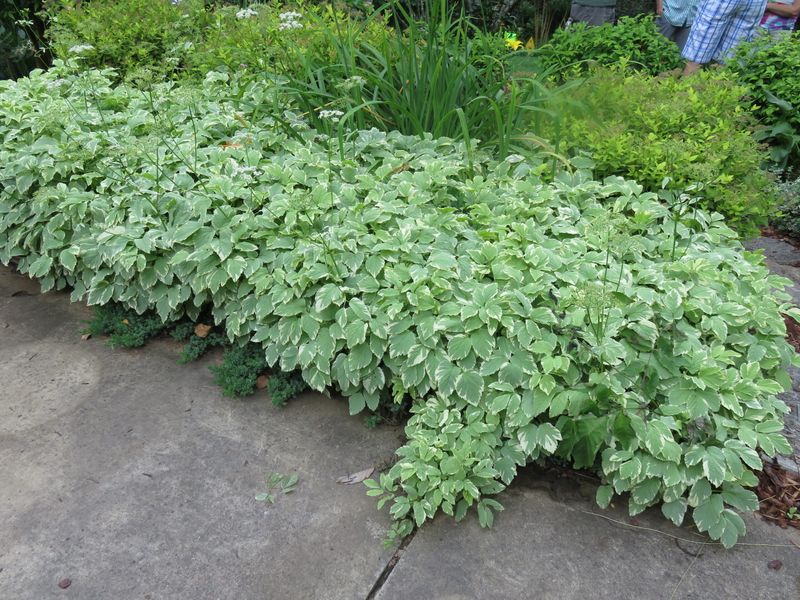
Bare soil left after wintercreeper removal is an open invitation, and not just for wintercreeper to return. Exposed ground is quickly colonized by whatever seeds arrive first, which in many NC yards means another invasive or a fast-growing annual weed.
Replanting with a suitable native groundcover after removal reduces that window and gives desirable plants a chance to establish before problems resurface.
Two examples worth considering are creeping wintergreen and creeping phlox, though neither is a universal substitute. NC Extension’s profile for creeping wintergreen describes it as well-suited to shaded Piedmont and mountain sites with appropriate soil conditions.
Creeping phlox works well in moist, well-drained locations where it receives adequate light. Matching the replacement plant to your specific site, including shade level, soil drainage, moisture, and region within North Carolina, matters far more than picking a plant off a general list.
Restoration alone does not replace monitoring. Roots and root crown fragments left in the soil after removal can resprout weeks or months later, and seeds already in the soil can germinate the following season.
Plan to walk the cleared area regularly and remove any wintercreeper regrowth while it is still small, before stems have a chance to re-root or spread.
Illinois Extension’s wintercreeper page reinforces that follow-up is a necessary part of any removal effort, not an optional extra. The full process comes down to four connected steps: confirm the identification, contain and properly dispose of viable material, choose a removal method suited to the plant’s actual growth habit, and keep watching the cleared space.
A yard that has held wintercreeper once is a yard worth checking again.