
If Your Christmas Cactus Looks Weak And Faded In Late Summer, Here Are 10 Reset Moves That Perk It Back Up
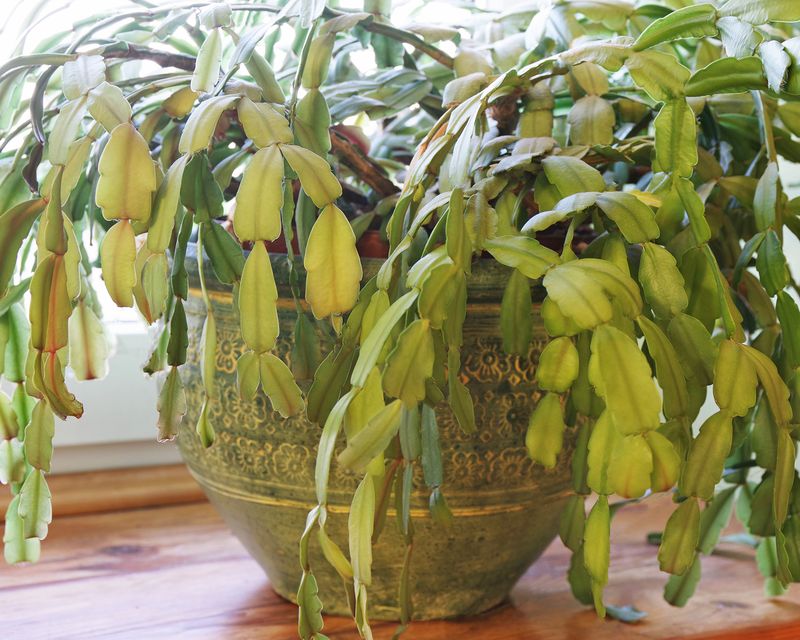
Your Christmas cactus should look plump and green, but by late summer it can turn pale, limp, and sad. The good news is that a droopy plant is usually crying out for a small fix, not saying goodbye.
Most of the trouble comes from watering, light, or heat, and all of it is easy to correct once you know what to look for. Here are 10 simple reset moves to bring your Christmas cactus back to life before its holiday show.
1. Adjust Your Watering Habits
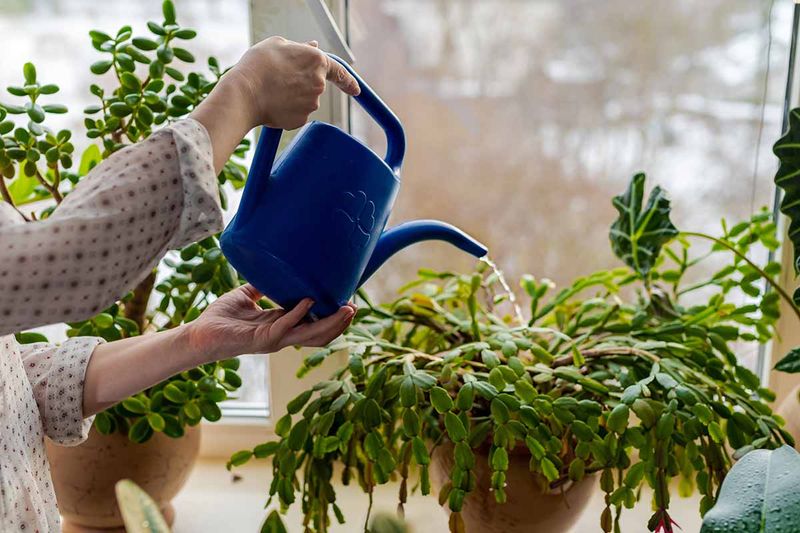
Nine times out of ten, a faded Christmas cactus is really a watering problem in disguise. Soggy roots turn segments mushy and brown, while a thirsty plant develops thin, wrinkly, rubbery pads that look deflated.
The trick is to stop watering on a schedule and start watering by feel. Poke your finger into the pot, and only give it a drink when the top inch or two feels dry.
When you do water, soak it well until liquid runs out the bottom. Then dump whatever collects in the saucer within a few minutes so the roots never sit in a puddle.
Getting this rhythm right can perk up a limp plant faster than any other single change.
2. Move It Into Bright, Indirect Light
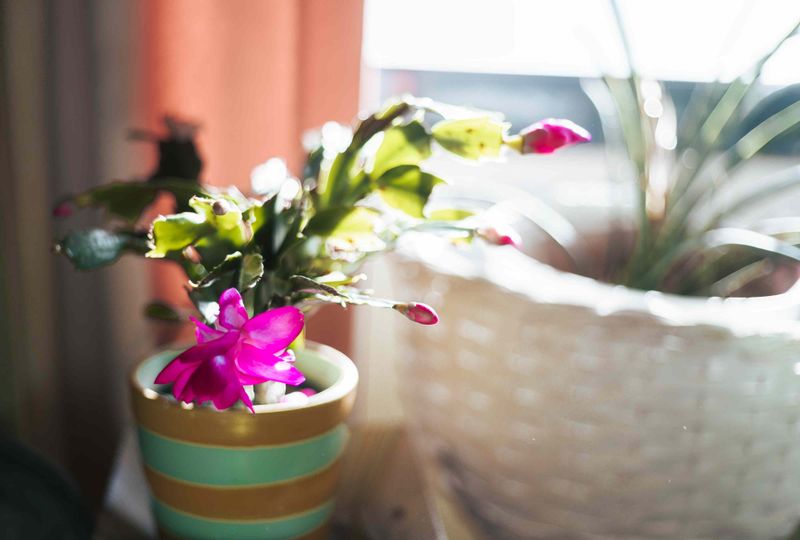
Unlike prickly desert cacti, this Brazilian rainforest plant grows under a leafy canopy, so blasting it with direct summer sun does real damage. Harsh afternoon rays can bleach the pads to a washed-out yellow or leave scorched, faded patches.
Shift your plant to a spot with plenty of light but no direct beating sun, like a north- or east-facing window. If it summers outdoors, tuck it under a porch roof or shade cloth where it gets bright, dappled light.
Give it a week or two in the new spot and watch the color deepen back to a healthy green.
3. Improve the Soil Drainage
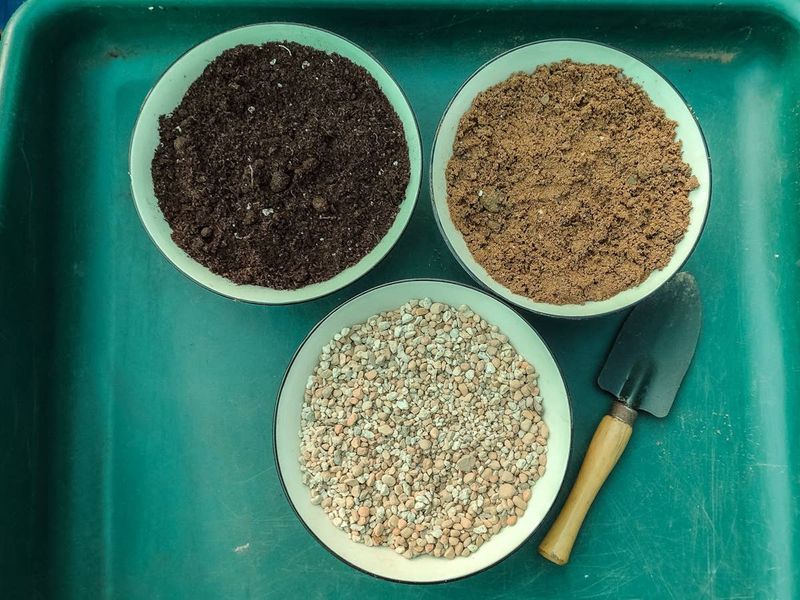
Water can only do its job if it has somewhere to go. When the potting mix stays heavy and swampy, roots suffocate and the whole plant starts to droop no matter how carefully you water.
Make sure your pot has real drainage holes, then check what your cactus is sitting in. A chunky, well-draining blend works best, so mix in perlite, coarse sand, or orchid bark to loosen up standard potting soil.
Better airflow around the roots means fewer rot problems and a plant that bounces back with firmer, brighter growth.
4. Check the Roots for Rot

Here is a sneaky one: a plant can wilt badly even when its soil is soaking wet. That happens because rotting roots simply cannot pull up water anymore, so the top looks parched while the bottom is drowning.
If your cactus feels limp and mushy and you suspect overwatering, gently slide it out of the pot and take a look. Healthy roots are firm and light colored, while rotted ones are brown, slimy, and soft.
Snip off every mushy section with clean scissors. Then repot the survivors into fresh, barely damp, well-draining mix and ease off the watering while it recovers.
5. Boost the Humidity Around It
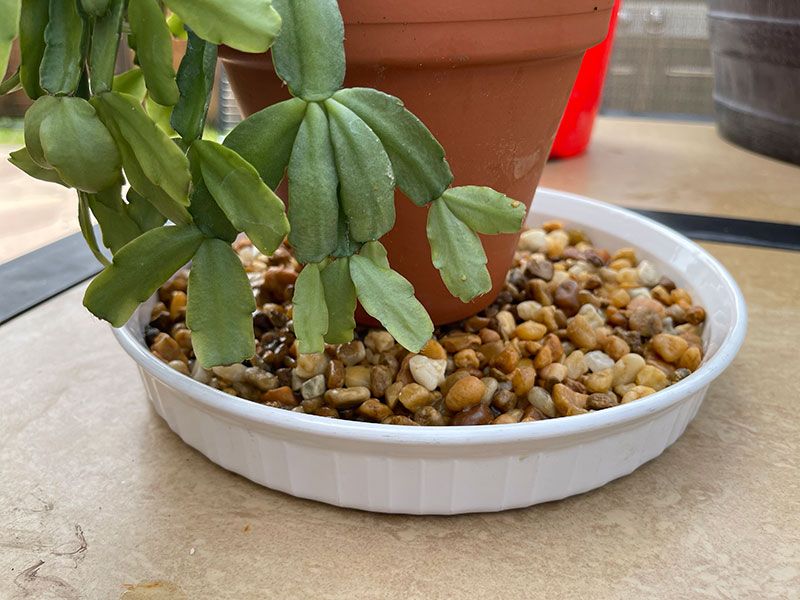
Coming from steamy rainforests, this plant misses moisture in the air more than most people realize. Dry indoor conditions, especially near air conditioning, leave the segment edges brown and crispy.
Aim to give it that muggy, tropical feeling it loves, ideally around 50 to 60 percent humidity. A pebble tray filled with water under the pot works beautifully, as the water evaporates and wraps the plant in gentle moisture.
You can also mist the foliage now and then, just don’t let water pool and linger on the pads. Grouping it with other houseplants raises the local humidity too.
6. Keep Temperatures Steady
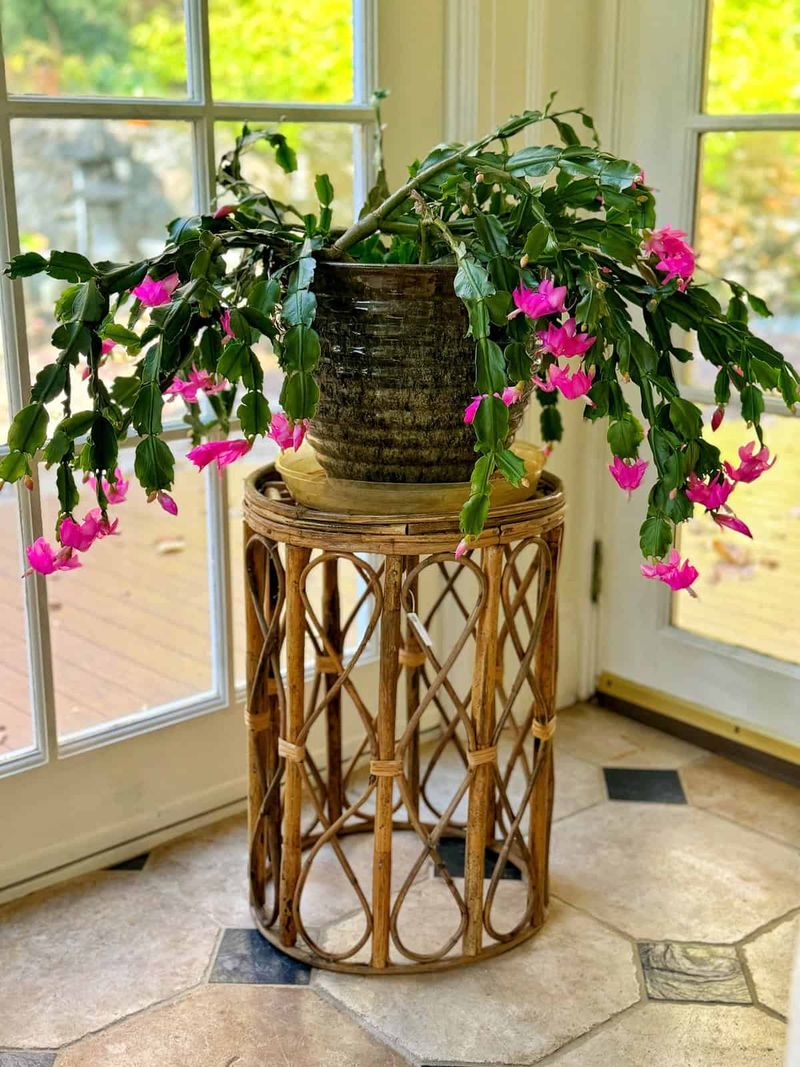
Plants hate surprises, and sudden swings in temperature can make a Christmas cactus go limp overnight. A spot right beside a hot vent, a cold draft, or a door that keeps opening puts it under constant stress.
Settle it into a stable place where the thermometer stays comfortable, roughly 60 to 70 degrees Fahrenheit. Steer it away from radiators, fireplaces, and chilly window gaps.
Once the temperature stops bouncing around, the plant can put its energy into firming up its pads instead of just surviving. Consistency really is its comfort zone.
7. Stop Fertilizing in Late Summer
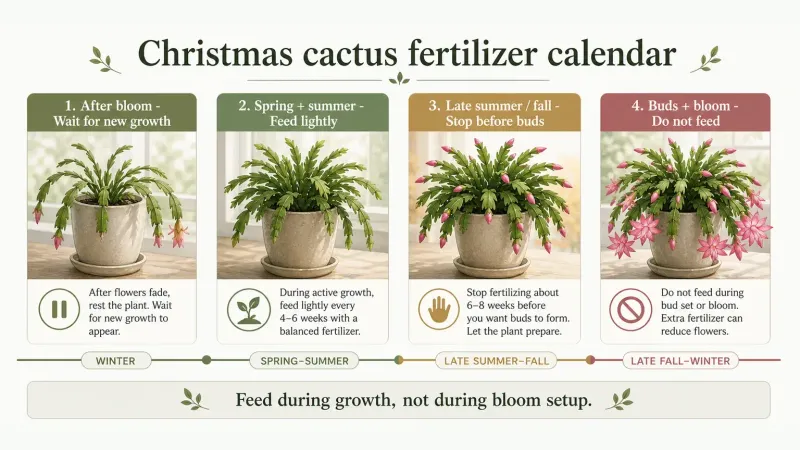
Feeding your cactus feels helpful, but late summer is exactly when you should put the fertilizer away. Around the end of August the plant begins gearing up to set buds, and extra food can throw that whole process off.
During the growing season, a balanced liquid houseplant fertilizer at half strength once a month keeps it fed without overdoing it. A low-nitrogen blend such as 0-10-10 encourages blooms rather than floppy, weak stems.
Once September rolls in, stop completely. Giving the plant a nutrient rest signals that it is time to trade leafy growth for those cheerful holiday flowers.
8. Repot Only If It Is Root-Bound
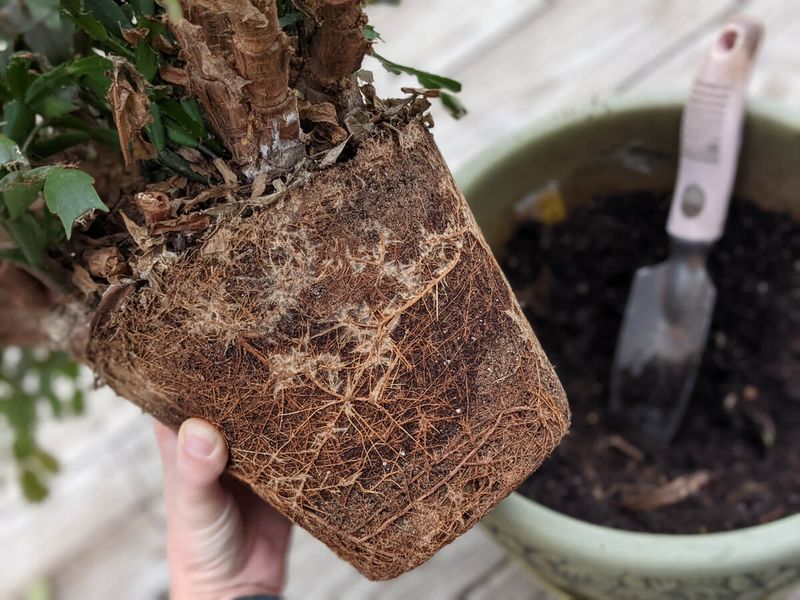
Odd as it sounds, a Christmas cactus actually likes being a little cramped in its pot. Snug roots often trigger better blooming, so most plants only need a new home every three years or so.
Still, if the roots are packed so tight that water runs straight through and the plant looks starved, it is genuinely struggling. In that case, a slightly bigger pot with fresh mix can bring relief.
Timing matters here, though. Save repotting for spring, and resist doing it in late summer, since disturbing the roots now can cost you those holiday flowers you have been waiting for.
9. Inspect for Hidden Pests
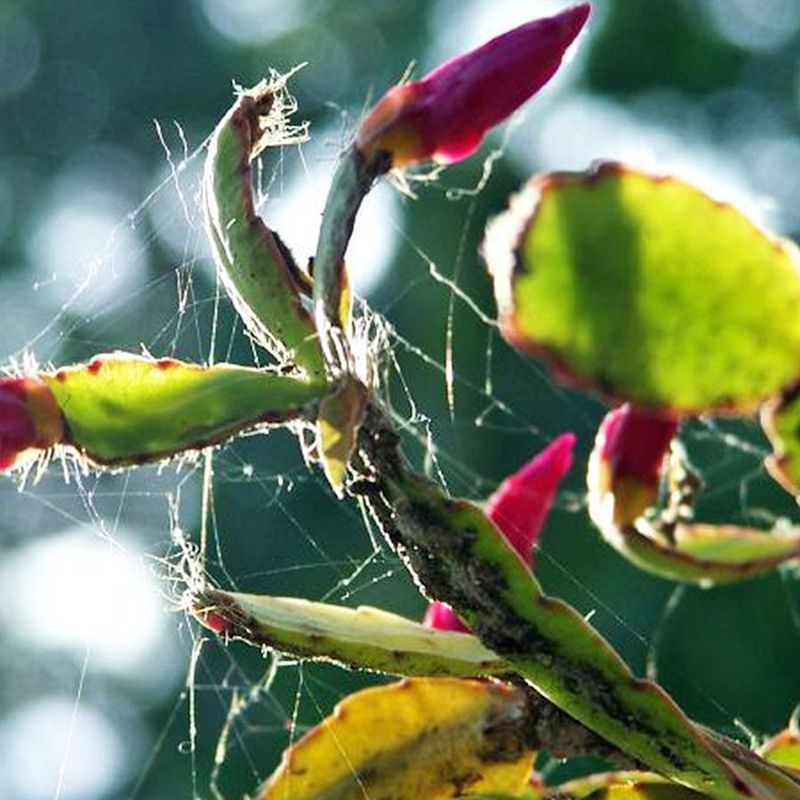
Sometimes a fading plant has unwanted company. Aphids, mealybugs, spider mites, and fungus gnats all sneak in and quietly drain the life out of a Christmas cactus.
Look closely between the segments and along the soil surface for tiny bugs, sticky spots, or fine webbing. Catching them early makes them far easier to knock out.
A dab of rubbing alcohol on a cotton swab wipes out mealybugs, while insecticidal soap can handle larger outbreaks. For fungus gnats in the soil, letting the top layer dry out and using beneficial nematodes may help clear them for good.
10. Prune Back Leggy Growth
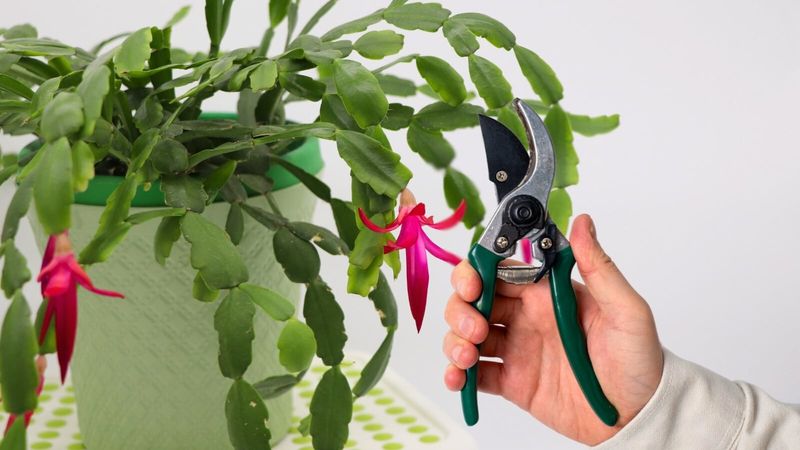
Ever notice long, stringy stems with bare stretches and a floppy shape? A leggy Christmas cactus is telling you it wants a gentle trim to fill out again.
Pinching off a segment or two encourages the plant to branch, giving you fuller growth and more spots for future flowers. Early June is the sweet spot for this, well before bud season begins.
Once mid-summer arrives, hold off. Any shaping or cleanup of damaged pieces is best saved for after the blooms fade in late winter or early spring, so you don’t accidentally trim away this year’s flowers.
With a little pruning and the other resets in place, your once-faded cactus should be plump, green, and ready to put on its holiday show.