
If You Want Fall Color That Lasts, Here Are 15 Flowers To Plant Right Now (And 5 You’ll Regret Starting Too Late)
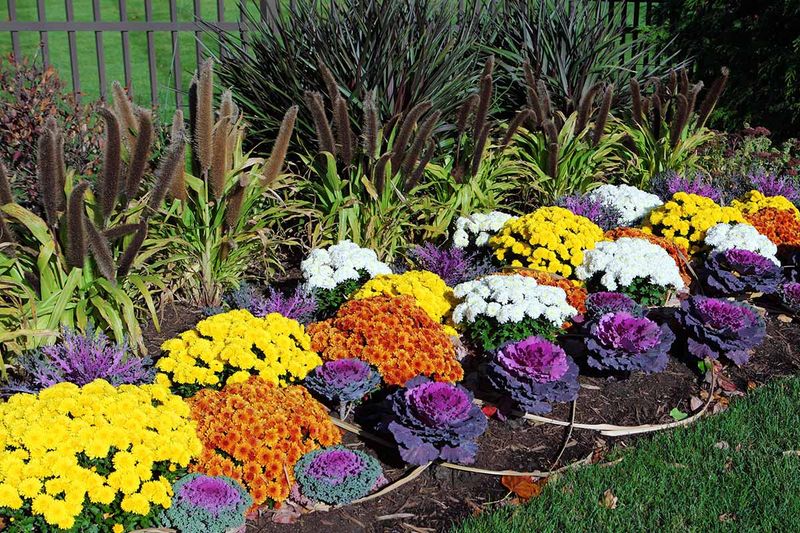
Fall gardens don’t have to fade to brown the moment summer ends. With the right flowers planted at the right time, you can keep bright color going from late summer all the way to the first frost.
The trick is knowing which plants love a fall start and which ones will sulk or die if you plant them too late. Here are 15 flowers to get in the ground now, plus a quick warning about 5 you should save for spring.
1. Asters
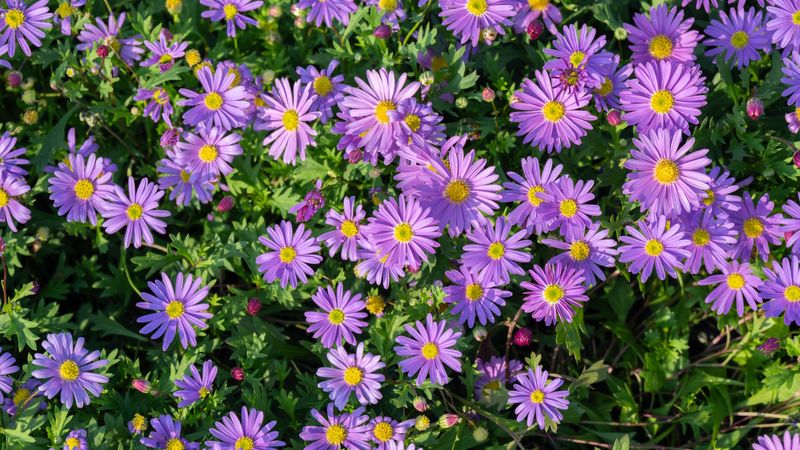
Ask any gardener what saves a tired fall border and asters usually top the list. Their daisy-shaped flowers burst open in purple, pink, blue, and white just as most summer bloomers are calling it quits.
Bees and late butterflies flock to them because there is little else offering nectar this late in the year. Plant them in full sun or part shade and they reward you with weeks of color.
Because they are perennials, a fall planting lets the roots settle in so the show comes back even stronger next year. Give them room to spread and they will fill gaps you did not even know you had.
2. Chrysanthemums (Garden Mums)
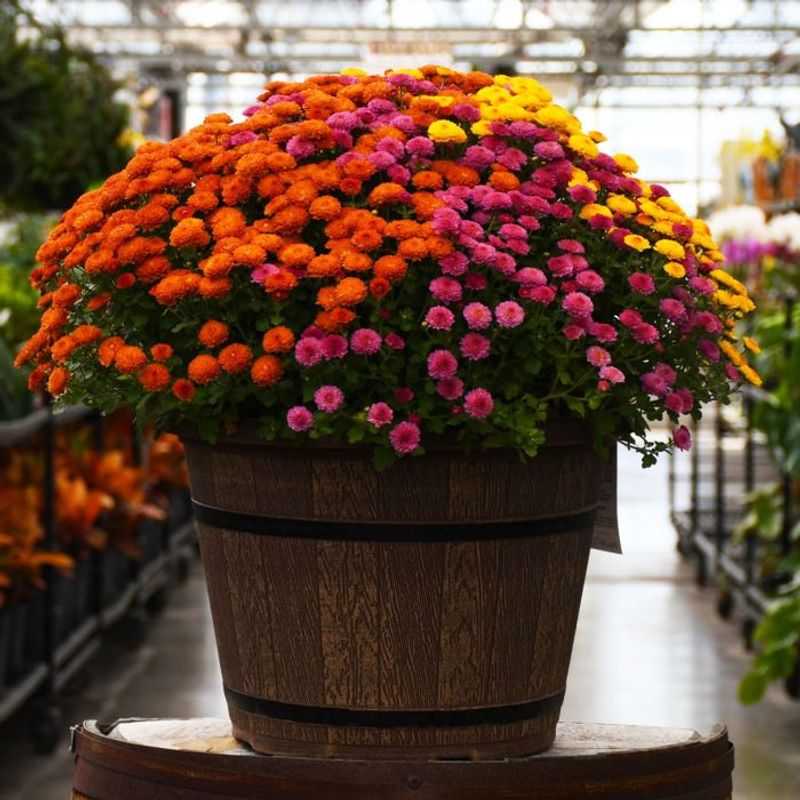
Nothing says autumn quite like a mound of mums glowing on a front step. The perennial garden types are the ones worth your time, since they return year after year instead of fizzling out after one season.
Their blooms keep coming right up until the first hard frost, which is why they earn a spot in beds and containers alike. Pinch them back earlier in the summer and you get an even bushier, fuller display.
Plant garden mums now so the roots grip the soil before cold weather arrives. Skip the cheap grocery-store mums if you want a plant that sticks around.
3. Sedum (Stonecrop)
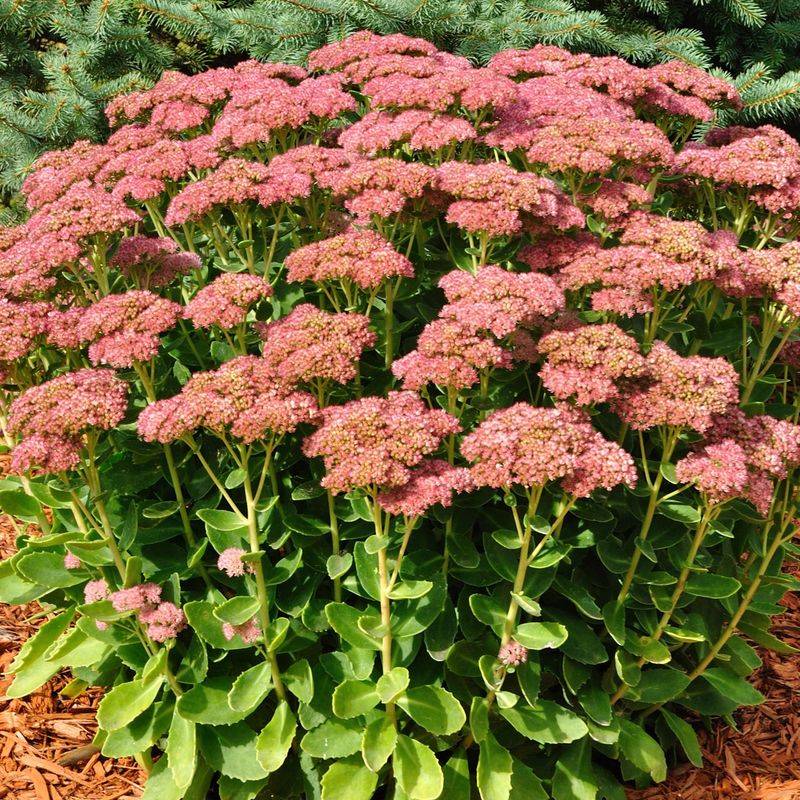
If you tend to forget to water, sedum was practically made for you. Varieties like ‘Autumn Joy’ build up thick, succulent mounds of foliage all summer, then top themselves with clusters of tiny flowers that shift from pink to rusty red as fall deepens.
Drought does not faze them, and bees and butterflies treat the blooms like a diner. Their sturdy stems hold up well even when the weather turns rough.
Tuck them into a sunny, well-drained spot and they basically take care of themselves. Come winter, the dried flower heads add sculptural interest above the snow.
4. Coreopsis (Tickseed)
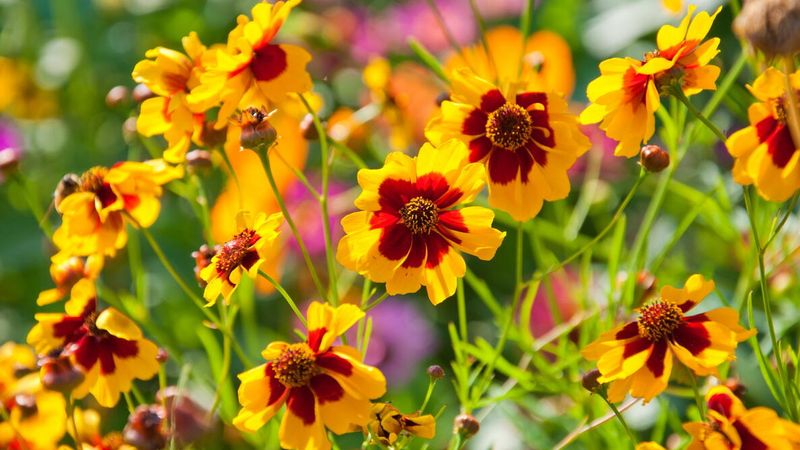
Cheerful is the word that fits coreopsis best. These bright, daisy-like blooms keep pumping out color from summer straight into fall, seemingly without pausing for breath.
Heat and dry spells barely slow them down once they are established, making them a low-fuss choice for busy gardeners. Snip off the spent blooms and you nudge them into producing even more.
A fall planting gives the roots time to anchor before winter, setting you up for a knockout return next year. They pair beautifully with darker fall flowers for a sunny contrast.
5. Gaillardia (Blanket Flower)
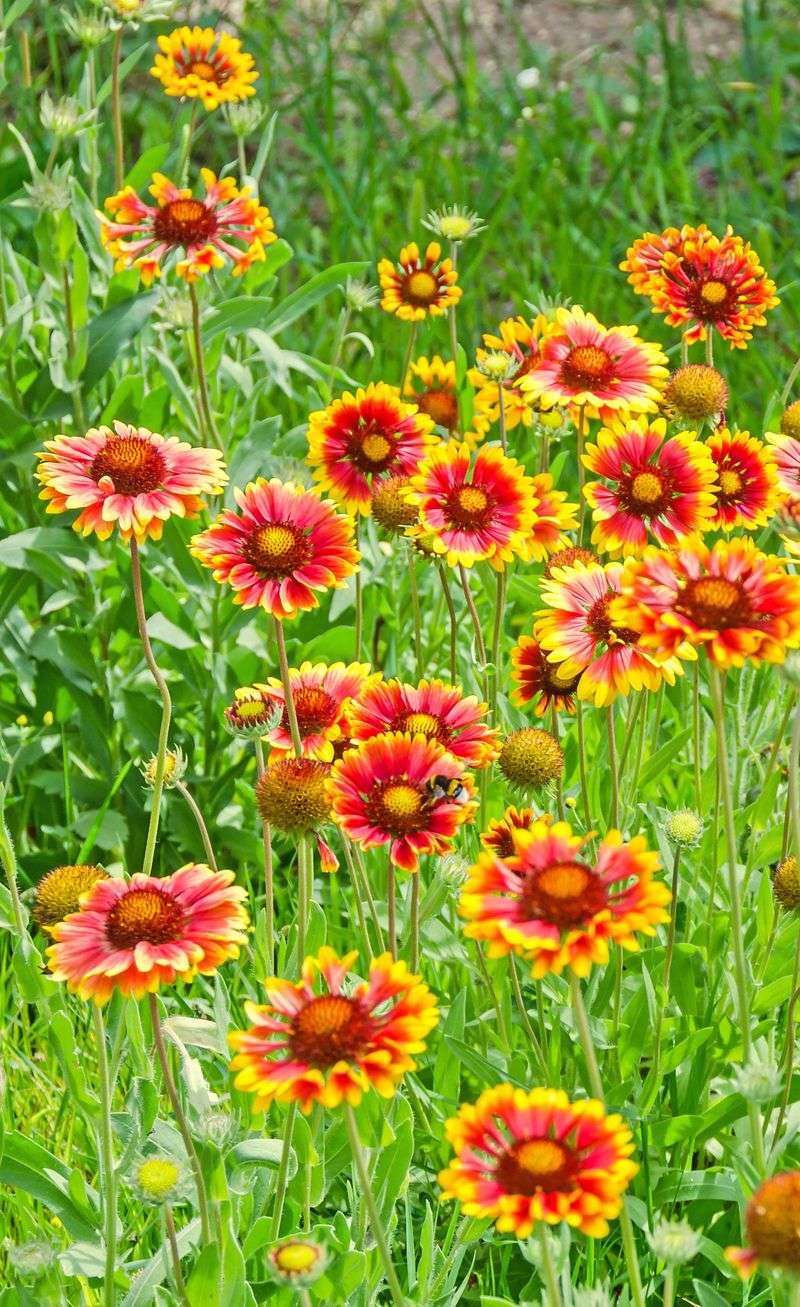
Picture a sunset packed into a single flower and you have got blanket flower. The fiery red-and-yellow petals look like they belong on a Southwestern blanket, which is exactly where the name comes from.
They shrug off heat and drought once their roots settle in, blooming happily from summer well into autumn. Pollinators love them, and the seed heads feed birds later on.
Give them full sun and lean soil, and they will keep the party going while fussier plants fade. Deadheading keeps the flower factory running longer.
6. Helenium (Sneezeweed)
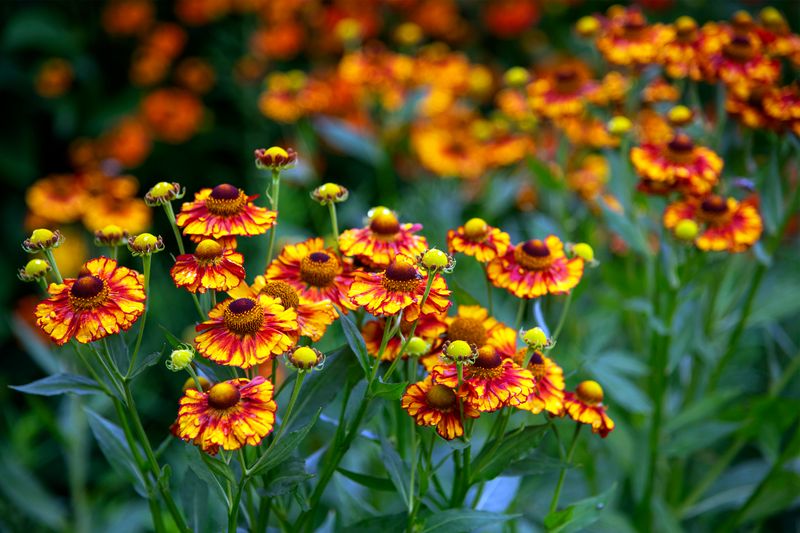
Do not let the unfortunate name scare you off, because sneezeweed will not make you sneeze at all. It earned that title from an old use of its dried leaves, but what it really delivers is a blaze of yellow, orange, and red daisy flowers.
The blooms last a long time and act like a magnet for butterflies and bees looking for a late-season meal. Their warm tones echo the changing leaves overhead.
Plant it in a sunny, moist spot and it becomes a fall centerpiece that feels tailor-made for the season. Deadhead to stretch the bloom period even further.
7. Japanese Anemone
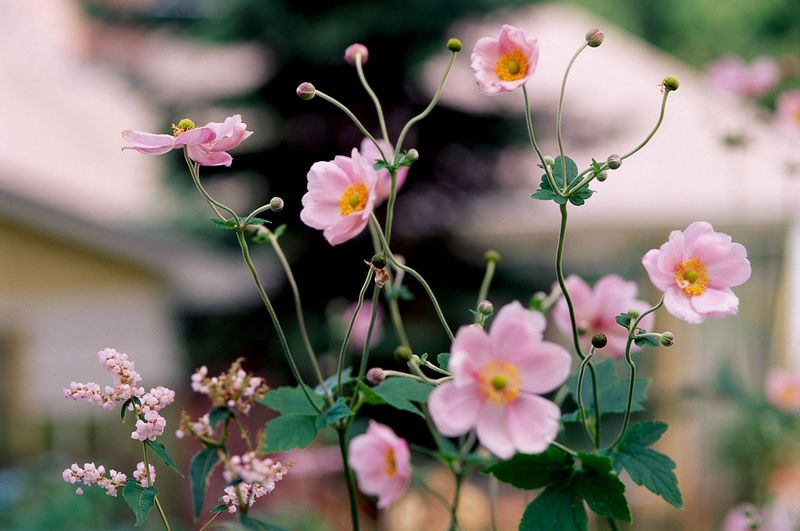
Grace on tall stems is what Japanese anemone brings to the autumn garden. While other plants are winding down, this one waits until September or October to unfurl its large, round flowers on slender, swaying stalks.
The height and pretty foliage add a soft, airy layer to beds that can look flat late in the year. Pink and white forms both catch the low autumn light beautifully.
Give it a spot with some afternoon shade and steady moisture, and it becomes the elegant late bloomer your borders were missing. Once happy, it spreads to fill in gracefully.
8. Joe Pye Weed
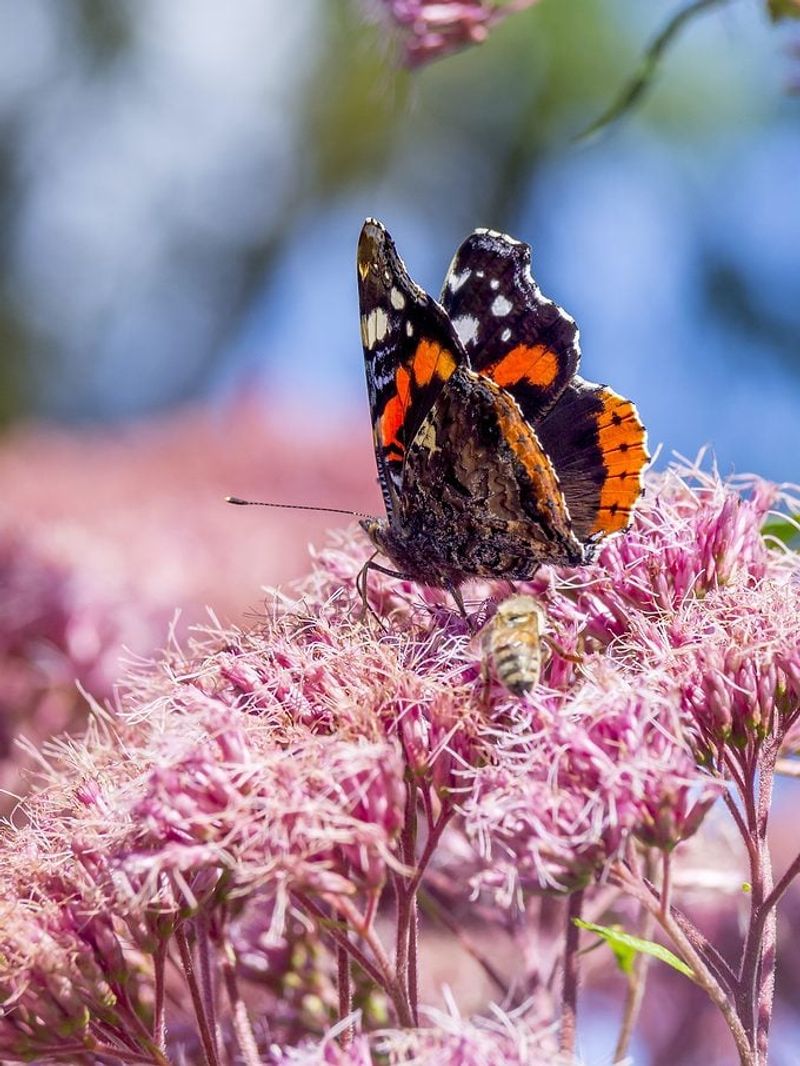
Big, bold, and buzzing with life, Joe Pye weed is the gentle giant of the fall border. Its dusty mauve-pink flower heads sit atop towering stems, sometimes reaching well over your head.
Butterflies practically camp out on the blooms, so if you want a pollinator hotspot, this is your plant. It stretches your garden’s color and food supply late into the season when nectar is scarce.
Plant it toward the back of a bed where it has room to shine and shelter smaller plants. Native and tough, it asks for little once it settles in.
9. Rudbeckia (Black-Eyed Susan)
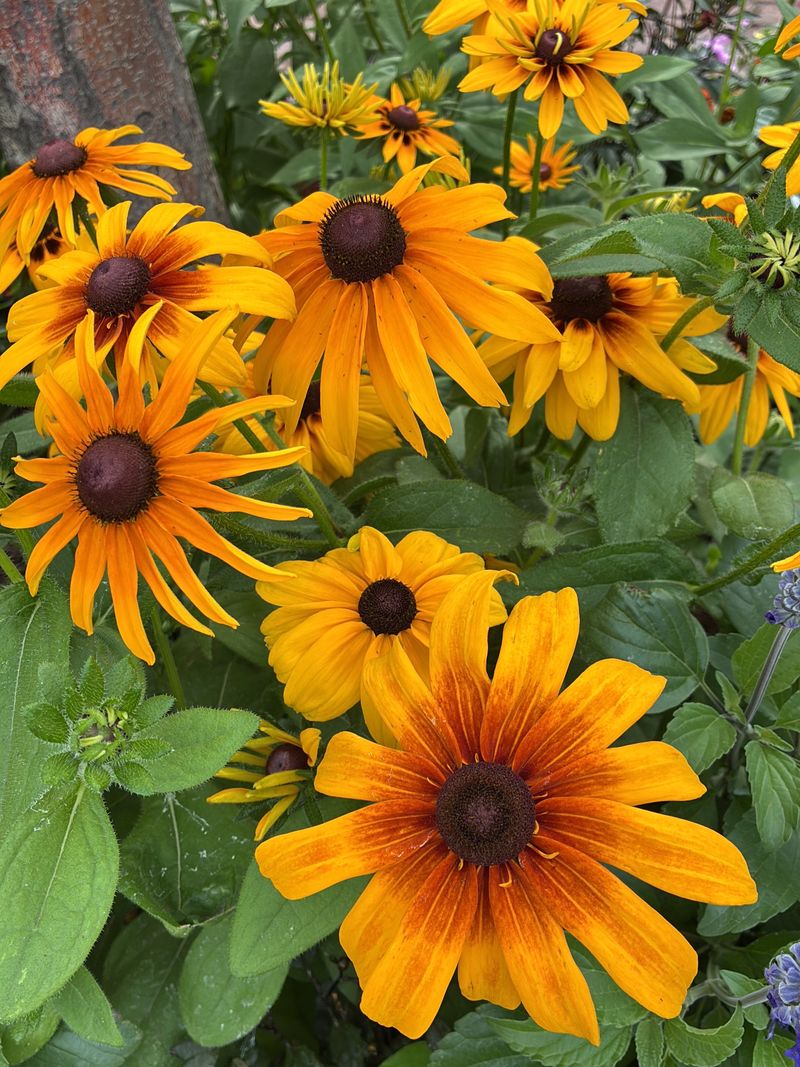
Golden and dependable, black-eyed Susans are the workhorses that keep gardens glowing for months. Native to North America, they wear vibrant gold, orange, or two-toned petals around a signature dark cone.
They bloom for an incredibly long stretch and shrug off neglect, which makes them a favorite for gardeners who want maximum color with minimum fuss. The seed heads later feed finches and other birds.
Set them out now and they root in for a strong showing that carries deep into fall. A quick tip: leave the spent cones standing for winter texture and wildlife.
10. Russian Sage
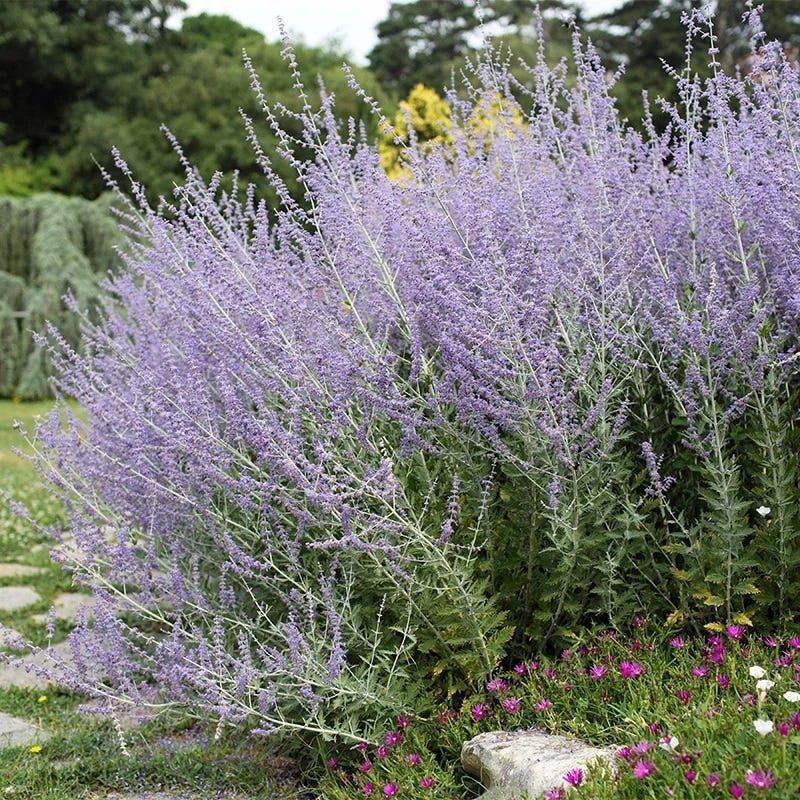
For a soft cloud of color that hangs in the air, Russian sage is hard to beat. Its silvery stems carry hazy spikes of lavender-blue flowers that shimmer from summer right into fall.
The plant is famously trouble-free, tolerating heat, poor soil, and dry spells with ease. When many other flowers have thrown in the towel, it keeps offering nectar to hungry pollinators.
Give it full sun and stand back, because it wants room to billow. Its aromatic foliage also keeps browsing deer at a polite distance.
11. Salvia (Perennial Sages)
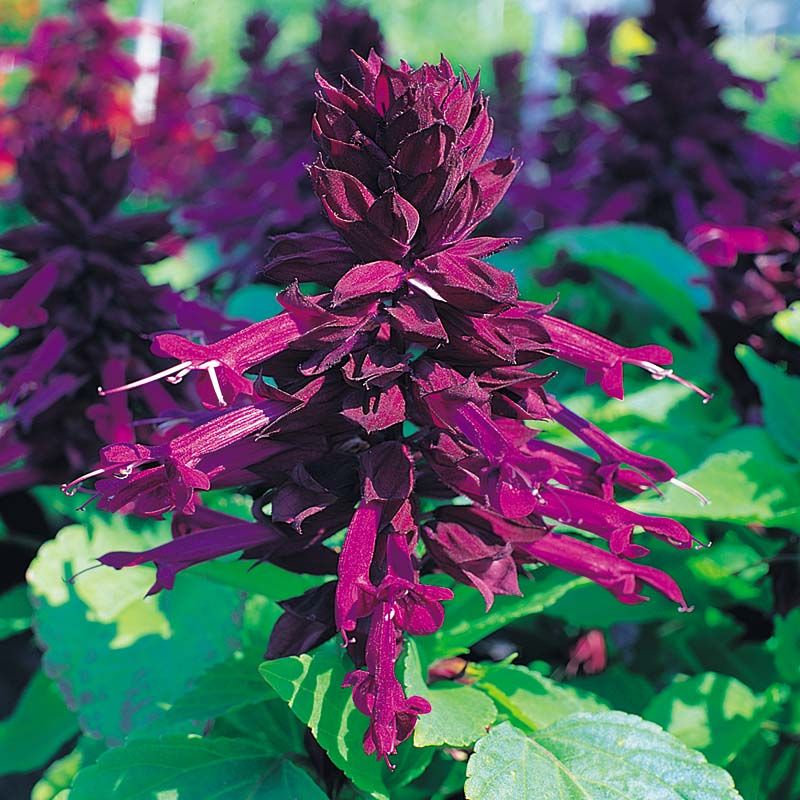
Spiky, vivid, and endlessly popular with bees, perennial salvias earn their keep late in the year. Many cold-hardy types root quickly, which is exactly why fall is such a smart time to plant them.
Their upright flower spikes come in rich purples, blues, and reds that hold up beautifully against autumn foliage. Annual salvias join the fun too, blooming right up until frost finally stops them.
Plant them in a sunny spot with decent drainage and they settle in fast. Shear them lightly after a flush and you often coax a fresh round of color.
12. Goldenrod
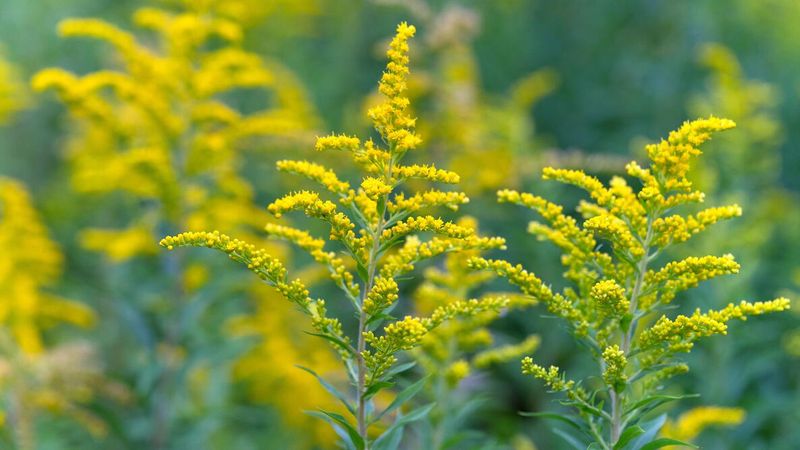
Goldenrod gets a bad rap it does not deserve, since it is often blamed for hay fever caused by ragweed instead. The truth is this plant is a fall superstar, sending up plumes of brilliant yellow that light up the whole garden.
It stretches the seasonal display well past when most flowers quit and provides crucial late nutrition for bees and butterflies. The sunny color pairs perfectly with purple asters for a classic autumn combo.
Tough and easygoing, it thrives in sun with little help from you. Choose a well-behaved garden variety if you want the beauty without the aggressive spreading.
13. Chelone (Turtlehead)
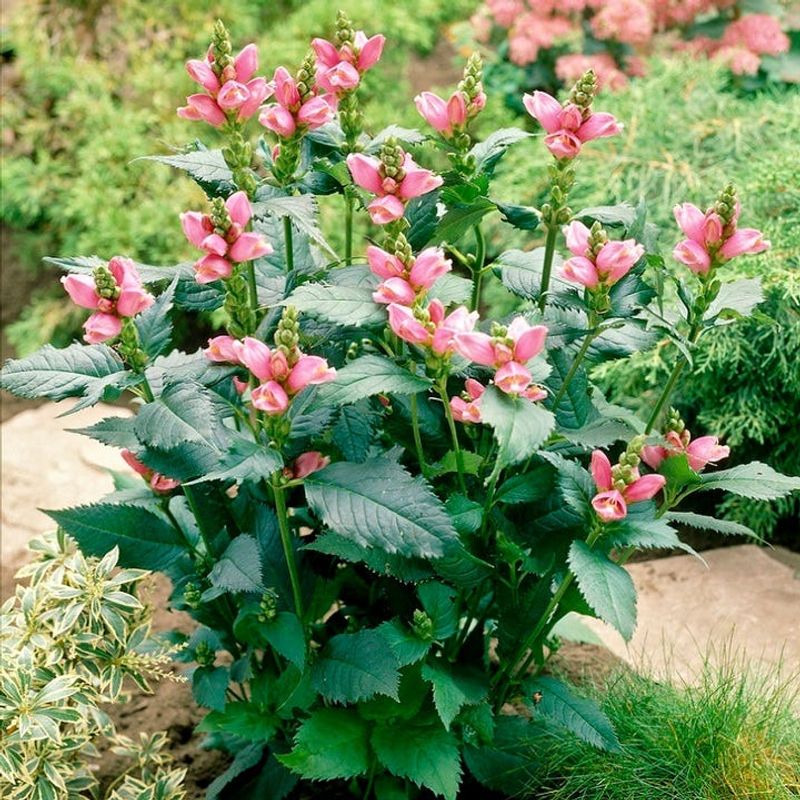
Lean in close and you will see how turtlehead got its quirky name, since each pink or white flower really does resemble a tiny turtle’s open mouth. Native to eastern North America, it saves its blooms for autumn when the garden needs the lift most.
It thrives in filtered sunlight and damp soil, making it a rare fall bloomer for spots that stay a little moist. Pollinators, especially bumblebees, push right inside those curious blossoms.
Plant it along a stream edge, rain garden, or shady border and it feels right at home. Its unusual shape gives your fall display a fun conversation piece.
14. Panicle Hydrangea
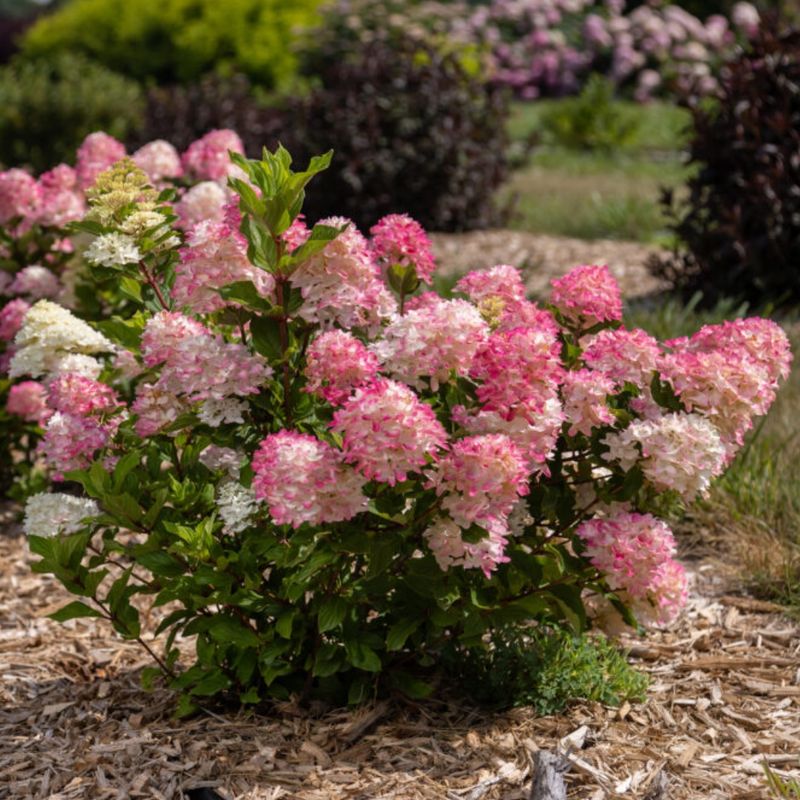
Hydrangea lovers, this is the one that just gets better as the weather cools. Panicle hydrangeas start with creamy white cone-shaped blooms, then blush into deeper pinks and reds as autumn nights turn crisp.
Unlike fussier cousins, they bloom on new wood, so pruning mistakes rarely cost you flowers. That forgiving habit makes them reliable year after year, even for nervous gardeners.
Give them sun to part shade and steady water while they establish, and they reward you with color that shifts through the whole season. Cut a few stems to dry, and the beauty carries indoors too.
15. Canna Lilies (Plant in Spring, Not Fall)
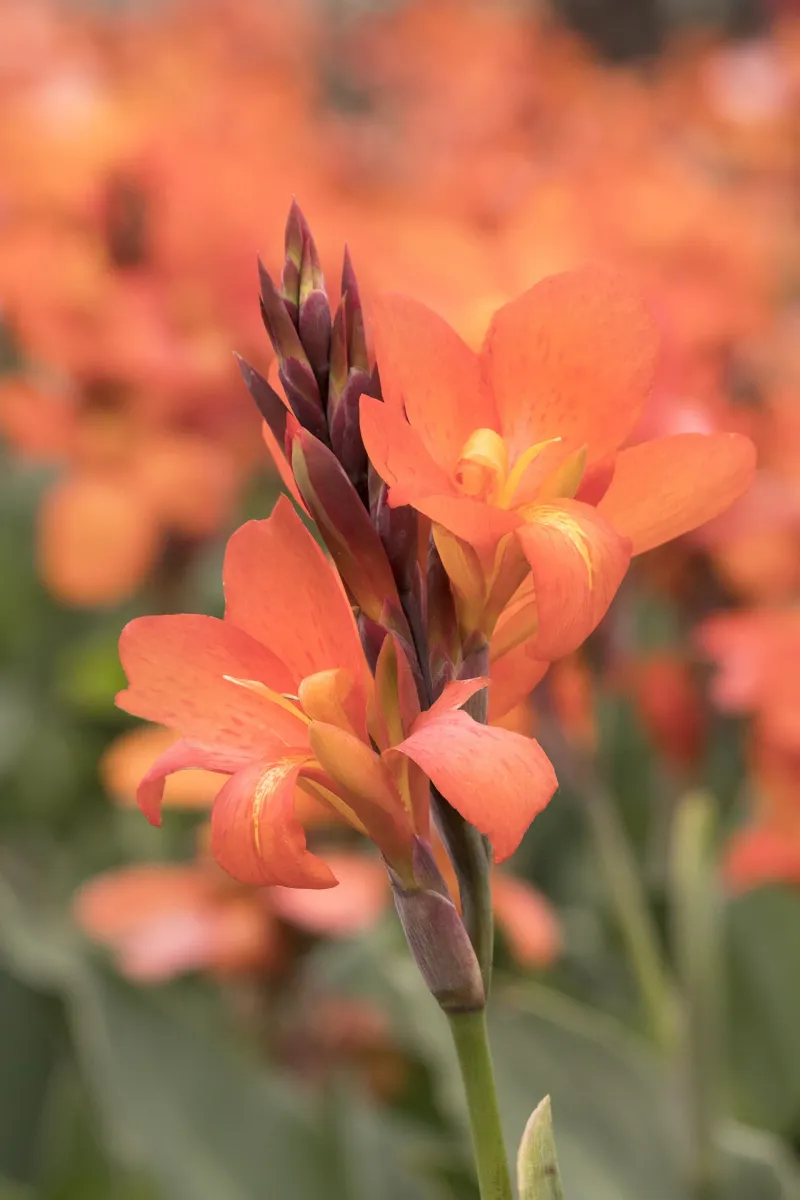
Here is where the warnings begin, and canna lilies lead the list of plants that punish a late start. These tropical bulbs are drama queens about cold, and a fall planting outside USDA Zones 7 to 10 is basically a death sentence.
They crave warm soil to get going, so putting them in as temperatures drop leaves them no chance to establish. Frost will finish off anything that manages to sprout.
Save yourself the heartbreak and wait until spring, once the soil has warmed, to plant them for those bold summer blooms. In colder zones, dig and store the rhizomes indoors over winter.