
If Your Petunias Keep Disappointing You, Here Are 18 Easier Blooms To Grow In Their Place
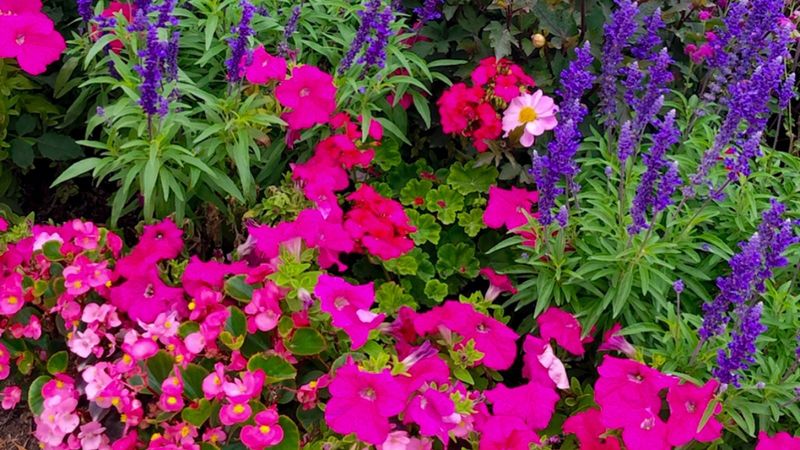
Petunias look gorgeous on the plant tag, but they can turn leggy, stop blooming, and rot in the heat if you miss a single watering. If yours have let you down again this year, you are not a bad gardener, you just picked a fussy flower.
The good news is there are plenty of tough, colorful blooms that give you the same summer show with way less babysitting. Here are 18 easier flowers to plant instead.
1. Calibrachoa (Million Bells)
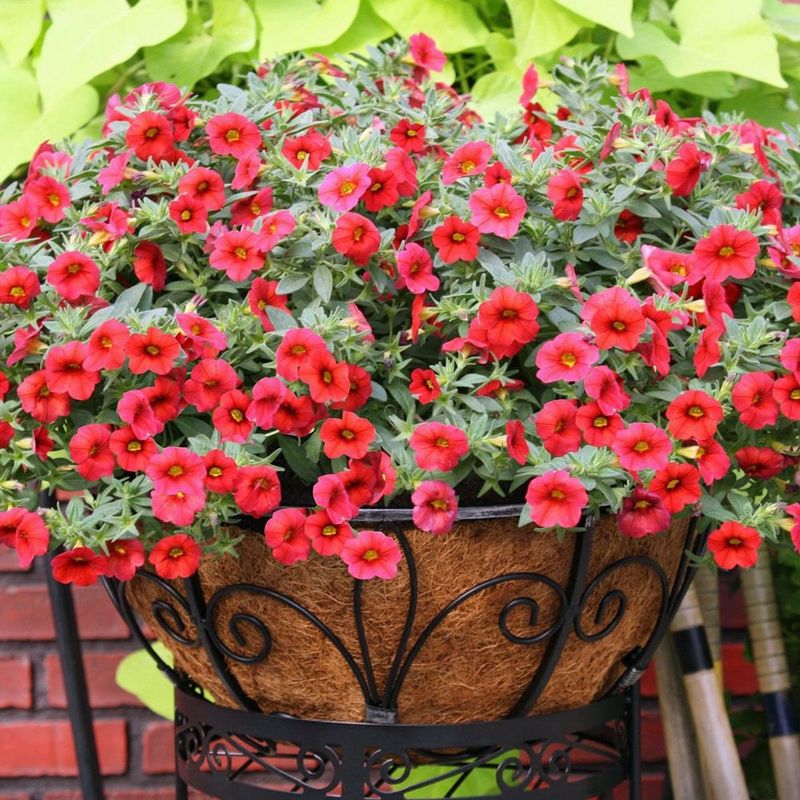
Picture everything you loved about petunias, then shrink the flowers down and take away the chores. That is Calibrachoa, often sold as Million Bells, and it might be the closest swap on this whole list.
The blooms are self-cleaning, which means you never have to pinch off spent flowers to keep the show going. It also shrugs off short dry spells far better than petunias, and it is much less likely to rot at the stem when summer turns muggy.
Give it a sunny spot and a container that drains well, and it will pour over the sides in a tidy waterfall of color. For anyone mourning their petunias, this is the gentlest place to start.
2. Lantana
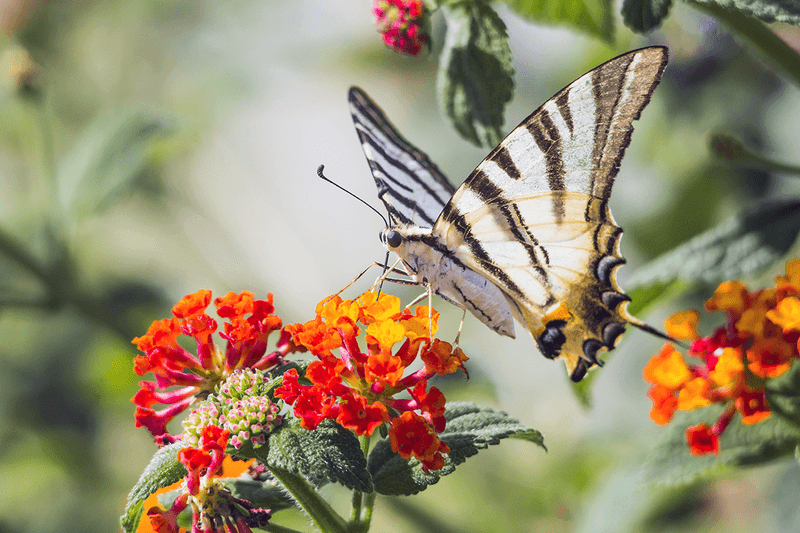
Some plants sulk when the thermometer climbs. Lantana throws a party.
Built for punishing heat and long dry stretches, it pumps out cluster after cluster of tiny flowers that often shift color as they age, giving you two or three shades on one plant. Butterflies and hummingbirds treat it like a favorite diner.
You barely have to touch it. No deadheading marathons, no daily watering panic, just steady color from late spring until frost.
If your petunias fried in a July hot spell, lantana is the flower that would have laughed it off.
3. Verbena
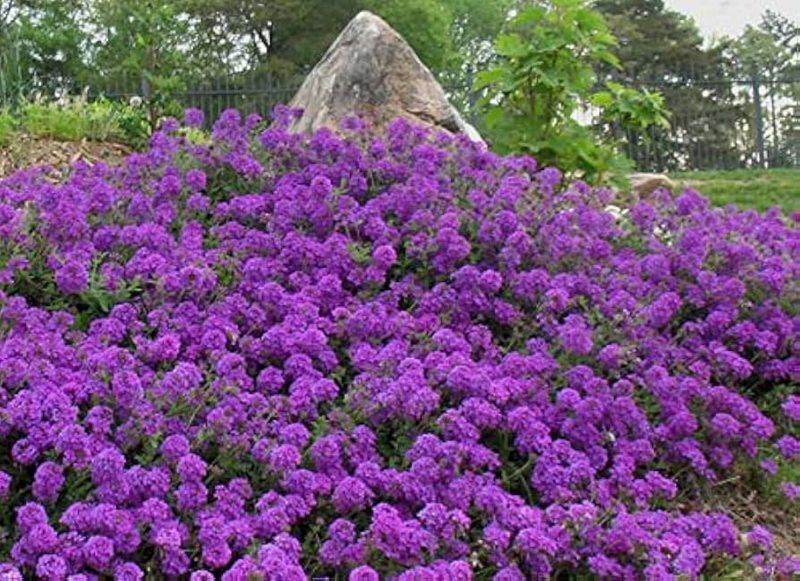
Verbena is the low sprawler that quietly covers ground while you are not looking. It creeps outward and blankets a bed or basket edge with rounded flower clusters that keep coming all summer.
Drought does not scare it, though a steady drink will reward you with even more blooms. Plant it somewhere it can soak up full sun and it rarely asks for anything else.
Where petunias tend to stall out mid-season and go bare in the middle, verbena keeps filling in and stretching sideways, which makes it a smart pick for spots you want to see completely covered.
4. Angelonia (Summer Snapdragon)
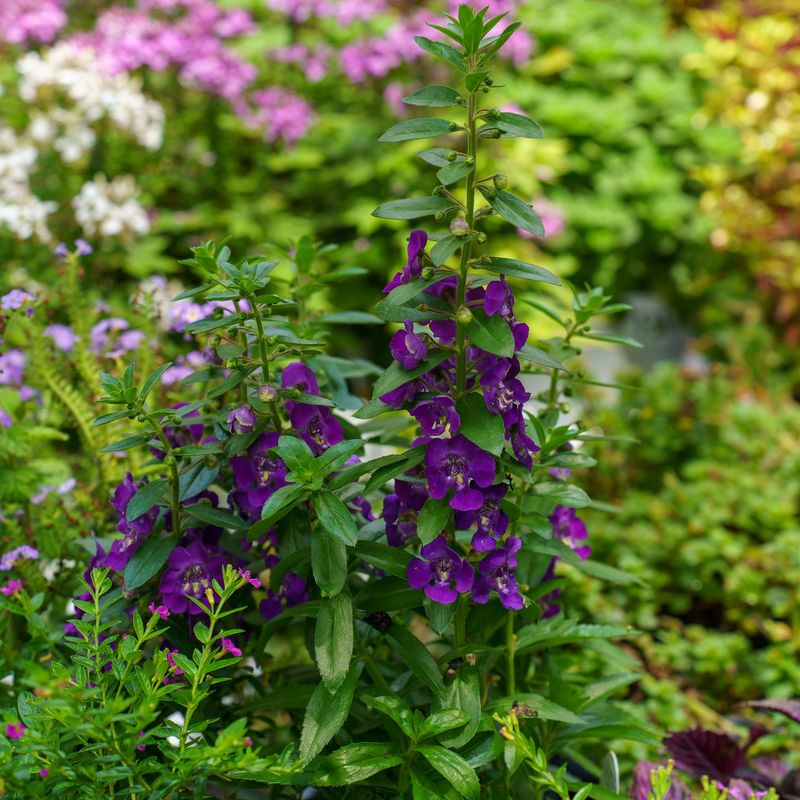
Most petunia replacements spill and trail. Angelonia stands tall instead, sending up slender spikes covered in little snapdragon-like flowers.
That upright habit is exactly why it belongs here. Drop it into the middle of a container or the back of a bed and it adds height and structure that low, cascading flowers cannot.
It loves full sun and keeps blooming through the hottest weeks without needing you to deadhead. Think of it as the reliable friend who shows up looking sharp all summer while everything around it wilts.
5. Moss Rose (Portulaca)
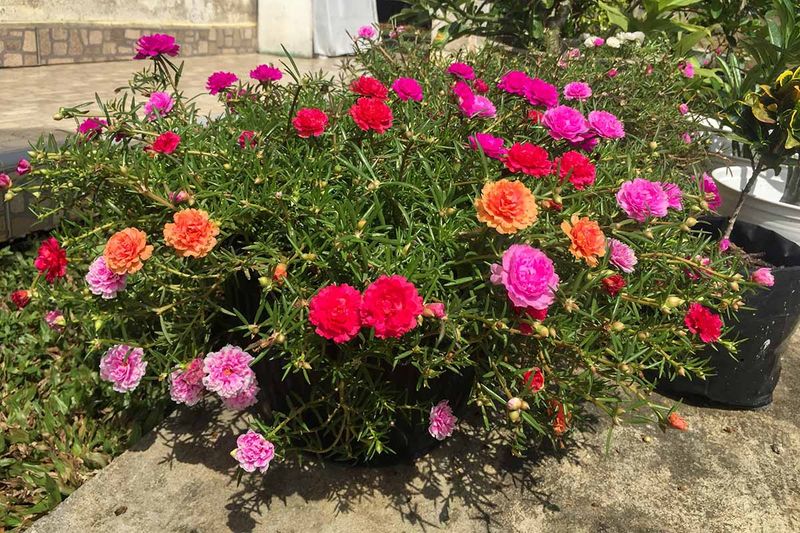
If you have a scorching, dried-out corner where nothing survives, moss rose was practically invented for it. Its fat, needle-like leaves are succulent, storing water so the plant can coast through heat that would flatten most annuals.
The flowers look like tiny roses in electric shades of orange, pink, and yellow, and they open wide whenever the sun hits them. It forms a low mat, which makes it a natural fit for hanging baskets and the tops of tall pots.
Water it too much and it pouts, so it is genuinely the opposite of a needy petunia.
6. Scaevola (Fanflower)
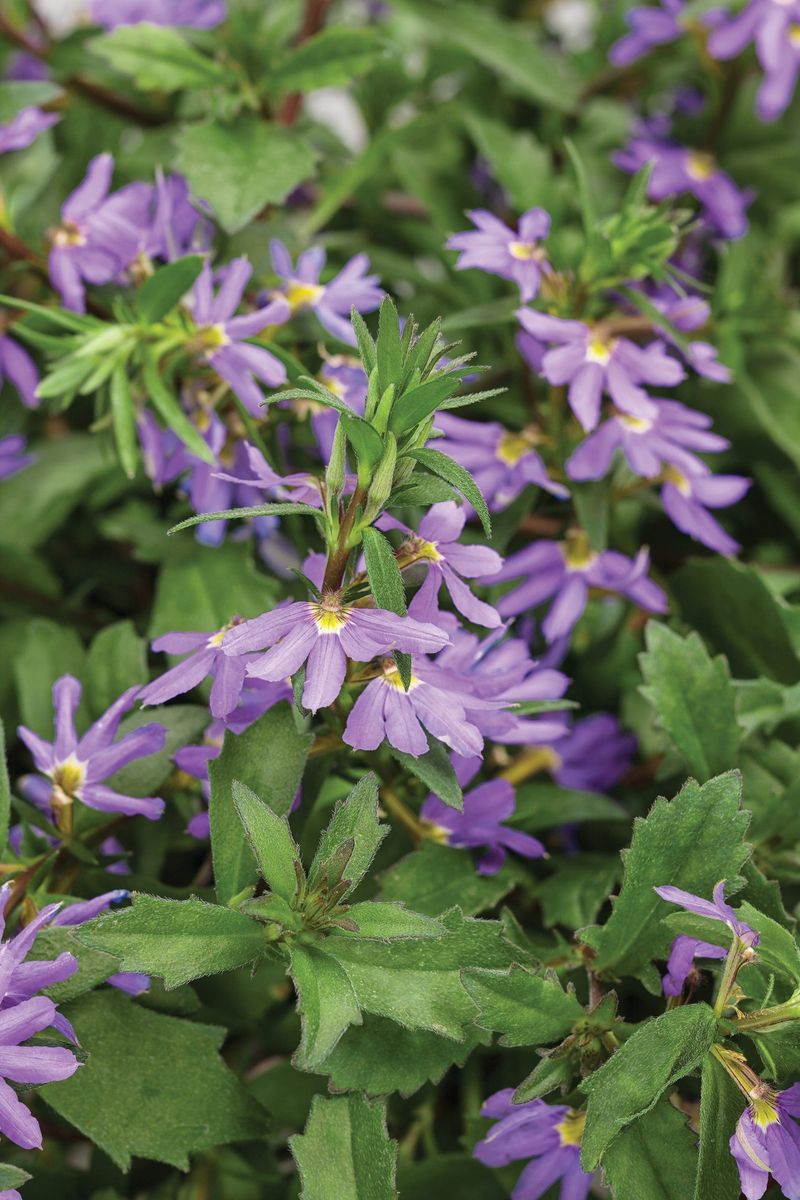
The blooms on Scaevola look like tiny hand-held fans, each one splayed open in blue or purple. It is a charmer with a quirky shape you will not find anywhere else on this list.
Beyond the looks, it trails beautifully over the edge of a pot without turning into the tangled, leggy mess petunias often become. Heat does not faze it in the slightest.
Hang it, spill it, or let it soften a container edge. It keeps its neat, cascading manners even when the weather gets brutal.
7. Zinnia
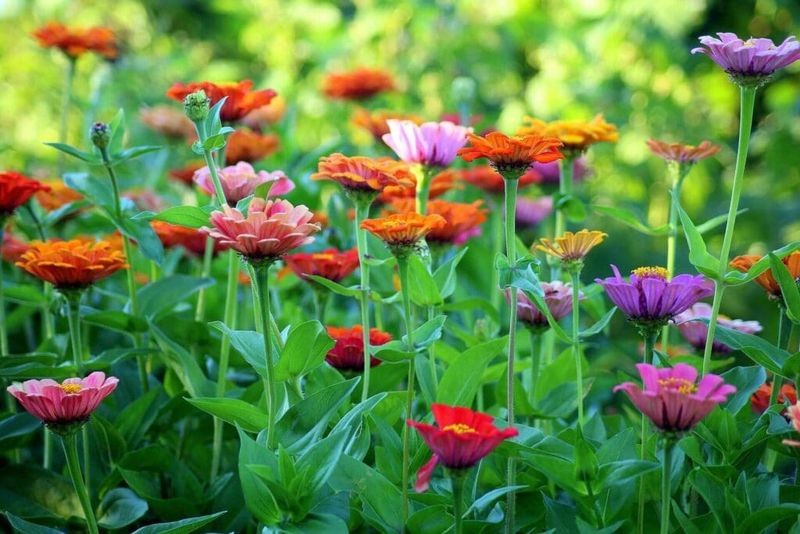
Toss a handful of zinnia seeds in the ground, and in a few weeks you will wonder why you ever fussed with anything harder. Few flowers give this much color for this little effort.
They bloom relentlessly through heat and drought as long as they get full sun and soil that drains. The more you cut for bouquets, the more flowers they push out, so a vase habit actually helps the plant.
Go with dwarf varieties if powdery mildew has burned you before, since they tend to shrug it off better. Cheerful, cheap, and forgiving is a hard combination to beat.
8. Geranium (Pelargonium)
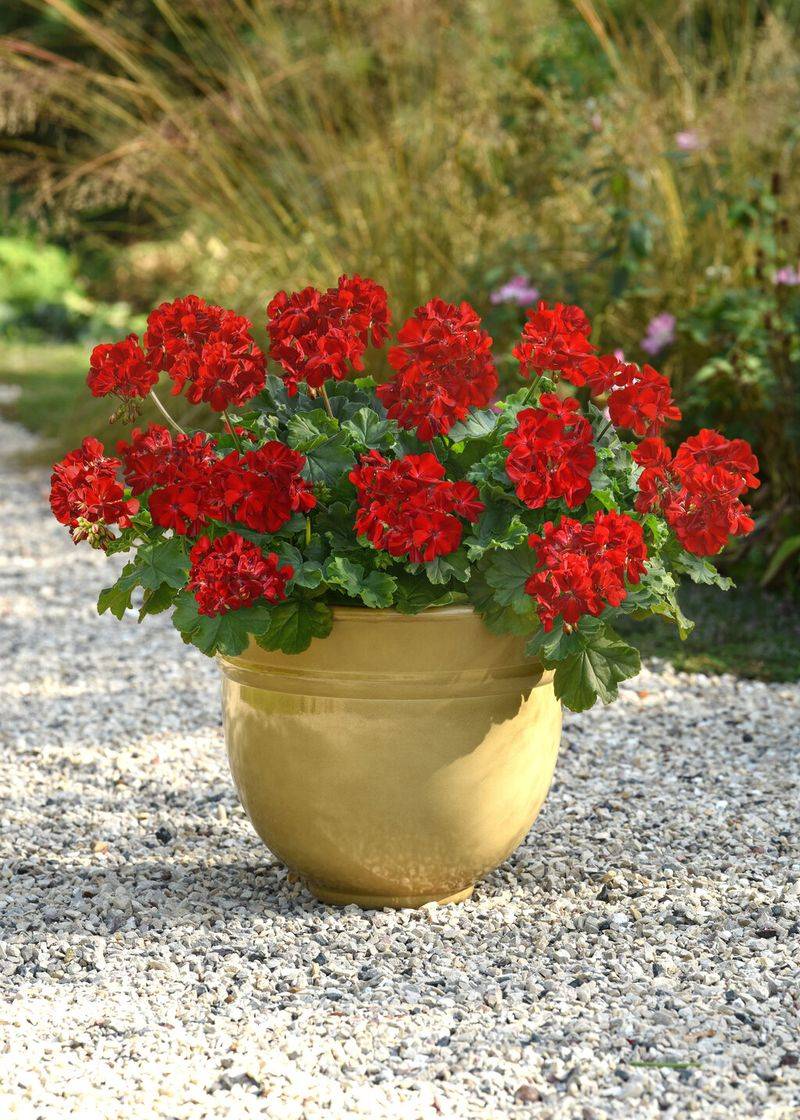
Grandma grew geraniums in a coffee can on the porch, and there is a reason they never went out of style. These workhorses fit into planters, hanging baskets, and beds with equal ease.
Thick, water-storing stems help them ride out dry spells, and they are happy in full sun or a bit of afternoon shade. Snap off the faded flower heads now and then and they will reward you with a steady parade of blooms.
Fun bit of trivia: the flowers we call geraniums are actually pelargoniums, a South African cousin of the true geranium. Whatever you call them, they are far tougher than a petunia.
9. Vinca (Catharanthus)
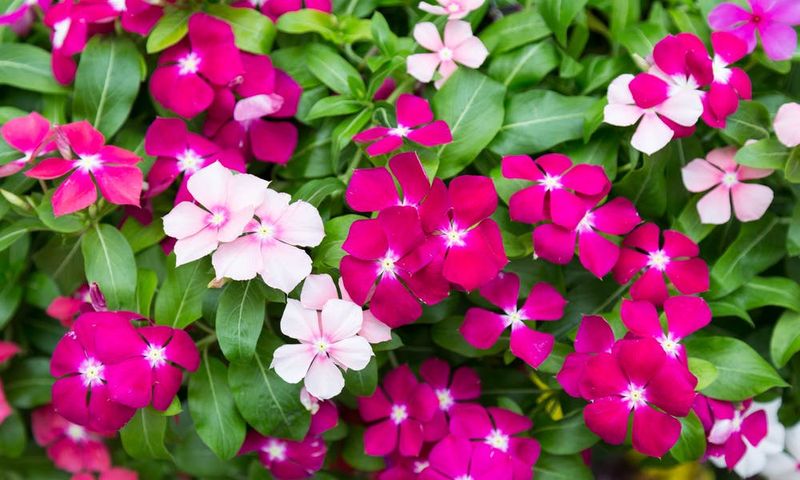
Vinca is the flower for gardeners who want to plant something and then basically forget about it. It is a sun-loving superstar that blooms nonstop all summer.
What really sets it apart is its resistance to just about everything. Heat, drought, disease, and insects tend to leave it alone, which is a stark contrast to the pest and fungus troubles that plague petunias.
Its glossy leaves and pinwheel flowers look crisp even in August. Plant it in the hottest, driest bed you have and it will keep smiling back at you.
10. Torenia (Wishbone Flower)
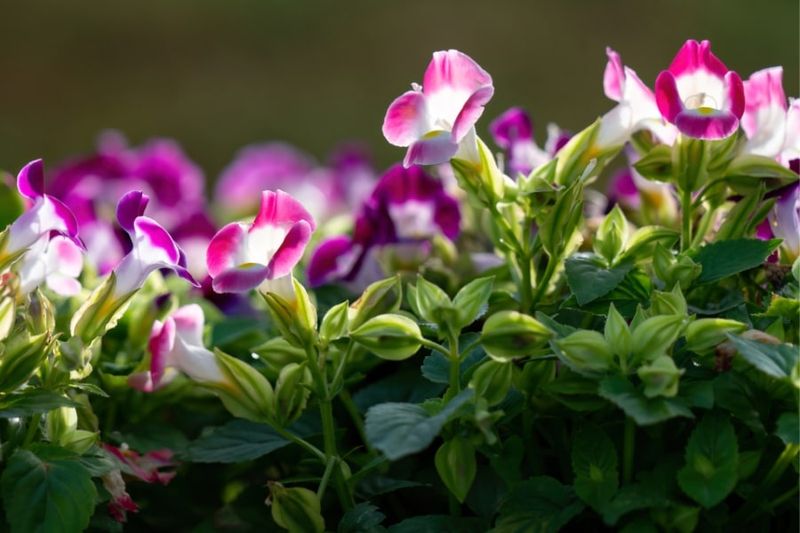
Nearly every flower on this list wants blazing sun, which leaves shade gardeners out in the cold. Torenia fixes that.
Also called the wishbone flower for the tiny wishbone-shaped stamens tucked inside each bloom, it actually prefers the shadier corners where petunias flop and refuse to flower. The little tubular blossoms come in soft purples, blues, and yellows.
Best of all, it never asks you to deadhead. For a low-fuss pop of color under a tree or on a north-facing porch, this is your plant.
11. Cuphea
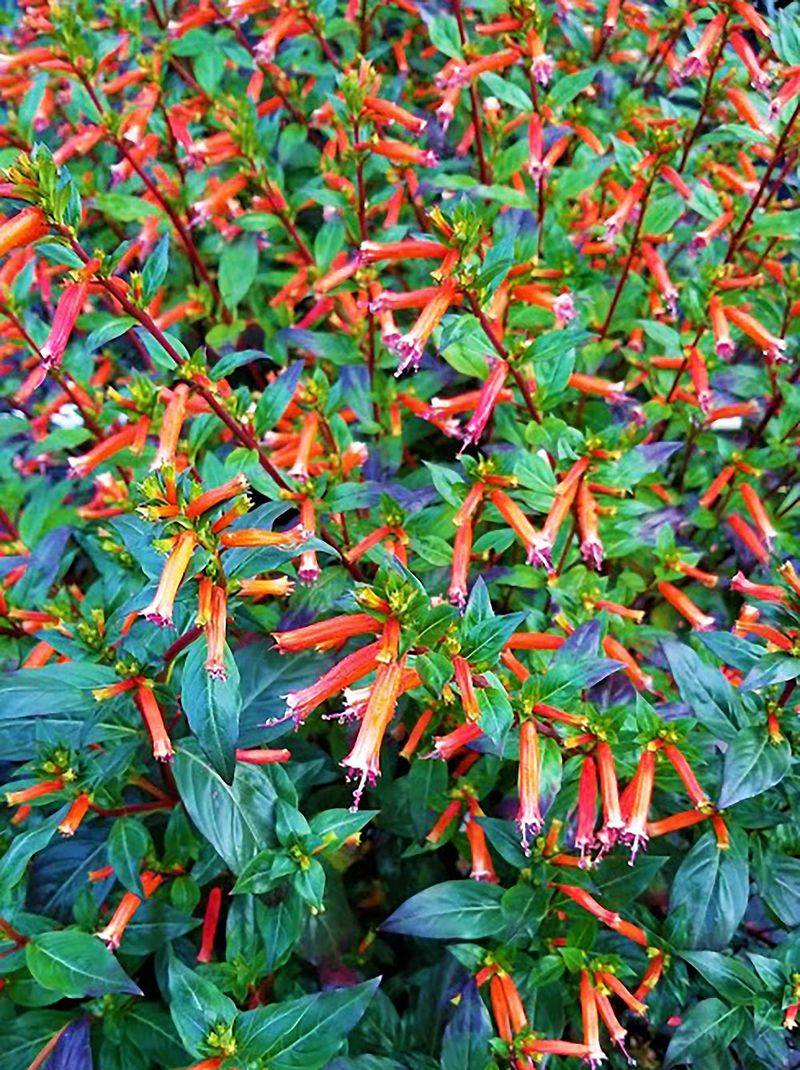
Cuphea flies under the radar, but the pollinators sure know about it. Its little tubular flowers, sometimes called cigar flowers for their shape and color, buzz with bees and hummingbirds from summer well into fall.
Heat is no obstacle. While petunias fade in the dog days, cuphea just keeps cranking out blooms without complaint.
If you want a plant that feeds the wildlife and stays colorful right up to the first cool nights, this one earns its spot. It is the quiet overachiever of the flower bed.
12. New Guinea Impatiens
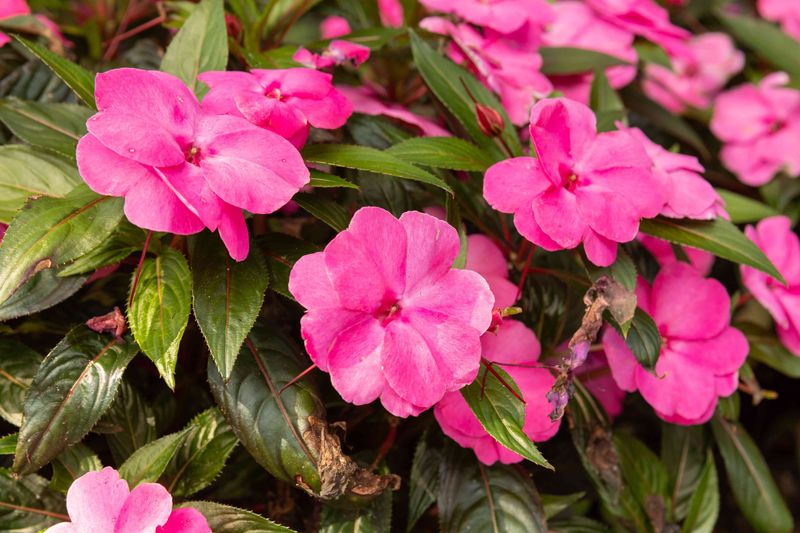
Old-fashioned impatiens melt in the sun, but the New Guinea kind rewrote the rules. This hybrid handles both sun and heat, thanks to thicker flowers and sturdier leaves.
That extra toughness also makes it more resistant to the pests and fungal problems that can wreck a petunia display. It spreads quickly to fill a space and never needs deadheading.
The one thing it does ask for is regular water, so keep the soil from drying out completely. Give it that, and you get big, flat blooms in knockout colors all season.
13. Marigold
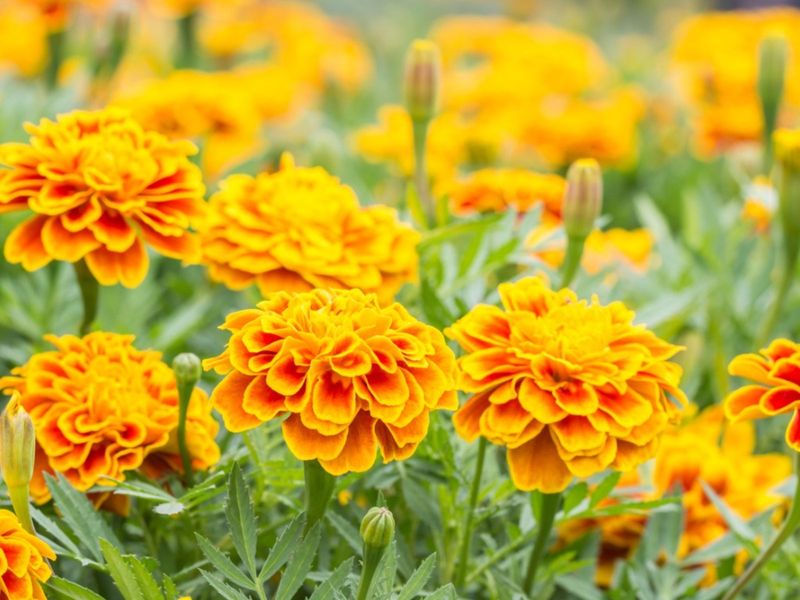
Marigolds might be the friendliest starter flower there is. They forgive missed waterings, bounce back after a dry spell, and light up a bed with warm gold and orange.
They handle direct sun and scorching heat without blinking. As a bonus, some varieties are known to help deter certain garden pests, and deer and rabbits usually walk right past them.
Plant a row along the edge of a vegetable patch and you get color plus a little extra protection. For a flower that asks so little and gives so much, marigolds are hard to disappoint.
14. Cosmos
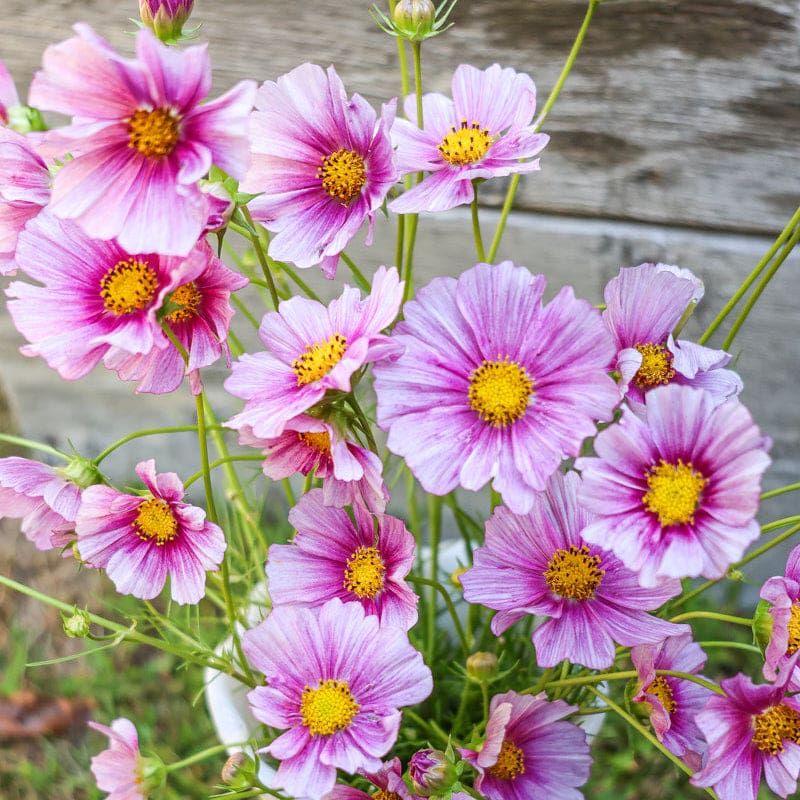
Cosmos have a breezy, wildflower charm that petunias never quite pull off. Tall, airy stems topped with daisy-like flowers sway in the slightest wind.
They sprout easily from seed and re-seed themselves, so once you plant them, they often return on their own the next year. Full sun and high heat are exactly where they thrive.
Butterflies adore them, and the long stems make gorgeous cut flowers for the kitchen table. Scatter a few seeds and let them do their loose, romantic thing.
15. Evolvulus ‘Blue My Mind’
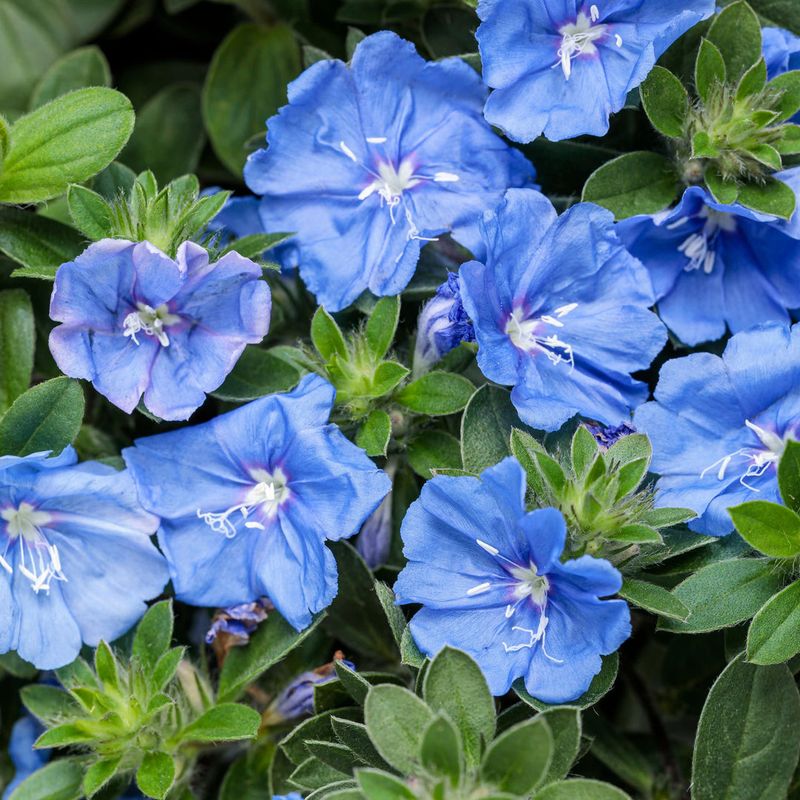
True blue flowers are surprisingly rare in the garden, which is what makes Evolvulus ‘Blue My Mind’ such a treat. The little sky-blue blooms look like miniature morning glories against soft, silvery foliage.
It positively loves heat, blooming harder as the weather warms and staying vigorous in dry, sunny spots where petunias would sputter out. The low mounding shape works well in containers and along edges.
If you have been chasing that elusive blue in your color scheme, this heat-lover delivers it without the drama.
16. SunPatiens
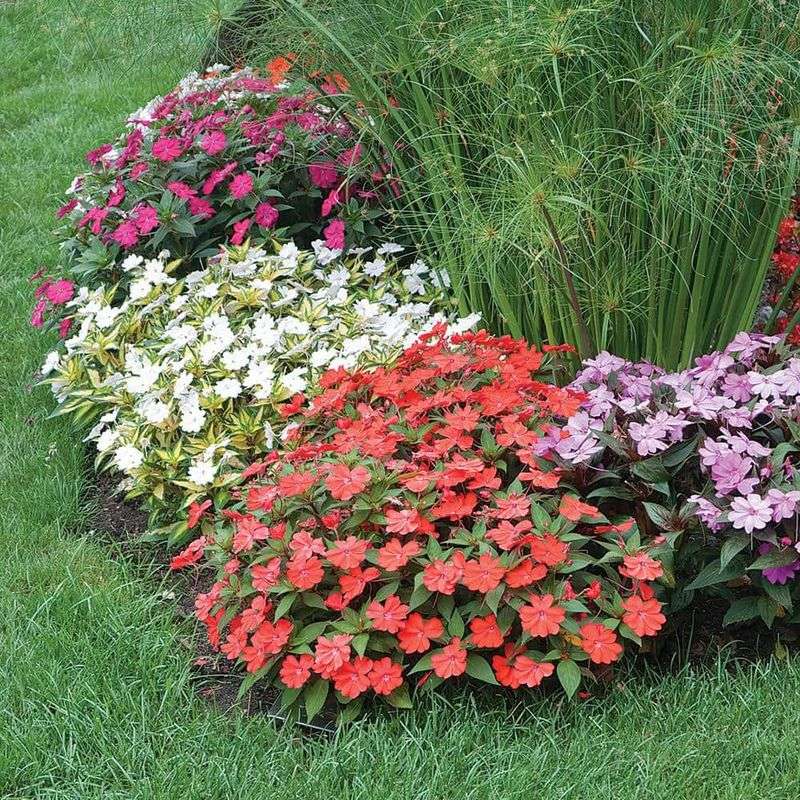
SunPatiens took the beloved impatiens and armored it up for full sun. Thicker leaves and flowers make it tough against heat, pests, and fungus, so it holds up where its delicate relatives collapse.
It grows fast and spreads to fill gaps, giving you a lush, colorful mass in no time. You will never need to deadhead it.
The trade-off is thirst, since it likes frequent, generous watering to look its best. Keep it hydrated and it becomes one of the most dependable big-color plants you can grow.
17. Salvia
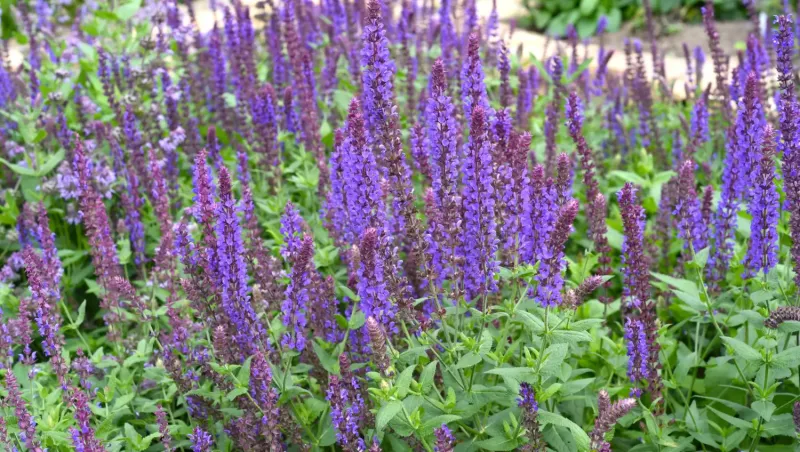
Salvia brings drama with its bold, spiky flower stalks that shoot upward like little torches. Many varieties are made for heat and keep their color through the worst of summer.
Those spikes are magnets for butterflies and hummingbirds, so the plant practically doubles as garden entertainment. It adapts to full sun or a touch of light shade, giving you some flexibility in where you tuck it.
For vertical interest and constant pollinator traffic, few flowers work as hard as salvia. It is a striking upgrade from a tired basket of petunias.
18. Wax Begonia
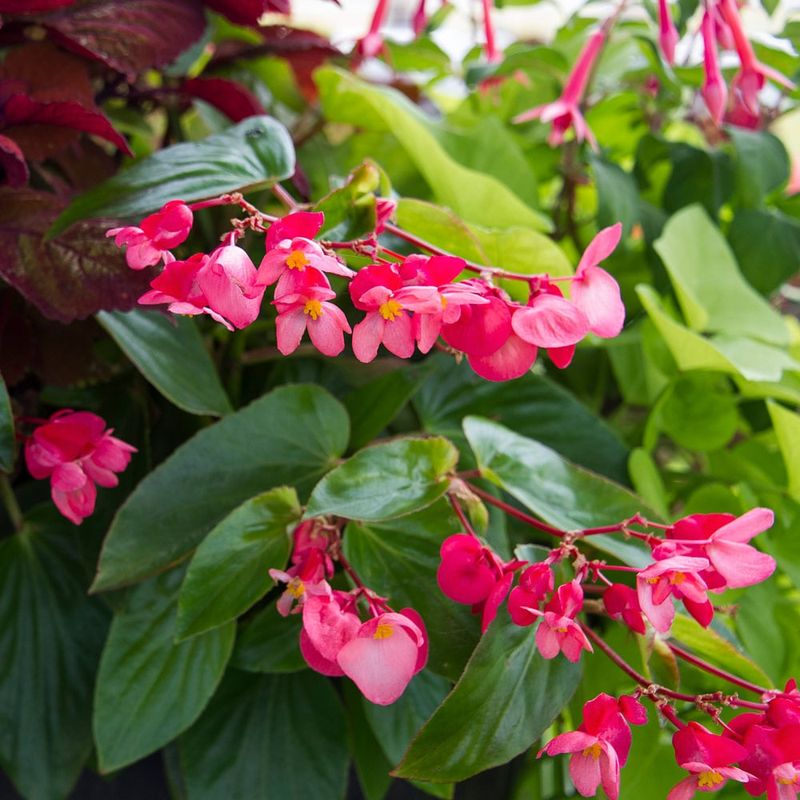
Begonias have a reputation for being shade divas, but the wax types broke that mold. Varieties like ‘Dragon Wing’ and ‘Whopper’ handle far more sun than you would expect and even tolerate a bit of dryness.
Their glossy leaves and clustered flowers keep going for a long stretch, whether they sit in partial shade or a sunnier spot. Many of them never need deadheading either.
That flexibility makes wax begonias a smart catch-all when you are not sure how much light a spot really gets. Wherever petunias have failed you, one of these adaptable begonias likely has an answer.