
8 North Carolina Fruit Trees You Plant Once And Pick From For Decades Afterward
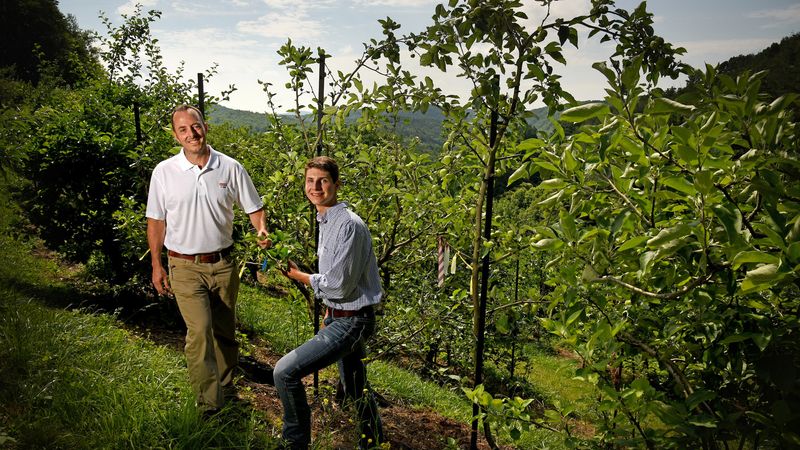
Planting a fruit tree feels like a small promise you make to your future self. In North Carolina, from the mountains to the coast, a handful of trees will reward you with harvests for years while feeding the birds, box turtles, and pollinators that make your yard feel alive.
Many of these are native, tough, and low-fuss once their roots settle in. Here are eight trees worth digging a hole for this season.
1. Red Mulberry (Morus rubra)
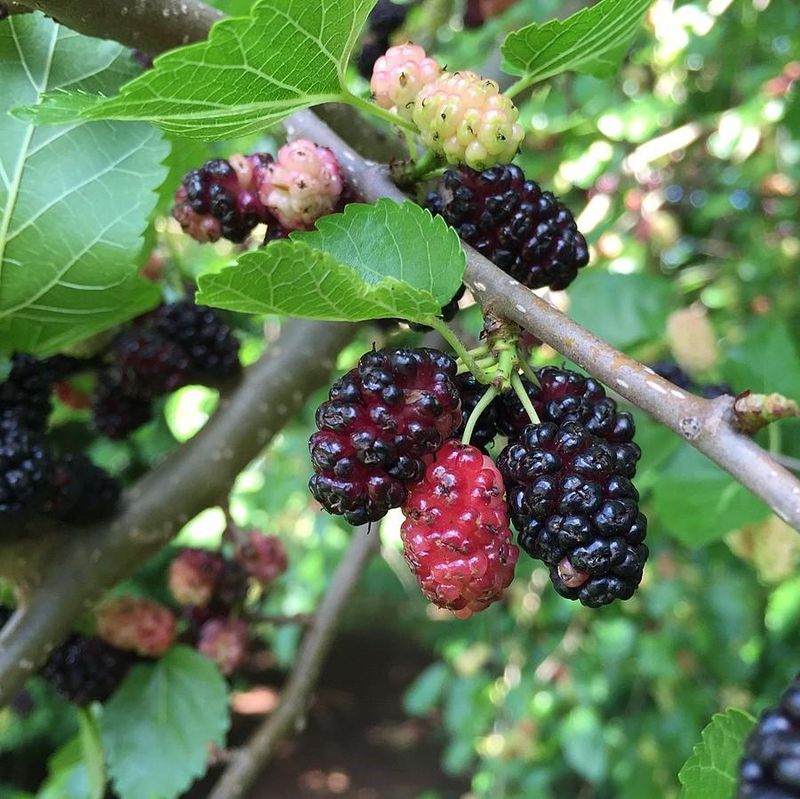
Songbirds practically throw a party when a Red Mulberry starts fruiting, and you get a front-row seat. Native across North Carolina, this deciduous tree can reach 30 feet and live up to 125 years, which means one planting can outlast your mortgage.
The dark, sweet berries feed everything from goldfinches and orioles to opossums and raccoons, and its leaves support a range of native insects. In richer Piedmont and Coastal soils it settles in fast and asks for very little.
One heads-up: the falling fruit can stain concrete, so tuck it away from walkways and driveways. Plant it toward the back of the yard where wildlife can feast and the mess just melts into the lawn.
2. American Persimmon (Diospyros virginiana)
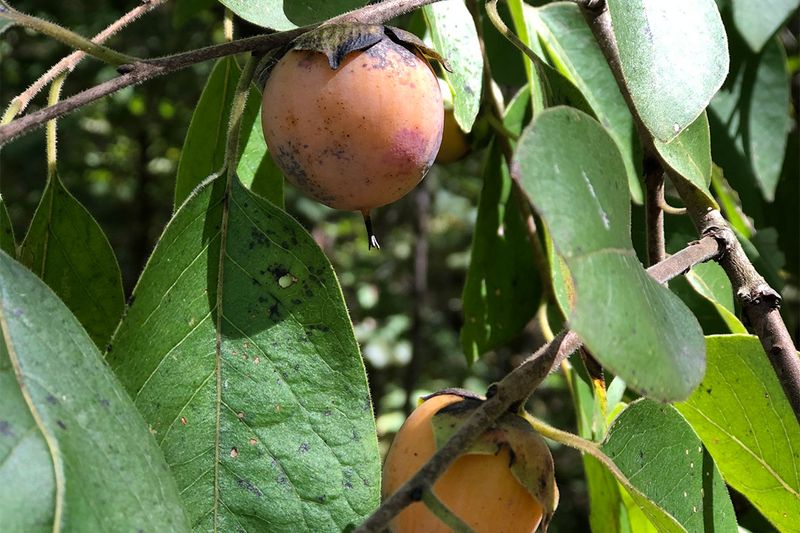
Bite into a wild persimmon before it is ripe and you will never forget the pucker, but wait for that first frost and it turns into candy. Found all over North Carolina, this native can soar 30 to 80 feet, though a little pruning keeps it a tidy 15 to 20 feet for backyard picking.
Its fragrant spring flowers pour nectar for bees, butterflies, and moths, while the vitamin-rich fruit becomes a fall buffet for squirrels, deer, wild turkeys, opossums, and songbirds. It also hosts the spectacular Luna moth and the Hickory Horned Devil.
Cold-hardy and drought-tolerant once established, it sinks a deep taproot that helps hold soil on slopes. If your yard battles erosion, this tree does double duty.
3. Pawpaw (Asimina triloba)
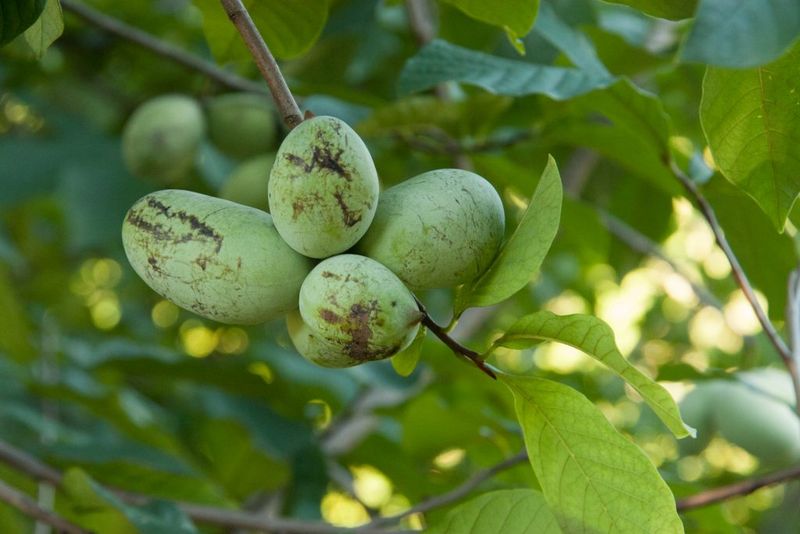
Ever tasted something like a banana crossed with a mango growing wild in the Carolina woods? That is the Pawpaw, North America’s largest native edible fruit, and its custard-soft flesh is a genuine surprise for anyone expecting boring backyard fare.
Beyond the flavor, this understory tree pulls serious ecological weight. It is the one and only host plant for the Zebra Swallowtail butterfly, whose caterpillars eat nothing else, and its ripe fruit feeds foxes, raccoons, opossums, box turtles, and songbirds.
Its leaves carry natural compounds that deer tend to leave alone, a bonus in browse-heavy neighborhoods. Pawpaws tolerate shade but fruit best in full sun, and you will need two genetically different trees for pollination, so plant a pair and be patient.
4. Serviceberry (Amelanchier spp.)
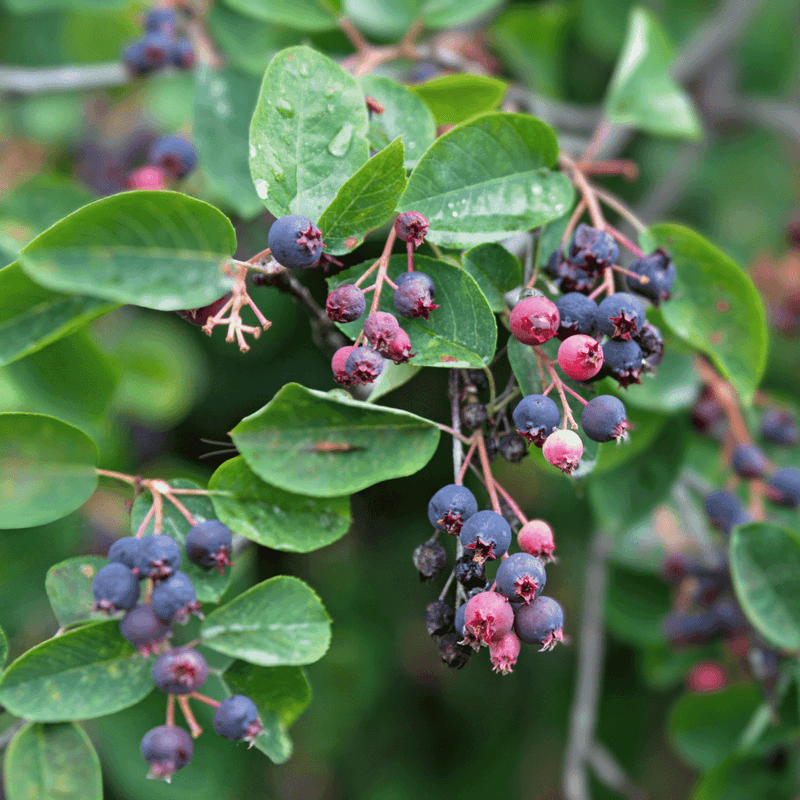
Come early spring, a Serviceberry lights up with clouds of white blossoms right when hungry pollinators need them most. Several species call North Carolina home, including Canadian, Downy, and Coastal Serviceberry, and all of them stay a manageable 15 to 25 feet.
The real magic is timing. Their red-to-purple berries ripen in that lean stretch of late summer, offering critical early fruit for Cedar Waxwings and other birds when little else is ready.
Gardeners love that these small trees host at least 120 butterfly and moth species, making them tiny wildlife engines for a modest yard. They are drought-tolerant once rooted and happy in the acidic soils common across the state.
5. Fig (Ficus carica)
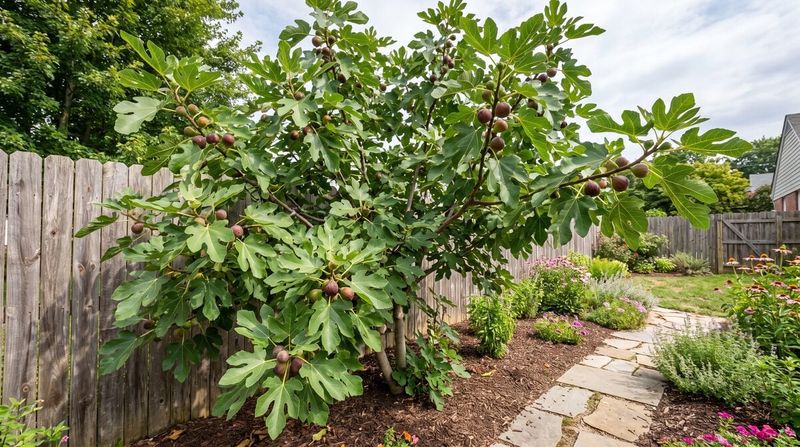
Nothing says a Southern backyard quite like a fig warm off the branch in August. While figs are not native, hardy varieties such as Celeste, Brown Turkey, and Chicago Hardy handle North Carolina well, even up in the mountains with a little winter cover.
You can grow them as a tree or a big shrub, and they crank out sweet fruit that both you and some backyard wildlife will fight over. Tuck one against a south-facing wall to soak up radiant heat and stretch the season.
In a brutal cold snap of 20 degrees or lower, a fig may freeze back to the ground, but it usually bounces right back the next year. Fruiting might be delayed after a hard winter, yet the plant itself rarely gives up.
6. Pear (Pyrus communis and Asian Pears)
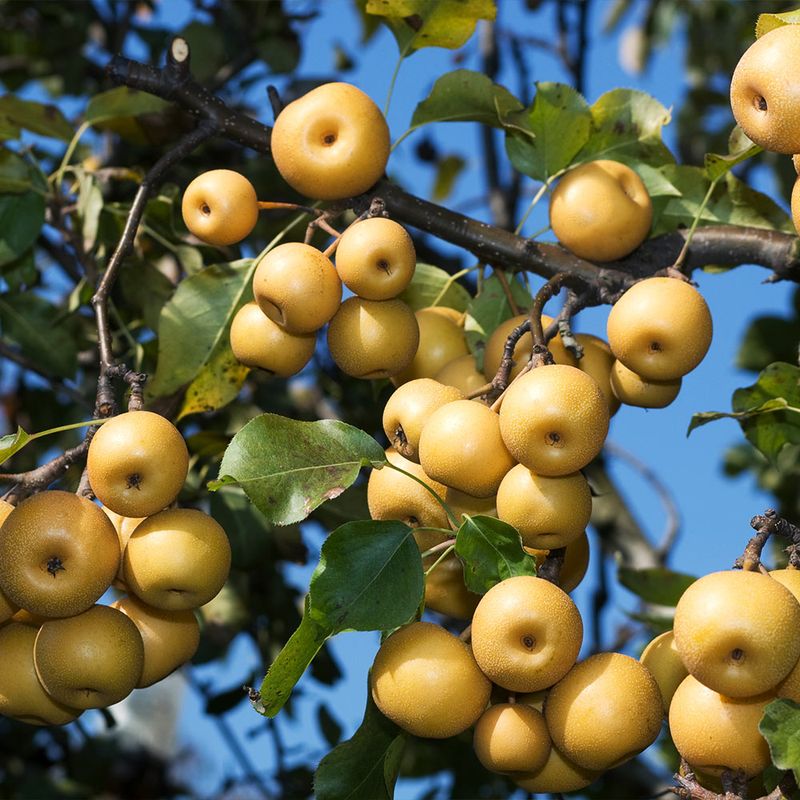
Pears have a reputation for being fussy, but pick the right variety and they become one of the most dependable trees you can own. In the Piedmont, Kieffer and Moonglow shine thanks to their strong fire blight resistance and love of humidity, while Asian types like Shinko and Hosui fruit like clockwork.
Here is the stewardship part that matters most: steer completely clear of Callery pears, including the infamous Bradford Pear. These invasive trees escape into wild areas, crowd out native plants, and give almost nothing back to our songbirds and native insects.
Choose an edible, well-behaved pear instead and you get decades of fruit without fueling one of the state’s worst invasive problems. It is a swap your whole neighborhood ecosystem will thank you for.
7. Sour Cherry (Prunus cerasus)
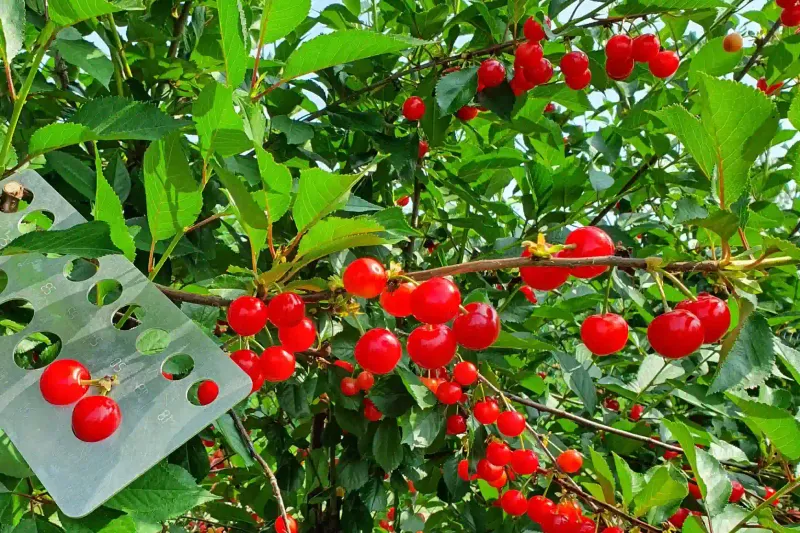
If sweet cherries have broken your heart in North Carolina’s heat, sour cherries might be the answer you have been missing. Tougher and more cold-hardy than their sweet cousins, varieties like Meteor, Montmorency, and North Star can handle our climate with the right care.
Best of all, they are self-pollinating, so a single tree gives you summer drupes destined for pies, jams, and preserves. They also serve as a larval host for the Eastern Tiger Swallowtail, one of the showiest butterflies you will spot flitting through the yard.
Heat, humidity, and pests can challenge growers in warmer counties, so give yours full sun, well-drained soil, and a sensible organic spray schedule. Do that, and tart cherry season becomes something you look forward to every year.
8. Jujube (Ziziphus jujuba)
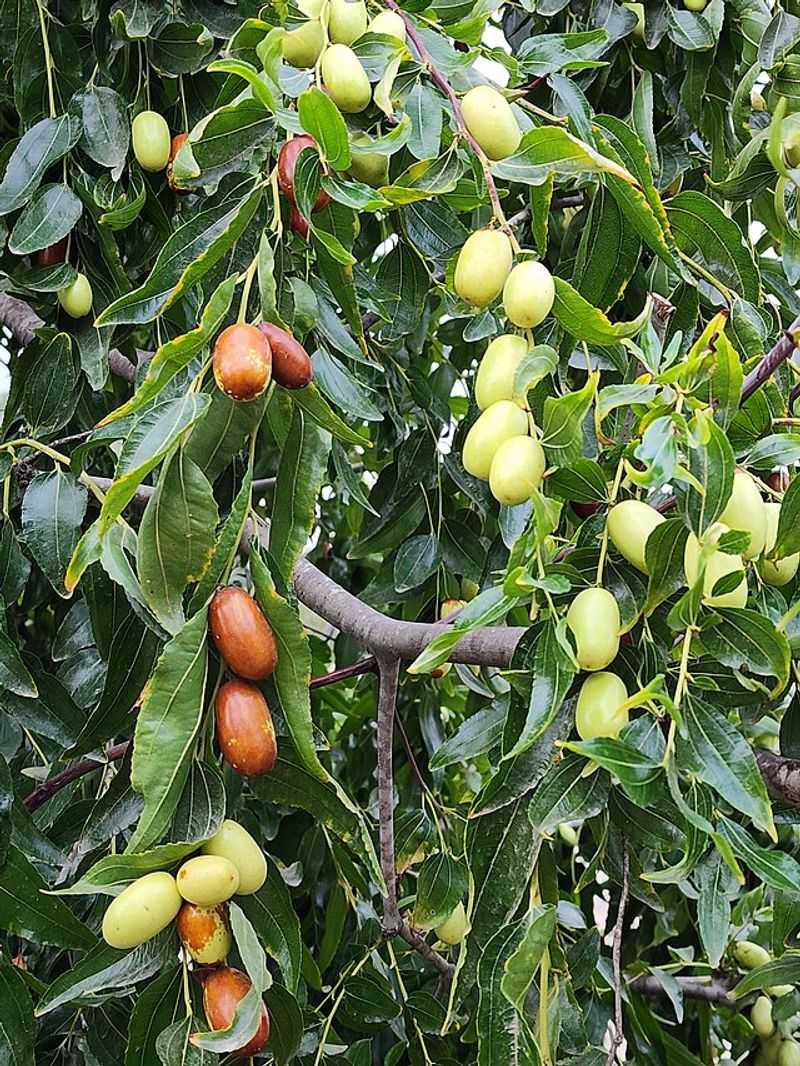
For the gardener who kills everything, the Jujube is a small miracle of toughness. Also called the Chinese Date, this drought-loving tree grows 15 to 30 feet and shrugs off poor, alkaline, or rocky soil that would sink a fussier fruit tree.
Its sweet-tart fruit tastes a bit like a crisp apple when fresh and turns chewy and date-like as it dries on the branch. Bees and butterflies visit the modest flowers, and birds and small mammals happily clean up the fallen fruit.
A couple of things to watch: some varieties carry thorns, and the tree can send up root suckers that need occasional trimming. Manage those and you have one of the lowest-effort harvests a North Carolina backyard can offer.