
If Your Container Blooms Sulk And Underperform, Here Are 8 Flowers That Actually Thrive In Pots
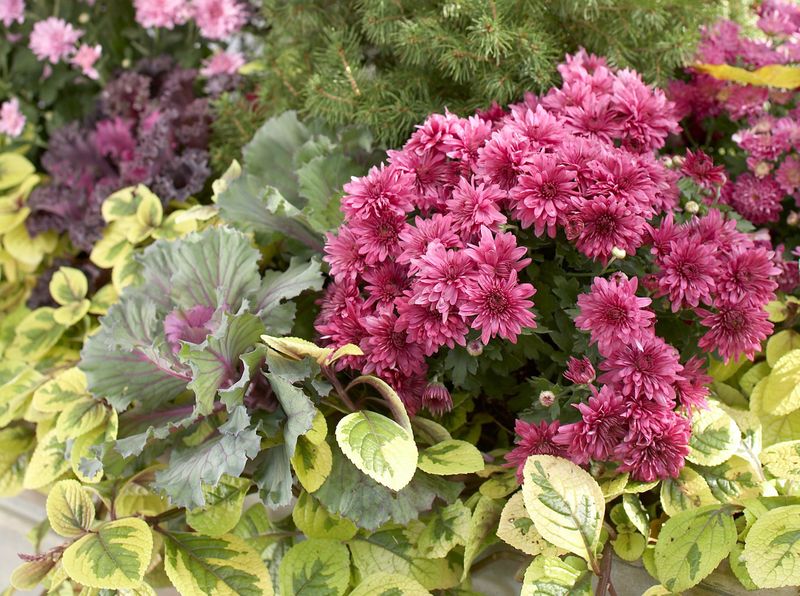
Watching your potted flowers droop, refuse to bloom, or fade before their time is honestly frustrating, especially when you’ve tried so hard to keep them happy. The good news is that most container failures come down to a few fixable slip-ups with water, light, soil, or pot size.
Even better, some flowers are natural container champions that bounce back fast once you give them what they need. Here are 8 blooms that actually flourish in pots, plus the simple fixes that turn sulking plants into showstoppers.
1. Hydrangeas
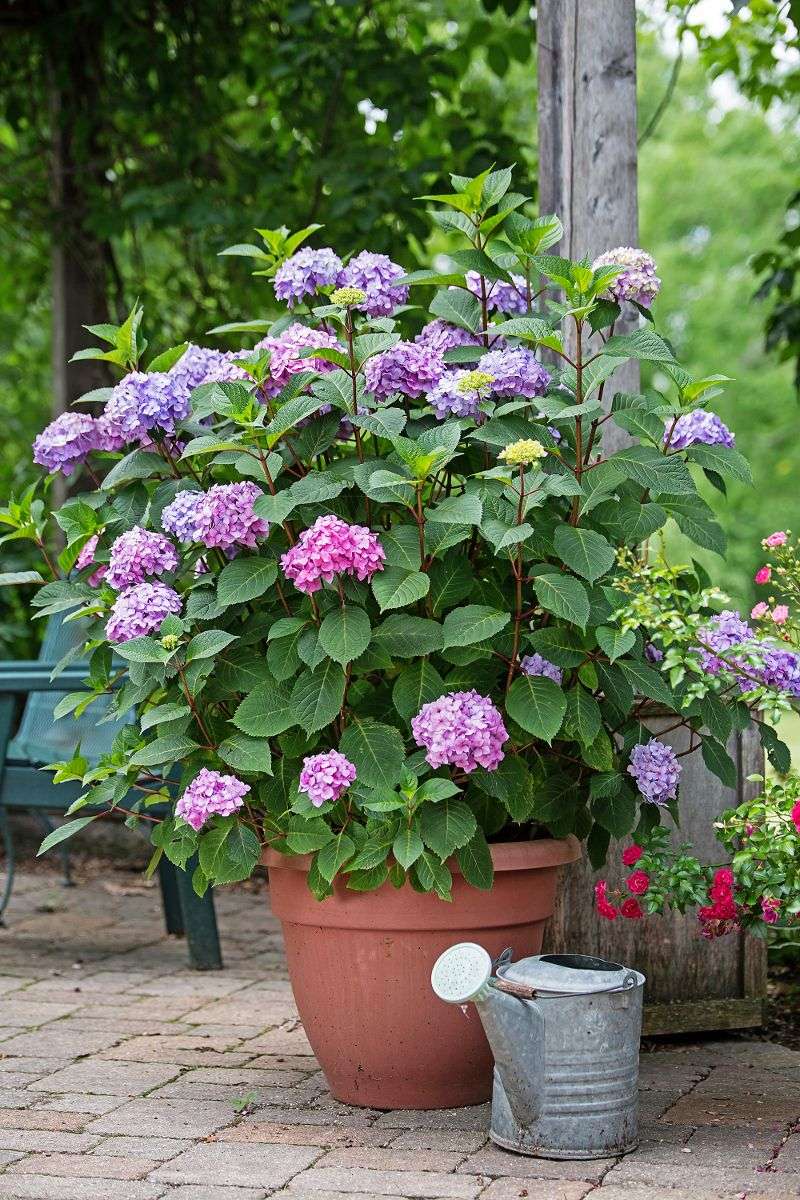
Nothing looks quite as dramatic on a patio as a hydrangea loaded with big mophead blooms, but a droopy one can make your heart sink. When potted hydrangeas wilt or flop, dry soil, blazing afternoon heat, or a too-small pot is usually to blame.
The fix starts with a finger check. If the top couple inches of soil feel dry, water deeply until it runs out the drainage holes, and consider shifting the pot to a spot that gets gentle morning sun with afternoon shade.
Roots grow big and thirsty, so give them a roomy container with real drainage holes. Skip the old trick of tossing rocks in the bottom, since that actually traps water and invites root rot instead of preventing it.
Fun bit: the flower color on many hydrangeas shifts with soil pH, so acidic soil leans blue and alkaline leans pink. In a pot, that means you have real control over the show.
2. Geraniums
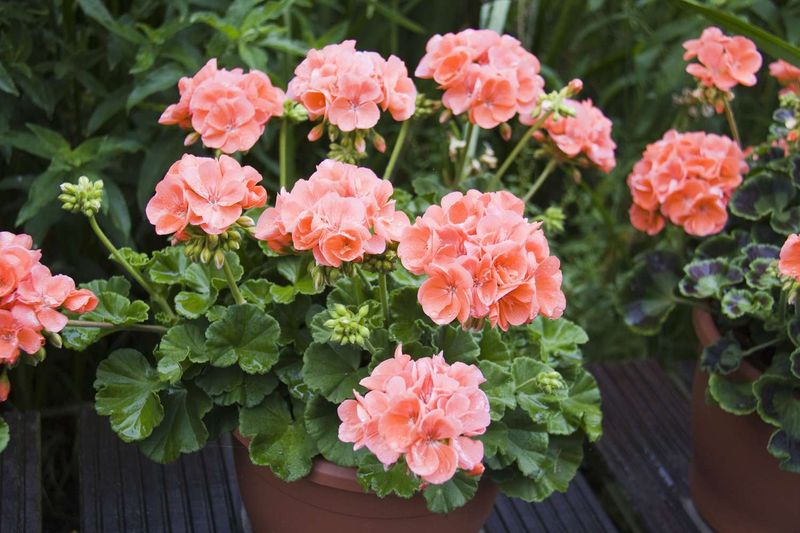
Cheerful, forgiving, and almost impossible to dislike, geraniums are the plant that makes beginners feel like pros. Yet even these easygoing bloomers can turn yellow, go limp, or quit flowering when something is off.
Most of the time the culprit is kindness in the form of too much water. Geranium roots hate sitting in soggy conditions, so let the soil feel warm and dry before you water again, and always use pots with good drainage and a light, airy potting mix.
Sunshine is the other half of the equation. These plants crave full sun, and skimping on light is the fastest way to end up with lots of leaves and hardly any flowers.
Give them bright light, restrained watering, and a quick pinch of spent blooms, and they will pump out color from spring straight through fall.
3. Petunias
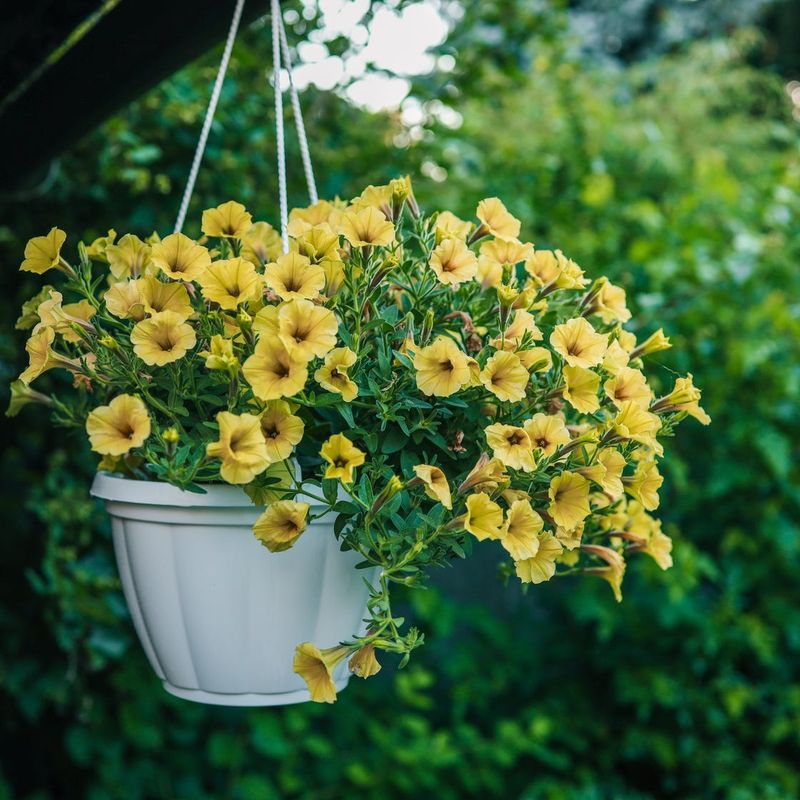
Few flowers spill over the edge of a basket as gorgeously as petunias when they’re happy, and few look sadder when they get leggy and bare. If yours have stopped blooming or gone all stems and no flowers, several things could be nagging them at once.
Heat stress, uneven watering, crowded roots, and hungry soil all take a toll. There’s also a sneaky problem where potting mix gets so dry it repels water, letting it run straight down the sides without ever soaking the root ball.
Rescue them by watering slowly until the mix rehydrates and actually holds moisture again. Then grab your scissors.
Trimming back those long, naked stems and snipping off faded blooms tells the plant to branch out and flower more. Pair that with steady watering and regular feeding, and a scraggly petunia refills into a lush, bushy mound in a couple of weeks.
4. Tomatoes (Compact Varieties)
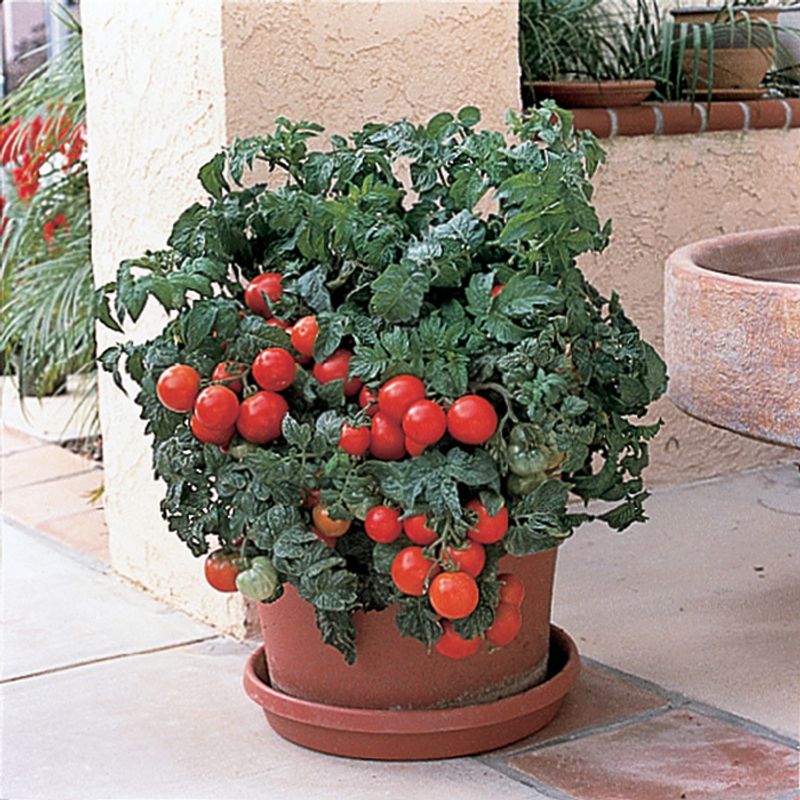
Okay, tomatoes aren’t a flower, but their yellow blossoms lead straight to summer’s best reward, and compact varieties absolutely love pot life. When container tomatoes sulk with few blossoms, little fruit, or midday wilting, the pot is usually drying out faster than you realize.
Confined soil bakes quickly, so plants in pots often need watering daily, or even twice a day during a heat wave. Consistent moisture is the secret to preventing dropped blossoms and split fruit.
Reach for a quality container potting mix rather than dense garden soil, which packs down and suffocates the roots. Then think big.
A pot of at least 7 gallons gives roots room to spread and buffers against wild temperature swings. Choose a dwarf or patio variety, feed it regularly, and you’ll be picking sun-warm tomatoes off your balcony all season.
5. Impatiens
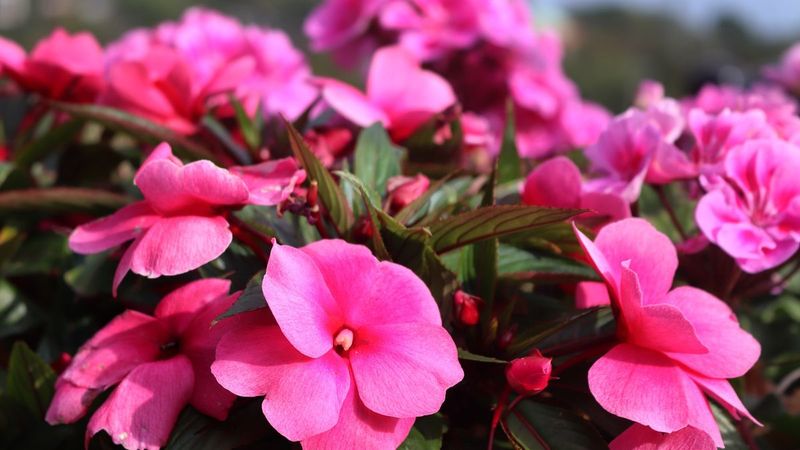
Got a gloomy corner where everything else refuses to bloom? Impatiens were practically made for it.
These are the go-to flowers for shady spots, filling dim patios and porches with nonstop color from summer until frost.
When impatiens struggle, it’s often the opposite of most plant problems: they’re getting too much sun. Baking light scorches their tender leaves and stresses them out.
Move them into partial or full shade with moist, well-draining soil, and watch them perk right back up. One of their best perks is that they’re self-cleaning, so you never have to deadhead to keep the flowers coming.
Low fuss, endless color, and a happy home in the shade make impatiens a rescue for those tricky spots where nothing else seems content.
6. Begonias
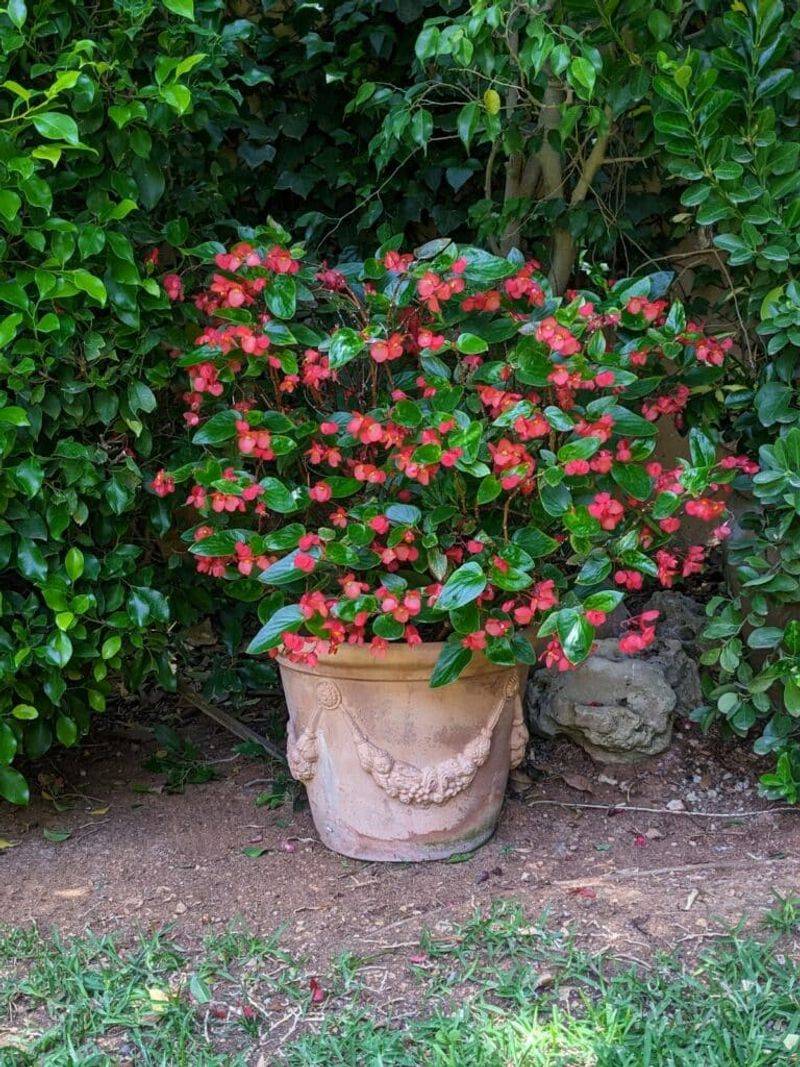
With ruffled petals that look almost too perfect to be real, begonias bring a dose of elegance to shady containers. Both tuberous and wax types offer a rainbow of colors, and they thrive where sun-lovers give up.
A stressed begonia usually shows it through wilting or sluggish growth, and the reason is almost always thirst during hot, dry stretches. Keep the soil evenly moist, especially on scorching summer afternoons, and they reward you generously.
Most gardeners grow them as annuals, but here’s a money-saving trick: in colder climates you can lift tuberous begonias and overwinter them indoors, then replant next spring.
Steady moisture, a shaded home, and a little cold-weather planning keep these beauties glowing season after season.
7. Coleus
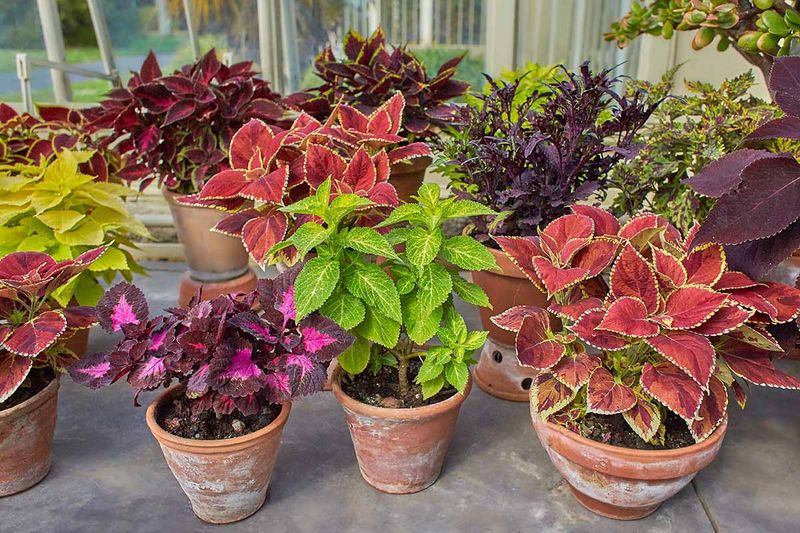
Here’s the twist with coleus: you grow it for the leaves, not the flowers, and those leaves put on a jaw-dropping display. Think electric reds, limey greens, and inky purples swirled into patterns you’d swear were painted on.
If your shadier containers look flat and lifeless, coleus is the color injection they’ve been missing. It adapts to a wide range of light, though most varieties glow brightest in partial shade.
Budget-friendly and endlessly versatile, a single coleus can headline a pot as a bold focal point or fill in the gaps around other plants. Pinch it back now and then to keep it full and bushy.
For anyone tired of chasing blooms that won’t cooperate, coleus delivers season-long drama with almost none of the drama in care.
8. Clematis (Compact Varieties)
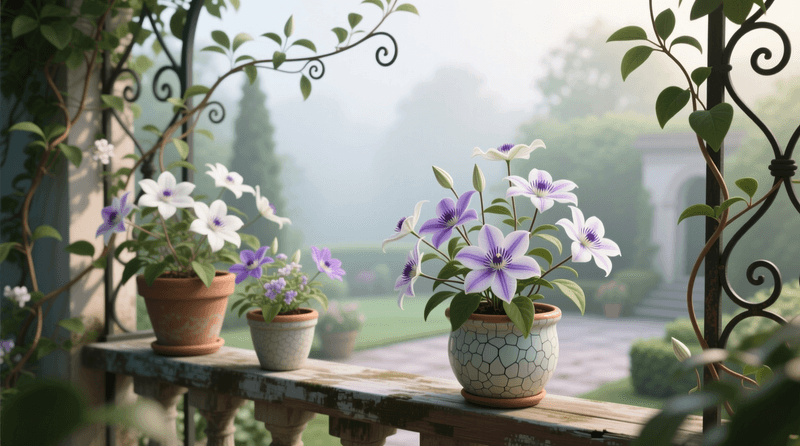
Imagine a curtain of star-shaped blooms climbing a trellis right on your balcony. Compact and bush clematis varieties make that possible, and they’re more container-friendly than most people expect.
A wilting potted clematis is sending a clear message, though it can point two directions: roots that are too hot and dry, or roots drowning in poor drainage. The plant’s famous rule is cool roots, warm top.
Keep the root zone shaded and cool while the vine’s upper growth soaks up plenty of sun for flowering. A large, insulated pot helps shield those roots from temperature extremes, and mulching or shading the base does the trick too.
Water consistently, since container clematis dries out faster than ground-grown plants, but avoid soggy soil that leads to rot. Add a sturdy support to climb, and this vine turns a bare corner into a blooming wall.