
If Cockroaches Keep Finding Their Way Indoors, Here Are 13 Simple Ways To Shut Them Out For Good
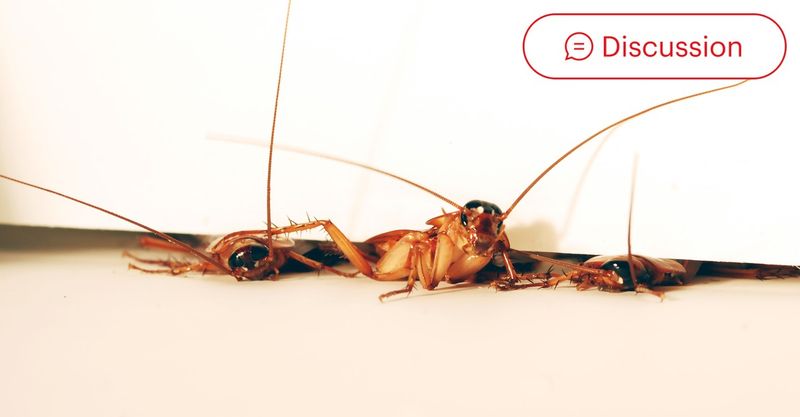
Nothing ruins a quiet evening at home quite like spotting a cockroach scurry across the kitchen floor. The good news is that most roaches sneak inside through gaps and get comfortable because of food, water, and clutter you can easily control.
If you cut off their entry points and remove what draws them in, you can stop the problem before it starts. Here are 13 simple, practical ways to shut cockroaches out for good.
1. Seal Cracks and Gaps in Walls and Foundations
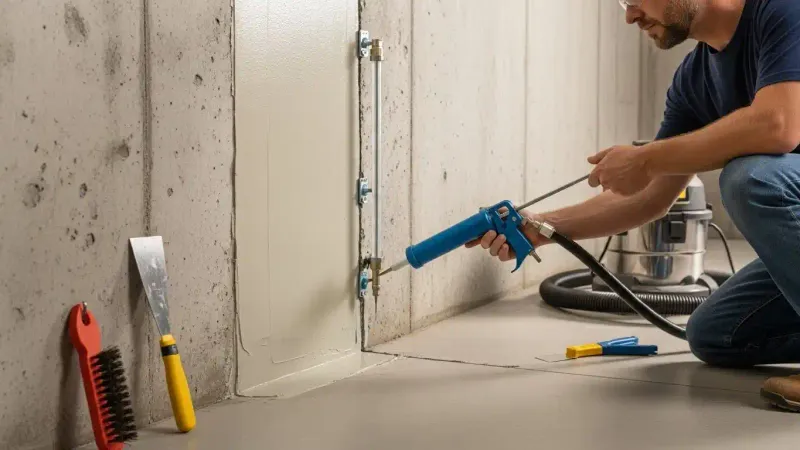
Cockroaches are shockingly flexible, able to flatten themselves and slip through openings no wider than a coin’s edge. That means even hairline cracks in your walls or foundation are wide-open doors to them.
Grab a tube of silicone-based caulk for the small stuff around windows, doorframes, and utility entries. It stays bendy and holds up for years, so it won’t crack and fail the first cold snap.
For bigger gaps in your foundation or exterior walls, step up to expandable foam or hydraulic cement. A weekend spent hunting down and filling these gaps can quietly block one of the most common ways roaches get inside.
2. Weatherstrip Doors and Windows
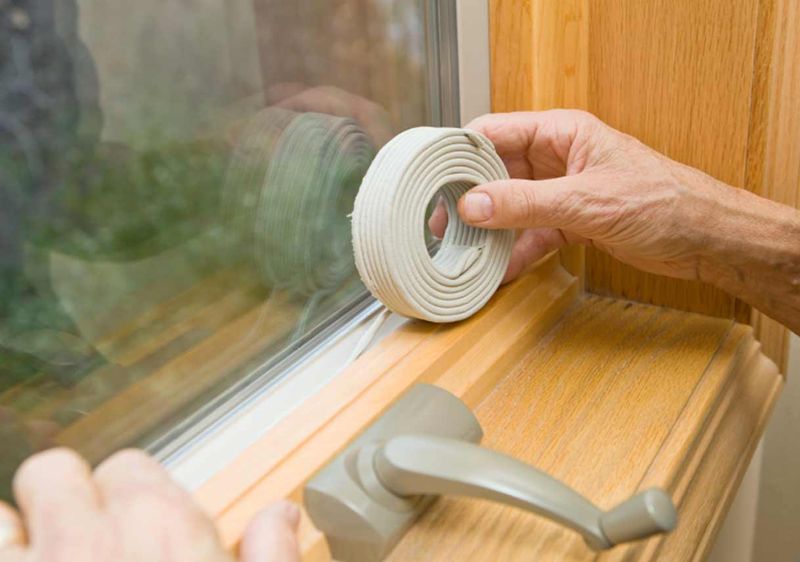
Run your hand along the edge of a closed door on a breezy day. If you feel air sneaking through, a cockroach can sneak through too.
Worn or missing weatherstripping leaves thin gaps around doors and windows that pests treat like a welcome mat. Peeling off the old strip and pressing in fresh weatherstripping creates a snug seal that closes those gaps.
Here’s a bonus most people love: a tighter seal also keeps your heating and cooling from leaking out, so you may notice a friendlier energy bill along the way.
3. Install Door Sweeps
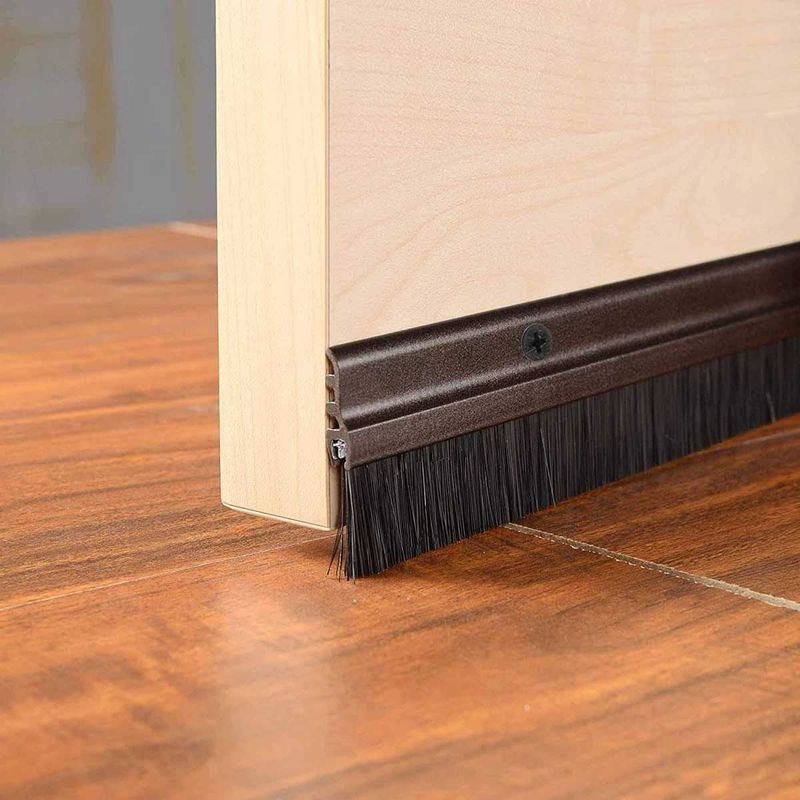
Ever notice the sliver of daylight under your front or back door? That little strip of space is a highway for cockroaches after dark.
A door sweep attaches to the bottom edge of an exterior door and brushes right against the threshold, erasing that gap entirely. Most are inexpensive, take only a screwdriver to install, and go up in about ten minutes.
Focus first on the doors leading to your garage, basement, and backyard, since those tend to be the ones roaches test most.
4. Repair or Install Window and Vent Screens
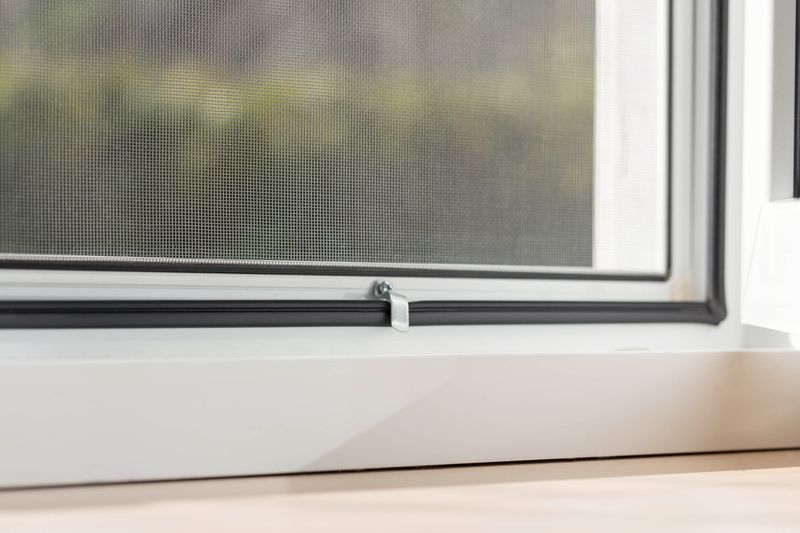
A screen with a small tear might not seem like a big deal, but to a cockroach that rip is basically an open gate. Torn, loose, or missing screens invite pests in while you think you are keeping them out.
Walk through your home and check that every window and door screen fits tightly and has no holes. Patch what you can and replace the ones too far gone.
Don’t forget the openings you rarely look at, like vents and chimneys. Covering these with fine mesh screening lets air flow freely while blocking roaches from marching right through.
5. Seal Utility Penetrations
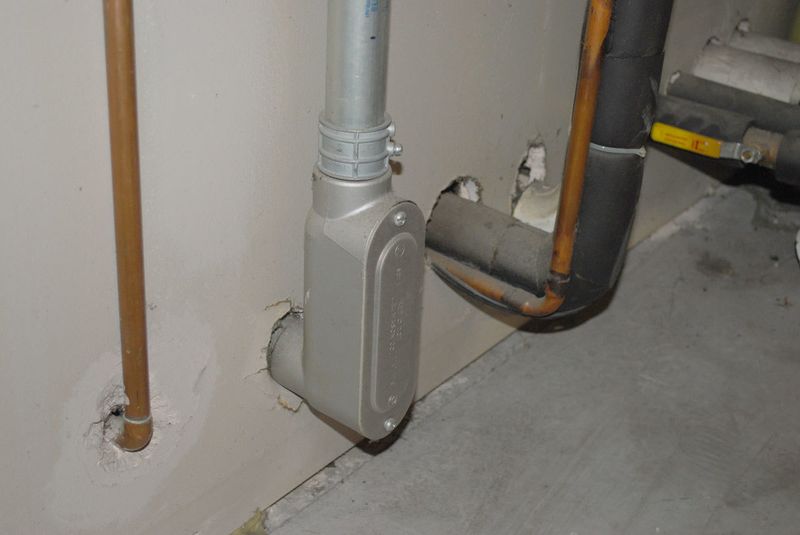
Behind every home is a hidden network of pipes, cables, and wires that all have to pass through the walls somehow. The rough openings drilled for them are rarely sealed tightly, and roaches take full advantage.
Check where utility lines, electrical conduits, and gas lines enter your home, both inside and out. You’ll often find surprising gaps you never noticed.
Fill them with quality caulk, expandable foam, or snug rubber grommets sized for the line. Sealing these overlooked spots closes off a route pests love to use.
6. Address Plumbing Gaps
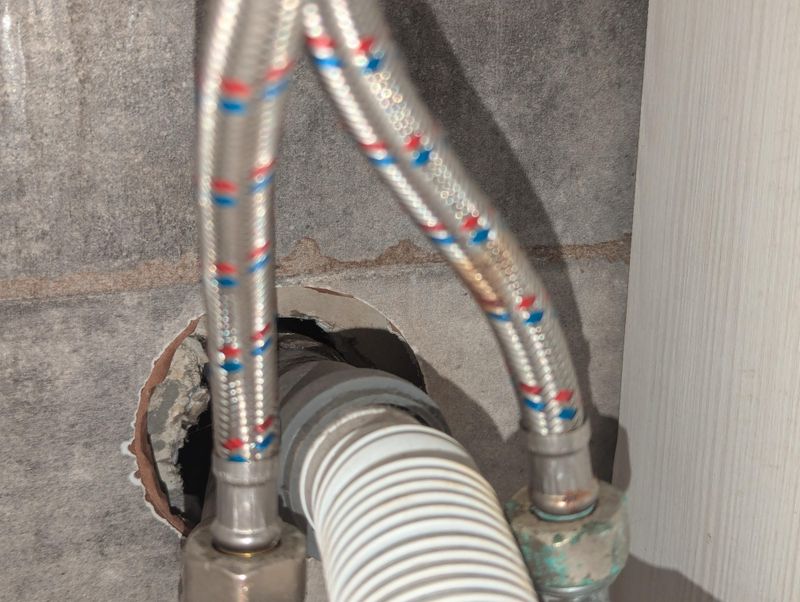
Open the cabinet under your kitchen sink and take a peek at where the pipes disappear into the wall. Chances are there’s a gap ringing that pipe, and it’s a favorite roach entrance.
These plumbing openings show up under sinks, behind toilets, and anywhere water lines snake through walls. Because they sit near moisture, they’re doubly attractive to cockroaches looking for a drink.
Squeeze a bead of silicone sealant or caulk around each opening to close the gap. It’s a quick fix that shuts down a route hiding in plain sight.
7. Cover Drains
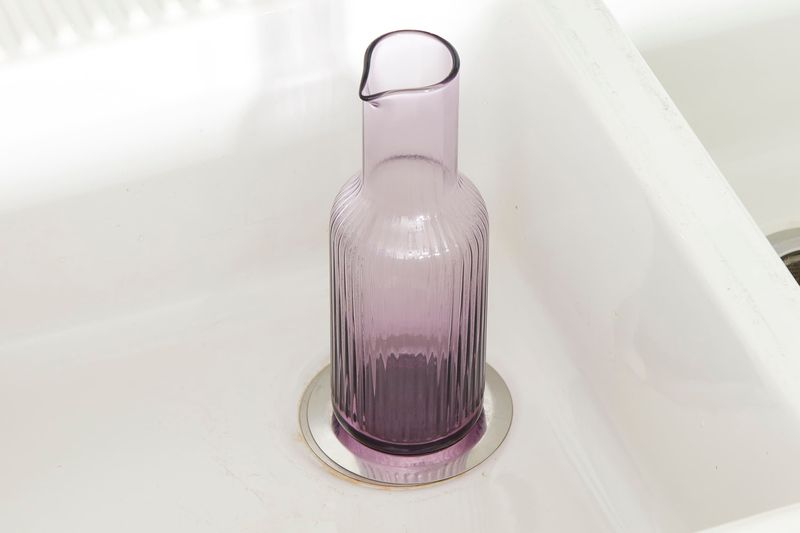
Roaches don’t just come from outdoors. Some travel through sewer and plumbing systems and pop up right through your drains, usually while you’re asleep.
Floor drains in basements, laundry rooms, and utility sinks are the usual suspects. Left uncovered, they act like little trapdoors for pests moving up the pipes.
Rubber stoppers or metal drain screens can seal these off when they’re not in use, especially overnight when roaches are most active. It’s a small habit that closes a sneaky back door into your home.
8. Maintain a Clean Kitchen
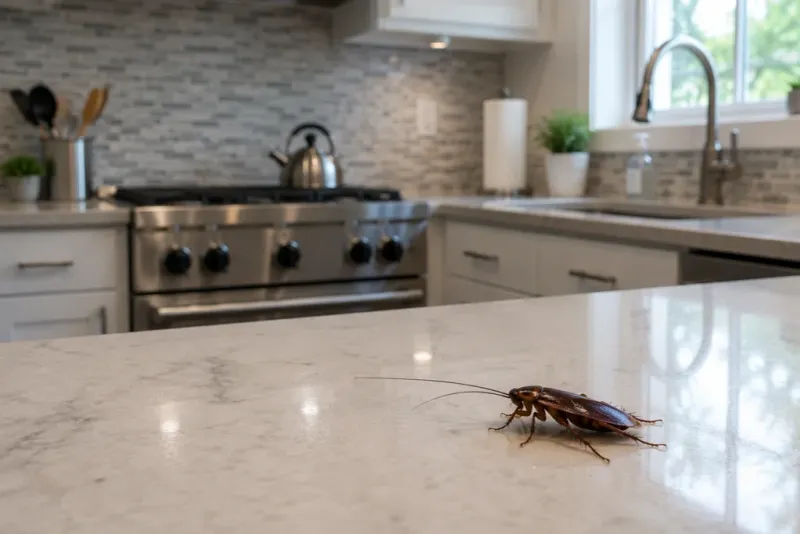
To a cockroach, a few crumbs left on the counter is a full buffet. Kitchens draw roaches more than any other room because that’s where the food and water live.
Wiping down countertops and stovetops each day makes a real difference, along with sweeping or vacuuming the floor regularly. Those small daily habits add up fast.
Don’t skip the spots you can’t see easily. Grease and food bits build up behind and beneath the fridge, stove, and dishwasher, and cleaning those hidden zones removes a feast you didn’t even know you were serving.
9. Store Food in Airtight Containers

A single stray crumb can keep a cockroach going, which is why loosely closed boxes and bags are practically an invitation. If food is easy to reach, roaches will find it.
Move your dry goods, pet food, and even fresh produce into tightly sealed plastic or glass containers. Snap-lid canisters work great and keep your pantry tidy as a bonus.
Just as important, resist leaving dishes in the sink or snacks on the counter overnight. An empty, sealed-up kitchen gives roaches nothing to stick around for.
10. Reduce Moisture
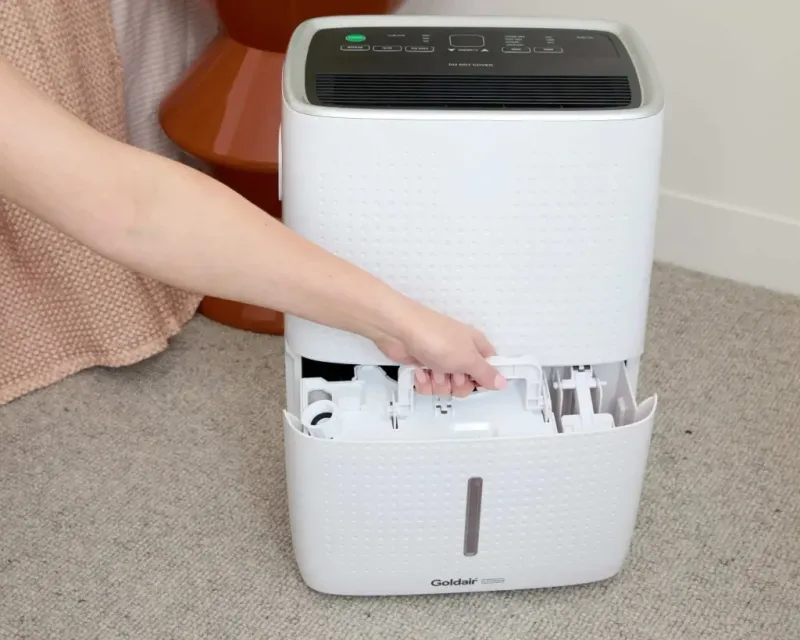
Cockroaches can go a long time without food, but water is another story. They gravitate toward damp spots, and even a slow drip can support a whole population.
Track down and fix leaky faucets, pipes, and water heaters as soon as you spot them. Drying out these sources removes something roaches truly can’t live without.
Make it a nightly routine to wipe down sinks, tubs, and showers so no standing water lingers. In naturally damp areas like basements, a dehumidifier can keep the air dry enough to make roaches look elsewhere.
11. Declutter Your Home
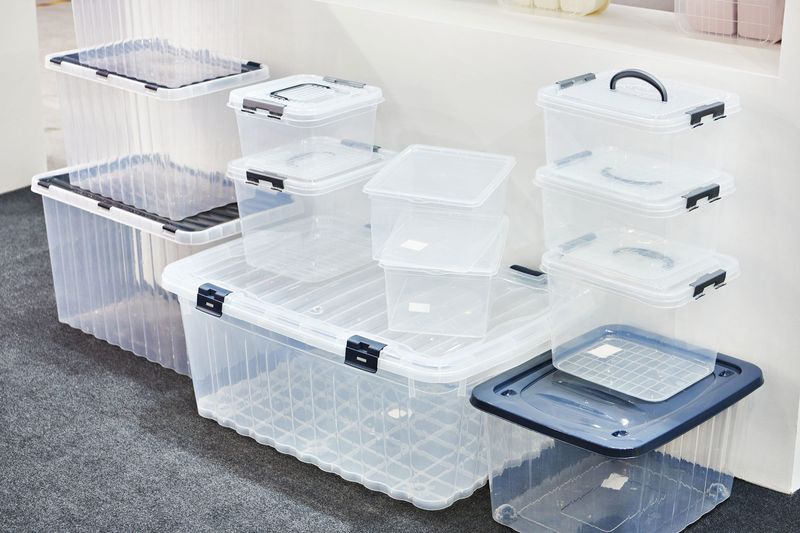
Piles of stuff might feel harmless, but to a cockroach they’re a five-star hotel. Stacks of cardboard boxes, old newspapers, and heaps of laundry give pests dark, cozy places to hide and breed.
Clearing out what you don’t need takes away those shadowy shelters. Cardboard is an especially popular hideout, so swapping boxes for sealed plastic bins helps a lot.
Tidy up storage areas like closets, garages, and basements so there are fewer nooks for roaches to settle into. Less clutter means fewer places for them to disappear.
12. Inspect Incoming Items
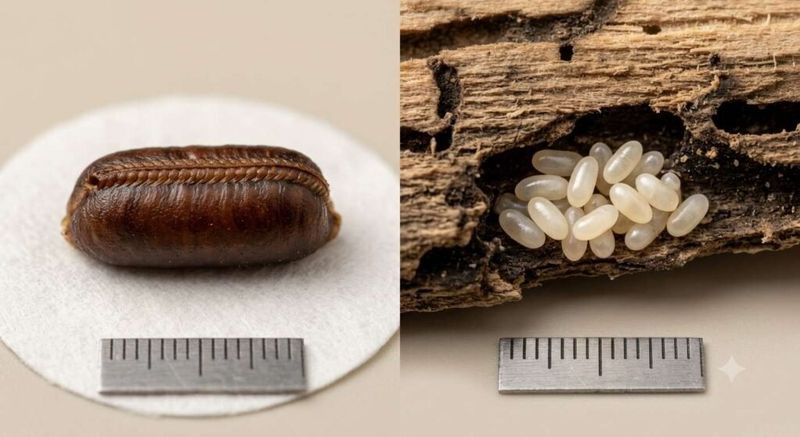
Sometimes roaches don’t break in at all. They ride in, tucked inside grocery bags, cardboard boxes, packages, and secondhand furniture or appliances.
Their egg cases are especially good at hitchhiking, hidden in seams and corners where you’d never think to look. One overlooked case can turn into a whole new problem indoors.
Before anything crosses your threshold, give it a good once-over, and pay extra attention to used items and cardboard shipping boxes. Breaking down and tossing boxes right away removes a common stowaway ride.
13. Maintain Your Yard Perimeter
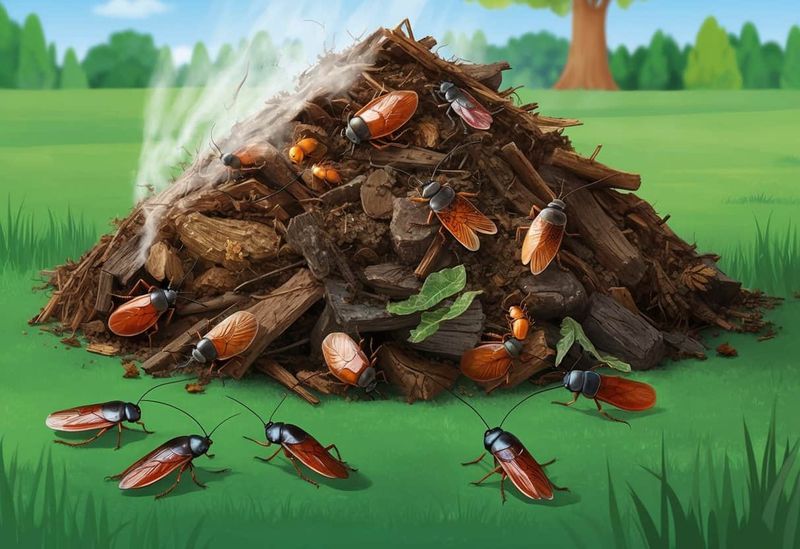
What happens just outside your walls has a lot to do with what ends up inside them. An overgrown, cluttered yard gives roaches plenty of cover right next to your home, making the jump indoors an easy one.
Trim back bushes and plants so they aren’t brushing against the siding, since those touching branches act like bridges for pests. Keep leaves and debris raked away from the base of the house too.
Move woodpiles at least a foot from the foundation to break up the shelter roaches love. A neat perimeter is your first line of defense before they ever reach a crack to squeeze through.