
These North Carolina Native Perennials Fill Deep Shade Better Than Hostas And Come Back Every Year
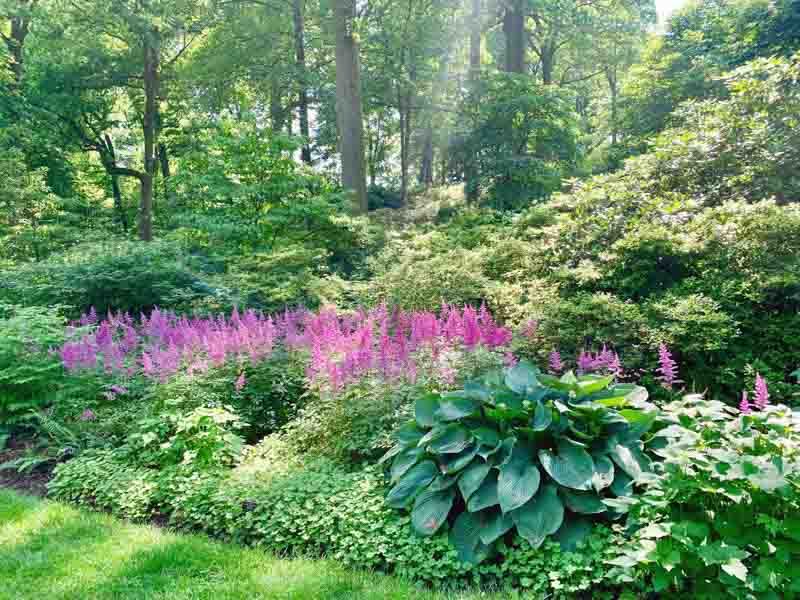
If you have a shady corner of your yard where hostas just get chewed up by deer and slugs, there is a better way. North Carolina has plenty of native perennials that thrive in deep shade, come back on their own every year, and actually feed local wildlife like butterflies, bees, and even box turtles.
These plants ask for very little and give a lot back to your yard’s ecosystem. Here are seven native picks that outshine hostas and turn that dark spot into a living, buzzing part of your backyard.
1. Wild Ginger (Asarum canadense and Hexastylis species)
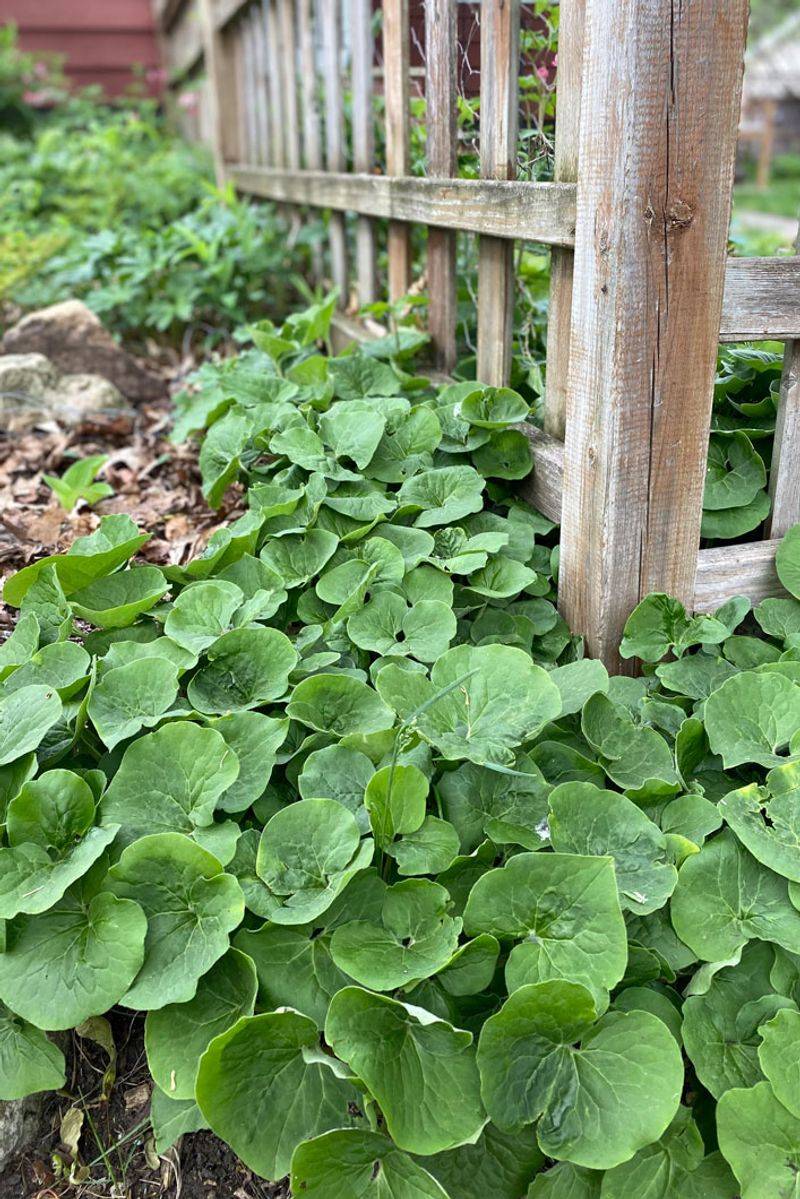
Picture a low, spreading carpet of heart-shaped leaves hugging the ground where nothing else wants to grow. Wild Ginger settles into moist, humus-rich soil and forms a tidy groundcover that fills space fast without any fuss on your part.
The Hexastylis types native to our region keep glossy, evergreen leaves all winter, so you get color even in the gray months. Its little flowers hide down near the soil, quietly pollinated by ground-dwelling beetles and ants.
Here is the payoff for stewards: Wild Ginger is a larval host for the Pipevine Swallowtail butterfly, and its dense mat creates a cool, damp shelter for amphibians and small woodland critters. Deer tend to leave it alone, which means it stays lush while your hostas would be nibbled to nubs.
2. Foamflower (Tiarella cordifolia)
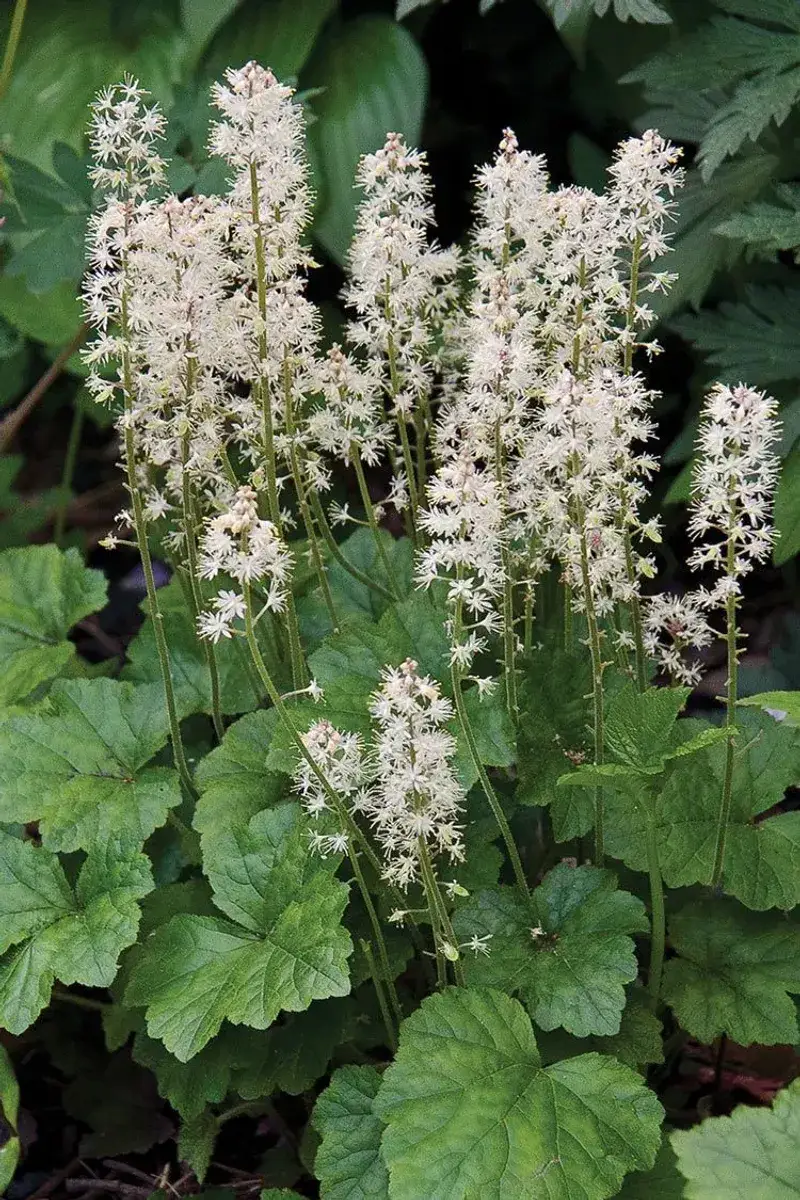
Come spring, Foamflower sends up airy spikes of white blooms that look like soft foam floating over the leaf litter. Native to the Appalachians, it loves the cool, moist, well-drained ground you often find under trees in the mountains and Piedmont.
Those frothy flowers are magnets for early pollinators, especially bumblebees waking up hungry after winter. Later, the seeds feed ground-foraging birds and mice, while the leafy clumps give small insects a place to hide.
Foamflower spreads politely by runners, so it knits together to hold soil on slopes and shady banks. It shrugs off deer and rabbits better than most, making it a dependable, low-drama filler that returns bigger every year.
3. Violets (Viola sororia and other Viola species)
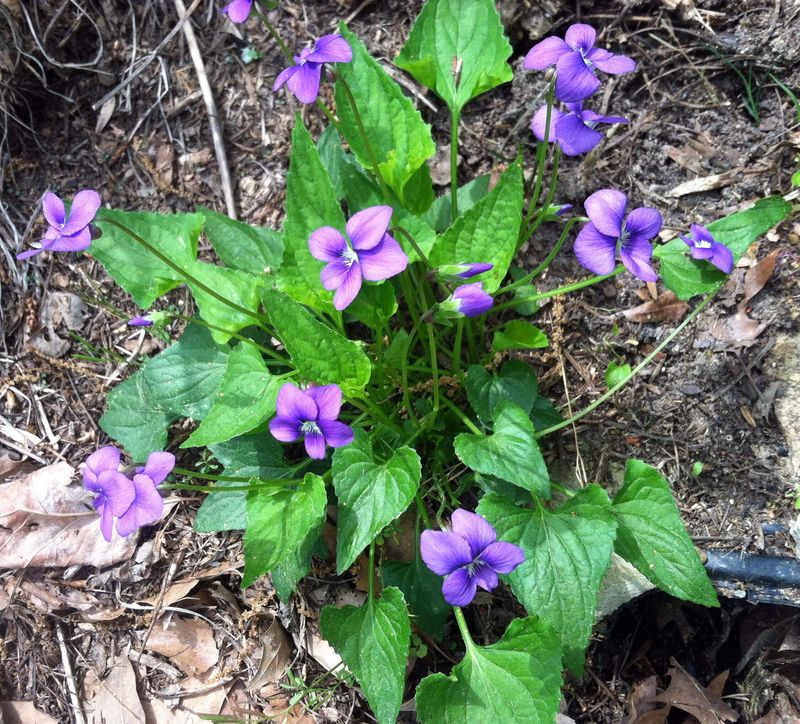
Do not let anyone tell you violets are weeds. These tough little natives can carpet the darkest ground under a thick tree canopy where fussier plants give up entirely.
Violets pull double duty in the food web. Their early flowers offer some of the first pollen native bees can find, and their leaves are the sole host for Fritillary caterpillars, including the Great Spangled Fritillary.
Come summer and fall, the seeds feed wild turkey, quail, sparrows, and small mammals.
Fun bit worth knowing: violets can even handle the tricky soil under black walnut trees, where the roots poison many other plants. Deer generally pass them by, so they stay thick and cheerful season after season with zero coaxing from you.
4. Woodland Phlox (Phlox divaricata)
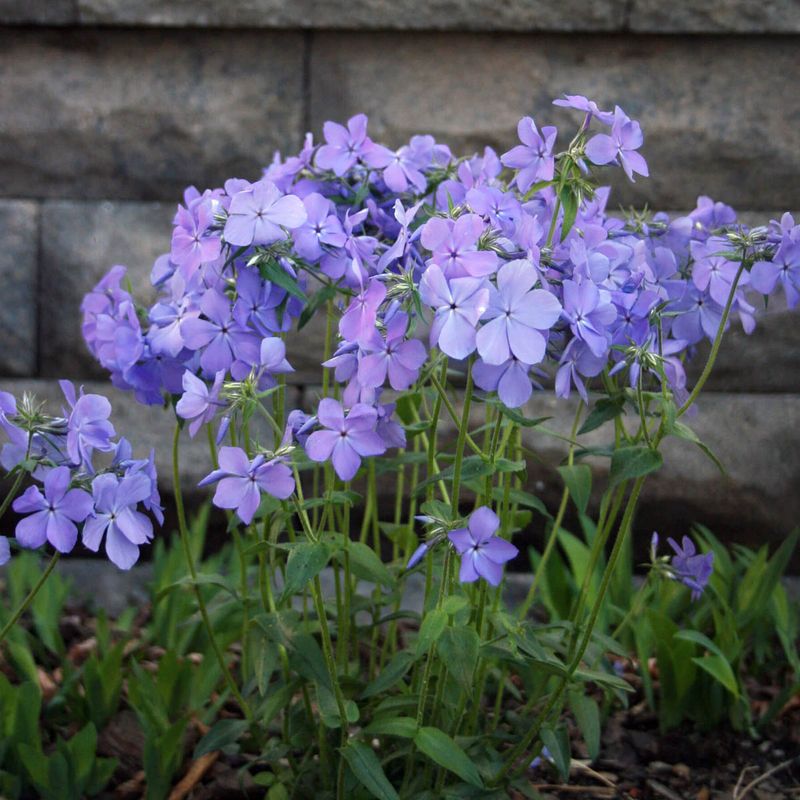
When Woodland Phlox blooms, the whole shady bed turns a soft lavender-blue, and the scent drifts on the spring air. It settles happily into partial to full shade with moist, well-drained soil that has plenty of organic matter mixed in.
Those fragrant flowers are a springtime buffet. Hummingbirds, Swallowtail butterflies, night-flying moths, and long-tongued bumblebees all come for the nectar and pollen.
It even serves as a host plant for the Phlox moth.
Left to spread, it forms a loose groundcover that shelters small wildlife between the stems. Pair it with foamflower and violets and you get a layered spring show that keeps pollinators fed right when they need it most.
5. Mayapple (Podophyllum peltatum)
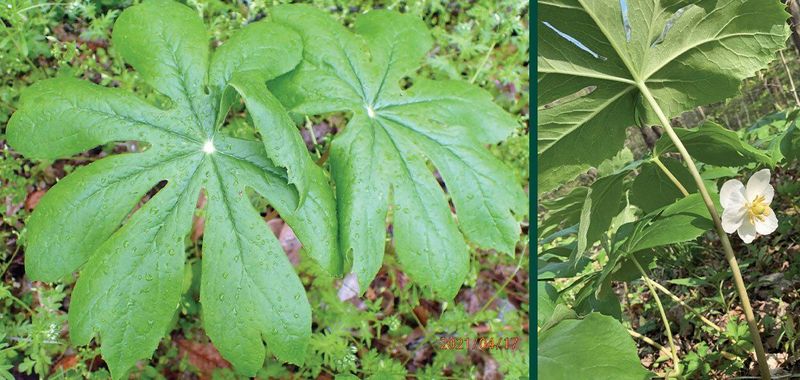
Few shade plants make a statement like Mayapple, with its big umbrella leaves that spread out like a tiny green forest across the woodland floor. It thrives in open, moist woods and deep shade, marching outward in colonies through underground rhizomes.
Bees visit its single nodding flower for pollen, but the real headline for NC backyard stewards is the fruit. Ripe Mayapples are a favorite of box turtles, and those turtles help spread and germinate the seeds as they wander your yard.
Squirrels, opossums, raccoons, and skunks enjoy the fruit too.
A word of caution: every part of the plant except the fully ripe fruit is poisonous, and handling it can irritate skin. Plant it where you can admire it, keep curious kids and pets clear, and let the box turtles do the harvesting.
6. Cherokee Sedge (Carex cherokeensis)
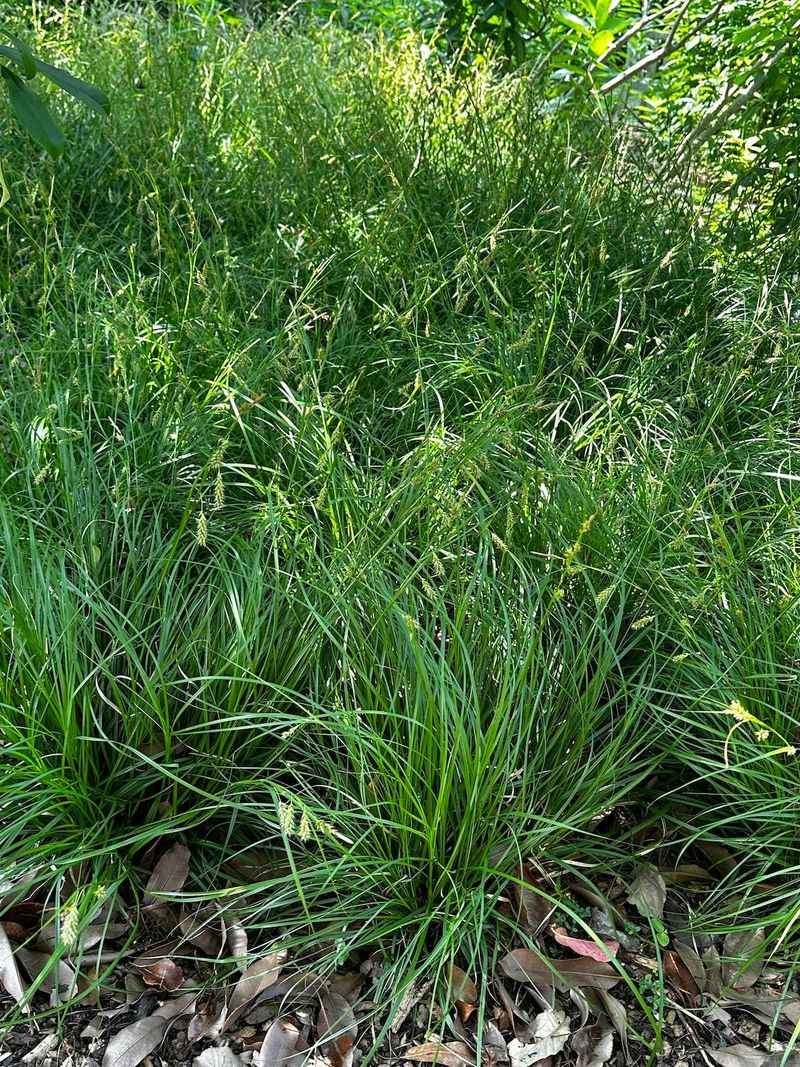
For the look of an ornamental grass that actually behaves in shade, Cherokee Sedge is hard to beat. It handles everything from full sun to partial shade and adjusts to wet or drier ground, forming neat, upright tufts that stay green or semi-green through winter.
The arching clumps do quiet, useful work. They give toads and beneficial insects a place to shelter and nest, and the plant serves as a host for several Satyr butterfly larvae.
Deer are not interested, and the fibrous roots grip the soil to fight erosion on shady slopes. Tuck a few between your flowering natives to add texture and structure, and you will have year-round backbone in a bed that used to sit bare.
7. Trillium (Trillium cuneatum, T. grandiflorum and others)
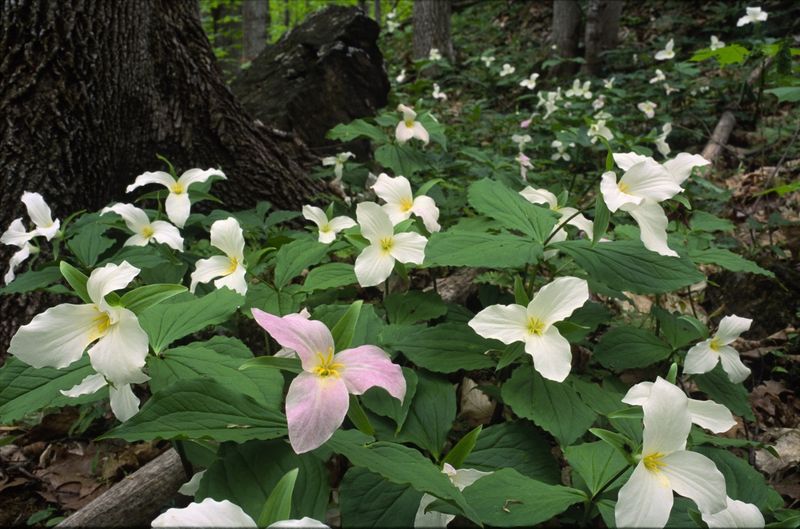
There is something almost ceremonial about a Trillium in bloom, three petals over three broad leaves, standing quietly under the trees. These prized woodland perennials love cool, humid shade, especially beneath deciduous trees where the leaf litter stays rich and damp.
Their spring flowers feed early-emerging native bees, honeybees, butterflies, and flies, and they act as larval hosts for certain moths. Birds and small mammals nibble the seeds and berries later in the season.
Trilliums reward patience more than any plant on this list, taking years to establish and multiply, so buy nursery-propagated plants rather than digging wild ones. In yards with heavy deer pressure they can get browsed, so give them a protected corner.
Get it right, and they will return faithfully every spring for decades.