
The North Carolina Bulbs You Plant Once That Multiply On Their Own And Come Back Bigger Every Year
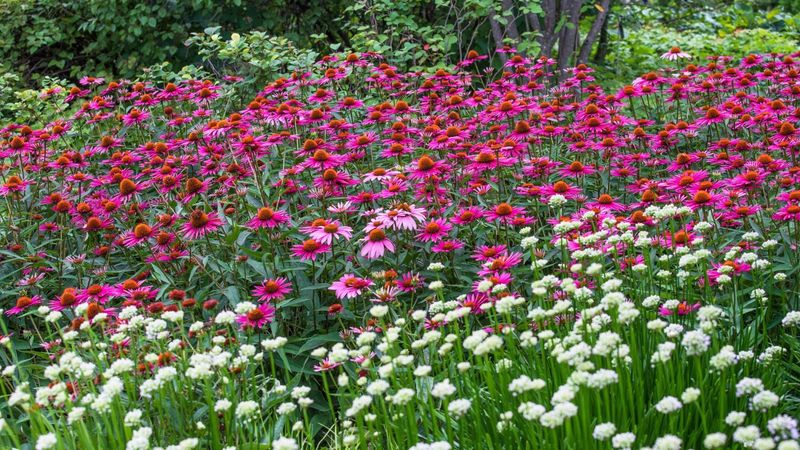
Imagine planting something once and watching it come back thicker and prettier every single spring, all while feeding the bees, butterflies, and box turtles that make a North Carolina yard feel alive. That is exactly what these native, self-spreading plants do, quietly multiplying underground with almost no work from you.
Best of all, choosing natives keeps invasive troublemakers out of your yard and gives local wildlife the food and shelter they actually need. Here are ten easygoing choices that thrive from the Coastal Plain to the Blue Ridge and reward you a little more each year.
1. Bloodroot (Sanguinaria canadensis)
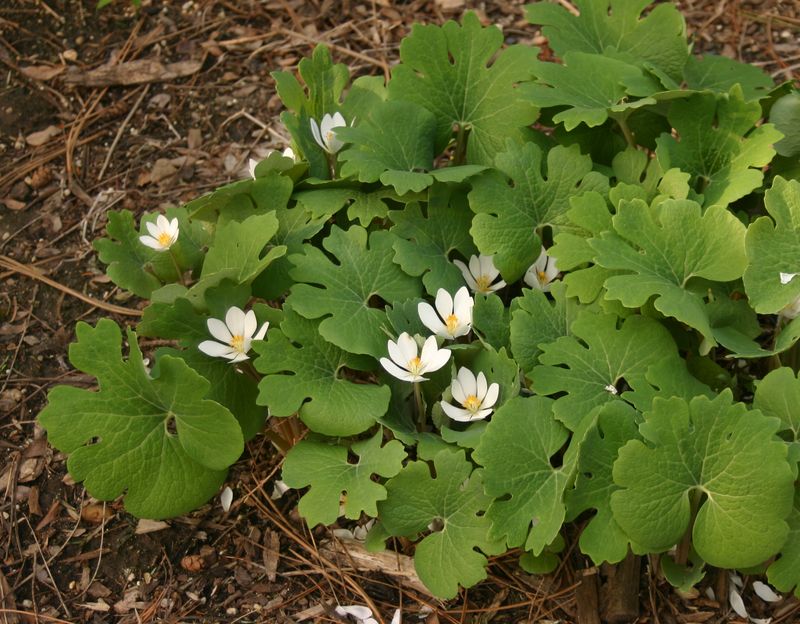
One of the earliest whites to appear on the woodland floor, Bloodroot opens its star-shaped petals before the trees overhead even think about leafing out. It is a true spring ephemeral, meaning it puts on a quick show and then quietly slips back underground by mid-summer.
What makes it special for a Piedmont or mountain yard is how it builds colonies over the years. It spreads by rhizomes and seeds, and ants actually carry those seeds back to their nests, planting new patches for you at no charge.
Early native bees like bumblebees and small halictid bees depend on its pollen when little else is blooming. Deer tend to leave it alone, which is a relief in browse-heavy neighborhoods.
Give it moist, rich, well-drained soil in part to full shade. One heads-up: the reddish-orange sap contains alkaloids that can irritate skin, so wear gloves when you divide it.
2. Foamflower (Tiarella cordifolia)
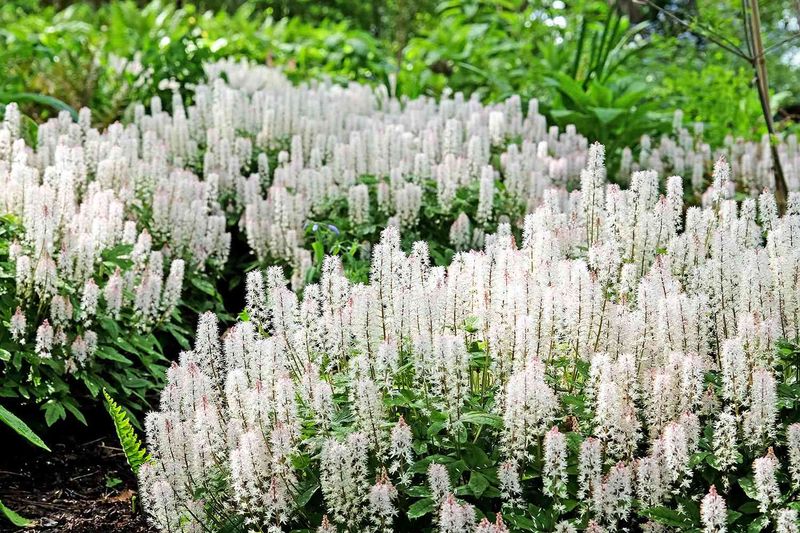
Fluffy, foamy spires of tiny white blooms give this shade lover its name, and once you see a drift of them in April you will understand the appeal. Foamflower earned real local respect too, taking the title of North Carolina Wildflower of the Year back in 1986.
It travels by slender runners called stolons, knitting together into a soft groundcover that fills bare shady spots without any bullying. Bumblebees are especially fond of it, and butterflies drop by as well.
Rabbits and deer usually pass it over, so it holds its shape season after season. In milder parts of the state, the pretty lobed foliage can stay green right through winter.
Plant it in dappled to full shade with humus-rich, moist, well-drained soil, and let it slowly weave itself into a living carpet.
3. Wild Ginger (Asarum canadense and Hexastylis species)
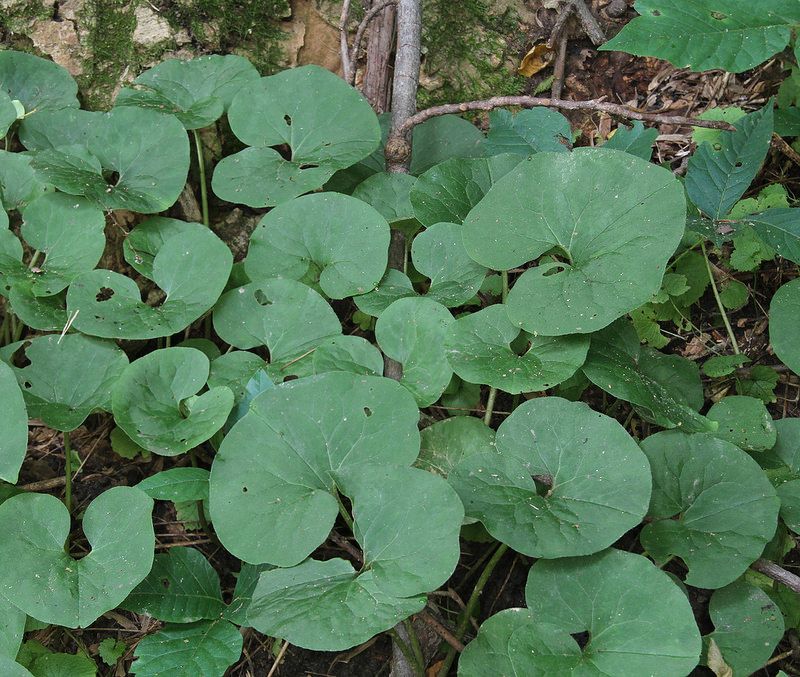
Hidden beneath its heart-shaped leaves, wild ginger keeps a secret: little maroon flowers tucked right down at ground level. You have to crouch to spot them, which makes finding one feel like a small woodland treasure hunt.
Both Canadian wild ginger and our native heartleaf gingers spread slowly by rhizomes, laying down a lush, textured mat in shady, moist corners. The slow pace is a feature, not a flaw, since it stays exactly where you want it.
Here is the ecological gold star: it serves as a larval host for the gorgeous pipevine swallowtail butterfly, so planting it can quite literally raise the next generation of butterflies in your yard. Ants help spread its seeds, too.
Deer generally avoid it. Canadian wild ginger drops its leaves in fall, while the Hexastylis gingers stay evergreen for year-round cover.
4. Allegheny Spurge (Pachysandra procumbens)
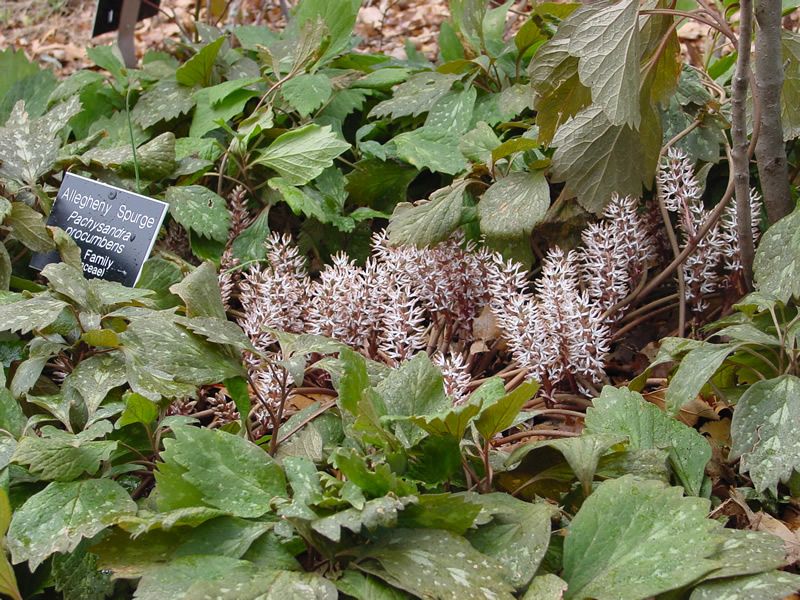
If you have ever been tempted by that carpet-forming Japanese pachysandra at the big box store, meet its well-mannered North Carolina cousin. Allegheny spurge is the native swap that gives you the same dense evergreen carpet without the invasive spreading that lets the Asian version smother everything in its path.
It creeps politely by underground rhizomes and stays put within its planting area, which is a rare and wonderful trait in a groundcover. The mottled, silvery-green leaves look handsome even in the dead of winter.
Damp, shady problem spots are its specialty, and it even shrugs off occasional flooding. That makes it a smart fix for the soggy edge of a walkway or a low corner where nothing else wants to grow.
Nectar is not its main gift, but the year-round cover and habitat it provides for ground-dwelling critters more than earn it a place.
5. Dwarf Crested Iris (Iris cristata)
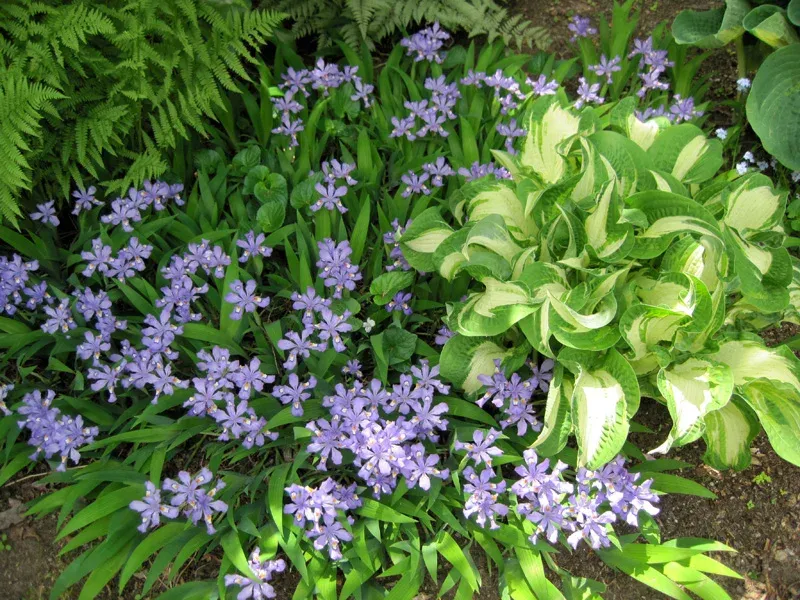
Delicate does not mean fragile with this little charmer. Dwarf crested iris tops out only a few inches high, yet it throws out lavender-blue blooms marked with cheerful golden crests that look far fancier than the plant’s easygoing habits suggest.
It runs along the surface by rhizomes, quickly knitting into a low, spreading mat that works beautifully as a groundcover under trees or along a path. Every year the patch widens, and dividing it is as simple as lifting a chunk and tucking it somewhere new.
Pollinators find their way to the blooms, adding it to the roster of plants keeping your backyard buzzing in spring.
Give it part shade and decent soil, and this native will reward you with a bigger ribbon of color each season.
6. Green-and-gold (Chrysogonum virginianum)
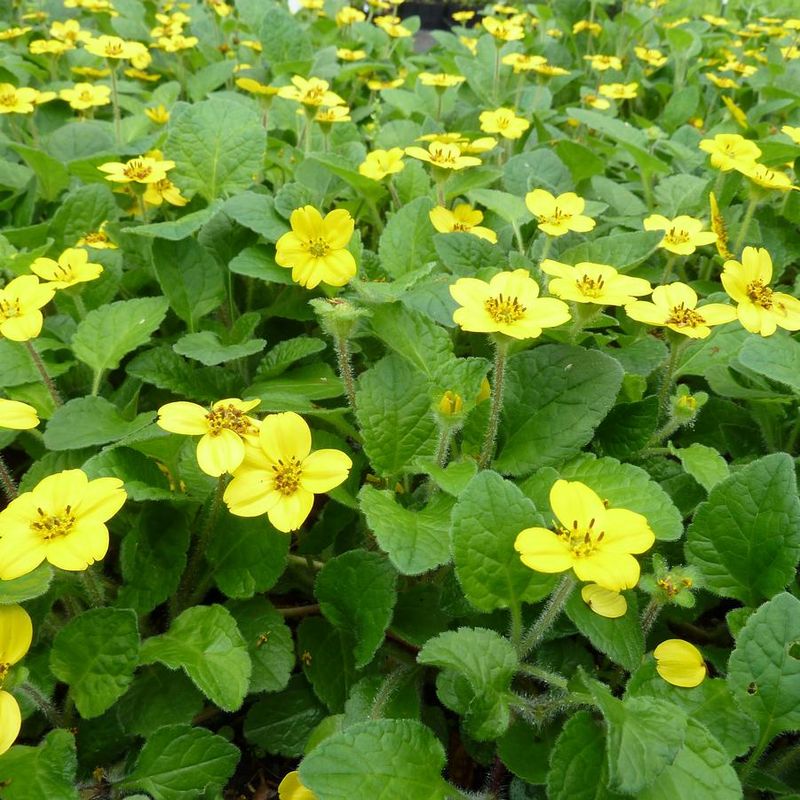
Sunny yellow, five-petaled blooms scattered across low green foliage make Green-and-gold look like someone sprinkled stars across the garden. The name is refreshingly literal, and the plant delivers cheer from spring well into the warmer months.
It spreads by stolons, sending out runners that gradually build a tidy evergreen groundcover. Because it holds its leaves through winter, you get color and coverage even when the rest of the bed is snoozing.
Pollinators appreciate those golden flowers, and deer usually leave the plant alone, so it stays full and photogenic. That combination makes it a genuine workhorse for a wildlife-minded yard.
It handles part sun to part shade and takes average to dry soil in stride, which is handy for those spots that never quite get enough water.
7. Carolina Lily (Lilium michauxii)
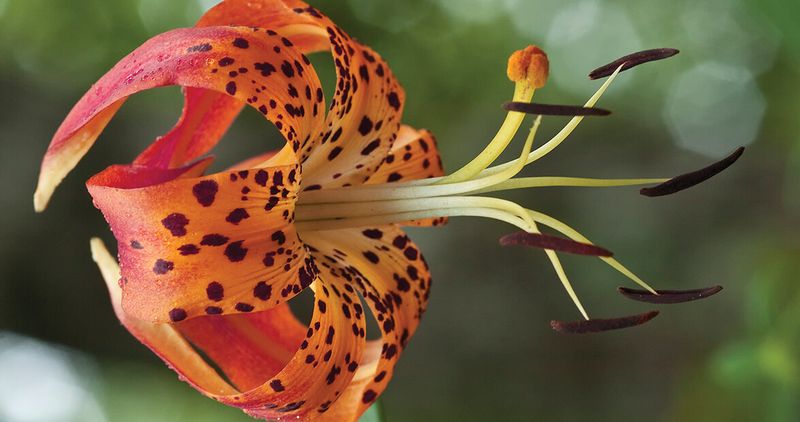
Here is a bit of state pride for your borders: the Carolina Lily is North Carolina’s Official Wildflower, and its nodding orange blooms with backswept, spotted petals are pure summer drama. Growing your own is like flying the state flag in flower form.
As a true bulb, it overwinters reliably and naturalizes when it likes its spot, returning with more stems and blooms as the years pass. The fragrant flowers are a magnet for pollinators, including large butterflies that can reach the nectar.
It favors dry upland forest conditions, so a well-drained, part-shade spot suits it best. Deer and voles may nibble the foliage and bulbs, so tuck it among plants they dislike for a little protection.
Always buy from a reputable nursery that propagates its lilies, never one that digs from the wild, so you help protect fragile native populations.
8. Turk’s Cap Lily (Lilium superbum)
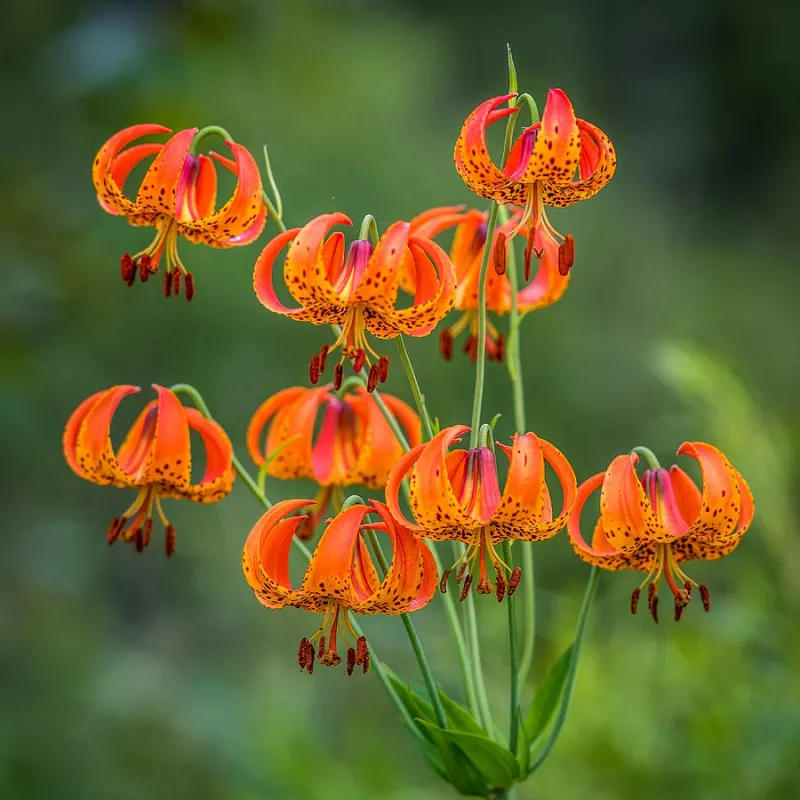
Go big or go home seems to be this lily’s motto. Turk’s Cap Lily can tower overhead on a single stem loaded with dozens of downward-facing orange flowers, their petals curling back so hard they form the little turban shape that gives the plant its name.
Being a true bulb, it comes back faithfully each year and multiplies where conditions suit it, eventually forming a jaw-dropping summer spectacle. Swallowtail butterflies and hummingbirds work the blooms, drawn by the abundant nectar high off the ground.
It leans toward moist, rich soil and does especially well in the mountains and cooler Piedmont pockets. Watch for deer and voles, which can browse both foliage and bulbs.
Source it from a nursery that grows its own stock so wild colonies stay undisturbed.
9. Gray’s Lily (Lilium grayi)
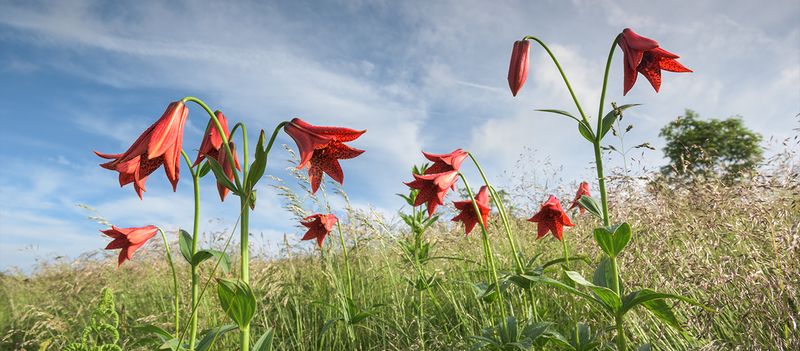
Rare and quietly regal, Gray’s Lily is a mountain treasure with deep red-orange, bell-shaped flowers that nod outward rather than curling back like its cousins. Spotting one in the wild is a special moment for many Blue Ridge hikers.
Because it is a bulb, it returns each year and can slowly increase where the site is just right. It thrives in acidic, loamy soils and cooler high-elevation conditions, so it is best suited to gardeners in the mountains rather than the Coastal Plain.
Its blooms offer nectar to pollinators during the summer stretch when they are working hardest. Voles and deer may take an interest, so pair it with less tasty companions.
Given its scarcity, buying only nursery-propagated bulbs matters more than ever here, protecting a species that is already uncommon in the wild.
10. Catesby’s Lily (Lilium catesbaei)
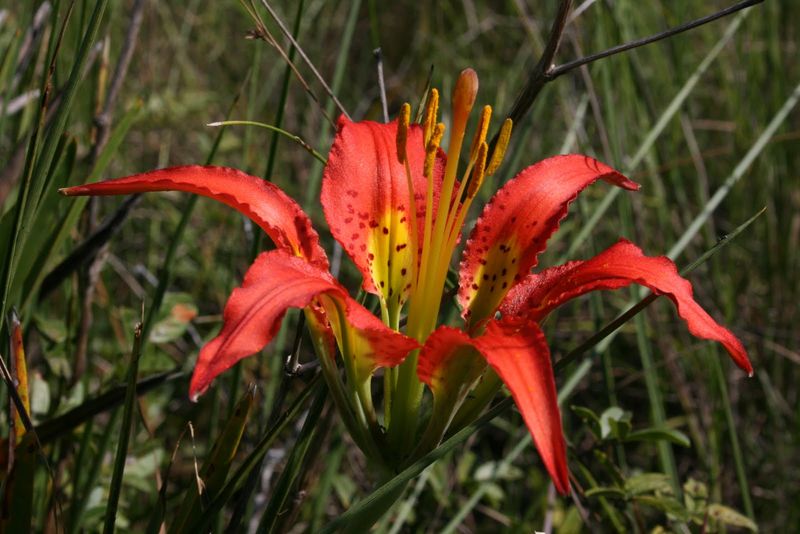
Coastal Plain gardeners, this one is your headliner. Catesby’s Lily, sometimes called the pine lily, holds a single fiery orange-red bloom upright toward the sky, glowing against the sandy, sunny savannas where it feels at home.
It is a true bulb that overwinters and naturalizes when conditions suit it, coming back to light up late summer and early fall. The bold flower is a beacon for butterflies and other pollinators cruising the open flatwoods.
Unlike the shade-loving lilies of the mountains, this one wants moist, acidic, sandy soil and plenty of sun, making it a rare native that suits the sandhills and coastal counties. Keep an eye out for deer and voles here as well.
Choose nursery-grown bulbs so wild stands in our threatened pine habitats stay intact.