
The One Thing North Carolina Gardenias Need In Early Fall Or The Late Blooms Quietly Stop Coming
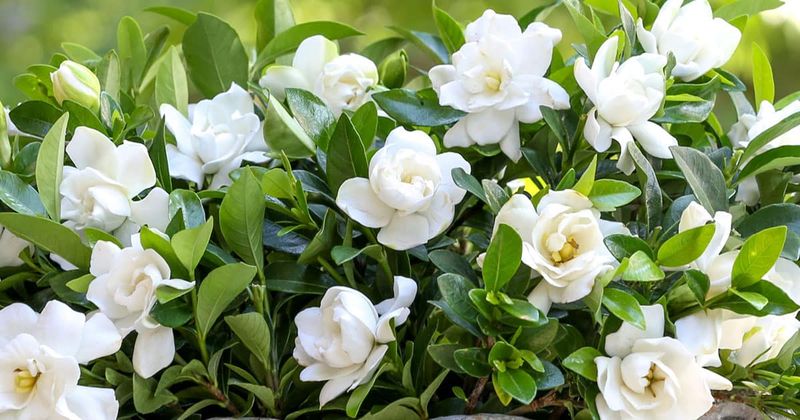
Gardenias are one of those plants that reward patience and punish hasty scissors. Across North Carolina, from the Coastal Plain to the Piedmont and up into the mountains, many gardeners watch their plants go quiet in late summer and wonder what went wrong.
The answer is often simpler than a new fertilizer or a special treatment: routine pruning done too late in the season can quietly remove the buds that might have become your next round of flowers. Understanding when to put the pruners away, and why that timing matters more than most fall treatments, can make a real difference in what your gardenia does next.
The Real Early-Fall Rule: Stop Routine Pruning
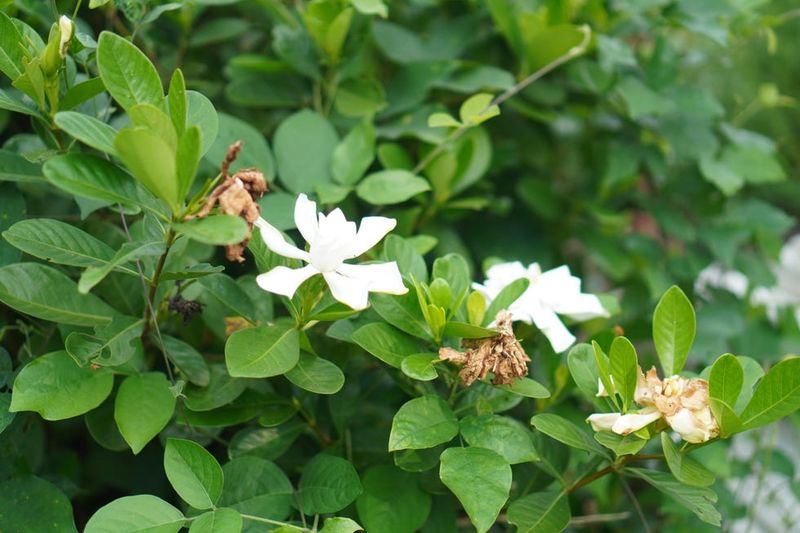
Gardenia growers across North Carolina often hear that some specific early-fall action will keep the flowers coming, but the most useful move is actually about what you stop doing, not what you start. Finishing routine shaping and avoiding hard cutbacks by roughly August 10 to 15 is the single most practical step you can take to preserve the opportunity for later or next-season flowers.
NC Cooperative Extension guidance offers August 10 as a practical North Carolina cutoff for pruning gardenias, though that date is a conservative local guideline rather than a hard biological deadline that applies equally to every plant in every county.
The goal behind that guideline is straightforward: by mid-August, many gardenias are already forming buds for later flowering or for the following season’s first flush. Cutting into healthy stems at that point risks removing growth that the plant has already invested in.
Leaving budded, undamaged stems alone gives those potential flowers their best chance to develop, but it does not guarantee that fall blooms will appear.
Prune primarily right after the plant’s main flowering period, which typically runs from late spring through summer depending on your cultivar and location. Brunswick County NC Cooperative Extension’s pruning calendar reinforces this, advising gardeners not to prune gardenias after mid-August.
The August 10 to 15 window is a useful target for planning, but your own plant’s bloom timing, its cultivar, and your specific region of North Carolina should all factor into when you decide the shaping season is finished. A gardenia in Wilmington and one in Boone do not follow identical schedules.
How Late Pruning Can Reduce Future Flowers
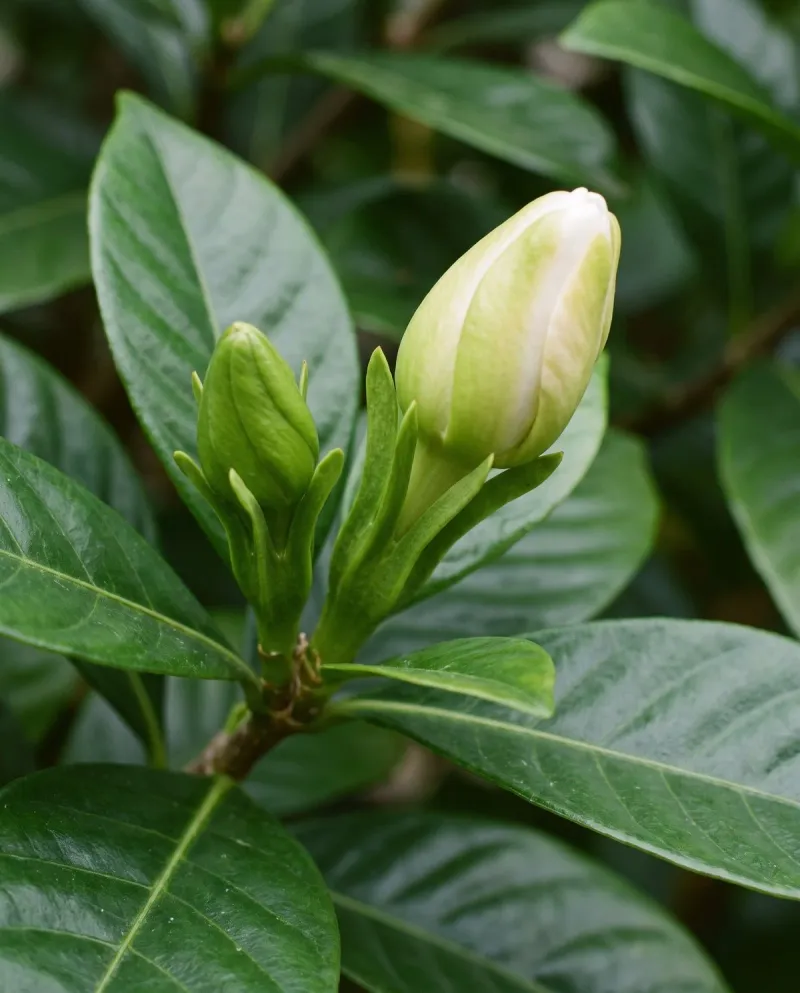
Gardenias set buds for later blooms or for the following season’s flowering cycle well before those buds become visible to most gardeners. When you shape the plant after that process has started, you are not just removing leafy stems.
You may be cutting away buds that were already forming beneath the surface, which means fewer flowers later, not more tidy growth now.
NC Cooperative Extension’s general care guide for gardenias in the South specifically warns against hard cutbacks from September through March, noting that late pruning can remove buds already formed for the next flowering cycle. The concern is not limited to obvious flower buds you can see.
Even stems that look plain green may carry developing bud tissue that a late cut will eliminate before it ever becomes a flower.
Late pruning carries a second risk that matters particularly for gardeners in the Piedmont and mountain regions of North Carolina. Cutting into the plant after summer encourages the production of new, tender growth.
That fresh growth has not had time to harden before cooler temperatures arrive, which makes it vulnerable to cold damage. The result can be a plant that enters winter both short on buds and carrying soft tissue that suffers when temperatures drop.
None of this means that a single late trim automatically destroys next year’s flowers. The actual outcome depends on how much you remove, which stems you cut, how far along the plant’s bud development was, and what your cultivar tends to do.
The point is that the risk is real and entirely avoidable by finishing routine shaping while the main bloom period is still wrapping up, rather than returning to the plant once summer is winding down.
What You Can Safely Remove After the Cutoff
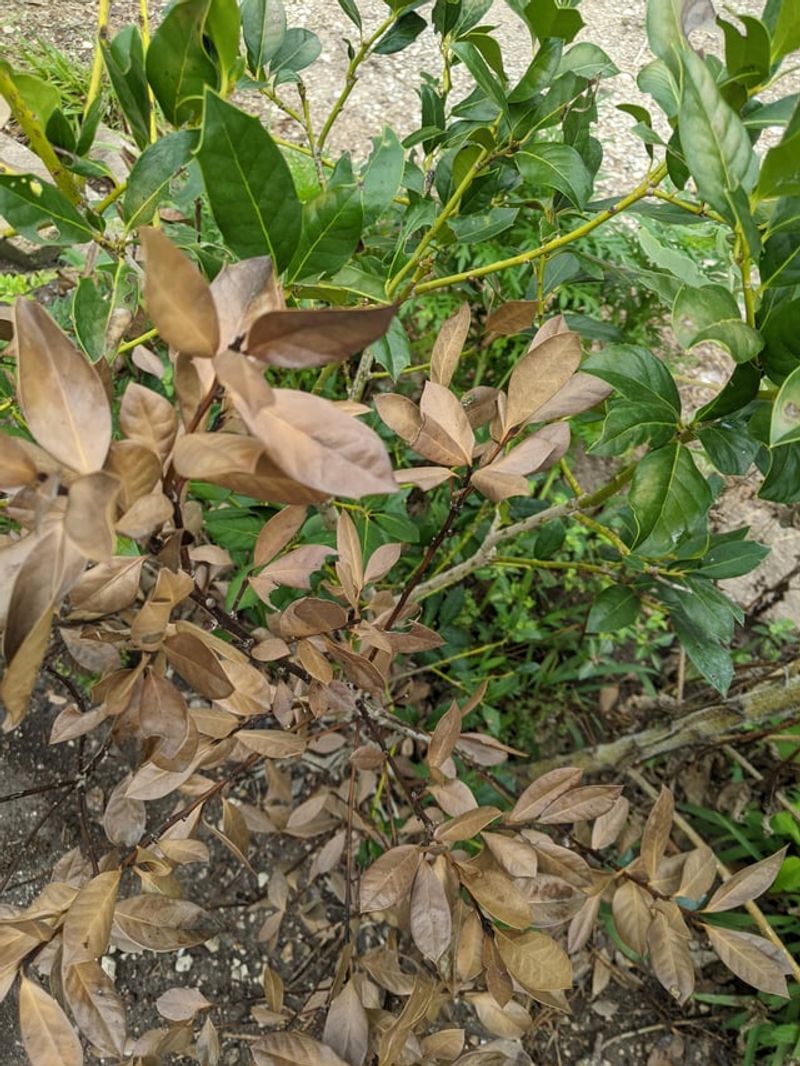
Putting the pruners away by mid-August does not mean ignoring the plant entirely for the rest of the season. A quick early-fall inspection can still serve the gardenia well, as long as you are clear about what qualifies for removal and what should stay exactly where it is.
Healthy stems, even ones that look a little unruly, should be left alone if they show no sign of damage or disease. Visible buds are an obvious reason to hold off, but stems without apparent buds can still carry developing tissue worth protecting.
The only wood that genuinely warrants removal after the pruning cutoff is wood that is dead, broken, diseased, or so severely damaged that leaving it in place would stress the plant further. NC Cooperative Extension’s gardenia care guide supports limiting post-season cuts to this kind of necessary removal rather than using them as a routine bloom-improvement technique.
A stressed plant dealing with a pest infestation or a confirmed disease problem may require corrective pruning even outside the ideal window. That situation is an exception driven by plant health, not a signal that cutting back in fall is a standard way to encourage more flowers.
Treating corrective removal as routine would cause more harm than the problem it was meant to fix.
Before reaching for the shears in early fall, take a slow walk around the plant and look at each stem individually. Dead wood snaps cleanly and shows no green tissue when scratched.
Diseased stems may show discoloration, cankers, or unusual texture. If what you are looking at is simply healthy growth that grew in an awkward direction, leave it.
Shape can be addressed again after next year’s main bloom period, when the timing works in your favor.
Steady Moisture Helps Preserve Remaining Buds
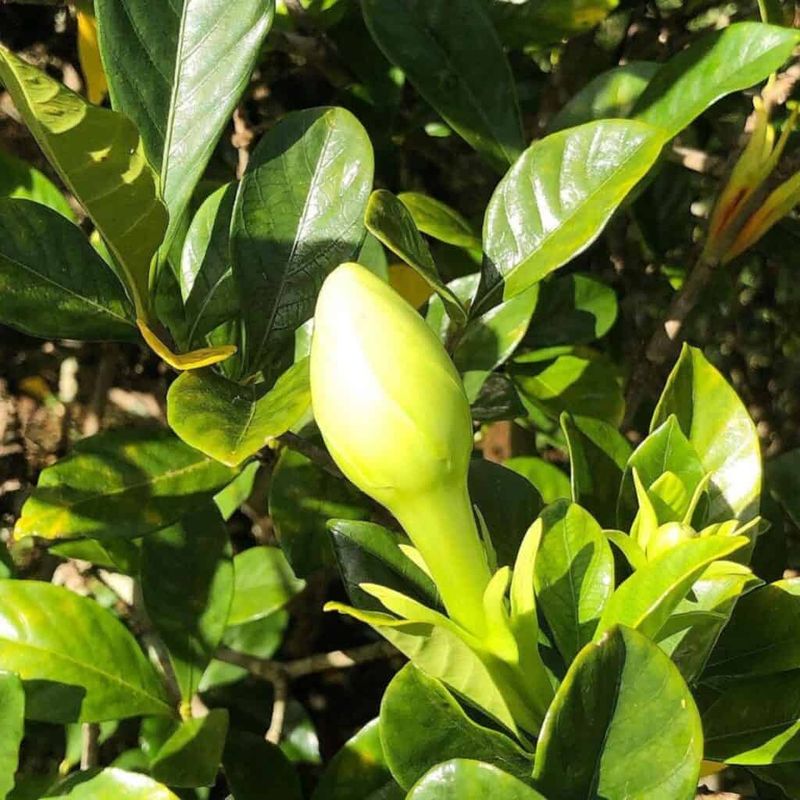
Once you have made the commitment to leave healthy stems and buds in place, the next priority is keeping the plant stable enough to actually develop those buds into flowers. Consistent soil moisture during dry stretches in late summer and early fall is one of the most reliable ways to support that process without introducing an untested treatment.
Clemson Cooperative Extension’s gardenia factsheet recommends watering weekly during summer drought to keep the root zone evenly moist, and that same principle carries into early fall when rainfall becomes irregular. The key word is even: gardenias want consistent moisture, not alternating periods of drought and saturation.
Roots sitting in waterlogged soil are just as problematic as roots in dry, cracked ground.
Bud drop, which is when developing buds fall off before opening, can have many causes. UC IPM’s guidance on leaf and bud drop identifies drought, excessive heat, cold, and abrupt changes in soil moisture as contributing factors.
An uneven watering schedule, such as letting the soil go dry for a week and then soaking it heavily, can trigger bud drop even on a plant that was otherwise positioned to bloom.
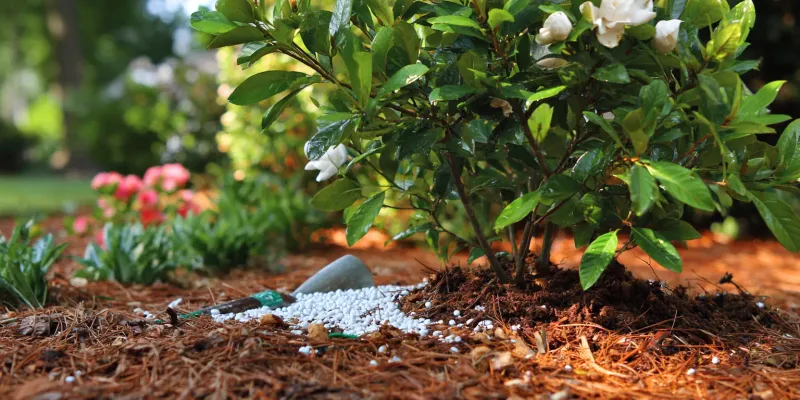
Mulching the root zone is one of the most practical ways to moderate both moisture and temperature around the plant. A 2- to 3-inch layer of pine straw, compost, or ground bark helps slow moisture evaporation during warm, dry days and buffers the soil against sudden temperature swings as nights begin to cool.
Keep the mulch pulled back slightly from direct contact with the trunk to avoid trapping moisture against the bark, which can invite rot and disease. NC Cooperative Extension’s care guide supports mulching as a standard part of gardenia management throughout the growing season.
Why Fall Fertilizer Cannot Replace Good Timing
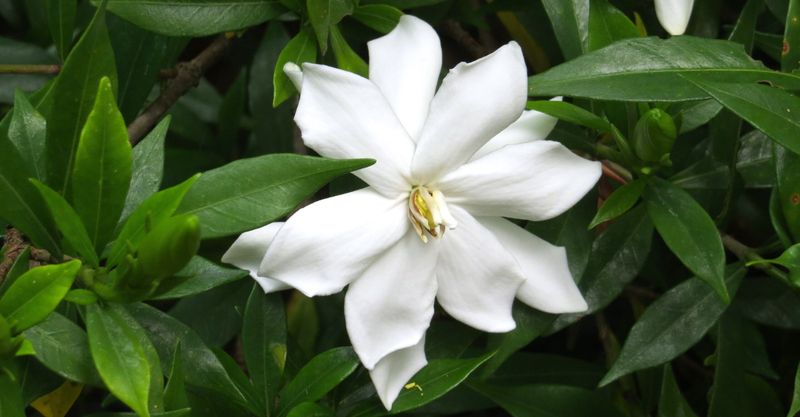
When a gardenia slows down its flowering in late summer, the instinct to feed it is understandable. More nutrients seems like it should mean more flowers.
For North Carolina gardeners, though, reaching for fertilizer in early fall without a soil test is more likely to cause problems than solve them.
Both Clemson Cooperative Extension and NC State’s Plant Toolbox entry on Gardenia jasminoides caution against fall fertilization because it can push the plant to produce new, tender growth at exactly the wrong time of year. That soft growth is vulnerable to cold injury when temperatures drop, and the damage it suffers can weaken the plant going into winter rather than setting it up for a stronger flowering season ahead.
Gardenias do have specific soil preferences. They perform best in acidic, well-drained soil, generally at a pH below 6.0.
Yellow leaves in late summer sometimes prompt gardeners to add sulfur, iron supplements, or acidifying fertilizers, but applying those products without knowing your actual soil pH and nutrient levels can worsen the situation. Adding sulfur to soil that is already acidic enough, for example, can push pH too low and create new nutrient problems rather than fixing the original one.
A soil test is the right first step before adding any amendment. NC State Extension’s soils FAQ notes that NCDA&CS soil testing is free for North Carolina residents during most of the year, with a fee typically applying between December and March.
Submitting a sample in early fall, before you treat anything, gives you specific information about what your soil actually needs, rather than what you are guessing it might need based on leaf color alone.
Your Cultivar May Not Be Built for Fall Flowers
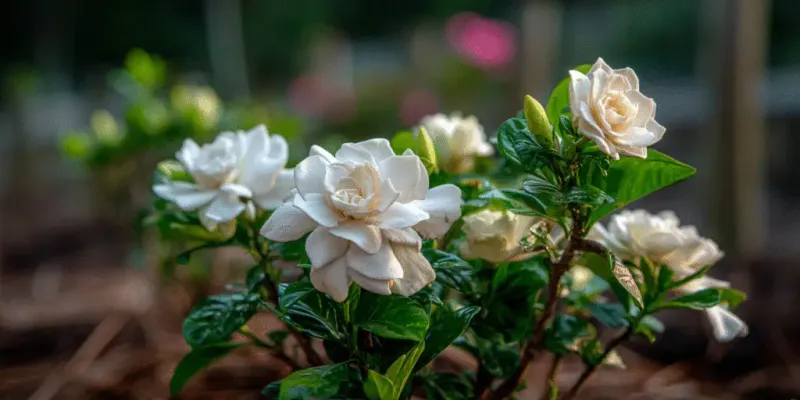
Even when pruning timing is perfect and soil moisture is steady, some gardenias simply will not produce fall flowers. That is not a failure of care.
It is a reflection of what the plant was bred to do, and understanding cultivar behavior can save a lot of frustration when late-season blooms do not appear.
Gardenias generally flower in late spring and summer. That is the primary bloom period for most commonly grown types.
Clemson Cooperative Extension’s gardenia factsheet identifies specific cultivars that are documented as repeat bloomers, including Chuck Hayes, Jubilation, Kleim’s Hardy, and Pinwheel, among others. These selections can produce a secondary flush of flowers into fall under favorable conditions.
A plant that is not one of these cultivars, or a similar repeat-blooming type, may bloom only once per season regardless of how carefully it is tended in August and September.
North Carolina’s regional diversity adds another layer of complexity. A gardenia growing in the warmer, more humid conditions of the Coastal Plain near Wilmington operates in a different environment than one planted in a Piedmont yard in Greensboro or a mountain garden near Asheville.
NC State’s Plant Toolbox notes that older cultivars may be cold-hardy only to about USDA Zone 8, while some newer selections extend into Zone 7a. Dwarf cultivars can be more cold-sensitive than standard-sized plants.
Cold exposure, afternoon heat, drainage conditions, and cultivar hardiness all interact differently across the state.
Preserving budded growth by avoiding late pruning is a meaningful step, but it cannot make a primarily summer-flowering cultivar rebloom in October. Before expecting fall flowers, it helps to know what cultivar you are growing.
If that information is not on a plant tag or in a purchase record, your local NC Cooperative Extension office can often help with identification and regional recommendations tailored to your county.
When Bud Drop Signals a Different Problem
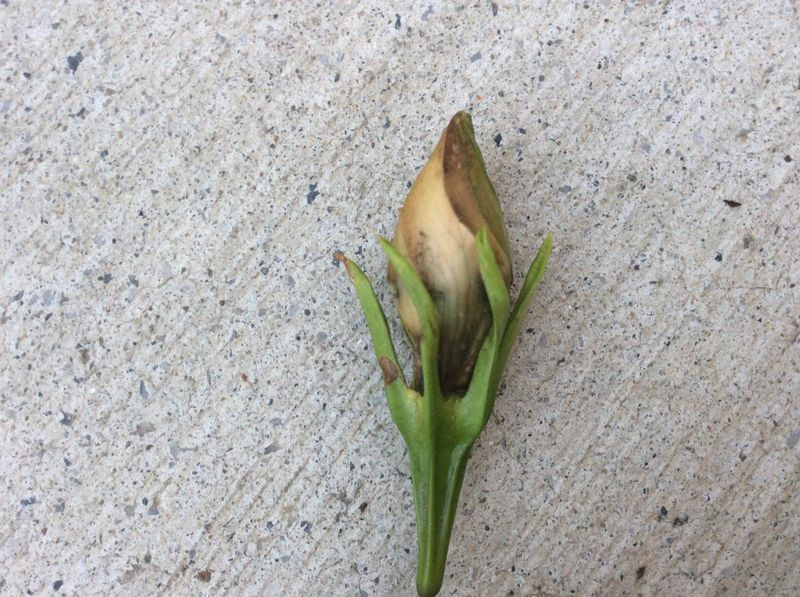
Blaming a late pruning cut for every missing bud or stalled flower is an easy habit to fall into, but bud drop and bud failure have multiple causes. Sorting out what actually triggered the problem is worth the effort before reaching for a treatment that may not address the real issue.
UC IPM’s guidance on leaf and bud drop lists drought, excessive heat, sudden cold, abrupt changes in soil moisture, and poor drainage as environmental contributors. These are conditions that any North Carolina gardenia can encounter during a late summer with irregular rainfall or an early cool snap.
A plant that dropped buds during a hot, dry stretch in August may have lost those flowers entirely to heat stress, not to anything that happened with the pruners.
Pest pressure is another factor worth examining. UF/IFAS guidance on gardenias notes that flower thrips and root-knot nematodes can both affect gardenia performance.
Thrips feed on developing buds and flowers, causing them to brown, distort, or drop before opening. Nematodes damage the root system in ways that reduce the plant’s ability to support healthy flowering even when above-ground conditions look fine.
Neither of these problems responds to adjustments in pruning timing.
Nutrient imbalances and excessive fertilizer can also contribute to poor bud set or bud drop. Applying too much fertilizer, or the wrong type at the wrong time, can push the plant toward vegetative growth at the expense of flowers.
If yellowing leaves or poor bud development have you considering amendments, a soil test is the appropriate starting point. NC State Extension’s soils FAQ provides guidance on how to submit a sample through the NCDA&CS testing program, which gives you specific, actionable results rather than guesswork.
Observe the plant carefully, look for patterns in when and where buds are dropping, and let that information guide which problem you are actually solving.
Preserve the Opportunity, Not a Promise
Keeping late flowers on a North Carolina gardenia comes down to a short list of practical decisions, most of which need to happen before early fall arrives. Finish routine shaping and light trimming right after the plant’s main bloom period wraps up.
Use August 10 to 15 as a conservative guideline for stopping routine pruning, not as an absolute statewide rule, and account for your cultivar’s bloom timing and your specific region of North Carolina.
After that window, leave healthy budded growth in place. Remove only wood that is genuinely dead, broken, diseased, or severely damaged, and only when leaving it would cause the plant further harm.
Keep the soil evenly moist during dry stretches and maintain a 2- to 3-inch mulch layer to buffer moisture and temperature swings. Skip the automatic fall fertilizer application.
NC Cooperative Extension and Clemson Extension both caution that fall fertilization can stimulate growth that suffers cold damage, and Brunswick County’s pruning calendar reinforces the mid-August cutoff as sound local practice.
Avoiding late pruning removes one preventable source of flower loss from the equation. Whether fall blooms actually appear still depends on your cultivar, your growing conditions, the season’s weather, and factors that no single care decision fully controls.
Giving the plant its best chance is the realistic goal, and most of the time, that turns out to be enough.