
North Carolina Mailbox Flower Combos That Make Neighbors Slow Down As They Drive Past
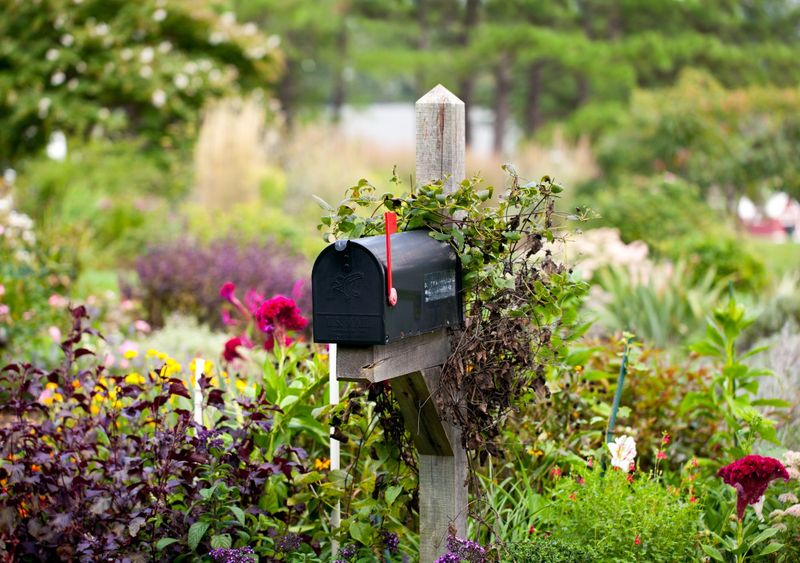
A mailbox is the first thing folks see when they pull up to your yard, so why not make it a spot that stops traffic in the best way? In North Carolina, you can plant flower combos that look gorgeous and also feed goldfinches, shelter fireflies, and keep box turtles safe.
These native plant pairings work in the Piedmont, Coastal Plain, and mountains, and they skip the invasive troublemakers that hurt our local wildlife. Here are nine combos that turn your mailbox into a living roadside show your neighbors will want to copy.
1. Goldfinch and Pollinator Haven
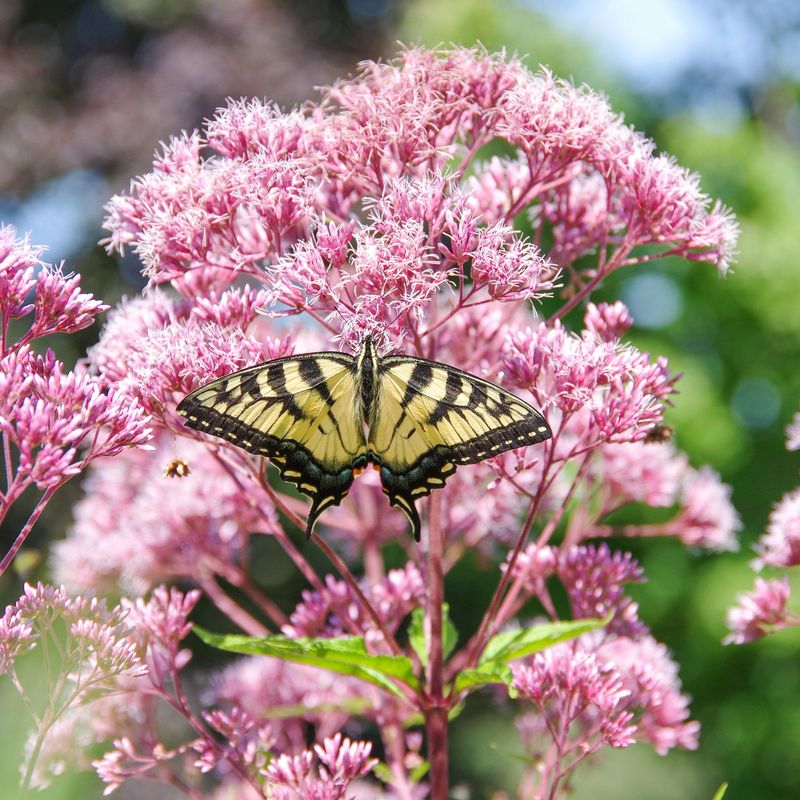
Picture a bright yellow goldfinch clinging to a swaying seed head right at your mailbox post. That is the whole point of this cheerful combo, and it earns its spot by feeding birds long after the summer show winds down.
Set Joe Pye Weed behind the mailbox for height and late-season blooms that goldfinches, bats, and pollinators all love. In the middle, mix Orange Coneflower (Rudbeckia fulgida) with Milkweed (Asclepias syriaca or Asclepias tuberosa for drier soil) so monarchs get a host plant and finches get seeds.
Up front, tuck in Coreopsis for bright yellow color that deer tend to ignore.
Here is the little secret that makes it sing: resist the urge to deadhead. Leaving those spent Rudbeckia blooms standing gives goldfinches the seeds they need from late summer into fall.
The layered heights also give finches perching spots and keep a steady parade of nectar going, which quietly supports the night insects bats hunt. It looks like a bouquet and works like a buffet.
2. Firefly and Box Turtle Friendly
Nothing says a June evening in North Carolina like fireflies blinking over a shady corner of the yard. If your mailbox spot gets a little shade and holds some moisture, you can build a combo that keeps that magic close to the road.
Anchor it with Summersweet (Clethra alnifolia) or Inkberry (Ilex glabra) at the mailbox base for evergreen structure and firefly cover. Underneath, plant native ferns and Wild Ginger (Asarum canadense) as low groundcover, and let leaf litter pile up naturally instead of raking it away.
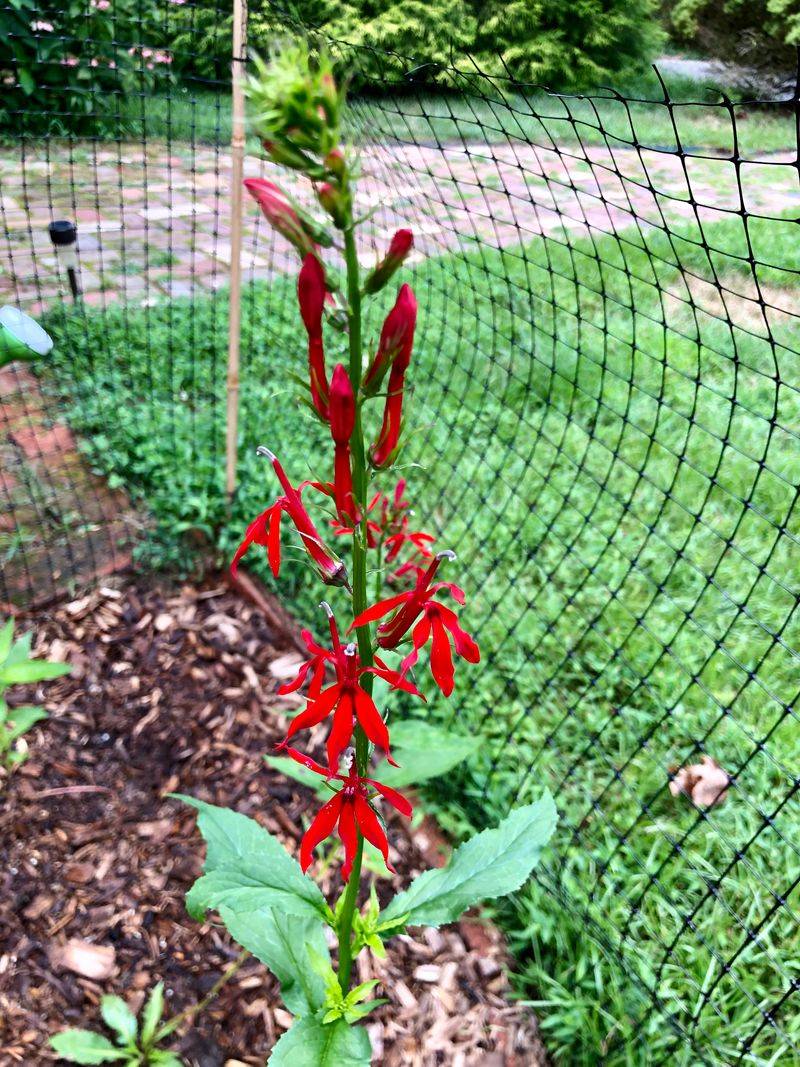
Add Cardinal Flower (Lobelia cardinalis) for pops of vivid red that hummingbirds chase.
Firefly larvae live underground in that damp, leaf-covered layer, so the messy-looking floor is actually the good part. Eastern Box Turtles, our official state reptile, use the same shady cover to forage for slugs and snails and to ride out the heat.
One rule matters most here: if a box turtle wanders in, never move it somewhere else. Relocated turtles often cannot find their way home and may not survive, so let it come and go on its own.
3. Bat and Evening Attractor
Think of this one as a nighttime diner for the neighborhood bats. While everyone else is admiring flowers by day, this combo does its best work after sunset, pulling in the moths and beetles that bats gobble up by the hundreds.
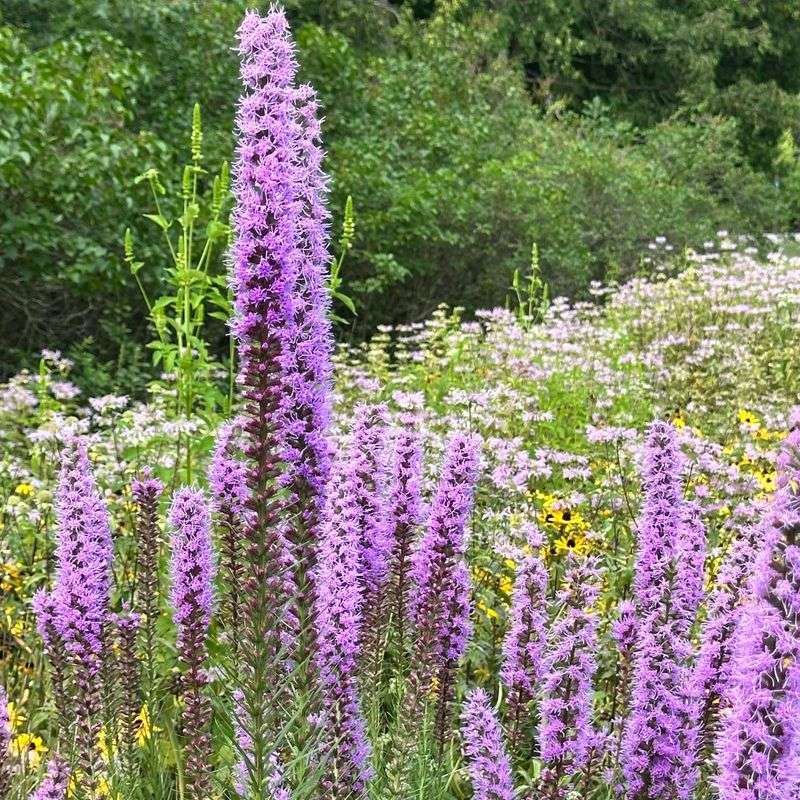
Give the back row to Blazing Star (Liatris spicata) for tall purple spikes that draw night-flying insects. In the middle, plant Evening Primrose (Oenothera biennis), whose pale flowers open in the evening to lure moths.
Fill the front with Wild Bergamot, also called Bee Balm (Monarda fistulosa), for fragrant blooms that deer avoid thanks to that minty scent.
A single little brown bat can eat a huge number of mosquitoes in one night, so turning your mailbox into a hunting ground is free pest control that never needs a plug.
Skip the porch bug zapper and the pesticides. The whole idea is to grow a steady insect crowd for the bats, and chemicals would erase the very thing that makes this planting worthwhile.
4. Orange Coneflower and Milkweed Duo
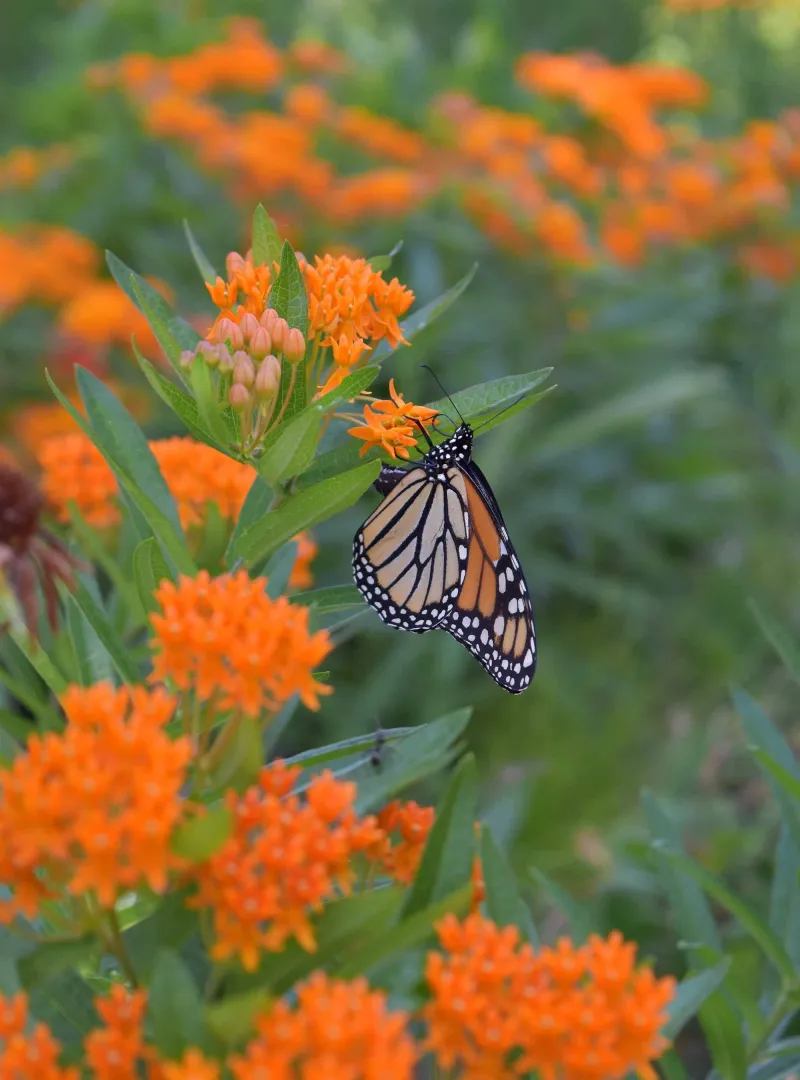
Some pairings just belong together, and Orange Coneflower with Milkweed is one of them. Both love full sun, both feed wildlife, and both look like sunshine spilled across your mailbox bed.
Rudbeckia fulgida grows two to three feet tall and hands goldfinches a seed supply from late summer through fall. Butterfly Milkweed (Asclepias tuberosa) suits drier mailbox soil, while Common Milkweed (Asclepias syriaca) works where it stays a bit moister and even doubles as a firefly food source.
Milkweed is famous for one job above all: it is the only plant monarch caterpillars can eat. Plant a patch and you might spot the striped caterpillars munching leaves just feet from where the mail truck stops.
Leave the seed heads standing into winter. The dried pods and stems keep feeding finches and give overwintering insects a place to hunker down until spring.
5. Goldenrod and Aster Fall Finale
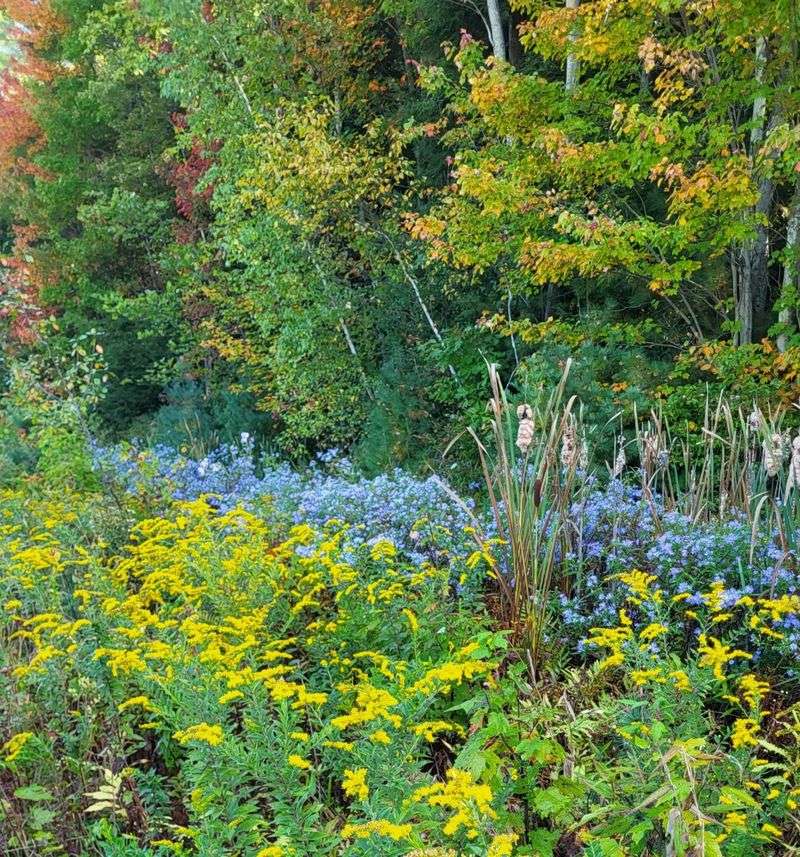
When most yards are fading in September, this combo throws its best party. Goldenrod and aster are the classic autumn pairing that lights up the roadside just as everything else calls it quits.
Goldenrod (Solidago spp.) sends up golden plumes that feed goldfinches, shelter fireflies, and rarely get browsed by deer. Pair it with native Asters, whose purple and white daisies offer late nectar and seeds while giving fireflies a spot to shelter.
A quick myth-buster: goldenrod does not cause your fall sniffles. That blame belongs to ragweed, which blooms at the same time.
Goldenrod’s pollen is heavy and sticky, so it hitches rides on bees, not the breeze.
Because both plants stay upright through frost, they carry your mailbox display into late fall and stock the pantry for birds heading into winter. Neighbors will slow down just to see color when their own beds have gone brown.
6. Purple Coneflower and Tickseed Combo
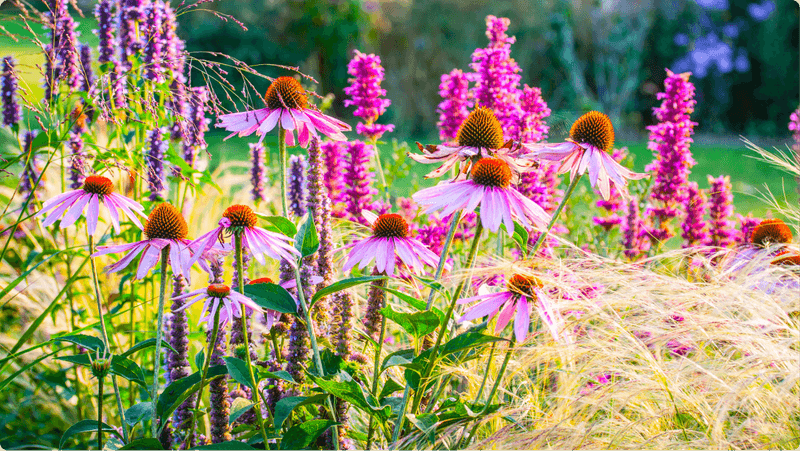
Easy is the name of the game with Purple Coneflower and Tickseed. If you have ever killed a fussy plant and sworn off gardening, this is the pairing that wins you back.
Echinacea purpurea shrugs off heat, feeds bees all summer, and then hands over its spiky seed heads to goldfinches in fall. It also draws in the insects that bats hunt after dark, so it pulls double duty.
Tickseed (Coreopsis spp.) brings a river of bright yellow that pollinators adore and deer usually pass by. Coreopsis lanceolata is especially tough and cheerful in that hot, dry mailbox strip.
Both are drought-tough once settled in, which matters when your mailbox bed bakes in July with no hose nearby. Plant them, mulch lightly, and mostly step back and enjoy the show.
7. Switchgrass and River Oats Grassy Backdrop
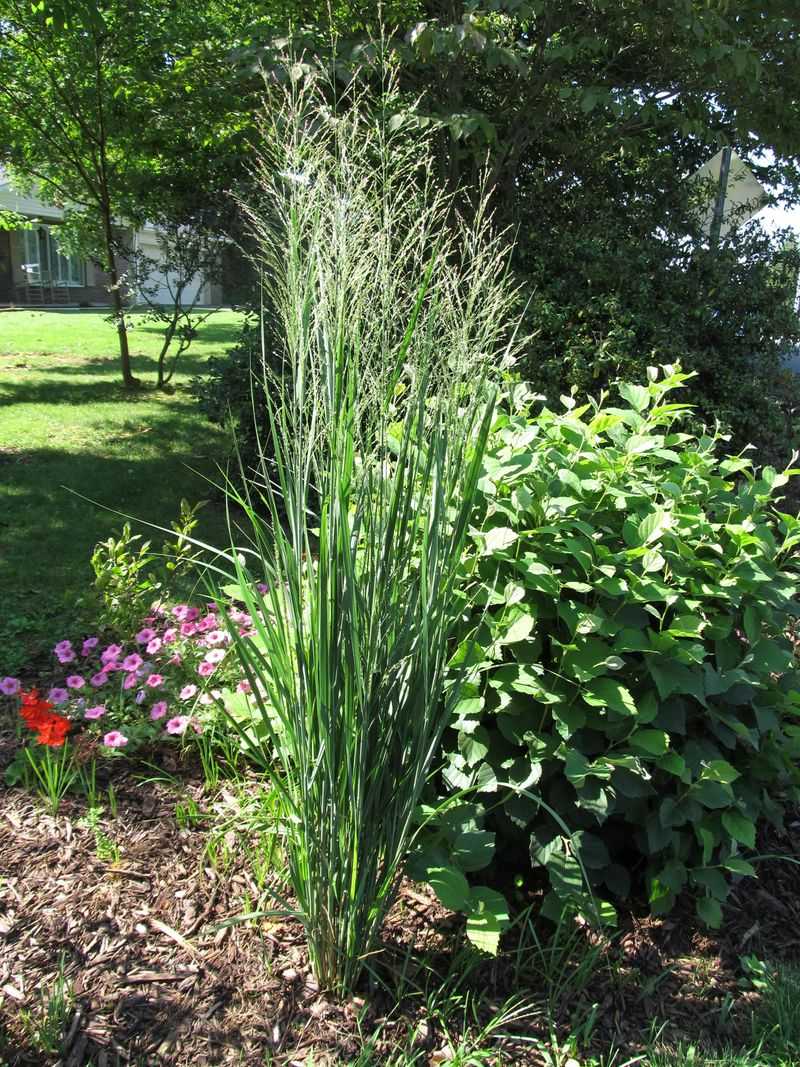
Flowers get the glory, but grasses give a mailbox planting its movement and grace. A backdrop of native grasses catches the light and sways with every passing car, and that motion is exactly what makes people ease off the gas.
Switchgrass (Panicum virgatum) stands tall and tough, offering daytime hideouts for adult fireflies while its deep roots hold soil moisture that developing larvae depend on. River Oats (Chasmanthium latifolium) handles part shade and dangles charming flat seed heads that shimmer in the breeze.
Leave a strip along the back unmowed. That untrimmed edge is a gift to fireflies and gives finches and other small birds cover and seeds.
Come winter, both grasses keep standing, adding tan texture and gentle sound when everything else has gone quiet. They frame your flowers all summer and hold the scene together through the cold months.
8. Wild Strawberry and Fern Groundcover Layer
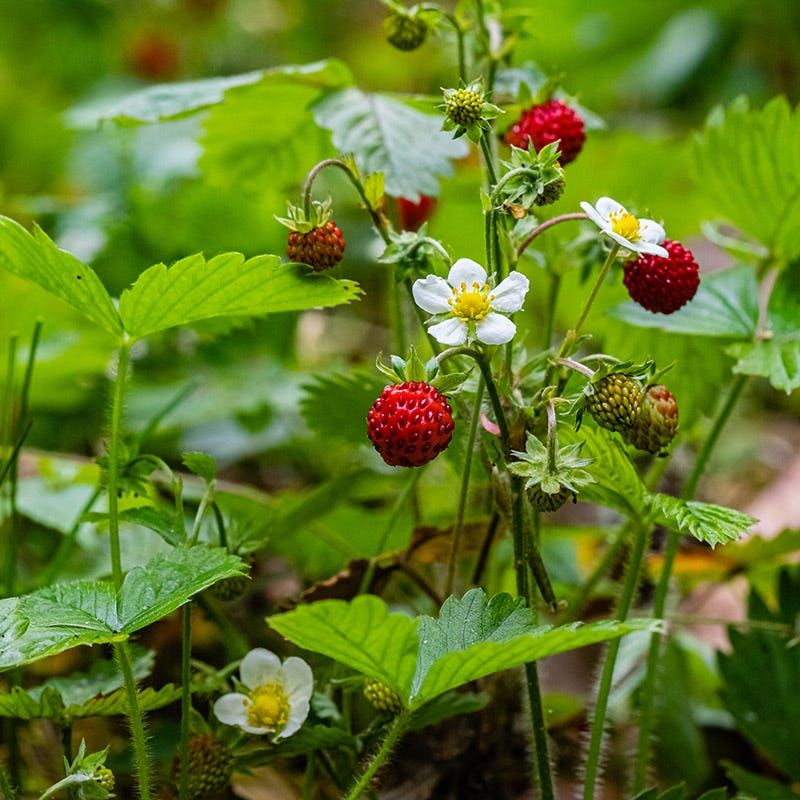
The ground right around a mailbox post often gets ignored, but it can be the most useful layer of all. A living carpet there beats bare mulch and quietly welcomes some of our most beloved backyard creatures.
Wild Strawberry (Fragaria virginiana) spreads into a low green mat dotted with white flowers and small red berries, offering a sweet treat that box turtles happily forage. Weave in native ferns for soft, shady texture that holds moisture and cools the soil.
Box turtles are omnivores who nibble fruit, insects, slugs, and mushrooms, and a shady berry patch gives them both food and cover. Watching a turtle amble through your groundcover is a sign you have built something truly alive.
Use this layer instead of aggressive English Ivy, which smothers native plants and climbs trees across North Carolina. Ferns and wild strawberry give you the same green fill without the ecological damage.
9. Inkberry and Summersweet Native Swap for Privet
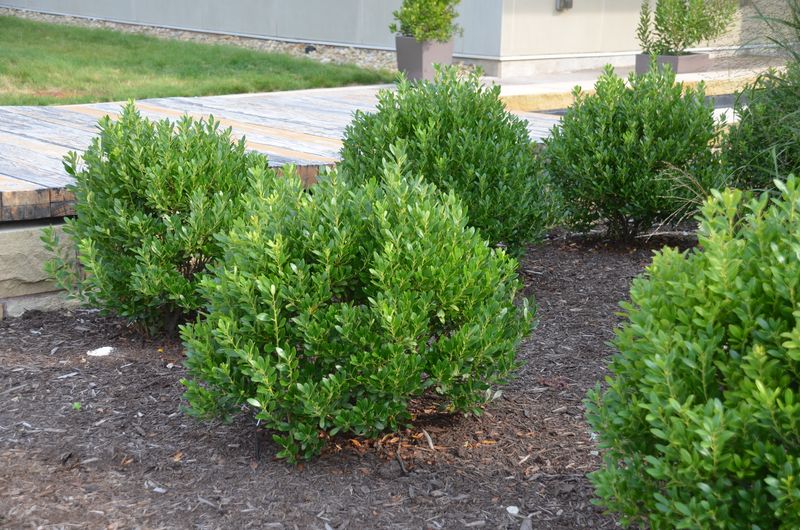
If you want the tidy shrub look near your mailbox without planting an ecological headache, this swap is for you. It gives structure and green all year while sidestepping the invaders that choke out our woods.
Inkberry (Ilex glabra) is an evergreen holly native to North Carolina’s wet pine flatwoods and pocosins. It forms dense colonies that trap humidity at ground level, creating the moist, shady pockets firefly larvae need, plus it shrugs off deer.
Summersweet (Clethra alnifolia) blooms in mid-summer with fragrant white spikes that pull in pollinators and hummingbirds, and it thrives in the damp, shady understory where fireflies develop.
Reach for these instead of Chinese or Japanese Privet, Burning Bush, or Butterfly Bush, all of which spread into dense thickets and crowd out natives. You get the same neat, layered structure at your mailbox while doing right by the landscape beyond your yard.