
The North Carolina Bulbs You Plant In September That Quietly Multiply Into A Standout Spring Display
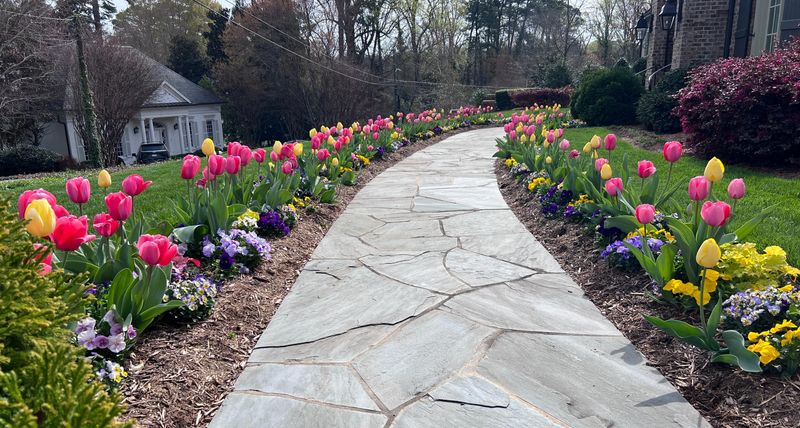
Fall in North Carolina gives you a quiet chance to set up a spring show that keeps getting better every year. When you tuck the right bulbs into the ground now, they slowly multiply on their own, filling your yard with color while supporting bees, birds, and other backyard wildlife.
Some bulbs even shrug off deer and voles, so you can plant them and mostly forget them. Below are the bulbs that reward NC gardeners, plus the invasive ones to skip and the native-friendly swaps to plant instead.
1. Daffodils (Narcissus)
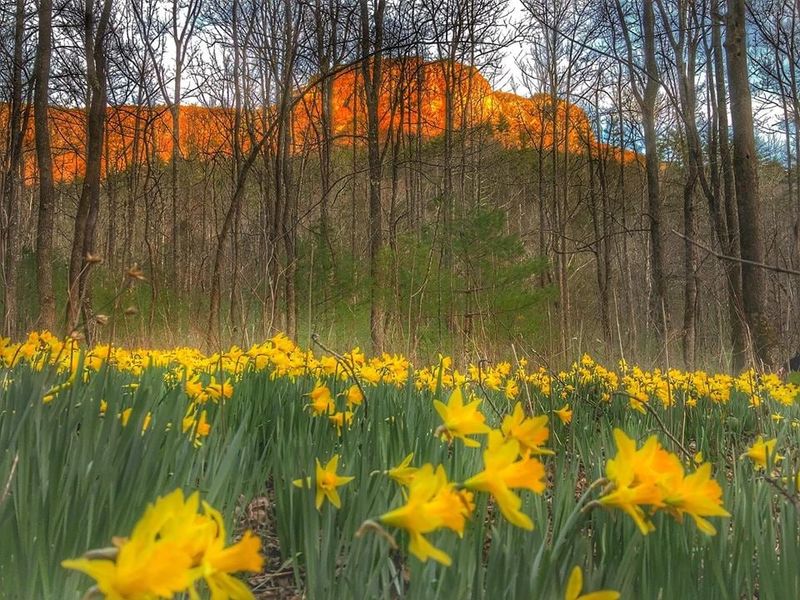
If you want one bulb that almost never lets you down, daffodils are it. Deer walk right past them, voles leave them alone, and they don’t need any pre-chilling in the fridge like some finicky bulbs do.
Plant them in loose, well-drained soil around a foot apart, and they will slowly form fat clumps over the years. Every few springs you can dig up a crowded clump, gently pull the bulbs apart, and spread them to a new corner of the yard for free.
Daffodils naturalize beautifully across the Piedmont and mountains, popping up under trees and along fence lines where little else blooms so early. Fun bit of history: old NC homesteads are often found by the daffodils still blooming where a farmhouse stood a century ago.
2. Species Tulips
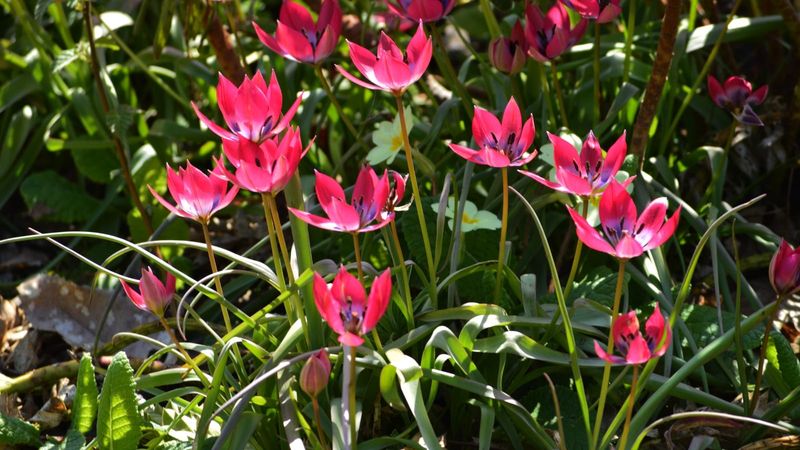
Hybrid tulips tend to fizzle after one showy year in our warm state, but species tulips play a completely different game. Shorter and tougher than their fancy cousins, they come back and actually multiply instead of fading away.
Many varieties throw several starlike blooms on a single stem, so a small planting looks generous fast. They love a sunny, sharply drained spot, which makes them a natural fit for rock gardens and slopes where water drains away quickly.
Because they stay compact, they won’t flop over after a Carolina spring rain the way tall hybrids can. Plant a handful this fall and you may be surprised how the patch quietly widens each season.
3. Crocus
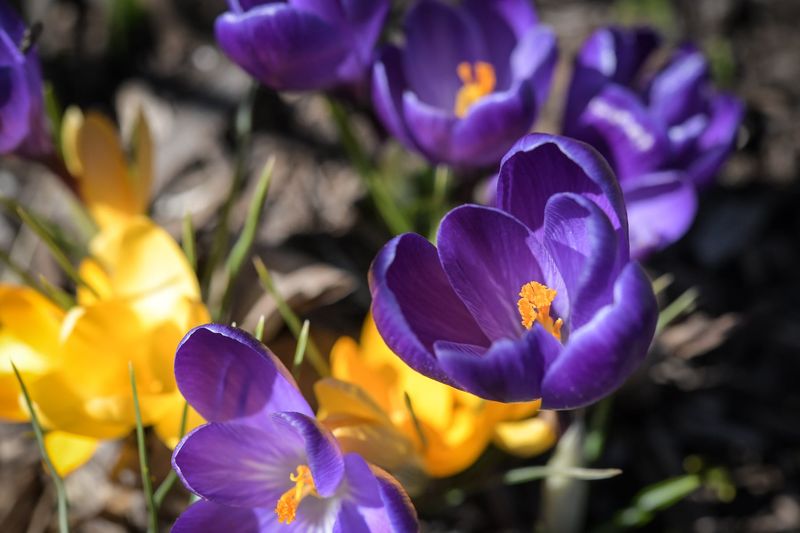
Few things lift the winter blues like crocus poking through the mulch while the rest of the yard still looks asleep. As some of the earliest bloomers, they hand hungry pollinators a meal on the first warm days of the year.
Bees fresh out of dormancy will visit crocus for pollen when almost nothing else is open, making these little bulbs a real gift to your backyard’s food web. They fit perfectly at the front of borders or scattered right into the lawn.
Over time a small planting spreads into a low carpet of purple, gold, and white. Plant them in clusters of ten or more for that natural, drift-like look that reads as effortless.
4. Hyacinths
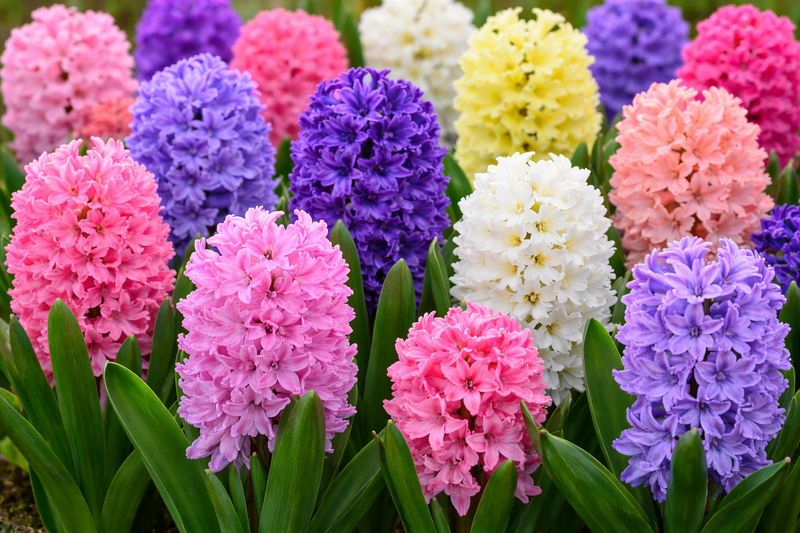
Walk past a blooming hyacinth and the perfume stops you cold, which is exactly why gardeners keep planting them. That heavy fragrance carries across the whole yard on a mild spring morning.
Hyacinths handle North Carolina’s climate well and bring some of the boldest, most saturated colors of any spring bulb. Deep blues, hot pinks, and creamy whites all show up on those chunky flower spikes.
They pair nicely with daffodils and crocus, filling the middle layer of a bulb bed with color and scent. While individual bulbs relax and loosen over the years rather than exploding in number, they reliably return to greet each spring with that unmistakable smell.
5. Alliums
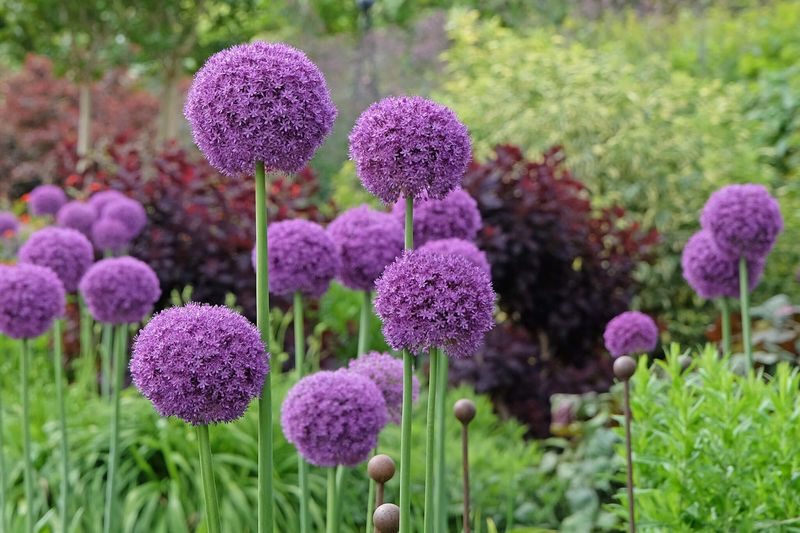
Picture purple globes floating on tall stems above the rest of the garden, and you have alliums, the ornamental cousins of onions and garlic. That oniony scent is a big reason deer and rodents don’t bother them.
Blooming in late spring into summer, they bridge the gap after the earlier bulbs fade, keeping your yard interesting for weeks longer. Bees and butterflies swarm those round flower heads, so they earn their keep as pollinator magnets.
Leave the dried seed heads standing and they add sculptural interest well into summer. Tucked among lower plants, alliums bring drama and height without demanding much care at all.
6. Snowdrops (Galanthus)
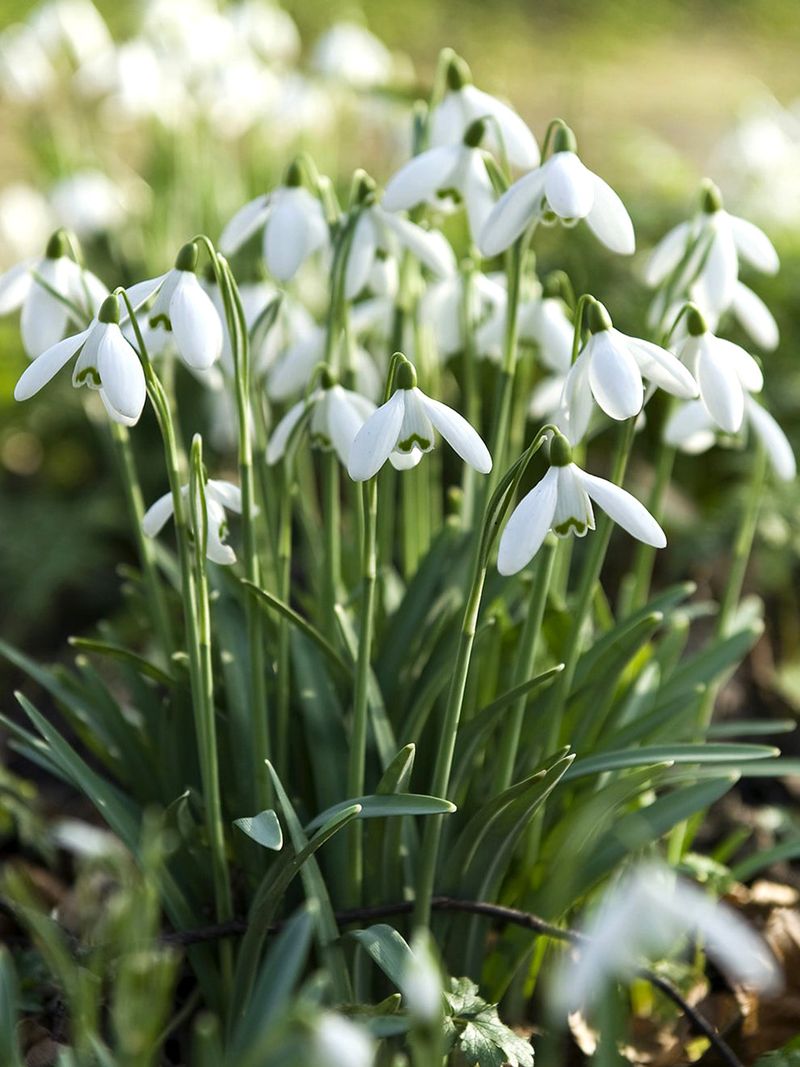
While the calendar still says winter, snowdrops quietly open their little white bells, often before anything else stirs. They are usually the very first sign that spring is on the way in a Carolina yard.
Small and understated, they shine when planted in generous drifts beneath deciduous trees, where they catch the low winter sun before the leaves come out. Give them a few years and they multiply into soft white sheets.
Their nodding blooms handle frost and even a dusting of snow without complaint. For gardeners who hate the long gray stretch of February, snowdrops are a welcome bit of early hope.
7. Camassia
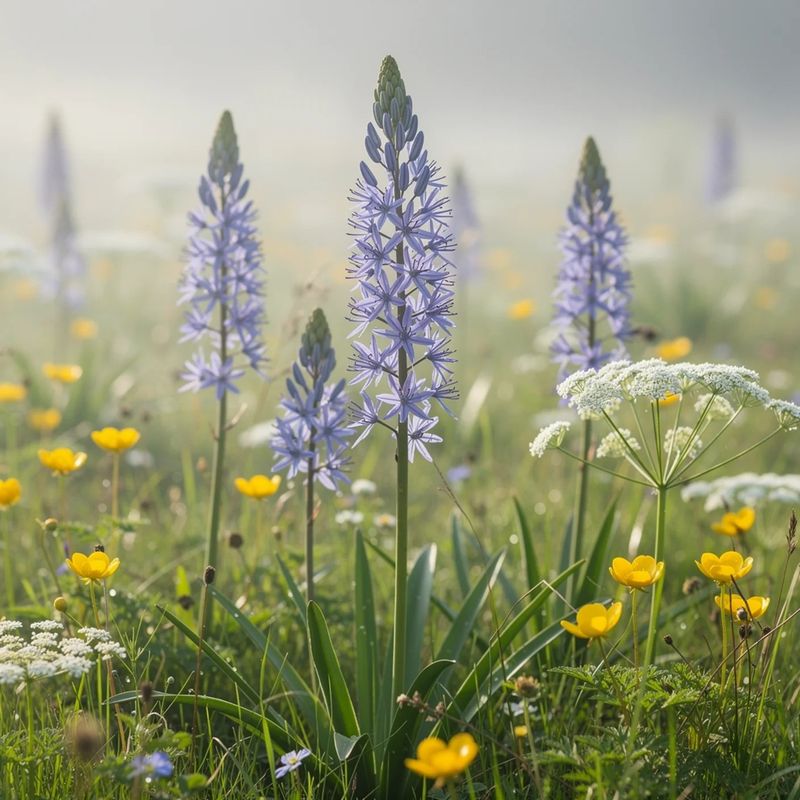
Native to North America, camassia is the wildflower bulb that feels right at home in a wildlife-friendly NC yard. Its tall blue-violet spikes rise in late spring, adding a soft, meadowy elegance most bulbs can’t match.
Unlike many spring bulbs that demand bone-dry soil, camassia actually tolerates spots that stay a little damp, so those low areas in your yard finally have a good use. Native bees and other pollinators love the blooms.
Because it multiplies slowly and plays well with grasses and other natives, it fits naturally into a relaxed, prairie-style planting. If you want a bulb that supports local pollinators rather than just looking pretty, camassia belongs on your list.
8. Spring Starflower (Ipheion uniflorum) – the swap for invasive Star-of-Bethlehem
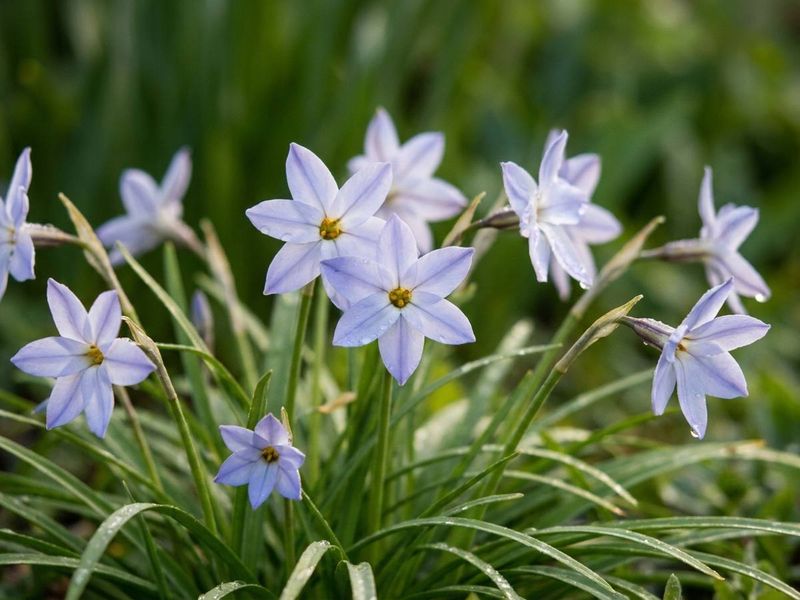
Here’s where being a good steward matters most. Star-of-Bethlehem (Ornithogalum umbellatum) looks innocent, but it is a nasty invasive in North Carolina that forms dense colonies, spreads by seed and underground bulbils, and is brutally hard to dig out once it settles in.
Skip it entirely and plant Spring Starflower instead. This well-behaved little bulb gives you the same charming star-shaped blooms in soft blue-white, but it stays compact and doesn’t try to take over your beds.
Pollinators appreciate the flowers, and you’ll appreciate that it won’t crowd out your native plants. Choosing the polite alternative protects the local ecosystem while still filling your spring garden with delicate color.
9. Invasive Bulbs to Skip: Grape Hyacinth and Non-Native Bluebells
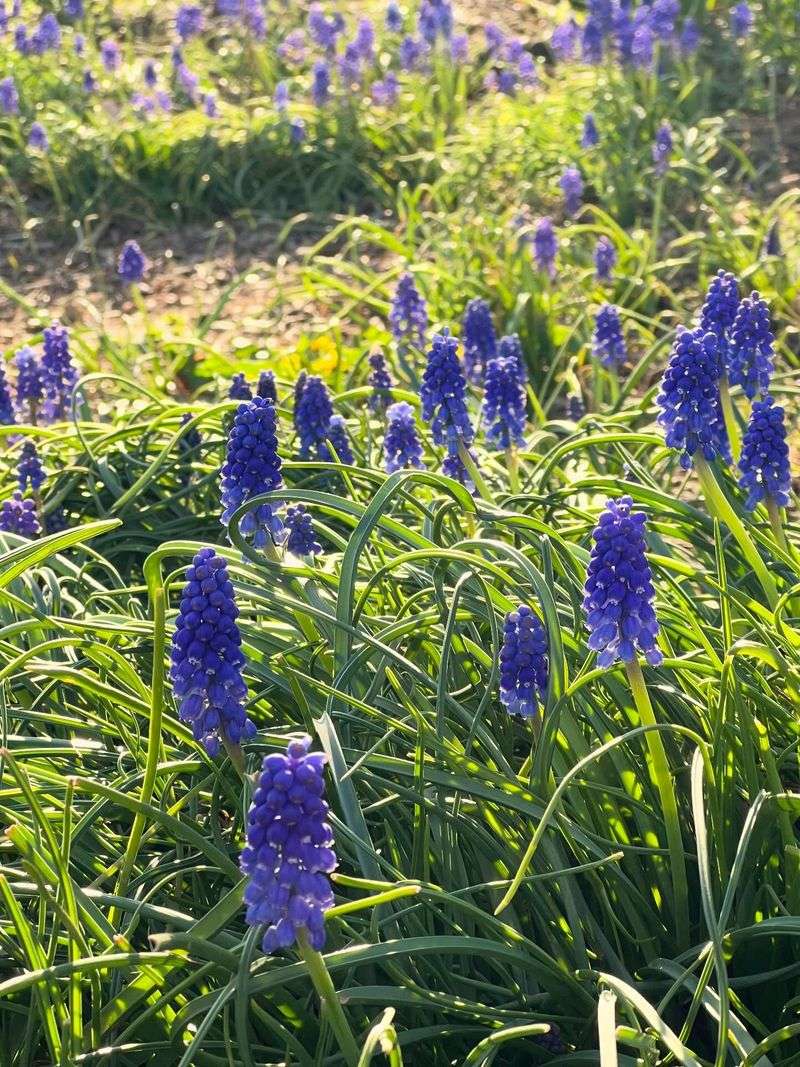
Not every pretty bulb deserves a spot in your NC yard, and this one is the cautionary tale of the list. Grape hyacinths (Muscari) and certain non-native bluebells look tidy in the catalog photo but spread aggressively and are a headache to remove here.
Once they escape a bed, they seed into lawns and natural areas, elbowing out the native plants that our box turtles, songbirds, and pollinators depend on. Pulling them back under control can take years of stubborn digging.
If you already have them, keep the flower heads snipped before they set seed to slow the spread. When in doubt, reach instead for the naturalizing natives and well-mannered bulbs above, and check the NC State Extension lists before buying anything new.
Your future self, and your yard’s wildlife, will thank you.