
The One Herb North Carolina Gardeners Plant That Quietly Feeds Pollinators And Cuts Pest Pressure In Every Bed Around It
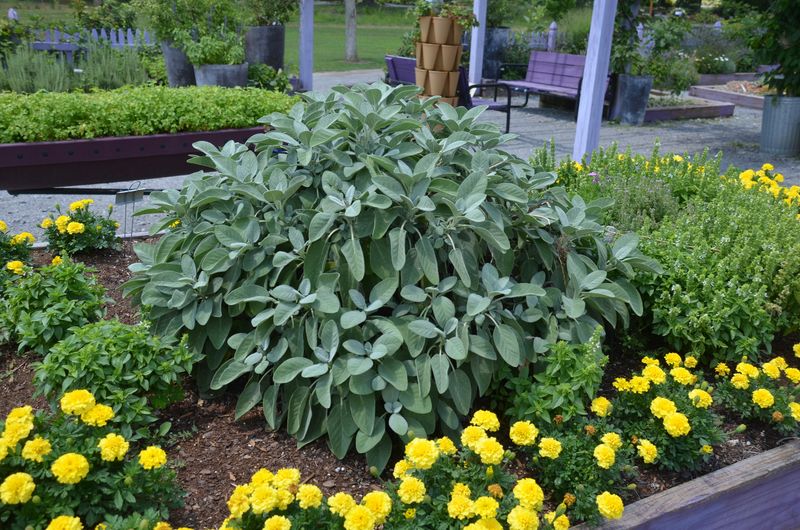
Common culinary sage earns a spot in North Carolina yards not by doing one dramatic thing but by doing several modest things well. Its lavender flower spikes pull in bees and butterflies during early summer, its leaves go straight to the kitchen, and some research suggests it may reduce egg-laying by a specific brassica pest when planted nearby.
The catch is that most of the buzz around sage overpromises what one plant can actually deliver, so knowing exactly what the evidence does and does not show makes all the difference before you dig a hole.
Choose the right sage for the right North Carolina site
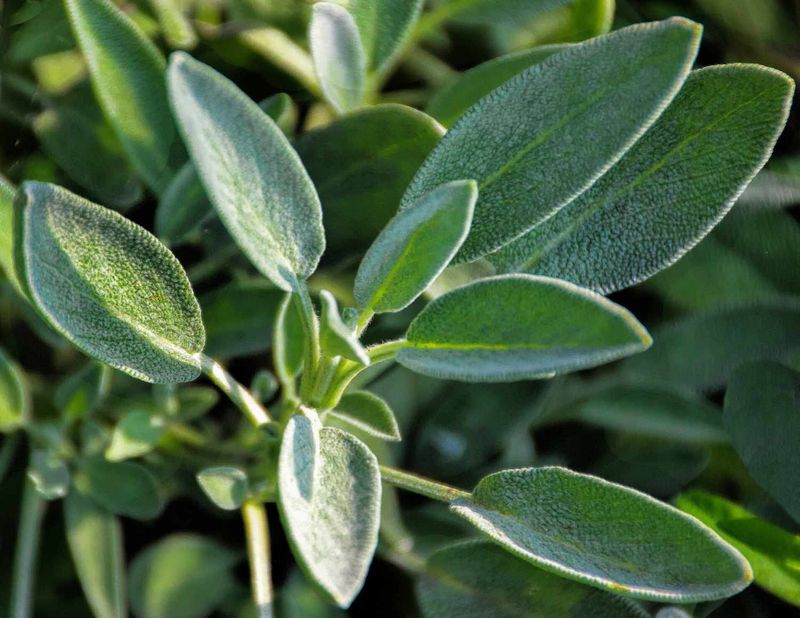
Common culinary sage, sold under the botanical name Salvia officinalis, is the plant worth knowing here. The word “sage” gets attached to dozens of plants in the Salvia genus and beyond, so the name alone does not tell you much.
Pineapple sage, scarlet sage, autumn sage, lyreleaf sage, and clary sage are all different plants with different flower colors, hardiness ratings, native ranges, and wildlife value. When you see sage praised for attracting pollinators or discouraging brassica pests, the research almost always points back to Salvia officinalis specifically.
NC State Extension’s plant profile for Salvia officinalis lists it as suitable for the Coastal Plain, Piedmont, and Mountains of North Carolina, provided the site delivers full sun and well-drained soil. That statewide reach is genuinely useful, but the conditions attached to it matter as much as the coverage.
Culinary sage is a Mediterranean native, introduced to North America, and its preferences reflect that warm, dry origin. It wants at least six hours of direct sunlight and medium-dry to dry, well-drained soil.
It tolerates drought and relatively poor soil with little complaint. What it will not tolerate is standing water, heavy clay that stays wet after rain, or soggy winter conditions.
Mature plants typically reach one to two feet tall and spread two to three feet wide, though named cultivars can stay more compact. That spread means you need to give each plant enough room for air to move through the foliage, which also helps keep fungal problems in check.
NC State’s broader Salvia genus overview notes that the genus includes plants with a wide range of habits, so double-checking that you have Salvia officinalis before purchase avoids confusion later. Starting with the right plant in a site that matches its actual needs is the first and most important step toward getting any of the benefits described in the sections ahead.
Its flowers offer a modest but real pollinator benefit
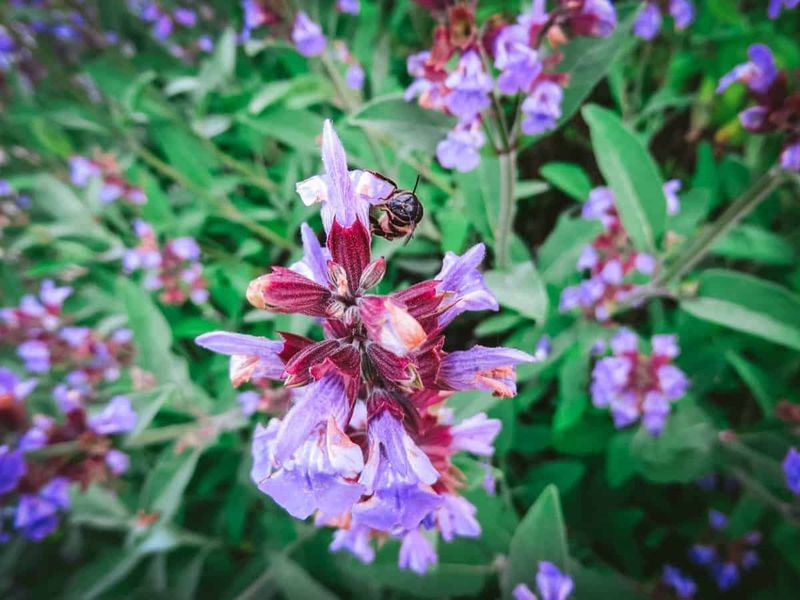
The clearest, best-supported reason to grow culinary sage is the flowers. Salvia officinalis produces upright spikes of bluish- or pinkish-lavender blooms in early summer, and those flowers draw bees and butterflies with reliable consistency.
NC State Extension confirms that sage flowers attract both bees and butterflies, and the Royal Horticultural Society designates herb sage as particularly popular with bees, listing the genus among its Plants for Pollinators.
That popularity with bees is not incidental. The flower shape of Salvia officinalis suits bees well, offering accessible nectar and pollen during a period when early-summer blooms are plentiful but competition for foraging space is real.
If you let a few stems go to flower rather than harvesting them back immediately, you extend the feeding window and make the plant more useful to the insects visiting your yard.
Where the claim needs to stay honest is at scale. One sage plant, or even a small clump, cannot restore a pollinator habitat or supply the full range of resources that bees and butterflies need across a season.
Pollinators require nectar and pollen from spring through fall, plus host plants for caterpillars, nesting materials, shelter, and overwintering sites. A sage plant contributes a piece of that picture during its bloom period.
Framing it as a complete solution overstates what it actually provides. The practical takeaway is straightforward: grow culinary sage where it suits the site, let some stems flower, and count the blooms as a genuine but limited addition to your yard’s early-summer pollinator resources, not as a replacement for the broader native plantings that carry the habitat work through the rest of the year.
The pest research supports a narrow possibility, not a guarantee
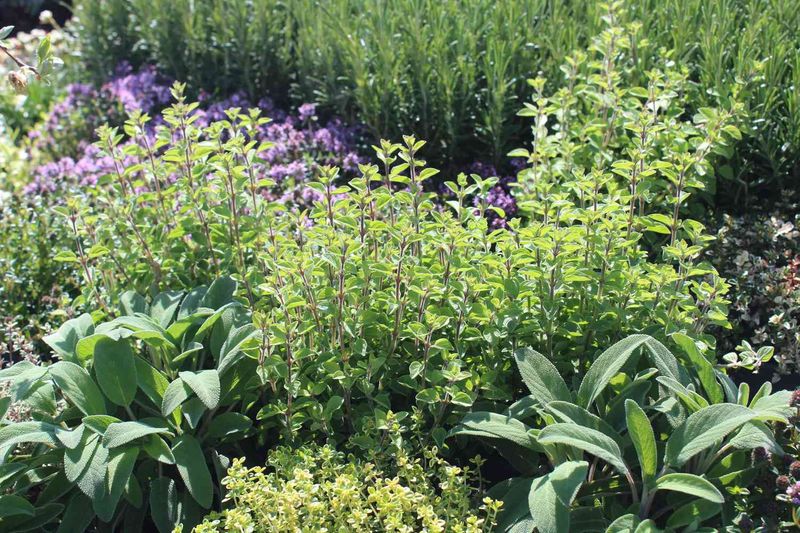
The pest-reduction reputation of culinary sage rests primarily on one line of research involving brassica crops and a specific moth. A University of Southampton study on non-host plants and brassica Lepidoptera found that Brussels sprouts intercropped with sage received fewer diamondback moth eggs in greenhouse conditions compared with monocropped sprouts.
That is a real finding, and it forms the most defensible basis for placing sage near brassicas.
The same body of research, though, tells a more complicated story. In field experiments, the sage intercrop showed no consistent effect on egg-laying by several other brassica pests, including small white butterfly and cabbage moth.
The greenhouse setting, where volatile compounds stay more concentrated and wind dispersal is limited, produced different results than an open outdoor plot. Sage extracts and sage essential oil also showed activity against diamondback moth in laboratory tests, but a concentrated extract applied directly is a very different thing from a living plant sitting a few feet away in a garden bed.
Three variables consistently shape whether a companion-planting tactic works in practice: the specific crop being grown, the specific insect involved, and the conditions of the setting. Washington State University Extension cautions that volatile compounds from aromatic plants disperse rapidly outdoors, which is why greenhouse and laboratory results often fail to hold up in open-air gardens.
A plant that modifies the chemical environment inside an enclosed space may have little measurable effect when air movement dilutes those compounds within a few feet.
The honest summary is that sage may reduce pressure from diamondback moth on brassicas under the right conditions, but the evidence does not extend to tomatoes, peppers, beans, squash, ornamentals, ticks, mosquitoes, or pests as a broad category. Treating that narrow, conditional finding as a universal guarantee misrepresents what the science actually shows.
Test sage near brassicas while you monitor the crop
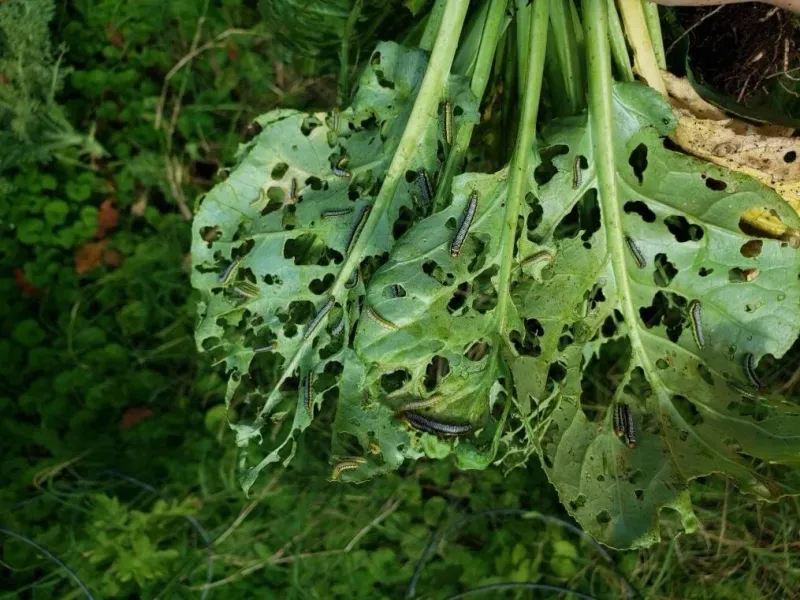
Rather than treating the diamondback moth research as a promise, consider it a reason to run a small, deliberate experiment in your own beds. Plant sage alongside or interspersed within a brassica planting – collards, kale, broccoli, or Brussels sprouts are all reasonable candidates – and then actually watch what happens.
Flip leaves weekly and look for the tiny white eggs and small green caterpillars that diamondback moth produces. If you have a second brassica bed without sage nearby, compare damage levels over the season.
That kind of direct observation tells you far more about your specific yard than any generalized chart can.
University of Minnesota Extension explains that companion planting may work through several mechanisms: habitat diversity that supports predatory insects, visual disruption that makes host crops harder to locate, altered chemical cues in the air, or attraction of parasitoid wasps that attack caterpillar pests. Any one of those pathways might be operating in your bed, or none of them might be strong enough to measure.
The evidence across companion-planting research is inconsistent enough that results genuinely vary by location, season, and pest population.
Keeping this tactic inside a broader integrated pest management approach matters. WSU Extension specifically frames companion planting as one possible diversity tactic, not a standalone pest-control program.
Crop inspection and hand-picking remain the most reliable first responses to caterpillar pressure on brassicas. Row covers placed at transplant time physically exclude egg-laying moths before any chemical cue comes into play.
Biological controls such as Bacillus thuringiensis (Bt) applied to actively feeding caterpillars are well-supported options when hand removal is not keeping up with damage. The Southampton research itself was framed as part of a push-pull and habitat diversification strategy, not as a replacement for monitoring.
Sage earns its place in the brassica bed by adding one more layer of possible complexity to the pest’s environment, not by handling pest management on its own.
Give sage sun, drainage, and restrained pruning
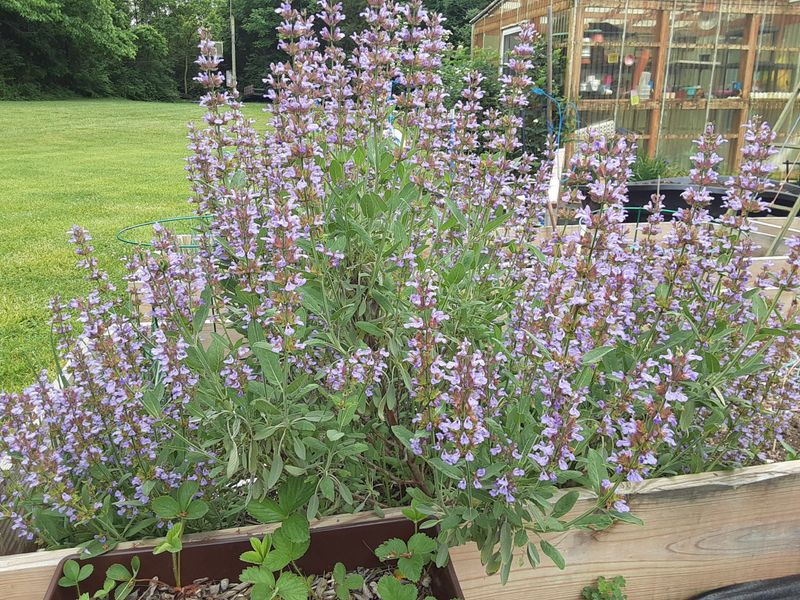
Culinary sage is not a demanding plant, but the care it does need is non-negotiable. Full sun means at least six hours of direct light each day, and in North Carolina’s Coastal Plain and Piedmont, more sun is generally better.
Shade encourages the leggy, weak growth that makes plants vulnerable to fungal problems and reduces flower production. If your intended spot gets morning sun and afternoon shade, choose a different location or a different plant.
Drainage is equally critical. NC State’s Salvia officinalis profile emphasizes that the plant will not tolerate wet or poorly drained conditions.
In beds where native soil stays consistently moist, raise the planting area with amended soil or grow sage in a container with drainage holes and a fast-draining potting mix. University of Illinois Extension notes that containers work well for herbs that need sharp drainage when the surrounding soil does not cooperate.
Space plants far enough apart – roughly two to three feet between mature plants – so that air moves freely through the foliage and the soil surface dries between rain events.
Pruning keeps sage from turning into a tangled, woody mound. In spring, trim back to healthy new growth, but stop before you cut deep into old gray wood.
Those older stems often will not resprout, so aggressive cutting into them can kill sections of the plant or the whole crown. Light shaping during the growing season maintains a tidy form and encourages fresh leaf production.
During the first year after planting, harvest lightly to let the root system establish before you start pulling stems regularly.
NC State Extension advises stopping significant harvesting about one month before your expected first frost date so the plant does not push tender new growth heading into cold weather. NC State’s winterizing guide recommends light mulch and wind protection for sage, and for gardeners in the western North Carolina mountains, significant pruning should wrap up before early September to avoid stimulating growth that cold nights will damage.
Pair culinary sage with native plants for fuller habitat
Culinary sage is a Mediterranean plant introduced to North America, not a North Carolina native. That distinction matters for anyone whose primary goal is supporting local wildlife rather than growing a useful kitchen herb.
NC State’s profile for Salvia officinalis is clear about its introduced status, and while the plant can provide nectar to bees and butterflies during its bloom period, one nonnative species cannot replicate what a diverse native planting delivers across the full growing season.
North Carolina native plants supply the full range of what local wildlife actually needs: nectar and pollen timed to regional pollinator life cycles, seeds and fruits for birds, host-plant foliage for caterpillars, cover for nesting and shelter, and overwintering habitat. NC State Extension’s landscaping for wildlife guide recommends selecting multiple native species that bloom in spring, summer, and fall rather than relying on any single flowering plant to carry the habitat work.
The NC State Extension Gardener Handbook chapter on native plants reinforces this by recommending diverse natives that provide resources across all seasons.
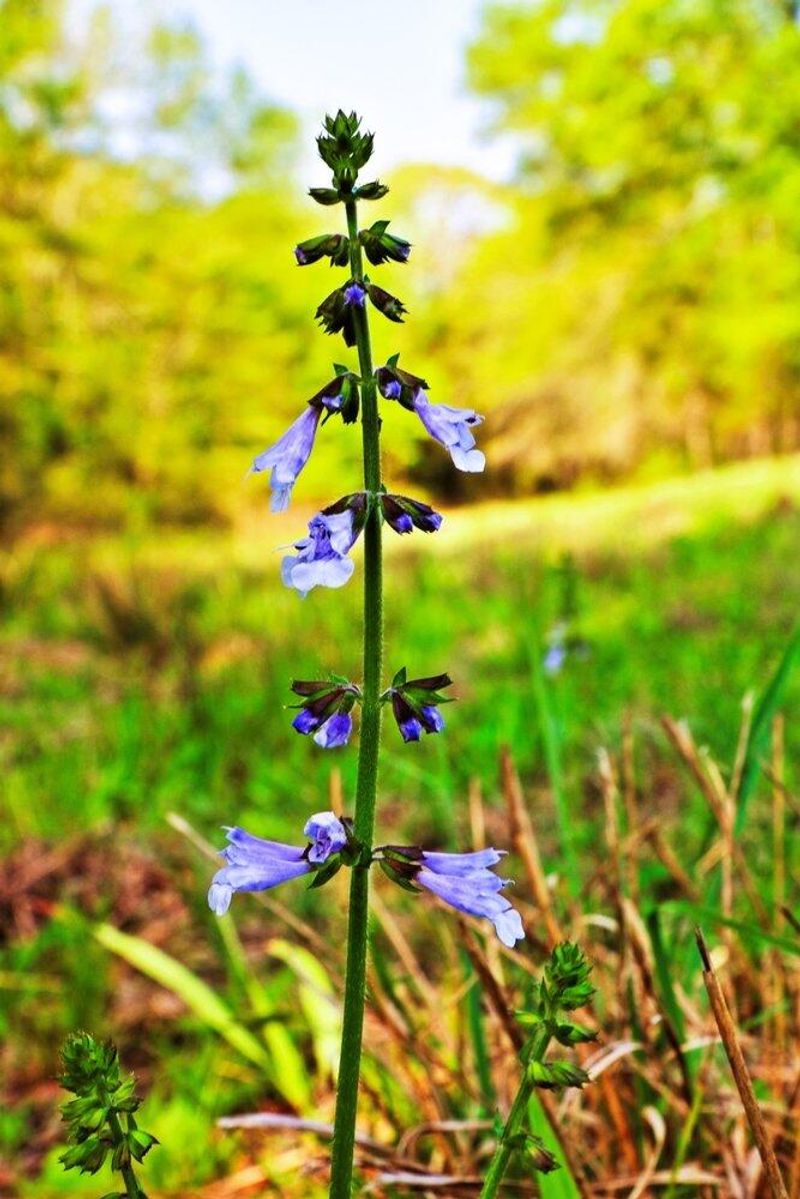
For gardeners specifically interested in a native sage option, lyreleaf sage, Salvia lyrata, fills a different role. NC State lists lyreleaf sage as native to the eastern and central United States and present in North Carolina, with documented value to butterflies, early-season bees, American goldfinches, and stem-nesting bees.
It is a low-growing, semi-evergreen plant that tolerates part shade and a wider range of soil conditions than culinary sage. The two plants are not interchangeable.
Lyreleaf sage does not produce the same culinary foliage, and culinary sage does not offer the same local ecological relationships. Choosing between them depends on what you need the plant to do.
If the bed is primarily for cooking and early-summer bee support, Salvia officinalis earns its spot. If the goal is local habitat, lyreleaf sage and a diverse mix of other North Carolina natives will serve the yard’s wildlife far more broadly.
Do not turn sage into a tick or pesticide claim
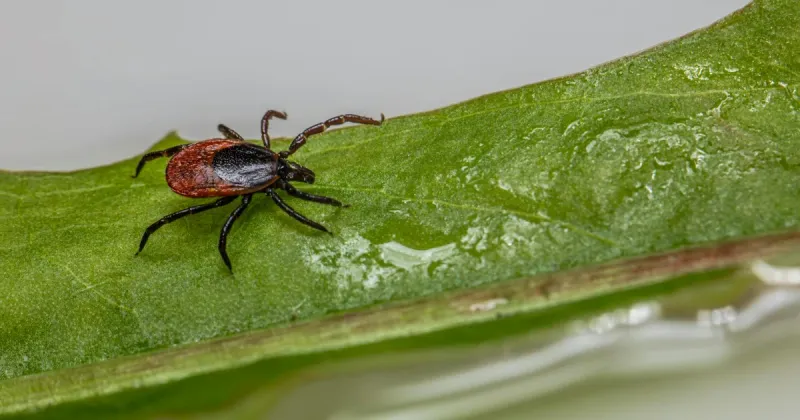
Sage shows up in online lists of tick-repelling plants, but no reliable evidence supports the idea that growing common sage around a residential yard reduces tick populations. Sage essential oil has been studied against cattle ticks in laboratory and livestock research contexts, but those findings do not translate to an ordinary garden plant protecting people walking through their yard.
CDC guidance on tick prevention focuses on removing leaf litter, clearing tall grass and brush, mowing regularly, increasing sunlight penetration at yard edges, and placing a three-foot wood-chip or gravel barrier between lawn and wooded areas. Sage planting does not appear among those recommendations.
CDC Lyme disease prevention guidance similarly directs people to personal protection measures such as repellents, protective clothing, and thorough tick checks after outdoor time.
Sage itself is not pest-proof, either. NC State’s Salvia genus overview notes that salvias can experience aphids, whiteflies, mealybugs, spider mites, rust, powdery mildew, stem rot, and leaf spot.
A plant that needs its own pest monitoring is not a pest barrier for the beds around it. WSU Extension points out that volatile aromatic compounds disperse rapidly outdoors, so the idea of a sage plant creating a dependable scent wall around neighboring beds does not hold up under field conditions.
Homemade sprays made from sage essential oil, rubbing alcohol, or concentrated plant extracts carry real risks that casual garden advice often skips. Poison Control warns that essential oils are highly concentrated, can irritate or burn skin, can injure plant tissue, and are poisonous when swallowed, with sage oil ingestion linked to seizures in children.
The National Pesticide Information Center cautions that “natural” does not mean safe. EPA pollinator risk guidance confirms that botanical pesticides can expose bees through spray drift, residues on pollen, and contaminated nectar.
When pest pressure in a bed genuinely requires a product, EPA tools for pollinator protection recommend identifying the pest first, using only label-approved sites and rates, avoiding application near blooming plants when pollinators are active, and minimizing drift.
Let sage earn its place through several modest benefits
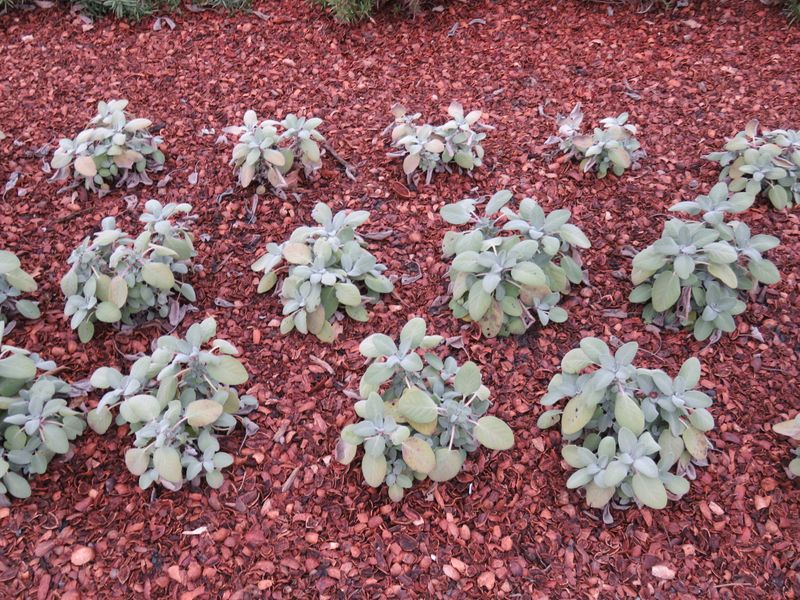
Common culinary sage belongs in a North Carolina yard when the site actually suits it: full sun, sharp drainage, and enough space for a two- to three-foot spread. Under those conditions, Salvia officinalis delivers edible, aromatic foliage through the growing season, early-summer flower spikes that bees visit reliably, and a degree of drought tolerance that keeps it productive even through dry Piedmont and Coastal Plain summers.
A container with drainage holes works just as well where garden soil stays too wet.
Near brassicas, sage is worth trying as a monitored diversity tactic. Plant it, watch the leaves for diamondback moth eggs and caterpillars, and compare your results honestly against beds without it.
Keep inspecting, hand-picking, and using row covers or Bt when pressure climbs, because companion planting works alongside other IPM practices, not instead of them. Surround it with varied North Carolina natives that carry the habitat work across spring, summer, and fall, since sage covers one bloom window and one set of visitors rather than the full seasonal arc that a diverse native planting provides.
Sage earns its place by being genuinely useful in several limited ways at once. That combination of culinary harvest, bee-friendly flowers, and a plausible brassica benefit is enough to justify the space when the conditions are right.
Expecting more than that is where the plant stops earning its keep and starts collecting undeserved credit.