
The One Thing North Carolina Squash Needs In Early September Or Vine Borers Quietly End The Fall Harvest
Squash vine borers are one of the most frustrating pests a North Carolina gardener can face, because by the time a vine wilts, the damage is already done inside the stem. Growers across the mountains, Piedmont, Sandhills, and Coastal Plain all deal with this pest, but the right response looks different depending on where you live, what you planted, and how much warm weather remains.
There is no single September action that guarantees a fall harvest, but there is a clear set of steps that improves your odds considerably. Understanding the pest’s life cycle, your local frost window, and a few targeted strategies can mean the difference between a productive fall garden and a pile of collapsed vines.
Early September is not North Carolina’s universal squash deadline
Gardeners across North Carolina hear the same advice every summer: plant a second squash crop before early September and you can sidestep the worst of the vine borer pressure. That framing is too simple, and acting on it without checking your local conditions can leave you with a crop that never matures before frost.
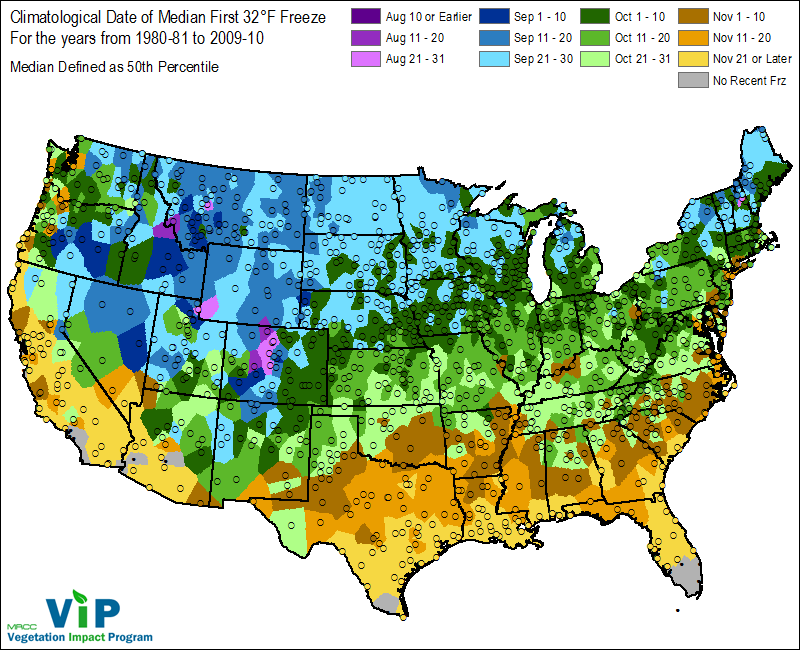
The truth is that the right planting window depends on your region, your chosen crop, the variety’s days to maturity, whether you are starting from seed or transplants, and your expected first frost date. National Weather Service frost-freeze maps for the Carolinas show average first-fall-freeze dates ranging from around October in the mountains and northern Piedmont to November or later across much of the Coastal Plain.
A September planting in Wilmington faces a very different calendar than the same planting in Asheville or even Raleigh.
For a second crop to have the best chance, starting as early as local conditions allow, often in late June or July, gives the plants more time to establish before borer pressure peaks and before cool nights arrive. A July start in the Piedmont or Sandhills, for example, can put vines into production well before fall temperatures shut things down.
A September planting is not automatically ruled out, but it works better for quick-maturing summer squash in warmer parts of the state than for most winter squash varieties. NC State’s central North Carolina planting calendar and the Extension Gardener Handbook’s vegetable chapter both recommend scheduling fall crops backward from the local frost date rather than forward from a single calendar milestone.
No September planting date, however carefully chosen, guarantees that borers will leave your vines alone. USDA research in nearby South Carolina found adult squash vine borer moths active through September at Clemson and into October near Charleston, which means later plantings are not automatically safe from egg-laying in the southern Southeast.
The pest tunnels inside the stem before the vine collapses
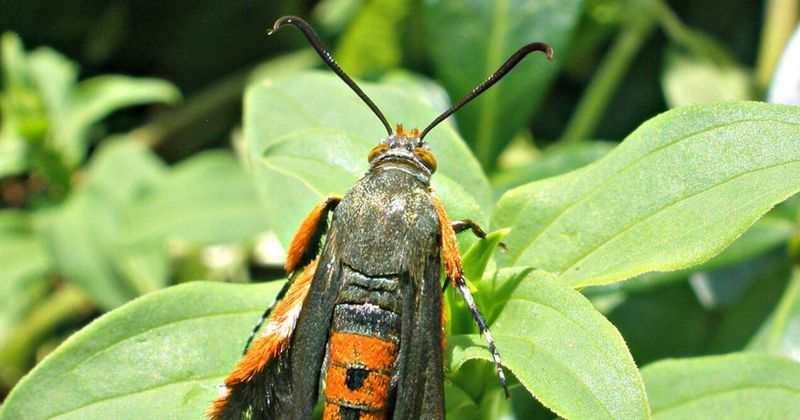
Squash vine borer adults look nothing like a typical garden moth. They are clearwing moths with an orange-and-black abdomen and mostly clear hind wings, and they fly during the day rather than at night, which means a gardener paying close attention may actually spot one hovering near a squash plant and laying eggs.
NC State’s Pamlico County Extension guide on controlling squash vine borers notes that adults can be identified and monitored by gardeners willing to check plants regularly during daylight hours.
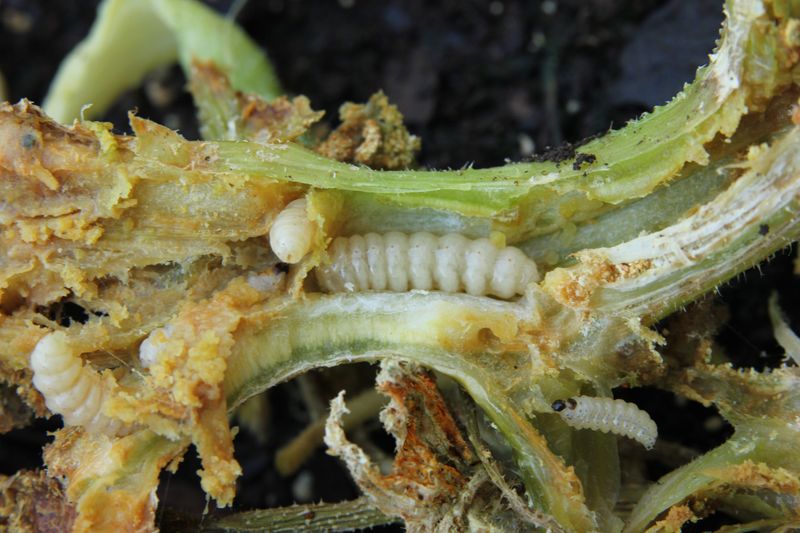
Once a female lays her flat, reddish-brown eggs on stems or leaf petioles near the soil line, the hatching larvae chew directly into the stem and begin feeding inside it. That internal feeding is what makes this pest so destructive.
The larva is protected from most sprays and from the gardener’s eye while it consumes the vine’s water-conducting tissue. NC State Extension’s cucurbit pest guide describes the pest as highly destructive in North Carolina, with home gardens experiencing severe losses when vines are girdled or rot after infestation.
In North Carolina, adults emerge from soil cocoons in spring, and a second generation of larvae develops during August, meaning the pest can affect both early-summer and late-season plantings.
Sudden wilt is the symptom most gardeners notice first, but by that point the larva has usually been feeding for days or longer. Before wilt appears, observable warning signs include the daytime adult moths themselves, small flat eggs on the lower stem or petioles, a round entry hole near the soil line, and sawdust-like or greenish frass pushed out of the stem.
Spotting these clues early gives you options that disappear once the vine collapses.
Squash vine borer damage can be confused with squash bugs, bacterial wilt spread by cucumber beetles, or stem diseases. The combination of a stem entry hole and frass is the most reliable indicator of borer activity.
Confirming the diagnosis may require carefully examining or splitting the stem to look for the cream-colored larva inside, which also helps you decide whether a rescue attempt makes sense.
Match the crop to maturity time and local frost
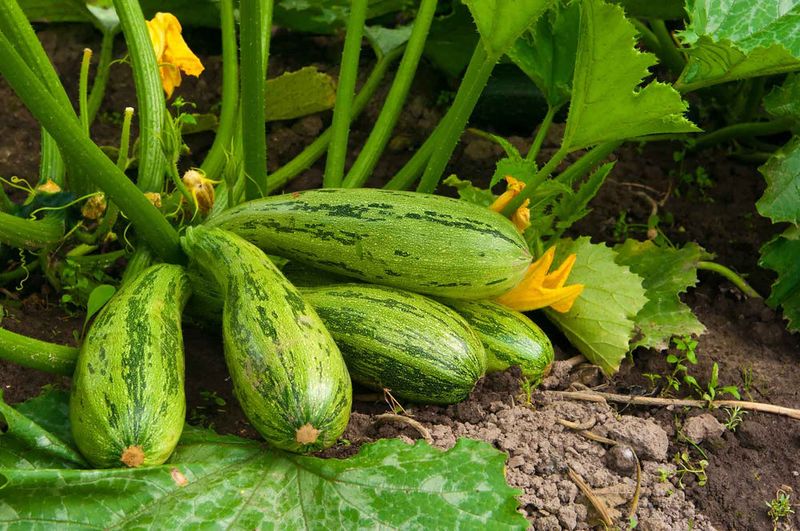
Before planting any late-season squash, the first question is whether the crop can actually finish before frost arrives in your part of North Carolina. Summer squash, such as zucchini and yellow crookneck, typically reaches harvest in around 50 to 60 days, giving it a realistic shot at production from a planting made in late August or early September in warmer regions.
Winter squash is a different calculation entirely.
NC State’s central North Carolina planting calendar lists winter squash as requiring approximately 70 to 95 days from seed to harvest. If your area typically sees its first frost in mid-October, a September 1 planting of a 90-day winter squash does not have enough time to mature, regardless of how well you manage borers.
A frost date calculator or local climate records are more useful tools here than any single planting date rule.
Mountain gardeners and those in the northern Piedmont generally have the least margin. Frost-freeze maps for the region show that parts of the North Carolina mountains can see a first killing frost in late September or early October, compressing the growing window considerably.
Coastal Plain gardeners, particularly in the southern counties, often have until November before a hard freeze, which opens more possibilities for a late crop.
The practical takeaway is to count backward from your realistic local frost date, subtract the variety’s days to maturity, and see what date you land on. If that date has already passed, summer squash from transplants may still be worth trying in a warm-enough location.
But avoiding borer damage is only half the equation. A vine that never gets a frost is not a successful harvest if the fruit never had time to develop.
NC State Extension’s vegetable gardening handbook recommends adjusting fall planting schedules specifically for your region, mountain, Piedmont, or Coastal Plain, rather than relying on statewide generalizations.
Protect young vines before flowers open
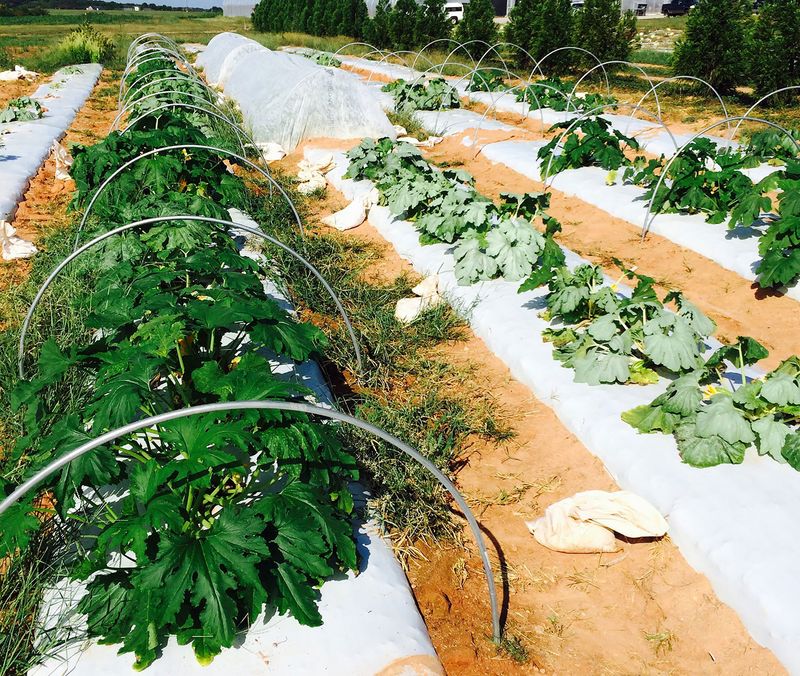
Row cover is one of the most reliable tools a home gardener has against squash vine borer, but it only works if you use it at the right time and take it off at the right time too. The goal is to keep the adult moth from reaching the stem to lay eggs.
Secure the cover tightly at the edges with staples, rocks, or soil so the moth cannot slip underneath. A loosely draped cover gives the pest plenty of entry points and a false sense of security to the gardener.
The catch is that squash flowers must be pollinated to produce fruit, and University of Minnesota Extension’s squash vine borer guide specifically notes that squash plants are often flowering while the pest is active, making row cover impractical unless the gardener removes it or handles pollination another way. Once flowers appear, the cover must come off during daylight hours so that squash bees, honey bees, and native bees can do their work.
Leaving it on through flowering means no fruit, which defeats the whole purpose.
If you would rather not manage daily cover removal, choosing a less-susceptible variety is a practical alternative. Butternut squash and other Cucurbita moschata types are generally less favored by egg-laying females and less suitable for larval development than Cucurbita pepo types like zucchini, acorn squash, and most pumpkins.
A peer-reviewed review in the Journal of Integrated Pest Management found less larval establishment and damage in C. moschata, though it emphasized that this is relative resistance, not immunity. A butternut can still be infested, especially in yards with heavy borer pressure.
Active monitoring adds another layer of protection regardless of which approach you choose. NC State Extension’s Pamlico County guidance encourages gardeners to watch for adult moths during the day and check stems and leaf petioles near the soil line for the small, flat, reddish-brown eggs.
Responding to what you actually observe, rather than acting on a fixed calendar date, is the more accurate way to time any protective measure. NC State’s cucurbit pest publication also notes that mounding soil along vining stems can encourage supplementary root formation, which helps the plant tolerate some borer pressure even when prevention is imperfect.
Inspect the stem and decide whether rescue is worthwhile
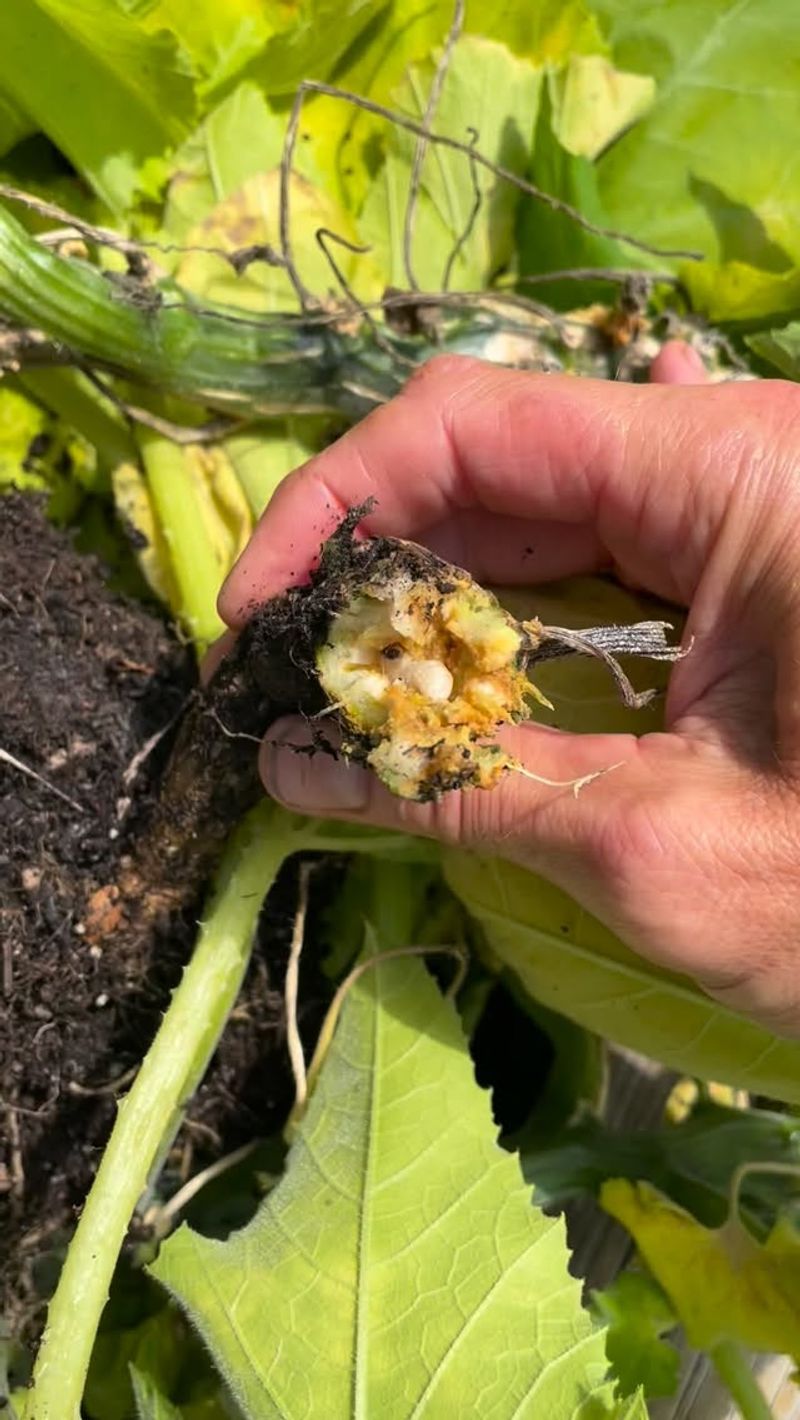
Catching a borer infestation early enough to attempt a rescue starts with a habit of checking the right place on the plant. The stem base, right at or just above the soil line, is where eggs are laid and where larvae enter.
Make it part of your regular garden walk to push aside leaves and look at that section of stem on every squash plant you have. A small, round entry hole surrounded by greenish or sawdust-like frass is a strong indicator that a larva is already inside.
Once you suspect damage, you can confirm it by carefully splitting the stem lengthwise with a clean knife to look for the cream-colored larva inside. University of Minnesota Extension describes this as a careful rescue attempt, not a guaranteed cure.
The idea is to remove the larva, then mound moist soil over the wound to encourage the vine to form new roots at that point. Keeping the soil consistently moist around the wound gives the plant the best chance to recover.
Some plants do pull through; others are too far gone by the time the larva is found.
One thing that will not work once larvae are established inside the stem is a foliar spray. Insecticides applied to the outside of the plant generally cannot reach a larva that is already tunneling through the interior.
Spraying a wilting vine with any product will not kill the larva inside, and it may unnecessarily expose the pollinators visiting nearby flowers. The window for any chemical option closes the moment the egg hatches and the larva enters the stem.
NC State’s cucurbit pest guidance notes that vining squash can form supplementary roots where the stem contacts moist soil, which is a useful trait to encourage proactively. Laying longer vine sections along the ground and covering them lightly with soil throughout the season, not just after damage appears, gives the plant more root points to draw from if the main stem is compromised.
Rescue and supplementary rooting together give a damaged plant a better chance, but neither is a substitute for prevention.
Remove failed vines and reduce next season’s pressure
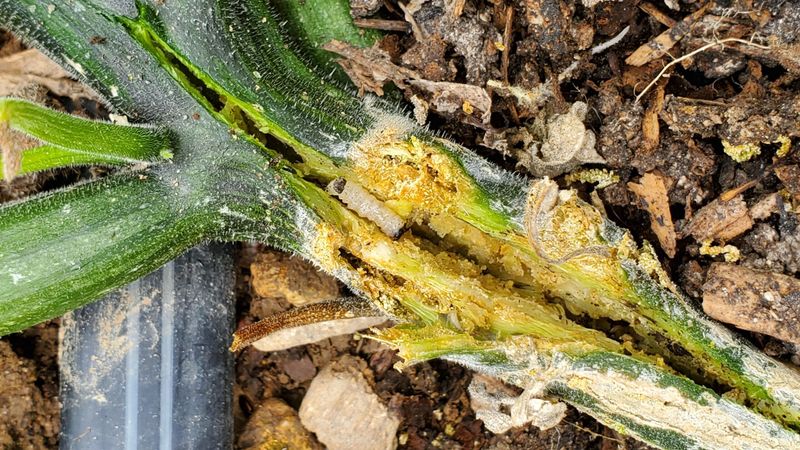
When a squash vine is clearly failing from borer damage, leaving it in place works against you in two ways. The rotting stem can harbor disease, and any larvae still inside the vine will eventually finish developing, exit the stem, and burrow into the nearby soil to form overwintering cocoons.
Those cocoons become next year’s first generation of adults. Pulling and destroying infested vines promptly reduces the chance that larvae complete that cycle, though some larvae may have already left the stem before you notice the damage.
NC State Extension’s cucurbit pest publication recommends removing and destroying infested plant material as part of a sound sanitation strategy. The key word is destroy.
Tossing pulled vines into a nearby compost pile is not a reliable solution because ordinary backyard composting does not consistently reach temperatures high enough to kill the larvae. Bag the vines for yard waste pickup, or burn them where local ordinances allow.
Crop rotation is a second tool worth using in combination with sanitation. Moving your squash bed to a different part of the yard each season reduces the number of adults that emerge from the soil right at the base of your new plants.
University of Minnesota Extension notes that rotation helps reduce local pressure, but adult moths are mobile and can fly from neighboring properties or other parts of the yard, so rotation should be treated as a pressure-reduction step rather than a foolproof barrier.
For most residential gardeners, sanitation and rotation are the two most practical end-of-season actions. Deep soil tillage is sometimes mentioned in production-agriculture contexts as a way to disrupt cocoons, but it is not a necessary or universally appropriate step for a backyard garden and can disturb soil structure and beneficial organisms.
Removing the vines, relocating next year’s bed, and starting with fresh soil mulch in the new spot is a reasonable homeowner approach.
Protect pollinators if you consider a pesticide
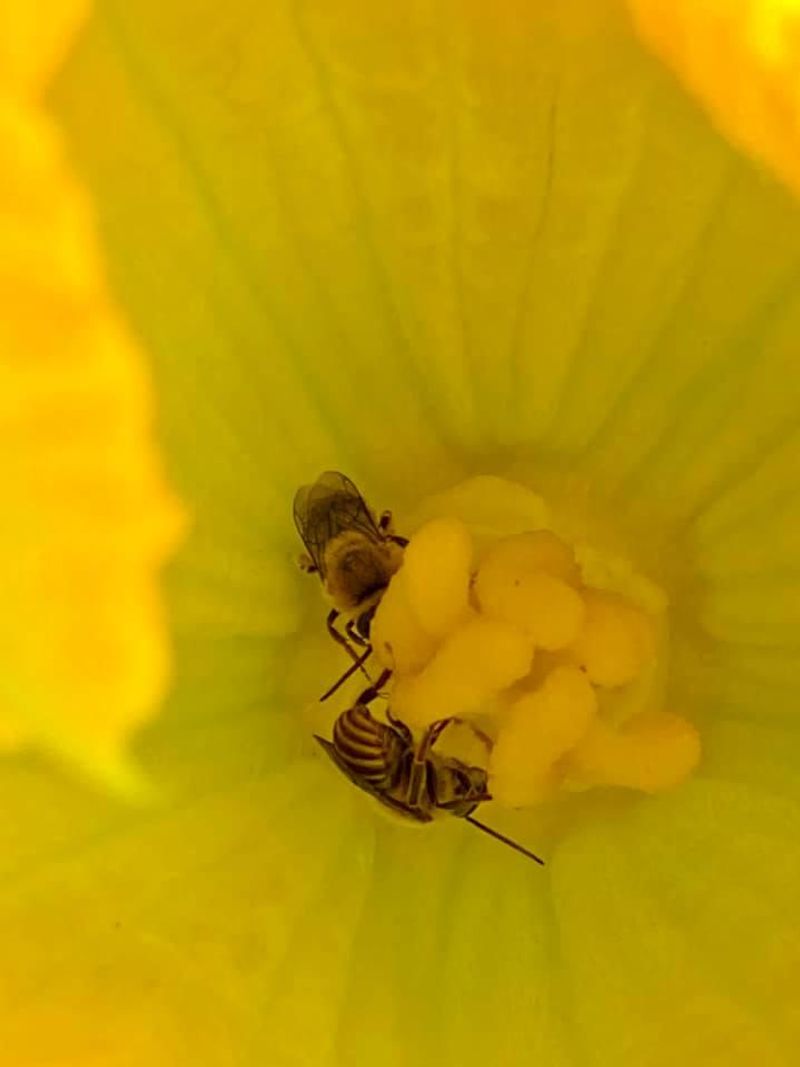
Squash flowers are not just pretty. They are a primary food source for squash bees, a group of native bees that nest in the soil directly beneath squash plants and are sometimes present in numbers that rival honey bees as pollinators of backyard cucurbits.
NC State Extension’s squash bee publication specifically warns that pesticides can harm squash bees through soil exposure and residues in pollen, making the garden bed itself a potential hazard if products are applied carelessly. Honey bees and other native bees visiting the flowers face similar risks.
Routine broad-spectrum spraying on flowering squash is not an appropriate strategy for a wildlife-conscious home garden. Even if a product is labeled for squash, applying it while flowers are open during the day puts pollinators at serious risk of direct contact.
EPA guidance on pollinator protection tools and strategies identifies bloom-time restrictions, time-of-day requirements, and crop-stage limitations as standard pollinator-protection measures that appear on many pesticide labels. Those restrictions exist for a reason and must be followed.
If you decide a pesticide is warranted, the product must carry a current label that specifically lists squash as the crop and squash vine borer as the target pest. The EPA’s “Read the Label First” guidance makes clear that the label is the law, covering personal-protection requirements, reentry intervals, preharvest intervals, and application restrictions.
Product availability, registration, and label language can change, so check the current label before every use, not just the first time you buy a product.
The practical window for any spray-based approach against squash vine borer is narrow. University of Minnesota Extension explains that insecticides work primarily against exposed adults or newly hatched larvae before they tunnel into the stem.
Once a larva is inside, a foliar spray cannot reach it effectively. This means any chemical option must be timed to the pre-entry stage, applied according to label directions, and kept away from open flowers and the soil around the plant during peak bee activity.
The practical September rule is to plan earlier
The real lesson September teaches squash growers is not about a single treatment or a hard deadline. By the time September arrives, the most effective moves, choosing a less-susceptible variety, starting plants early enough, and covering young vines before flowers open, are already behind you or ahead of you for next year.
What September actually tests is whether you planned with your local frost date and the pest’s life cycle in mind from the beginning.
A workable checklist looks like this: check your local frost date and count backward by the variety’s days to maturity before you plant; choose butternut or another Cucurbita moschata type if borer pressure in your yard has been severe; anchor row cover tightly over young plants before any flowers appear; inspect the stem base weekly for eggs, entry holes, and frass; attempt larva removal and soil mounding as a cautious rescue if damage is caught early; and pull failed vines promptly so mature larvae cannot leave the stems and enter the soil to pupate. NC State’s cucurbit pest guidance and the peer-reviewed squash vine borer biology review both support this layered approach over any single intervention.
Borers may still be active into September in parts of the state, and a late-planted crop may not mature before frost regardless of how carefully you manage the pest. NC State’s planting calendar is a better guide than any universal deadline.
The gardener who plans by region, crop, and calendar tends to harvest more squash, and lose fewer bees, than the one waiting for a single September fix that was never guaranteed to begin with.