
The Backyard Habits That Quietly Turn Your North Carolina Yard Into A Tick Magnet This Fall
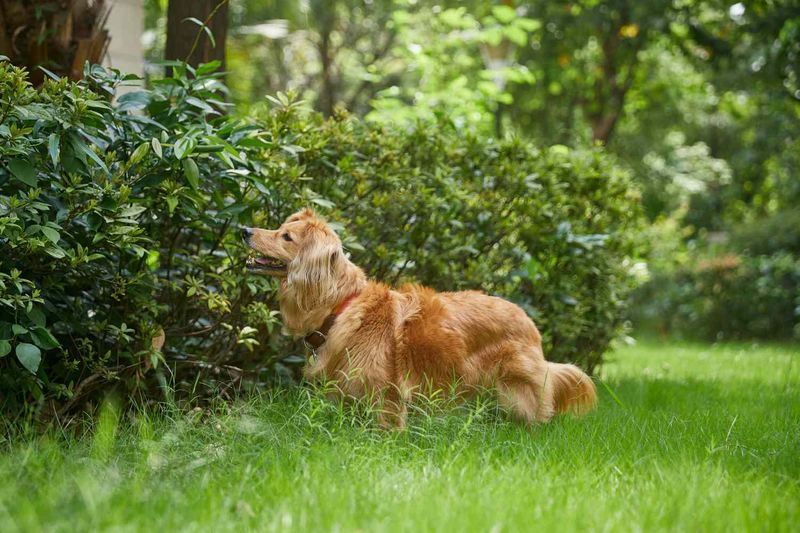
Fall in North Carolina feels like the safe season for ticks, but a lot of them stay busy right through the cool months. The tricky part is that some of the everyday things we do in our yards accidentally roll out the welcome mat for them.
From leaf piles to bird feeders, small habits can quietly build the exact damp, shady hideouts ticks love. Here are nine backyard patterns worth rethinking so you can protect your family, your pets, and the wildlife you enjoy watching.
1. Letting Leaf Litter Pile Up Along the Edges
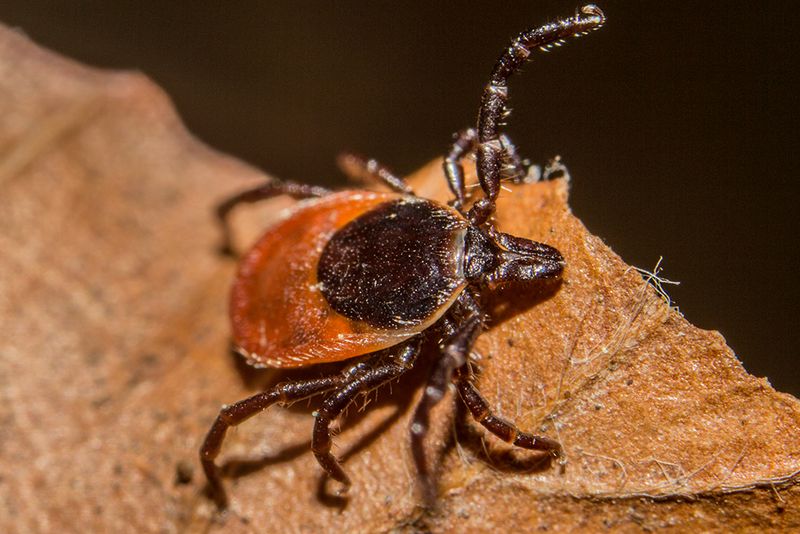
Those crunchy leaf piles that show up every October look harmless, but they are basically tick apartments. Blacklegged (deer) ticks need moisture and shade to survive, and a deep, damp blanket of leaves gives them exactly that.
When you rake leaves into thick mounds along the lawn or the treeline, you are stacking up the humid microclimate ticks depend on. The edges where your grass meets the woods are already prime tick territory, so piling leaves there doubles the trouble.
You do not have to bag every leaf, though. Composting them well away from where the family walks, or shredding and spreading a thin layer instead of a soggy heap, keeps the ground drier.
Clearing leaves off the paths, patio, and play areas before winter makes a real dent in the tick population come the next warm spell.
2. Skipping Mows and Letting Grass Grow Tall
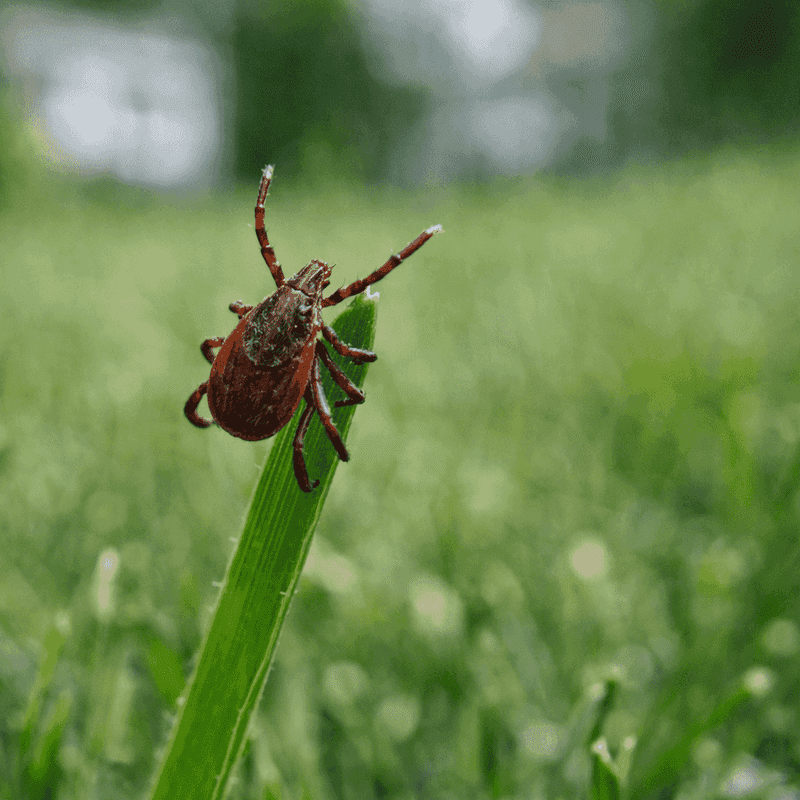
It is tempting to give the mower a rest once summer heat fades, but tall grass is a tick highway. Ticks climb to the tips of grass blades and wait with their front legs out, ready to grab onto anything that brushes past.
That behavior even has a name: questing.
Taller vegetation holds moisture and blocks sunlight, keeping the ground cool and damp the way ticks prefer. A shaggy lawn also invites the mice and other small critters that carry ticks in the first place.
Keeping your grass mowed to about three inches or less through fall makes the yard hotter and drier at ground level, which ticks hate. In tick-prone spots near the woods, bagging the clippings instead of mulching them removes even more hiding material.
3. Stacking Firewood in Damp, Shady Spots
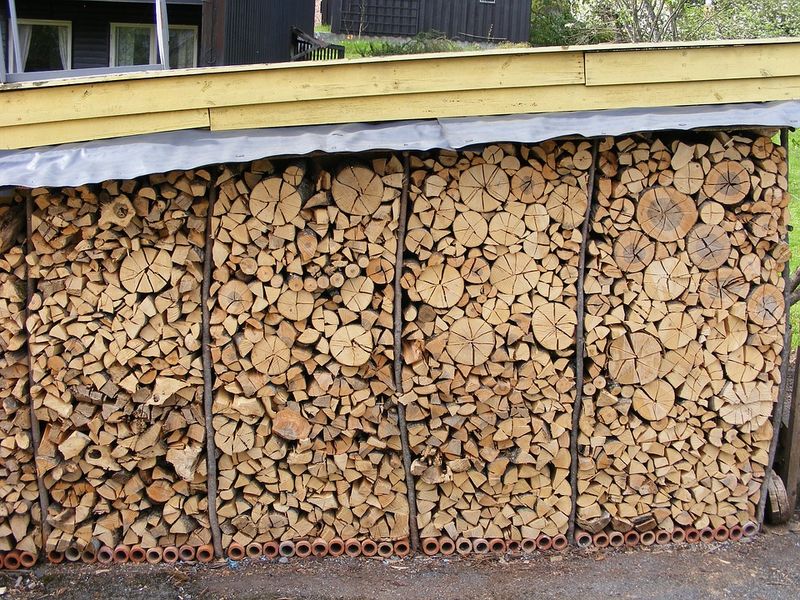
A woodpile tucked against the shed feels convenient, especially when the nights get chilly and the fireplace calls. Trouble is, a damp, shaded stack becomes a cozy hotel for both ticks and the rodents they ride in on.
Squirrels, mice, and chipmunks nest in the gaps between logs, and those small mammals are among the most common tick carriers in North Carolina yards. Where they go, the ticks follow.
Store firewood off the ground on a rack, in a sunny and dry spot, and keep it well away from the house, deck, and any place kids play. Letting the pile catch sunlight dries it out fast, which discourages both the ticks and the furry tenants that feed them.
4. Spilled Bird Seed Feeding the Wrong Guests
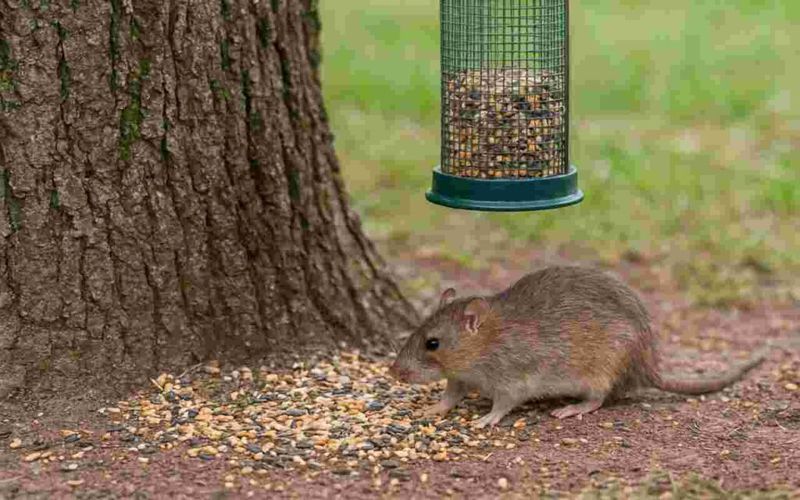
Feeding goldfinches and chickadees is one of the great joys of a North Carolina fall, and nobody wants to give that up. The catch is what happens under the feeder, where the spilled seed collects.
That scattered buffet does not attract ticks directly, but it pulls in mice, squirrels, and even deer. All three are heavy-duty tick taxis, and they carry the hitchhikers right up to your porch.
You can keep enjoying your birds by using a wide seed tray to catch the drops and sweeping up the leftovers regularly. Placing feeders far from patios, play sets, and the house also keeps the tick-carrying crowd at a safer distance while your finches keep coming back.
5. Planting Things That Roll Out the Welcome Mat for Deer
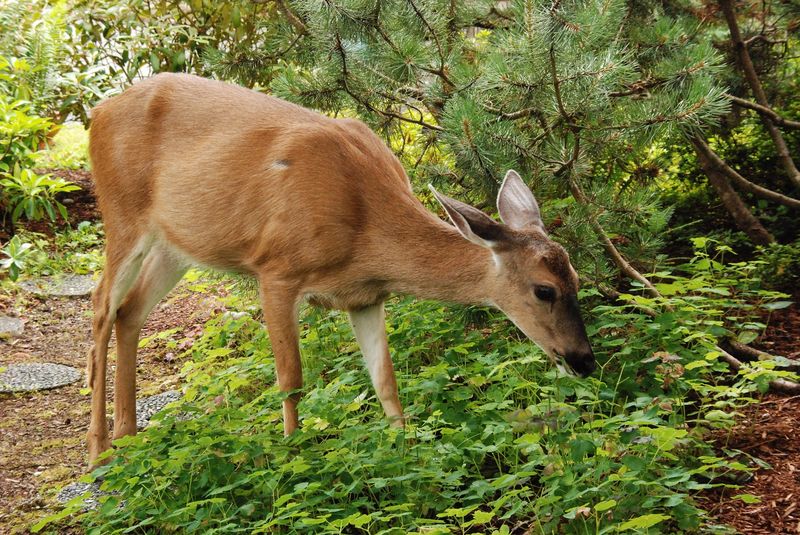
Deer are beautiful to watch at dawn, but a single doe can carry hundreds of ticks into your yard on any given morning. Fall is deer mating season, so their movement ramps up right when adult blacklegged ticks get active again.
If your landscaping is loaded with deer favorites like hostas, tulips, and tender ornamentals, you are essentially setting the dinner table. The deer come for the salad and leave the ticks behind.
Swapping in deer-resistant native plants makes your yard less of a destination. A simple fence around the vegetable garden helps too.
The goal is not to punish the deer, just to make your particular patch a little less irresistible so fewer ticks ride in with them.
6. Leaving No Barrier Between Lawn and Woods

The spot where your tidy lawn bumps into the trees is the single most active tick zone in most NC yards. Ticks live in the leafy woods and drift out into the grass, and that fuzzy border lets them cross freely.
A clean, dry break stops most of them in their tracks. A three-foot strip of wood chips, gravel, or mulch between the lawn and the woods creates an open, sun-baked stretch that ticks struggle to crawl across without drying out.
Cedar chips add a little bonus, since their oils can help deter ticks. This is the same tick-safe border idea that has helped so many homeowners, and it doubles as a neat visual edge for your beds.
Best of all, it protects the yard without touching the wildlife you love.
7. Letting Japanese Barberry and Other Invasives Take Over
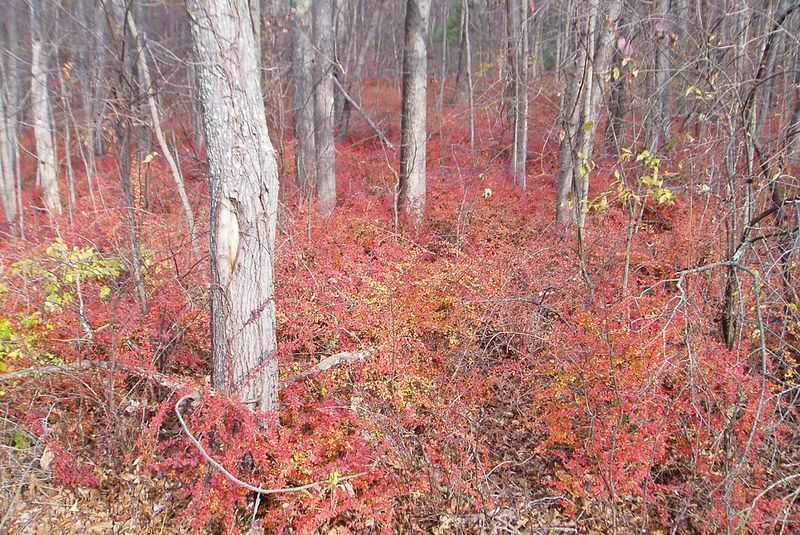
Japanese Barberry earns a special spot on this list because it is not just messy, it is a proven tick factory. Studies have found dramatically more blacklegged ticks inside dense barberry thickets than in areas without it.
The thorny tangle traps humidity and shelters the mice that infect ticks with Lyme disease, so it stacks the deck in every possible way. English ivy, privet, multiflora rose, and Japanese honeysuckle create the same kind of dense, damp cover.
Pulling these invasives, especially near your woodland edge, removes prime tick real estate. Replace them with North Carolina natives that offer good structure without the smothering thicket: inkberry holly, Virginia sweetspire, oakleaf hydrangea, or yaupon holly.
You get the greenery and the birds without building a tick nursery.
8. Ignoring Low Branches and Deep Shade
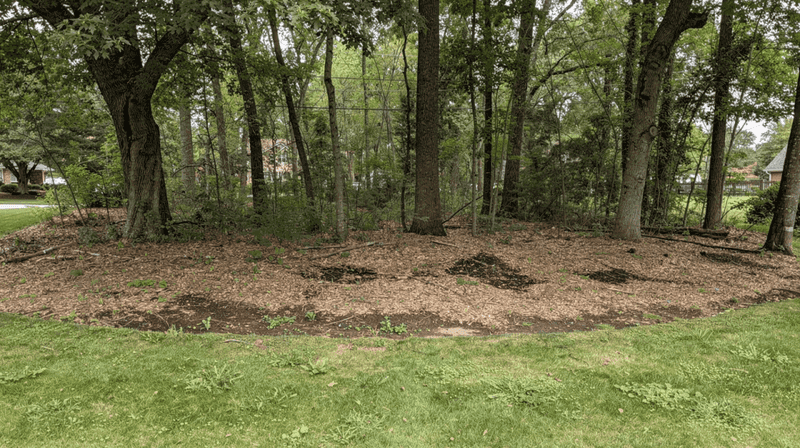
Ticks are surprisingly fragile in one big way: they dry out quickly in sun and heat. That is why the shadiest, dampest corners of your yard are their favorite hangouts.
Low-hanging branches, thick undergrowth, and overgrown margins keep those spots cool and moist all day. The more shade and humidity you have hugging the ground, the more comfortable ticks become.
Pruning up low branches and thinning dense growth lets sunlight pour in and dries the ground out. Opening up those gloomy pockets, especially along fences and the woodland edge, turns tick-friendly humidity into tick-unfriendly dryness.
It is a weekend job with a big payoff for the whole cool season.
9. Placing Play Sets and Patios Right Against the Treeline
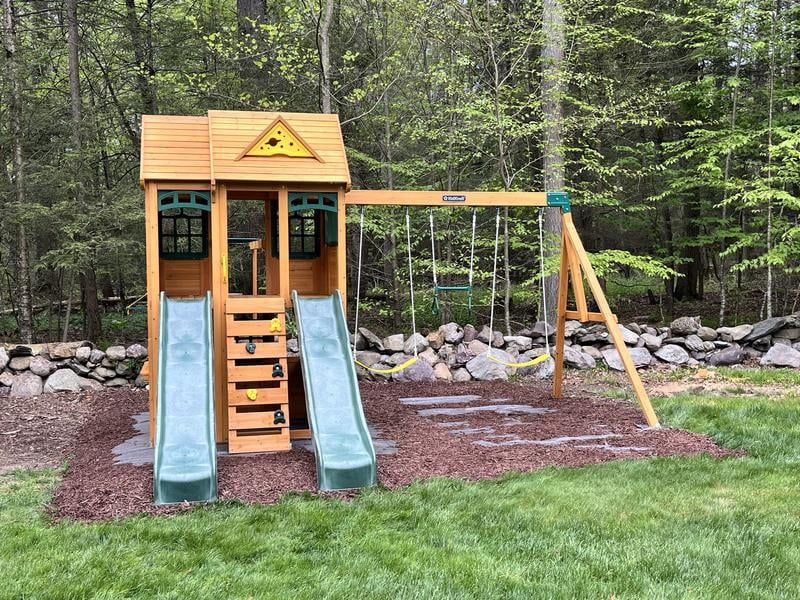
Kids and dogs head straight for the edges of the yard, which is exactly where ticks are waiting. When the swing set, sandbox, or patio sits against the trees or tall brush, you are putting the family in the busiest tick corridor of all.
Even a well-kept lawn has its highest tick activity right at that shady border. A play set parked there means every game of tag runs through prime questing zone.
Move play equipment, seating, and decks toward the sunny center of the yard, at least several feet from any wooded or overgrown area. Pair that with your wood-chip barrier and you create a bright, dry buffer zone where ticks rarely reach.
The kids get their fun, and the ticks stay out in the woods where they belong.