
The North Carolina Native Shrubs That Hold A Fence Line As Well As Nandina Without The Invasive Trouble
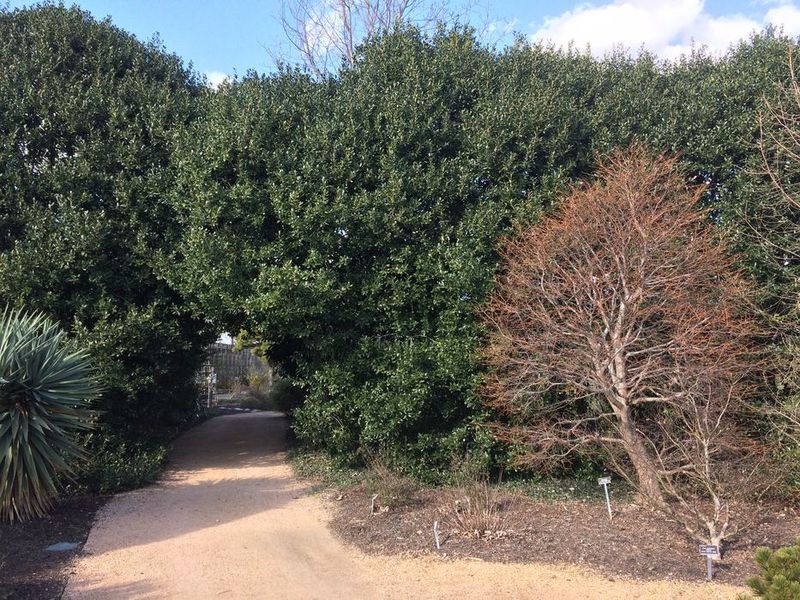
Nandina looks tidy along a fence, but it spreads fast and its bright berries can poison birds like cedar waxwings. The good news is that North Carolina has plenty of native shrubs that do the same job of screening a property line while actually feeding and sheltering your local wildlife.
These swaps give you the structure and privacy you want without threatening box turtles, songbirds, or the rest of your yard’s ecosystem. Here are seven natives worth planting the next time you want a living fence you can feel good about.
1. Inkberry Holly (Ilex glabra)
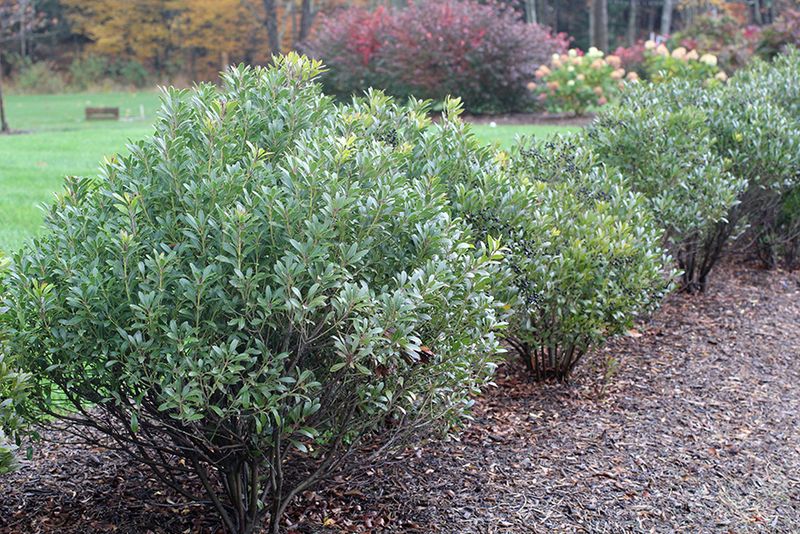
Picture a low, moody-green wall that stays leafy through a Piedmont winter and never once tries to escape into the woods. Inkberry holly grows 6 to 8 feet tall and quietly forms its own colonies, so a short row eventually knits into a solid screen.
It shrugs off the wet, poorly drained spots where so many NC yards struggle, and deer tend to leave it alone. The cool, damp thickets it builds also give firefly larvae a place to hide, which is part of what makes it such a friendly choice for a tick-safe border.
Come winter, its small black berries feed songbirds when other food runs thin. That combination of year-round cover and quiet wildlife support is exactly what Nandina pretends to offer but never delivers.
2. Southern Wax Myrtle (Morella cerifera)
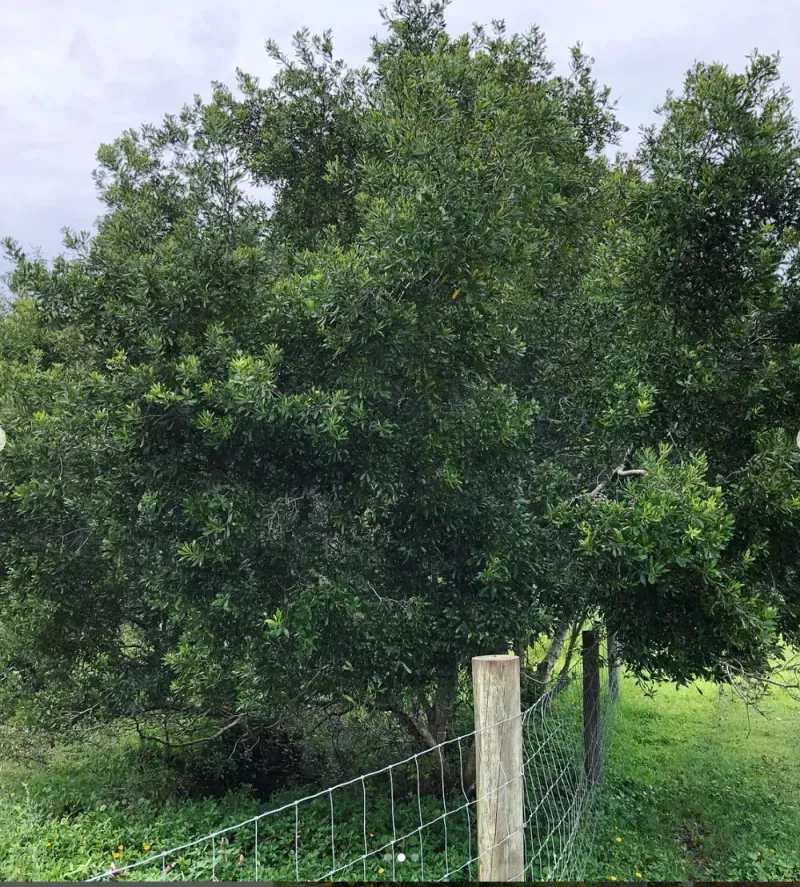
If patience is not your strong suit, wax myrtle is your plant. It can shoot up to 15 to 25 feet and close a gap in a fence line faster than almost any other native on this list.
Crush a leaf and you get a spicy, aromatic scent that many gardeners come to love. Tough as nails, it laughs off drought, salt spray, pests, and disease, which makes it a workhorse for Coastal Plain yards that take a beating from wind and salt.
Because it forms such a full, layered screen, birds use it for cover and nesting while you use it for privacy. One plant doing double duty like that is hard to beat.
3. Yaupon Holly (Ilex vomitoria)
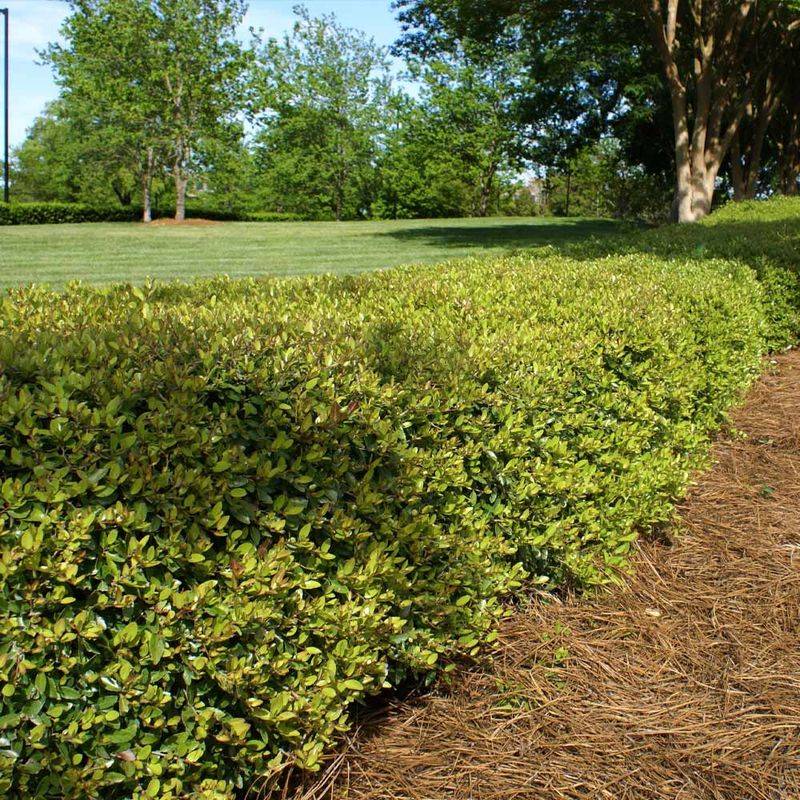
Want the crisp, clipped look of a formal hedge without babysitting it? Yaupon holly takes shearing beautifully, so you can keep it tight and tidy or let it grow loose into a small tree.
It handles a wide range of sun and soil, and deer usually pass it by. That flexibility means it works whether your fence line bakes in full sun or sits in dappled shade.
Here is a bit of trivia: yaupon is the only native North American plant that naturally contains caffeine, and Indigenous peoples brewed its leaves into a ceremonial tea. A hedge with a backstory like that earns its spot along any fence.
4. American Beautyberry (Callicarpa americana)
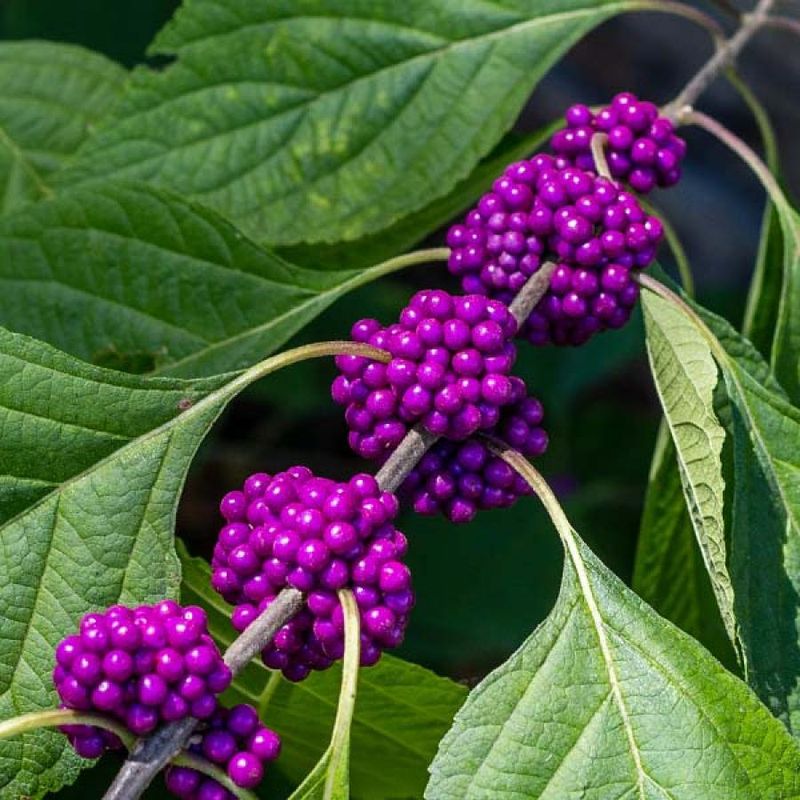
Nothing stops a neighbor mid-walk quite like the electric purple berries that ring beautyberry’s stems in late summer and fall. The color is almost unreal, and it lingers into winter as birds pick through the clusters.
With an arching habit reaching 3 to 8 feet, it adds welcome height and texture to a border without feeling stiff. Its modest flowers may not turn heads, but pollinators find them just fine.
Folks have long crushed the leaves as a rough-and-ready bug repellent, and researchers have actually studied compounds in the plant that can help deter mosquitoes. A shrub that feeds birds and might keep biters at bay is a genuine win for a backyard steward.
5. Spicebush (Lindera benzoin)
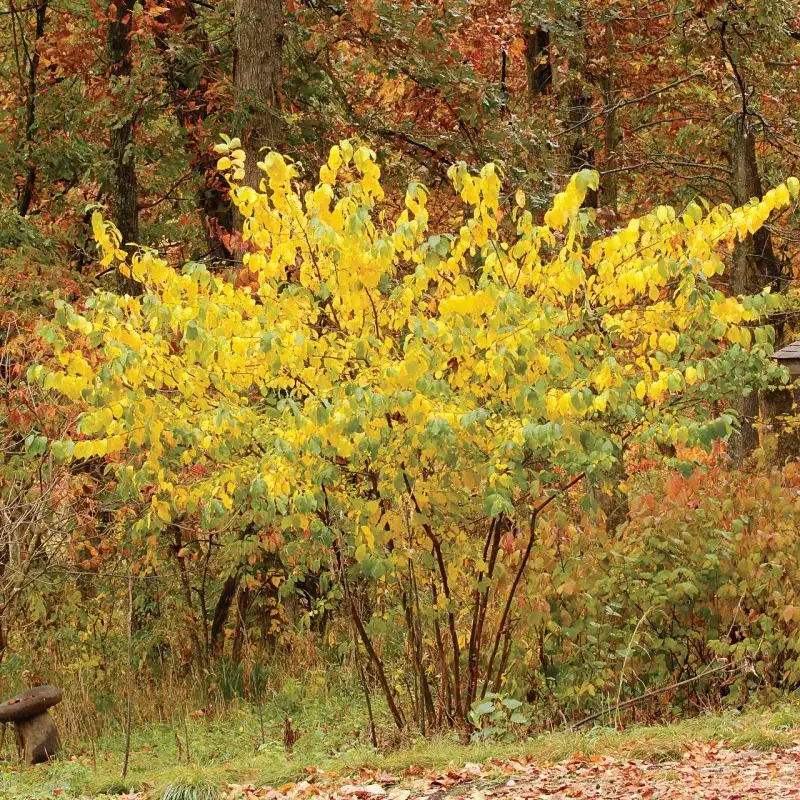
Spicebush is the quiet hero of the shaded fence line, the kind of plant butterfly lovers plant on purpose. As a larval host for the spicebush swallowtail, it turns a plain property edge into a nursery for one of the state’s prettiest butterflies.
Growing 8 to 15 feet tall, it settles into all kinds of soil and moisture as long as it gets some shade. Its tiny yellow flowers open early, handing out nectar and pollen right when the first pollinators wake up hungry.
Plant a male nearby and your female shrubs will set glossy red fruit in late summer that birds gobble up. Snap a twig and you will catch that warm, spicy smell that gave the shrub its name.
6. Virginia Sweetspire (Itea virginica)
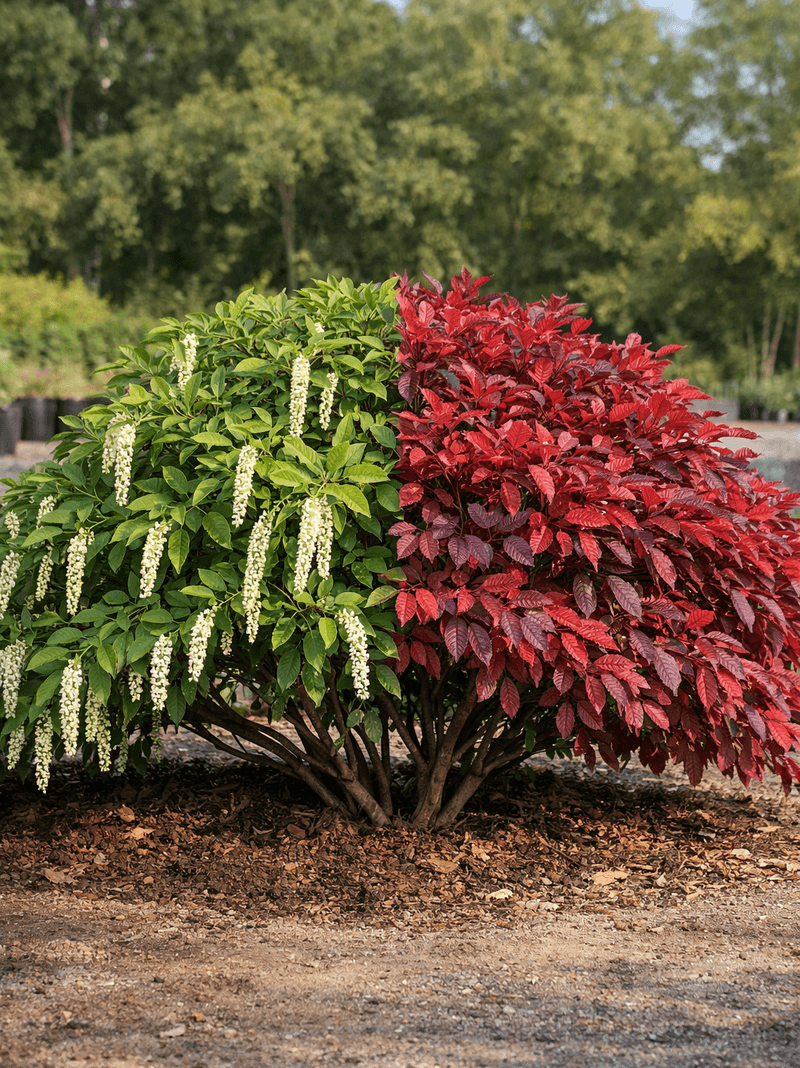
Graceful is the word for sweetspire, with its arching limbs and drooping white flower spikes that spill along the stems in early summer. Bees, butterflies, and even hummingbirds work those blooms all season.
Reaching about 8 feet, it holds a fence line while giving you a show. In fall the leaves flare orange, red, and deep burgundy, and they hang on well into winter when most of the yard has gone bare.
Its seeds later feed birds and small mammals, so the payoff stretches across the seasons. If you want structure that keeps changing costume through the year, this one delivers.
7. Winterberry (Ilex verticillata)
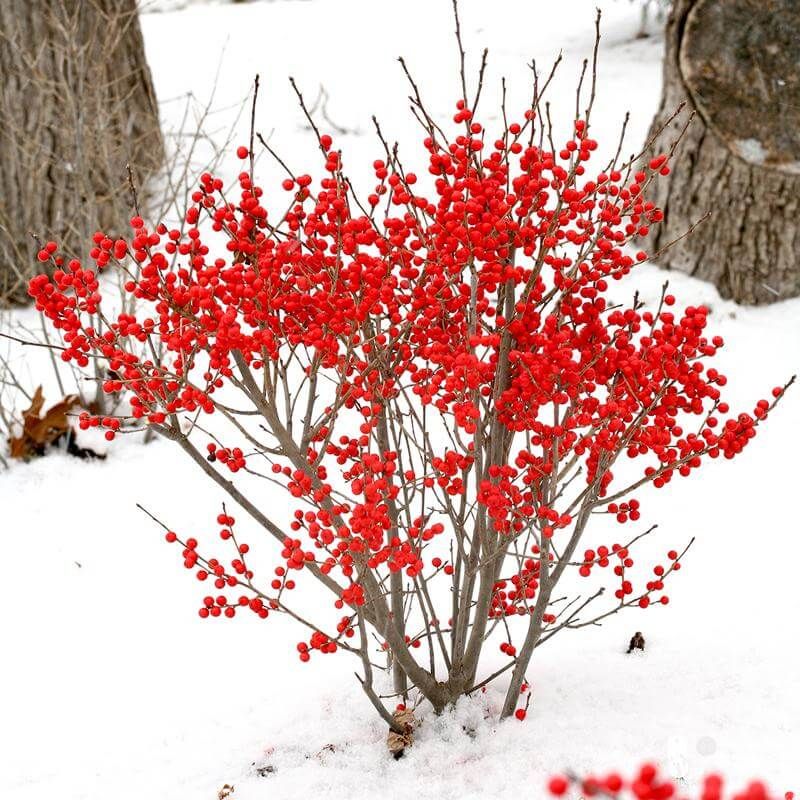
When the leaves drop and the yard turns gray, winterberry lights up with red berries so bright they look almost painted on the bare branches. And unlike Nandina’s toxic fruit, these berries are safe fuel that keeps birds going through the cold.
A deciduous holly, it earns its keep as a wildlife pantry right when food is scarce. To get that berry show, you will need both a male and a female plant, and the heaviest fruiting comes in full sun.
Think of it as the honest swap for Nandina’s winter drama: same jaw-dropping red, none of the danger to your cedar waxwings and goldfinches. Line a stretch of fence with it and you get a border that feeds your birds instead of harming them.