
The Most Underrated Vegetable North Carolina Gardeners Direct Sow In September For One Of The Best Fall Harvests
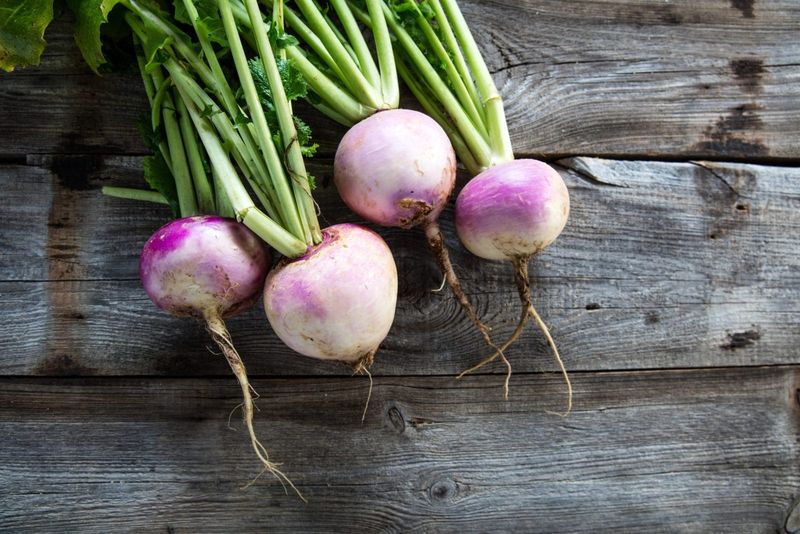
Turnips are one of those vegetables that most gardeners overlook when September rolls around, assuming the planting window has already closed. That assumption costs them one of the most practical fall crops a North Carolina garden can produce.
A quick-maturing turnip variety can deliver edible greens within weeks and roots not long after, all while tolerating the cool temperatures that slow other crops down. Whether your garden sits in the Piedmont, the Coastal Plain, or the mountains, understanding your local frost date is the key to making a September sowing work.
Why turnips deserve a September planting
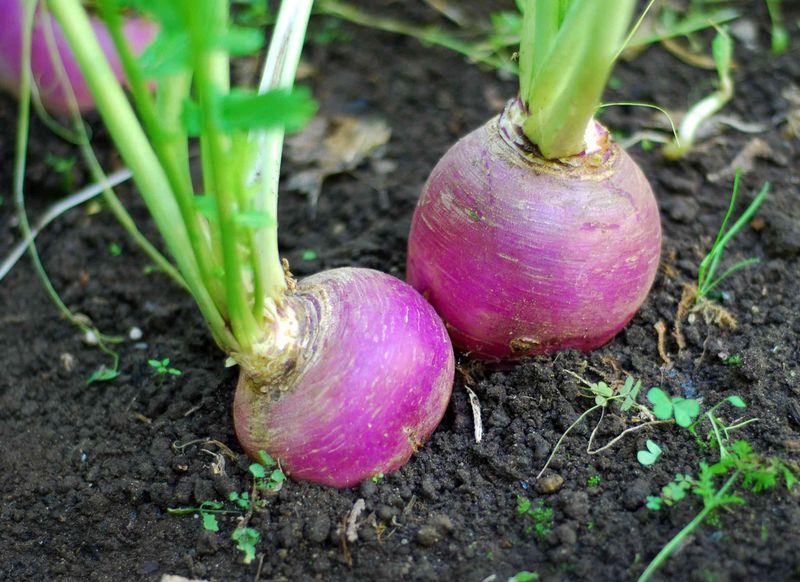
Plenty of gardeners glance at the calendar in early September and assume the fall planting season belongs to crops they should have started weeks ago. Turnips challenge that assumption.
A quick-maturing variety, typically one rated at around 55 to 60 days, can fit neatly into what remains of the growing season in many parts of North Carolina, offering edible greens before the roots even size up.
The practical case for turnips rests on a useful combination: two harvests from one sowing. Young leaves become available once plants are established, and roots follow later as they develop.
NC State Extension’s vegetable gardening guidance identifies turnips as a short-season fall crop that can be seeded as late as approximately September 1 in the Piedmont, while slower 60-to-80-day crops generally need to go in around August 1 to have a reasonable finish before frost arrives. That difference in required lead time is exactly what makes turnips worth considering when the calendar shows late summer slipping away.
Frost tolerance adds another layer of practical value. Turnips can handle fall frost without the damage that ends warm-season crops, and cool weather often improves their flavor rather than harming them.
That resilience extends the harvest window past the point where many other vegetables give up.
Other cool-season vegetables, including mustard greens, radishes, spinach, and beets, also have a place in a North Carolina fall garden. Turnips stand out specifically because they offer both a leafy green harvest and a root harvest from the same planting, which makes them an efficient choice when growing time is limited.
The NC State Extension Plant Toolbox profile for turnips confirms that young leaves can be eaten raw or sauteed, while roots are best harvested at around 2 inches in diameter. That two-stage value is the reason turnips earn a closer look from anyone who still has open garden space in September.
Match September sowing to your North Carolina region
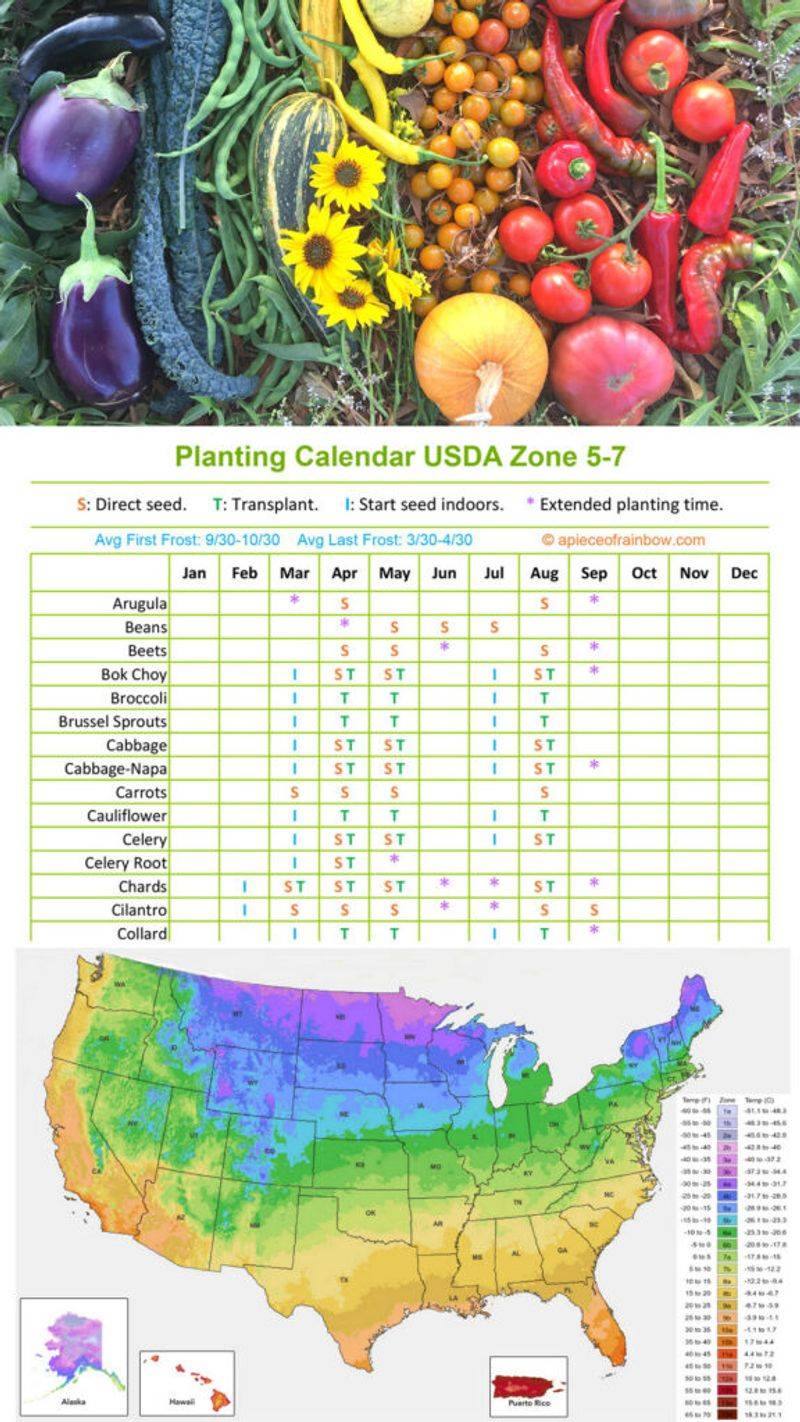
September does not mean the same thing to every North Carolina gardener. A Piedmont gardener in Guilford or Wake County faces a different frost timeline than someone growing vegetables near the coast in Onslow County or tending a mountain plot above 3,000 feet in Watauga County.
Treating September as a universal sowing deadline ignores the real differences that local climate creates.
For Piedmont gardeners, NC State Extension’s vegetable gardening chapter places approximately September 1 as a practical late point for short-season crops like turnips. That cutoff reflects the region’s typical first frost arriving somewhere in late October to early November, depending on the specific location.
Sowing a 55-to-60-day variety right around September 1 gives the crop a fighting chance to produce roots before hard cold settles in, though greens will come earlier and may be the primary harvest if the season runs short.
Eastern North Carolina gardeners generally have more flexibility. The NC State Eastern North Carolina Vegetable Planting Guide lists turnips for fall planting from approximately August 1 through September 15, giving coastal-plain growers an extra two weeks compared to the Piedmont.
Milder coastal temperatures and later average frost dates account for that extended window.
Mountain and higher-elevation gardeners face the opposite situation. Frost arrives earlier at elevation, which means the planting window often closes before September even begins.
The NC State Western North Carolina Planting Calendar reflects planting dates that can run 10 to 20 days earlier than Piedmont recommendations. Gardeners at higher elevations who sow turnips in September may need to use row covers or low tunnels, and they should plan for a harvest weighted toward greens and smaller roots rather than full-sized roots.
The most reliable approach for any region is to count backward from your expected local frost date using your variety’s stated days to maturity. The National Weather Service Raleigh frost and freeze maps offer a useful starting point for Piedmont and eastern locations.
Add a small buffer beyond the seed packet’s maturity number, because real-world conditions rarely match the ideal. That backward count, not the calendar month alone, tells you whether a September sowing makes practical sense for your specific address.
Direct-sow turnips into a prepared bed
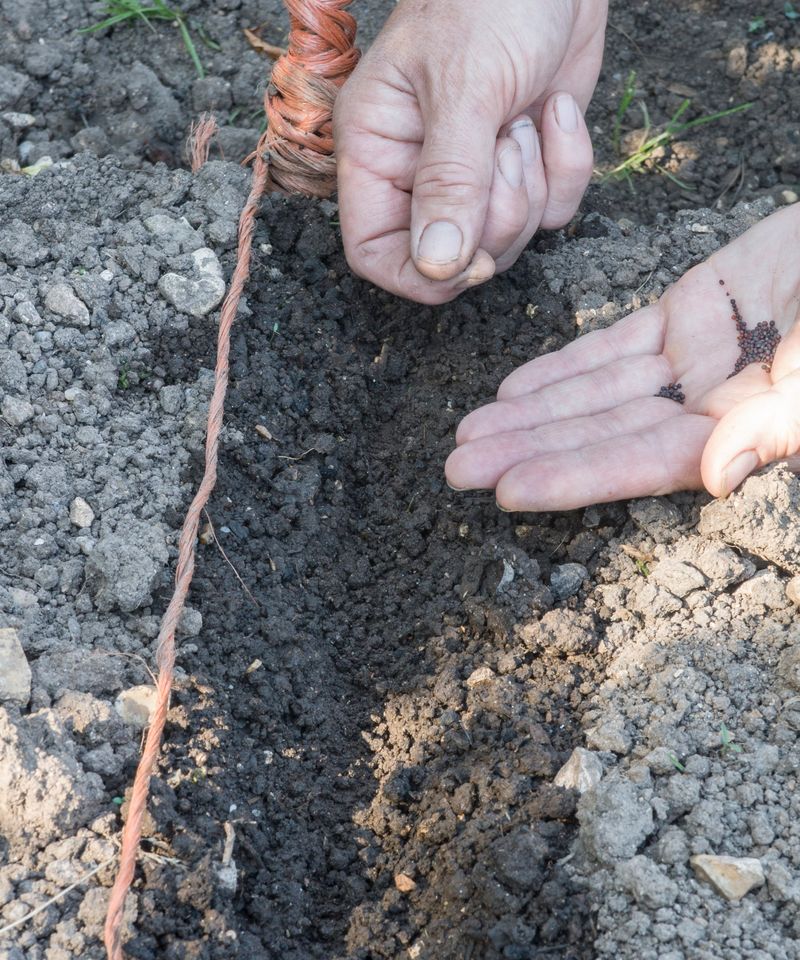
Turnips do not transplant well, so direct sowing is the right method every time. Trying to start them in containers and move them to the garden introduces root disturbance at exactly the stage when the plant needs to establish quickly.
Sow the seeds where they will grow, and let them get on with it.
Soil preparation matters more in a fall planting than many gardeners expect. Amended, well-drained soil gives seeds the best environment for fast germination, which is especially important when the growing window is short.
The NC State Extension turnip profile recommends planting in amended, well-drained, moist soil. If your soil is compacted or heavy with clay, work in some compost before sowing to improve drainage and root penetration.
Dry soil at planting time is a common problem in early September, when summer heat has pulled moisture out of the top few inches. Thoroughly moisten the seedbed before you sow rather than counting on post-planting irrigation to compensate.
Seeds that sit in dry soil stall or fail to germinate, and lost days in a short fall season are hard to recover.
Sow seeds at approximately one-half inch deep. The Eastern NC Vegetable Planting Guide lists turnips as direct-seeded at one-half inch deep with 2-inch spacing, and the Southeastern U.S.
Vegetable Crop Handbook gives a range of one-quarter to one-half inch depth with 2 to 3 inches between plants after thinning. When your seed packet differs from these figures, follow the packet, since variety-specific guidance from the seed producer reflects testing on that particular selection.
Sow seeds a little more thickly than your target spacing and thin later. Trying to place individual seeds at the final spacing often results in gaps from poor germination.
A slightly dense initial sowing followed by prompt thinning gives you better coverage and keeps the bed productive from the start. Follow your seed packet’s spacing recommendations as the authority for the variety you chose.
Protect the crop with moisture, spacing, and sensible fertility
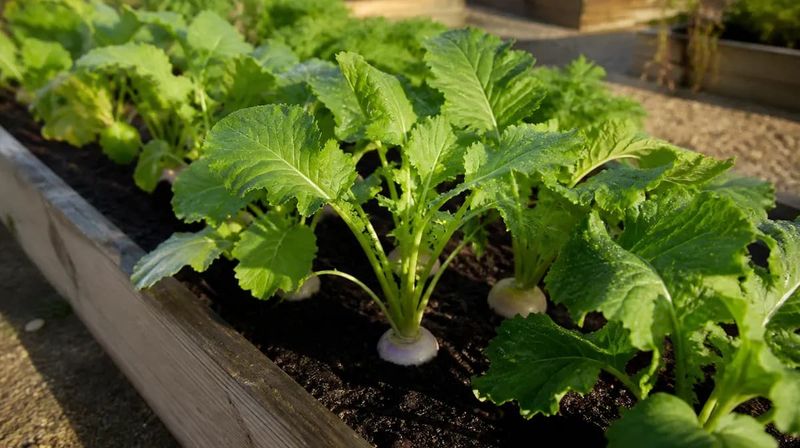
Getting turnips into the ground is only part of the job. The weeks immediately after germination determine how much growing time the plants actually use, and a few early-care habits make a measurable difference when the season is already running short.
Even moisture during germination and the first few weeks of growth keeps seedlings moving steadily. Inconsistent watering, where the soil dries out between waterings, slows young plants and stresses roots at a stage when they need to develop quickly.
NC State Extension’s vegetable gardening guidance notes that successful direct seeding depends on sufficient soil moisture and recommends thoroughly moistening dry soil before planting. After germination, keep the bed consistently moist rather than cycling between wet and dry.
Thinning is one of the most skipped steps in a fall turnip planting, and one of the most consequential. Crowded seedlings compete for water, nutrients, and light, and that competition slows root development.
NC State specifically advises cutting or pinching excess seedlings rather than pulling them, because pulling can disturb the roots of neighboring plants that you want to keep. Aim for roughly 2 to 3 inches between plants after thinning, in line with the guidance from the Eastern NC Vegetable Planting Guide and the Southeastern U.S.
Vegetable Crop Handbook.
Fertility decisions deserve more care than a reflexive application of high-nitrogen fertilizer. Excess nitrogen pushes leafy growth at the expense of roots, which is the opposite of what you want from a dual-harvest planting.
The NC State turnip profile recommends soil testing and fertilizing according to results rather than applying inputs without a baseline. A simple soil test from the NC Department of Agriculture and Consumer Services costs very little and gives you a clear picture of what, if anything, your bed actually needs before you add anything to it.
Harvest greens while the roots are developing
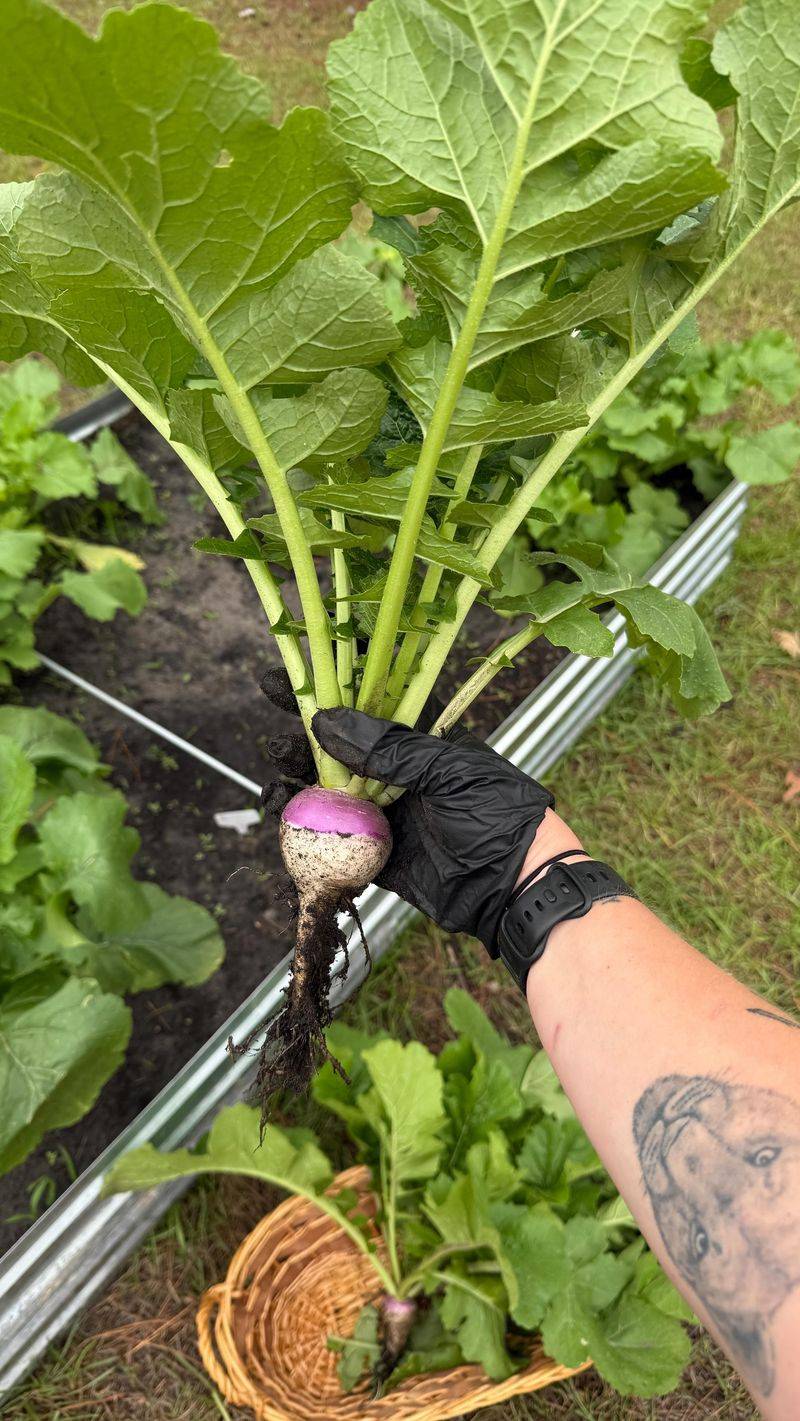
One of the most practical things about a September turnip planting is that you do not have to wait until roots are ready to start eating from the bed. Young leaves are edible once plants are established, and harvesting a few outer leaves selectively does not significantly slow root development when done with restraint.
That staged approach spreads the harvest value across the full growing period rather than concentrating everything at the end.
The NC State turnip profile notes that young leaves can be eaten raw and older leaves are well-suited to sauteing. Harvest outer leaves rather than stripping plants bare, and give each plant time to continue building root mass between leaf harvests.
Greens become tougher and more strongly flavored as plants mature, so earlier harvests tend to produce the most tender leaves.
Roots reach good eating quality at around 2 inches in diameter. Waiting much longer than that risks a decline in texture.
NC State warns that inadequate water, poor fertility, or delayed harvest can contribute to woody roots, a result that makes the crop less enjoyable despite all the growing effort invested. Check root size by gently brushing soil away from the shoulder of a few plants rather than waiting for a visual cue from above ground.
The 55-to-60-day maturity figure that appears on most turnip seed packets represents a typical range under reasonable growing conditions, not a guaranteed delivery date. Variety, soil temperature, moisture levels, crowding, day length, pest pressure, and the timing of early frost can all shift the actual harvest date.
A September 1 sowing in the Piedmont that encounters a dry spell in mid-September, for example, may run several days behind a packet estimate. Plan around the range, not a fixed day, and use the greens harvest to bridge any gap between sowing and root readiness.
NC State Extension’s vegetable chapter reinforces that recommended planting dates are guidelines, not guarantees, and that local conditions always play a role in actual outcomes. Mountain or higher-elevation gardeners who push the September window may find that greens and smaller roots represent the realistic harvest rather than full-sized roots, and that outcome still has real value from a single direct sowing.
Use cool weather and protection to extend the harvest
Cool weather is genuinely good for turnips. Both NC State Extension and University of Missouri Extension describe improved flavor after cool weather or a light frost, with some sources noting that roots can taste sweeter once temperatures drop.
That connection between cool conditions and better eating quality is one reason a fall planting often produces more flavorful turnips than a spring one.
The qualifier worth keeping in mind is that flavor improvement after frost is not automatic or universal. Variety, how close roots are to peak maturity, moisture availability, and harvest timing all influence the result.
The NC State turnip profile notes that turnips taste best after a frost, but also warns that woody roots can result from inadequate water, poor fertility, or delayed harvest regardless of temperature. A frost does not rescue a root that was already on its way to poor texture.
Frost tolerance is also not the same as unlimited winter hardiness. Turnips handle fall frost well, but prolonged hard freezes can damage roots, particularly in exposed locations or at higher elevations.
Leaving turnips in the ground through a stretch of severe cold without any protection is a gamble that does not always pay off, especially in western North Carolina.
Mulch is a practical first step for extending the harvest. A layer of straw or shredded leaves over the bed helps stabilize soil moisture and buffers roots against sharp temperature swings.
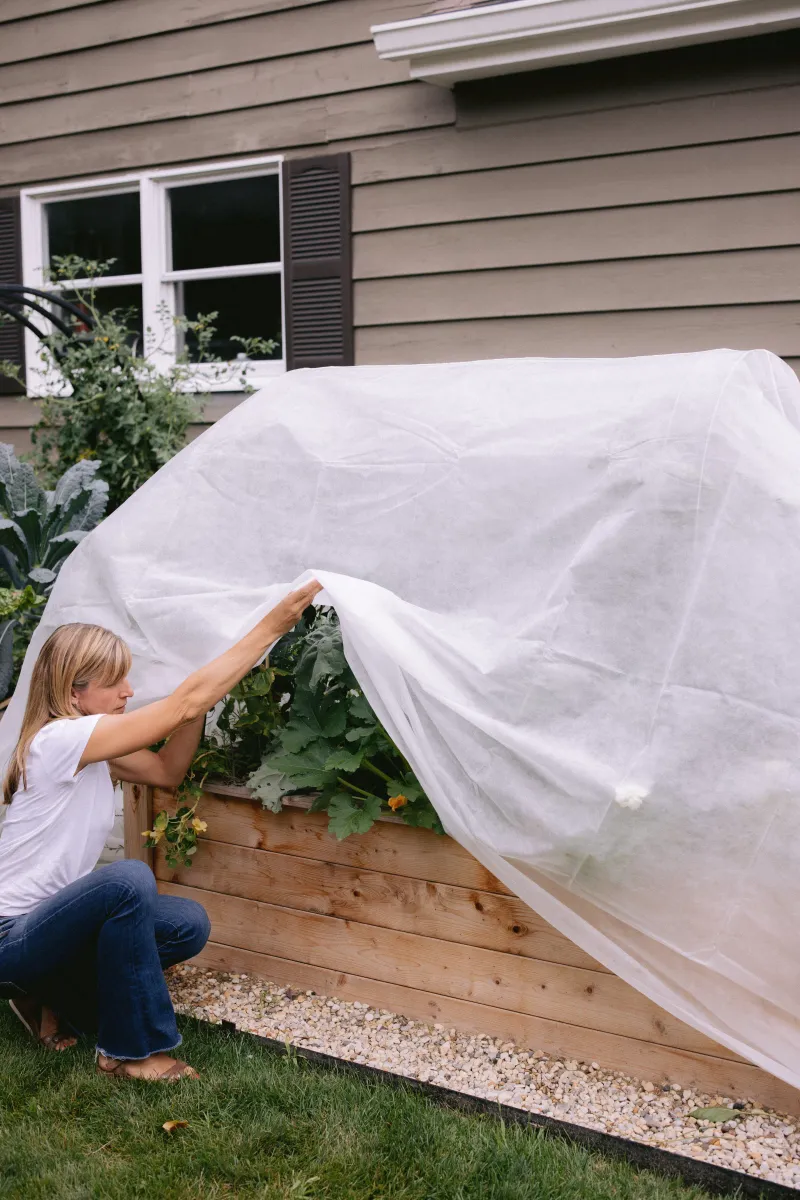
For additional protection, frost cloth or low tunnels can provide roughly 4 to 5 degrees Fahrenheit of frost protection, according to NC State Extension’s season extenders guidance. That margin can make the difference between a harvest that continues into mid-November and one that ends abruptly with an early cold snap.
Covers require active management, not just placement. Ventilate row covers or low tunnels on warm fall days to prevent heat buildup, which can stress plants even in October.
Inspect under covers regularly for trapped insects, since pests already present when a cover goes down can thrive in the sheltered environment rather than being excluded. Covers reduce some pest access from outside but do not eliminate the insects already in the bed.
Build a realistic September turnip plan
A workable September turnip plan starts before any seed goes into the ground. Check your regional timing first: Piedmont gardeners should aim to sow by approximately September 1 for short-season varieties, Eastern North Carolina gardeners may have until around September 15, and mountain or higher-elevation growers generally need to plant earlier or accept a harvest weighted toward greens and smaller roots.
Choose a quick-maturing variety, something in the 45-to-60-day range, and count backward from your expected local frost date to confirm the timing makes sense. Your seed packet’s days-to-maturity figure is the starting point, not a guaranteed outcome.
Add a small buffer for real-world variables like slow germination during a warm spell or a dry week that delays early growth.
Prepare and moisten the bed before sowing. Sow at approximately one-half inch deep, slightly thicker than your target spacing, and plan to thin promptly to 2 to 3 inches between plants once seedlings are a few inches tall.
Cut or pinch thinnings rather than pulling them to avoid disturbing neighboring roots. Keep the bed evenly moist through germination and the first few weeks of growth.
Plan to harvest young outer leaves as they become available, then check root size starting around 45 days after germination. Pull roots at roughly 2 inches in diameter for the best eating quality, and do not wait too long once they reach that size.
If your local climate means a greens-forward harvest rather than a full root harvest, that is a legitimate outcome from a late sowing, not a failure.
Turnips offer an efficient late-season option for many North Carolina gardens precisely because they work across a range of conditions rather than requiring ideal ones. Your local frost date, not the calendar month, is the variable that determines what kind of harvest is realistic.
A garden that goes into fall with a well-timed turnip bed rarely regrets it.