
What It Really Means When Frogs Turn Up On Your North Carolina Porch Every Time It Storms
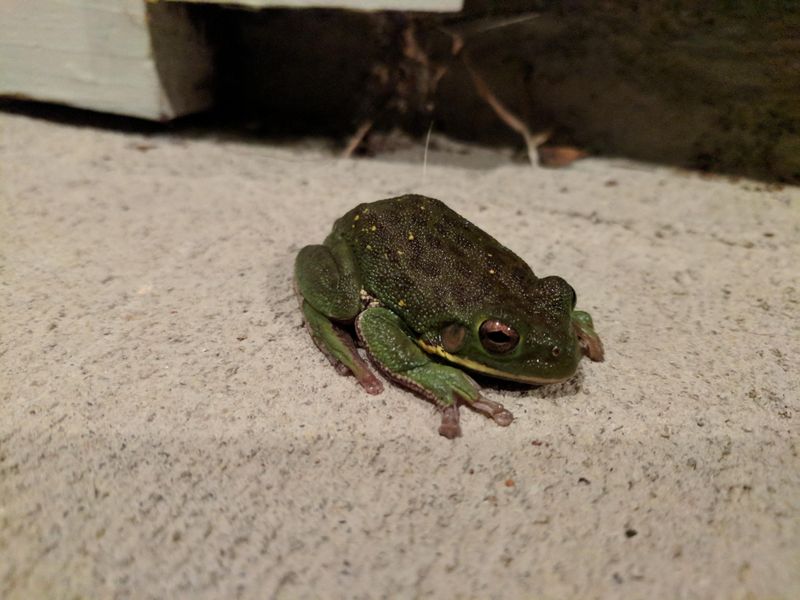
Most North Carolina homeowners have had the experience: a summer downpour rolls in, and suddenly a frog is sitting on the porch like it owns the place. If that keeps happening storm after storm, it stops feeling like coincidence.
Understanding why frogs show up at your door during wet weather tells you something real about the small habitat your yard has quietly built, and knowing the actual reasons helps you respond in a way that is good for both you and the frog.
Rain can change frog activity without making frogs weather forecasters
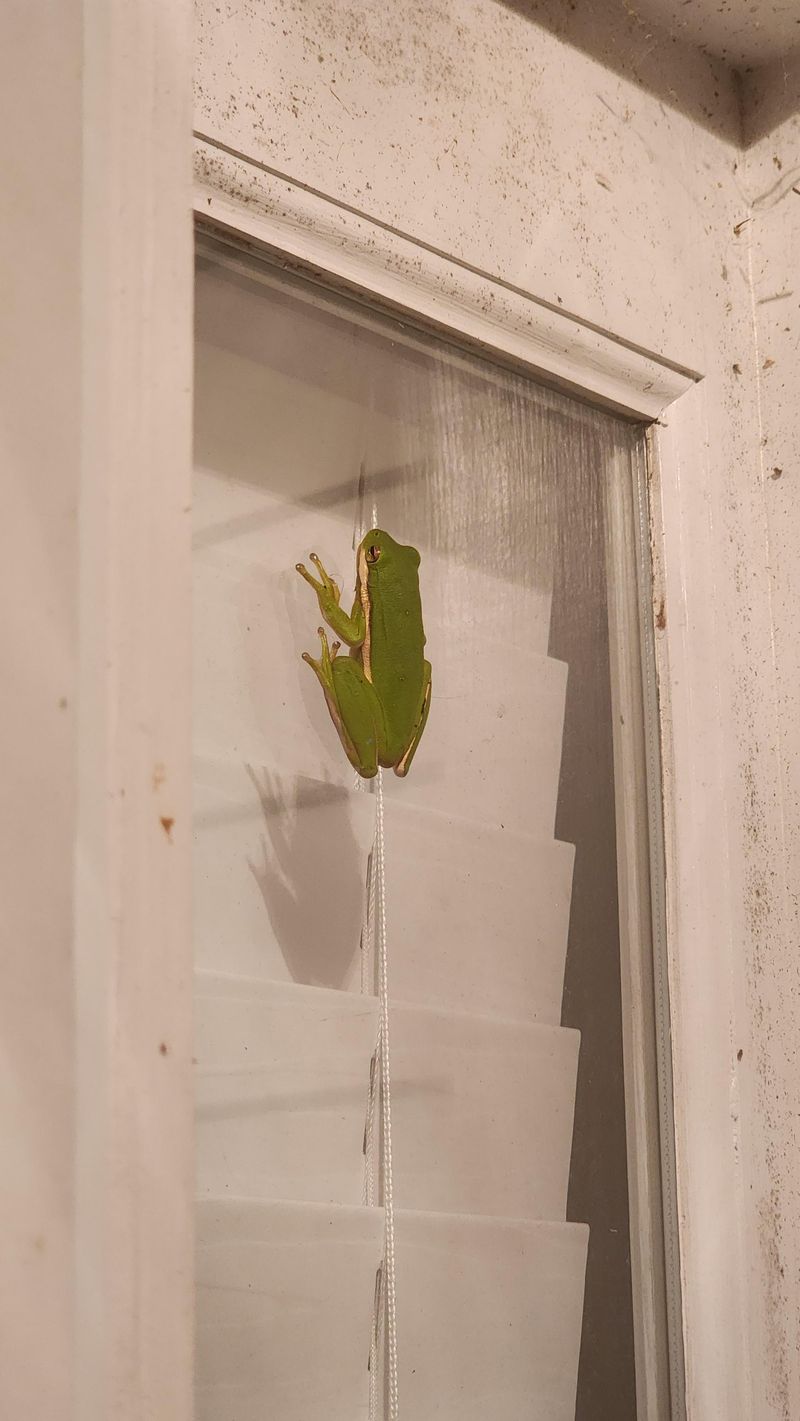
Frogs have permeable skin, meaning moisture passes through it freely in both directions. When the air is dry and temperatures are high, a frog sitting in the open risks losing body water quickly and can dry out to the point of serious harm.
Rainy or humid conditions remove that risk, which means some species become more willing to move across open ground, forage in exposed spots, or travel between patches of habitat that would otherwise be too dry to cross safely. That shift in activity is a response to physical conditions, not a plan.
According to USGS research on amphibian biology and conservation, amphibians are strongly tied to moisture at every stage of their lives, and rainfall, soil moisture, and humidity are among the environmental factors that influence when and how far individuals move. A frog appearing on your porch during a storm is likely responding to those wetter conditions rather than anticipating them.
The distinction matters because “responding” and “predicting” are very different things. A frog does not know a storm is coming; it moves more freely when conditions are already wet enough to make movement safer.
That said, not every frog species responds the same way, and not every storm produces the same result. Research on environmental factors influencing calling activity in anurans shows that temperature, season, and species identity all shape how and when frogs become active.
A Coastal Plain species such as the green treefrog may respond differently to a July thunderstorm than an upland chorus frog in the Piedmont does to a March soaking rain. The Blue Ridge mountains add their own temperature and elevation variables.
So while rain and humidity can help explain why frogs are on the move on a stormy night, that explanation is a starting point, not a complete answer for every frog on every porch across every part of North Carolina.
The porch light may be the immediate attraction
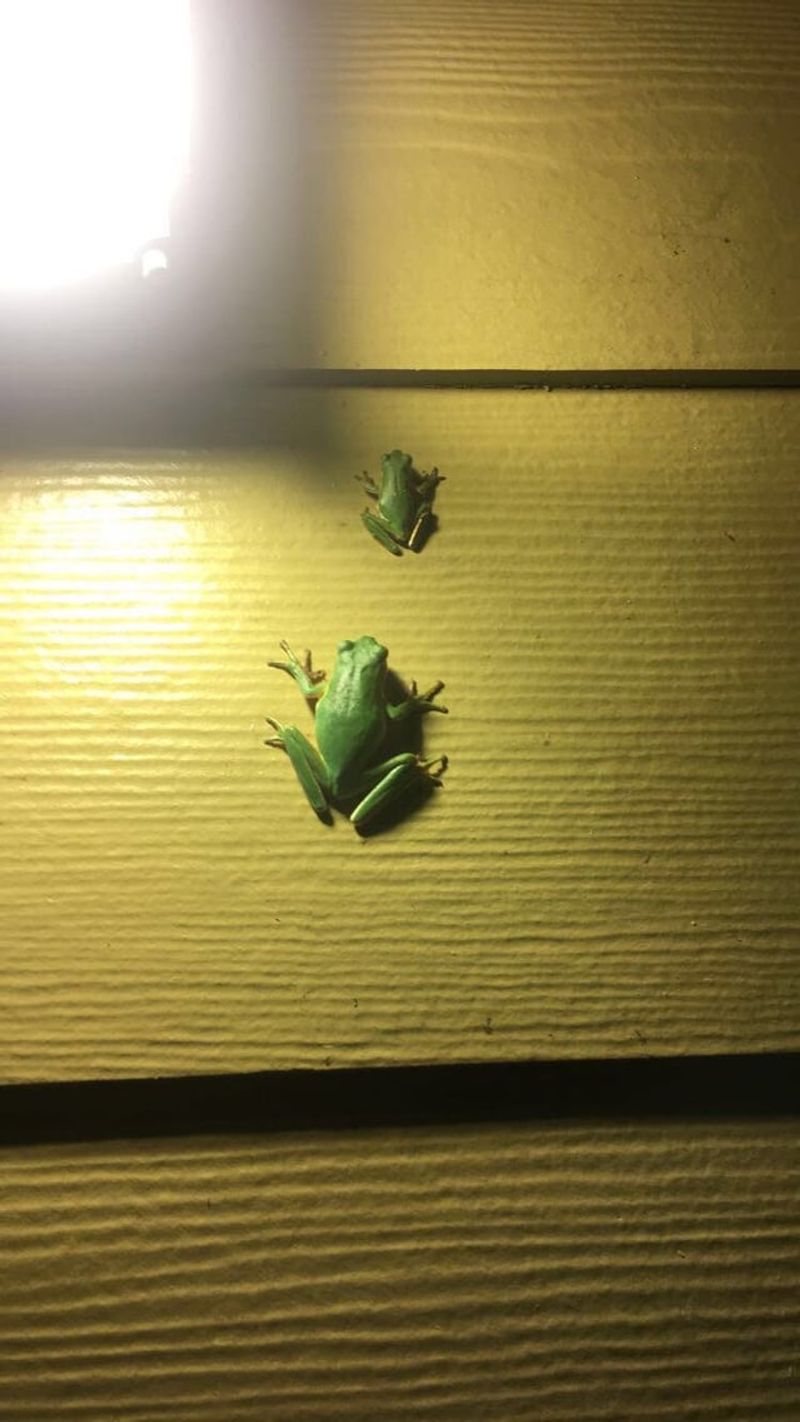
A storm getting a frog moving is only half the story. Once that frog is out and active, it still needs a reason to end up on your porch specifically rather than in the leaf litter under a nearby shrub.
For many species, that reason is food, and your exterior light is probably supplying it.
Porch lights and other outdoor fixtures draw flying insects, especially on warm, humid nights. Moths, small beetles, gnats, and other invertebrates gather around artificial light sources, sometimes in large numbers.
A frog that is already active because of wet conditions can find a concentrated, easy meal by sitting near that light and waiting. OSU Extension guidance on frogs and porches specifically identifies exterior lighting as a key reason frogs congregate near homes, because the insects drawn to lights give nocturnal insectivores a reliable feeding opportunity.
The porch, in other words, may be less about shelter from the storm and more about the buffet your light is running.
Artificial light does not affect all wildlife the same way. National light pollution guidelines for wildlife note that while some frog species exploit insect concentrations around lights, other amphibians and nocturnal animals avoid illuminated areas entirely.
Leaving a light on specifically to attract frogs or to use them as a pest-control tool is not sound stewardship. It may concentrate insects and a few frog visitors locally while pushing away other wildlife that avoids bright areas, and it adds light pollution that can disrupt nocturnal behavior across a wider neighborhood.
Rain does not universally create insects, either. Insect activity after a storm varies by species, temperature, and season.
What rain does reliably is make frogs more willing to move, and if a lit porch with insects is within reach, some of those moving frogs will find it. The storm and the light are doing different jobs, and understanding both helps explain why the pattern repeats every time the weather turns wet.
Nearby habitat matters even without a permanent pond
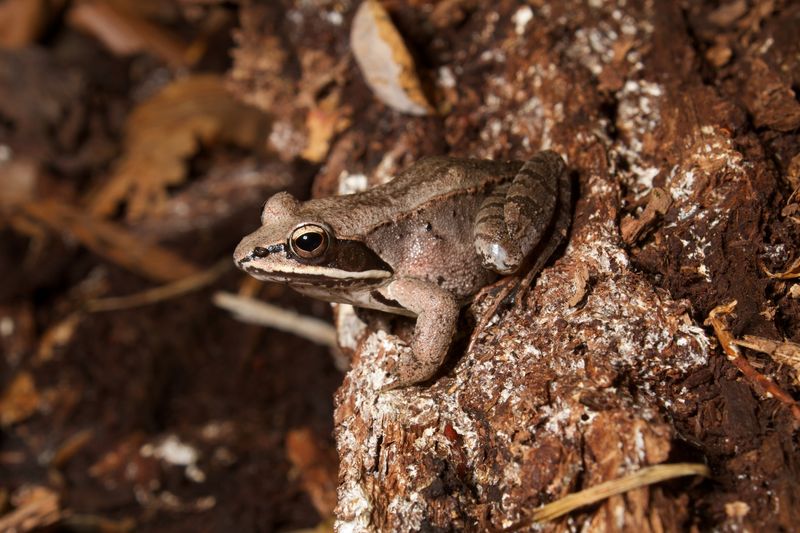
Many homeowners assume that a frog on the porch means a pond must be somewhere close by. That assumption is understandable but too narrow.
North Carolina frogs use a much wider range of habitats than most people realize, and a permanent pond is only one of many places that can support them.
Adult frogs of many species spend the majority of their non-breeding time in terrestrial cover rather than in water. Leaf litter, decaying logs, stumps, rocks, shaded soil, and dense low vegetation all provide the cool, moist conditions that frogs need to stay hydrated and avoid predators.
NC State Extension’s guide to reptiles and amphibians in the backyard describes how amphibians move between feeding areas, shelter sites, and breeding locations, meaning a single frog may be using several different microhabitats across a property or neighborhood during a single season. A frog that shows up on your porch may have come from a brushy hedgerow fifty feet away rather than from a pond two streets over.
Breeding sites add another layer of variety. Temporary pools that fill after heavy rain, roadside ditches, low-lying wet depressions in a yard, seeps along a slope, and seasonal wetlands all serve as breeding habitat for one or more North Carolina species.
The NC Wildlife Resources Commission’s amphibian catalog documents species whose breeding sites are specifically temporary or ephemeral rather than permanent ponds. A flooded low spot in your backyard after a hard rain, or a neighbor’s wet drainage swale, may be enough to support breeding for part of the year.
Regional landscape also shapes what is possible. A Coastal Plain yard with flat, poorly drained soil may collect shallow seasonal water more readily than a Piedmont yard with steeper slopes and faster runoff.
A Blue Ridge property near a seep or a headwater stream has yet another set of possibilities. The point is not that every yard contains hidden habitat, but that frogs can travel from and to a wider range of wet and moist features than a permanent pond alone.
If frogs are finding your porch regularly, the habitat supporting them may be closer and less obvious than you expect.
Some rainy-night appearances may involve breeding movement
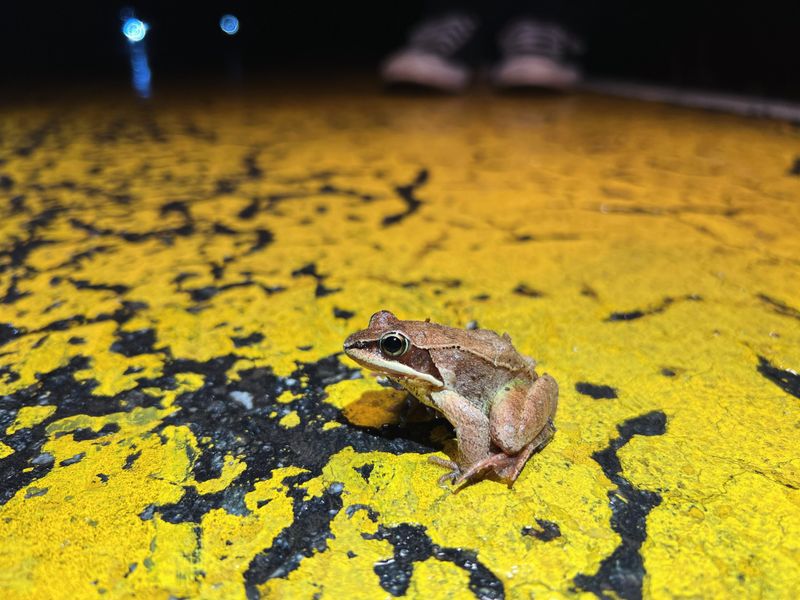
For certain North Carolina species, a heavy rainstorm is not just a comfortable time to move around. It can be the specific trigger that sets a breeding migration in motion.
Understanding when that applies, and when it does not, keeps the interpretation honest.
Some of the state’s frog species are described as explosive breeders, meaning large numbers of adults converge on a breeding site over a very short window, sometimes within hours of a qualifying rain event. The North Carolina amphibian species accounts document rainy-night movements and breeding activity tied to heavy, prolonged rainfall for particular species.
If you are seeing frogs moving across your driveway or porch in numbers on a warm, rainy spring or summer night, breeding migration is a possibility worth considering, though it is not the default explanation for every frog that appears.
Regional variation matters here. The NC Wildlife Resources Commission’s frog and toad catalog shows that species distribution shifts considerably across the Coastal Plain, Piedmont, and mountains.
Green treefrogs and squirrel treefrogs are largely Coastal Plain species, while upland chorus frogs are most common in the Piedmont, and spring peepers occur statewide except the Outer Banks. A rainy-night observation in Asheville and a rainy-night observation in New Bern may involve entirely different species with different breeding calendars.
Trying to identify a frog from color alone is unreliable. Cope’s gray treefrog and the northern gray treefrog, for example, are visually indistinguishable in the field and may require locality records or call recordings for a confident identification.
If you want to understand what is moving through your yard on rainy nights, pay attention to the season, the air temperature, the calls you hear, and whether you notice frogs traveling in a consistent direction toward a wet low spot or drainage feature. Those clues together are more informative than a quick look at color or size.
Repeated frogs offer a clue, not a yard-health score
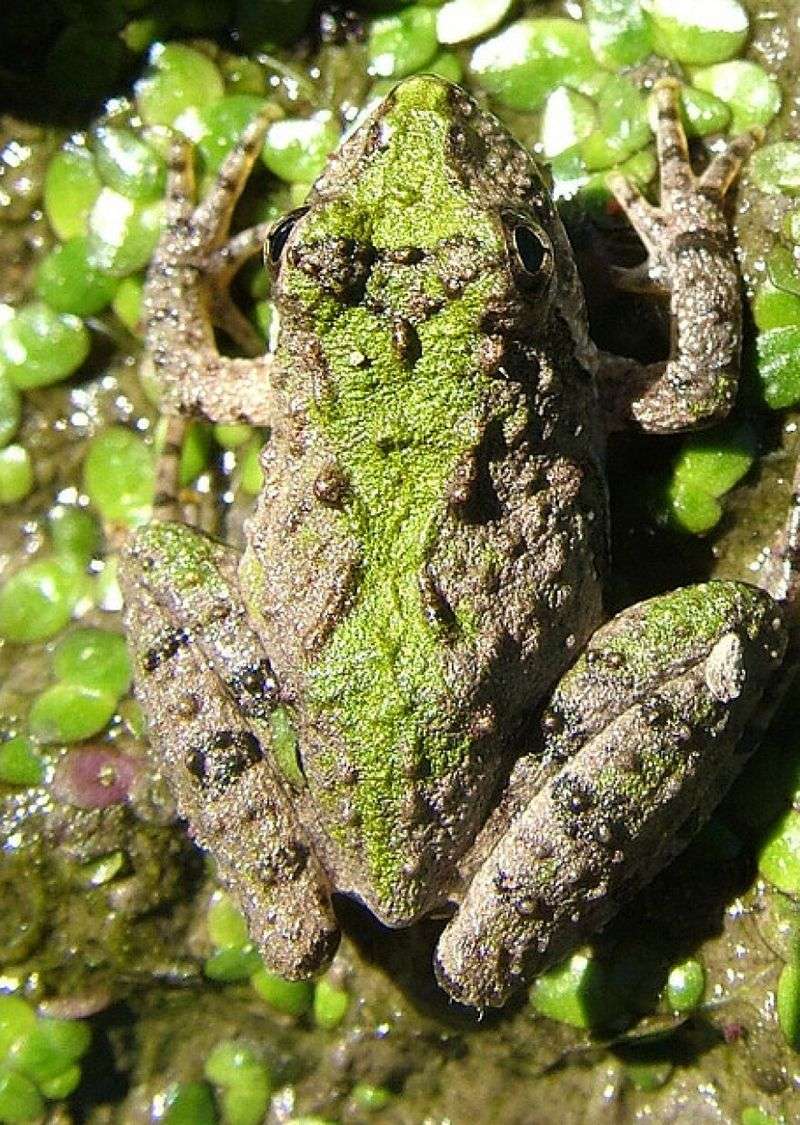
One frog showing up after one storm tells you very little. A frog appearing on your porch after most storms, over multiple weeks or across a whole season, is a different pattern and carries a bit more meaning, though it still deserves careful interpretation.
Repeated visits suggest that something in or near your property is reliably meeting at least one of the frog’s needs. That could be moisture, accessible shelter, concentrated prey at a porch light, or proximity to a breeding or foraging site.
NC State Extension notes that amphibians are useful indicators of habitat access, meaning their presence reflects an ability to find food and cover nearby, but the specific combination of factors drawing any individual frog to any particular porch is not something a casual observation can fully resolve. Think of repeated appearances as a nudge toward curiosity, not a certified report card.
Several claims that sometimes follow from frog sightings are not supported by what frogs can actually tell you. A frog on the porch does not confirm that your yard is pesticide-free.
Some species use disturbed areas, suburban drainage ditches, and heavily modified landscapes. Their presence can be encouraging, but it does not certify that runoff, chemicals, or water quality in your yard meet any particular standard.
Similarly, frogs eat insects and other small invertebrates, but USGS amphibian research does not establish that porch frogs measurably reduce tick populations in a residential yard. Promising yourself a tick-free summer because a treefrog likes your light is getting ahead of what the evidence supports.
Exceptional biodiversity and clean water are also not things a frog sighting alone can verify. A yard with serious problems may still have frogs if moisture and prey are available.
The honest reading of repeated visits is that your yard or its surroundings offer something useful to at least one frog species, and that is a reasonable starting point for thinking about what you might want to protect or improve.
Make the porch safer without harming frogs
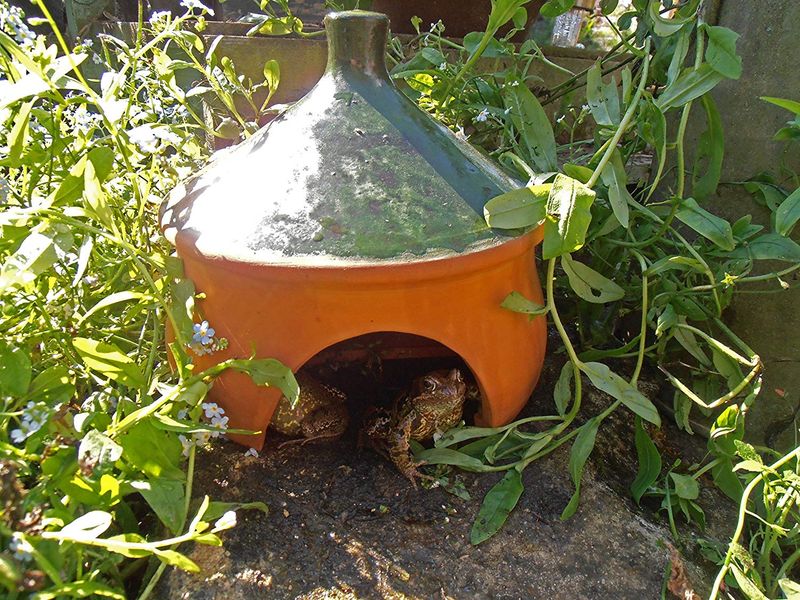
If you would rather have fewer frogs on the porch, the safest and most effective approach is to reduce what draws them there, starting with lighting. Turning off unnecessary exterior lights is the most direct step.
If you need light for safety or security, a motion-sensor fixture limits the hours insects accumulate beneath it. Shielding the fixture so it points downward rather than broadcasting light into vegetation or wet areas near the door also helps, because extension guidance on porch frogs identifies the insect concentration around lights as the primary draw.
Specific bulb-color claims circulate online, but responses vary among insect and amphibian species, so treat those claims with skepticism and focus on reducing overall light output and duration instead.
For a more amphibian-friendly yard overall, the habitat side matters as much as the lighting side. Native plants, shaded ground cover, leaf litter, decaying logs, and rocks give frogs cover away from high-traffic areas, which may reduce how often they end up at the door.
Protecting existing low spots, seasonal wet areas, and drainage features on your property supports the breeding and foraging habitat that local frogs depend on. NC Wildlife guidance on supplemental water features recommends researching permit requirements before any new excavation, and never adding fish to a pool intended for amphibians, since fish eat frog eggs and larvae.
Runoff and chemical use near wet areas deserve attention too. NC State Extension advises minimizing pesticide, herbicide, fertilizer, and petroleum runoff near any moist or low-lying area, because frogs absorb substances through their skin and rainfall moves yard chemicals directly into the places frogs use.
Keeping cats indoors and keeping dogs away from wetland edges and leaf litter patches reduces direct harm and habitat disturbance.
When a frog is sitting in a doorway or somewhere it could be stepped on, gently encourage it toward nearby shaded vegetation rather than picking it up. If handling is unavoidable, keep contact brief and CDC guidance recommends washing hands afterward because amphibians can carry germs including Salmonella.
Do not relocate a healthy frog to another pond, park, or yard as a routine solution. Moving wild amphibians can stress them, expose them to unfamiliar pathogens, and drop them into unsuitable habitat.
For an injured frog or a situation you cannot handle safely, contact a qualified wildlife rehabilitator or the relevant state wildlife authority rather than attempting relocation yourself.
Observe the pattern without turning it into a diagnosis
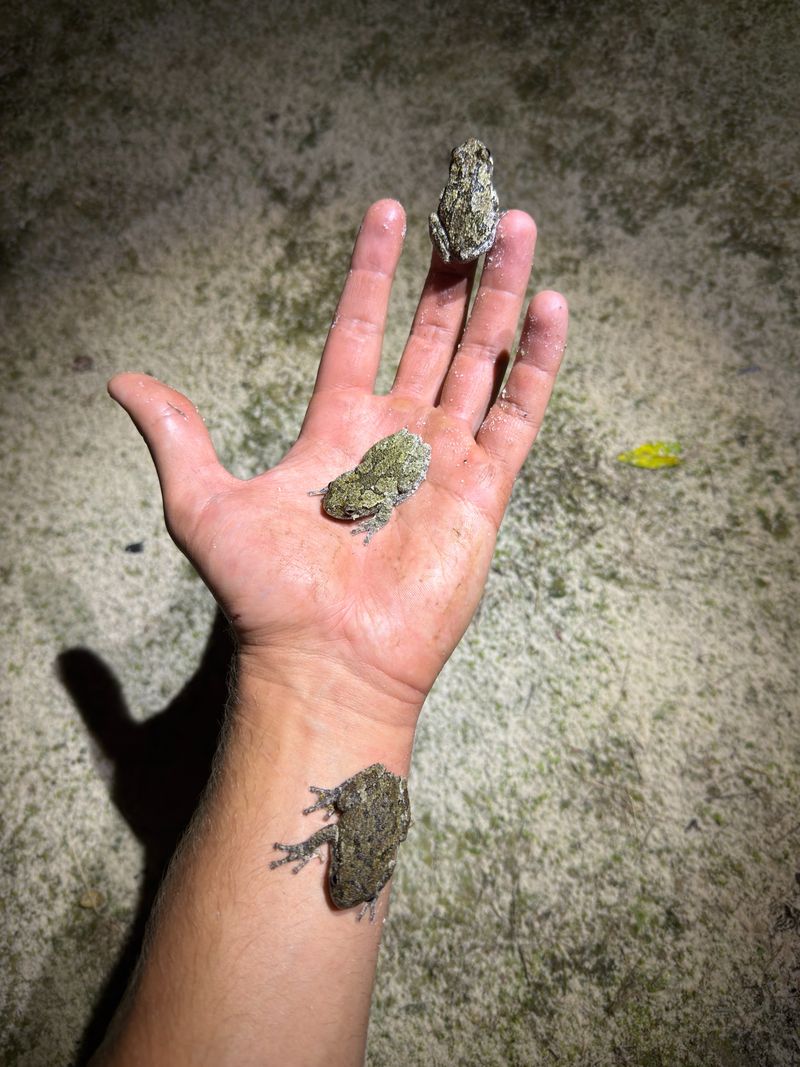
Storms can shift conditions enough to get certain frogs moving, and a lit porch with concentrated insects gives those moving frogs a reason to stop. That two-part explanation, wet conditions lowering the cost of movement for some species, combined with a food source your light has created, covers most of what is actually happening on a rainy night.
Repeated visits across a season add one more layer: something in or near your property is reliably providing moisture, shelter, prey, or access to breeding habitat. That is worth knowing, even if it is not a full ecological report.
What the frogs cannot tell you is whether your yard is pesticide-free, your water is clean, your tick pressure is low, or your biodiversity is exceptional. NC State Extension describes amphibians as indicators of habitat access, not as certifiers of yard health.
The practical response stays the same either way: reduce unnecessary light, limit chemical runoff near wet areas, protect the moist cover and seasonal wet spots your property already has, and leave healthy frogs where you find them. A frog that keeps coming back to your porch during storms is quietly reporting that your yard has something worth keeping.