
The North Carolina Herbs You Can Plant Along A Patio That Naturally Keep Mosquitoes Away

Summer evenings on a North Carolina patio should be for sweet tea and fireflies, not swatting mosquitoes. The good news is that a handful of tough, fragrant herbs can help push those pests back while making your yard smell amazing.
Even better, most of these plants thrive in our Piedmont, Coastal, and mountain conditions, and they double as kitchen herbs and pollinator magnets. Here are seven herbs to tuck along your patio edge, plus the trick that actually makes them work.
1. Rosemary (Salvia rosmarinus)
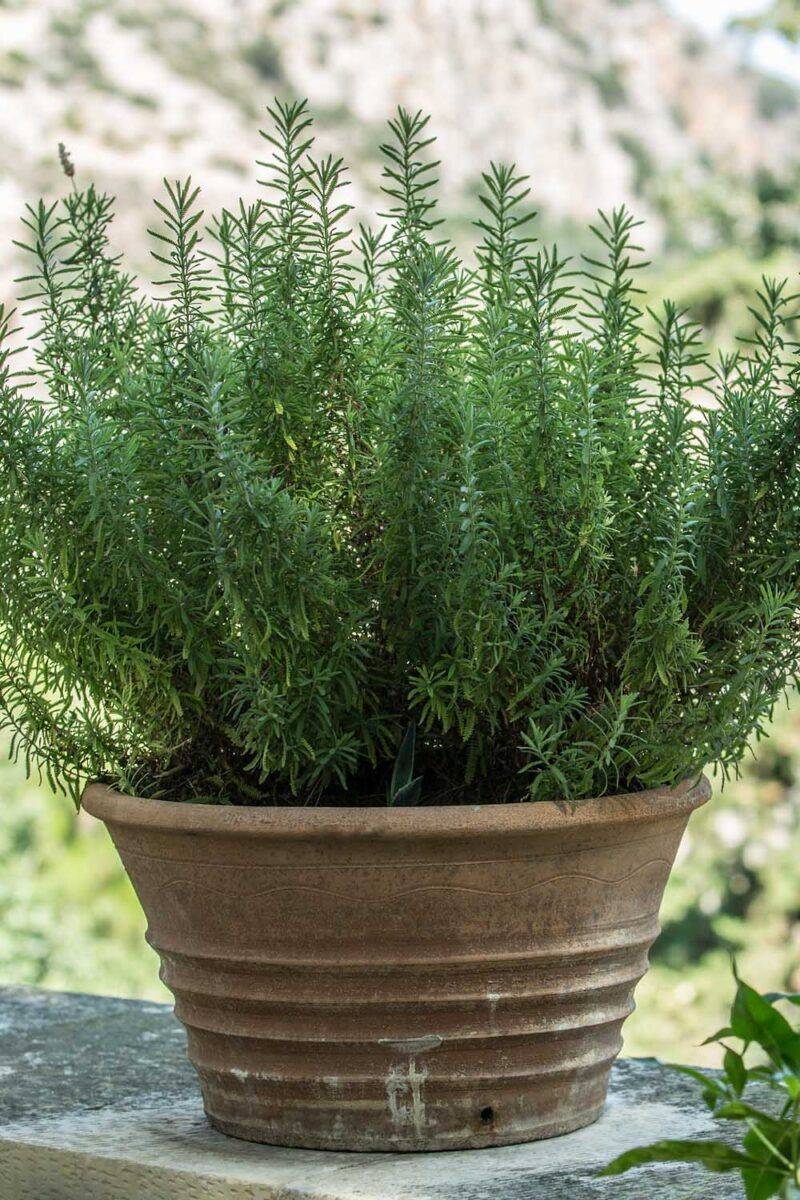
Brush past a rosemary bush on a hot July afternoon and you get a whiff of pine, pepper, and something almost medicinal. That pungent oil is exactly what scrambles a mosquito’s sensory receptors, and rosemary happens to love the same baking sun our Piedmont patios get all summer.
Plant it in porous, sandy soil or a container, and give it a spot that drains fast since rosemary hates wet feet. The catch is that the plant won’t fling repellent into the air on its own.
You have to bruise, crush, or brush the foliage to release those oils.
Here is a fun trick NC grillers swear by: toss a few sprigs onto the coals or fire pit. The scented smoke drifts across the seating area and helps keep the biters at bay while your burgers cook.
2. True Citronella Grass (Cymbopogon nardus or Cymbopogon winterianus)
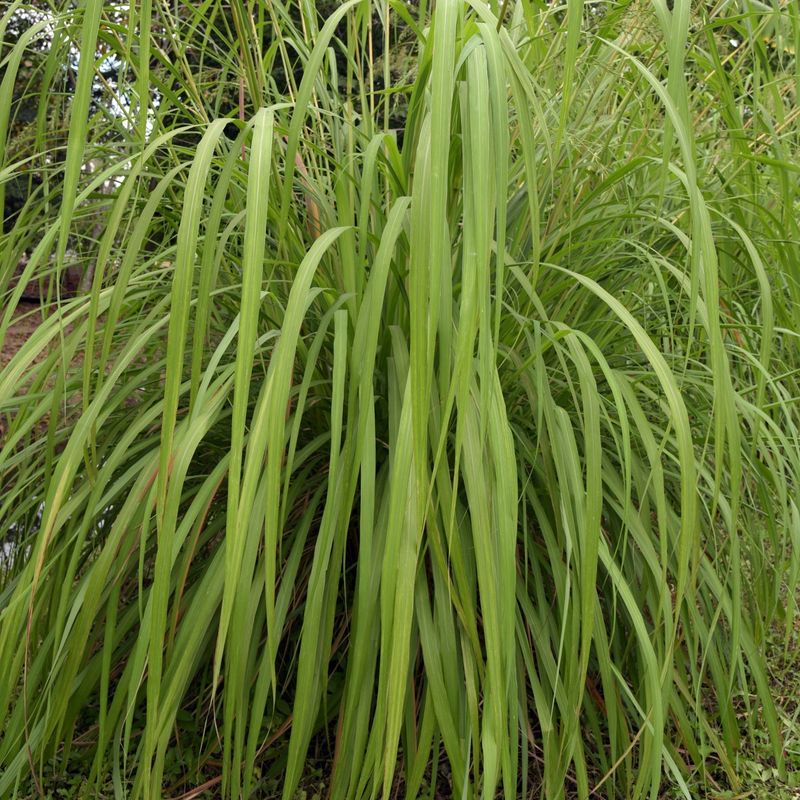
The lemony grass whose oil ends up in half the mosquito candles at the hardware store deserves a spot on your patio in its living form. True citronella grass grows fast and tall, making a handsome ornamental screen along a patio edge.
Across most of North Carolina (Zone 7) treat it as an annual, though warmer coastal gardens in Zone 9 can keep it going as a perennial. Set it in a big container where people naturally swish past, because brushing the blades is what releases those concentrated oils.
One important warning: do not confuse it with the so-called “citronella geranium” sold as a scented Pelargonium. That look-alike has far less repellent oil, can behave invasively, and its leaves may be poisonous.
Stick with the real grass and you will get the real benefit.
3. Basil (Ocimum sp.)
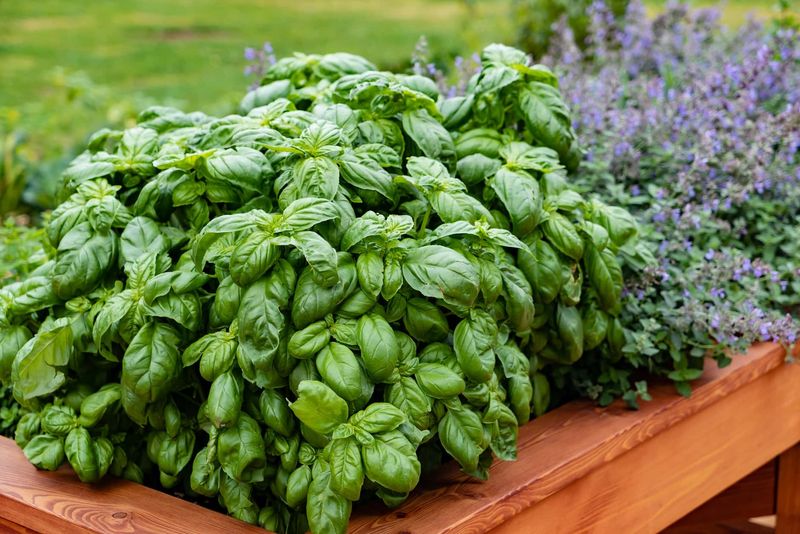
Most folks grow basil for caprese salad and pesto, but this kitchen favorite pulls double duty as a mosquito deterrent. Its leaves are loaded with eugenol, linalool, and camphor, all of which rank high on a mosquito’s list of least favorite smells.
Cluster several plants in a warm, sunny, well-drained spot near your seating area to build a fragrant little barrier. Basil sulks in cold, so wait until nights stay warm before setting it out in spring.
Want an instant fix before a cookout? Crush a few leaves and rub them on exposed skin, or drop a handful onto the fire pit coals.
If you want the strongest repellent punch, grow lime basil or holy basil, both noted for their extra-potent oils.
4. Lemon Grass (Cymbopogon citratus)

Snap a stalk of lemon grass and the sharp citrus scent that rises is the same one mosquitoes go out of their way to avoid. Popular in Thai and Vietnamese cooking, this culinary cousin of citronella grass earns its keep on any NC patio.
Give it full sun and well-draining soil and it will form a tidy, arching clump through the season. Because North Carolina winters are too chilly for it, grow it as an annual or keep it in a pot you can drag indoors before the first frost.
Trimming or brushing the plant is what unlocks the fragrance, so place it where a passing arm or leg will graze it. Bonus: you can harvest the tender stalks for your kitchen all summer long.
5. Catnip (Nepeta cataria)
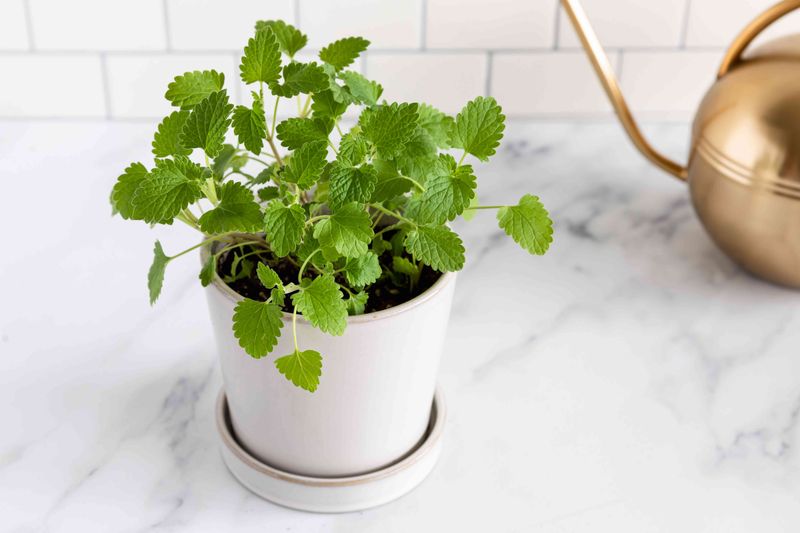
Here is a headline that surprises people: research suggests catnip oil may repel mosquitoes up to ten times more effectively than DEET. That heavyweight punch comes from a compound that triggers a receptor insects read as pure irritation.
Catnip is a hardy perennial that shrugs off tough conditions, thriving in sunny spots with well-draining soil and settling happily into a patio pot. It spreads eagerly, so a container is a smart way to keep it from taking over your beds.
Crush a few leaves before guests arrive to send those volatile oils into the air. Just know your neighborhood cats may become very interested visitors, which, depending on your feelings about cats, is either a perk or a heads-up.
6. Lavender (Lavandula angustifolia, Lavandula x intermedia)
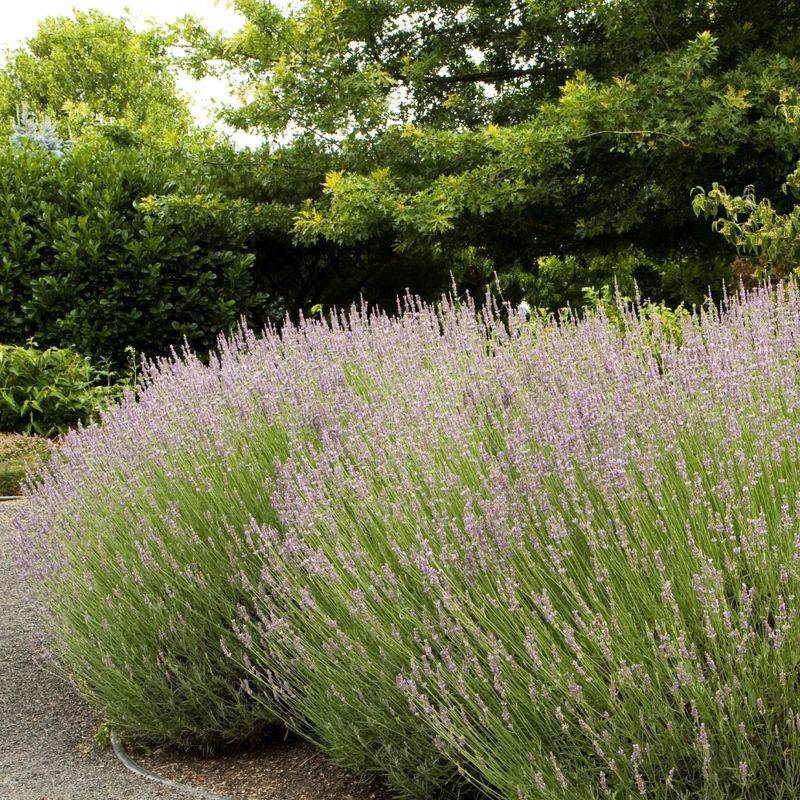
Few plants make a patio feel more relaxing than a row of lavender humming with bees, and mosquitoes feel the opposite way about it. The magic ingredient is linalool, a compound that basically overwhelms a mosquito’s sense of smell so it can’t find you.
Lavender wants sun and prefers to stay on the dry side, which makes it a natural for containers or raised beds near your seating. Soggy clay will rot it fast, so drainage is everything, especially in our humid summers.
For the biggest repellent effect, look for camphor-rich varieties like ‘Provence’ and ‘Grosso.’ Rub the flower spikes between your fingers or brush the foliage as you walk by to send that calming, bug-annoying scent into the air.
7. Lemon Balm (Melissa officinalis)

Crush a handful of lemon balm and you get a bright, lemony scent that feels like summer in a leaf. Some strains are rich in citronellal, the same family of compound found in citronella oil, which is why this member of the mint family helps send mosquitoes packing.
Unlike the sun-worshippers on this list, lemon balm tolerates a bit of shade, so it works well by a back door or a shadier corner of the patio. It grows easily in containers, which is wise because, like all mints, it can spread with enthusiasm if planted loose in a bed.
For a quick fix, rub the crushed leaves right onto exposed skin before you settle in for the evening. Toss the extra into iced tea and you have a repellent that pays you back in flavor.