
If You Cut Back Every Perennial At Once, Here Are 11 That Actually Bloom Better From A September Trim
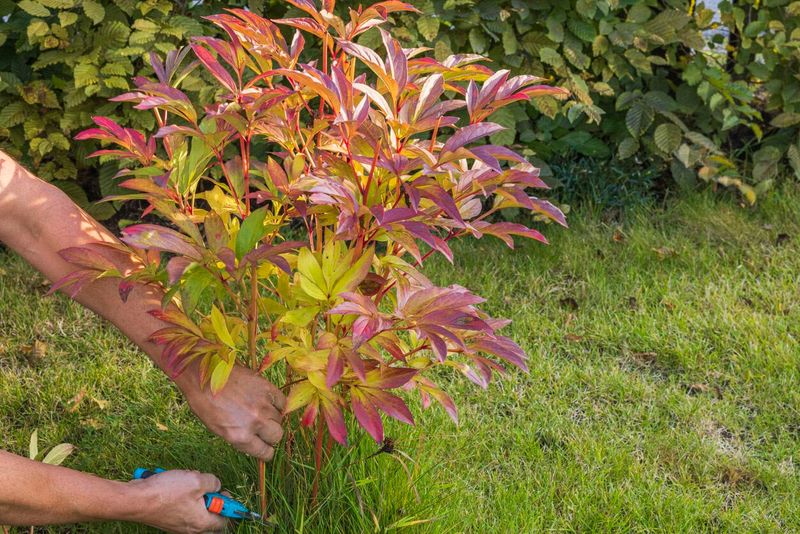
When fall rolls around, it is tempting to grab your shears and chop everything in the garden down to the ground. But some perennials actually reward you with healthier growth and bigger blooms when you give them a September trim.
The trick is knowing which plants love the haircut and why. Here are 11 perennials that bounce back stronger when you cut them back at the right time.
1. Peonies
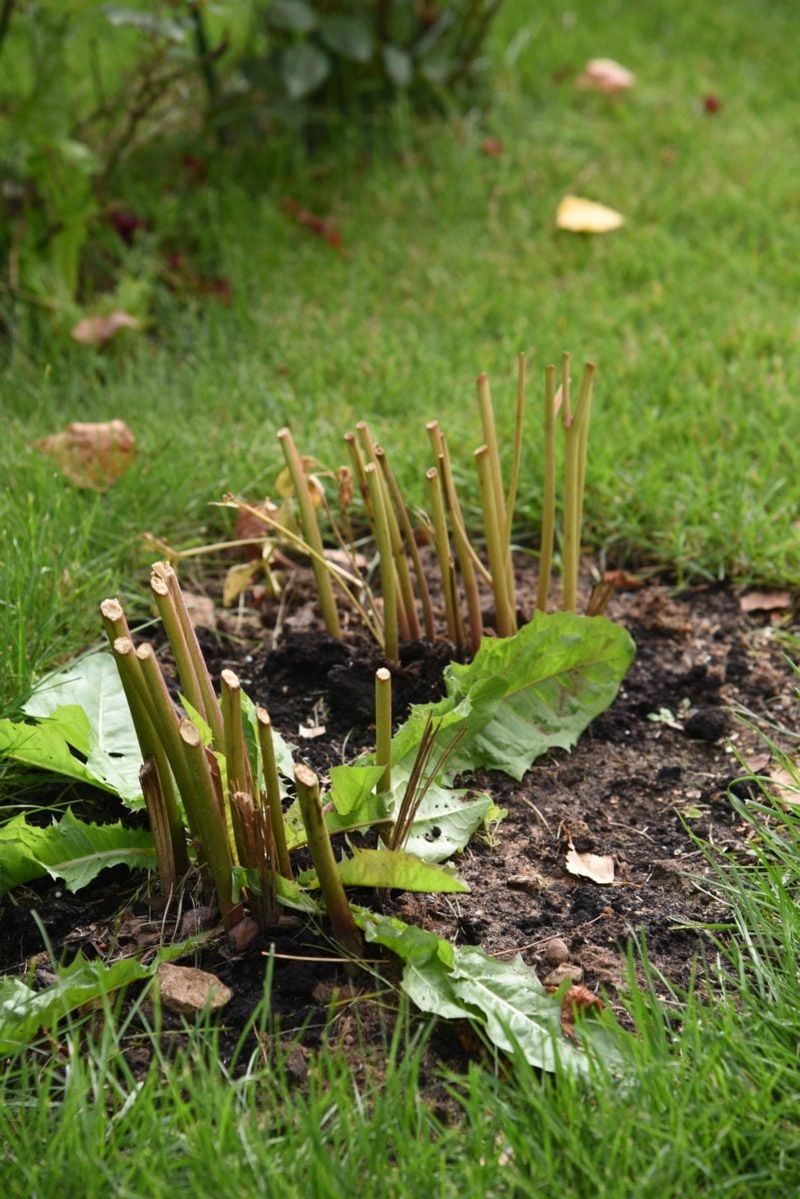
Few flowers make people gasp like a peony in full bloom, yet those same lush leaves can turn into a fungal problem factory by fall. Once your peony finishes flowering and the foliage starts to fade, September is your moment to cut it back down close to the ground.
The reason is simple. Powdery mildew and botrytis blight love to overwinter on old peony leaves, and clearing them out removes the hiding spots for next year.
A clean cutback lets the plant focus its energy on the roots below. Come spring, you are far more likely to see that jaw-dropping display instead of spotty, tired leaves.
2. Bee Balm (Monarda)
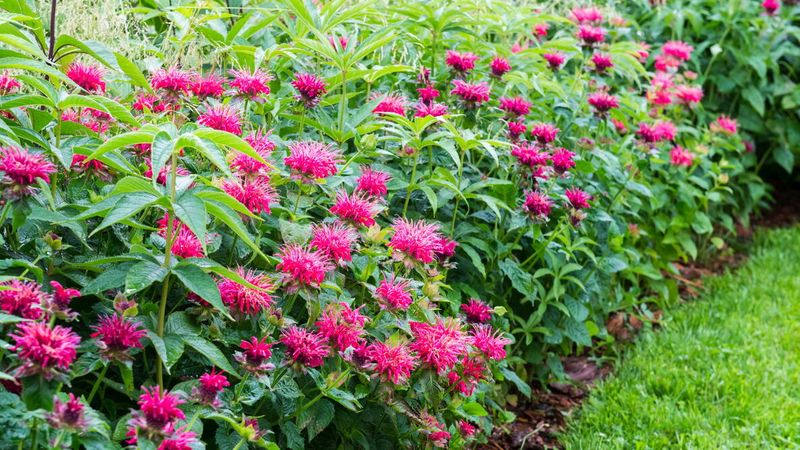
If your bee balm has ever looked like someone dusted it with flour, you already know its worst enemy: powdery mildew. Damp fall weather makes that white coating spread fast, which is exactly why a September trim pays off.
Cutting the plant back removes the infected leaves before they can drop spores into the soil for next season. It is a small chore that saves you a big headache later.
Bee balm is tough, so do not be shy. A firm cutback gives it a clean slate to send up fresh, vigorous shoots when warm weather returns.
3. Garden Phlox
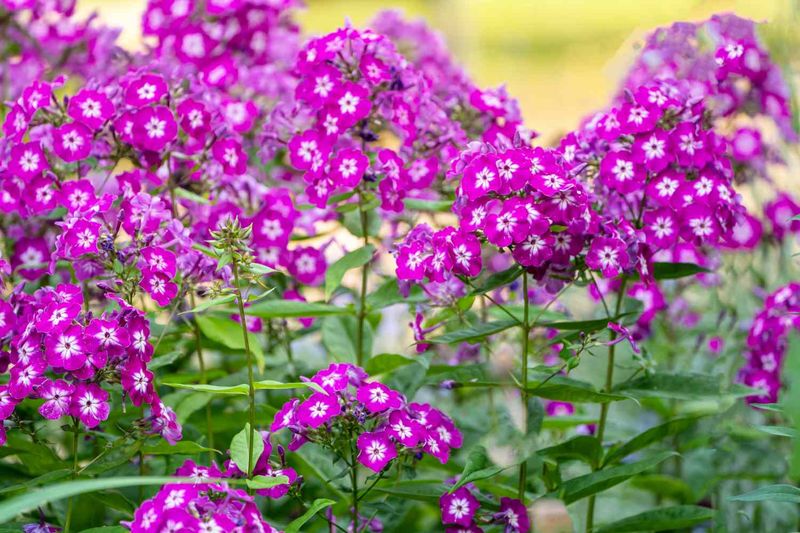
Garden phlox brings those big, fragrant flower clusters that fill a border with color, but it has two habits that can drive gardeners a little crazy. One is powdery mildew, and the other is its knack for scattering seeds everywhere.
Trimming phlox after it blooms in September tackles both problems at once. You limit the mildew that clings to old stems, and you stop unwanted seedlings from popping up in random spots next year.
There is a bonus, too. Gardeners often notice a heavier flush of blooms the following spring when phlox goes into winter tidy and cut back.
4. Yarrow (Achillea)
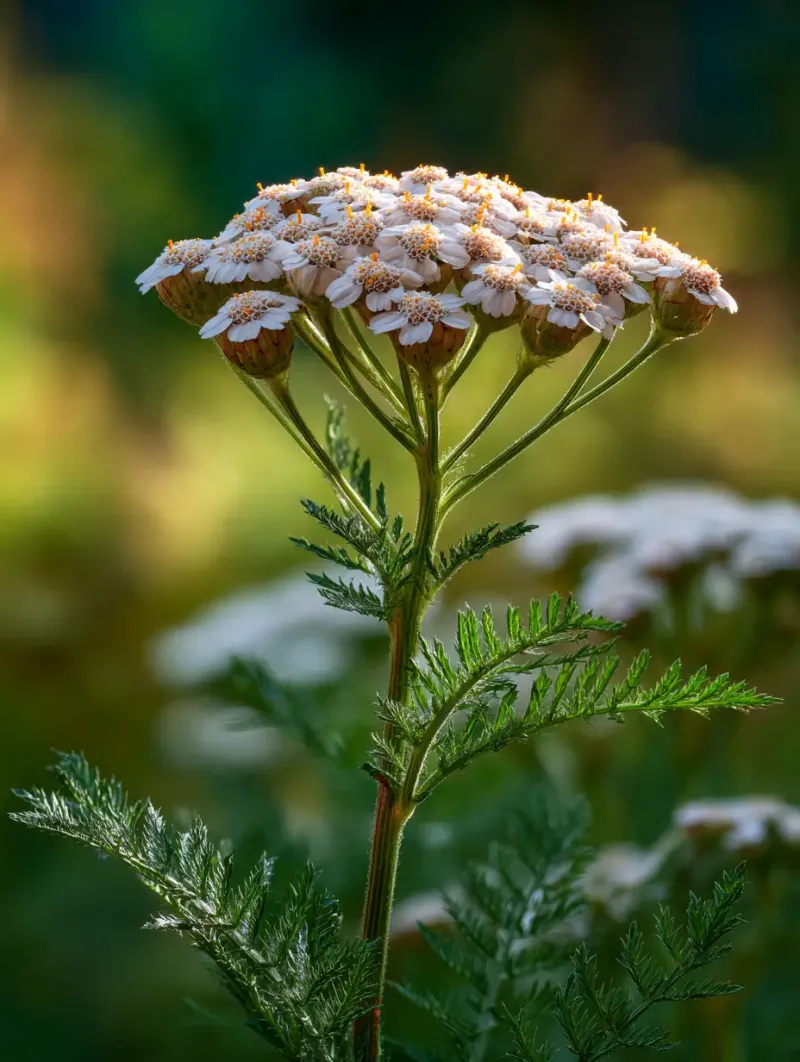
Yarrow is the kind of plant that keeps giving if you keep cutting. After its first round of flat, colorful flower heads fades, a September trim tidies things up and often coaxes out a second, more compact flush before winter.
Left alone, yarrow tends to flop over and sprawl, which can invite crown rot where the stems meet the soil. A good cutback keeps it upright and airy.
Think of it as giving your yarrow a reset button. Fresh growth means a healthier plant and a neater corner of the garden heading into the cold months.
5. Salvia
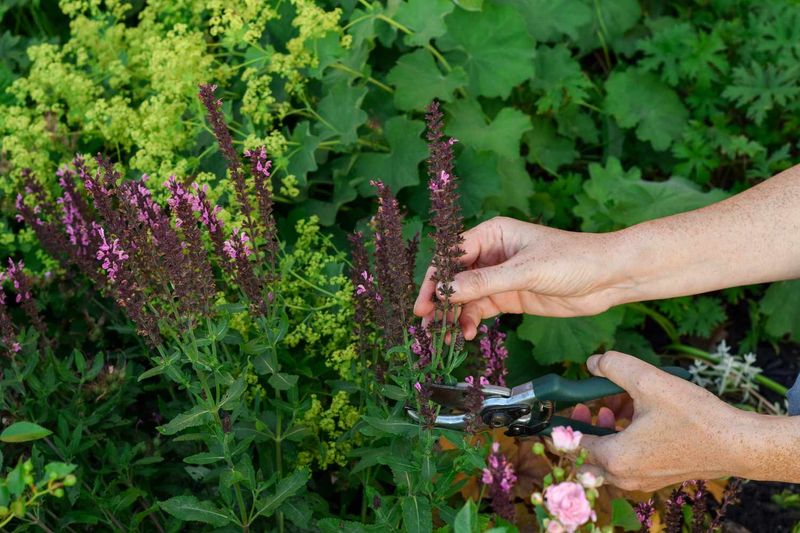
Here is a happy surprise about salvia: cutting it back can actually make it bloom more. When you shear or pinch those spent spikes in September, the plant responds by pushing out new shoots.
More shoots mean more flowers, and that can stretch the show right into fall. If you have ever wished your salvia would keep going, this is the move.
A harder cutback also does double duty by protecting the crown through winter. So you get extra blooms now and a better shot at a strong return next spring.
6. Black-Eyed Susan (Rudbeckia)

Those cheerful golden petals with the dark button centers are a late-summer favorite, but black-eyed Susans have a sneaky side. They reseed like crazy, and their spent leaves can harbor a fungal troublemaker called Septoria leaf spot.
Cutting the finished flower stalks down to the basal foliage in September keeps both issues in check. You control the wandering seedlings and clear away the material where disease likes to overwinter.
Do this and you set the stage for a plant that blooms heavily season after season, instead of one that limps along fighting spots and crowding.
7. Bearded Iris
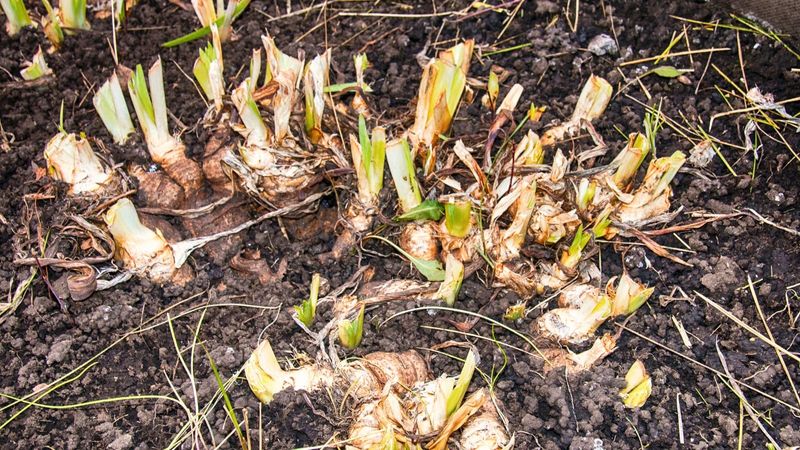
Bearded iris comes with a hidden villain: the iris borer, a pest that tunnels into the rhizome and can quietly wreck the whole plant. That is why September foliage care matters so much here.
Trimming the leaves back to about six inches removes the spots where borers and fungal spores like to settle in for winter. It is a protective move as much as a tidying one.
Your reward is a rhizome that stays healthy underground and an iris that returns stronger, ready to unfurl those ruffled blooms when the weather warms.
8. Daylilies
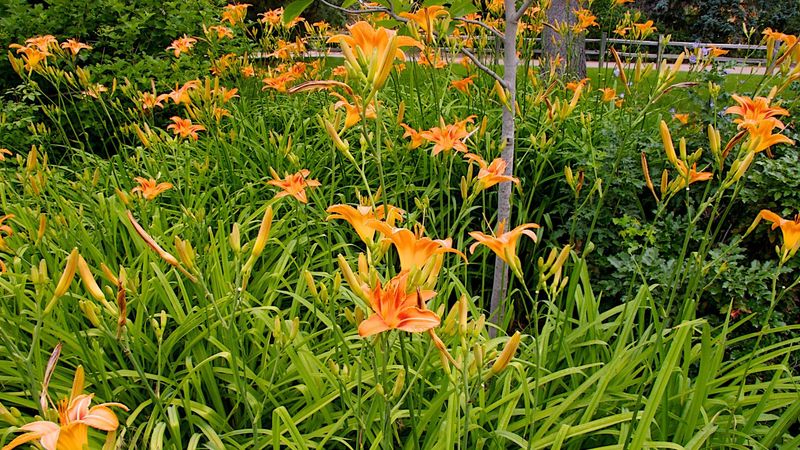
Daylilies are famous for being nearly impossible to kill, but a little fall grooming keeps them at their best. The timing here is a bit different, though.
It is best to wait until after the first fall frost before you shear them.
Removing the spent, yellowing foliage cuts down on disease risk and clears out the messy look that can take over a bed by late season.
Until you trim, the leaves keep feeding the plant through photosynthesis, so patience helps. A well-timed cleanup keeps daylilies healthier through winter and supports the flood of blooms they are known for.
9. Catmint (Nepeta)
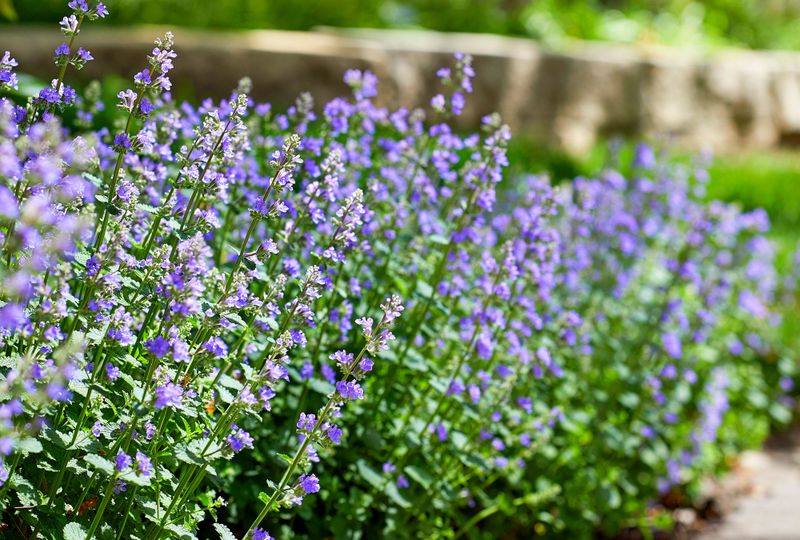
Catmint has a wonderful way of tumbling into a soft, hazy mound of blue, but by late season it can look ragged and sprawling. A September trim brings back that tidy, fresh appearance you loved in early summer.
Cutting it back to roughly four to six inches above the soil does more than neaten the bed. It can spark a second flush of those airy flowers while the weather still cooperates.
The trim also guards the roots against winter damage. So a quick shear now means a cleaner look, more blooms, and a plant that shrugs off the cold.
10. Shasta Daisy (Leucanthemum x superbum)
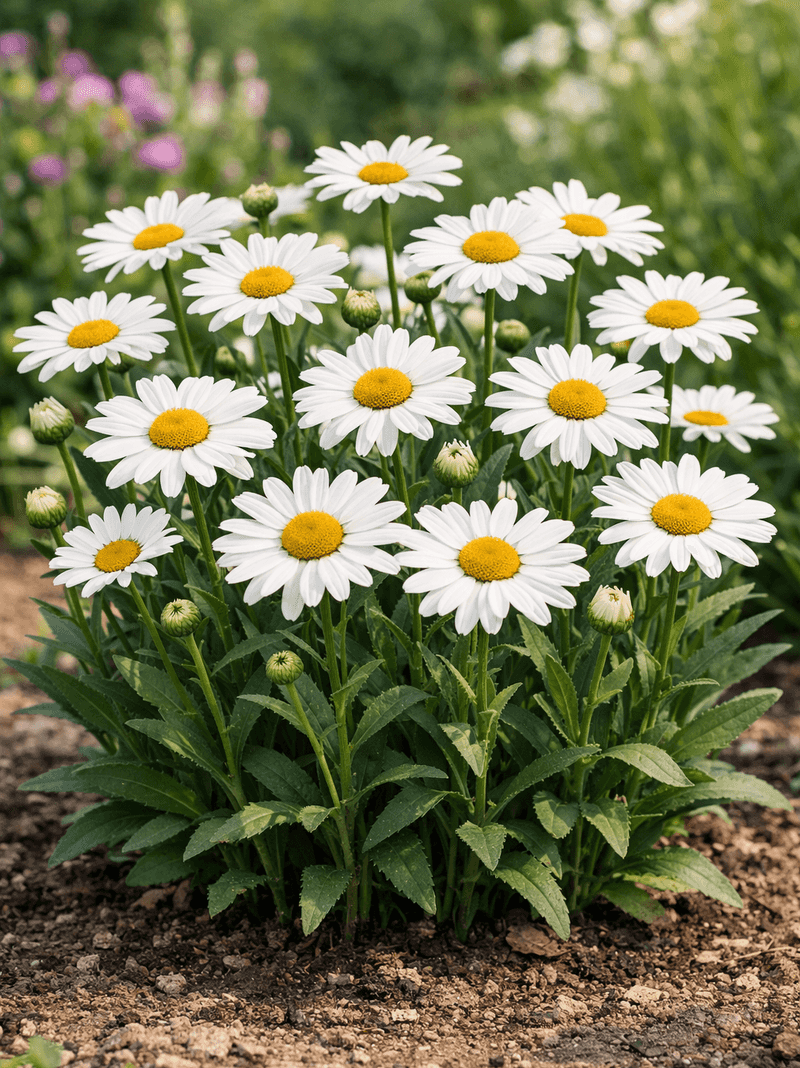
Nothing says classic garden like the crisp white petals and sunny center of a Shasta daisy. Throughout the season, snipping off spent flowers keeps new ones coming, but once blooming truly stops in September, it is time for a real cleanup.
Trimming the stems just above the basal leaves clears away the tired growth and helps the plant come back stronger next year.
Keep an eye on the middle of the clump, too. If the center starts thinning out, that is your cue that the plant may need dividing to stay vigorous and full.
11. Blanket Flower (Gaillardia grandiflora)
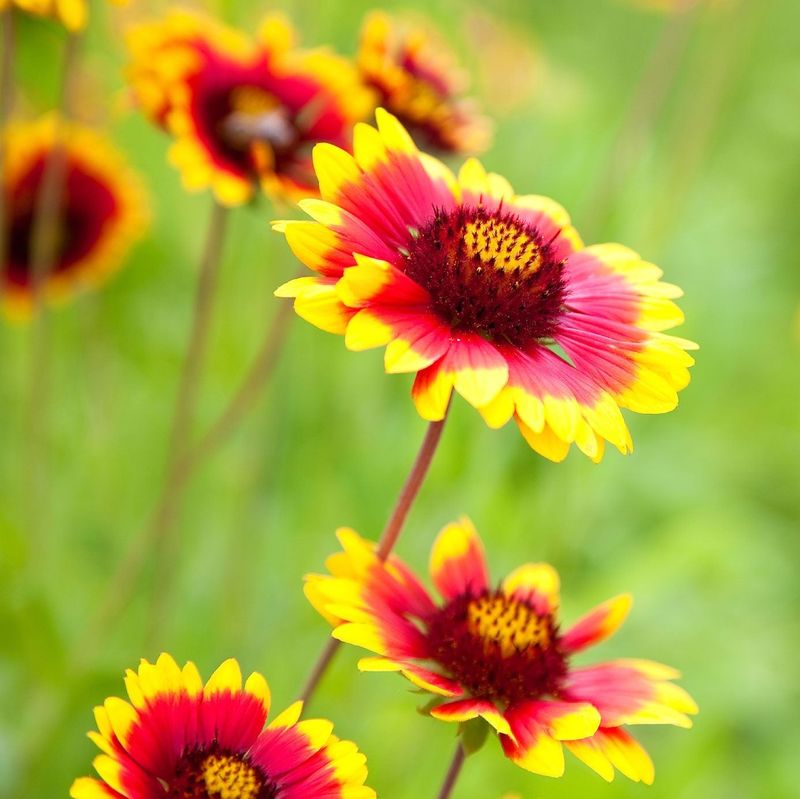
Blanket flower earns its name with those warm red and gold blooms that look like tiny sunsets scattered across the bed. To keep that fiery show going strong, a fall cleanup makes a real difference.
Cutting back the spent stems in September boosts the plant’s overall vigor and helps it head into winter looking fuller rather than frazzled.
The payoff shows up the next growing season. A trimmed blanket flower tends to come back healthier and more packed with those cheerful, sunset-toned blooms.