
If You Want Butterflies To Stay And Not Just Pass Through, Here Are 8 Things That Make Your Garden Irresistible
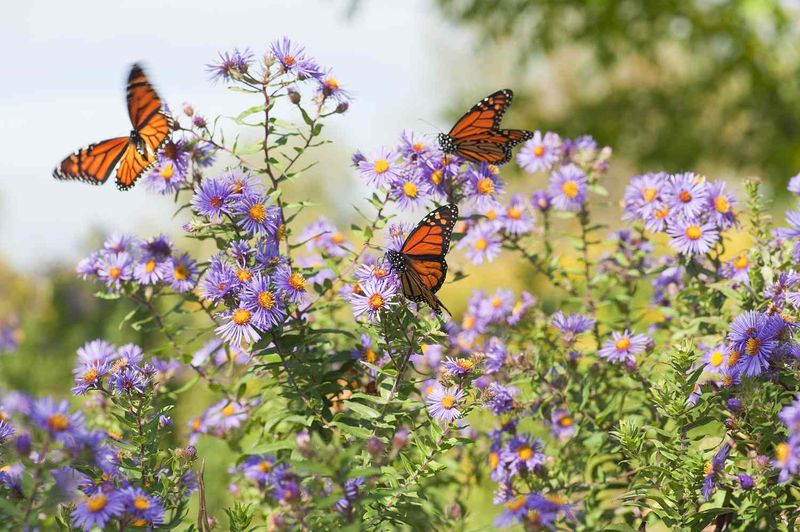
Butterflies love to visit gardens, but getting them to stick around is a whole different story. If yours only flutter by and never settle, your yard is probably missing a few things they really need.
The good news is that turning your space into a butterfly hangout is easier than you might think, and most of the fixes cost almost nothing. Here are eight simple changes that can make butterflies feel right at home.
1. Plant a Steady Supply of Nectar Flowers
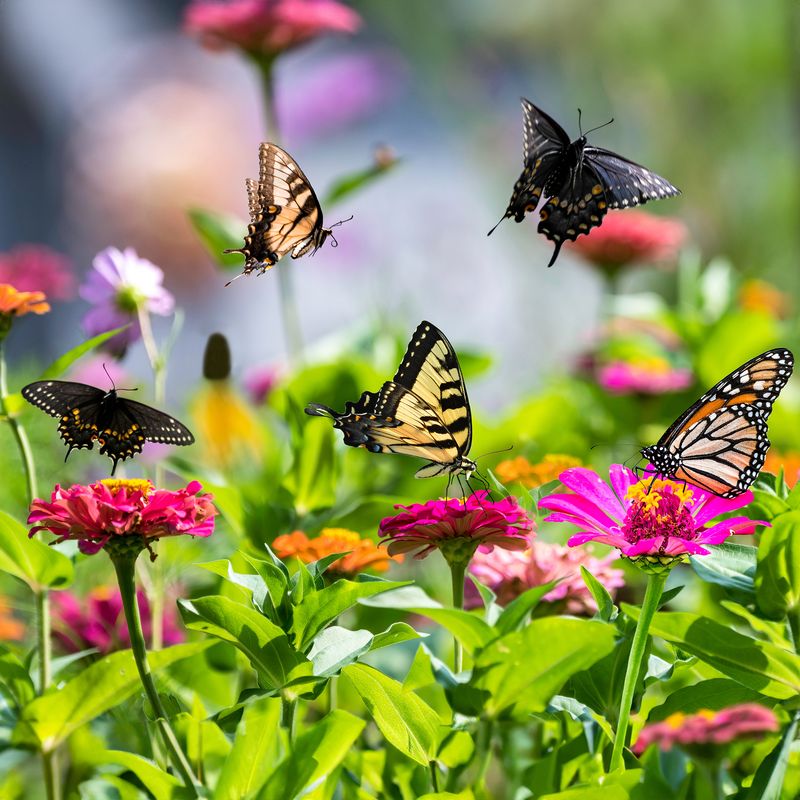
Think of nectar the way you think of a favorite snack bar. If butterflies can count on finding food every time they stop by, they will keep coming back instead of drifting off to a neighbor’s yard.
The trick is planting flowers that bloom at different times so something is always open from spring through fall. Grouping the same plant in big clusters helps too, because a solid patch of color is far easier for a passing butterfly to spot than one lonely bloom.
Butterflies gravitate toward large open flowers or dense heads of tiny blossoms, especially in purple, pink, yellow, and white. Zinnias, coneflowers, and lantana are easy winners that keep the buffet stocked all season long.
2. Add Host Plants for Caterpillars
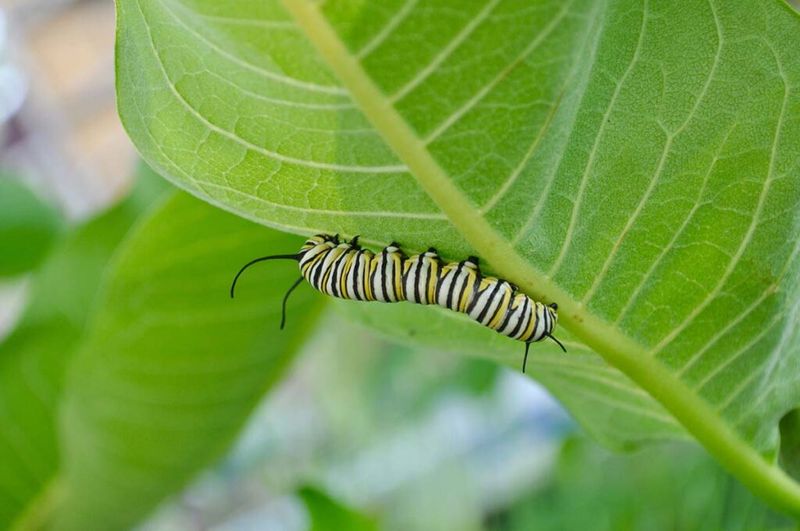
Here is the part most people skip, and it is the whole reason butterflies leave. Nectar feeds the adults, but butterflies will not stay to raise a family unless there are the right plants for their caterpillars to eat.
Every butterfly species has its picky eaters. Monarch caterpillars, for example, will only munch on milkweed, so no milkweed means no baby monarchs in your yard.
When you add host plants, you invite butterflies to lay eggs and complete their entire life cycle right there in your garden. Yes, the caterpillars will chew a few leaves, but that nibbling is a sign your garden is working exactly as it should.
3. Pick a Sunny, Wind-Protected Spot
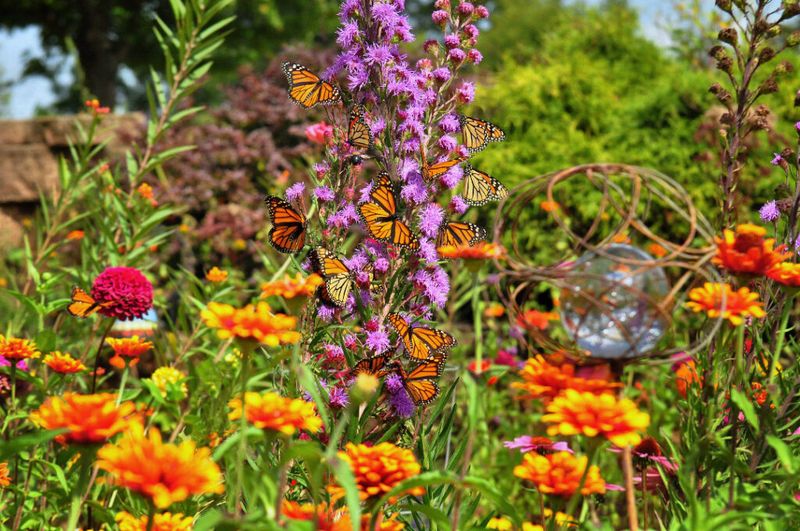
Butterflies are cold-blooded, which means they cannot warm themselves from the inside like we do. They rely on the sun to heat their bodies enough to fly, so a chilly, shady garden feels off-limits to them.
Aim for a spot that soaks up at least six hours of direct sunlight each day. That warmth keeps butterflies active and encourages them to linger rather than hurry along.
Wind is the other troublemaker. Strong gusts make flying feel risky and unstable, so tuck your butterfly plants near a fence, wall, or row of shrubs.
A little shelter turns a breezy patch into a calm, welcoming rest stop.
4. Set Up a Shallow Puddling Area
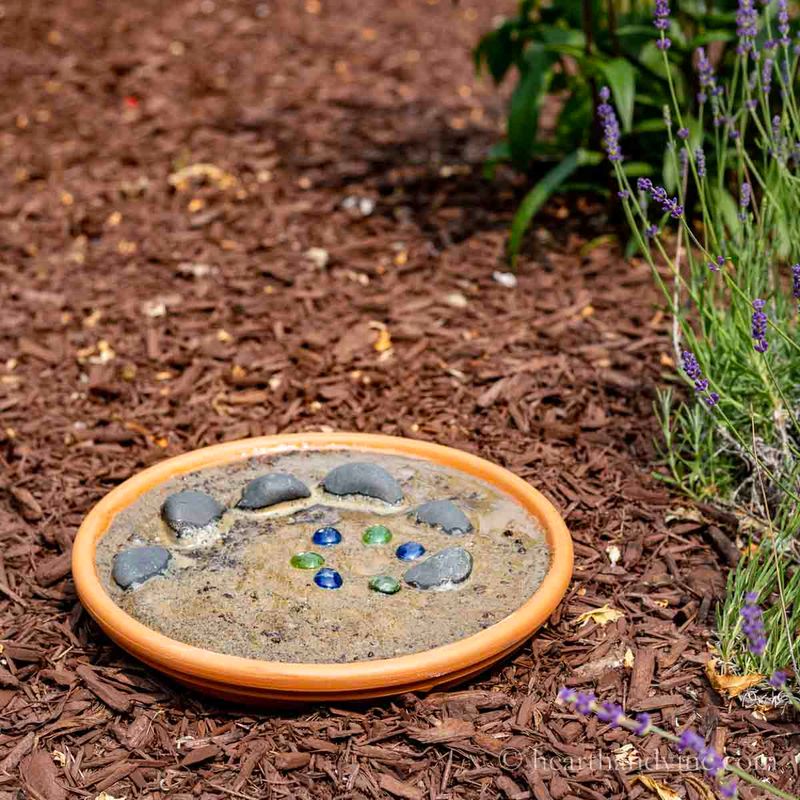
Ever noticed butterflies clustered on a patch of damp ground? That is called puddling, and it is how they grab water and minerals they cannot get from flowers alone.
A regular birdbath is too deep and too dangerous for them, so make your own version instead. Fill a shallow dish with sand or fine gravel, keep it moist, and set it in a sunny spot where butterflies can perch safely.
Sprinkling in a tiny pinch of sea salt or a little compost gives them the minerals they crave. Male butterflies especially rely on those salts, since they help with reproduction.
It is a small dish that delivers a big reason to stay.
5. Create Warm Basking Spots
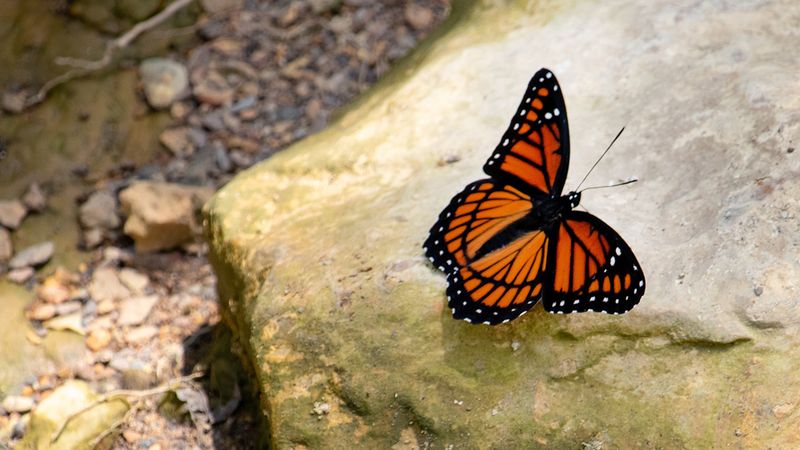
Before a butterfly can take off, it needs to warm up its flight muscles, kind of like an athlete stretching before a race. Cold muscles simply will not lift them into the air.
Flat stones make perfect launch pads. Place a few smooth rocks in sunny, open areas and butterflies will land on them, spread their wings wide, and soak up the heat.
You can also leave a small patch of bare, sunlit ground for the same purpose. These cozy warming stations often turn into the busiest photo spots in the whole garden, since a basking butterfly holds still long enough for you to admire it.
6. Skip the Pesticides
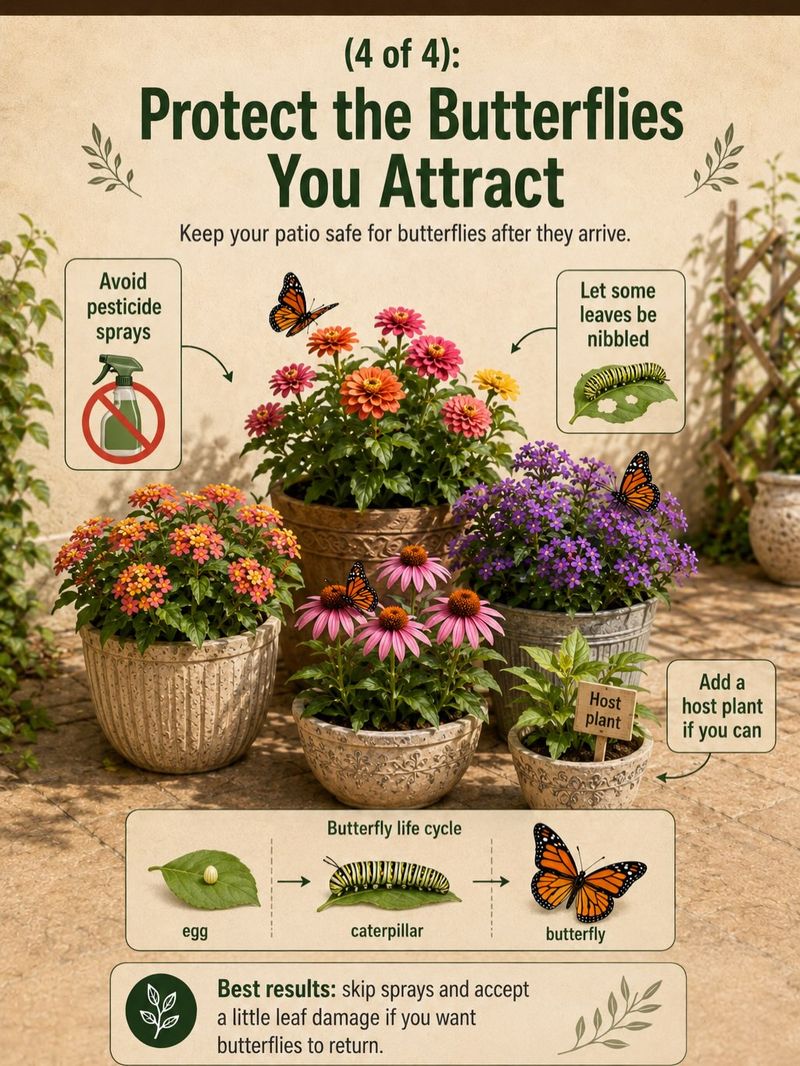
Nothing empties a butterfly garden faster than spraying it. Pesticides do not tell the difference between a pest and a fragile butterfly egg, so they can wipe out the very visitors you are trying to attract.
Even products labeled organic can harm caterpillars and adults, so the safest move is to skip them entirely in your butterfly zones. Handpicking troublesome bugs or hosing them off with water works surprisingly well.
Once you let go of the spray bottle, your garden fills back up with life, from ladybugs to bees to those butterflies you have been hoping for. A slightly imperfect, chewed-up leaf here and there is a fair trade for a yard buzzing with wings.
7. Provide Shelter and Overwintering Sites
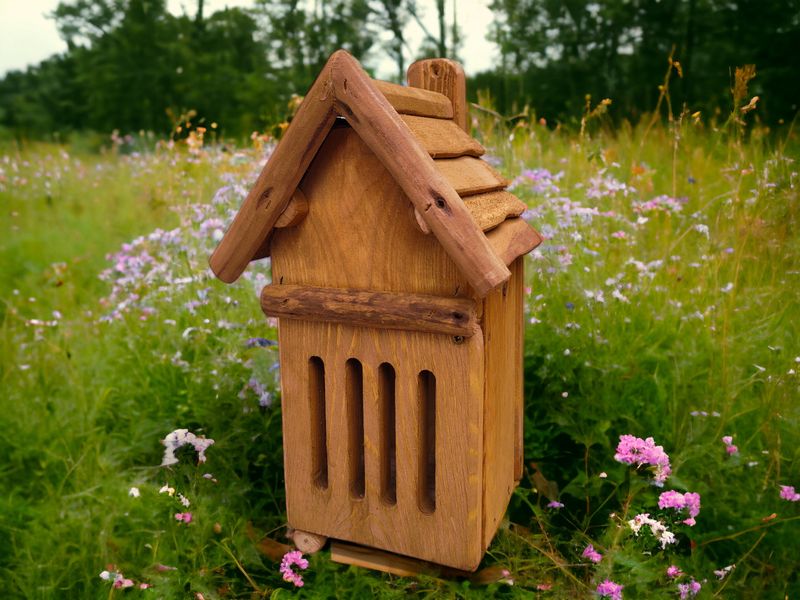
Butterflies need somewhere to duck out of the rain, hide from hungry birds, and settle in when the weather turns cold. A garden that offers only flowers leaves them exposed and eager to move on.
Trees, shrubs, and clumps of ornamental grass give them protective cover during storms and quiet resting places at night. Layering different heights of plants creates plenty of nooks to tuck into.
When fall arrives, resist the urge to tidy up every last leaf. Leaf litter, brush piles, and undisturbed tall grasses become overwintering shelters where some species wait out the season.
A little messiness keeps them safe until spring.
8. Offer Overripe Fruit as a Treat
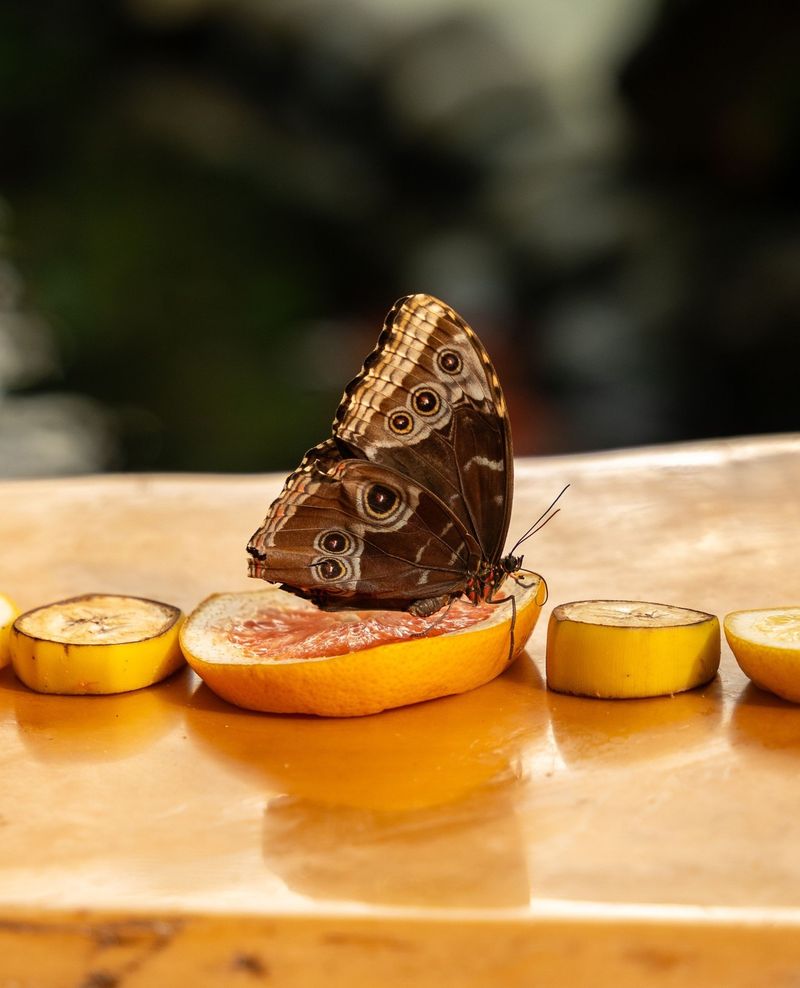
Not every butterfly is a flower fan. Some species would rather feast on the sweet juices of soft, fermenting fruit, and that squishy banana on your counter is exactly what they want.
Set out a plate of overripe fruit like sliced oranges, bananas, or mushy melon in a sheltered, shady corner. As the fruit breaks down, its sugary scent draws in butterflies you might not see near your blooms.
Fun fact: this trick can attract stunning species like red admirals and mourning cloaks that mostly ignore nectar. Refresh the plate every few days, and you may spot visitors your neighbors have never seen fluttering around their flowers.