
If You’ve Ever Wanted Peacocks In Your Garden, Here Are 7 Things To Know Before You Bring Them Home
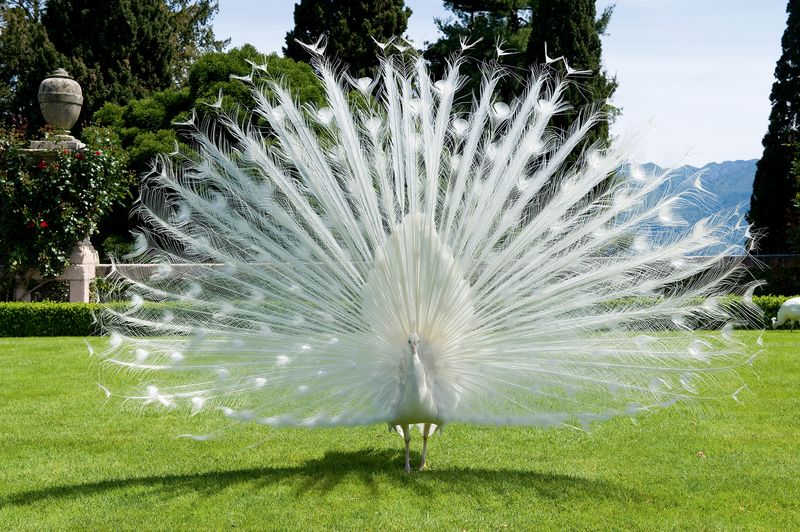
Peacocks look like living jewels strutting across a lawn, and it’s easy to dream about having a few of your own. But these dazzling birds come with real responsibilities that catch a lot of new owners off guard.
Before you fall for those shimmering tail feathers, it helps to know what you’re actually signing up for. Here are seven honest things to sort out first so both you and your birds stay happy.
1. Legality Varies by Location
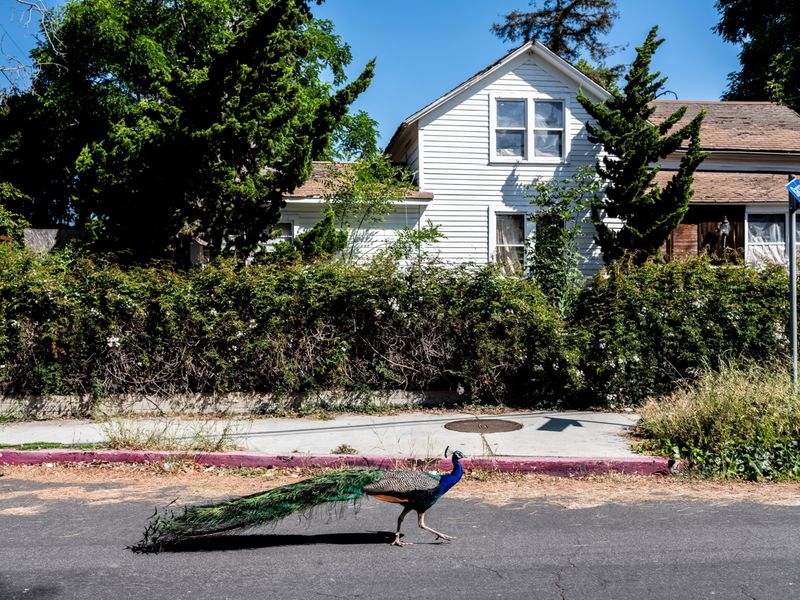
Before you spend a dime on a bird, grab your phone and call your local city or county code office. Peacocks are legal to own in most U.S. states, but the rules that trip people up are almost always local.
Many towns treat peafowl like other poultry, which means residential neighborhoods may ban them outright or require agricultural zoning. Some places say no because of noise or the amount of land the birds need.
A quick chat with animal control can save you from a heartbreaking situation where you have to rehome a bird you’ve grown attached to. Get any answers in writing if you can, so there’s no confusion later.
It’s a boring step, but it’s far cheaper than a fine or a forced removal.
2. Significant Noise Levels
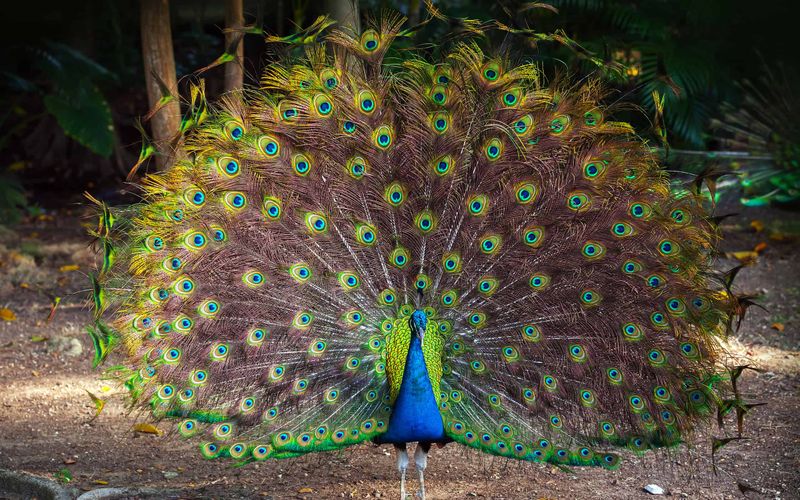
Picture a loud, drawn-out scream that sounds a little like a crying child, starting at first light and echoing until sunset. That’s the soundtrack of a male peacock during mating season, which runs roughly from March through July.
Those calls carry a surprising distance, and they’re the number one reason neighbors file complaints. Even friendly neighbors can lose patience when the racket starts before their alarm clock does.
Outside of mating season things calm down quite a bit. Most of the year, peafowl only call out if they’re startled or separated from their flock.
Some of their sounds are even low-pitched infrasound you feel more than hear. Still, if your homes sit close together, honest conversations with the folks nearby before you buy will spare everyone a lot of frustration.
3. Space and Enclosure Requirements
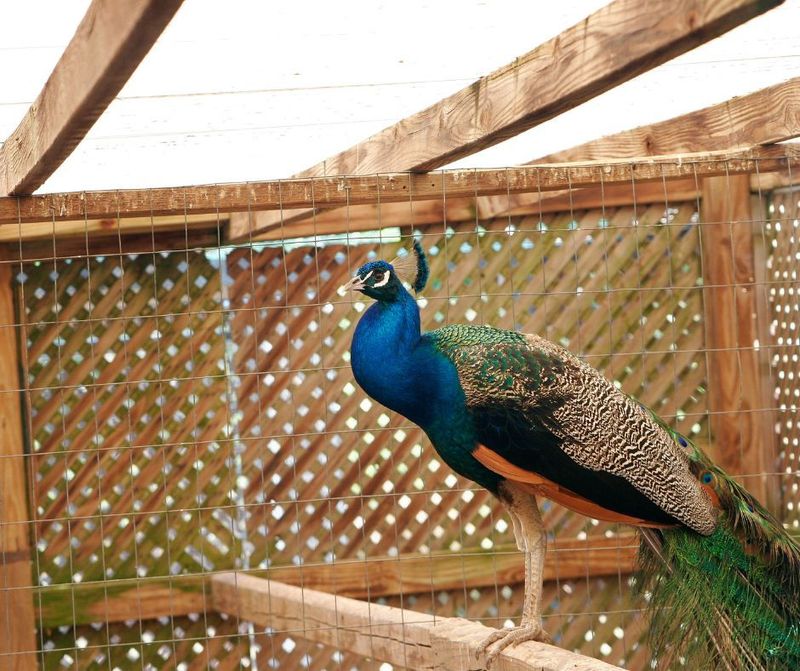
Cramped quarters simply won’t do for a bird that wants to fly, roost high, and drag around a tail longer than you are tall. Plan on giving each bird at least 80 to 100 square feet of space.
Enclosures need to be tall, ideally 6 to 8 feet high, and topped with a roof since peafowl can fly and love to perch up high. Add roosting bars set 7 to 12 feet off the ground.
Males need that height to keep their six-foot trains off the dirt and to feel safe from predators lurking below.
Here’s a tip that surprises newcomers: pen fresh birds for a solid 3 to 6 months when they first arrive. That penning time lets them build their internal GPS and learn where home is, which keeps them from wandering off the moment you open the gate.
4. Diet and Foraging Habits
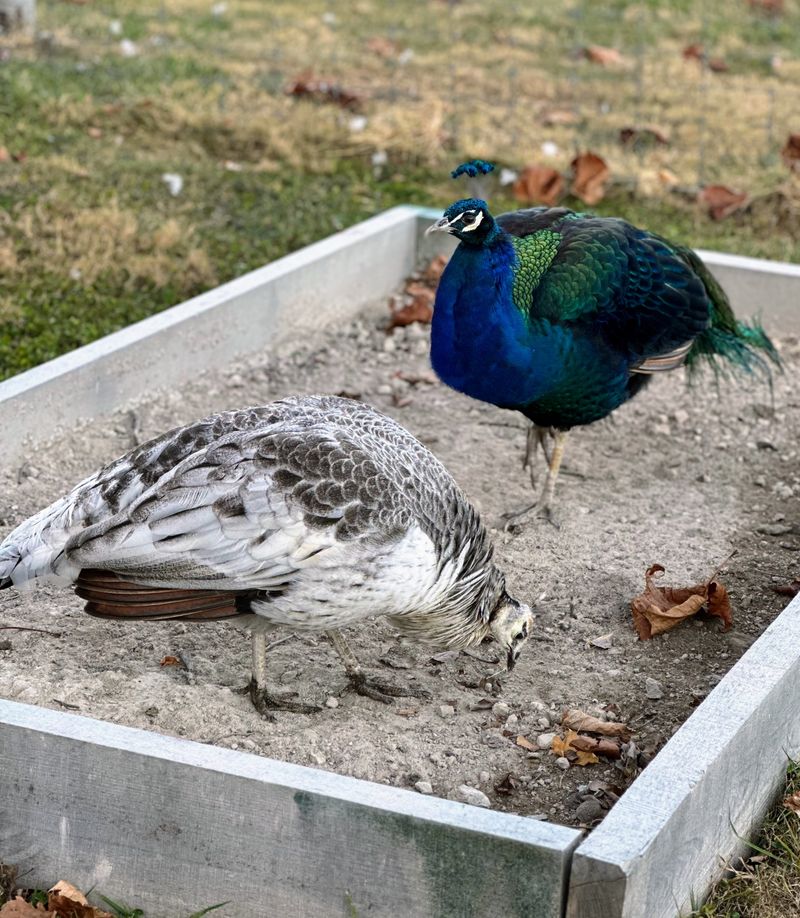
Think of a peacock as a walking appetite with excellent taste. As omnivores, they happily gobble seeds, grains, berries, flower petals, and tender young shoots, then chase down insects, worms, spiders, and even small lizards, frogs, and rodents.
On the plus side, all that hunting means they can knock back the termites, beetles, and crickets that pester your plants. Some rodents disappear too, which is a genuine perk.
The catch is that your carefully tended garden looks like a buffet to them. Lettuce, peas, broccoli, cabbage, and tomatoes are fair game, and a small flock can strip a fruiting shrub bare over a few days.
They’ll also dig up flowerbeds while scratching for bugs. If you love your vegetable patch, you’ll want fencing between it and your feathered foragers.
5. Potential for Garden and Property Damage
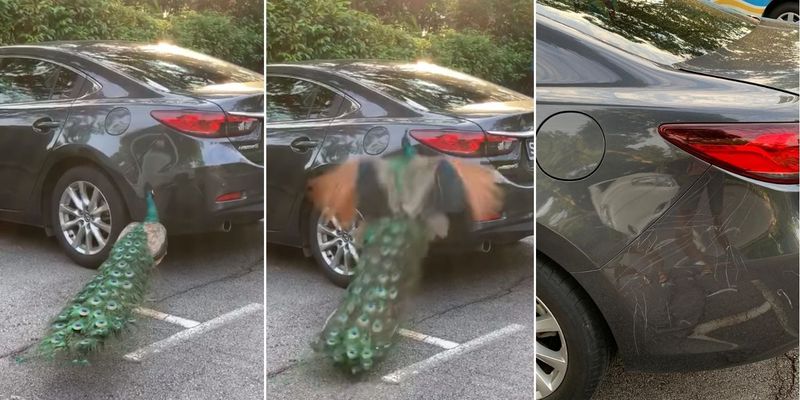
Vanity, it turns out, has a downside. Peacocks often spot their own reflection in a car door, window, or glass panel and decide it’s a rival worth fighting, leaving behind scratches and peck marks.
Their mischief doesn’t stop there. They like to perch on rooftops, where their weight and claws can cause damage, and they leave droppings wherever they roam.
More than one owner has come home to find a screen door shredded by determined talons.
None of this makes them bad pets, but it does mean you should peacock-proof shiny surfaces and expect a little wear and tear. Covering car windows or parking in a garage can spare your paint job.
Knowing these quirks ahead of time turns a nasty surprise into a manageable habit.
6. Significant Cost and Long-Term Commitment
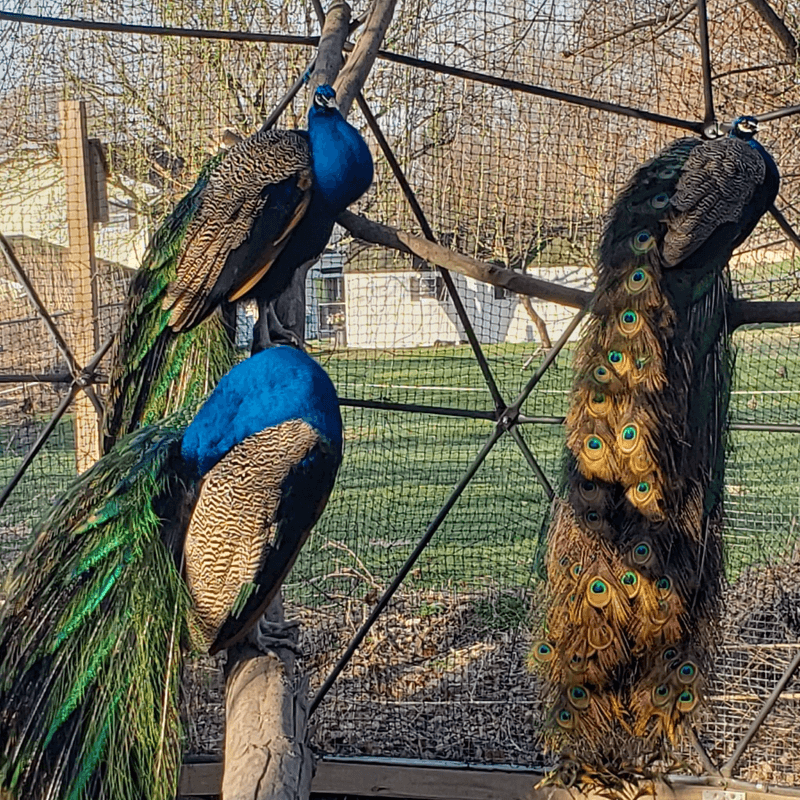
The sticker price is only the opening chapter of the money story. Adult peacocks usually run $200 to $300, with rare colors climbing higher, while chicks tend to land around $50 to $100.
Then comes the housing. A basic DIY enclosure might cost $500, but a fancier one can hit $5,000.
Monthly upkeep averages $40 to $110, covering high-protein game bird feed at roughly $20 to $60 per bird, plus housing maintenance. Vet care can add $100 to $400 a year for each bird.
Now for the part that really matters: peafowl can live 20 to 25 years. Bringing one home is closer to adopting a dog and a half in lifespan than buying a seasonal garden ornament.
Make sure your budget and your future plans can carry that commitment before you commit.
7. Predator Concerns

As gorgeous as they are, peacocks sit low on the food chain in most backyards. Foxes, coyotes, and raccoons all view adult birds and eggs as an easy meal.
Loose dogs pose a threat too, and here’s something many people don’t realize: peafowl stress easily. There are reports of birds being chased and literally dying from the panic, even without being caught.
Your best defense is a truly secure, predator-proof enclosure paired with those high roosting spots they instinctively seek at night. Sturdy wire, a covered top, and dug-in fencing to stop diggers all help keep your flock safe.
Peace of mind for you means real safety for them, and it’s the difference between a thriving garden showpiece and a devastating loss.