
The North Carolina Plants That Still Need Water After Rain Or They Quietly Fade By Fall
A summer rain can trick you into thinking your yard is set for the season, but some North Carolina natives drink far more than the clouds give them. When these plants dry out, they don’t shout about it.
They just fade quietly by fall, taking their berries, blooms, and the wildlife they feed along with them. Knowing which plants need a little extra help keeps your yard healthy for hummingbirds, monarchs, and songbirds all the way into winter.
1. Cardinal Flower (Lobelia cardinalis)
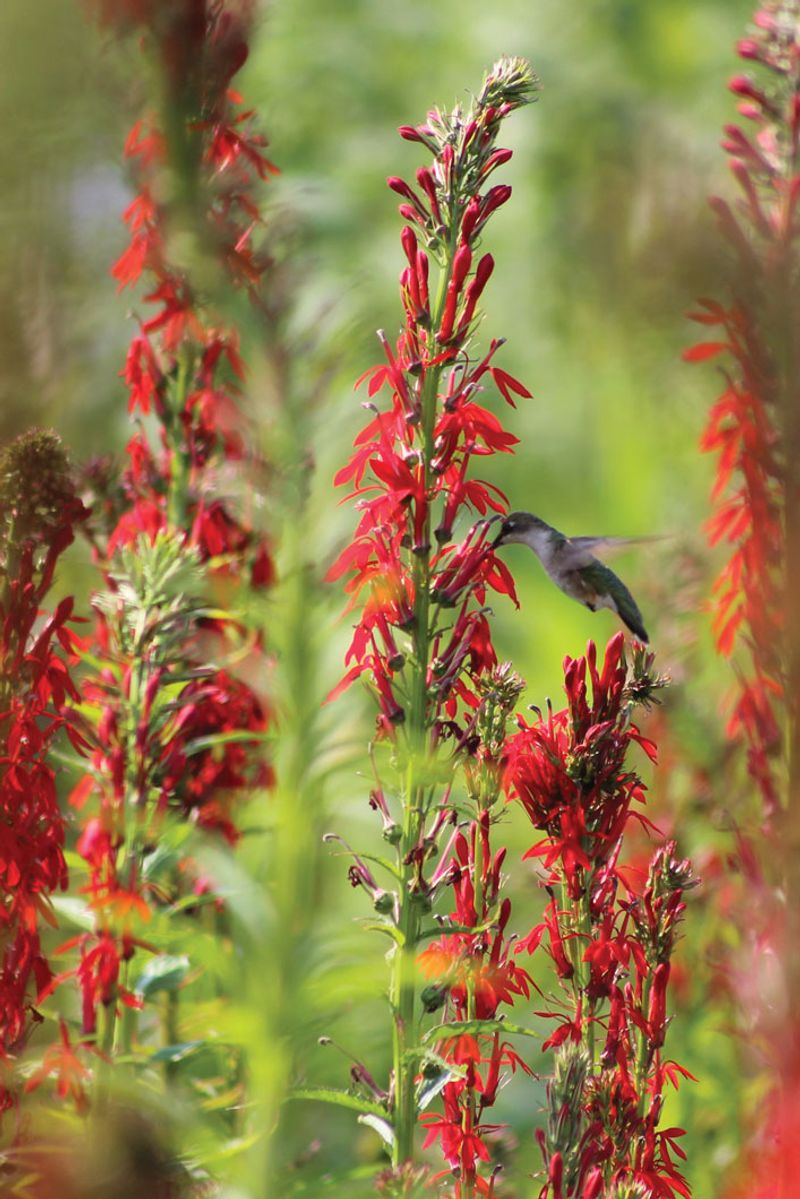
Few plants light up a damp corner like Cardinal Flower, whose fiery red spikes look almost too tropical for a Carolina yard. In the wild, you find it hugging stream banks and low wet spots, which tells you everything about how thirsty it really is.
Even after a good rain, this perennial wilts fast when the top few inches of soil dry out. A light shower rarely soaks deep enough to satisfy its shallow, moisture-hungry roots, so it fades and stops blooming right when hummingbirds need it most.
Ruby-throated hummingbirds treat those red blooms like a fuel station during late summer and fall migration. Keep the soil consistently damp, tuck it into partial shade, and you’ll have a hummingbird magnet that carries color into September instead of collapsing in August.
2. Swamp Milkweed (Asclepias incarnata)
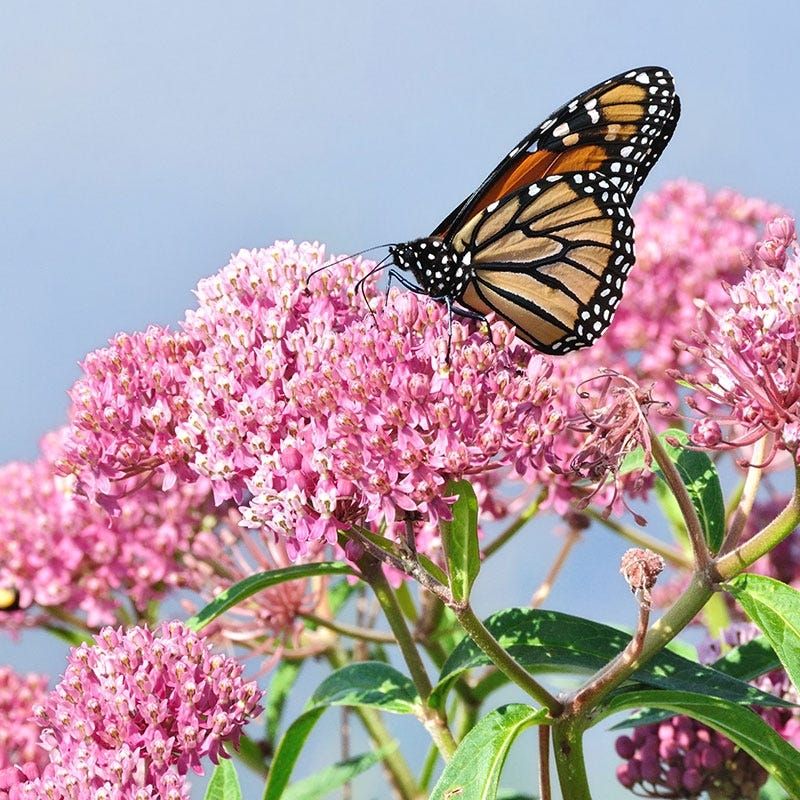
The name gives it away. Swamp Milkweed belongs in the wet places most gardeners try to avoid, thriving in marshes, bogs, and soggy ditches across the state.
Monarch butterflies depend on it as a host plant, laying eggs on the leaves that feed their caterpillars. Lose the plant to drought and you lose a whole generation of monarchs from your yard.
Unlike its cousin common milkweed, this one won’t tolerate dry, sandy soil for long. If rainfall has been thin, give it a deep soak so the roots stay cool and moist.
A steady drink keeps the pink flower clusters coming and the caterpillars munching well into fall.
3. Summersweet (Clethra alnifolia)
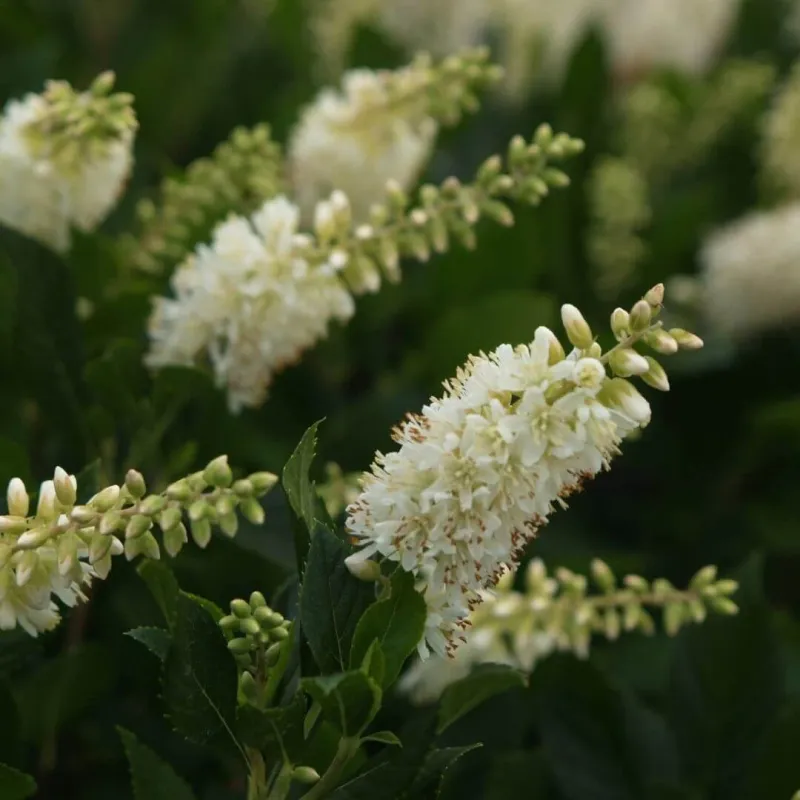
Walk past a blooming Summersweet on a humid July evening and your nose will find it before your eyes do. The fragrant white spikes perfume the whole area and draw a steady buzz of bees, butterflies, and hummingbirds.
Among native shrubs, few handle moist to wet soil in partial shade as gracefully as this one. That preference is also its weakness, because it sulks and browns at the leaf edges when the ground dries out.
A shower that barely wets the surface won’t reach its root zone, especially in shade where competition for water runs high. Water it deeply during dry stretches and mulch around the base, keeping the mulch off the stems.
You’ll be rewarded with that sweet late-summer bloom pollinators can’t resist.
4. Winterberry (Ilex verticillata)
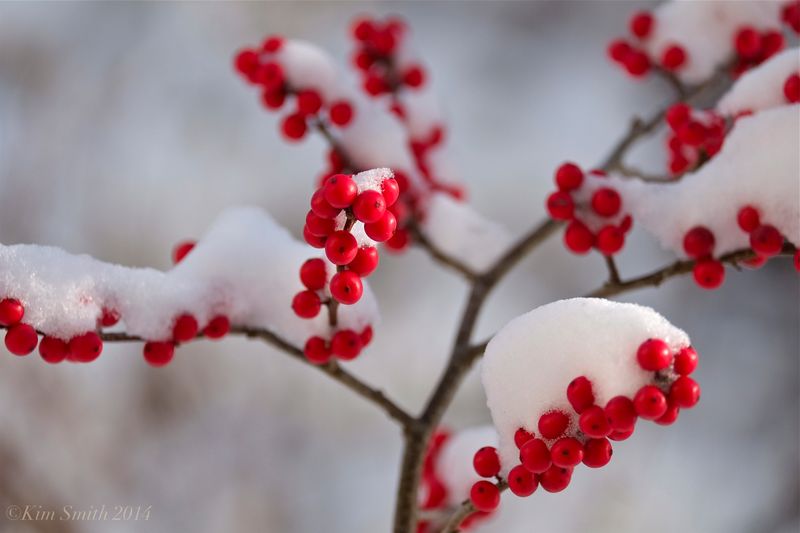
Picture a leafless shrub glowing with hundreds of bright red berries against December snow, and you’ve pictured Winterberry at its finest. That show only happens if the plant made it through summer and fall with enough water.
Being a wetland holly, it wants consistently damp ground and pouts when the soil dries. Skimp on water during a late-summer drought and you’ll see fewer berries, which means fewer meals for the robins, bluebirds, and cedar waxwings that mob it in winter.
Here’s a quirky detail worth knowing: you need both a male and a female plant for berries to form, since only females fruit. Keep them watered deeply through fall, and your yard becomes a winter buffet when little else is left for the birds.
5. Inkberry (Ilex glabra)
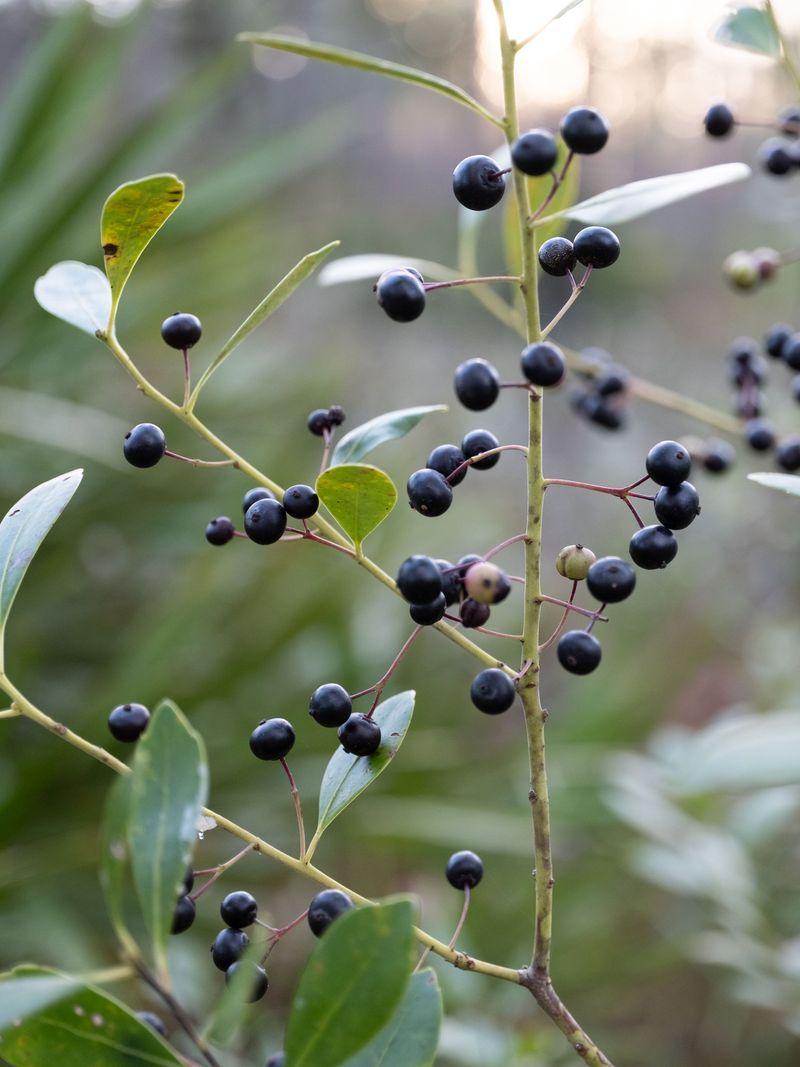
Steady and evergreen, Inkberry is the quiet workhorse of the wet native holly family. It grows naturally in pocosins and Coastal Plain wetlands, so it expects damp feet more often than not.
The small black berries hang on through winter, giving songbirds a reliable snack when other food has vanished. Let the plant stress from drought, though, and those lower branches can thin out and drop leaves, leaving you with a leggy, unhappy shrub.
Coastal Plain and Sandhills gardeners face an extra hurdle here, since sandy soil drains almost as fast as you pour water on it. Deep, slow watering paired with a good layer of mulch helps the moisture stick around.
Do that, and this tidy evergreen stays lush and berry-covered instead of quietly declining.
6. Elderberry (Sambucus canadensis)
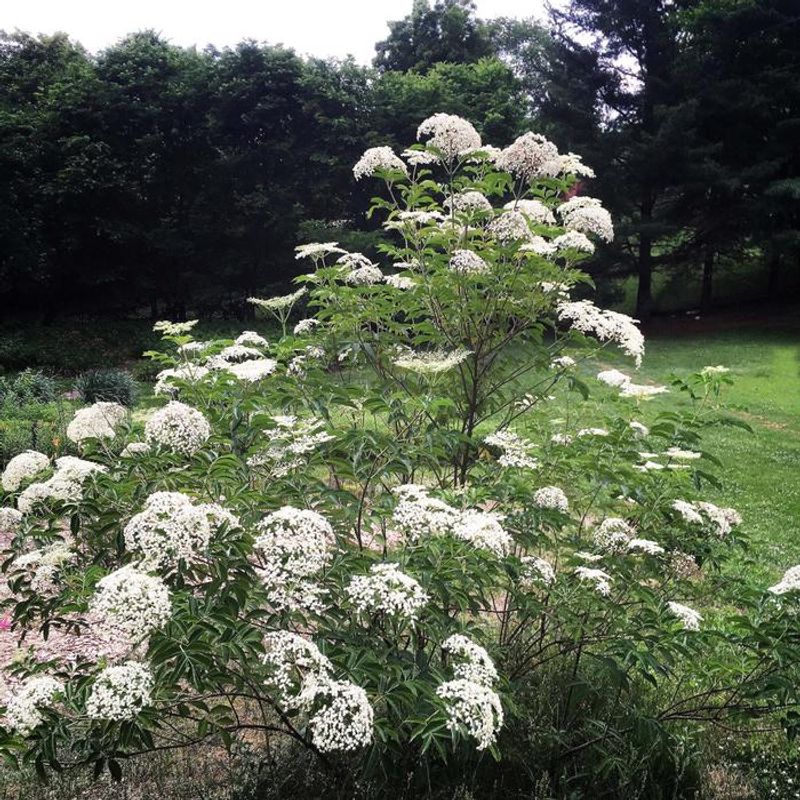
Tough as it looks with its arching stems and lacy white flower plates, Elderberry has a soft spot for wet ground. It shines along the edges of ponds, ditches, and rain gardens where water lingers.
What makes it a backyard hero is its double duty for wildlife. The plant hosts many caterpillar species and native beetles, while the dark berries feed birds and small mammals by late summer.
Skip watering during a dry spell and you’ll notice smaller berry clusters and drooping leaves almost immediately. Give it full to partial sun and consistently moist soil, and it grows fast and generous.
A single well-watered elderberry can turn a soggy problem corner into one of the busiest wildlife stations on your property.
7. Joe Pye Weed and Bee Balm
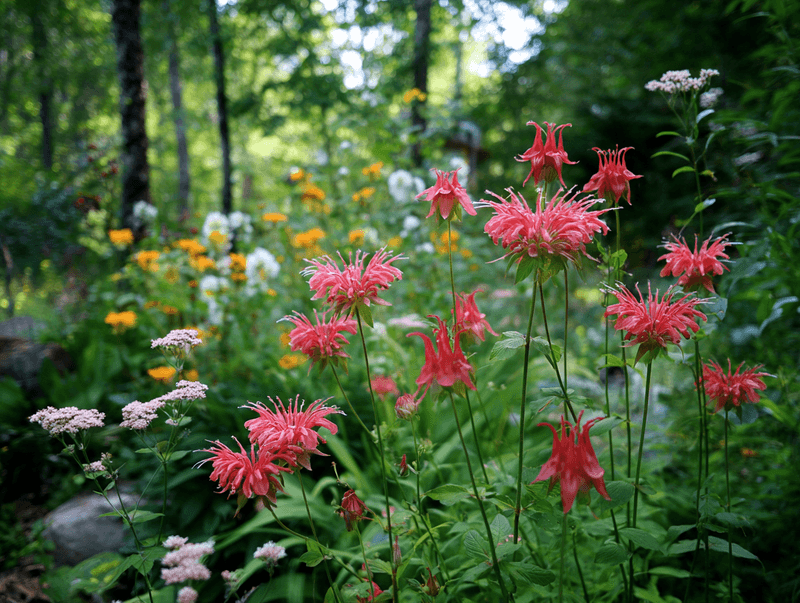
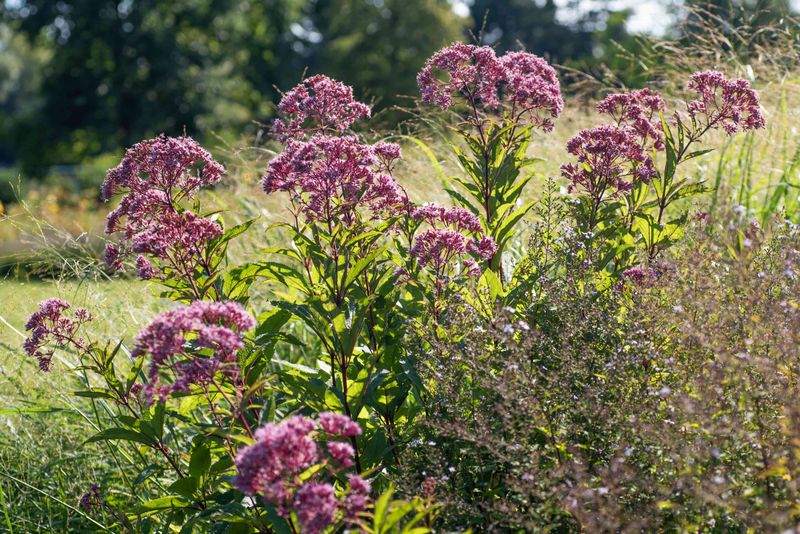
Team these two rain garden favorites together and you’ve built a pollinator runway. Towering Joe Pye Weed lifts dusty-pink flower heads well above the border, while Bee Balm splashes red and lavender lower down.
Both are built for moist soil and reward you by taking in extra water and boosting absorption through vigorous root growth. That same love of moisture means they wilt dramatically the moment the ground goes dry, and Bee Balm often answers drought stress with powdery mildew on its leaves.
Butterflies, bumblebees, and hummingbirds crowd these blooms from midsummer onward. Water them at the base in the early morning so the foliage dries quickly, and both will bloom strong instead of flopping and fading before fall arrives.
8. Rhododendrons (Mountain and Piedmont Natives)
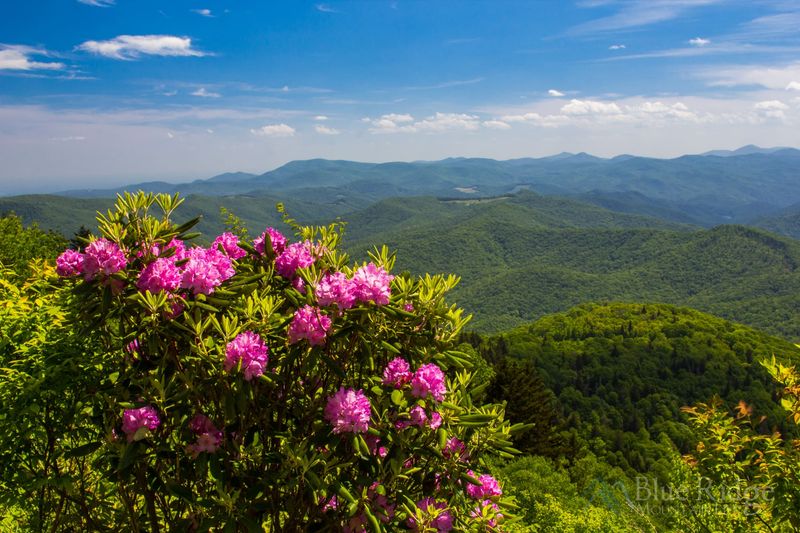
Mountain and Piedmont gardeners know the heartbreak of a rhododendron that looked fine all summer, then turned crispy after the first hard freeze. The culprit is often thirst that went unnoticed in the fall.
As broadleaf evergreens, they keep their leaves through winter and quietly lose moisture even in cold weather. When the ground freezes with dry roots, the needles and leaves can brown and die, a slow fade that shows up long after you could have prevented it.
Fall is the make-or-break season here. Keep watering deeply until the ground actually freezes, since roots stay active until soil drops below about 40 degrees.
A generous mulch ring and a good fall soak build the cold tolerance that carries these mountain treasures, and the shelter they give wildlife, safely into spring.