
If Your Peppers Slow Down Before Frost, Here Are 15 Late-Summer Feeding Moves That Get Them Setting Fruit Again
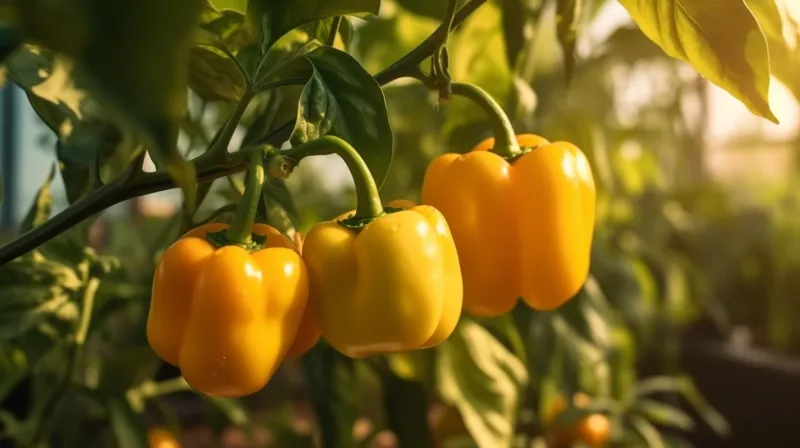
Your pepper plants looked amazing in July, and now they just sit there doing nothing while frost creeps closer. Don’t panic, because a tired pepper plant is usually a fixable pepper plant.
The trick is feeding it the right stuff at the right time and clearing away whatever is stressing it out. These 15 moves are simple, cheap, and can wake your plants back up so they set fruit before the cold shuts everything down.
1. Switch to a Low-Nitrogen, High-Phosphorus and Potassium Fertilizer
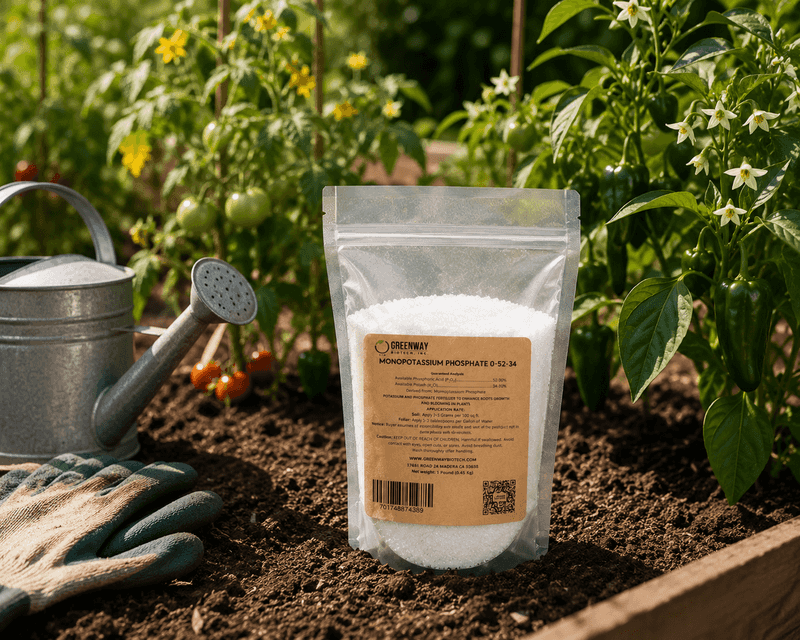
Peppers that keep pushing leaves but skip the fruit are often getting too much nitrogen. Once your plants are big and bushy, all that extra green growth is a sign they need a different meal.
Reach for a fertilizer where the middle and last numbers are higher than the first, like a 5-10-10 blend. Phosphorus fuels flowering and fruit formation, while potassium supports fruit development and overall plant vigor.
Making this swap in late summer tells your plant it is time to stop showing off leaves and start filling out peppers before frost arrives.
2. Feed with Tomato Fertilizer for a Potassium Boost
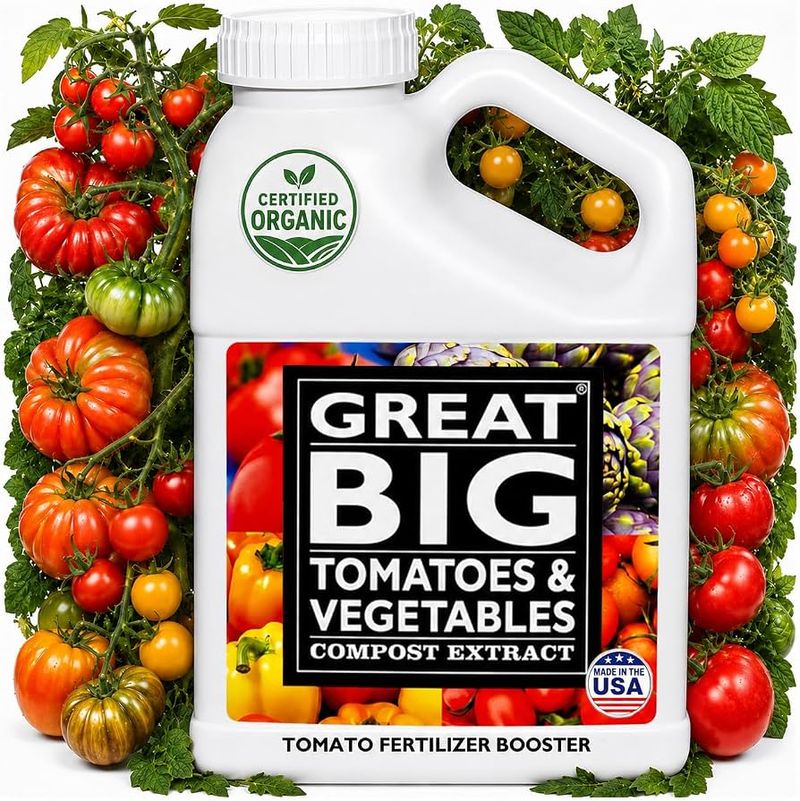
Here is a shortcut most gardeners already have on the shelf: tomato feed works wonders on struggling peppers. It is naturally high in potassium, which is exactly what a fruiting pepper craves.
Mix it as a diluted liquid feed and water it in around the base of the plant. Because it is made for fruit-heavy plants, it nudges your peppers toward flowers instead of foliage.
If your pepper leaves show yellowing along the edges, that can point to a potassium shortage, and a tomato feed is an easy way to help fix it.
3. Side-Dress with Finished Compost
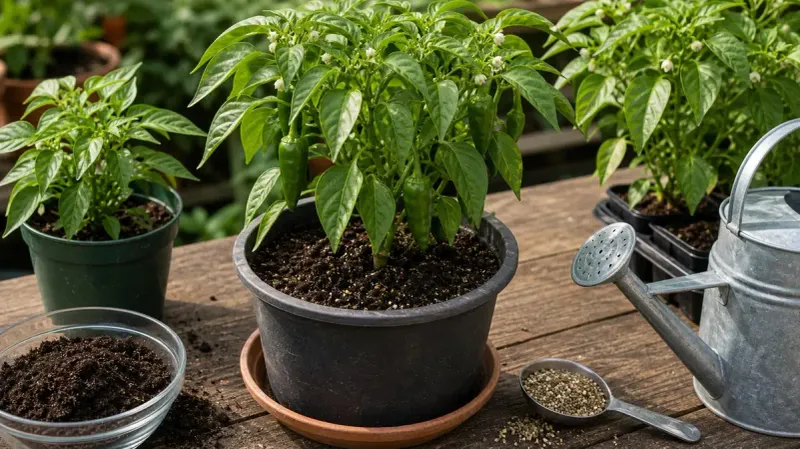
Sometimes the gentlest fix is the best one. A scoop of finished compost worked into the soil around your peppers delivers a slow, steady stream of nutrients without the risk of burning the roots.
Pull back any mulch, sprinkle a couple of inches of compost around the base, then water it in. The nutrients seep down gradually and also improve how well your soil holds moisture.
For late-summer plants that got neglected during the busy months, this quiet feeding move is a reliable way to restart growth without overdoing it.
4. Add Bone Meal for Calcium and Phosphorus
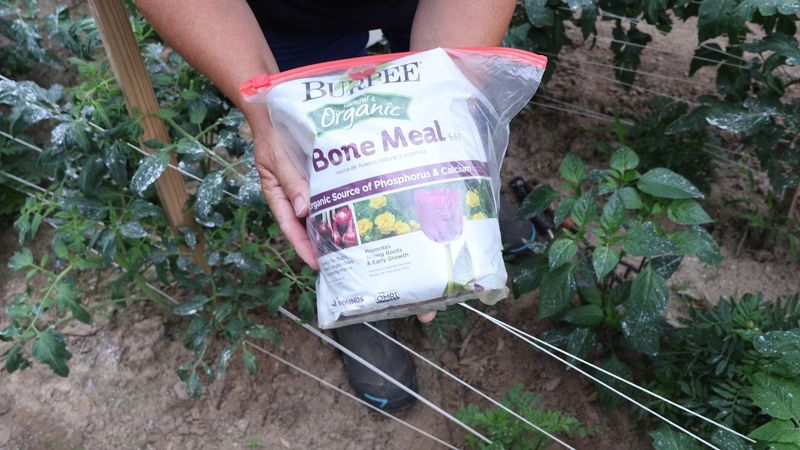
Ever notice a pepper going mushy and brown at its bottom end? That is blossom end rot, and it usually means calcium is not reaching the fruit.
Bone meal is a handy amendment because it delivers both calcium and phosphorus. Calcium supports strong cell development and helps ward off that ugly rot, while phosphorus keeps flowering on track.
Work a little into the soil according to the package rate. It breaks down slowly, so it is a smart late-season addition that keeps supporting fruit as temperatures start to cool.
5. Use Epsom Salt for a Magnesium Fix
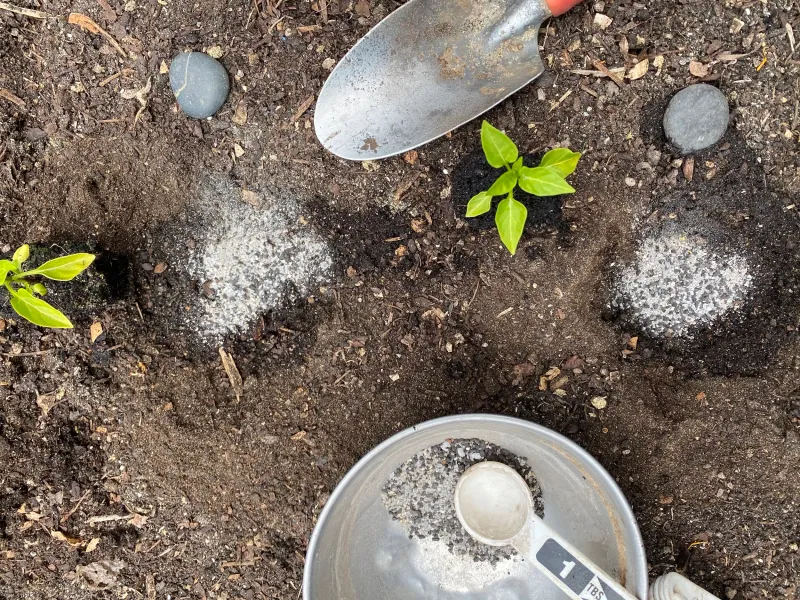
When the leaves on your pepper turn yellow between the veins while the veins stay green, magnesium is often the missing piece. Magnesium powers chlorophyll production, which keeps leaves working like little food factories.
A weak Epsom salt solution can help if you have actually spotted that deficiency. Dissolve it in water and apply it around the roots or as a light foliar spray.
Skip this one if your leaves look healthy, since more is not better here. Use it only when the symptoms point to a real magnesium shortage.
6. Test and Correct Your Soil pH
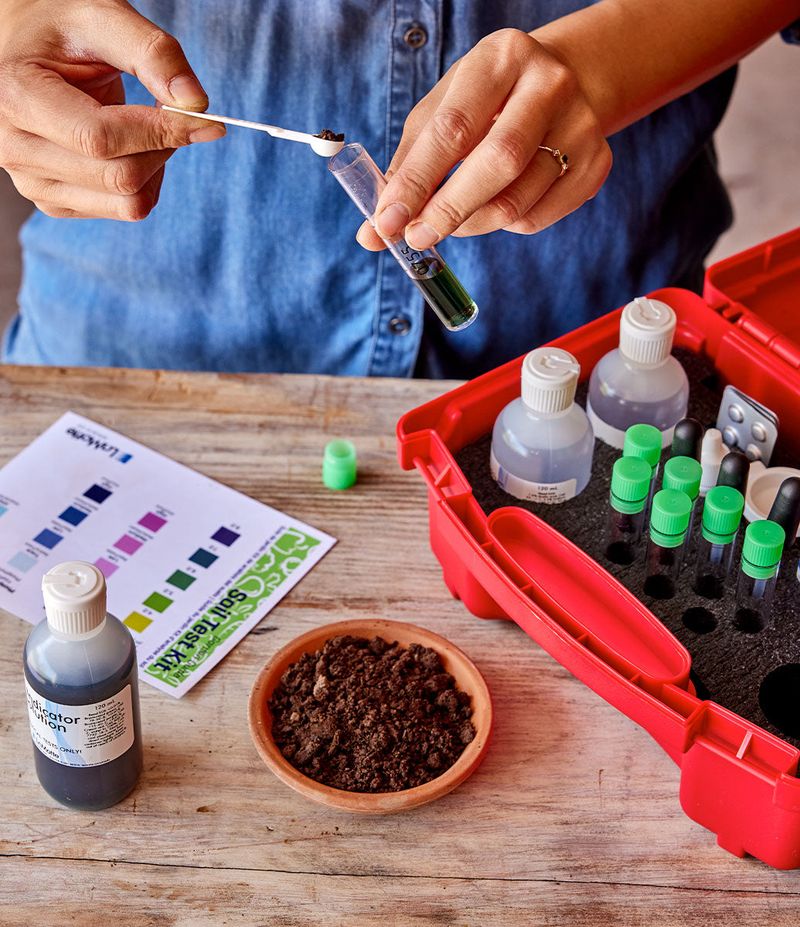
You can pour on the perfect fertilizer and still see nothing happen if your soil pH is off. When the pH drifts too far, roots simply cannot grab the nutrients that are right there in the ground.
Peppers do best in soil that sits between 6.0 and 6.8. A cheap soil test kit shows you where you stand in minutes.
If the number is off, adjusting it lets every other feeding move actually work. Think of it as unlocking the pantry before you set the table.
7. Give a Boron Boost for Better Flower Set
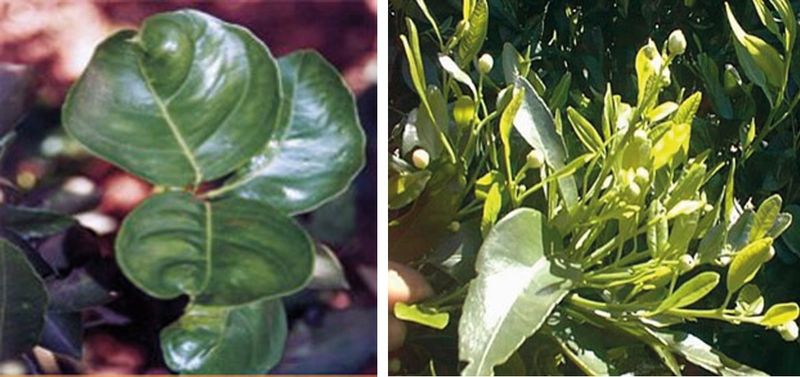
Flowers dropping before they ever become peppers can be a frustrating mystery. One overlooked cause is a boron shortage, which shows up as twisted or distorted new growth.
Boron plays a key role in pollen viability and fruit set, so a tiny amount can make a real difference. The catch is that peppers need only a trace, so a very dilute solution is the way to go.
Go easy and measure carefully, because too much boron does more harm than good. When used correctly, it can help those late flowers actually hold on and turn into fruit.
8. Choose a Milder, Balanced Ratio for Container Peppers
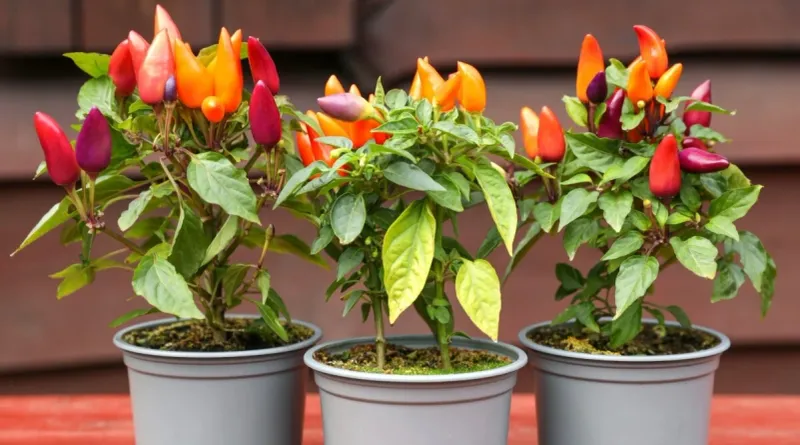
Peppers grown in pots live in a smaller world, and their soil runs out of nutrients faster than garden beds. That said, they are also easier to overfeed, which stresses them just as much as starvation.
A milder, balanced all-purpose fertilizer, or a gentle 3-1-2 style feed used consistently, keeps container plants steady. Slow and low beats big blasts every time.
Feed a little on a regular schedule rather than dumping in a heavy dose. Your potted peppers will reward that patience with fresh flowers as the season winds down.
9. Water Deeply and Consistently
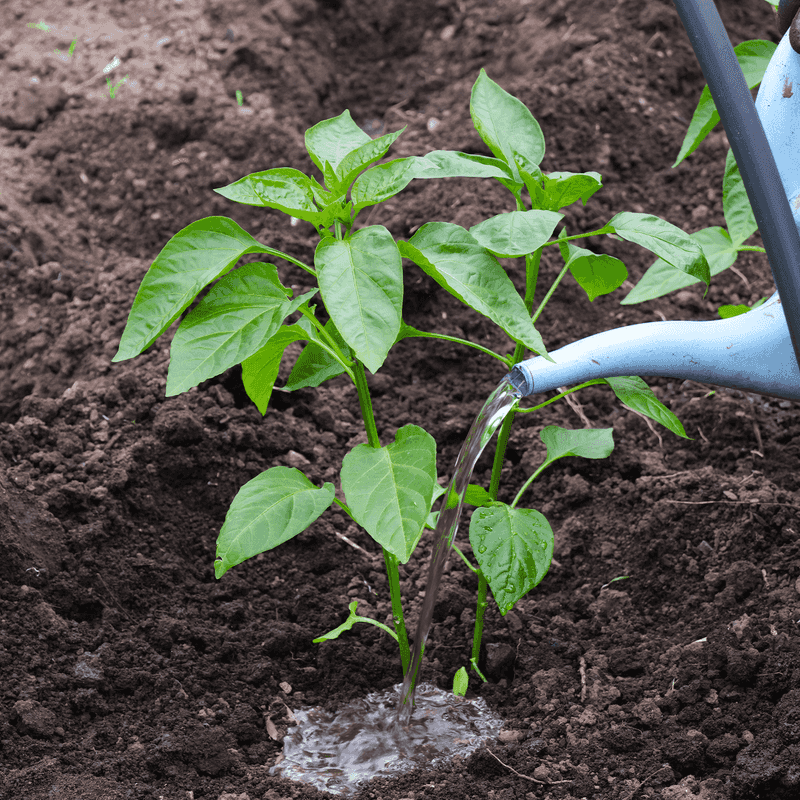
Feeding means nothing if your watering is all over the place. Peppers hate the roller coaster of bone-dry soil one day and soggy soil the next, and they respond by dropping flowers.
Aim for uniform moisture with deep, consistent watering that reaches the roots instead of just wetting the surface. Steady moisture also helps the plant actually take up the nutrients you are adding.
Both overwatering and letting the soil crack dry can cause blossom drop and stunted fruit. Keep it even, and you remove one of the biggest reasons peppers stall.
10. Mulch to Lock In Moisture and Feed the Soil
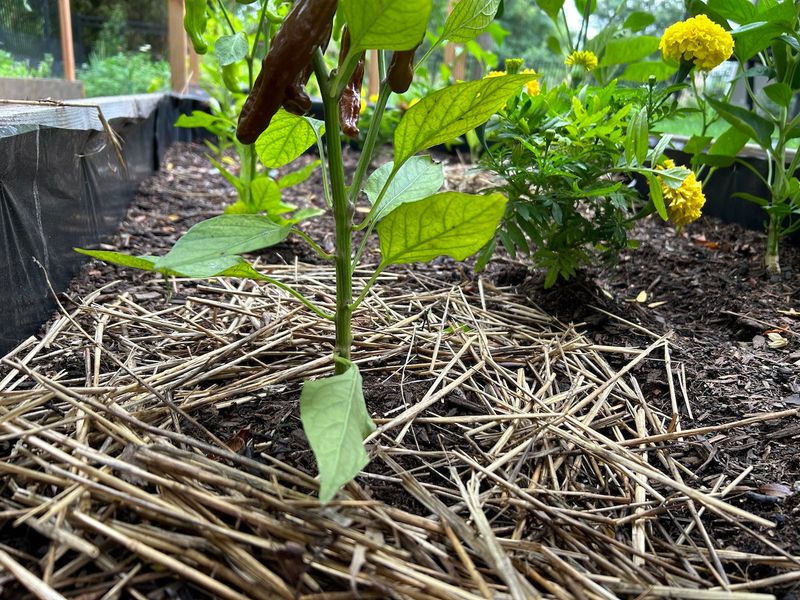
A blanket of mulch does quiet, steady work while you go about your day. Straw, shredded leaves, or grass clippings keep the soil evenly damp so your watering efforts actually stick.
As organic mulch breaks down, it slowly hands nutrients back to the soil, giving your feeding routine a boost. It also keeps roots cooler during those last hot stretches of summer.
Layer a few inches around your plants, keeping it slightly away from the stems. It is one of the easiest ways to support peppers through a stressful season.
11. Harvest Ripe Peppers Often to Trigger New Fruit
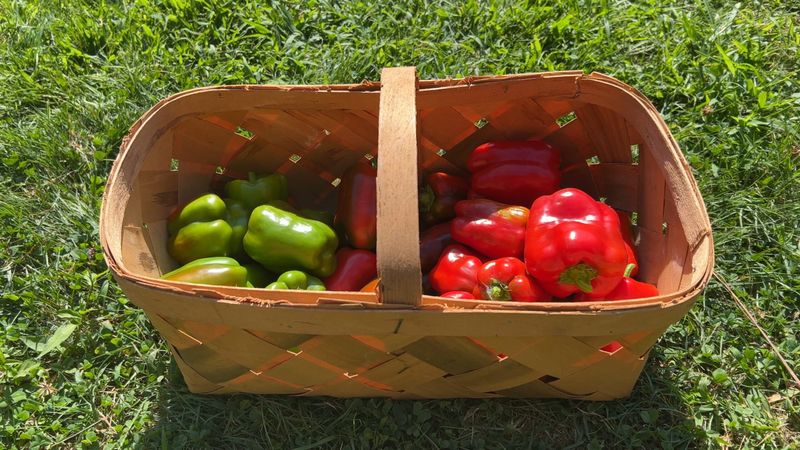
Leaving mature peppers on the plant is like telling it the job is done. Once the fruit sits there ripening, the plant slows way down on making anything new.
Pick peppers as soon as they are ready, and the plant gets the signal to keep producing. Gardeners who harvest regularly often pull far more fruit by the end of the season.
So grab that basket and check your plants every few days. Frequent picking is a free feeding trick, since it redirects energy straight into fresh flowers.
12. Prune Struggling Foliage to Redirect Energy
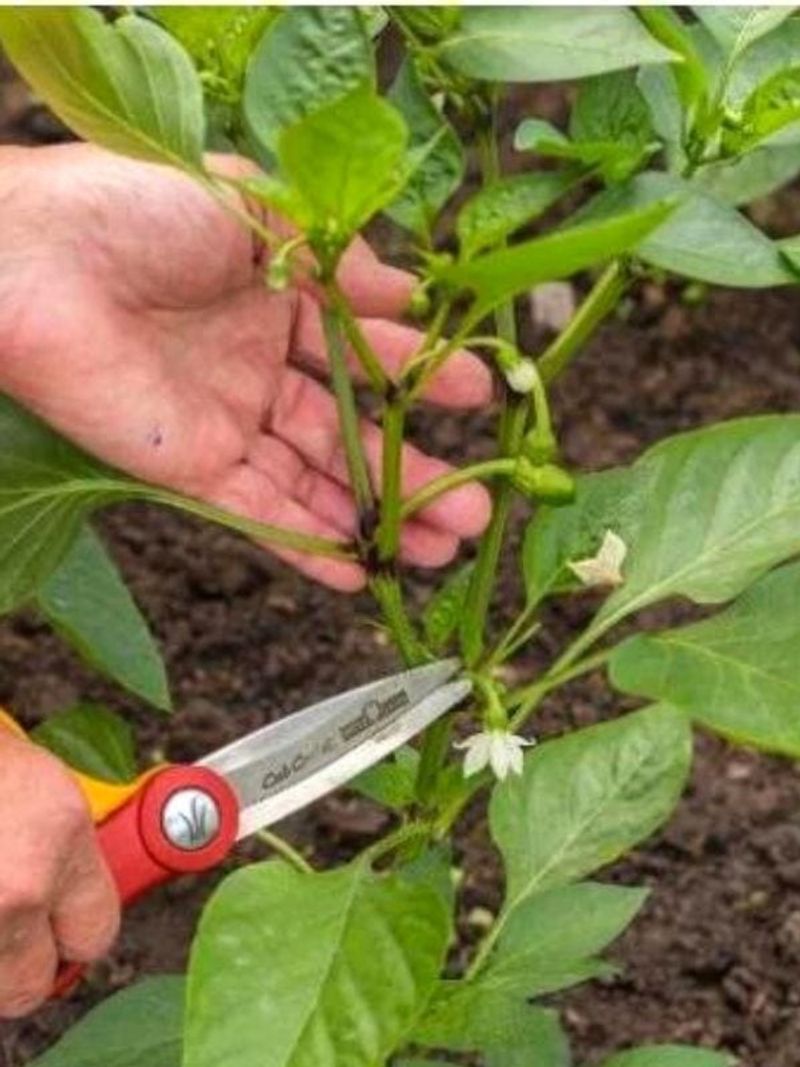
A pepper plant only has so much energy, and tired or crowded leaves waste it. Trimming away struggling foliage lets the plant pour its resources into flowers and fruit instead.
Snip off yellowing lower leaves and any dense growth that blocks airflow. Better air movement also cuts down on the damp conditions that invite disease.
Do not go overboard, since the plant still needs leaves to feed itself. A light, thoughtful trim in late summer can jump-start fruiting before the clock runs out.
13. Use Shade Cloth to Beat Extreme Heat
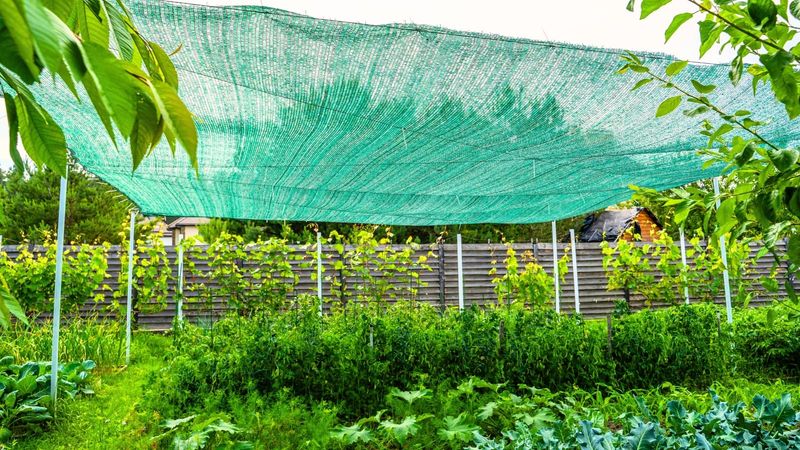
Blistering heat can shut down a pepper plant’s fruit set entirely. When daytime temperatures climb above 90 degrees, pollen becomes nonviable and flowers simply fall off.
Draping shade cloth over your plants during heat waves takes the edge off those brutal afternoons. Peppers set fruit best when days sit between 70 and 85 degrees, so cooling things down helps flowers hold.
Once the heat backs off, your plants often bounce right back into flowering. It is a temporary cover that can rescue a whole batch of late-season fruit.
14. Protect Plants from Cool Nights with Row Covers
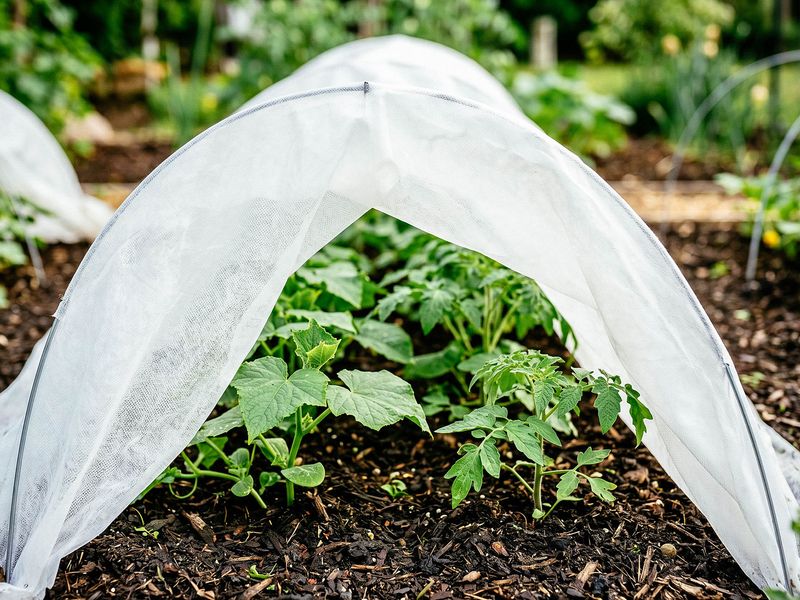
As summer fades, chilly nights sneak in and quietly stall your peppers. Once nighttime temperatures dip below 60 degrees, fruit set drops off, and anything near 40 degrees can stunt the plant.
Floating row covers or a simple hoop tunnel trap enough warmth to keep production going. Toss them on in the evening and pull them back when the day warms up.
That little bit of extra warmth can stretch your harvest by weeks. It buys your plants the mild conditions they need to finish setting fruit.
15. Move Potted Peppers Indoors Before Frost Hits
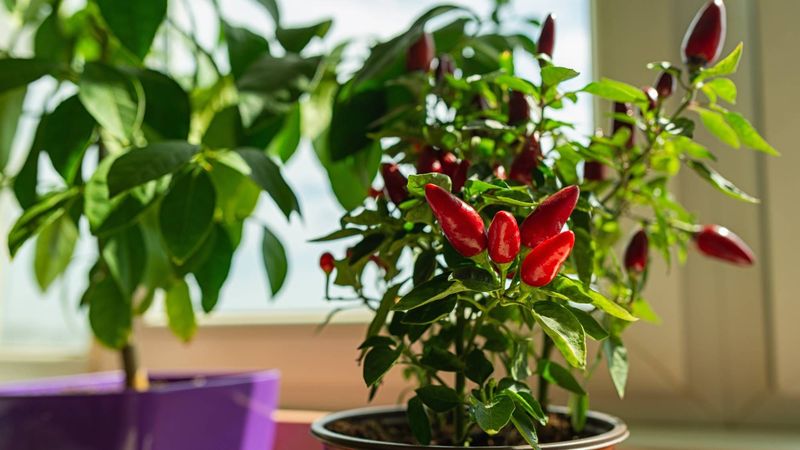
Frost is the one thing peppers absolutely cannot survive, and even a light one ends the season fast. If your best producers happen to live in pots, you have a huge advantage.
When the forecast threatens a cold snap, carry those containers into a garage, porch, or sunny window. Getting them out of harm’s way lets the fruit already on the plant keep ripening.
Did you know peppers are actually perennials in warm climates? Bringing them inside can keep a favorite plant alive and productive long after the outdoor garden gives up.