
17 Pepper Feeding Tips For Late Summer That Bring Slowing Plants Roaring Back
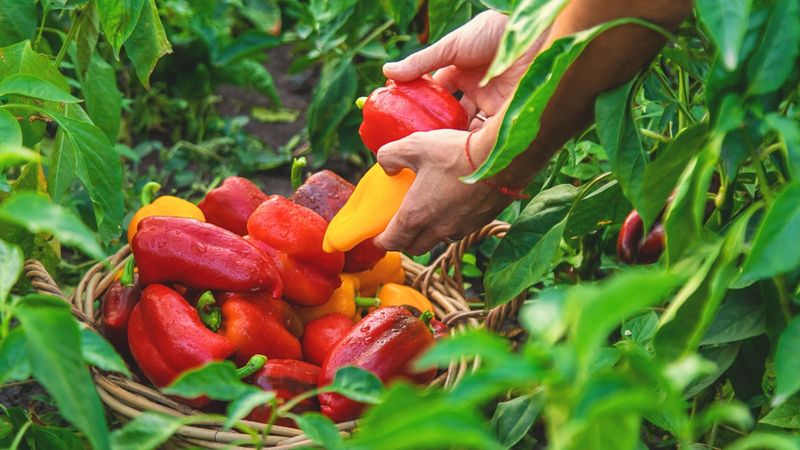
Your pepper plants looked amazing in July, and now they seem to be sputtering out just when you hoped for a big harvest. Late summer slowdowns are normal, but they usually mean your peppers are hungry, stressed, or missing one key nutrient.
The good news is that a few smart feeding moves can wake them back up and keep peppers coming right up to frost. Here are 17 easy tips to get your slowing plants growing strong again.
1. Shift to Phosphorus and Potassium
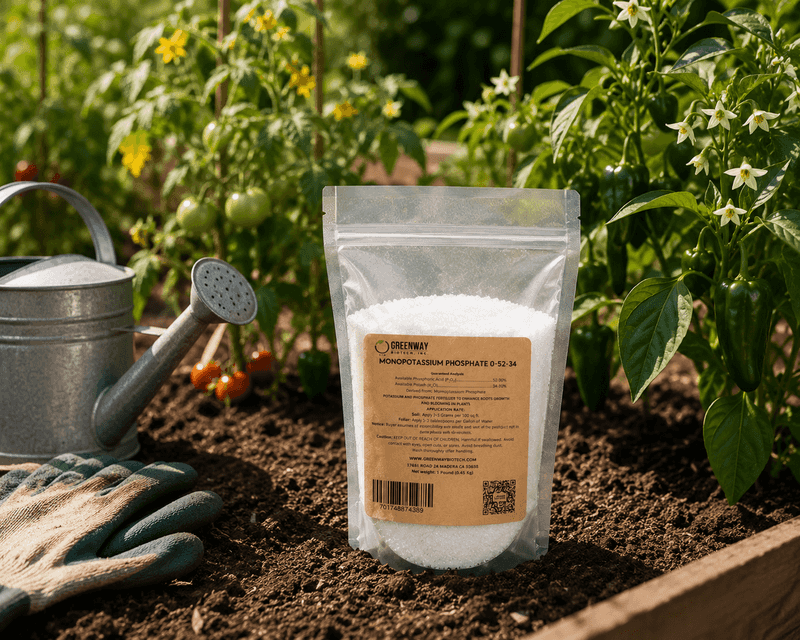
Once your peppers are busy setting fruit, they stop caring about growing tall and start caring about filling out those peppers. That is where phosphorus and potassium step in as the real workhorses.
Phosphorus helps the plant grab and use energy, while potassium moves nutrients around and pushes fruit development. Switching to a feed that leans on these two nutrients tells your plant it is harvest time, not leaf time.
If your plants have plenty of green leaves but very few peppers, this single change can flip the switch. Look for a fertilizer where the middle and last numbers are higher than the first.
2. Pick a Balanced or Potassium-Leaning Fertilizer
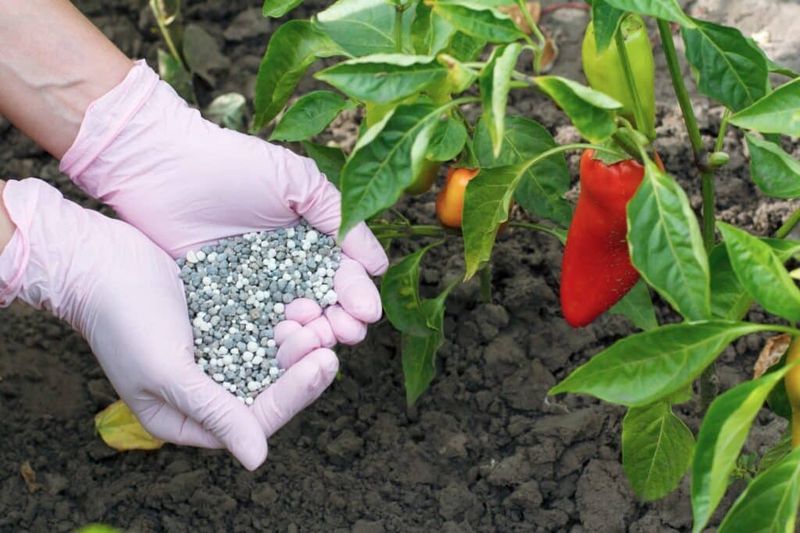
Not all fertilizers are created equal, and the numbers on the bag actually matter. A ratio like 5-10-10, or anything that tips toward potassium, works beautifully during the fruiting stage.
Some growers stick with a milder 3-1-2 ratio all season, keeping a little nitrogen in play even while flowers and fruit form. Either approach works, as long as phosphorus and potassium stay in the mix.
The key is matching the food to the season. In late summer your peppers are finishing the job, so give them the fuel that supports fruit, not fresh foliage.
3. Back Off High-Nitrogen Feeds
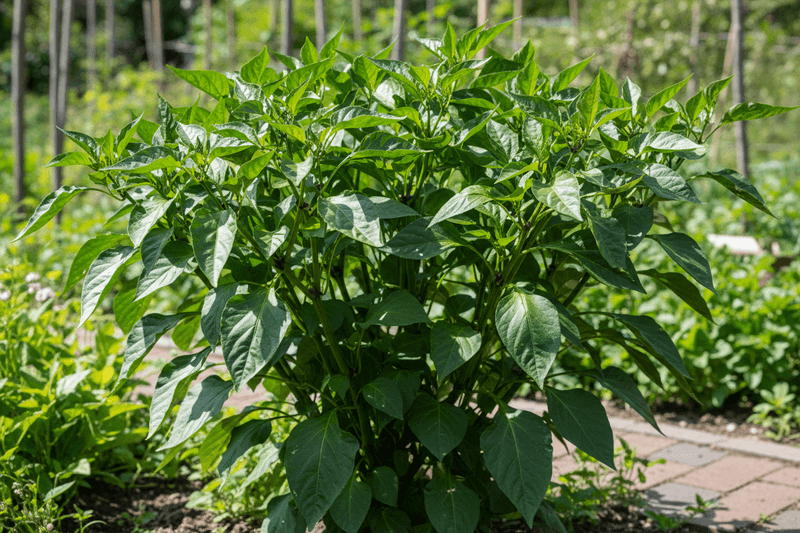
It feels wrong to hold back on food when a plant looks sluggish, but too much nitrogen this late is a trap. Heavy nitrogen pushes lots of leafy green growth while quietly stealing energy away from fruit.
Worse, an overload can make blossoms drop right off before they ever set a pepper. If your plant is a giant leafy bush with barely any fruit, excess nitrogen may be the culprit.
Save the nitrogen-rich feeds for spring, when your seedlings really need to bulk up. In late summer, less nitrogen usually means more peppers.
4. Reach for Diluted Liquid Feed
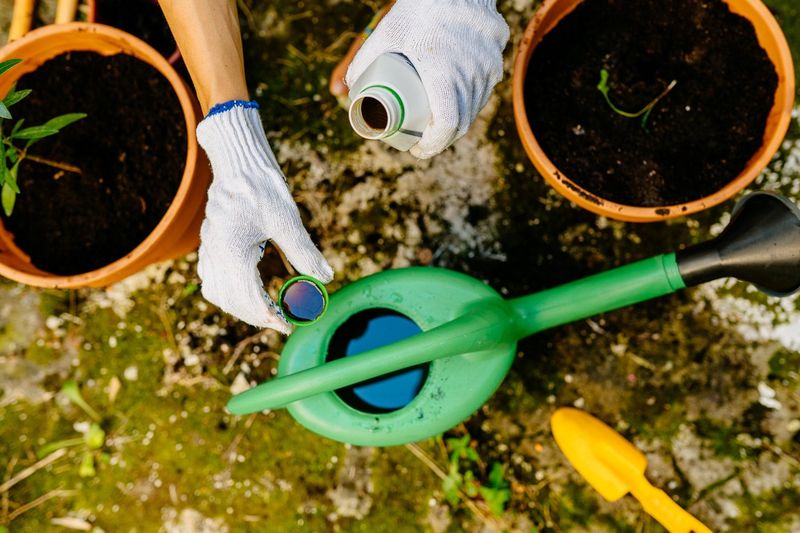
When your peppers are still flowering and fruiting in August, they need nutrients they can use right away. A diluted liquid fertilizer delivers exactly that kind of quick meal.
Apply it after you have watered, so the roots are already moist and ready to drink it up. Feeding dry soil can shock the roots, but damp soil helps everything soak in gently.
Liquid feeds are forgiving too, since you control the strength by how much you dilute. A weaker, more frequent feed often beats one heavy dose your plant cannot handle.
5. Add Epsom Salt for Magnesium
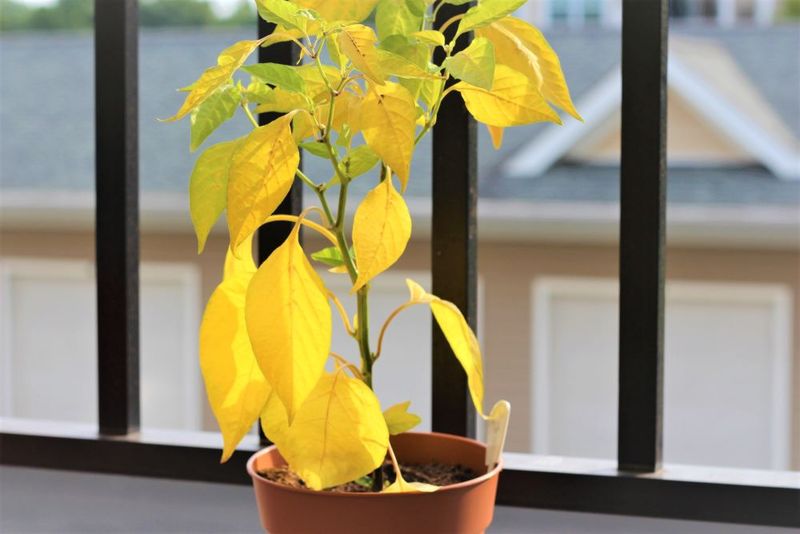
See older leaves turning yellow while the veins stay stubbornly green? That classic pattern often points to a magnesium shortage, and Epsom salt is a cheap fix.
Magnesium sulfate feeds the magnesium your plant needs to make chlorophyll and to soak up other nutrients like nitrogen and phosphorus. You can mix it into the soil or spray it right onto the leaves.
A once-a-month application is usually plenty for most peppers. Just do not go overboard, since more is not better when it comes to salts around roots.
6. Work in Some Compost
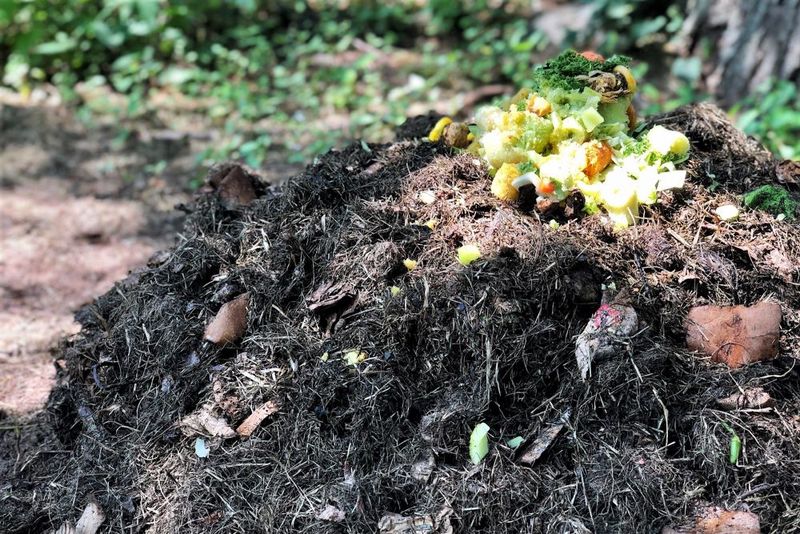
Compost is the quiet hero of any garden bed, and your peppers love it. While it acts mostly as a soil conditioner, it also drips in a slow, steady stream of gentle nutrients.
A handful worked around the base of each plant improves how the soil holds water and feeds the helpful microbes underground. Healthier soil means roots can grab nutrients more easily.
Homemade compost costs nothing but kitchen scraps and time. It is one of the easiest ways to boost overall plant vigor without reaching for a bottle.
7. Keep Watering Consistent
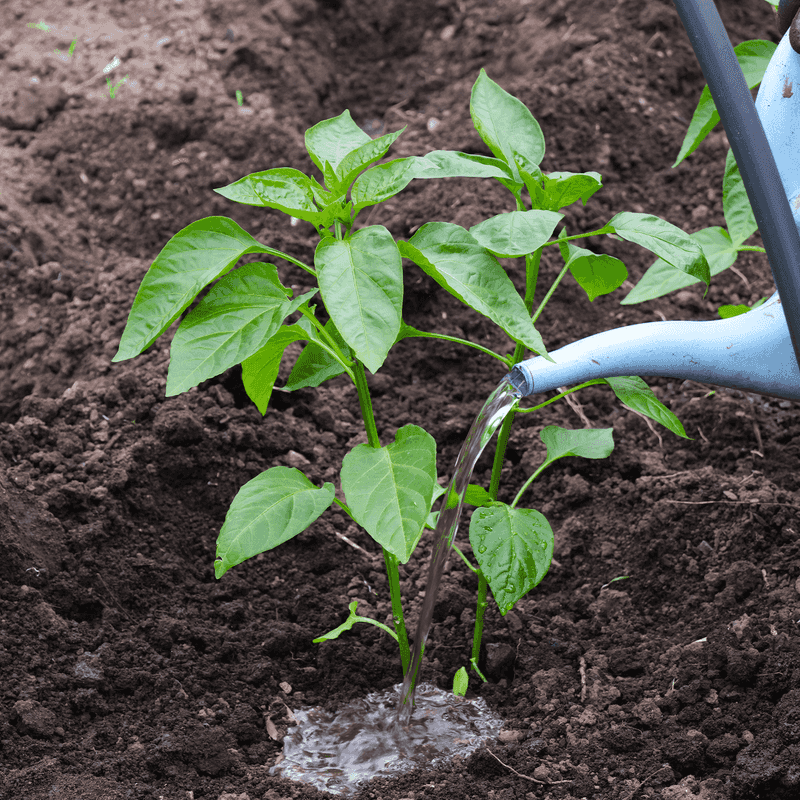
Peppers are picky about their drinks, and swinging between bone dry and soggy stresses them badly. Uneven watering can trigger blossom drop and weak harvests.
It also messes with how the plant takes up calcium, which is a big cause of blossom end rot on the fruit. Steady moisture keeps that calcium pipeline flowing.
Aim to water deeply and on a schedule rather than splashing a little every day. A layer of mulch helps the soil hold that moisture steady between waterings.
8. Test Your Soil pH
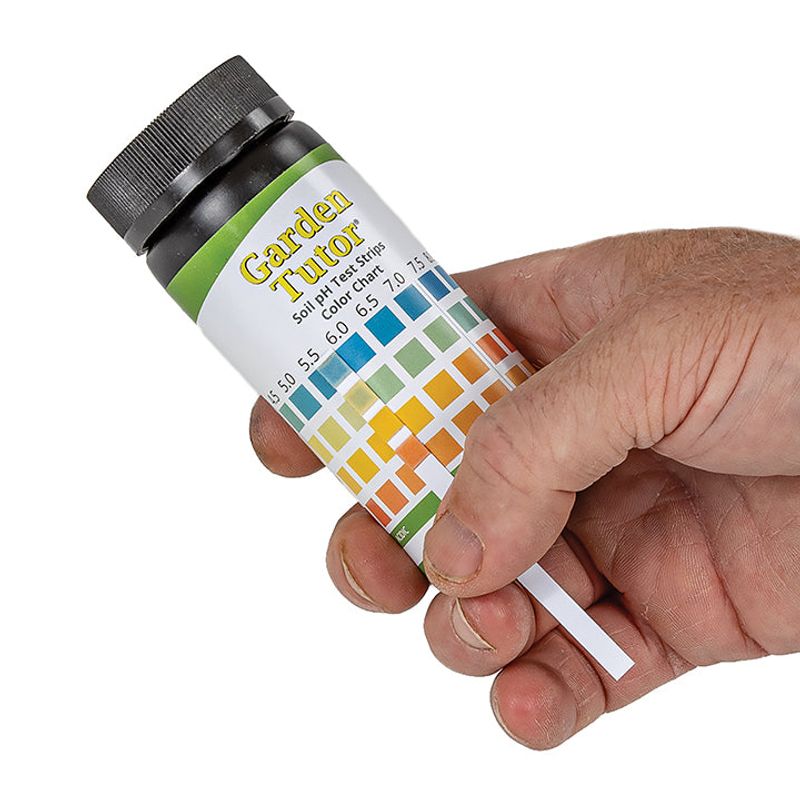
Here is a sneaky problem: you can feed your peppers perfectly and still see no results if the pH is off. When soil is too acidic or too alkaline, roots simply cannot absorb the nutrients that are sitting right there.
Peppers thrive in a sweet spot between 6.0 and 7.0. A simple soil test kit tells you exactly where you stand and whether that is holding your plants back.
If the reading is out of range, small adjustments can unlock all the food already in your soil. It is worth checking before you spend money on more fertilizer.
9. Harvest Ripe Peppers Often
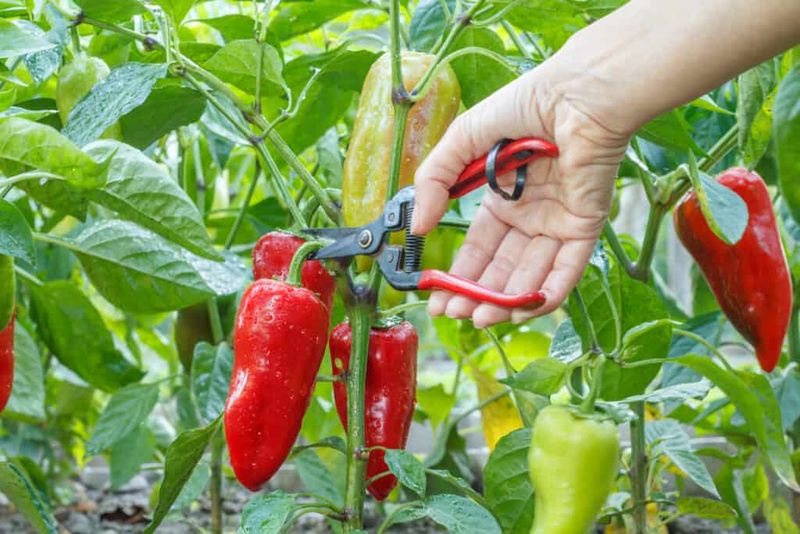
Believe it or not, picking peppers is a form of feeding your plant with encouragement. Every fruit you harvest sends a signal that says keep going, make more.
When ripe peppers hang on too long, the plant pours its energy into those instead of starting new ones. Regular picking keeps the whole system moving.
So grab a basket and harvest often, even if you are freezing or drying the extras. A steady picking habit is one of the simplest ways to push a bigger late-season crop.
10. Prune Away Struggling Leaves
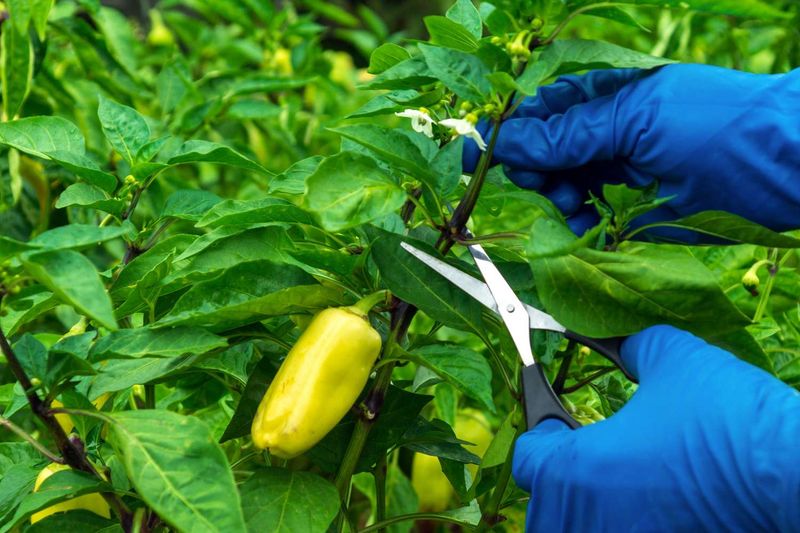
Late summer is not the time for a dramatic haircut, but a little cleanup pays off. Snipping away yellowing or diseased leaves stops the plant from wasting energy on foliage that will never recover.
Those tired leaves are drains, not producers, and removing them lets the plant funnel resources toward fruit instead. Think of it as trimming the dead weight.
Be gentle and selective here rather than stripping the plant bare. A few careful snips can redirect just enough energy to help the peppers you already have finish strong.
11. Give a Quick Foliar Feed
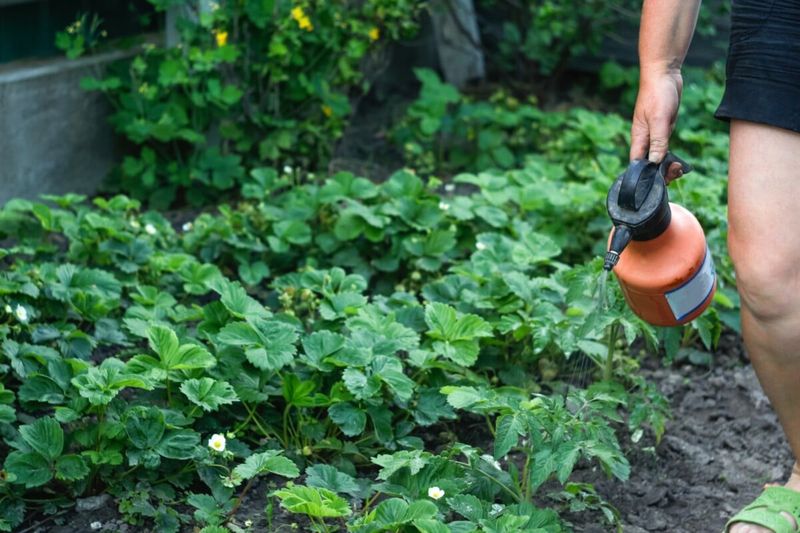
When a plant needs a fast pick-me-up, feeding through the leaves beats waiting on the roots. A foliar spray, sometimes sold as a pepper leaf mist, delivers nutrients right where they can be used quickly.
A weekly spritz during the growing season gives comprehensive nourishment without disturbing the soil. It is like a fast snack between the bigger meals at the roots.
Spray in the early morning or evening so the sun does not scorch damp leaves. Cover both the tops and undersides for the best coverage.
12. Support Fruit Already Set
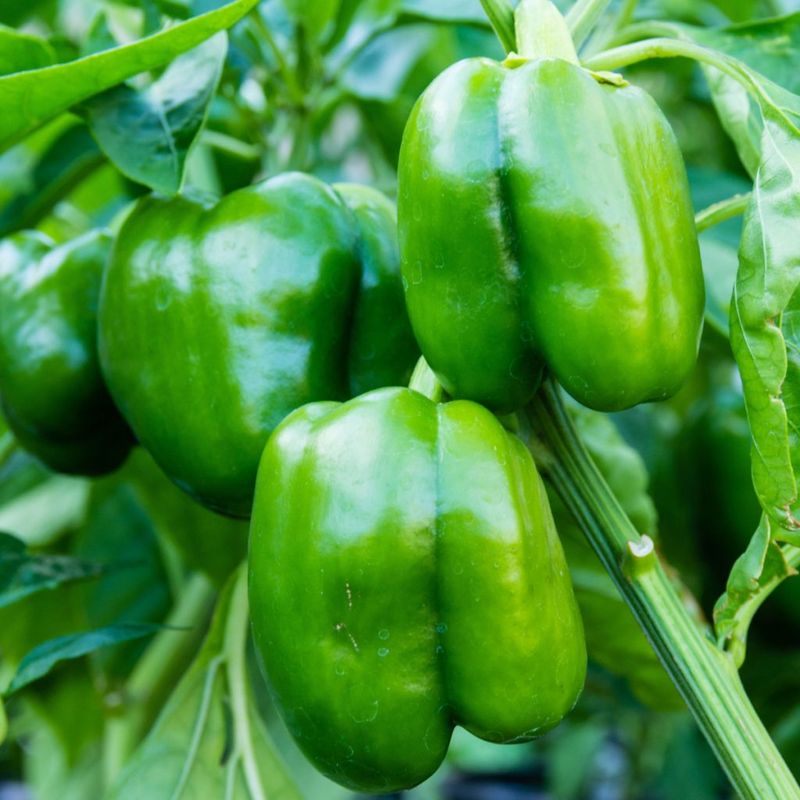
If your plant is already loaded with young peppers, your job shifts from growing new fruit to sizing up what you have. Pushing fresh, soft growth now risks peppers that never ripen before the cold hits.
A balanced feed or a potassium-leaning one at half strength is perfect for this stage. It supports the existing fruit without triggering a burst of tender new shoots.
Think of it as helping your plant finish what it started. Getting those set peppers to full size is a smarter bet than gambling on late flowers.
13. Read Yellowing Leaves for Nitrogen Signals
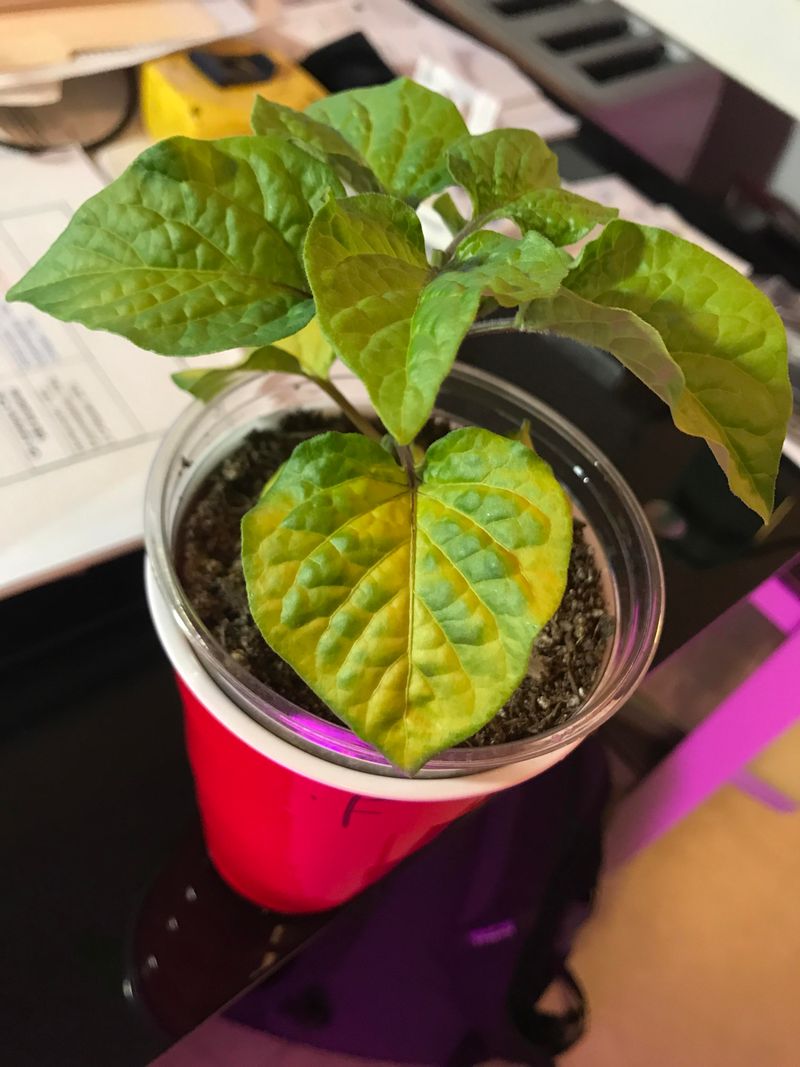
Yellow leaves are your plant talking to you, and the pattern tells the whole story. When older lower leaves fade yellow, spreading from the stem toward the tip, nitrogen is often running low.
Sometimes that is because a heavy crop is pulling nitrogen out of old foliage to feed the ripening peppers. In that case, a light, balanced feed can keep the lower leaves healthy.
Learning to spot this pattern early lets you respond before the plant sheds those leaves entirely. Your peppers will reward the attention with a stronger finish.
14. Watch for Purple-Tinged Leaves
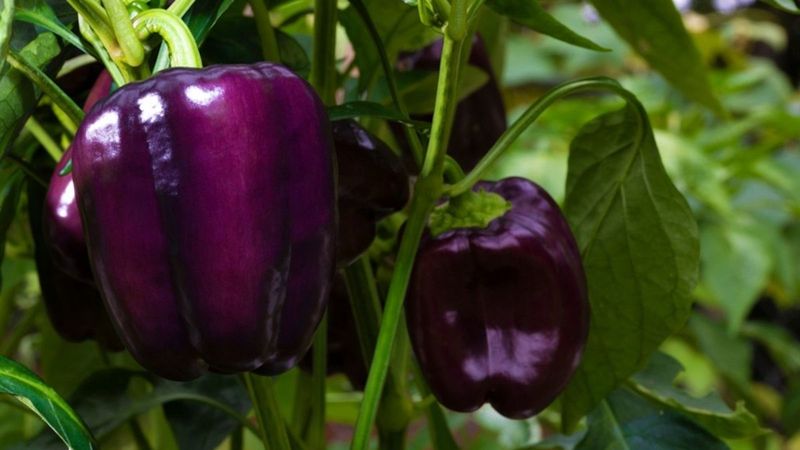
A surprising color to see on your peppers is purple, and it usually means trouble. When older leaves take on a dark green-purple cast, phosphorus is often in short supply.
Since phosphorus fuels the plant’s ability to use energy, a shortage slows everything down right when you need momentum. A feed with a higher middle number helps close the gap.
Cool soil can sometimes mimic this look too, so check that your plant is truly hungry and not just chilly. Either way, purple leaves are a clear cue to act.
15. Fix Curled New Growth with Calcium
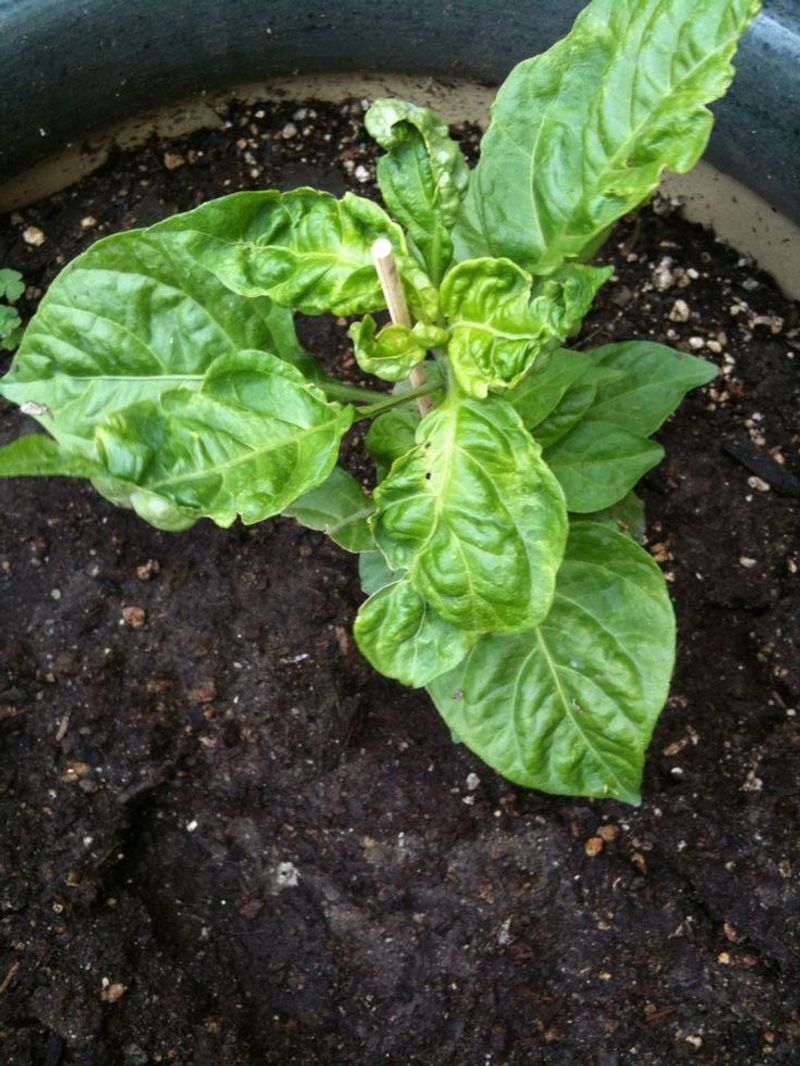
Deformed, curled, or crumpled new leaves at the growing tips are a red flag for a calcium shortage. That same shortage is the villain behind blossom end rot, those ugly sunken spots on the bottom of fruit.
Calcium moves through the plant with water, so inconsistent watering often makes the problem worse even when calcium is present. Steady moisture is half the battle.
Keeping water even and adding a calcium source when needed protects both new growth and your developing peppers. Nobody wants to lose fruit to rot this close to harvest.
16. Beat Heat Stress Before You Feed
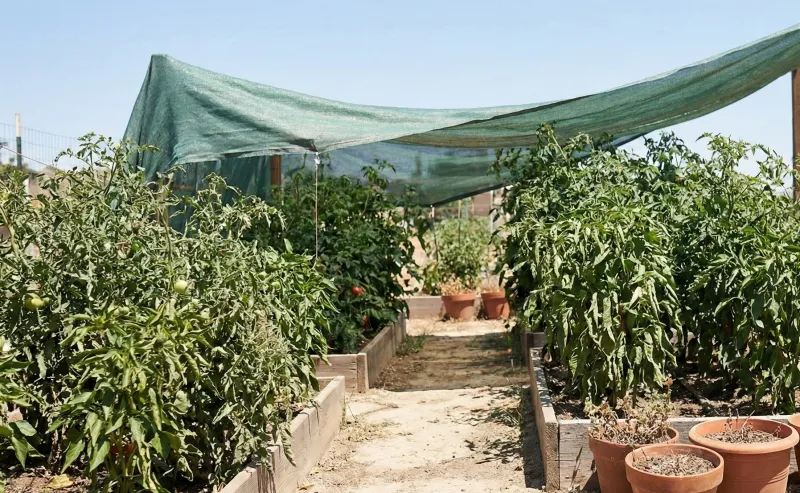
Sometimes a slowing pepper is not hungry at all, it is baking. When daytime temps stay above 90 degrees or nights hover over 75, plants get stressed enough to drop blossoms and shed leaves.
High heat even makes pollen sticky, so flowers fail to set fruit no matter how well you feed. Fertilizer will not fix a heat problem, and can stress a struggling plant further.
Try light shade cloth during the hottest afternoons and keep water steady to help your plants cope. Once the worst heat passes, your feeding efforts will finally pay off.
17. Feed Along the Edges for Potassium Repair
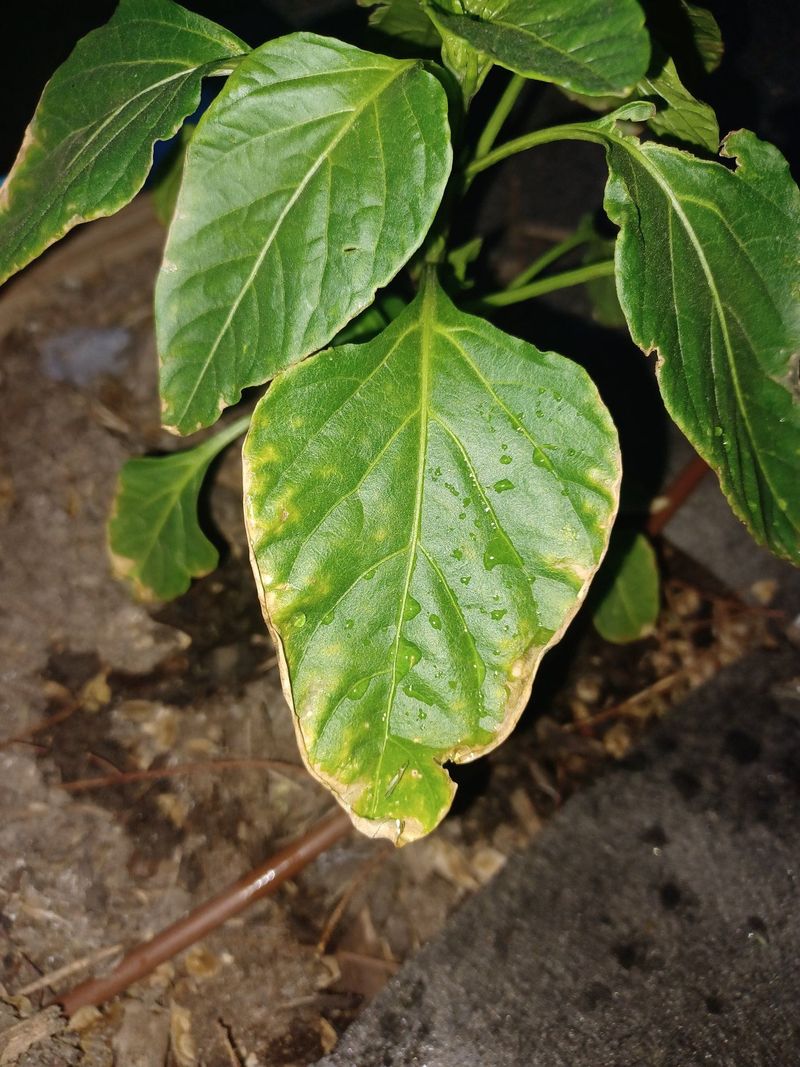
Notice yellowing creeping in along the edges of your leaves, especially the younger ones? That border of color often signals a potassium shortage, and it can lead to dead spots or even holes.
Potassium is the nutrient that shuttles food around the plant and drives fruit development, so a lack of it shrinks both plants and harvests. Correcting it can revive a stunted, unproductive plant.
A potassium-rich feed applied around the root zone helps repair the damage over a few weeks. Catch it early and your peppers can bounce right back to full production.