
12 Perennials That Get Fuller And More Colorful Every Year Once They Settle In
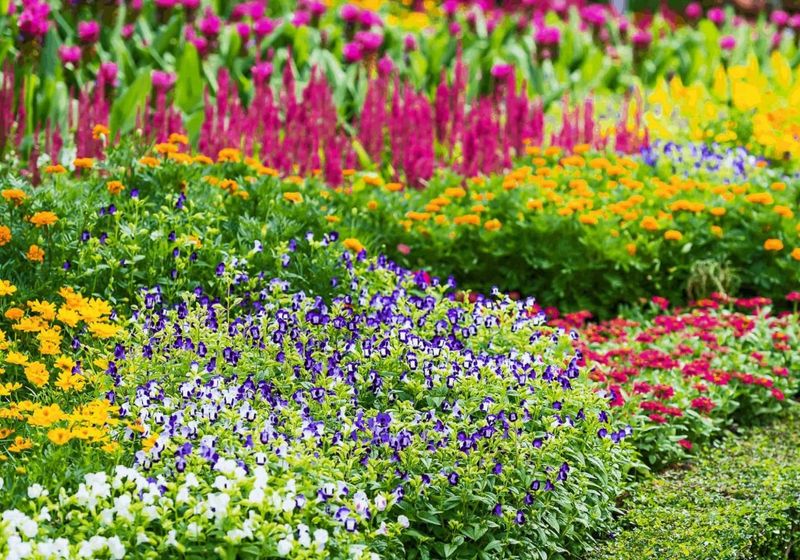
Gardeners love to repeat an old saying about perennials: first year sleeps, second year creeps, third year leaps. What it really means is that some plants look a little shy when you first tuck them in, then reward your patience by growing bigger and brighter every season.
If you have ever worried that a slow start meant you did something wrong, relax. The twelve plants below are famous for filling out and turning more colorful the longer they stay put, so a quiet first year is usually a promise, not a problem.
1. Hydrangeas
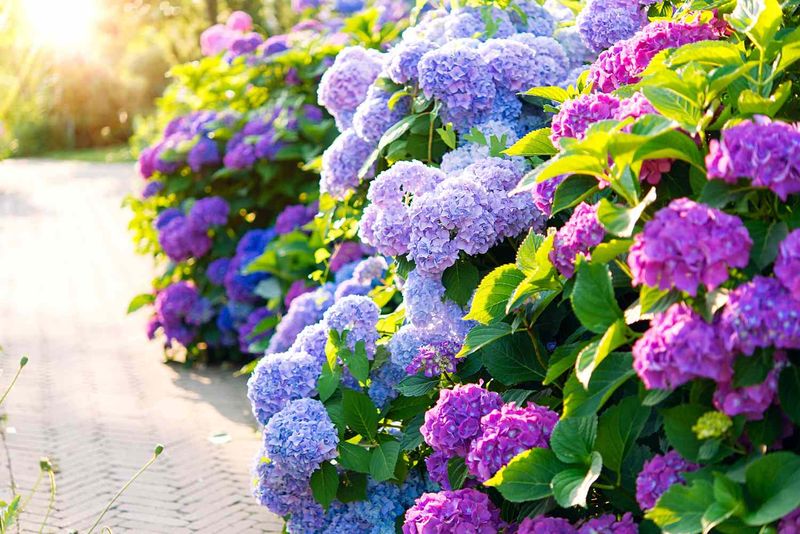
Few shrubs put on a show quite like an aging hydrangea. Those big mophead and panicle flowers actually get more dramatic as the season stretches on, with panicle types drifting from crisp white or green into rich pink, burgundy, and red by late summer and fall.
Bigleaf and mountain hydrangeas play a color game of their own. Acidic soil nudges the blooms toward blue, while alkaline soil pushes them pink, so your dirt is basically a paintbrush you can adjust over time.
The single biggest thing you can do for your hydrangea is keep it well watered. Thirsty plants brown out early and skip that gorgeous late-season color change, so consistent moisture during summer heat is your ticket to the best display.
2. Clematis
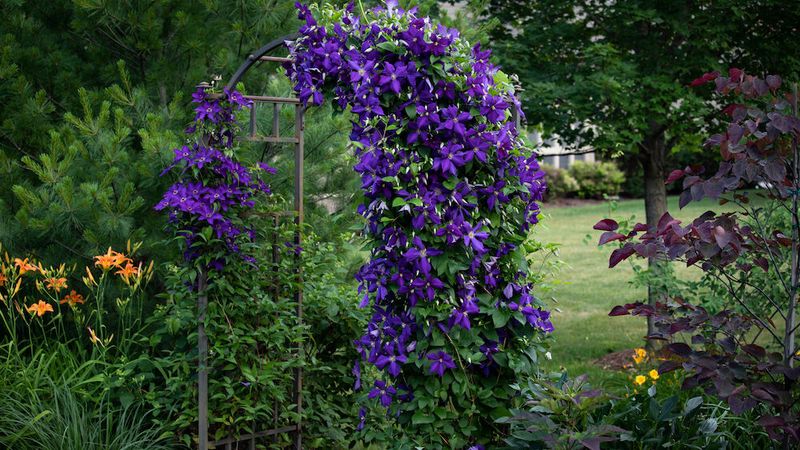
Give a clematis a few years to grip its trellis and it turns into a curtain of flowers. Many varieties actually bloom more heavily as they mature, and some, like ‘Rebecca’, rebloom in flushes from late spring all the way into fall.
Color is part of the fun. ‘Arabella’ can open mid-purple and soften to lighter purple and blue as the flowers age, and the amount of sun your vine gets can shift those tones too.
To keep the growth vigorous, work some compost into the soil and feed it during the growing season. A happy, well-fed clematis rewards you with fuller coverage and more saturated color each year.
3. Hardy Geraniums
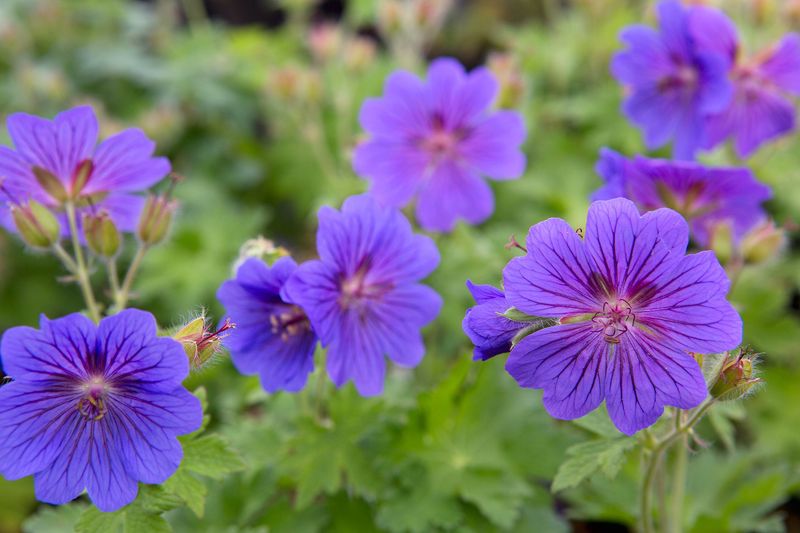
Here is a fun mix-up worth clearing up: the bright potted “geraniums” most people grow are actually Pelargoniums, treated as annuals, while true hardy geraniums come back year after year and fill out into generous mounds.
If you are growing the potted Pelargonium type, deadheading is your secret weapon. Pinching off faded flowers tells the plant to keep pumping out new ones, stretching the bloom season and giving you bigger, more plentiful color.
A little fertilizer goes a long way too, producing longer-lasting flowers with more intense shades. Over the years these plants can develop woody stems and grow into charming little shrubs.
4. Daylilies
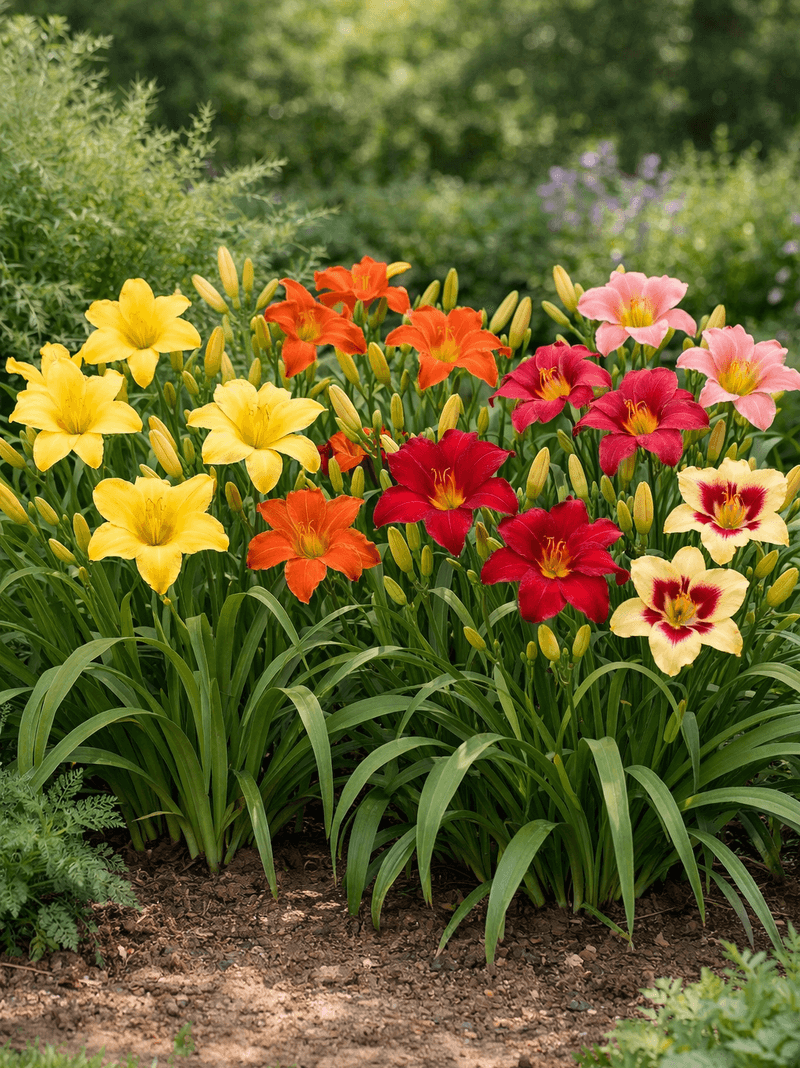
If dependability had a flower, it might be the daylily. Gardeners have leaned on their old-fashioned reliability for generations because they simply show up, bloom, and come back stronger.
Each individual flower lasts only a day, but a settled plant sends up so many buds that the color keeps rolling for weeks. The real magic is underground, where the roots build into fatter, fuller clumps season after season.
Once a clump gets big enough, you can even dig and divide it to spread the color around your yard for free. Not a bad payoff for a plant that asks almost nothing in return.
5. Hostas
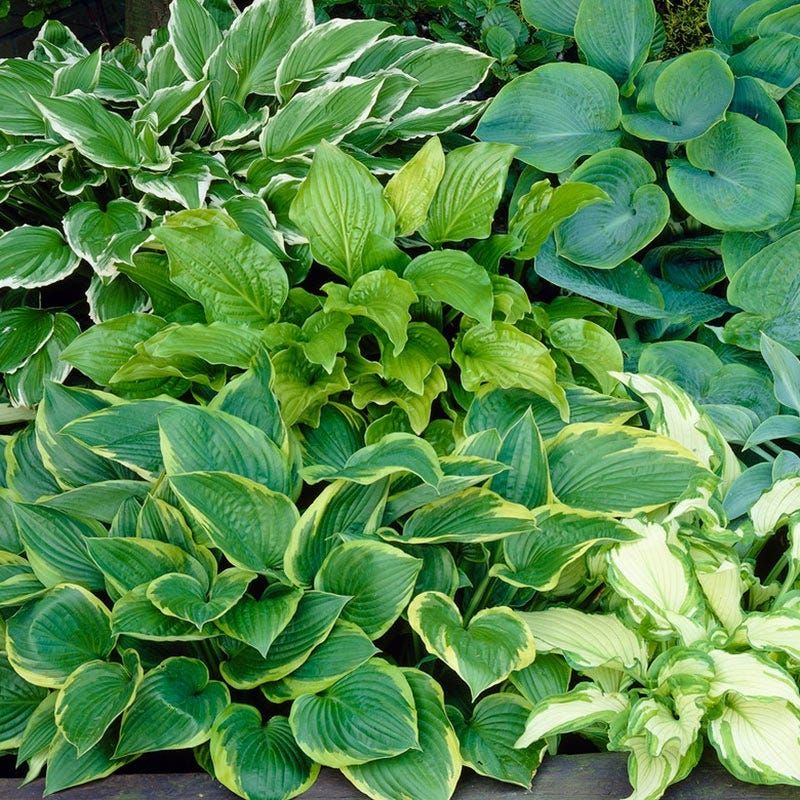
Meet the undisputed king of shade. Hostas earn that crown by thriving in the spots where most flowers sulk, and their bold foliage does the heavy lifting instead of blooms.
They come in a huge range of sizes and leaf colors, from blue-green giants to tidy little gold and cream numbers. As each plant matures, the clump widens into a lush mound that can carry a whole border or blanket the ground.
Adaptable and forgiving, hostas rarely disappoint even beginning gardeners. Plant one in a dim corner you have given up on and watch it turn that space into the leafiest part of your yard.
6. Shasta Daisies
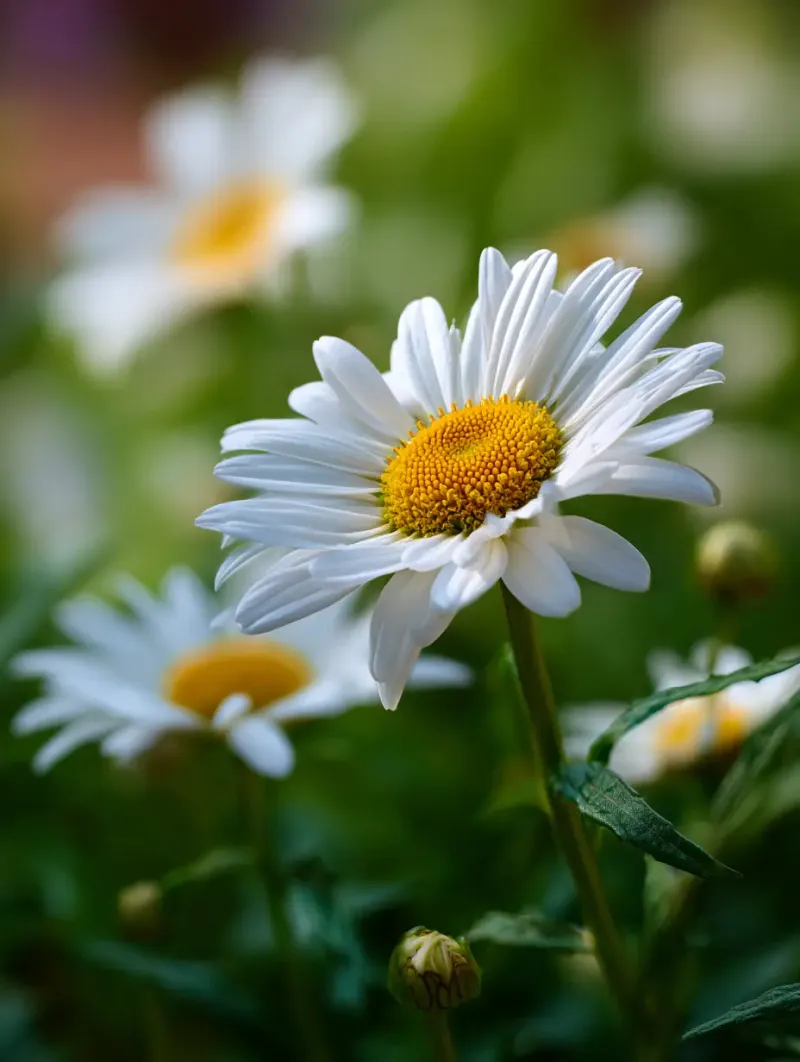
Clean, bright, and impossible to dislike, Shasta daisies bring that classic white-petal, yellow-button look everyone pictures when they think of a summer flower. The blooms stand up boldly above medium green leaves like little cheerleaders.
Flowering starts in late spring or early summer and keeps going through much of the season, giving you a long stretch of easy color. They are timeless and versatile, playing nicely with almost anything you plant beside them.
What makes them a keeper is how they bulk up. Each year the clump grows larger, so a single plant slowly becomes a fuller, showier patch of daisies.
7. Salvia
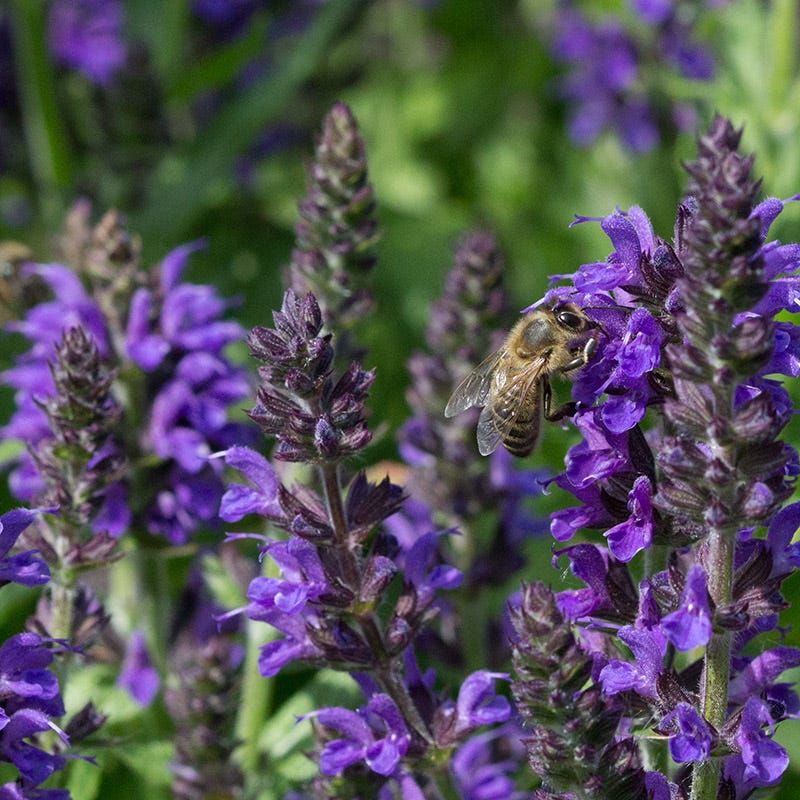
Call salvia the pollinator powerhouse of the sunny border. Those upright spikes of purple, blue, or pink flowers are magnets for bees and butterflies, and they keep the color coming from early summer into fall.
Heat and drought barely faze it once it is established, which makes salvia a lifesaver for hot spots where thirstier plants flop. Deer tend to leave it alone too, so it is a smart pick for rural yards.
Give it a season or two and each plant fills in nicely, throwing more spikes and holding steady color even when summer turns brutal.
8. Black-eyed Susans
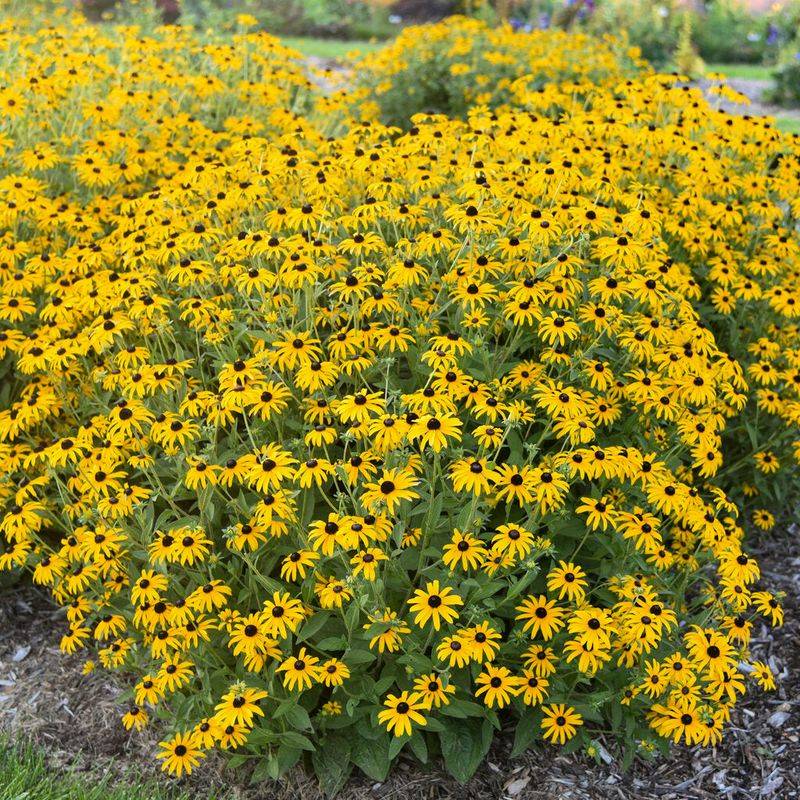
Tough as nails and happiest in the heat, black-eyed Susans laugh at the conditions that wilt fussier flowers. Their golden petals and dark button centers glow through the hottest stretch of summer.
Here is where they really earn a spot on this list: they spread and reseed themselves. That means a modest first-year planting can gradually thicken into a bold, sunny sweep of color with almost no effort from you.
They also make fantastic cut flowers that hold up for days in a vase. Snip a handful, and you get a bouquet that lasts nearly as long as the plants outside.
9. Sedums
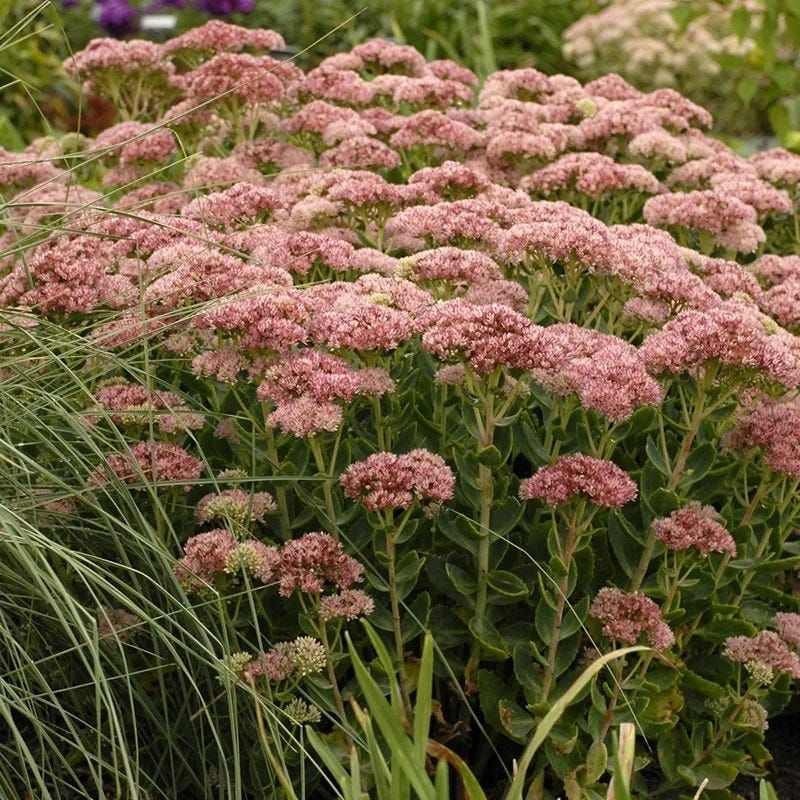
Think of sedum as the workhorse that quietly grows bigger every single year while asking for basically nothing. As a succulent, it stores water in its plump leaves, so heat and drought hardly slow it down once it settles in.
The variety is surprising, from low creeping groundcovers to sturdy upright types with big flower heads that turn dusty pink and rust in fall. That range means there is a sedum for almost any dry, sunny corner.
Neglect it a little and it thrives anyway. Each season the clumps expand and the blooms multiply, making it one of the easiest ways to add reliable late-season color.
10. Lavender
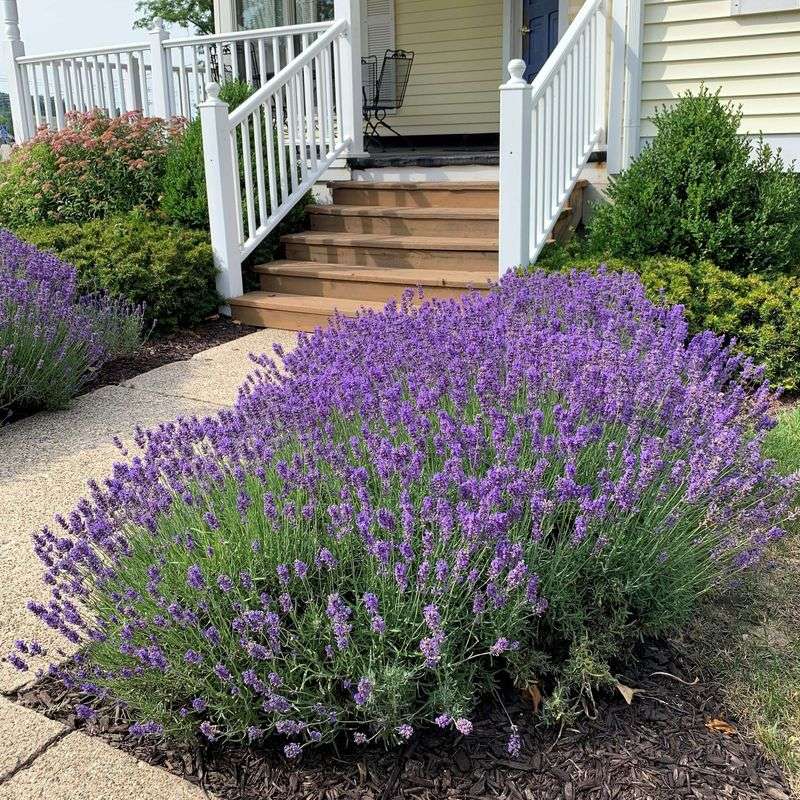
Brush past a mature lavender plant and you will understand the fuss instantly. That warm, herbal fragrance drifts on the air, and the purple spikes are a number-one magnet for bees.
Lavender wants what it wants: full sun, warmth, and well-drained soil that never stays soggy. Nail those conditions and it stays hardy and low-maintenance for years.
The longer it grows, the bushier and more productive it becomes, packing on more aromatic blooms each season. A single well-placed plant can perfume a whole path or patio once it hits its stride.
11. Coneflower
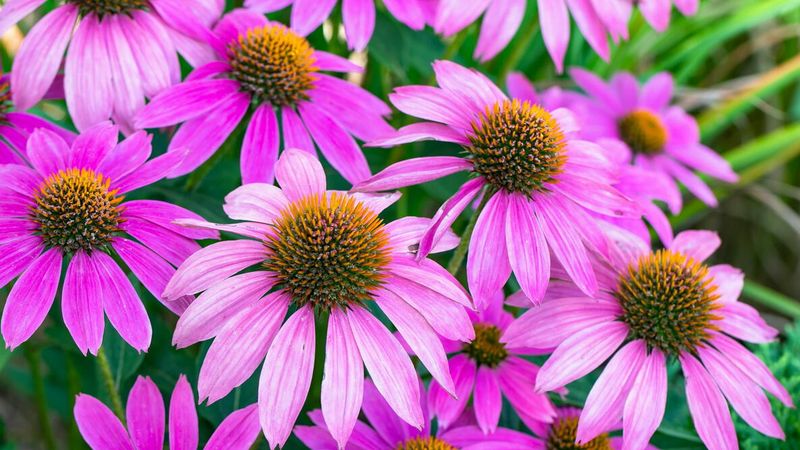
Native champions through and through, coneflowers pair good looks with real ecological value. Their daisy-like blooms with raised centers bring beauty from summer into fall while feeding the bees that adore them.
Leave the plants in place and they reward you by forming bigger clumps and cranking out more flowers each year. That growing abundance means both a stronger visual punch and more food for pollinators.
Did you know the spent seed heads feed goldfinches into winter? Skip the fall cleanup and your coneflowers keep working long after the petals fade.
12. Peony
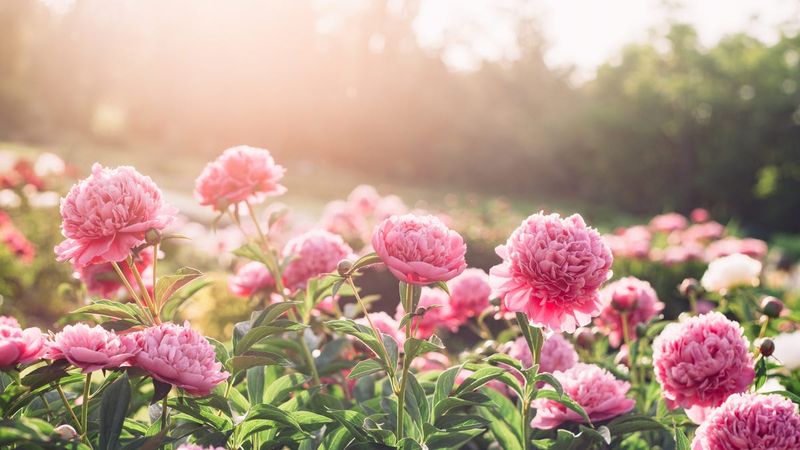
Some plants outlive the gardeners who plant them, and the peony is one of them. These beauties can thrive for decades with barely any fuss, which makes their first shy year absolutely worth the wait.
The payoff is spectacular: huge, fluffy, fragrant blooms in white, pink, and red that arrive like clockwork every spring. The plants are sturdy and long-lived, settling into their spot and returning bigger and more generous over time.
Plant a peony and you are really planting a heirloom. It is the kind of flower you can pass down, still blooming faithfully long after you first tucked it into the ground.