
What It Really Means When A Whip-Poor-Will Starts Calling At Dusk In Your North Carolina Yard
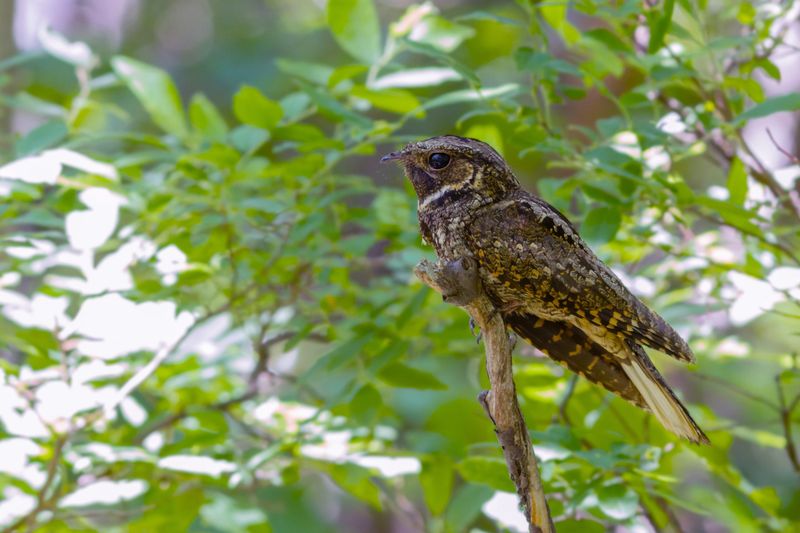
Few sounds stop a North Carolina evening like a loud, repeated “whip-poor-WILL” rising from the tree line just after sunset. Most homeowners recognize the call instantly but have no idea what the bird looks like, whether it lives in their yard, or what its presence actually signals.
Getting those answers straight matters, because the truth is both more interesting and more nuanced than the folk wisdom suggests.
The dusk caller is usually a nightjar, not a mystery
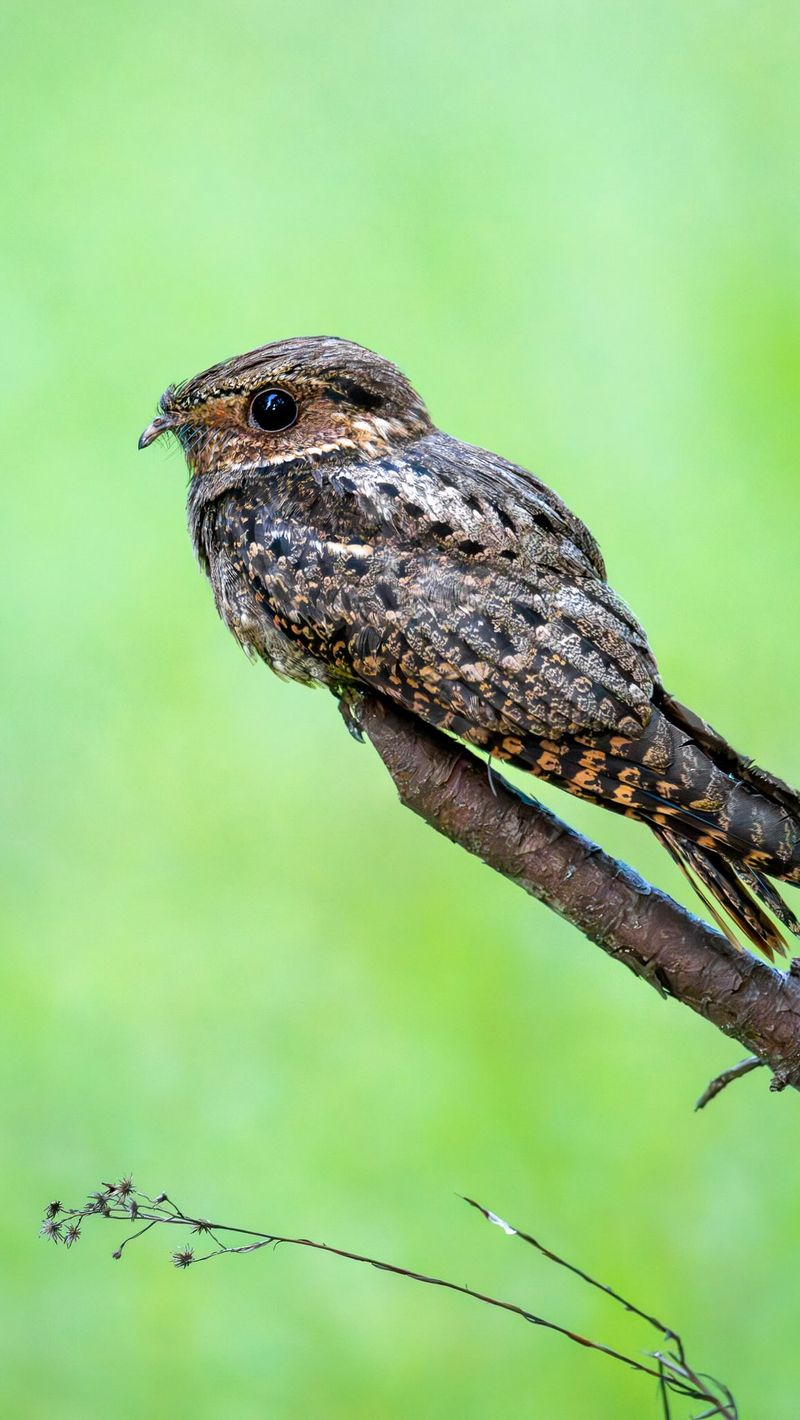
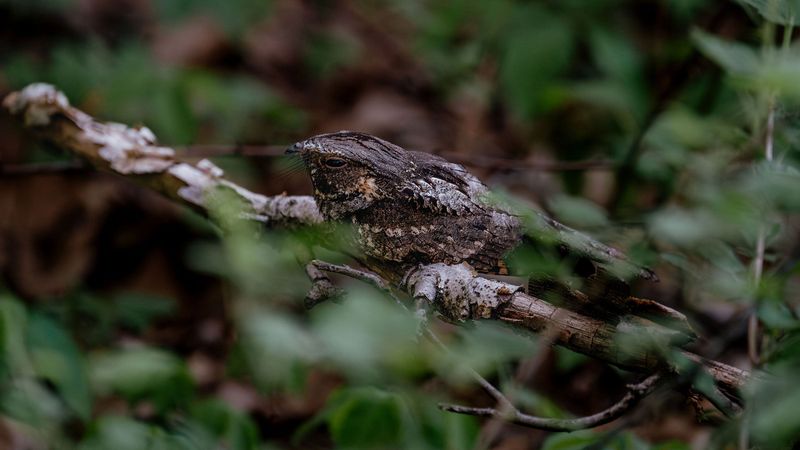
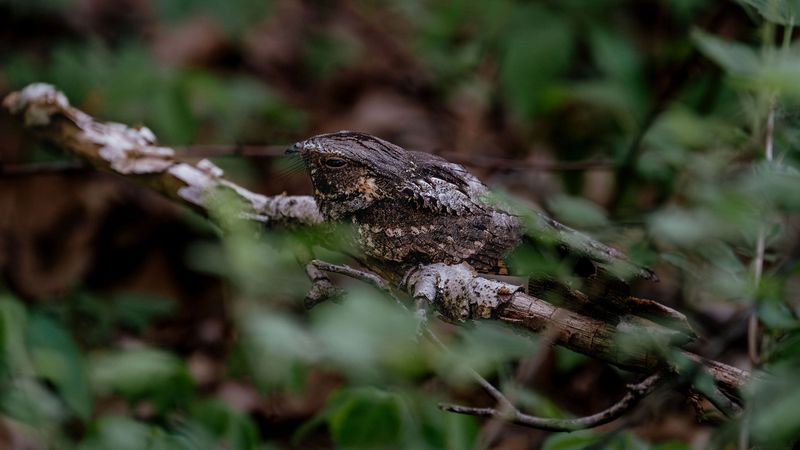
Soft gray-brown and patterned like crumpled leaves, the Eastern Whip-poor-will is one of the most effectively camouflaged birds in North America. It belongs to a group called nightjars, birds built for the dark hours, and according to Cornell Lab of Ornithology, the species was separated from the Mexican Whip-poor-will in 2010, making it the recognized eastern form.
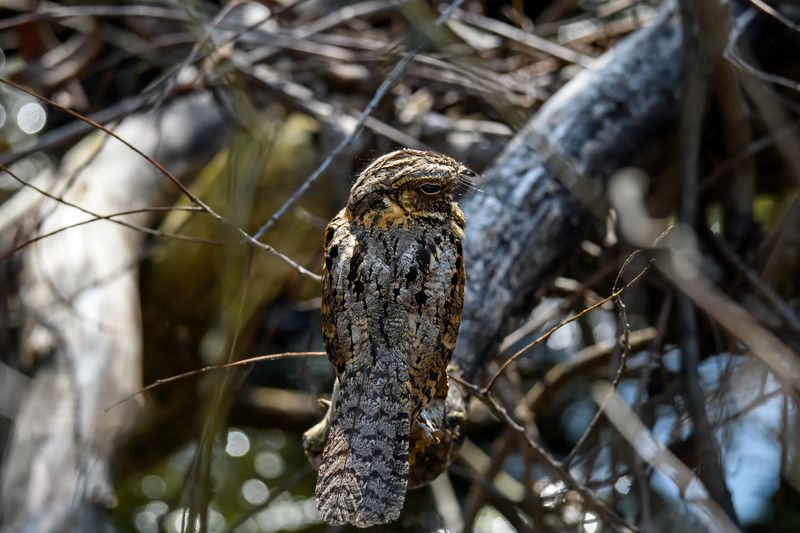
Its mottled plumage matches leaf litter and tree bark so well that a roosting bird can sit in plain sight on a low branch or on the ground and go completely unnoticed by a passing homeowner.
During daylight, the bird rests quietly, often lengthwise along a branch rather than across it, which flattens its silhouette further. As the light fades, something shifts.
The bird wakes, stretches, and begins moving toward open sky, following the same crepuscular rhythm it has kept for thousands of years.
Once airborne at dusk, it hunts by flying low and opening its wide, bristle-fringed mouth to intercept flying insects. Cornell’s identification guide describes it as catching prey in short aerial sallies from a low perch, snapping up moths and other insects that rise in the warm evening air.
The bird navigates by the faintest available light, which is why a dark, wooded edge suits it far better than a brightly lit subdivision.
Hearing the call from your yard most likely means an Eastern Whip-poor-will is using nighttime habitat somewhere in the surrounding area, possibly your property, possibly a neighbor’s woodlot, possibly a forest edge several hundred yards away. The species’ life history makes clear that a calling bird is not necessarily living or nesting on your lot.
Sound carries far on still summer evenings, and a male can project that call well beyond the boundaries of any single yard.
The repeated call is a breeding-season song
That insistent, rapid repetition of “whip-poor-WILL” you hear at dusk is not a distress signal and not a warning about anything going wrong in your yard. Cornell’s sounds page for the species describes the repeated namesake call as generally the male’s breeding-season song, used in territory defense and to attract a mate.
Males can deliver the phrase hundreds of times in a row without pausing, and the persistence of the call is itself part of its purpose.
Spring and summer calling in North Carolina lines up with the bird’s active breeding window. Eastern Whip-poor-wills generally arrive on their North Carolina breeding grounds somewhere between late March and mid-May, depending on the region and the year.
Range map data from Cornell shows that most birds depart between early September and late November, though timing shifts across the state and from one year to the next.
Winter presence in North Carolina is possible but less common, especially inland. A call heard on a warm April evening almost certainly belongs to a bird in full breeding mode, while a call in October sits closer to the edge of the departure window and deserves a bit more caution in interpretation.
The North Carolina Birds species account notes that distribution across the state is uneven, with mountain and Piedmont populations behaving somewhat differently from those along the coast. Wherever you hear it, the song is an announcement of presence and reproductive intent, nothing more alarming than that.
A male singing loudly from your tree line is doing exactly what males of his species have always done at this hour of the year.
Check the sound before naming the species
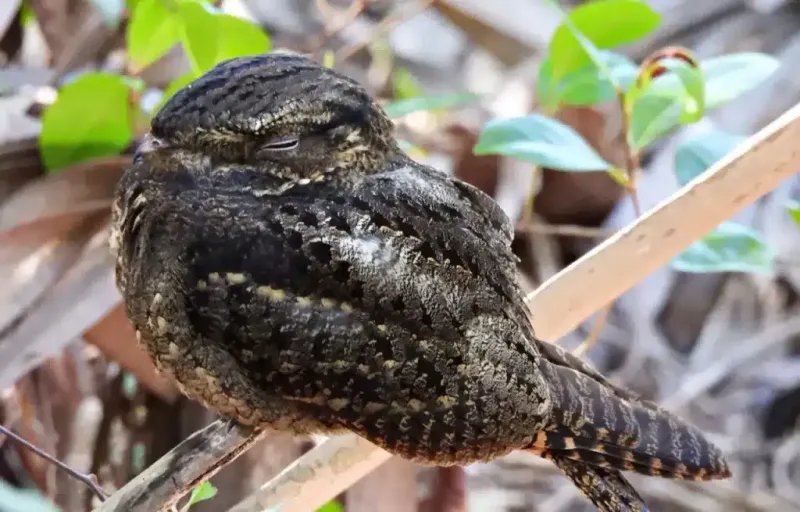
Before you tell your neighbor a Whip-poor-will is living in your yard, take one careful step back and listen to the actual rhythm of the call. North Carolina is home to an important sound-alike: the Chuck-will’s-widow, a larger nightjar that shares nighttime woodland habitat and sings a similarly structured phrase at dusk.
Relying on the name you already associate with the sound, or on the simple fact that it is dusk, is not enough to separate the two species.
The North Carolina Birds account for the Eastern Whip-poor-will points out that the Chuck-will’s-widow is especially important to consider in the Coastal Plain, where it can be the more common of the two species. Distribution is shifting, though, and Chuck-will’s-widows have been turning up in parts of the Piedmont as well.
Location can guide your suspicion, but it cannot replace a careful listen.
The phrase structure is the key. The Eastern Whip-poor-will delivers a crisp three-syllable call with a hard emphasis on the final syllable: “whip-poor-WILL.” The Chuck-will’s-widow sings a slower, slightly lower, four-syllable phrase: “chuck-will’s-WID-ow,” where the first syllable is often soft enough to miss at a distance.
Listening to verified recordings on Cornell’s Whip-poor-will sounds page and then comparing them against Chuck-will’s-widow recordings is the most reliable way to sort out which bird is singing in your yard.
Recording the call on your phone during an evening when the bird is active gives you something you can compare at your own pace. A quick, confident three-syllable punch points toward Eastern Whip-poor-will.
A rolling, four-note phrase with a softer opening suggests Chuck-will’s-widow. Both are worth celebrating as native nightjars doing their work in the Carolina dark, but getting the name right matters for your own understanding of the local wildlife community.
A call can reflect the surrounding landscape, not a perfect yard
Hearing a likely Eastern Whip-poor-will at dusk is genuinely encouraging, but it does not hand you a certificate of ecological excellence for your backyard. The bird’s presence tells you something about the surrounding landscape, not specifically about the square footage you mow and water.
That distinction is worth holding onto.
The species feeds exclusively on insects. Cornell’s life history page lists documented prey including moths, beetles, grasshoppers, ants, bees, wasps, and fireflies, along with other flying insects.
The Audubon field guide similarly describes the bird as a broad insectivore that catches prey on the wing. Moths and beetles show up consistently across diet descriptions, which matters for understanding what kind of habitat supports the bird.
Research makes clear that the habitat associations operate at a scale well beyond a single residential lot. A study published in Ornithological Applications found that whip-poor-will abundance was linked to surrounding land cover and moth abundance at a broader landscape scale, not simply to conditions within one property.
USGS research on habitat associations found that suitable conditions mattered at roughly a 1.6-kilometer scale, meaning the bird’s territory and foraging range can stretch well beyond any single yard’s fence line.
A calling bird may be responding to forest structure, open edges, and insect prey that exist partly or entirely on land you do not own. Knowing that, resist the temptation to read the call as proof that your yard is pesticide-free or unusually insect-rich.
Similarly, one calling bird cannot tell you which insects are present or whether mosquitoes are among them. The diet is broad, the prey is varied, and a single bird provides no reliable pest-control service to a residential property.
Support nighttime habitat without trying to lure the bird
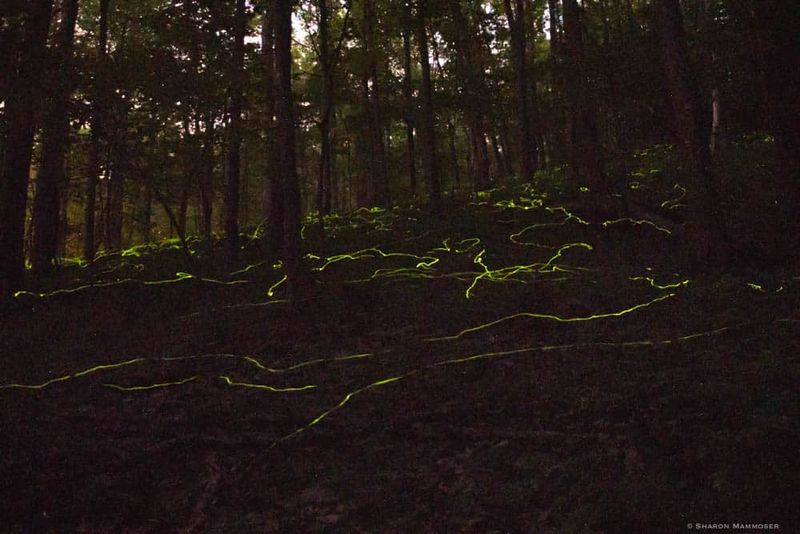
Good stewardship does not require a dramatic overhaul of your property based on one evening’s call. Small, consistent choices add up to a yard that is meaningfully more compatible with nocturnal wildlife, including nightjars, bats, fireflies, and the many insects that feed them.
Retaining some natural leaf litter along wooded edges is one of the simplest things a homeowner can do. Leaf litter shelters ground-dwelling insects, provides roost cover for birds that rest on the ground, and keeps a section of the yard from becoming a sterile, raked-clean surface.
NC State Extension’s wildlife-friendly landscaping guidance recommends providing cover, water, places to raise young, and year-round food sources as the foundation of a yard that actually supports wildlife. That framework applies across species and seasons, not just to one visiting nightjar.
NC State Extension’s Plant Toolbox guidance encourages varied vegetation layers and native plantings that support insects at multiple life stages, which in turn supports the insect-eaters higher up the food chain. Varied structure in a yard, some shrubby edge, some taller canopy nearby, some open ground, tends to serve more wildlife than a uniform, heavily maintained lawn.
Reducing unnecessary insecticide use is another practical step. NC State Extension’s pest management resources describe integrated pest management as a way to address genuine pest problems without treating every insect as a threat.
Broad insecticide applications reduce the flying insect populations that nightjars depend on, and scaled-back use is a reasonable precaution regardless of whether a whip-poor-will is listening.
Outdoor lighting near wooded edges deserves attention as well. The U.S.
Forest Service species review for the Eastern Whip-poor-will identifies artificial light as a potential threat to nightjars and related species. Shielding fixtures so light falls downward rather than outward, or simply turning off non-essential lights near forest edges after dark, costs nothing and removes a possible source of disruption.
None of these steps guarantee that a whip-poor-will will nest or even return, but together they make your corner of the Carolina landscape a bit more hospitable to the creatures that rely on darkness and insects to survive.
Protect a possible ground nest from a distance
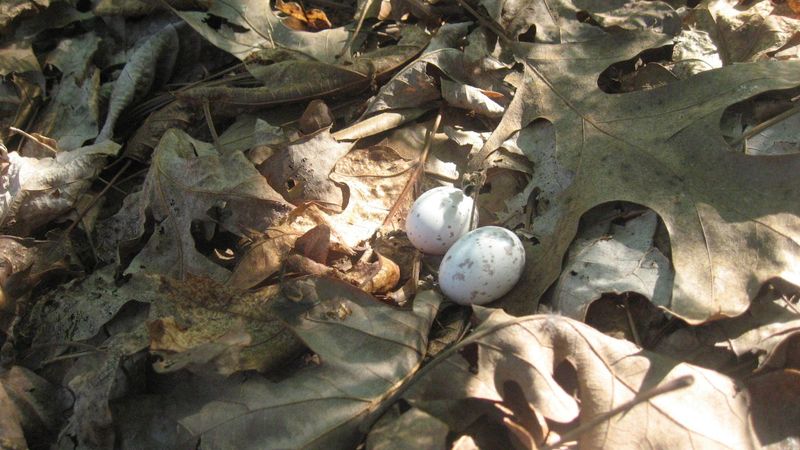
Eastern Whip-poor-wills do not build a nest in any conventional sense. The female lays her eggs directly on leaf litter, bare ground, sand, or decayed wood, and the clutch sits there with no surrounding structure to mark it.
Cornell’s life history page describes this ground-nesting behavior clearly, and it explains why active nest sites are so easy to overlook. A homeowner walking a wooded edge could pass within feet of eggs or a small chick and never realize it.
If you find what looks like a nest or spot a young bird crouched motionless on the ground, the right response is simple: back away and keep your distance. Do not pick up the eggs, do not try to move the chick to what seems like a safer location, and do not bring pets or equipment near the area.
U.S. Fish and Wildlife Service guidance on bird nests is straightforward: active migratory bird nests and their contents receive federal protection, and disturbing or destroying them carries real legal and biological risks.
Mowers, leaf blowers, and vehicles present the most common accidental threats to ground nests in residential yards. If you suspect a nest along a wooded edge or in a brushy area, leave a wide buffer around it and hold off on any yard work in that zone until you know the nest is no longer active.
Chicks that appear to be sitting still are not injured; they are relying on their camouflage, exactly as their parents do.
Avoid using recorded calls to draw the bird closer for a better look, and resist the urge to search the area repeatedly for the nest once you suspect one is present. USFWS migratory bird protection guidance makes clear that repeated disturbance can cause adults to abandon a nest.
If you have genuine concerns about an injured bird or an exposed nest in an unavoidably high-traffic area, contact a qualified wildlife rehabilitator or your state wildlife agency for specific guidance rather than acting on your own.
Take the call as an invitation to listen carefully
A whip-poor-will calling at dusk from your North Carolina yard is worth pausing for, but it rewards a measured response more than an excited one. USGS habitat research suggests that the surrounding landscape matters most, so the call reflects conditions across a wider area than your property line, and that is genuinely good news.
It means the bird is finding at least some of what it needs somewhere nearby.
Start by verifying the species. Record the call, compare it against verified audio of both Eastern Whip-poor-will and Chuck-will’s-widow, and settle on an identification before you tell anyone a specific bird has moved in.
Then listen without disturbing it. The Forest Service species review identifies repeated human disturbance and artificial light as stressors for the species, so the most supportive thing you can do on any given evening is simply stay still and keep the lights low.
Over time, keep the yard a little less sterile and a little less bright. Use pesticides sparingly and only when a pest problem actually requires treatment.
Hold leaf litter along wooded edges. Shield outdoor fixtures or turn off non-essential lights after dark.
If you find a suspected ground nest, give it a wide berth and contact a wildlife professional before doing anything else.
A bird calling from the dark edge of a Carolina yard is not asking for much. Mostly, it needs the night to stay dark, the insects to keep flying, and the leaf litter to remain undisturbed.
Meeting those modest conditions is good for the whip-poor-will, good for every other creature that shares the dark with it, and good for the yard you are trying to protect.