
If Moss Keeps Creeping Across Your Lawn, Here Are 13 Things It’s Quietly Telling You About Your Soil
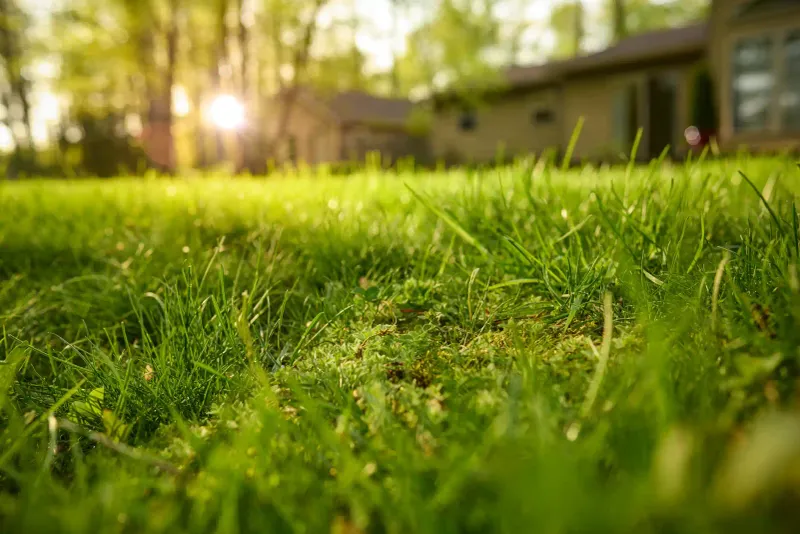
Moss showing up in your yard isn’t really the villain here. It’s more like a messenger, quietly pointing at problems your grass is struggling with underneath.
Once you learn to read what moss is telling you, fixing the real issue gets a whole lot easier. Here are 13 signs your moss is sending you, plus a simple rescue for each one.
1. Your Soil Is Too Acidic
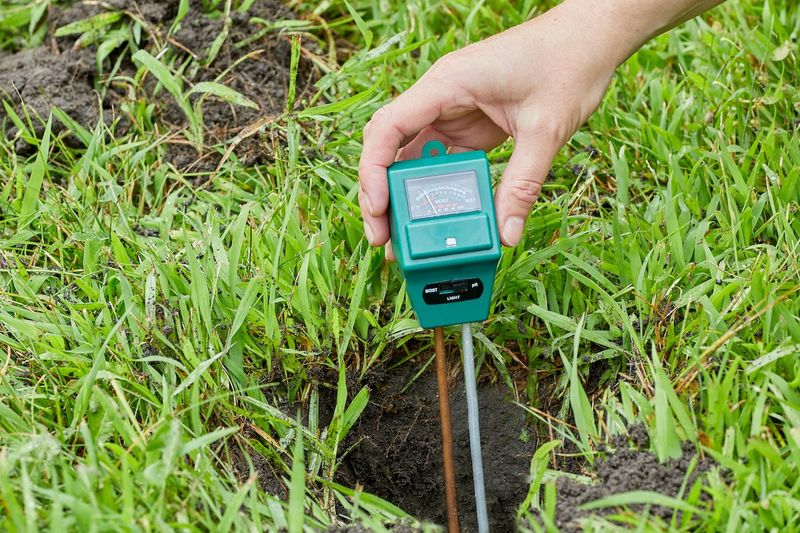
Moss and acidic soil go together like peanut butter and jelly. When your dirt sits somewhere around a pH of 5.0 to 5.5, moss feels right at home while your grass quietly suffers.
Most lawn grasses want a slightly acidic to neutral range, roughly 6.0 to 7.0, with cool-season types happiest around 6.3 to 6.5. If your soil dips below that, grass loses its edge and moss moves in.
The fix starts with a simple soil test from your local garden center or extension office. If the results show your pH is too low, apply lime at the rate the test recommends.
It takes a little patience, but nudging that pH up can help your grass compete again.
2. Your Soil Is Compacted
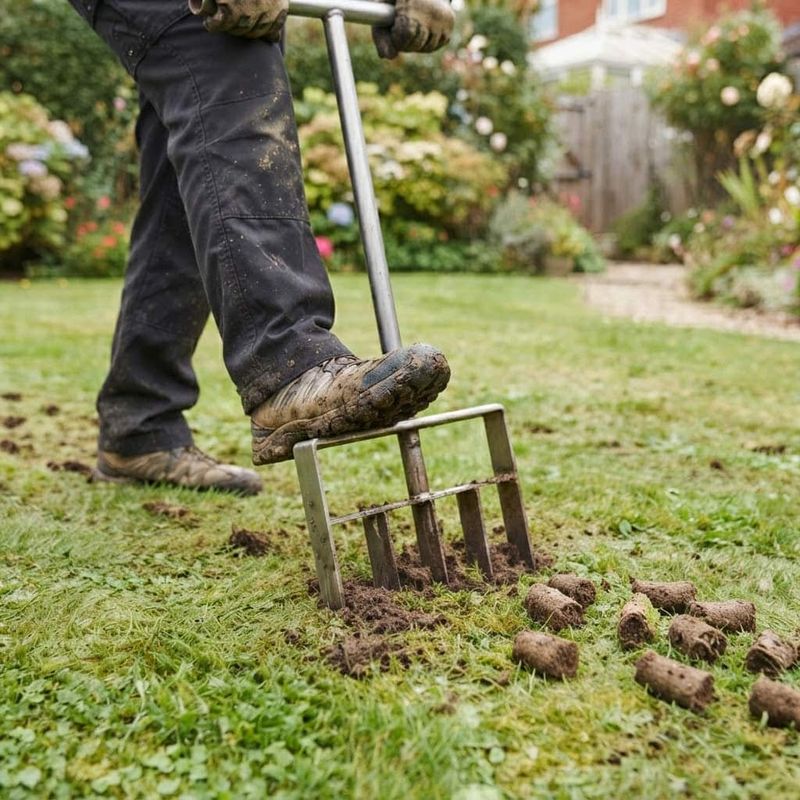
Picture your grass roots trying to breathe through packed-down dirt. Heavily compacted soil squeezes out the air, water, and nutrients that roots desperately need.
Moss doesn’t care one bit. With its shallow, rootless nature, it happily settles into those dense, hard-packed spots where grass can barely hang on.
Aerating is your best move here. Running a core aerator across the lawn pulls out little plugs of soil and opens things up, letting air circulate and water soak in.
Do it during your grass’s active growing season for the best comeback.
3. Your Lawn Has Poor Drainage
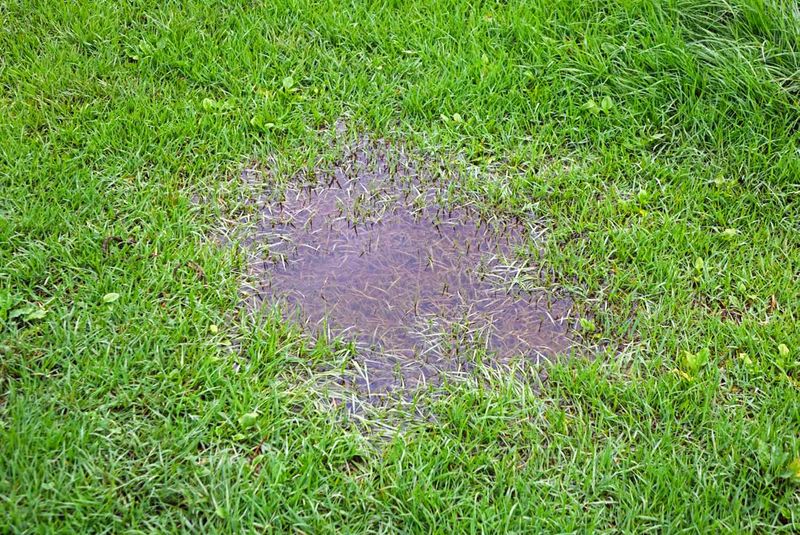
Ever notice moss loves the soggy corners of the yard? Where water pools and lingers, moss thrives while grass roots sit in the wet and rot.
Poor soil structure or a low spot that collects runoff can keep an area damp long after everyone else’s lawn has dried out. Grass simply can’t cope with constantly saturated ground.
Amending the soil with organic matter like compost helps water move through instead of sitting still. For stubborn low spots, re-grading the area so water drains away can make a lasting difference.
Dry out the ground and moss loses its favorite home.
4. Your Soil Lacks Essential Nutrients
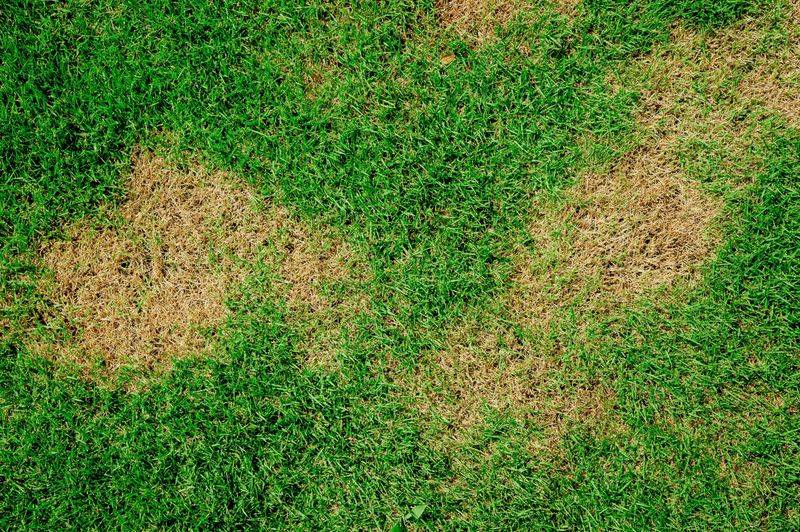
Hungry grass is weak grass. When your soil runs short on nitrogen, phosphorus, and potassium, the turf grows thin and pale, leaving open ground for opportunists.
Moss barely needs any nutrients to survive, so a starved lawn is basically an open invitation. While your grass struggles, moss spreads without a care.
A soil test again earns its keep, pinpointing exactly what’s missing. From there, the right fertilizer or a topdressing of rich compost feeds your grass back to strength.
A well-fed, dense lawn crowds moss out on its own.
5. Your Lawn Isn’t Getting Enough Sunlight
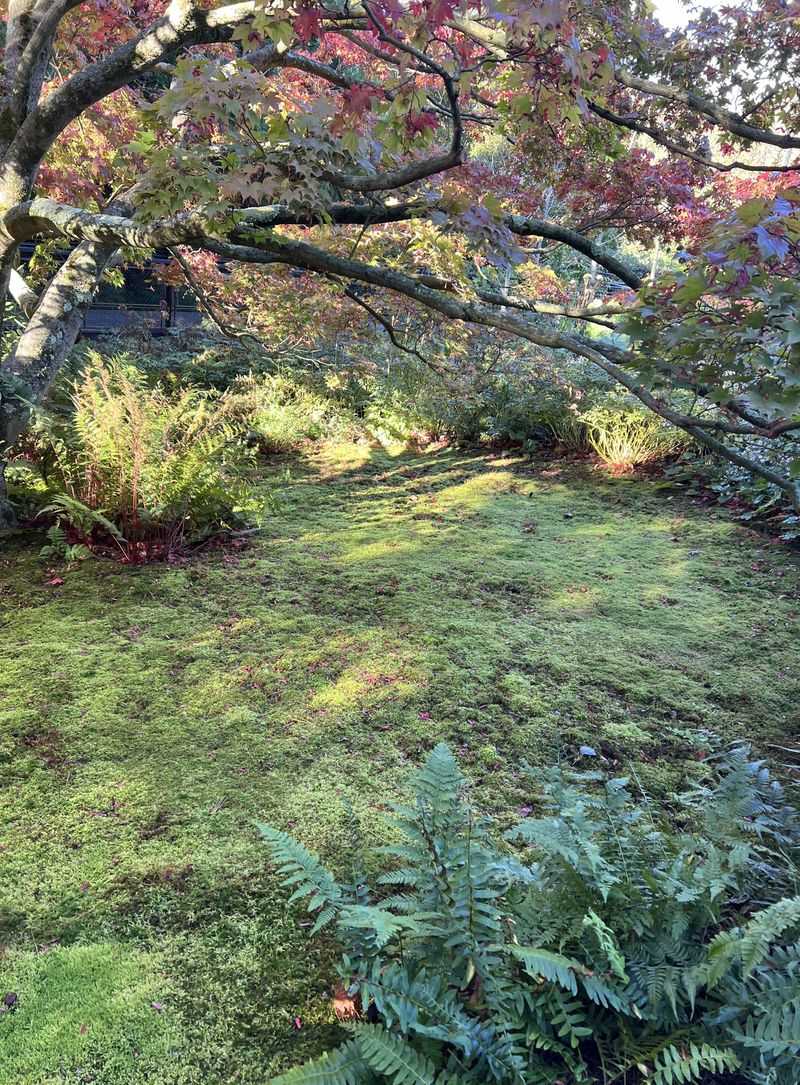
Shade is moss’s playground. Most common turfgrasses need several hours of direct sun daily, with cool-season types wanting around four to six, but moss is perfectly content in gloom.
In heavy shade, grass can’t photosynthesize enough to grow strong, so it thins out and surrenders the ground. Moss simply fills the shadowy gap.
Pruning overhanging tree branches or thinning out dense shrubs lets more light reach the lawn. For spots that stay stubbornly dark, switch to shade-tolerant grass varieties or lean into an attractive ground cover that actually likes the shade.
6. You’re Watering Too Frequently
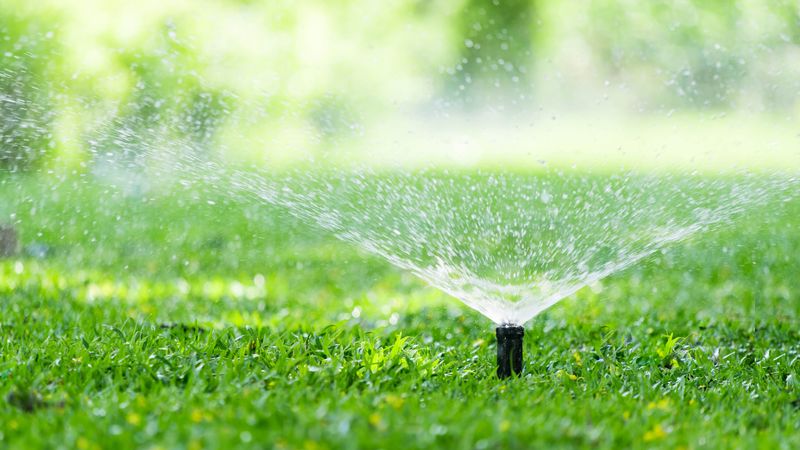
Kindness can backfire when it comes to watering. Automatic systems that run too often, or frequent light sprinklings, keep the soil surface constantly damp, which is exactly what moss dreams of.
All that surface moisture also trains your grass to grow shallow, lazy roots that can’t fend for themselves. Meanwhile moss soaks up the steady dampness and spreads.
Water only when your grass shows it needs a drink, like a dull color or footprints that stay pressed into the blades. When you do water, go deep and infrequent to push roots downward and let the surface dry between sessions.
7. Your Grass Is Thin or Weak
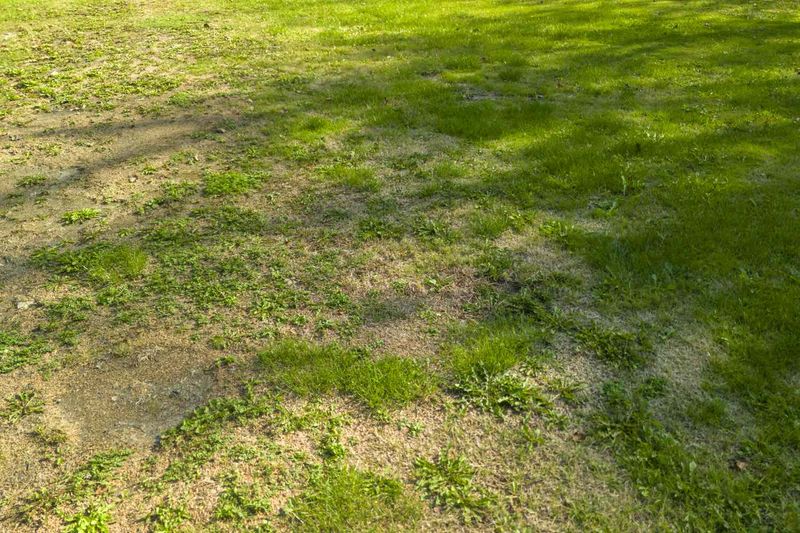
Moss is an opportunist, plain and simple. It doesn’t muscle out healthy turf so much as slip into the bare, stressed patches where grass has already given up.
Wherever your lawn is thinning from any number of causes, moss sees an empty seat and takes it. The moss is a symptom, not the original crime.
Track down what’s weakening the grass first, whether it’s shade, poor soil, or bad watering habits. Then overseed with a grass blend suited to your yard to build a thick, competitive turf.
A dense lawn leaves moss nowhere to sneak in.
8. Your Soil Is Rocky or Shallow
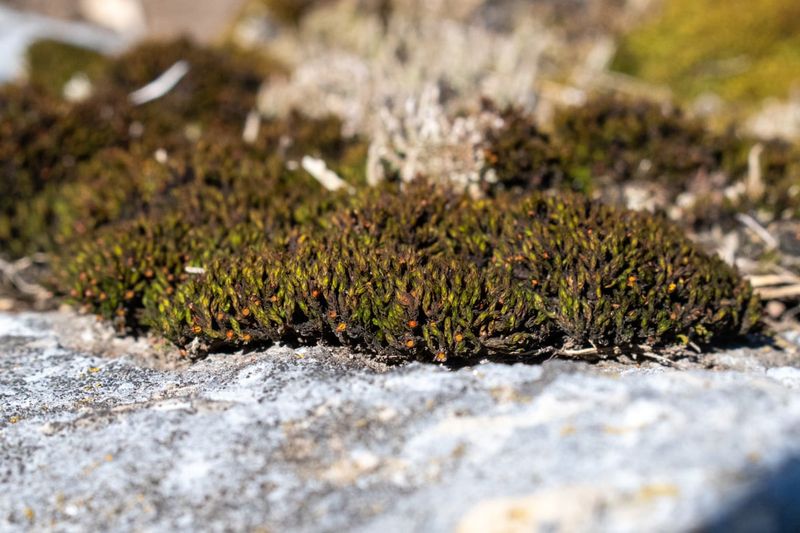
Some yards just don’t give grass much to work with. Rocky or shallow soil struggles to hold the moisture and nutrients that turf needs to sink strong, deep roots.
Moss, with its minimal requirements, actually gets a leg up in these thin conditions. Where grass can’t anchor itself, moss carpets right over.
Building up soil depth with organic matter and topdressing helps grass establish over time. For the truly rocky, stubborn areas, it may be worth embracing alternative landscaping like a rock garden or ground cover that suits the spot instead of fighting it.
9. Your Lawn Has Poor Air Circulation
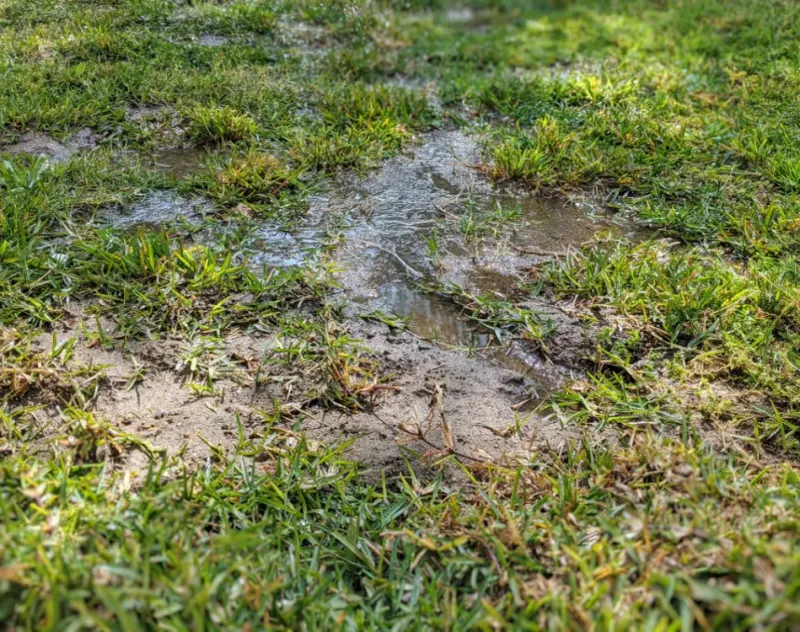
Stagnant air keeps things damp longer than you’d think. In shaded or enclosed corners hemmed in by fences and shrubs, the soil surface stays moist because nothing’s moving the air along.
That lingering dampness rolls out the welcome mat for moss, which loves surfaces that never quite dry.
Opening things up helps a lot. Pruning trees and thinning shrubs around trouble spots lets breezes flow through, drying the surface and making conditions far less cozy for moss.
Better airflow also cuts down on the muggy conditions that stress grass.
10. You’re Mowing Your Grass Too Short
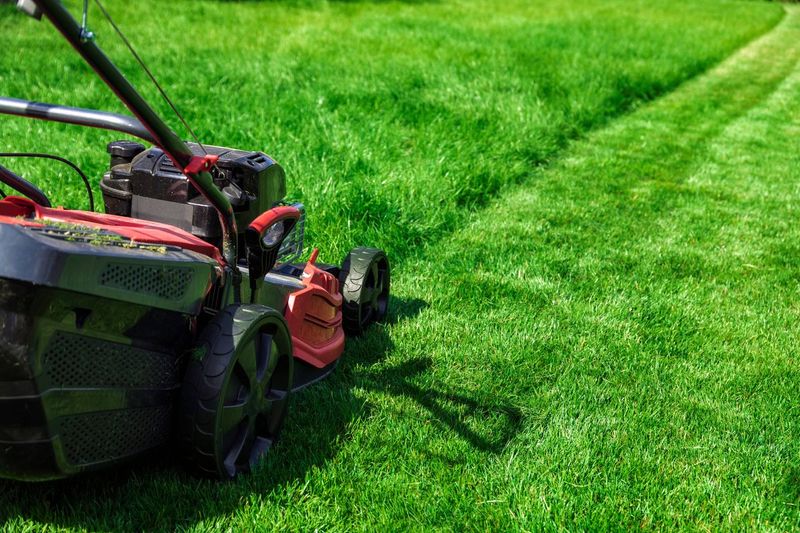
Scalping your lawn does more harm than a quick, tidy look is worth. Cutting the blades too short stresses the plants and robs them of the leaf surface they need to make food.
Weakened, sun-starved grass thins out and leaves bare patches, and you can guess what fills them. Moss slides right into those stressed openings.
Raise your mower to a taller setting and let the grass keep more of its blade. Longer grass grows deeper roots and forms a thicker canopy that shades the soil, which naturally holds moss back.
A good rule is to never cut more than a third of the height at once.
11. Your Lawn Is Experiencing Drought Stress
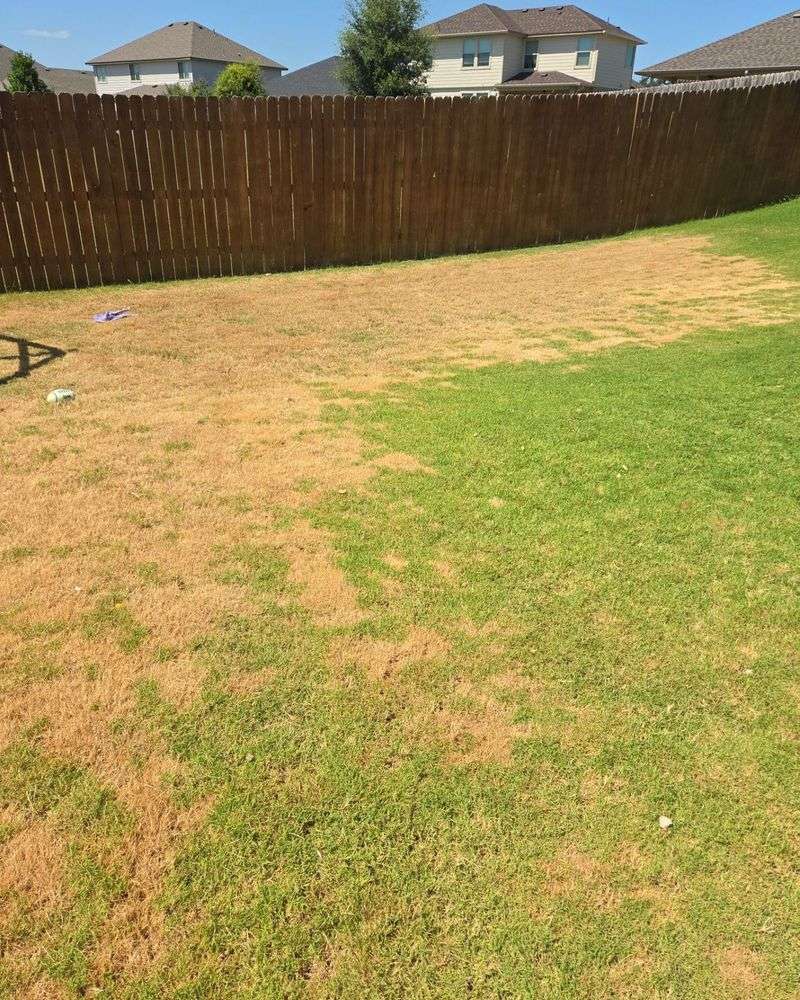
Here’s a twist that surprises people. Even though moss loves moisture, a long dry spell can actually set the stage for it.
When drought scorches your grass and leaves barren, dead patches behind, moss waits patiently. The moment rain or watering returns, it colonizes those empty spots faster than the grass can recover.
Keep your lawn hydrated through dry stretches, sticking with deep, infrequent soakings rather than frequent sprinkles. Building drought-tolerant turf with strong roots means fewer bald patches for moss to claim when the weather turns.
12. Your Lawn Is Prone to Disease
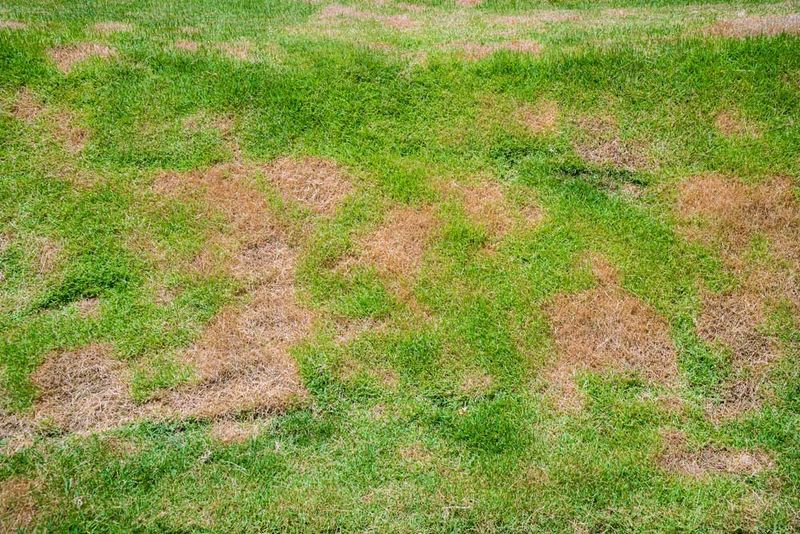
A sick lawn can’t defend its turf. Certain grass diseases thin out patches and weaken the plants, opening up gaps that moss is quick to invade.
Once the grass is knocked down by fungus or rot, moss treats those weakened areas as prime real estate.
Keeping your lawn generally healthy is your best defense, with proper watering, sensible fertilizing, and correct mowing all working together to reduce disease pressure. If you spot a specific problem, identify it and look into a simple, targeted treatment.
Strong grass shrugs off trouble that would flatten a struggling lawn.
13. Heavy Foot Traffic Is Compacting Your Soil
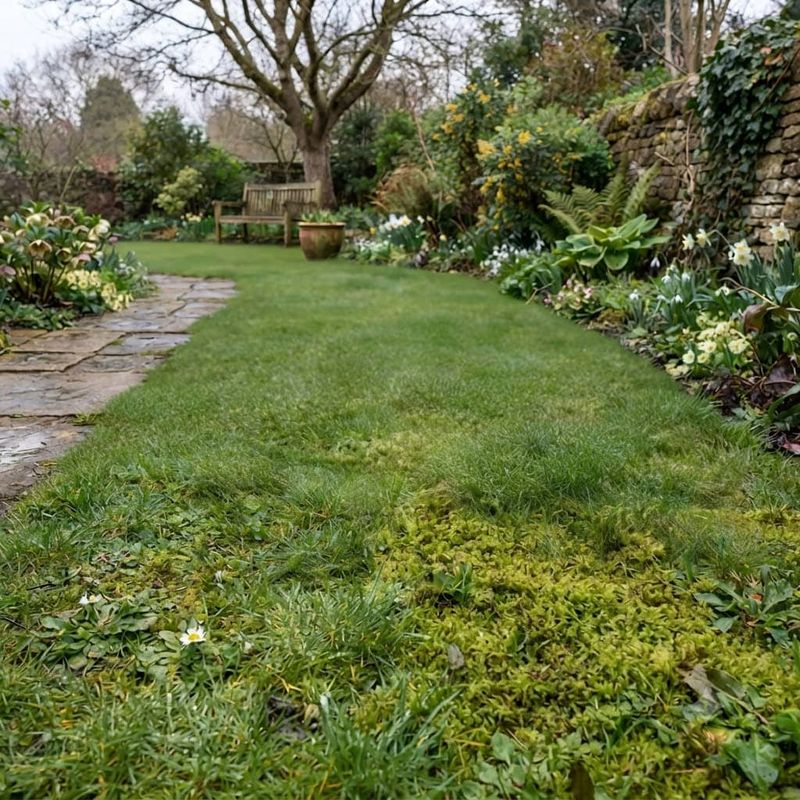
Look at the shortcut everyone takes across your yard, and you’ll often spot moss following the path. Repeated walking presses the soil down hard, squeezing out the air pockets grass needs.
All that pressure creates the exact conditions moss loves, poor drainage and a lack of aeration rolled into one worn strip.
Give feet somewhere else to go by adding a walkway or stepping stones through the busiest zones. Aerating those high-traffic areas regularly loosens the packed dirt and rebuilds healthier soil structure.
Redirect the wear and tear, and grass gets a fighting chance to reclaim the ground.