
Why Agapanthus Is One Of The Best Plants North Carolina Gardeners Keep Coming Back To Every Summer
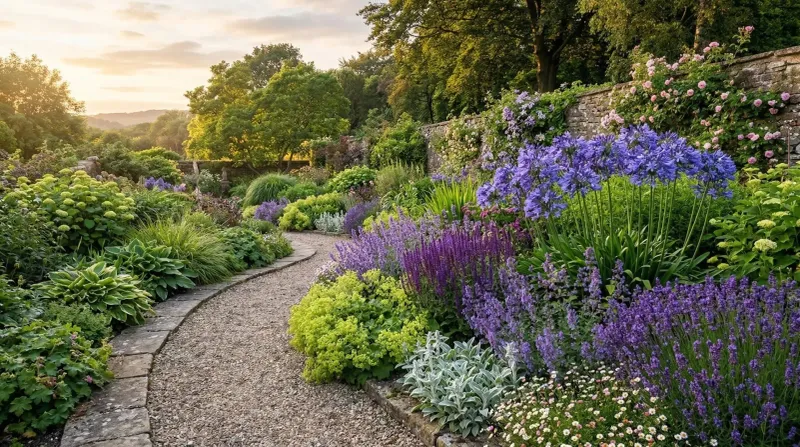
Few summer plants stop visitors in their tracks quite like agapanthus, with its tall stalks carrying globe-shaped clusters of blue, purple, pink, or white flowers above a tidy mound of strap-like leaves. For gardeners in warmer parts of North Carolina, this African native has earned a loyal following because it handles summer heat, brushes off most deer pressure, and can settle into a clump that performs more reliably with each passing year.
That said, agapanthus is not a guaranteed success in every corner of the state, and getting the most from it means matching the right cultivar to your region, soil, and winter conditions.
Why agapanthus stands out in a North Carolina summer garden
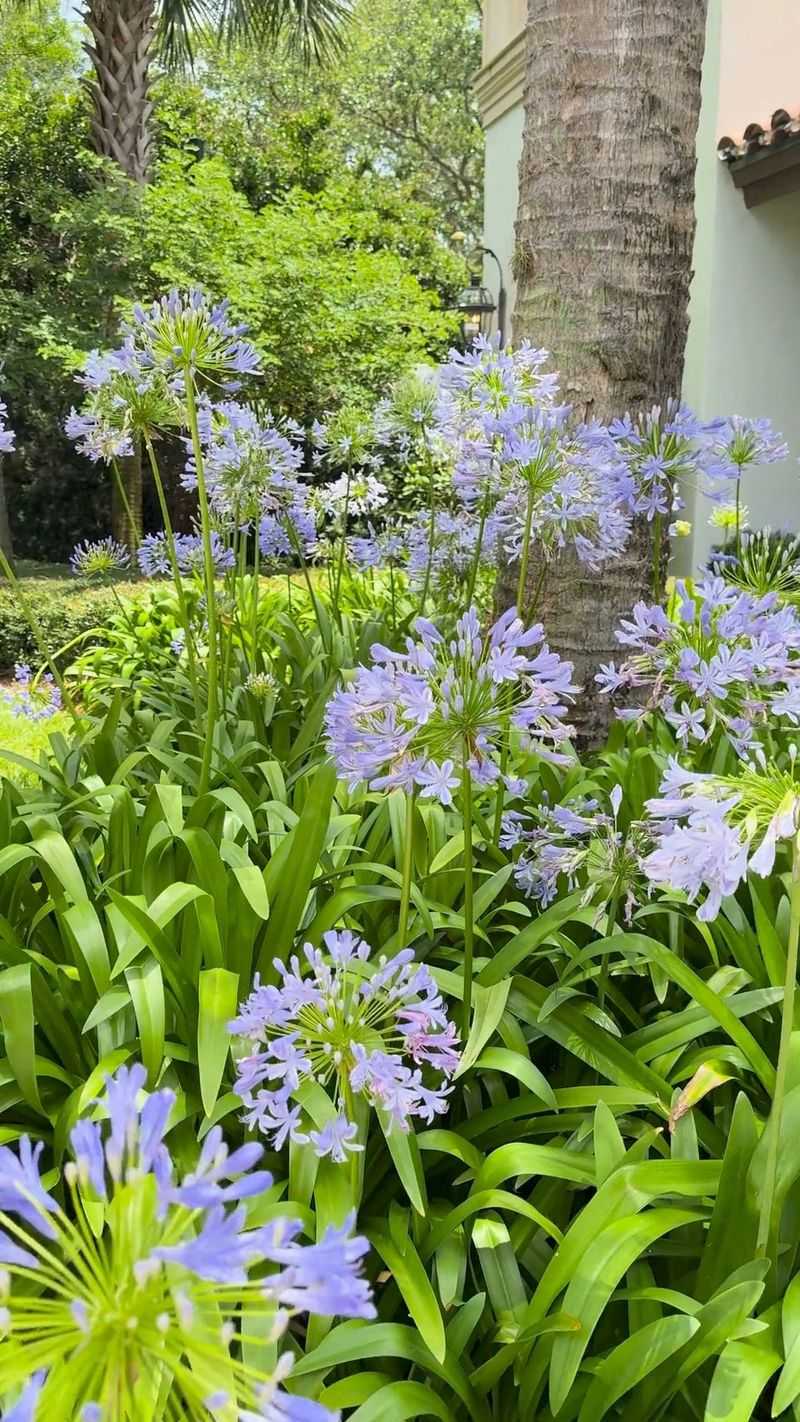
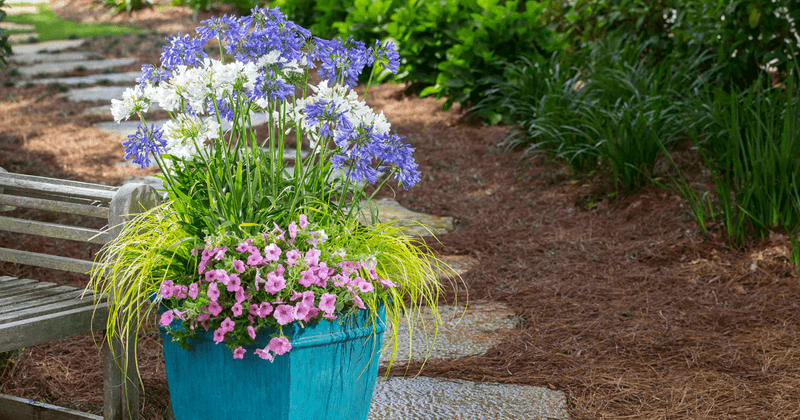
Agapanthus, commonly called African lily or lily of the Nile, earns attention in a summer garden for one simple reason: few perennials produce a flower display this bold while asking for so little fuss once they settle in. Flower stalks rise 18 inches to more than four feet above the foliage, depending on the cultivar, and each stalk is topped with a rounded cluster of tubular blooms in shades of deep violet, soft lavender, sky blue, blush pink, or clean white.
That kind of color, held high above a tidy mound of arching, strap-like leaves, gives a garden a focal point that holds attention from across the yard.
For North Carolina homeowners who want a durable ornamental that does not require constant intervention, agapanthus hits several marks at once. NC State Extension notes that established plants handle heat and are seldom damaged by deer, two practical advantages in a state where summer temperatures regularly climb and deer browse can ruin an ornamental planting overnight.
Those traits are real advantages, not guarantees, but they make agapanthus a lower-maintenance choice than many showy summer perennials.
One important piece of context: agapanthus is native to southern Africa, not North Carolina. That origin matters for two reasons.
First, it means the plant has no ecological history here, so its value to local wildlife is ornamental rather than ecological, and it should not be treated as a substitute for native plants. Second, its southern African roots explain why it thrives in warmth and tolerates dry spells but can struggle when North Carolina winters turn severe.
UF/IFAS Extension confirms the genus includes both evergreen and deciduous types, and that distinction shapes how each performs across the state’s varied regions.
The long-term payoff comes from an established clump
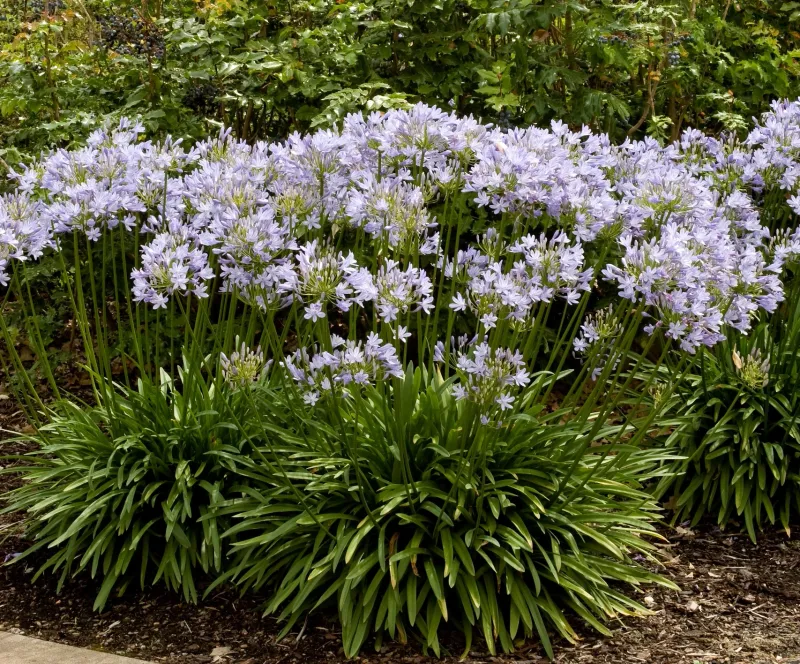
One of the most consistent things gardeners notice about agapanthus is that it seems to get better the longer it sits undisturbed. That observation has a straightforward explanation rooted in how the plant grows.
Agapanthus develops from fleshy rhizomes that spread slowly to form a dense clump over time, and a clump that has had two or three seasons to settle in often produces noticeably more flower stalks than a plant that was just put in the ground. NC State Extension points out that agapanthus tends to perform well when mildly root-bound or grown as a tight, established clump, which helps explain why gardeners who leave it alone are often rewarded with a stronger display.
Reaching that peak, though, takes patience. A newly planted agapanthus may produce only modest flowering or none at all during its first season while it puts energy into root development.
By the second or third year, assuming light, water, and winter conditions have been favorable, many cultivars begin to show what they can really do. That maturation timeline is worth keeping in mind so gardeners do not pull a plant that simply has not had enough time yet.
Division is a separate matter entirely, and it should not become a habit. UF/IFAS Gardening Solutions notes that recently divided plants may skip flowering during their first year, which means dividing too often can cost a season of blooms.
The right time to divide is when the clump has become so crowded that flowering noticeably declines, or when you specifically want to propagate more plants. Even then, divided sections should be treated as new transplants that need time to re-establish before they perform reliably again.
Light, watering habits, fertilizer, cultivar selection, and winter temperatures all continue to shape flowering year after year. An established clump is a foundation, not a finished product, and maintaining good growing conditions is what keeps the display coming back reliably.
Region, cultivar, and winter strategy shape outdoor survival
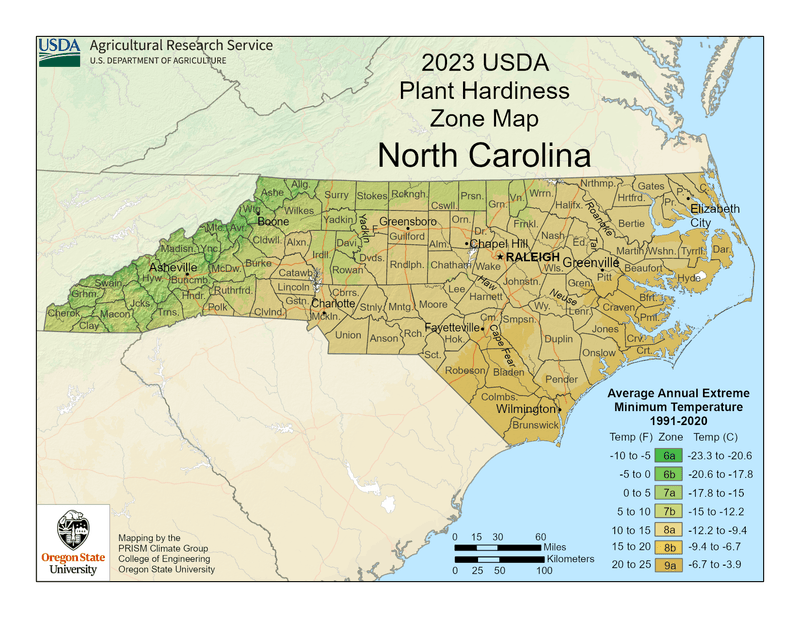
Geography sets the stage for everything else when it comes to agapanthus in North Carolina. The strongest evidence for reliable in-ground performance points to the state’s Coastal region, where winters are milder and USDA hardiness zones generally fall in the 8a-11b range that NC State Extension lists as suitable for this plant.
Move inland to the Piedmont and the picture becomes less certain, with many areas sitting in Zones 7b or 7a where a hard winter can push temperatures low enough to damage or kill plants that might sail through a typical year. Head into the mountains and the winter risk increases further, with some areas regularly reaching Zone 6 or colder.
That said, region alone does not determine whether agapanthus survives. Cultivar selection, microclimate, soil drainage, and the severity of any given cold event all play a role.
USDA hardiness zones describe average annual extreme minimum temperatures across a 30-year period, which means they reflect typical patterns rather than what will happen in any specific winter. A Zone 7b garden that stays sheltered against a south-facing wall with excellent drainage can outperform a Zone 8a site that sits in a low frost pocket with heavy clay soil.
Evergreen and deciduous agapanthus types also behave differently in cold weather. Evergreen cultivars are generally less cold-hardy and need more protection or indoor storage in frost-prone areas.
Deciduous types can tolerate colder conditions because they go dormant, and some can be left in the ground with mulch north of Zone 7 if the site drains well. NC State Extension recommends treating evergreen types as houseplants during frost-prone winters, which is practical advice for Piedmont and mountain gardeners.
For anyone outside the Coastal Plain, the most reliable approach combines a cultivar with documented cold hardiness, a protected planting site, and a winter strategy matched to the plant’s type. Containers offer the most flexibility because they can move to shelter before frost arrives, turning a borderline-hardy plant into a manageable one regardless of where in North Carolina you garden.
Give the plant sun, drainage, and water during establishment
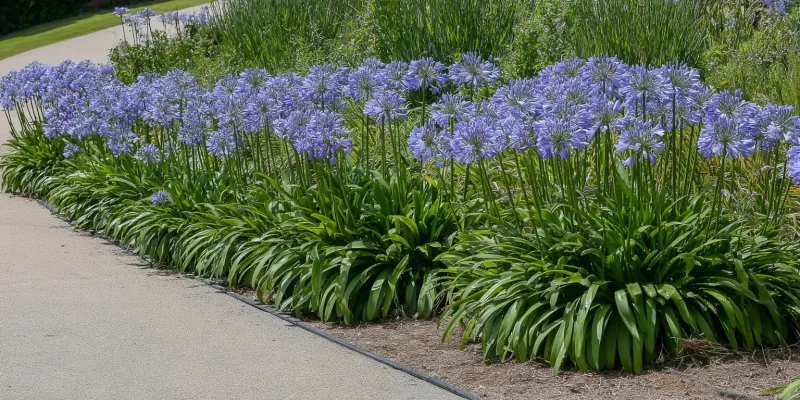
Getting agapanthus to perform well starts with choosing the right spot, and the two conditions that matter most are sunlight and soil drainage. Full sun, meaning at least six to eight hours of direct sun per day, produces the best flowering.
UF/IFAS Extension notes that bloom quantity declines when plants receive less than that threshold, so a partially shaded bed that seems bright to the eye may still limit what agapanthus can do. In the hottest parts of its range, some afternoon shade can reduce heat stress without sacrificing too much flowering, but the default should be as much direct sun as the site offers.
Soil drainage is equally non-negotiable. Agapanthus tolerates sandy soils, loamy soils, and moderately fertile ground without complaint, but it does not tolerate wet feet.
Persistently waterlogged soil can cause root rot, and overwatering has the same effect, reducing both plant quality and flowering over time. NC State Extension is clear that well-drained soil is a basic requirement, not a preference, so low spots that collect water after rain are poor candidates for in-ground planting regardless of other site conditions.
Water requirements shift significantly between a new planting and an established one. Newly planted agapanthus needs regular irrigation while its root system develops, and skipping that step during the first growing season is one of the most common reasons plants fail to establish.
Once the roots are settled in, typically after a full growing season or more, established plants handle heat and short dry periods without heavy supplemental watering.
That moderate drought tolerance has limits, though. A prolonged dry stretch or a very dry late summer can still reduce plant quality and may affect the following year’s flowering potential.
RHS growing guidance supports supplemental irrigation during extended dry periods, even for established plants, particularly when next season’s bloom is a priority. Think of agapanthus as a plant that needs less water than many summer perennials, not one that never needs any.
Let the clump mature before dividing or pushing fertilizer
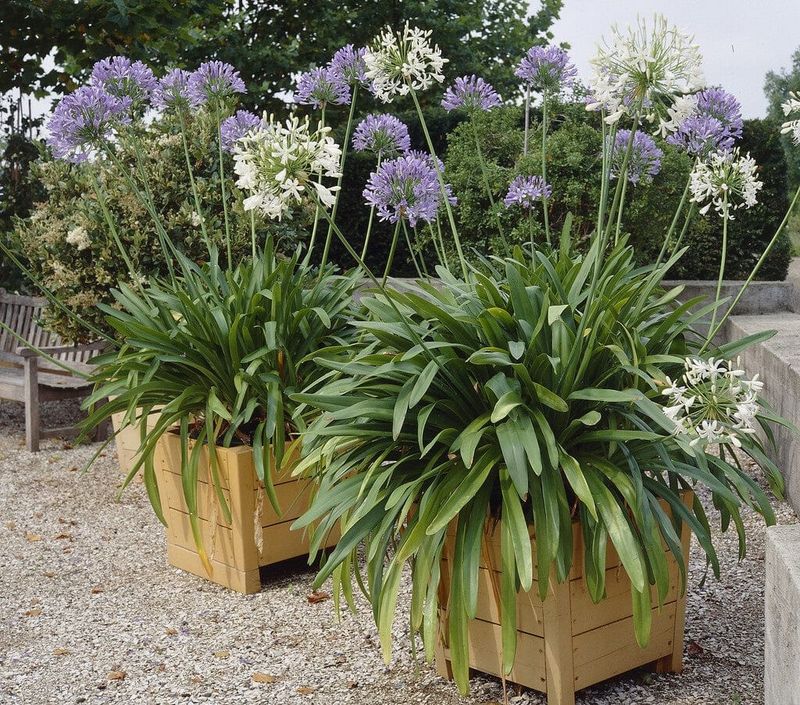
Agapanthus rewards restraint more than intervention, and the first place that shows up is spacing. Planting recommendations vary depending on the cultivar’s mature size and whether you want individual specimen plants or a denser groundcover effect.
NC State Extension suggests planting rhizomes roughly one inch deep and about eight inches apart, while UF/IFAS recommends 18 to 24 inches for landscape specimens. Rather than splitting the difference, follow the cultivar tag, which reflects the specific plant’s expected spread and the density the grower recommends.
Fertilizer is a tool, not a routine. Clemson Extension recommends a low-nitrogen, complete fertilizer when bloom performance is weak, but cautions that excessive fertilization, especially too much nitrogen, tends to push leafy growth at the expense of flowers.
If your plant is producing full, healthy foliage but few stalks, look at light and water before reaching for the fertilizer bag. Overfeeding a plant that simply needs more sun will not fix the problem and may make it worse.
Deadheading, the practice of removing spent flower stalks before seeds develop, can extend the current season’s display by redirecting the plant’s energy. What it cannot do is guarantee better or more abundant flowering the following year.
RHS growing guidance supports deadheading as a display-management practice, but long-term flowering depends on light, water, nutrition, cultivar, clump maturity, and winter conditions, not on whether spent heads were removed.
Division should be reserved for two situations: when crowding has measurably reduced flowering in a mature clump, or when you want to propagate more plants for other spots in the garden. NC State Extension notes that seed-grown agapanthus can take three to five years to flower and may not match the parent plant’s characteristics, so division is the more practical choice for homeowners who want to expand their planting without waiting years for results.
Just plan for the divided sections to skip at least one flowering season while they re-establish.
Use containers and protection where winters challenge the plant
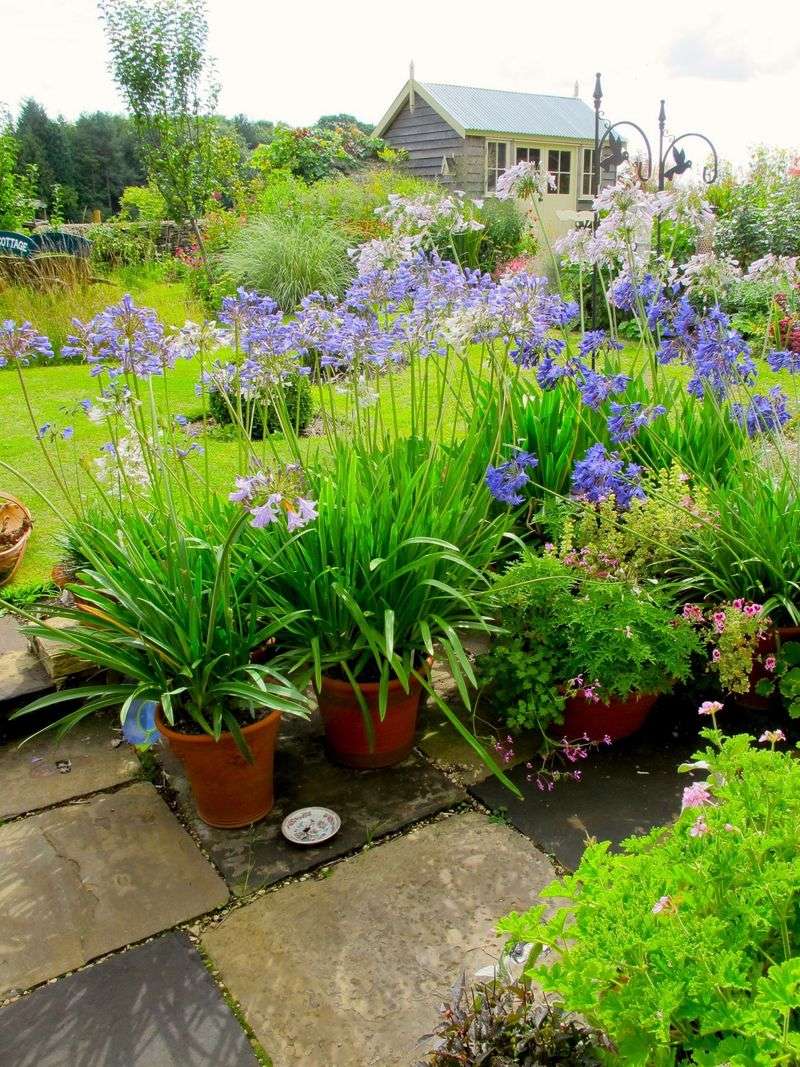
Container growing is the most practical solution for North Carolina gardeners in the Piedmont and mountains who want agapanthus without gambling on whether their winters will stay mild enough for in-ground survival. A container filled with well-drained potting mix gives the plant the root environment it prefers, and Missouri Botanical Garden notes that agapanthus often blooms well when mildly root-bound, which means a container that fits the plant snugly is actually working in your favor.
The key advantage, though, is mobility: before the first frost arrives, the container moves to a garage, basement, or cool indoor space, and the plant survives conditions that would kill or damage an in-ground specimen.
Container plants do need attention that in-ground plants do not. Potting mix dries out faster than garden soil, so watering frequency needs to be higher during the growing season, while still avoiding waterlogged conditions.
Do not leave containers sitting in saucers of standing water, which defeats the drainage advantage the container provides.
For in-ground plants in borderline-hardy areas, winter treatment depends on whether the cultivar is evergreen or deciduous. NC State Extension recommends treating evergreen types as houseplants during frost-prone winters because their foliage is more vulnerable to cold damage.
Deciduous types can tolerate colder conditions, and mulching over the root zone can provide some insulation, but only on sites that drain well. Mulch on a wet site traps moisture around the rhizomes and can cause rot rather than prevent cold damage.
North Carolina’s humid summers introduce one additional concern: Botrytis, a fungal disease that can damage agapanthus foliage and flowers in warm, wet conditions. UF/IFAS Extension identifies humid eastern U.S. conditions as a relevant factor, and good drainage, adequate plant spacing for air circulation, regular removal of dead or damaged plant material, and disease-resistant cultivar selection all reduce the risk.
Crowded, wet plantings with poor airflow are where Botrytis problems tend to concentrate.
Enjoy its limited wildlife value and handle it responsibly
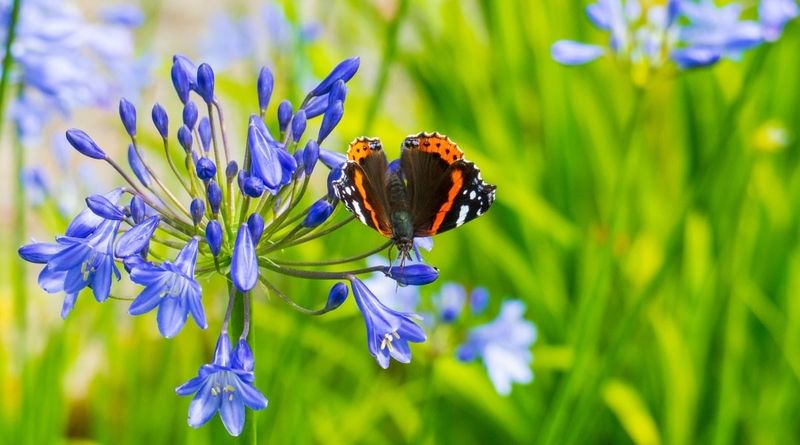
Bees, butterflies, and hummingbirds may visit agapanthus flowers during summer, and that wildlife activity is one of the genuine pleasures of growing the plant. Watching a bumblebee work its way around a flower cluster or a hummingbird hover near the blooms adds life to the garden in a way that purely foliage plants cannot match.
That said, NC State Extension’s guidance on landscaping for wildlife is clear that native plants generally provide greater ecological services for local pollinators and wildlife than nonnative species. Agapanthus may offer nectar to some visitors, but it does not carry the same ecological depth as a native plant with deep ties to local insects, birds, and soil organisms.
The plant’s nonnative status also raises the question of invasive potential. UF/IFAS Extension lists agapanthus as not known to be invasive in Florida, while NC State notes that some agapanthus species are listed as invasive in other countries.
The safest position for North Carolina gardeners is to treat it as a nonnative ornamental that warrants monitoring rather than declaring it universally harmless. If seedheads are allowed to mature and scatter, unwanted seedlings can appear in nearby beds or disturbed ground.
Removing spent flower stalks before seeds develop is a reasonable precaution, particularly near natural areas.
Handling the plant responsibly also means knowing its toxicity profile. NC State Extension describes low-severity poisoning concerns: sap from the cut stems or rhizomes can irritate skin and eyes, and ingesting plant tissue can cause mouth irritation or gastrointestinal symptoms.
Wear gloves when dividing, pruning, or cutting the plant, and wash hands and tools afterward. Children and pets should not be allowed to chew or consume any part of the plant.
UC Agriculture and Natural Resources includes agapanthus among plants requiring careful handling, and for pet-specific concerns, checking with a veterinarian or poison-control resource is the most reliable step because toxicity databases do not always capture the full picture for every animal.
Match the plant to the site, then give it time
The gardeners who get the most out of agapanthus are the ones who start with an honest site assessment. Pick a spot with full sun and fast-draining soil, choose a cultivar with documented hardiness for your part of North Carolina, and have a winter plan in place before the first cold snap arrives.
Coastal Plain gardeners have the most flexibility for in-ground planting, while Piedmont and mountain gardeners do better with cold-hardy deciduous cultivars, protected microclimates, or containers that can move to shelter. NC State Extension and UF/IFAS Extension both support this site-first approach as the foundation for reliable performance.
From there, water consistently through establishment, avoid the urge to divide before the clump matures, and let the plant prove itself over two or three seasons before drawing conclusions about its performance. Agapanthus earns repeat planting because of its summer flower display, its ability to handle heat and short dry periods once established, its low deer damage, and its potential to become a stronger-performing clump as it settles in.
None of those traits come with an unconditional guarantee, but matched to the right site and given enough time, agapanthus is one of the more reliable rewards a North Carolina summer garden can offer.