
The One Thing North Carolina Black-Eyed Susans Need Right Now Or They Quietly Fade Before The First Frost

Black-eyed Susans are one of the most cheerful sights in a North Carolina yard, but by September many gardeners watch their plants lose steam just when fall color matters most. The good news is that a simple weekly habit, removing flowers that have already faded, can encourage more blooms and stretch the display deeper into the season.
Deadheading is not a magic fix, and results depend on your specific plant, the weather, and how healthy the plant already is, but it is the most practical tool available right now.
Use September deadheading to encourage more late-season flowers
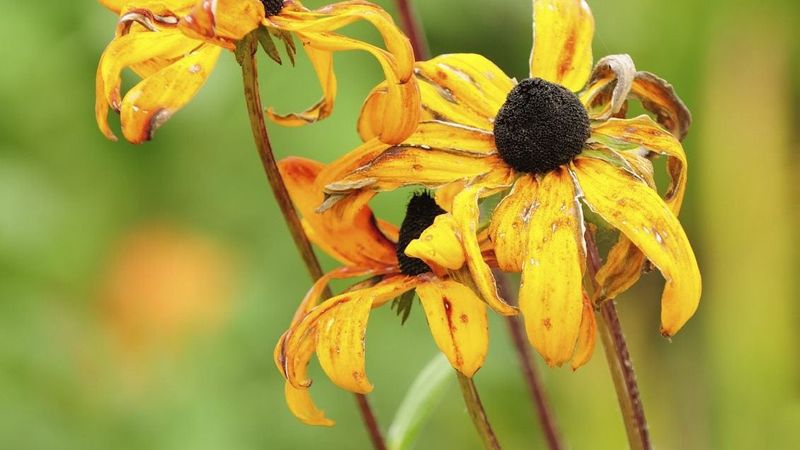
September arrives and black-eyed Susans are still putting out new buds, but faded flowers left in place signal to the plant that seed production is underway. When that signal takes hold, flowering often slows or stops.
Removing spent flowers before mature seed develops can redirect that energy and encourage additional blooms, which is exactly why NC State Extension notes that deadheading can extend Rudbeckia hirta flowering into mid-fall.
The practice is genuinely useful, but it is also optional rather than mandatory. Not every black-eyed Susan needs it, and not every plant will respond with a generous second flush.
Results depend on which Rudbeckia species you have, how healthy the plant is, how much moisture it has received, and what temperatures are doing in your corner of North Carolina. Treating deadheading as a near-certain cure sets up frustration; treating it as a reasonable way to encourage more flowers sets up a realistic expectation.
The routine itself is straightforward: walk the planting roughly once a week and look for flowers whose petals have wilted, dropped, or turned papery. Penn State Extension confirms that deadheading is most effective when spent flowers are removed before seed fully matures, so catching them early matters.
Missouri Botanical Garden and Penn State Extension both recommend removing spent flowers to encourage repeat or additional blooms in Rudbeckia.
A weekly September deadheading routine is the single most practical step available to a North Carolina gardener who wants to extend the ornamental display. Think of it as giving the plant a reasonable opportunity to keep going, not a guarantee that it will bloom until the first freeze touches your yard.
Remove only the flowers that have finished

A faded black-eyed Susan is not hard to spot once you know what to look for. The petals, normally a bright golden yellow, will droop, curl inward, or fall away entirely.
The central dark cone may look dry and rough rather than firm and rounded. That is your cue to act, but only on that individual stem.
Before making any cut, run your eye down the stem from the spent flower toward the base. Look for the first full, healthy set of leaves or a visible side bud growing from the stem.
That is where you stop. Penn State Extension advises cutting or pinching just below the spent flower and above the first healthy set of leaves, which preserves the plant’s active growing tissue.
One step that gardeners sometimes skip is checking for unopened buds before cutting. A single stem can carry both a finished flower at the tip and a tight bud a few inches lower.
Cutting too high removes the finished bloom correctly; cutting too low removes a bud that would have opened in another week. Follow each stem individually rather than sweeping across the plant, and you will keep more of that developing growth intact.
Small, sharp scissors or bypass hand pruners both work well for this task. Clean cuts heal faster and reduce the chance of introducing disease.
Penn State Extension’s guidance on pruning herbaceous plants reinforces that precision matters here: the goal is removing what has finished while leaving everything that has not yet opened. A careful, flower-by-flower approach protects the remaining ornamental potential of the plant rather than sacrificing it.
Repeat the inspection about once a week
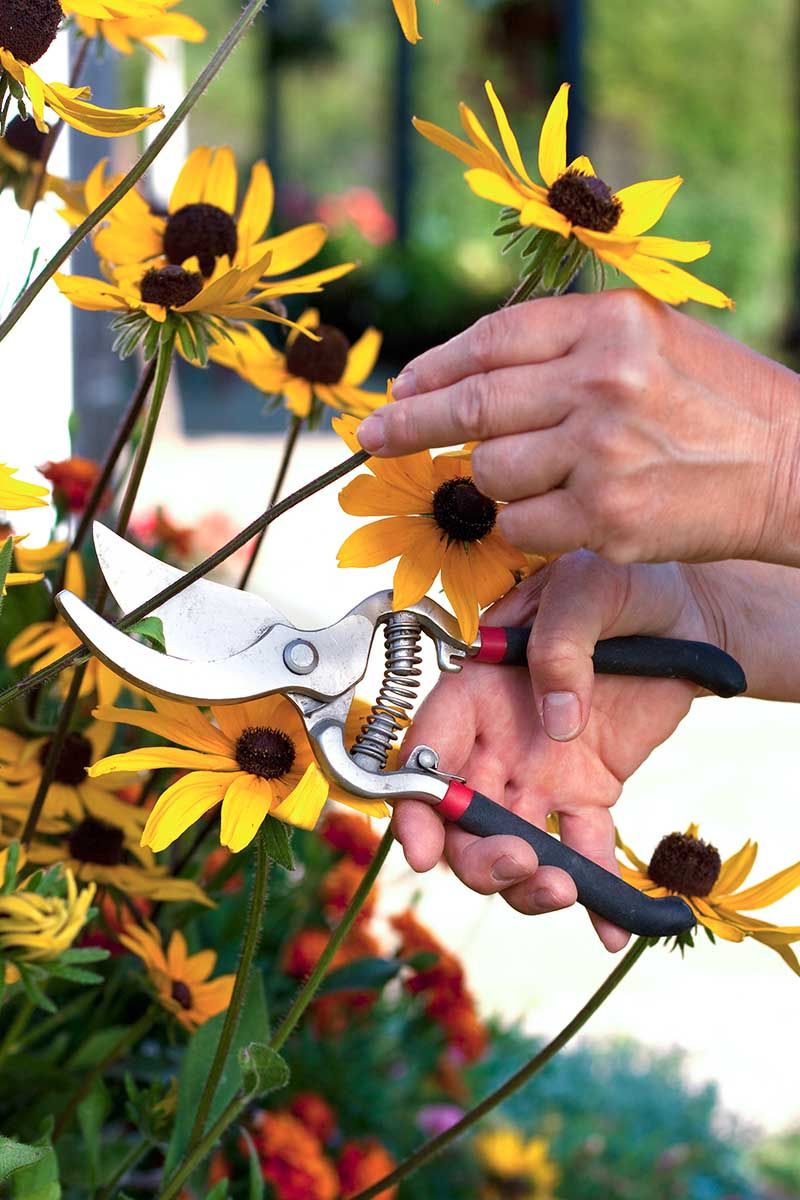
One pass through the garden is not enough to keep the momentum going. Black-eyed Susans do not fade all at once; individual flowers finish at different times, so a stem that looked fine last Saturday may be spent by this Saturday.
Building a weekly walk into your September routine means you catch those faded flowers before the plant has committed fully to seed production.
The walk itself takes only a few minutes for a modest planting. Move slowly enough to look at each flowering stem, identify which blooms have finished, and make the cut above healthy leaves or a side bud.
Leave every stem that still carries an open flower or a closed bud. Penn State Extension’s pruning guidance for herbaceous plants notes that removing spent flowers before seed forms is where the practice has the most effect, which is why timing each weekly pass before seeds ripen matters.
Keep your expectations grounded as you work. A second flush of blooms, if it comes, may be less dense or slightly smaller than the first wave the plant produced in summer.
That is normal and does not mean the deadheading failed. Fewer flowers spread across a longer season still adds genuine color to the fall garden, and in North Carolina that color can carry the yard well into October depending on where you live and what the weather decides to do.
The weekly rhythm also helps you notice other changes, such as leaves that are yellowing or showing spots, before they become serious problems. Catching stress or disease early gives you more options than discovering it after a plant has already declined significantly.
Do not confuse deadheading with September shearing
Deadheading and shearing look superficially similar because both involve cutting, but they accomplish very different things. Deadheading removes individual finished flowers while leaving the rest of the plant, including its healthy stems, leaves, and developing buds, completely intact.
Shearing takes large portions of the plant down in a single pass, often with hedge clippers or by cutting every stem to a uniform height.
In September, shearing a black-eyed Susan to the ground or to a few inches above the soil works directly against the goal of more flowers. Developing buds and the active flowering stems that carry them get removed along with everything else.
Penn State Extension distinguishes deadheading from cutting back, treating them as separate practices with separate purposes. Cutting back is appropriate for end-of-season cleanup or disease management, not for extending a bloom display.
Pinching is a third action that sometimes gets lumped in with deadheading. Pinching back the growing tips of a plant earlier in the season can encourage branching, but doing it in September is not the same as removing a spent flower.
Pinching a growing tip in September could delay or eliminate buds that are already forming.
The broader fall cleanup habit is worth questioning, too. Illinois Extension notes that cutting plants to the ground in fall removes habitat and food sources that wildlife depend on through winter.
If your black-eyed Susans look tired in September, the right response is targeted deadheading of spent flowers, not a wholesale cutback that strips the planting of its remaining potential and its value to the yard’s ecosystem.
Check for stress or disease before blaming missed deadheading
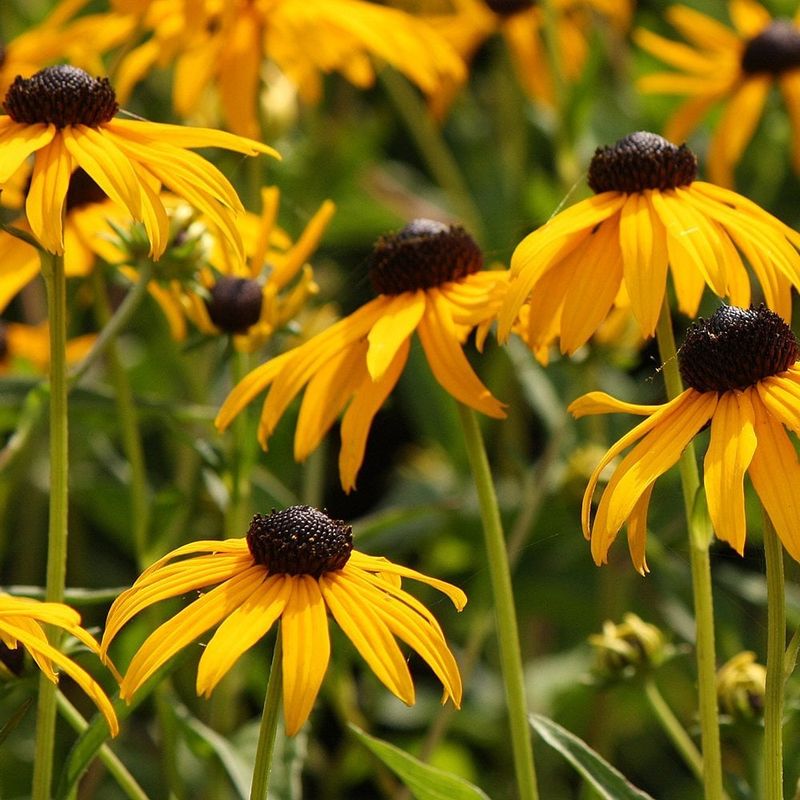
When black-eyed Susans look ragged or stop flowering in September, missed deadheading is not always the cause. Several other factors can shut down a plant’s performance, and identifying the right problem leads to the right response.
Full sun and well-drained soil are the two conditions these plants rely on most. A location that has become shadier over the years, or a bed that stays wet after rain, can gradually undermine a plant’s ability to flower well.
NC State Extension confirms that Rudbeckia hirta performs best in full sun with well-drained soil, and drought stress, especially in newly planted specimens, can reduce flowering even in varieties that are considered tough once established.
Foliage tells a useful story. Yellowing leaves, dark or water-soaked spots, powdery white patches, or stems that collapse without an obvious physical cause all point toward a disease problem rather than ordinary end-of-season decline.
Powdery mildew and leaf spot are both common in North Carolina’s humid summers and can persist into fall. The NC State Extension Gardener Handbook recommends removing severely damaged foliage and plant residue, improving air circulation, and keeping irrigation water off the foliage to manage foliar disease.
Watering at soil level rather than overhead is a practical habit worth building now if you have not already. Wet leaves in warm, humid conditions create an environment where fungal problems spread quickly.
Deadheading a diseased plant without addressing the underlying cause will not restore its flowering performance; the plant needs better conditions first.
Rudbeckia fulgida is noted for tolerating heat and humidity, but even that tougher species can struggle when disease pressure is high or when roots are sitting in waterlogged soil. A quick check of the growing conditions before assuming the plant just needs more deadheading can save a lot of effort and prevent further decline.
Identify the Rudbeckia before planning long-term care

“Black-eyed Susan” is a common name that covers more than one plant, and the difference matters when you are planning fall care or wondering why your plant behaves differently from a neighbor’s. The two species most often sold under this name in North Carolina are Rudbeckia hirta and Rudbeckia fulgida, and they have meaningfully different life cycles.
NC State Extension describes Rudbeckia hirta as commonly a biennial or short-lived perennial that often reseeds itself to persist in the garden. A plant labeled R. hirta may bloom prolifically in its first or second year and then decline, with seedlings taking over from there.
Expecting it to behave like a long-lived, clump-forming perennial will lead to confusion when it fades out after a season or two.
Rudbeckia fulgida, by contrast, is a clump-forming herbaceous perennial that returns reliably each year and spreads gradually from its root mass. It tends to be more predictable in the landscape and is often recommended for gardeners who want a low-maintenance planting that comes back without relying on reseeding.
If you are not sure which species you have, check the plant tag if you saved it, or look up the cultivar name. NC State Extension’s Rudbeckia genus page lists multiple species with descriptions that can help you narrow it down.
Knowing what you are working with prevents you from applying long-term care strategies to a plant that may naturally complete its cycle, and it helps you set realistic expectations for how it will respond to September deadheading and how it will perform in future seasons.
Choose between more flowers and more seedheads
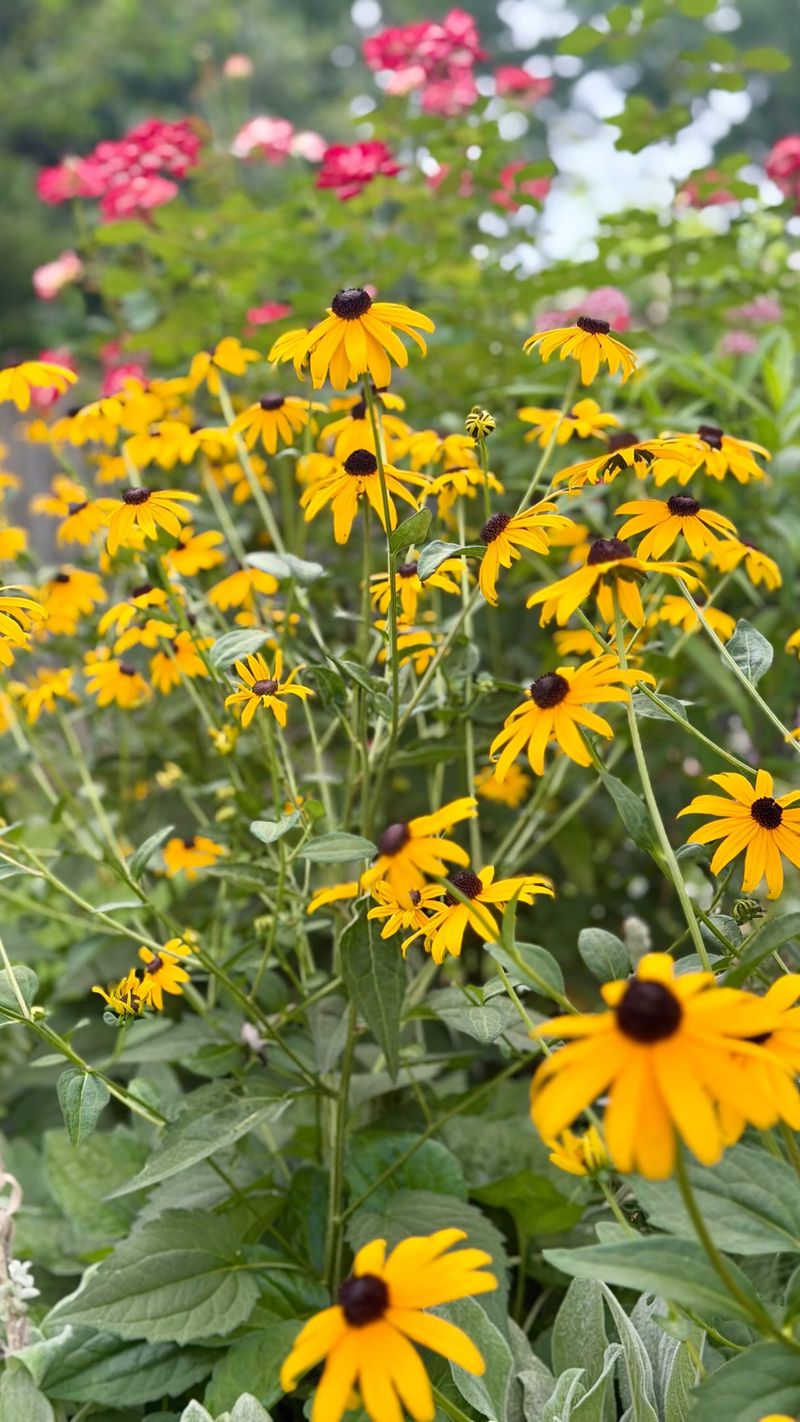
Deadheading and leaving seedheads are not opposing rules where one is right and one is wrong. They are different choices that serve different goals, and a thoughtful gardener can do both, just at different points in the season.
During the period when you want the ornamental display to continue, removing fading flowers selectively makes sense. That is the window where deadheading has something to offer.
Once you have reached the point where you are satisfied with the display, or where the plant is producing fewer and fewer new buds, the calculation shifts. NC State Extension notes that Rudbeckia fulgida seedheads provide winter food for birds, which is a real and measurable benefit to the wildlife using your yard.
Audubon identifies black-eyed Susan seedheads as a food source for seed-eating birds and encourages gardeners to leave plant structure standing through winter rather than cutting everything to the ground in fall. Seed-eating birds visit gardens that offer this kind of food source, and the structural stems also provide overwintering habitat for beneficial insects.
A practical approach for North Carolina gardeners is to deadhead actively during September while the plant still has flowering potential, then ease off as new buds become scarce. Let the final seedheads stand.
This gives you a longer ornamental display early in the season and a wildlife resource later. Penn State Extension notes that black-eyed Susan is both beautiful and beneficial in exactly this way, serving pollinators during bloom and seed-eating birds after.
Treating the two phases as complementary rather than competing lets the plant do more than one useful thing across its full season.
Let local weather set the season’s final limit

No September gardening routine can override the weather, and in North Carolina the weather varies considerably depending on where you live. Mountain gardens around Boone or Brevard typically see their first freeze weeks earlier than Piedmont locations such as Greensboro or Raleigh, which in turn see it earlier than many Coastal Plain gardens near Wilmington or New Bern.
NC State Extension’s average first and last freeze date data shows these regional differences clearly, which is why promising that any practice will keep black-eyed Susans blooming until frost does not hold up across the state.
What deadheading can reasonably do is give a healthy, well-sited plant its best opportunity to produce more flowers during the weeks that remain before that first freeze arrives. NC State Extension’s guidance on Rudbeckia hirta frames extended flowering as a possibility that deadheading supports, not a result it guarantees.
The plant’s species, health, and local conditions all shape the actual outcome.
The practical sequence to carry into September is straightforward: inspect the planting each week, remove only spent flowers by cutting above healthy leaves or a side bud, address any stress or disease issues separately, and leave final seedheads standing once the desired display has run its course. The season will end when the weather decides, and that is fine.
A longer bloom display and a yard that feeds wildlife through winter are both worthwhile outcomes from the same planting.