
The One Thing North Carolina Forsythia Should Never Go Through In September Or Next Spring’s Gold Never Comes
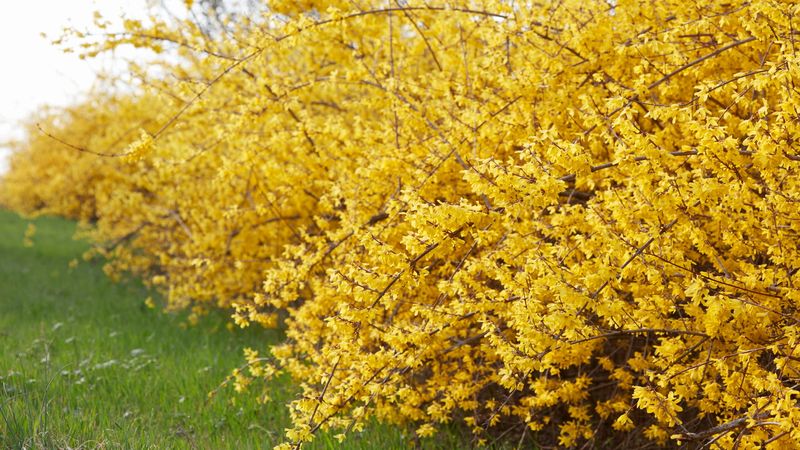
Every spring, forsythia turns North Carolina yards into rivers of yellow, and most homeowners want to keep that show coming year after year. What many do not realize is that one common September habit can quietly erase the whole display before winter even arrives.
The risky move is not what most people expect, and understanding it now gives you time to protect those buds before they are gone.
The September risk is a trip through the shrub with pruning shears
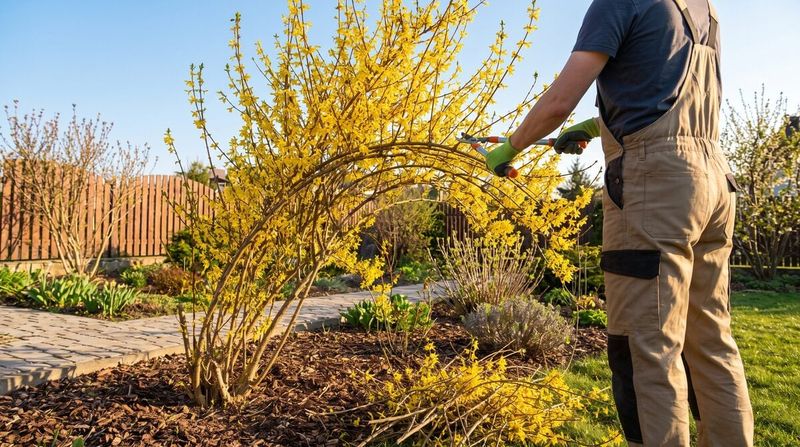
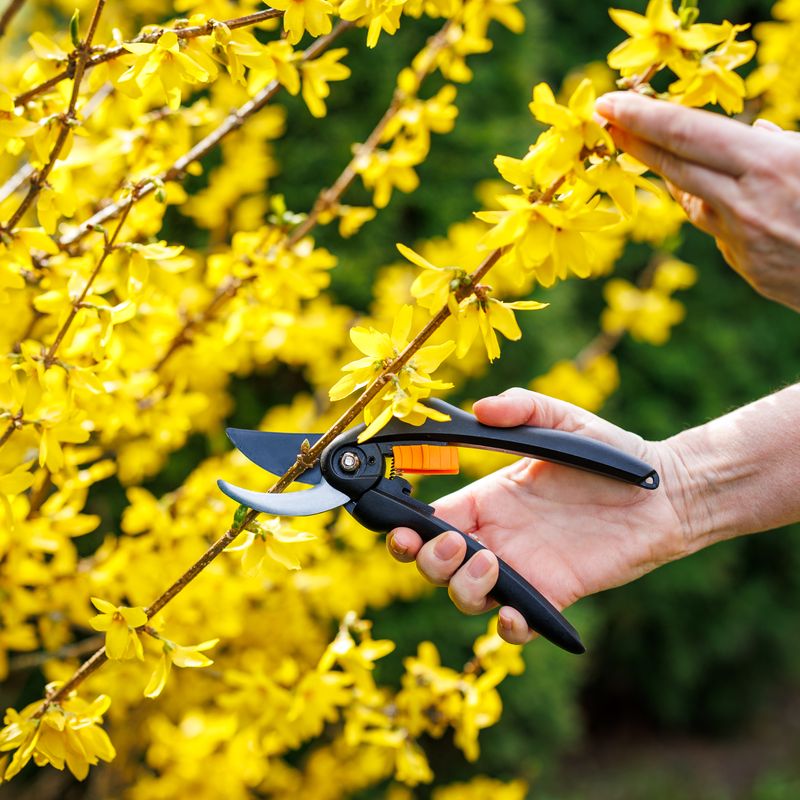
Grab a pair of pruning shears in September and run them through an established forsythia, and you may not see a single yellow flower the following spring. That is the real meaning behind the title’s warning.
The risky September move is not relocating the shrub to a new spot in the yard; it is shaping, shearing, or substantially cutting back the stems of a plant that has already set its flower buds for next year.
NC State Extension’s forsythia profile is clear on timing: forsythia should be pruned immediately after spring flowering, and pruning after mid-July will likely remove the flower buds that would have opened the following spring. September sits well past that window, so a heavy cut now can sharply reduce or eliminate next spring’s yellow display.
That said, the warning applies to substantial cuts across the whole shrub, not to every snip you might make. Penn State Extension’s guide to pruning flowering shrubs draws a useful line: removing an isolated dead, damaged, or structurally hazardous branch is a different act from shearing the entire plant or cutting back long arching canes.
A single problem branch removed in September is unlikely to wipe out the display. A wholesale shaping session almost certainly will.
The practical rule for North Carolina homeowners is straightforward. When next spring’s flowers matter, keep the shears out of the forsythia from mid-summer onward.
Save significant pruning for the weeks right after the shrub finishes blooming, when you still have the full growing season ahead to let new flowering wood develop.
Forsythia sets next spring’s gold before autumn arrives
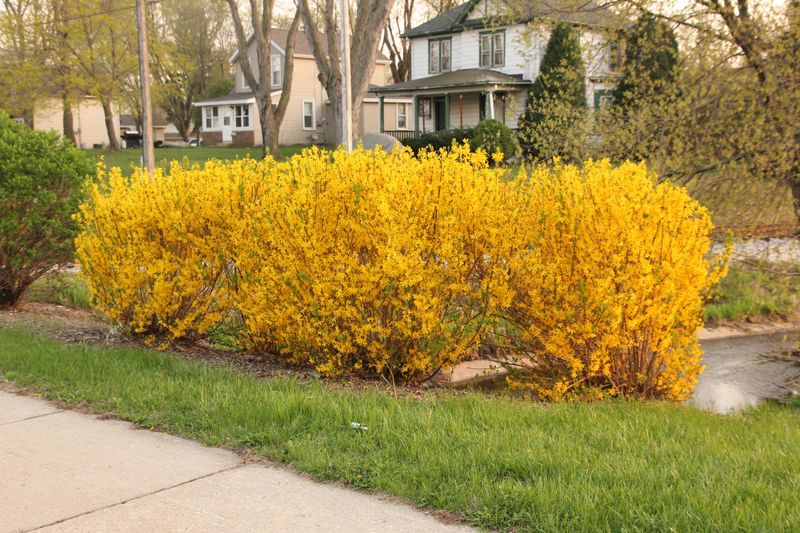
Forsythia is an old-wood bloomer, which means its flowers open on stems that grew during the previous season rather than on fresh growth from the current year. By early summer, the shrub has already begun forming the tiny buds that will burst open in yellow the following spring.
Those buds are sitting on the branches right now, invisible to the eye but fully committed to their job.
NC State Extension confirms this biology, and Iowa State University Extension adds that forsythia’s bloom buds develop on wood produced the same season, meaning any stem removed after those buds form takes its flowers with it. Prune in September and you are not just cutting stems; you are cutting away next April’s color.
The frustrating part for homeowners is that the shrub will look perfectly fine after a September shearing. New leafy growth may fill in, the plant stays green, and nothing signals a problem until spring arrives and the branches stay bare while neighbors’ yards go gold.
The amount of flowering wood removed determines how bad the loss will be. A light trim of a few outer tips may reduce the display somewhat.
Shearing the whole outline or cutting back long arching canes across the plant can leave almost nothing to bloom.
Understanding this timing is what makes the September pruning warning so important. The damage is invisible in fall, irreversible by winter, and only fully visible when spring comes and the yellow never appears.
Protecting those developing buds means keeping the stems they are sitting on intact through the rest of the growing season and into dormancy.
The right pruning window follows flowering
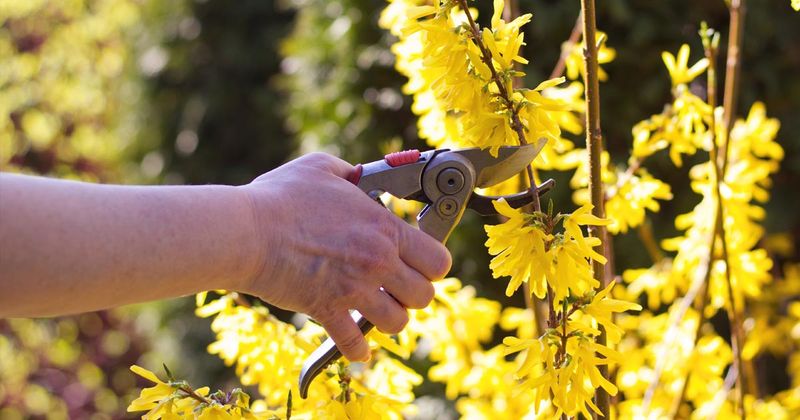
Timing forsythia pruning around a calendar date is less reliable than timing it around the shrub itself. Forsythia blooms at different times across North Carolina’s regions: Coastal Plain yards may see flowers in late February or early March, Piedmont gardens typically peak in March, and Blue Ridge homeowners may not see full bloom until April.
Locking in a single statewide date misses that variation entirely.
The reliable rule is simpler: prune soon after your own forsythia finishes flowering. At that point, the shrub has just completed its spring show and has not yet begun forming next year’s buds.
You have a window of several weeks, roughly through early summer at the latest, to remove unwanted wood without touching the stems that will carry next spring’s display. NC State Extension recommends this immediate post-flowering approach as the standard timing for routine maintenance.
Once that early-summer window closes, the buds are developing and the risk of cutting them off rises steadily. Iowa State Extension notes that pruning at the wrong time is one of the most common reasons a healthy, vigorous forsythia fails to bloom.
The University of Maine Cooperative Extension echoes this point, explaining that repeated late pruning over several years can leave a shrub with almost no flowering wood at all.
Watching the shrub rather than watching the calendar keeps you on the right side of this timing every year, regardless of whether spring arrives early on the coast or late in the mountains.
Thin the stems instead of shearing the outline
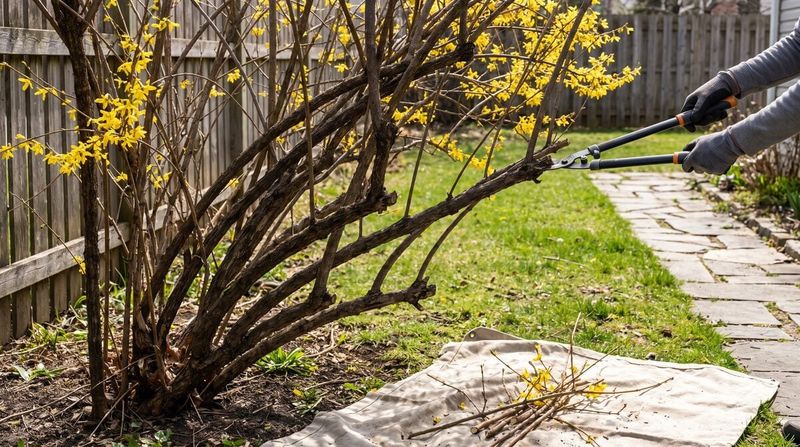
Once the timing is right, the method matters just as much. Many homeowners reach for hedge trimmers and shear the outside of the forsythia into a tidy globe or box, but that habit works against the shrub’s natural strengths and removes a large share of its flowering wood.
Forsythia grows in long, arching canes that are meant to cascade outward, and its flowers appear all along those canes. Clipping the tips repeatedly creates a dense outer shell of stubby growth while the interior becomes congested and weak.
Penn State Extension advises removing the oldest and largest stems at ground level rather than repeatedly trimming the outer tips. This approach, called thinning, opens the interior of the shrub to light and air, encourages strong new canes from the base, and preserves the natural arching form that makes forsythia attractive in the first place.
In practice, thinning means selecting specific stems to remove rather than cutting across the whole plant. Dead, damaged, or crossing stems are the first targets.
After those, focus on the oldest and thickest canes, which tend to produce fewer flowers than younger wood. Cut each chosen stem back to its point of origin at or near the soil line rather than cutting it partway up.
That clean removal encourages a new replacement cane to grow from the base and carry flowers the following spring.
A well-thinned forsythia keeps its graceful shape, opens up enough to let sunlight reach interior stems, and holds onto far more flowering wood than a sheared shrub does. Over time, selective thinning right after bloom produces a healthier, more floriferous plant than any amount of hedge-style trimming ever will.
Shearing may look tidy in the short term, but it trades next spring’s flowers for a box-shaped outline.
Rejuvenation pruning may trade the next bloom for a healthier shape
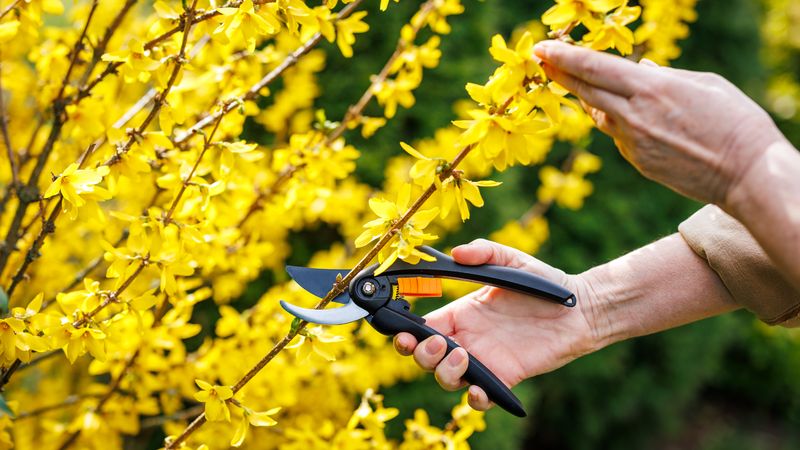
Some forsythias get away from their owners over many years and end up as congested, woody thickets with a tangle of old canes crowding out the new growth. At that point, routine thinning after bloom may not be enough to restore the plant’s vigor or its flowering.
Rejuvenation pruning is the more drastic option, and it can genuinely help a tired, overgrown shrub, but it comes with a tradeoff that homeowners should understand before they start cutting.
Penn State Extension recommends removing the oldest, largest stems at ground level to renew a congested forsythia, but notes that heavy renovation may reduce or sacrifice the following spring’s flower display. How much bloom you lose depends on how severely you cut and when you do it.
A renovation done right after spring flowering removes old wood while leaving the season ahead for new canes to develop. A heavy renovation in fall or winter removes wood that was already carrying next spring’s buds.
Homeowners who want to preserve some bloom while still working toward a healthier plant can spread the renewal across about three years. Removing roughly one-third of the oldest stems each year, right after flowering, allows the shrub to push out new flowering canes each season while the renovation proceeds gradually.
The Royal Horticultural Society’s forsythia growing guide and the University of Maine’s forsythia pruning bulletin both support this staged approach as a way to balance renovation with continued flowering.
The key distinction is that rejuvenation is a deliberate, planned choice with a known tradeoff, not a routine September maintenance task. Going into it with clear expectations means you will not be surprised when the shrub blooms lightly or skips a season during the process.
Moving the shrub is a different September job
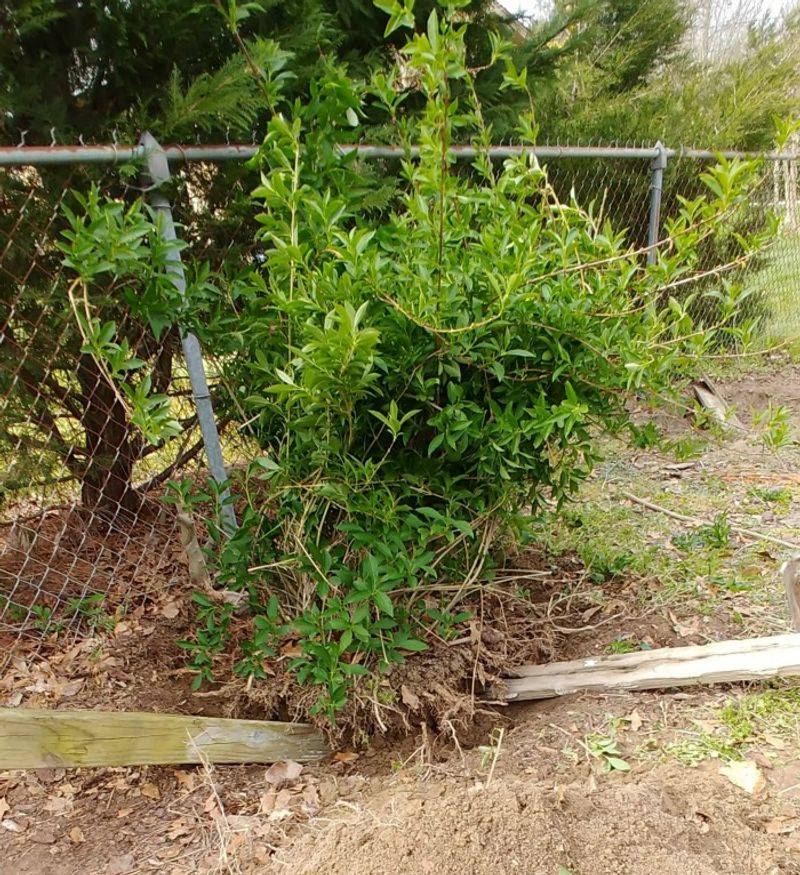
Relocating a forsythia in September is a completely separate task from pruning it, and the two should not be confused or treated as equally risky. Fall can actually be a favorable season for moving established woody shrubs.
Air temperatures are cooling down, which reduces stress on the plant, while soil temperatures remain warm enough to encourage root growth before winter sets in.
NC State Extension’s fall planting guidance supports fall as a reasonable window for planting and transplanting trees and shrubs when the work is done carefully. The goal during a fall transplant is keeping the root system as intact as possible and giving the plant the moisture it needs to settle into its new location before the ground freezes or winter stress arrives.
A successful September transplant follows a specific sequence. Dig the new hole first, making it wider than the root ball but no deeper than the shrub was sitting in its original spot.
Keeping the plant at the same soil depth it was growing at before prevents crown rot and establishment problems. Lift the shrub with as much of the root ball intact as you can manage, move it directly to the prepared hole, and backfill with the native soil you removed.
Water the plant thoroughly right after planting, then apply roughly 2 to 4 inches of mulch over the root zone to hold moisture and moderate soil temperature. Keep the mulch a few inches away from the stems to avoid rot.
Penn State Extension’s guidance on saving sentimental shrubs emphasizes slow, regular watering during the establishment period rather than fertilizer, which the plant does not need immediately after a transplant.
One additional caution: avoid combining a major transplant with a major cosmetic pruning session at the same time. Transplanting already puts the root system under stress.
Adding a heavy cut on top of that compounds the burden. Unless a branch poses a safety hazard or structural problem, let the shrub settle into its new home before touching it with shears.
A bare spring display may have more than one cause
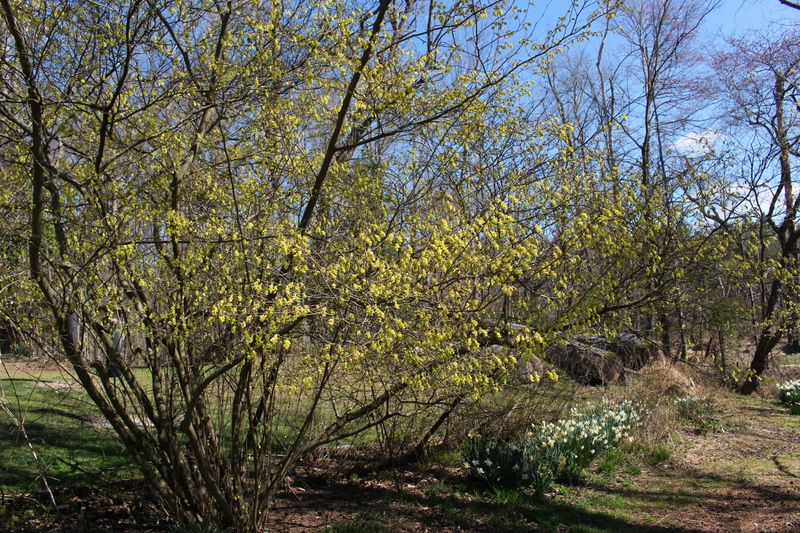
When spring arrives and the forsythia stays bare or blooms poorly, September pruning is an easy target to blame, but it is not always the right one. Several other factors can produce the same result, and identifying the actual cause helps you fix the right problem instead of adjusting a pruning schedule that may not have been the issue at all.
Winter cold is one of the most common culprits, particularly in the Piedmont and Blue Ridge. Forsythia’s flower buds are more vulnerable to freezing temperatures than its vegetative buds, which means a hard late winter freeze can kill the flower buds while leaving stems and leaves completely healthy.
University of New Hampshire Extension explains this bud vulnerability clearly, noting that the shrub can look vigorous in spring while producing almost no flowers after a damaging cold event. If your shrub leafed out normally but skipped bloom after a rough winter, cold injury is worth considering before assuming a pruning mistake.
Shade is another factor that NC State Extension identifies as a cause of poor forsythia flowering. Forsythia blooms most reliably in full sun.
A shrub that has gradually been shaded out by maturing trees nearby may still grow and leaf out well while producing fewer and fewer flowers each year.
Cultivar differences also matter, especially in colder areas of the Blue Ridge. Some forsythia varieties have more cold-hardy flower buds than others, and a cultivar chosen without attention to cold hardiness may bloom poorly after winters that a hardier selection would handle without trouble.
University of Illinois Extension notes cultivar variation in cold hardiness as a meaningful factor in forsythia performance. When diagnosing a weak bloom, consider the pruning history, how severe any cuts were, the winter temperatures the shrub experienced, how much direct sun it receives, and whether the cultivar is well matched to your region.
Save September for establishment, not shaping
September is genuinely useful for forsythia, just not for shaping it. Use this month for planting, transplanting, or simply letting an established shrub rest and develop the buds it set during summer.
When next spring’s flowers matter, keep the shears away from substantial cuts until after the shrub blooms.
The decision checklist is short. Avoid shearing or heavily pruning an established forsythia from mid-summer through winter when you want a full spring display.
Prune selectively soon after flowering, removing dead, damaged, or oldest stems at their origin rather than clipping the outer tips. If the shrub needs renovation, accept that a staged approach over two to three years can preserve some bloom each season, while a one-time heavy cut may cost a full year of flowers.
If relocation is the actual task, follow the transplanting steps outlined above and skip any cosmetic pruning unless safety requires it. NC State Extension, Penn State Extension, and NC State’s fall planting guidance all support this approach.
One reassurance worth holding onto: late pruning usually costs flowers for a season rather than killing the shrub. Forsythia is resilient, and a corrected pruning schedule will restore the spring display.
The gold comes back when the timing does.