
The Most Underrated North Carolina Native Shrub That Turns A Bare Border Into A Fairy-Tale Corner By Spring
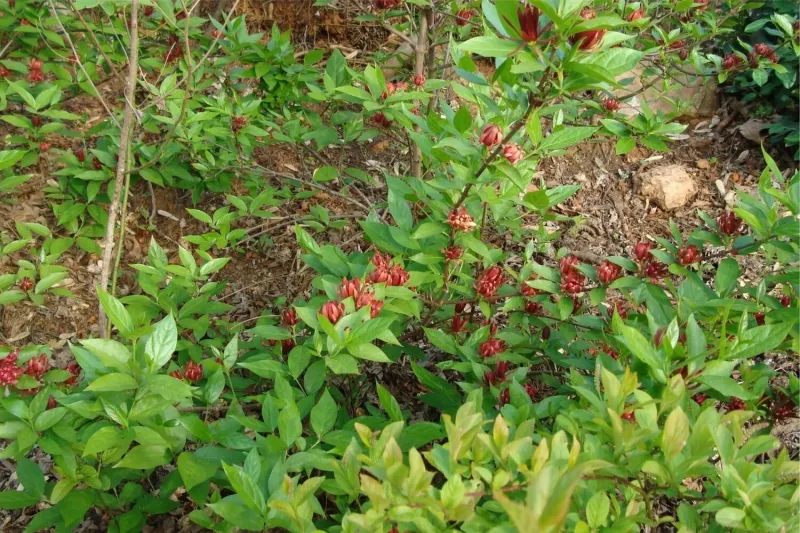
Tucked into woodland edges from the Coastal Plain to the mountains, Carolina allspice has been quietly growing in North Carolina yards for generations without getting nearly the attention it deserves. Known by old-timers as sweetshrub or bubby bush, this native deciduous shrub produces some of the most unusual fragrant flowers you will find on any spring-blooming plant.
Given the right spot and a little patience, it can turn a plain border corner into a place that genuinely stops people in their tracks. The sections below explain what this shrub can realistically do for your yard, where it grows best, and what you need to know before you plant.
Carolina allspice can create a storybook spring focal point
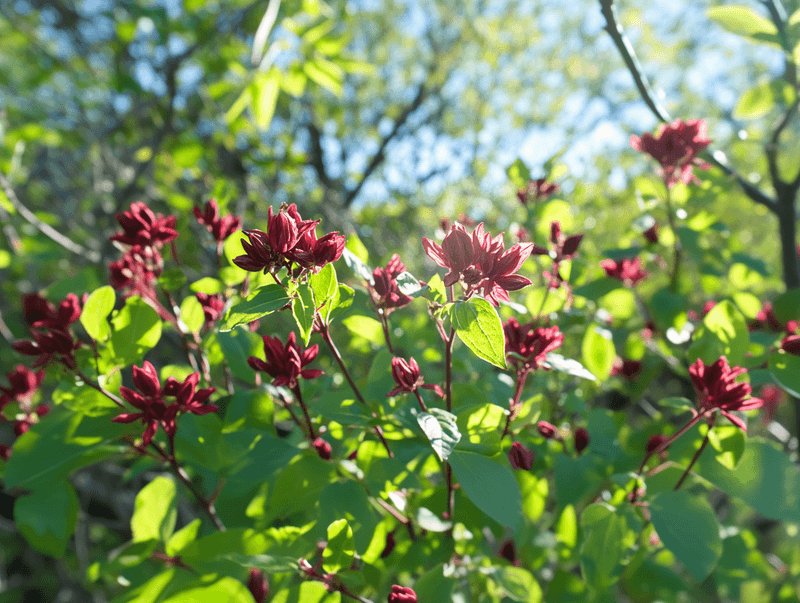
Buried in the back of many old Southern gardens, Carolina allspice – formally known as Calycanthus floridus – has a way of making visitors stop and ask what that plant is. The shrub goes by several names: sweetshrub, sweet Betsy, and bubby bush all point to the same species, a deciduous native listed by NC State Extension for the Coastal Plain, Piedmont, and Mountains.
Calling it “the most underrated” shrub in North Carolina is an editorial judgment, not a measurable ranking, but the case for overlooked charm is easy to make once you see it in flower.
The visual appeal starts with the plant’s overall shape. A mature specimen develops a rounded to gently arching habit, with dark, glossy deciduous foliage that reads as a quiet, rich backdrop in the landscape.
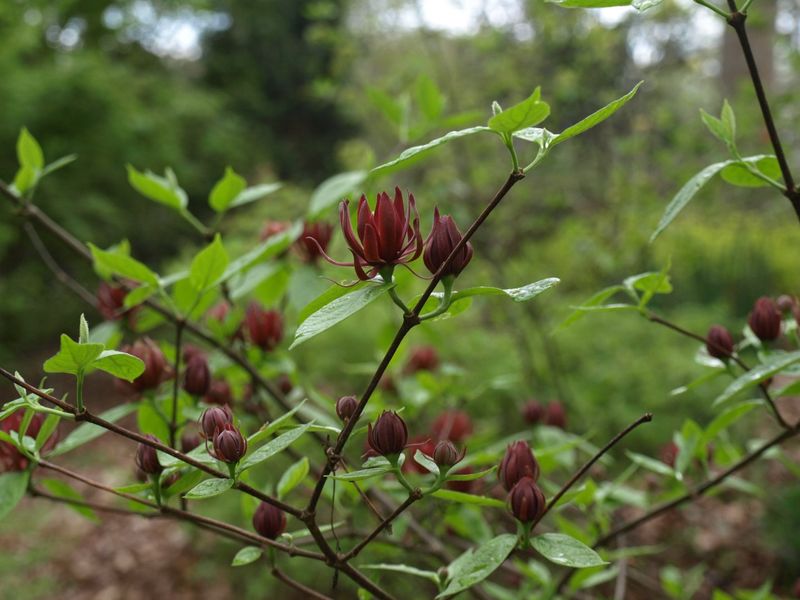
That form alone can anchor a border corner or soften a fence line. When the unusual reddish-brown flowers open in spring, the whole picture shifts into something that feels genuinely storybook-like, especially on a warm morning when the fragrance drifts toward a nearby path.
That storybook quality is an aesthetic interpretation, not a guarantee. The effect develops as the shrub settles into a suitable site, and a newly installed plant may not produce a dramatic display by the following spring.
Bloom size, establishment progress, and weather all play a role. The North Carolina Native Plant Society recommends strong native alternatives – native azaleas, spicebush, fothergilla, and others – for readers whose site does not suit sweetshrub.
The point is not that Carolina allspice is the only answer, but that for the right yard and the right reader, it is a genuinely compelling one.
Its spring display combines unusual flowers, form, and variable fragrance
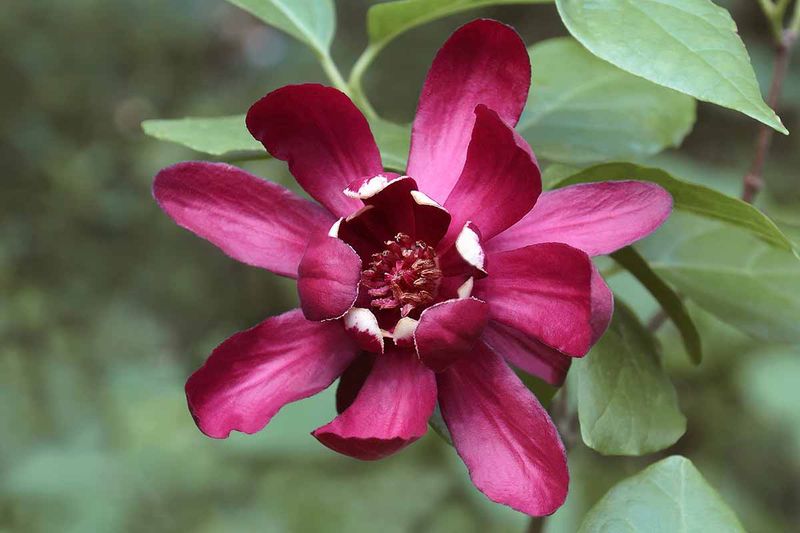
Few spring shrubs produce a flower that looks quite like a sweetshrub bloom. The individual blossoms measure roughly 1 to 3 inches across and carry layered, strap-like petals in shades of deep brown, burgundy, or brick red, a color combination that reads more like a botanical illustration than a typical garden flower.
The main bloom window generally runs from mid-April to mid-May, with occasional flowers appearing sporadically into July, so this is a concentrated spring display rather than a continuous show across the whole season.
Placement matters for getting the most out of those flowers. A walkway, entry path, or patio puts visitors close enough to actually catch the scent, which NC State Extension notes as variable among individual plants and noticeably stronger in warmer temperatures.
On a cool morning, a particular specimen might offer very little fragrance at all. On a warm afternoon in late April, the same plant can fill a small garden corner with something between fruity and spicy that is genuinely hard to describe.
Because fragrance varies so widely from one plant to the next, anyone who cares deeply about scent should select a specimen while it is actively flowering at the nursery. Buying a plant in late summer or fall, when bloom is finished, is a reasonable choice for establishing the shrub, but you give up the ability to evaluate the fragrance before it comes home.
That single shopping tip can be the difference between a sweetshrub that delights every spring and one that simply leafs out nicely with no particular scent to speak of.
Match the shrub to light, moisture, and soil before planting
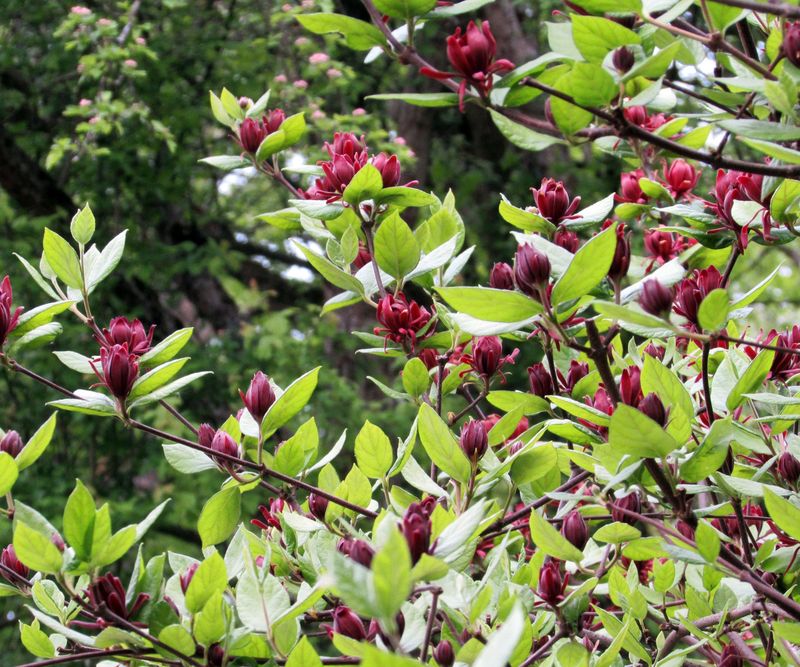
Sweetshrub earns its reputation for adaptability partly because it genuinely tolerates a wide range of light conditions, from full sun all the way through deep shade. That range is real, but it comes with qualifications that matter in a North Carolina yard.
In heavy shade, the plant tends to grow looser and more open, with less dense branching and sometimes fewer flowers. Full sun can work well when the soil stays adequately moist, but afternoon shade during the hottest summer weeks is preferable, especially across the Piedmont and Coastal Plain where summer heat and humidity can stress plants in exposed locations.
Soil is where many sweetshrub plantings succeed or struggle. The shrub performs best in average to rich, well-drained soil and tolerates a range of soil textures and pH levels.
Brief periods of flooding do not appear to cause lasting harm. Sandy, drought-prone ground is a different story: the plant dislikes sustained dry conditions, and a site with fast-draining sandy soil and no supplemental irrigation is a poor match regardless of the light level.
NC State Extension’s native plants guidance is clear that matching light, moisture, drainage, soil, and available space to the plant’s actual needs – rather than assuming any native will thrive anywhere – is the foundation of a successful planting.
Translated into practical terms for a North Carolina homeowner: a moist woodland edge, a sheltered border with organically enriched soil, or a partly shaded foundation bed with consistent moisture are all strong bets. A hot, south-facing slope with compacted clay or sandy fill is not.
NC State’s plant profile confirms the species is listed statewide, but regional conditions vary enough that a mountain gardener with moist, loamy soil may see a very different result than a Coastal Plain gardener working with sandy, fast-draining ground and no rain for three weeks.
Give this border anchor room to reach mature size
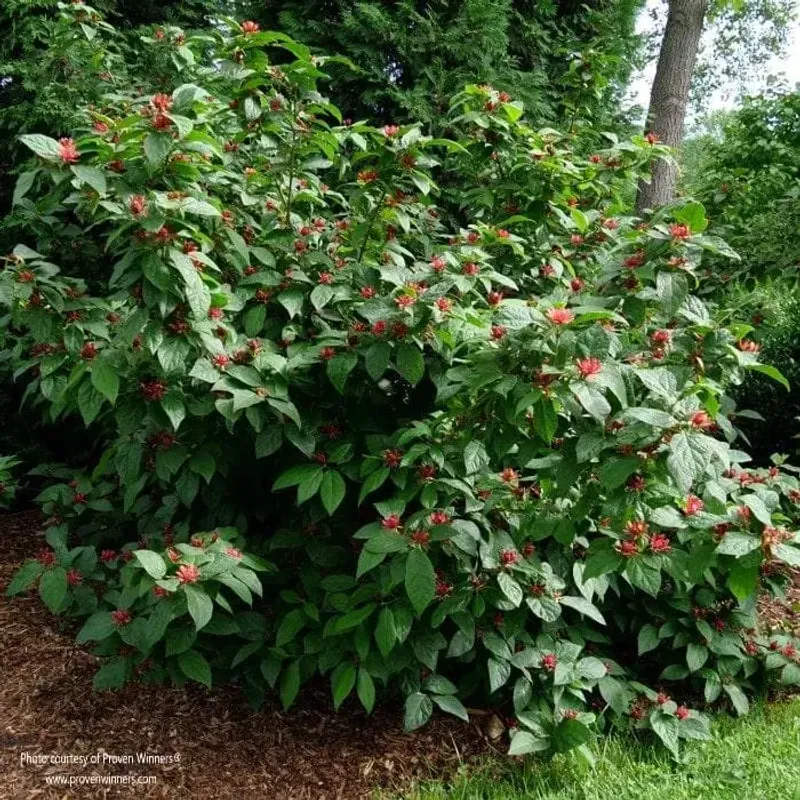
One of the most common mistakes with sweetshrub is treating it like a compact edging plant. A healthy, well-sited specimen can reach 6 to 12 feet tall and nearly as wide at maturity, according to NC State Extension.
That is a substantial shrub, and planting it too close to a foundation, a fence, or neighboring plants without accounting for its spread is a setup for a crowded, misshapen specimen that never reaches its natural form. A working rule of thumb is to allow at least 6 feet from other shrubs and to account for the plant’s tendency to send up suckers around its base.
That size, managed with some forethought, becomes an asset rather than a problem. A single specimen planted at the back of a border can serve as a focal point that draws the eye from across the yard.
Positioned near an entry path or a patio corner, it functions as a sensory plant that rewards anyone who walks past during the bloom window. It can also work as a foundation shrub on a larger home, an informal hedge between properties, or a naturalized screen along a wooded property edge.
University of Florida IFAS notes similar versatility in landscape use across the Southeast.
One honest limitation deserves plain statement: Carolina allspice is deciduous. When the leaves drop in late fall, the border it anchors becomes a bare-stemmed silhouette until spring.
For homeowners who want year-round green structure or a privacy screen that holds through winter, sweetshrub alone will not deliver that. Pairing it with evergreen or winter-structured native companions – inkberry holly, native hollies, or a small evergreen groundcover – fills the gap without sacrificing the spring payoff the sweetshrub provides.
Plant for steady establishment instead of an instant makeover
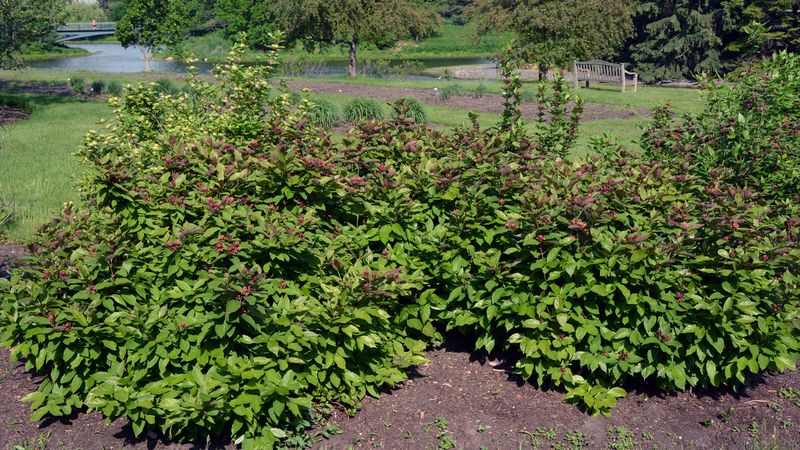
Spring and fall are the two windows when newly planted woody shrubs in North Carolina generally need the least supplemental watering to get established, because cooler temperatures and more reliable rainfall reduce the stress on a young root system. NC State Extension’s native plants handbook reinforces choosing planting times that support establishment rather than fighting summer heat with a hose.
For sweetshrub, that means a fall planting can give roots several months to spread before the first hot season, while a spring planting timed before peak summer heat gives the plant a running start.
Soil preparation matters as much as timing. Work organic matter into the planting area if the existing soil is compacted or lean, and make sure the site drains adequately without staying bone dry.
Once the plant is in the ground, the NC State landscape management calendar recommends roughly 3 to 4 inches of mulch for woody plants, applied in a ring around the base while keeping the mulch pulled back from direct contact with the stems. That layer conserves moisture, moderates soil temperature, and suppresses weeds through the critical first growing season.
Managing expectations is part of the planting process. A newly installed sweetshrub may produce a modest flush of flowers in its first spring, or it may put most of its energy into root development and offer very little bloom at all.
NC State’s plant profile confirms that bloom depends on plant size, establishment progress, weather, and propagation method, so the storybook spring moment is a realistic goal for a well-sited, well-established plant rather than a promise for year one. Water regularly through dry spells in the first two growing seasons, and give the shrub the time it needs to settle in.
Prune after flowering and manage the suckers
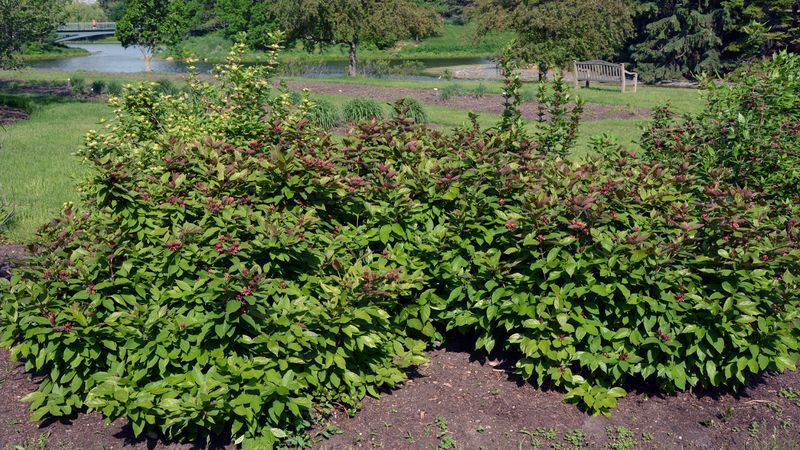
Sweetshrub is not a set-it-and-forget-it plant, and two maintenance decisions will shape how it looks and blooms over the years. The first is pruning.
NC State Extension advises pruning immediately after flowering when size control or shaping is needed. Timing matters because the plant produces flowers on both new and old wood.
Severe pruning done at the wrong time of year – cutting back hard in late summer or early fall, for example – removes the wood that would have carried next spring’s flowers. A light shaping right after the main bloom period in May keeps the plant tidy without sacrificing next year’s display.
The second decision involves suckers. Carolina allspice spreads by sending up new shoots from its root system, and in a well-watered, well-sited planting those suckers can appear with some regularity around the base of the parent plant.
Left unchecked, the shrub gradually expands into a wider thicket. In a formal or defined border, that spread is worth managing: pull or cut unwanted suckers at ground level before they develop into substantial stems.
In a naturalized area along a wooded edge or a large informal border, allowing some suckers to remain can create a fuller, more layered planting over time.
Neither task is particularly demanding, but skipping them entirely can lead to a plant that outgrows its space faster than expected or that blooms less generously after a poorly timed hard cutback. Thinking of sweetshrub as a medium-maintenance native – one that rewards attention without requiring it every week – keeps the expectation realistic and the plant looking its best from one season to the next.
Value its flowers for insects, not as a tick-control method
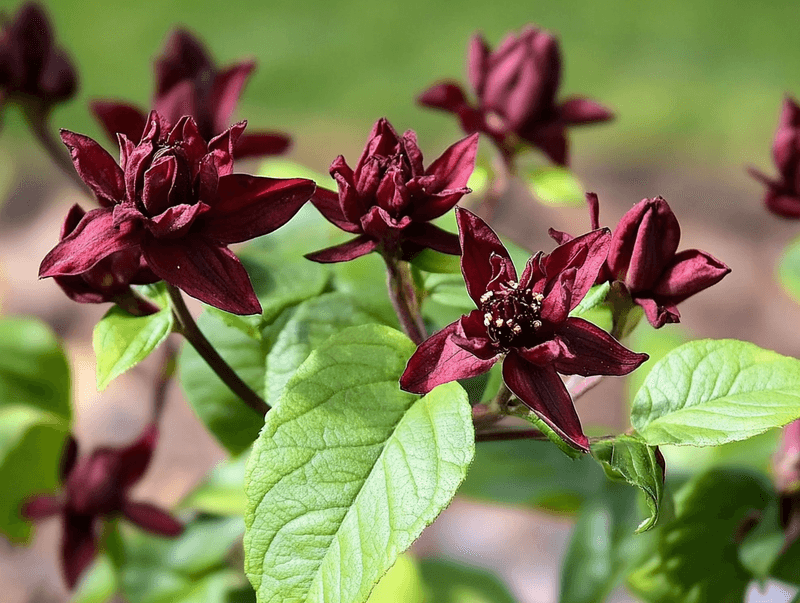
Carolina allspice supports pollinators in a straightforward and well-documented way: butterflies, beetles, and other insects visit the flowers, making it a useful addition to a yard that prioritizes native plants and the insects that depend on them. NC State Extension’s plant profile confirms butterfly and beetle use of the blooms.
That is a genuine ecological contribution, and it is worth celebrating on its own terms rather than dressing it up with claims the plant cannot support.
One claim that circulates online and should be set aside entirely: that sweetshrub’s fragrance repels ticks or creates a natural barrier against them. No authoritative source supports that idea, and repeating it can give homeowners false confidence in a yard that still carries real tick risk.
If tick exposure is a concern – and for North Carolina homeowners, it reasonably is – the measures that actually help are habitat-based. CDC guidance on preventing tick bites points to removing leaf litter, clearing tall grass and brush at the lawn’s edge, mowing regularly, reducing access by deer and other wildlife that carry ticks, and placing a 3-foot wide wood-chip or gravel barrier between a lawn and any wooded area.
Those steps address the actual conditions ticks need to survive and find a host.
Sweetshrub earns its place in a North Carolina yard by supporting native insects during a concentrated spring bloom window, fitting naturally into a landscape that prioritizes regionally appropriate plants, and looking genuinely distinctive while doing it. Framing it as a tick-control tool overstates what any single plant can do and distracts from the yard-management practices that make a measurable difference.
Plant it for the right reasons, and it delivers on them reliably.
Know the safety and site limits before choosing it
A few practical cautions belong on every honest plant profile, and sweetshrub has several worth knowing before it goes in the ground. The seeds contain calycanthin and related alkaloids, and NC State Extension classifies the plant as having low-severity poison characteristics, with possible convulsions and elevated blood pressure following ingestion.
The common name “Carolina allspice” can create a false impression of culinary safety, but the seeds should not be eaten, used to make tea, or added to any homemade seasoning. Keep seed pods away from young children who might be drawn to them.
North Carolina Poison Control is a useful reference if accidental ingestion occurs.
Fragrance, as covered earlier, varies by individual plant. Deer resistance is another qualified characteristic: NC State describes the shrub as deer resistant, but that is an observation about typical browsing behavior, not a guarantee.
Under heavy deer pressure, few plants are truly safe, and a young sweetshrub in its first season is more vulnerable than an established specimen. University of Florida IFAS echoes this landscape-use context for the species across the Southeast.
Site limits are the final filter. Hot, dry, sandy, or very exposed locations are poor matches, and a homeowner with those conditions may do better with a different locally appropriate native.
The North Carolina Native Plant Society’s recommended species list and NC State Extension’s native plants handbook both offer broader guidance for matching a native shrub to a specific site. Spicebush, native azaleas, fothergilla, and viburnums are strong alternatives for sites that do not suit sweetshrub, and choosing the right plant for the actual conditions is always a better outcome than forcing a mismatch and watching it struggle.
Let the established shrub deliver the spring moment
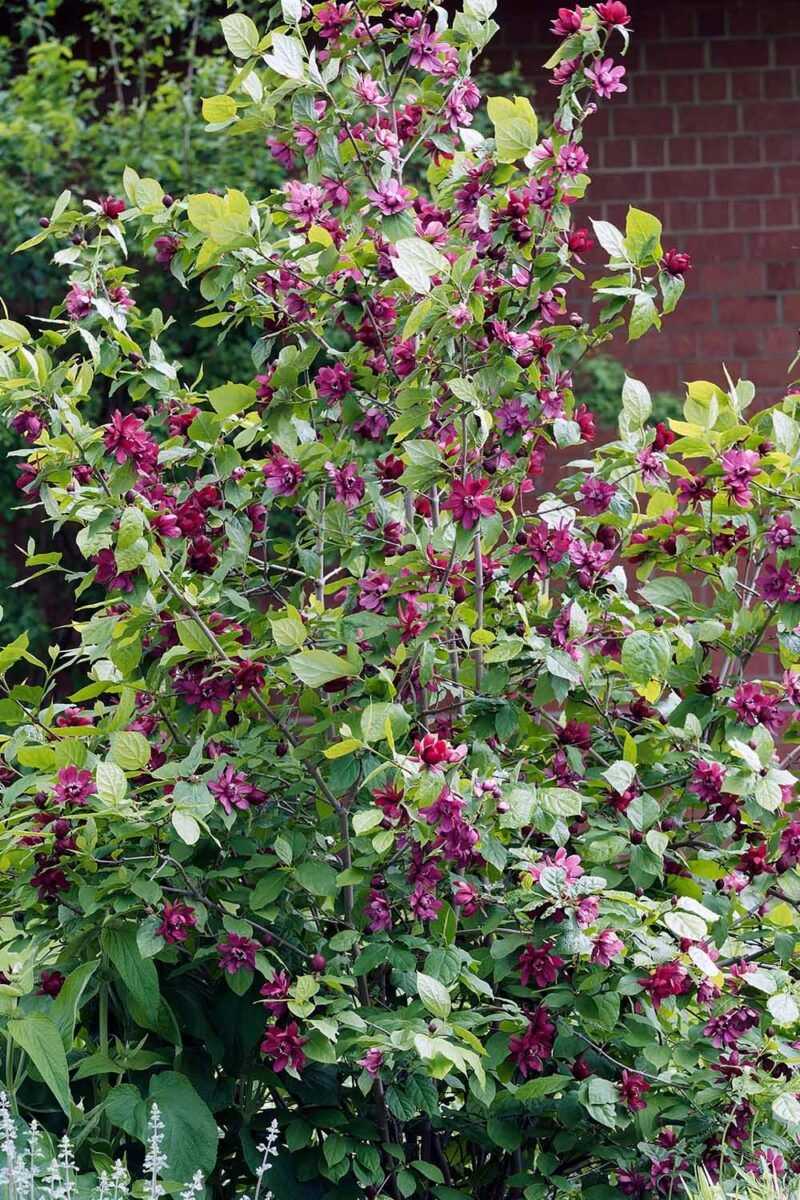
A sweetshrub that has settled into a suitable spot – moist, reasonably fertile soil, morning sun or dappled light, enough room to spread – earns its place in the yard quietly at first and then more confidently each spring. The rounded form fills in, the dark foliage deepens, and the bloom window in mid-April through mid-May brings those unusual reddish-brown flowers that stop people on the path and make them lean in to check the scent.
That moment is what the storybook framing in this article’s title is pointing toward, and it is genuinely achievable with the right site and enough patience.
Getting there requires a few concrete commitments: choosing a location that matches the plant’s light and moisture needs, giving it adequate space at planting, watering through dry spells during the first two growing seasons, mulching properly, pruning after bloom when needed, and managing suckers before they redefine the border on their own terms. NC State Extension’s full plant profile is a reliable reference to return to as the shrub matures.
A healthy, established Carolina allspice in a North Carolina yard is not a quick fix or a universal solution, but it is something more lasting: a native shrub that belongs here, supports the insects that belong here, and delivers a spring display that feels genuinely earned. The best garden moments usually do.