
If Your Oxalis Refuses To Flower, Here Are 6 Simple Tricks That Force It Into A Wild, Nonstop Bloom
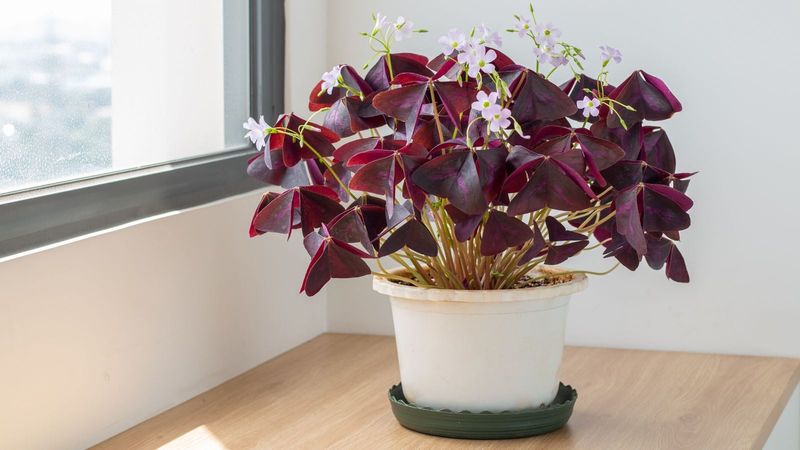
Your oxalis puts out those pretty shamrock leaves, but the flowers just never show up. It feels like the plant is teasing you, and you start wondering if you broke something.
The good news is that a stubborn oxalis almost always needs one small tweak, not a total rescue mission. Here are six easy fixes you can try today to push your plant into a wild, nonstop bloom.
1. Give It Bright, Indirect Light (With A Little Morning Sun)
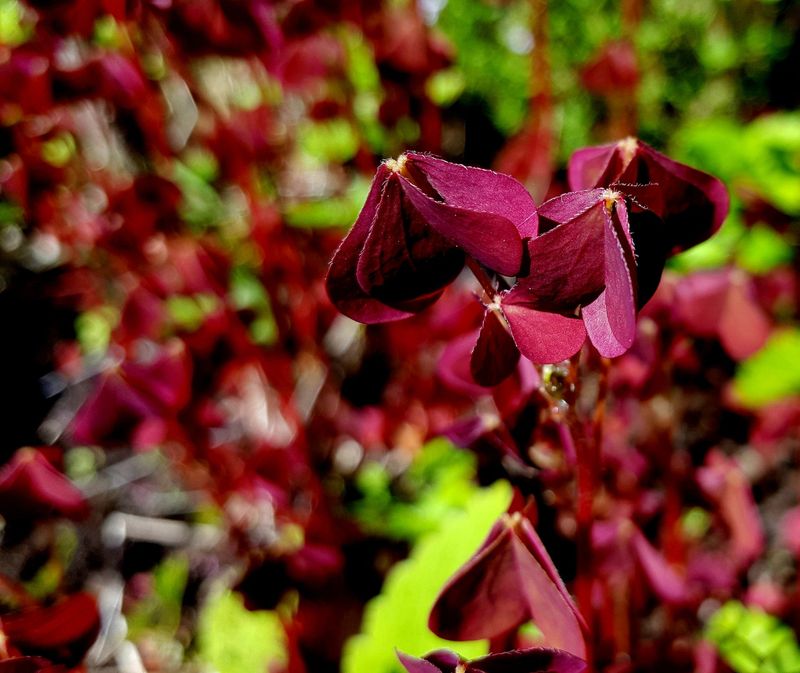
Light is usually the first thing to check when your oxalis leafs out beautifully but skips the flowers. A plant sitting in a dim corner will stretch tall and floppy, and it puts all its energy into reaching for light instead of blooming.
Bright, indirect light is the sweet spot. A window that gets gentle morning or late-afternoon sun works perfectly, since those rays are soft enough to feed the plant without scorching the delicate leaves.
Watch out for harsh midday sun blasting through glass, though. It can crisp the foliage and leave brown, papery edges that stress the whole plant.
If your oxalis looks leggy and pale, move it closer to your brightest window and give it a week or two. Once it soaks up enough light, flower stalks often pop up faster than you would expect.
2. Water Only When The Soil Is Halfway Dry
Soggy soil is a silent bloom killer, and it tricks a lot of well-meaning plant owners. When roots sit in constant moisture, they start to rot, and a struggling root system will never spare energy for flowers.
The fix is simple. Let the soil dry out about halfway to three-quarters of the way down before you water again during the growing season.
Poke your finger into the pot to check. If it feels damp a couple inches down, wait another day or two before reaching for the watering can.
Underwatering can stress the plant just as much, so aim for that in-between rhythm. Steady, balanced moisture keeps your oxalis relaxed enough to focus on putting out blooms instead of just surviving.
3. Let It Rest With A True Dormancy Period
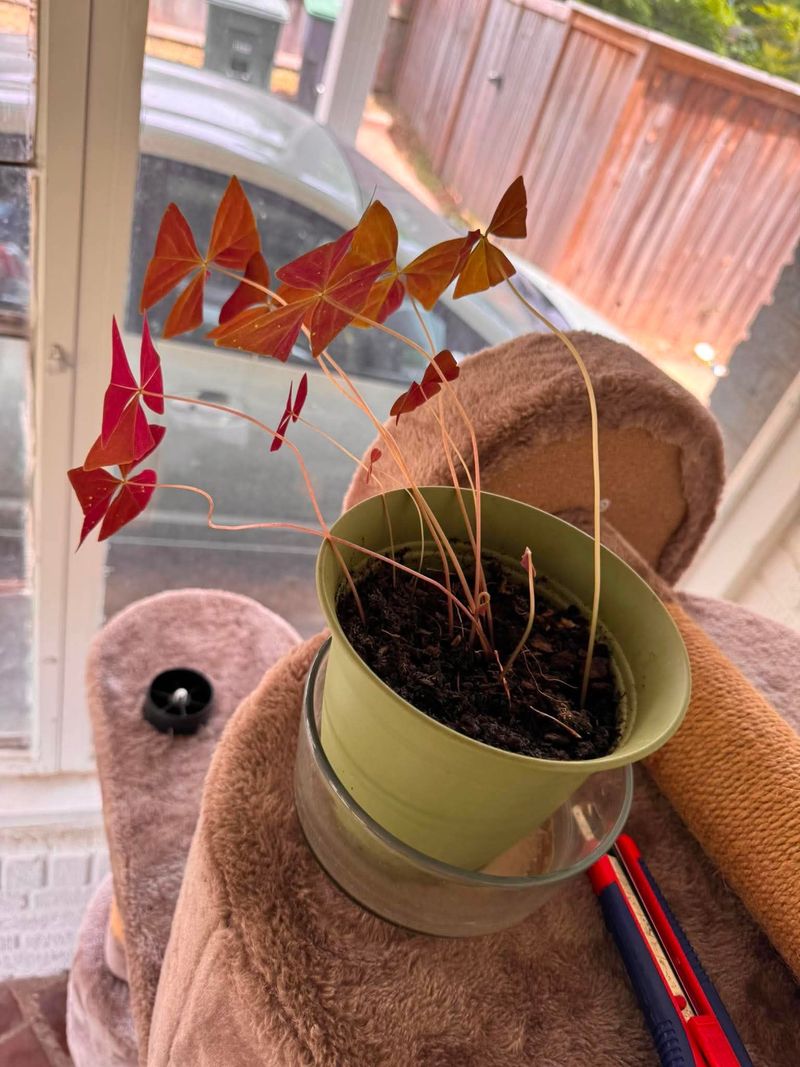
Here is the counterintuitive trick that surprises almost everyone: sometimes your oxalis needs to look half-dead before it can bloom big. Many types, especially Oxalis triangularis, want a genuine rest before they perform.
When dormancy hits, usually in autumn to winter or during intense summer heat, the leaves may flop, yellow, and die back. That is not the plant giving up.
It is the plant recharging its bulbs underground.
During this stretch, cut back watering way down, stop fertilizing completely, and tuck the pot somewhere cooler and darker for a month or two. Resist the urge to fuss over it.
After that nap, bring it back into light and start watering again. The bulbs wake up refreshed and often reward you with a thick flush of new leaves and flowers you have been waiting on.
4. Feed It Lightly Through The Growing Season
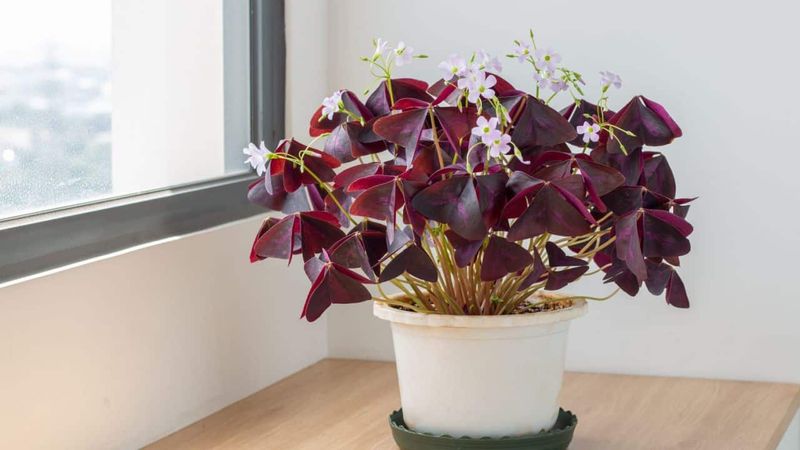
Oxalis is not a hungry plant, but a little food at the right time makes a real difference in blooming. Skipping fertilizer entirely can leave your plant with plenty of leaves and no fuel left over for flowers.
During the active growing months of spring and summer, feed it once a month with a balanced liquid houseplant fertilizer, something like a 10-10-10 formula. A higher-phosphorus blend can nudge it toward even more flowers, since phosphorus is the nutrient tied to blooming.
Always dilute according to the package and water the soil first so it is damp. Feeding dry roots can burn them and set your plant back.
When fall and winter dormancy roll around, stop feeding altogether. A resting plant cannot use the nutrients, and leftover fertilizer just builds up in the soil.
5. Deadhead And Prune To Keep New Blooms Coming
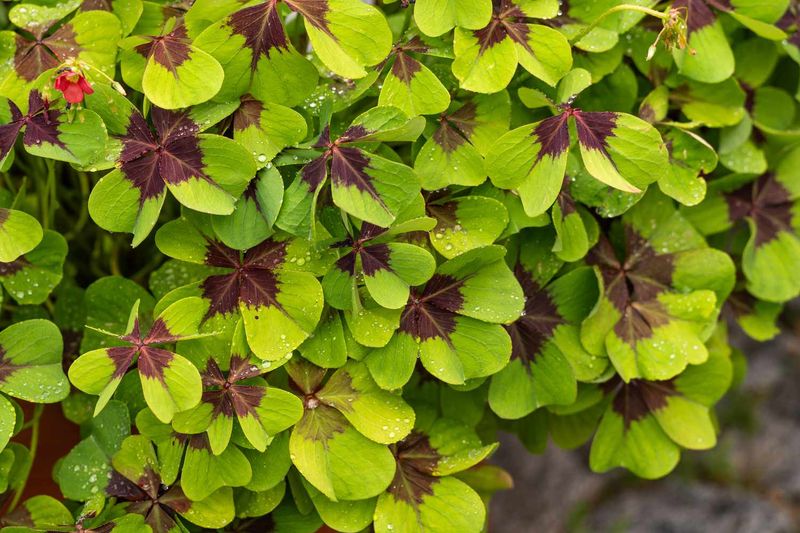
Snipping away the spent flowers is one of the most satisfying ways to keep your oxalis blooming nonstop. Once a flower fades, pinch or snap the stem off at the base so the plant stops spending energy on old blooms.
Pull off any yellowing or damaged leaves as you spot them too. Tidying up keeps the plant healthy and encourages fuller, bushier growth.
If your oxalis has gotten leggy or overgrown, do not be shy. Trimming back up to a third of its height pushes out fresh, compact new stems.
For a plant that looks truly worn out or is fighting pests, a hard prune works wonders. Cutting all the foliage back down to the soil line resets it, and a brand-new batch of leaves and flowers usually follows, especially right after a dormancy break.
6. Use Well-Draining Soil And Repot When Root-Bound
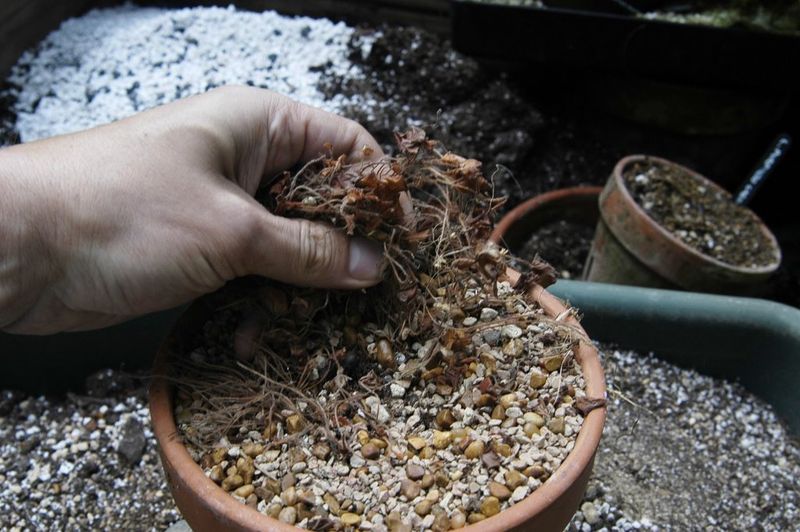
The pot your oxalis lives in matters more than most people realize. When bulbs get crammed together and roots run out of room, the plant stalls out and blooming grinds to a halt.
Start with the right soil. A loose, well-draining mix of peat moss, perlite, and a bit of sandy soil keeps water flowing through and guards against the rot that ruins so many oxalis.
Slightly acidic to neutral soil, around a pH of 6.0 to 7.0, keeps it happiest.
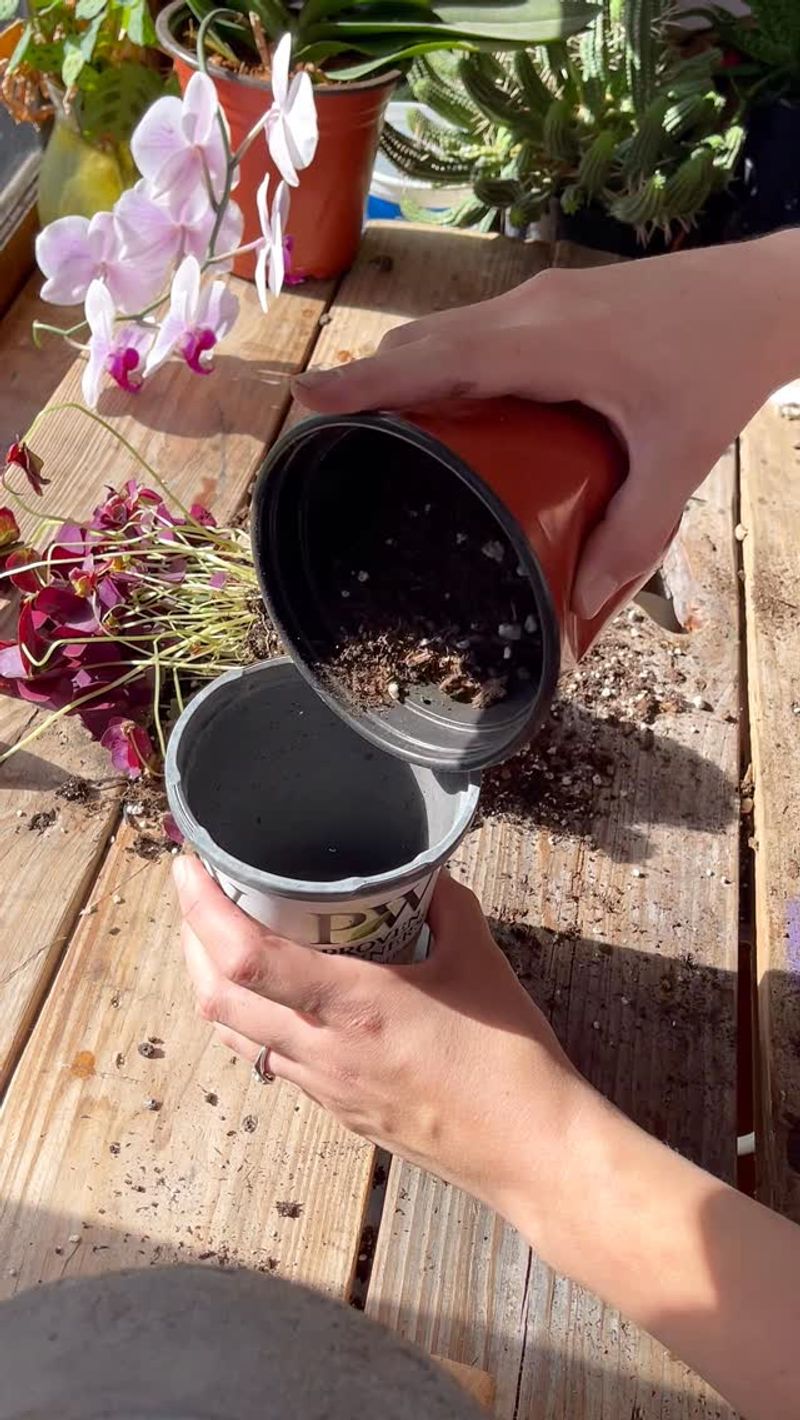
If your plant has not bloomed or grown much lately, gently check whether it is root-bound. Repotting every couple of years, ideally in early spring, gives the bulbs breathing room and often triggers a wave of new growth.
Pick a pot with real drainage holes and use fresh potting mix each time. A little space and clean soil can be exactly the reset your flowerless oxalis has been begging for.