
If A Turkey Vulture Circles Your Yard, Here’s The Specialized Gut That May Quietly Alter How Disease Spreads
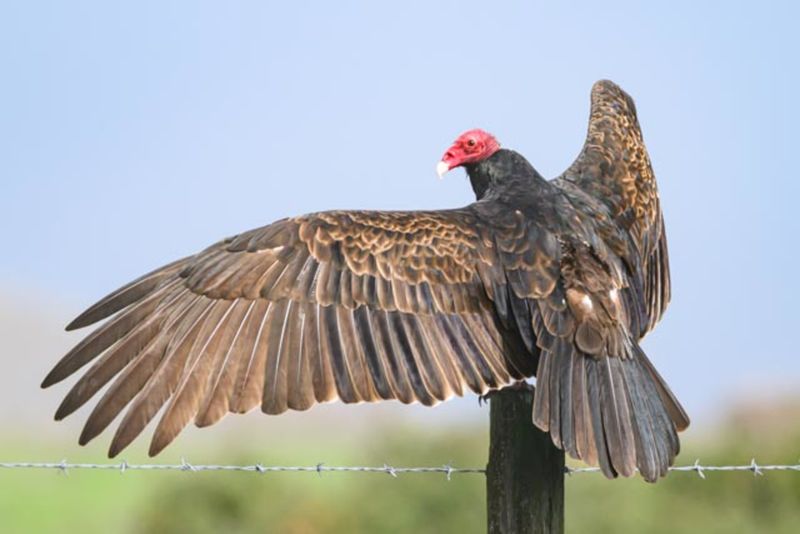
Spotting a turkey vulture circling low over your backyard can feel unsettling, like the bird knows something you don’t. Most of the time, though, it’s simply riding a column of warm air or sniffing out a dead animal nearby.
These birds do have a remarkable digestive system that filters many dangerous microbes, but that biology is more nuanced than the popular “battery-acid gut” story suggests. Understanding what vultures actually do, and what they can’t do, helps homeowners make smarter decisions when a carcass shows up in the yard.
A circling vulture is usually following air—or a smell
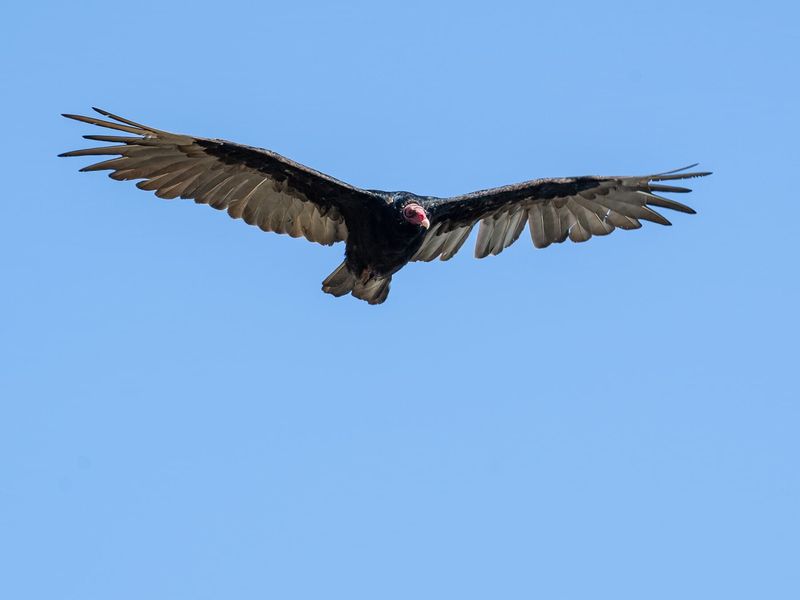
Watching a turkey vulture bank and circle overhead, it’s tempting to assume the bird has zeroed in on something alarming in your garden. The reality is more mundane and, honestly, more fascinating.
Turkey vultures are built for efficient, low-energy flight, and they accomplish that by riding rising columns of warm air called thermals. When you see one circling, the bird is often just gaining altitude for free, the same way a glider pilot would.
That said, turkey vultures are also searching for food, and they do it in a way no other North American raptor can match. Cornell Lab’s Turkey Vulture profile notes that these birds combine sharp eyesight with an unusually well-developed sense of smell, allowing them to detect carrion hidden under forest canopy that purely visual scavengers would miss entirely.
The enlarged olfactory system sets them apart from almost every other bird of prey.
What circling behavior cannot tell you is whether the bird has found anything, what it found, or whether any pathogen is involved. A vulture overhead does not signal an anthrax outbreak, a botulism event, or a cholera risk in your soil.
It signals that warm air is rising or that something dead may be somewhere in the area, which could be a deer a quarter-mile away, roadkill on a nearby street, or nothing at all the bird has confirmed yet.
Separating the bird’s visible flight behavior from disease interpretation matters before exploring its digestion. The vulture’s stomach chemistry is genuinely interesting, but it only becomes relevant after the bird has actually consumed something.
Circling alone is just flight.
The “battery-acid gut” comparison breaks down
The phrase “battery-acid gut” makes for a vivid headline, but the chemistry behind it doesn’t hold up the way the story implies. Car battery acid is sulfuric acid, a highly corrosive industrial compound.
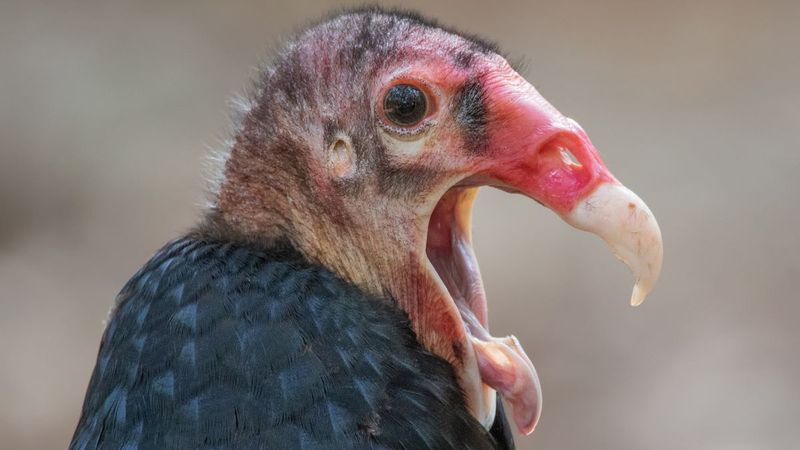
Turkey vulture stomach fluid is something entirely different: a biological mixture of hydrochloric acid, salts, the digestive enzyme pepsin, and protective mucin. Those are not the same substance, and comparing their corrosive power the way you’d compare two cleaning products misrepresents both.
The actual pH measurements for turkey vultures are more modest than popular accounts suggest. A 2017 Smithsonian field study measured post-feeding stomach pH in only two turkey vultures in Guyana and found values ranging from 2.9 to 3.5, with a mean around 3.2.
The study also noted that pH varies with feeding status, what the bird ate, how much time had passed since feeding, and where in the stomach the sample was taken. Two birds is a small sample, and those conditions matter.
The claim that vulture stomach acid sits at a pH “just above zero” traces back to older measurements taken from white-backed vultures using relatively imprecise indicator paper, not from robust studies of turkey vultures specifically. The 2017 Smithsonian researchers identified that earlier result as the probable source of the widely repeated aphorism about exceptionally low vulture gastric pH.
The turkey vulture data simply don’t support a near-zero figure.
A stomach at pH 3 is genuinely acidic. Human stomach acid typically runs between pH 1.5 and 3.5 after a meal, so turkey vultures are operating in a range that overlaps with our own digestion.
That’s still low enough to damage or kill many bacteria, but it’s not a chemical furnace, and it doesn’t act on every microorganism the same way.
What the vulture gut filters—and what it does not prove

Beyond stomach acid, turkey vultures carry something equally remarkable: a gut microbiome shaped by eating some of the most microbially dense food on the planet. Researchers who analyzed gut and facial-skin samples from 50 black and turkey vultures found a striking pattern.
This metagenomic study of New World vultures showed that gut samples had far lower bacterial diversity than facial-skin samples, and the gut was dominated by just two groups: Clostridia and Fusobacteria.
That selective gut community is not accidental. It appears to outcompete or suppress many of the microbes a vulture ingests while feeding.
Prey DNA that showed up on the bird’s face was generally degraded or absent by the time samples were taken from the gut, which points to strong gastrointestinal processing. The gut is not a passive tube; it actively shapes what survives the trip through.
Here’s where the important boundary sits, though. Selective filtering is not the same as universal sterilization.
Whether a specific organism survives passage through a vulture’s digestive tract depends on several factors at once: the type of organism, whether it forms hardy spores, the nature of any toxin it produces, how much food matrix surrounds it, how long it spends in different sections of the tract, and which gut microbes it encounters. Some pathogens and toxins do survive passage into the hindgut, as the same research line shows for botulinum toxin.
The bird’s exterior tells a different story than its gut. The low-diversity, highly selective gut microbiome does not extend to the vulture’s feathers, feet, or facial skin.
Those surfaces contact carrion directly and carry their own microbial communities, including organisms that could be transferred to surfaces the bird lands on afterward. A highly efficient internal filter does not make the outside of the bird microbe-free.
Vultures change carcass persistence and fly abundance
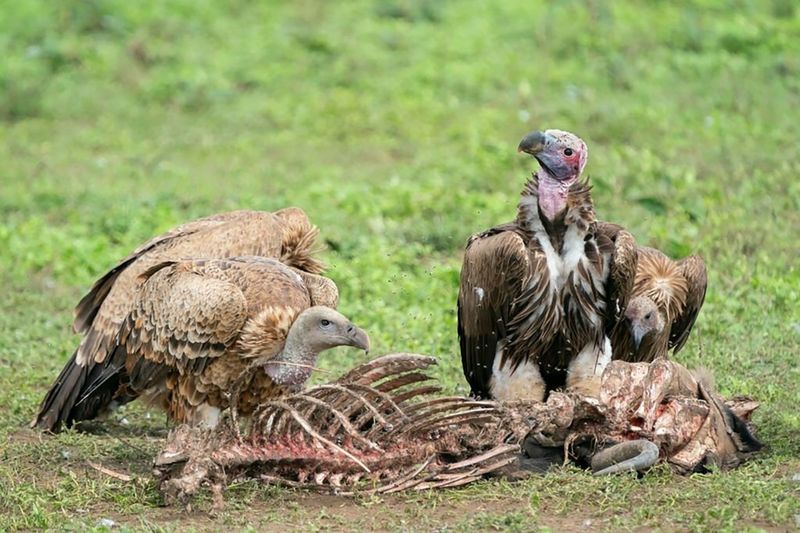
Stomach chemistry is only part of what turkey vultures bring to a dead animal. Their feeding behavior changes the physical landscape of a carcass in ways that ripple outward to flies, mammals, and other scavengers.
Speed matters here. A group of vultures can reduce a medium-sized carcass to bones in a matter of hours, cutting short the window during which exposed tissue is available to anything else looking for a meal or a breeding site.
Researchers tested this directly by comparing carcass decomposition with and without vulture access. A recent experimental study on vulture exclusion found that keeping vultures away from large carcasses approximately halved decomposition rates and approximately doubled fly abundance at those sites.
Fewer vultures meant slower breakdown and significantly more flies, two conditions that extend the period during which carcass-associated microbes can be picked up and moved by insects.
That finding creates a plausible indirect pathway. If flies breed in and disperse from a carcass, and vultures cut that carcass’s lifespan dramatically, then fewer flies may carry microbes away from the site.
The IUCN Vulture Specialist Group describes vultures as likely helping to limit disease transmission at carcasses, while noting that stronger evidence is still needed for specific diseases.
What the exclusion experiment does not show is that vultures sterilize the ground beneath a carcass, neutralize pathogens in surrounding soil or water, or reduce disease incidence in the surrounding area. The effect is on carcass persistence and scavenger dynamics, not on environmental disinfection.
A yard where vultures fed on something dead is not a yard that has been sanitized.
Anthrax, botulism, and cholera require different answers
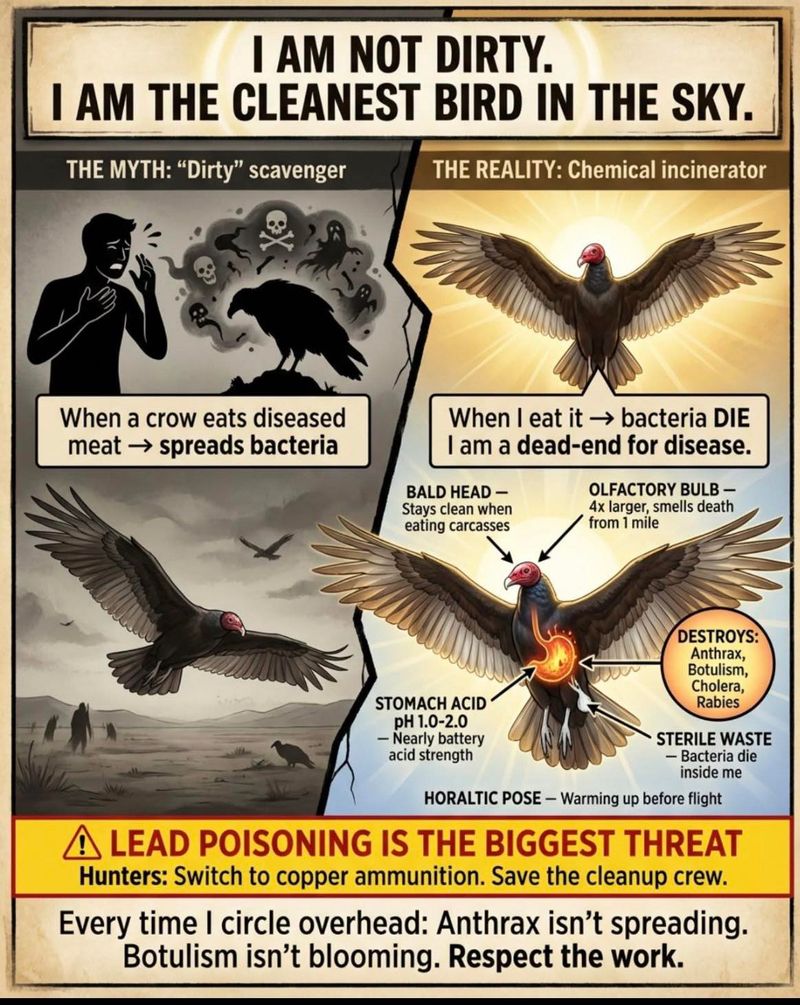
Grouping anthrax, botulism, and cholera under one “the stomach acid kills it” explanation is one of the most common mistakes in popular vulture coverage. Each disease involves a different organism, a different mechanism, and a different relationship with vulture biology.
Treating them identically produces a misleading picture.
Anthrax, caused by Bacillus anthracis, is the case where vulture feeding behavior offers the clearest plausible benefit. Vegetative cells of the bacterium can sporulate when a carcass is opened and exposed to air; if vultures consume soft tissue rapidly before that sporulation process advances, they may reduce the number of spores released into the environment.
Some literature notes that residual organisms on vultures may be insufficient to initiate new infection under certain conditions. However, anthrax spores are extraordinarily persistent in soil, and scavengers including vultures can spread them.
CDC guidance on anthrax control in Texas emphasizes supervised carcass disposal precisely because improper handling can contaminate soil for decades. Vultures do not replace that process.
Botulism presents a different puzzle. Turkey vultures are notably resistant to avian botulinum intoxication, which sets them apart from most birds.
USGS avian botulism guidance identifies vultures as an important exception to typical avian susceptibility. But resistance to the toxin’s effects is not the same as destroying the toxin.
Research on the New World vulture microbiome found evidence that botulinum toxin can survive passage into the hindgut, meaning the toxin is not necessarily neutralized during digestion. A vulture can tolerate what would kill a duck without eliminating the hazard from its waste.
Cholera stands apart from the other two. The IUCN Vulture Specialist Group review finds essentially no ecological or epidemiological basis for claiming vultures control cholera.
The disease spreads primarily through contaminated water and human sanitation systems, not through carrion dynamics that vultures meaningfully influence. Linking vultures to cholera control is not a scientific claim supported by available evidence.
Across all three diseases, the evidence for altered carcass exposure and reduced fly access is more solid than any claim about direct neutralization of named pathogens. Published anthrax epizootic research reinforces that official disposal protocols exist for good reason, and no bird’s digestion substitutes for them.
A scavenger can reshape exposure without making the environment sterile
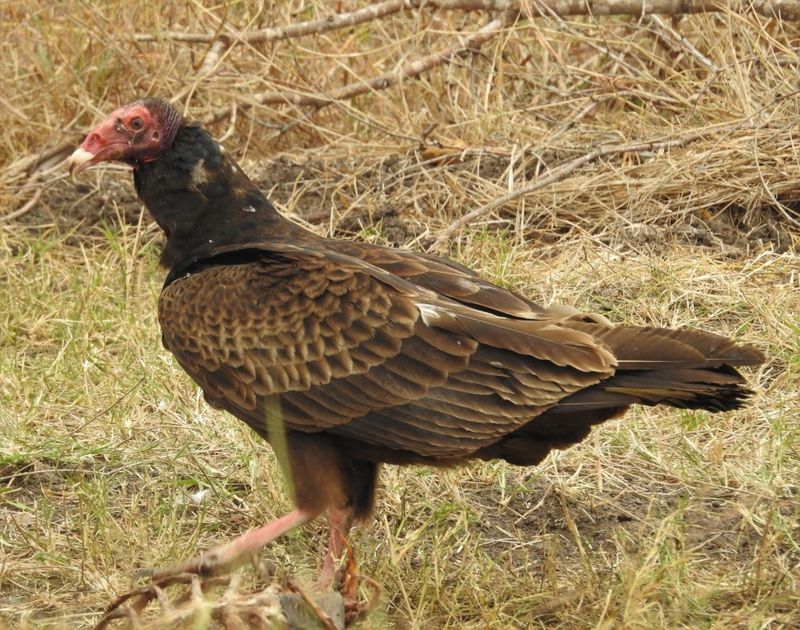
Every honest account of vulture sanitation needs a counterweight. Turkey vultures are not flying disinfectants, and their tolerance for rotting meat does not make them or their surroundings microbe-free.
The same feathers, feet, and facial skin that contact carrion directly carry microbial communities that the gut’s selective filtering never touches.
USDA APHIS wildlife damage management guidance on vultures notes that some bacteria may be transmitted on vulture feathers and feet, and that turkey vulture intestinal flora suggests the birds can act as reservoirs for intestinal bacterial pathogens. A bird that has fed on a contaminated carcass can carry organisms on its body when it moves to a roost, a water source, or a barn roof.
That’s not a condemnation of the species; it’s a realistic description of how scavengers interact with microbial environments.
The IUCN Vulture Specialist Group is careful to distinguish between “may help limit disease transmission at carcasses” and broader claims about preventing disease in surrounding environments. Those are meaningfully different statements.
The benefit, where it exists, comes from changing how long carrion persists and how accessible it is to flies and other scavengers, not from the bird chemically neutralizing its surroundings after feeding.
Homeowners should not assume that a yard where vultures have fed is cleaner than one they avoided. The soil beneath a feeding site, nearby water sources, birdbaths, and garden beds are not sanitized by the bird’s presence.
The vulture’s ecological contribution is real but specific: faster carcass removal and reduced fly breeding time, with no guarantee about what its body carries away from the scene.
What to do when a carcass is actually in the yard
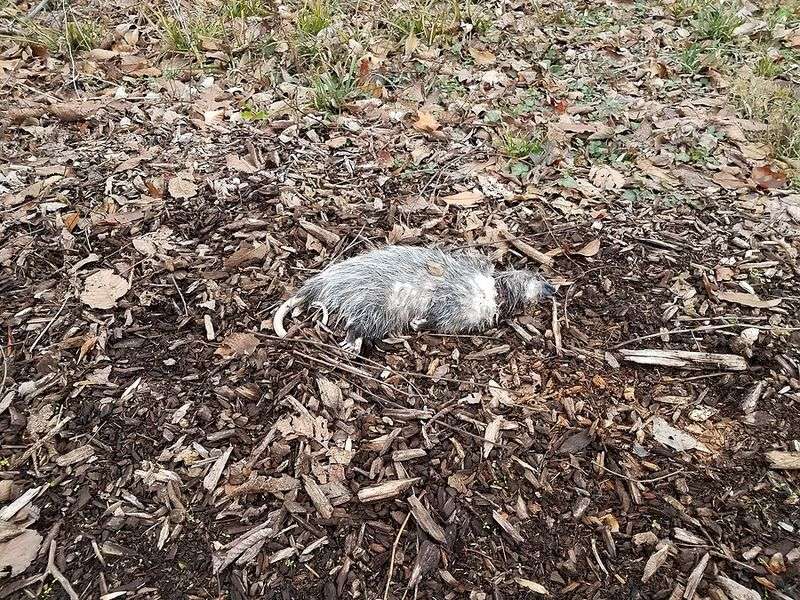
Finding a dead animal in the yard calls for a specific set of actions, and none of them involve waiting to see if vultures handle it. The first rule is simple: keep your distance and don’t touch the carcass bare-handed.
CDC guidance on wildlife and healthy pets advises people to avoid feeding or handling wildlife and to contact animal control or the appropriate local agency when a dead animal needs to be removed from a property. That call is the right first move for most backyard situations.
Sudden or unexplained deaths deserve extra caution, especially if the animal is livestock or a wild species that died without obvious trauma. Do not open, butcher, move, or salvage the carcass.
Do not let children or pets approach it. Instead, contact a veterinarian, your state animal-health authority, your local health department, or animal control and describe what you found, including the species if you can identify it safely from a distance.
Anthrax is rare in most of the United States, but it does occur in certain regions, particularly parts of Texas, the western Great Plains, and other areas with alkaline soils. CDC reporting on anthrax control makes clear that suspected anthrax carcasses require supervised disposal.
Improper handling, including cutting into or moving the body, can expose soil to persistent spores that remain viable for many years. That’s a decision for a professional, not a homeowner with a shovel.
One more thing worth knowing: turkey vultures are protected under the Migratory Bird Treaty Act. U.S.
Fish and Wildlife Service information on the Migratory Bird Treaty Act makes clear that capturing, killing, possessing, or transporting protected migratory birds without federal authorization is prohibited. If vultures are roosting on your property and causing problems, contact your state wildlife agency or USDA Wildlife Services for legal options.
The real takeaway is faster cleanup, not backyard sterilization
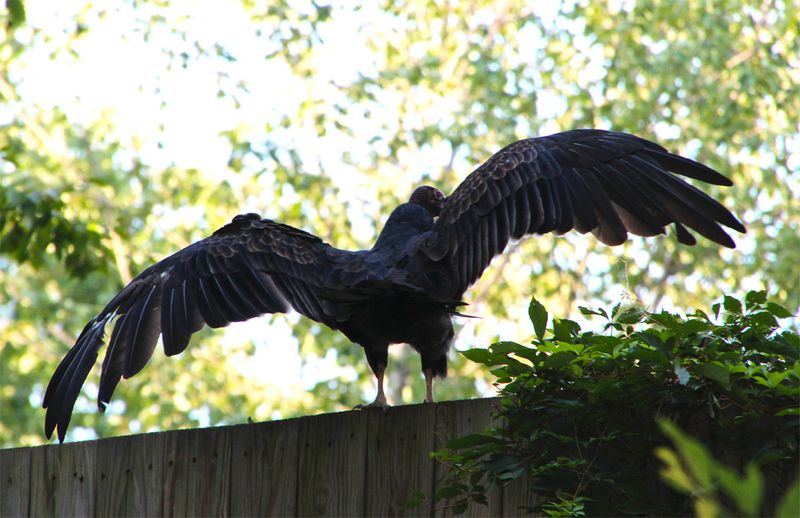
When a turkey vulture circles overhead, the most likely explanation is that it’s using warm air to soar efficiently, or it has picked up the scent of something dead somewhere in the area. Its specialized digestion, a selective gut microbiome and genuinely acidic stomach fluid, can filter or destroy many of the microbes it consumes.
And when a group of vultures feeds quickly, they reduce the time a carcass remains available to flies and other scavengers, which creates a plausible indirect benefit for limiting some carcass-associated transmission.
What the bird does not do is diagnose disease in your yard, neutralize every named pathogen it swallows, certify the surrounding soil or water as safe, or replace the professional guidance that applies to suspicious or unexplained animal deaths. The IUCN Vulture Specialist Group puts it plainly: vultures likely help limit disease transmission at carcasses, but the evidence for specific diseases is still incomplete, and that measured conclusion is the right one to carry away from this topic.
Think of the turkey vulture as a cleanup crew with impressive but imperfect tools: fast, thorough, and genuinely useful, but not a public-health guarantee with wings.