
If You Want Cut-Flower Bouquets From Your Own Beds, Here Are 14 Blooms That Look Straight From A Florist
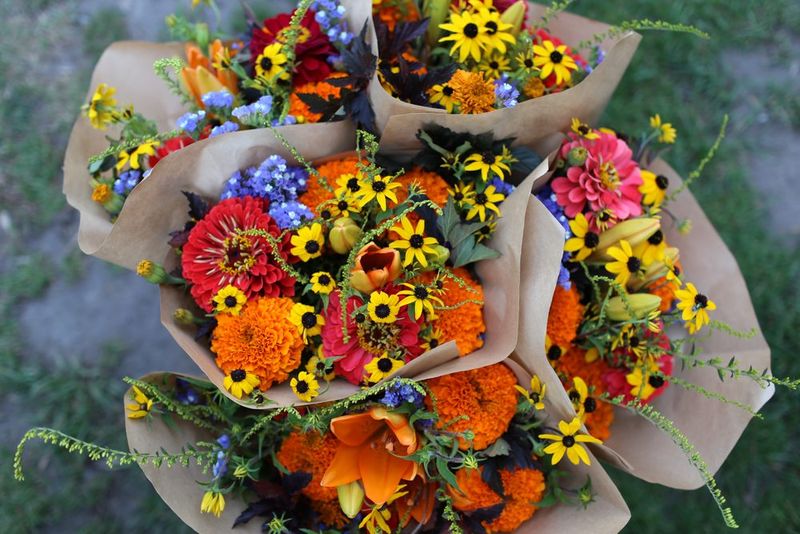
You do not need a fancy flower shop to fill your home with gorgeous bouquets. With the right blooms growing in your own beds, you can snip fresh stems all season long and arrange them like a pro.
The trick is knowing which flowers cut well, when to harvest them, and how to make them last in the vase. Here are 14 backyard blooms that look like they came straight from a florist.
1. Peonies
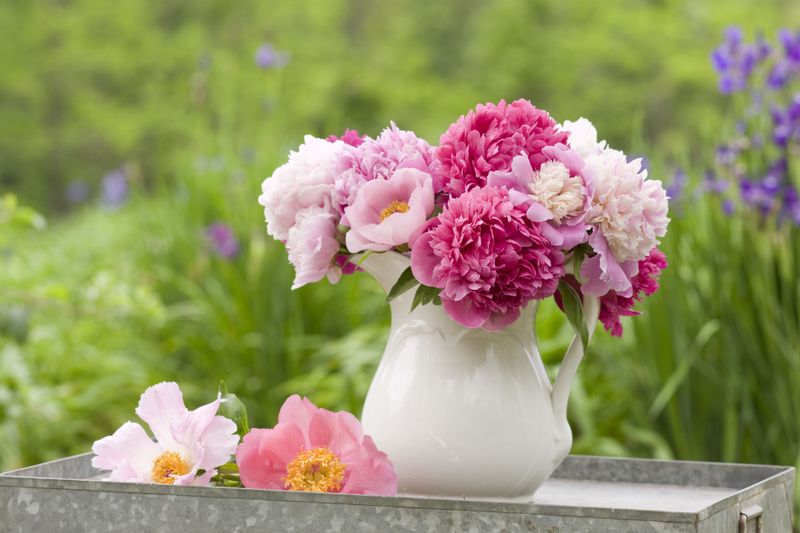
Few flowers turn heads like a peony bursting with layers of soft, ruffled petals. If your buds feel firm and colored like a marshmallow, that is exactly when to cut them, before they fully open.
Leave two or three leaf bracts on the plant so it can fuel next year’s show. Trim stems at a 45-degree angle, strip any leaves below the waterline, and set them in cool, clean water away from sun and ripening fruit.
Stubborn buds refusing to open? Pop them in warm water in a sunny spot, and they usually unfurl within a day or two.
With good care, cut peonies hold up for five days or more.
2. Lisianthus
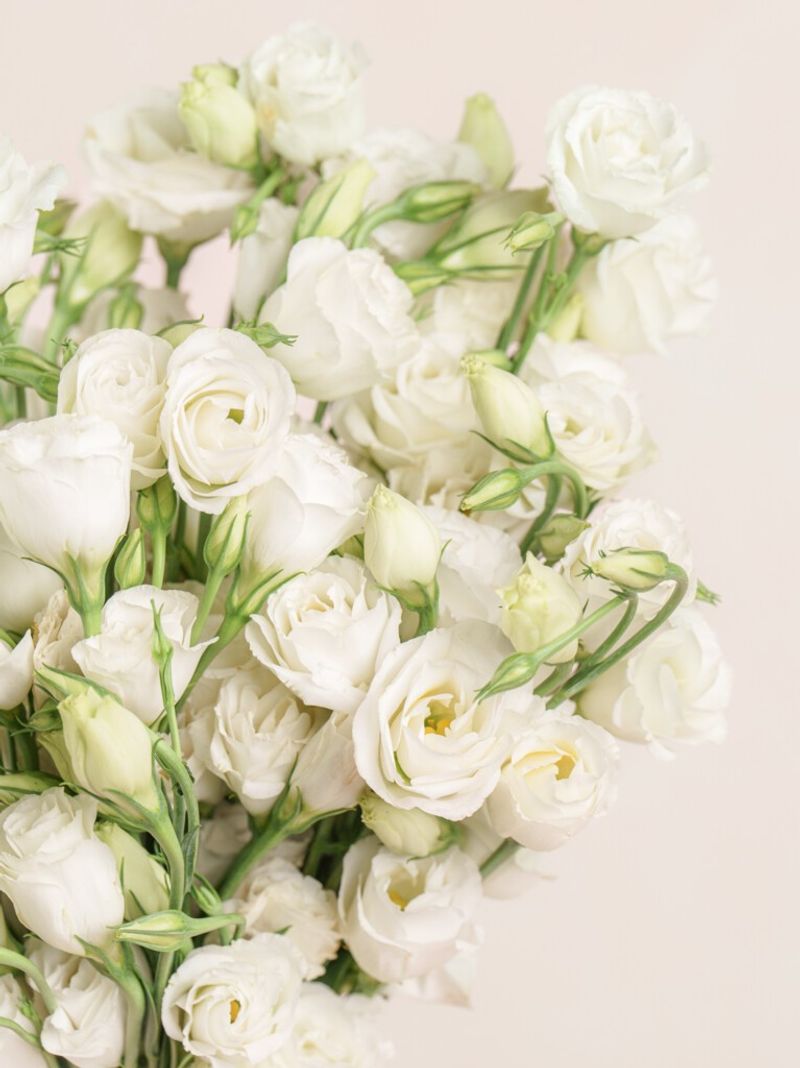
Often mistaken for roses, lisianthus brings that polished, high-end florist look to any arrangement. What really sets it apart is staying power, since it can last a jaw-dropping 14 to 21 days in a vase.
Give it a cool start by planting two to four weeks before your last frost, when soil sits below 55 degrees. Young plants shrug off frost down to around 20 degrees.
Harvest once three or four large buds have opened, and try snipping that first bud to coax out more side branches. Drip irrigation keeps the soil from getting soggy, which helps you dodge fusarium, a disease that loves overly wet conditions.
3. Snapdragons
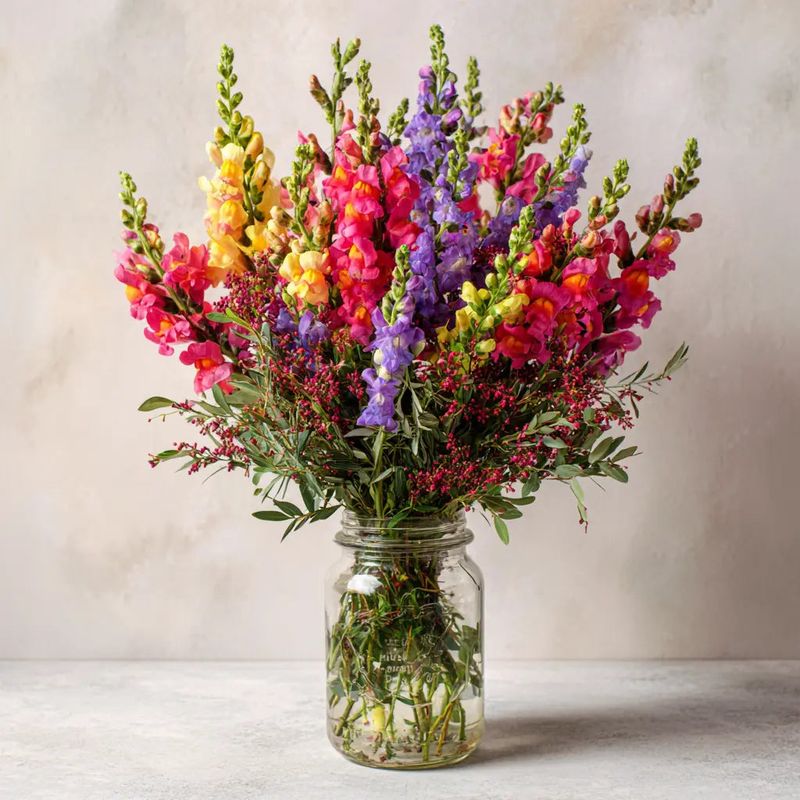
For drama and height, nothing beats the tall spikes of snapdragons standing at attention in a bouquet. Cut them when the lower third to half of each spike has opened, and nip off tightly budded tips to hurry the rest along.
These beauties can wilt fast in direct sun because they lose water quickly, so get them into cold water right away. Use a tall vase, keep stems at least halfway submerged, and cut on a diagonal to keep air out of the stems.
Keep them far from warmth and fruit, which gives off ethylene gas that ages flowers early. Spot rust-colored spores on the leaves?
Clear away fallen debris and water at the base to keep foliage dry. Treated right, snapdragons last a week and sometimes stretch to two.
4. Gladiolus
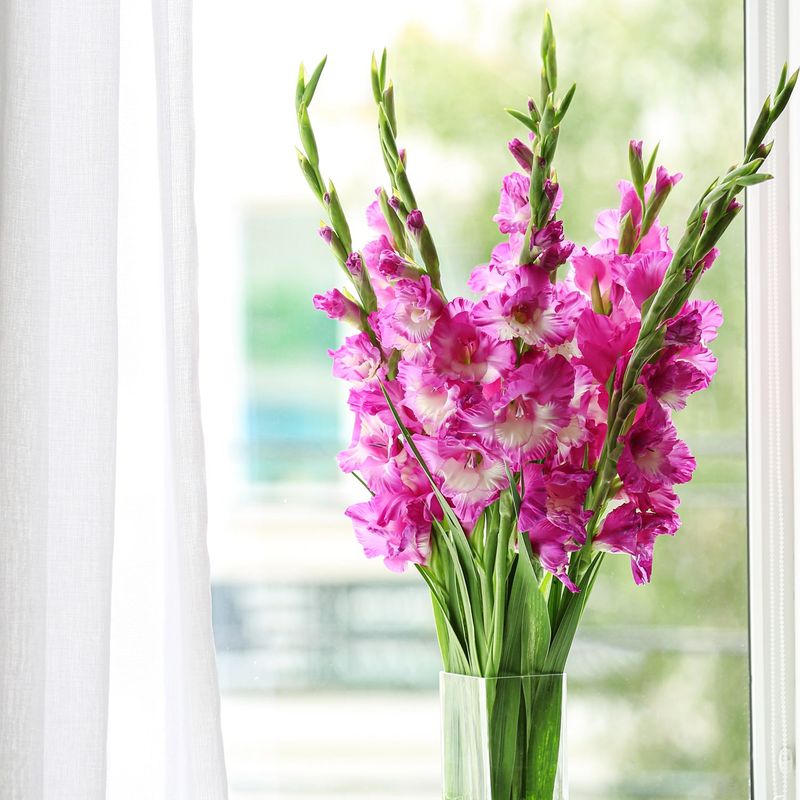
Grand and towering, gladiolus adds instant presence with its stately flower spikes. Harvest in the cool morning when just the bottom one or two florets are starting to open, leaving at least four leaves behind to power future growth.
Be warned, glads are seriously thirsty. Check the water daily, change it completely every couple of days, and re-trim the stems by a half-inch to keep water channels flowing.
Pluck faded lower florets to nudge the upper buds into opening. If a spike starts to droop, it usually means the water ran low or turned murky, so keep it crystal clear.
You will get roughly 7 to 10 days of that eye-catching vertical color.
5. Hydrangeas
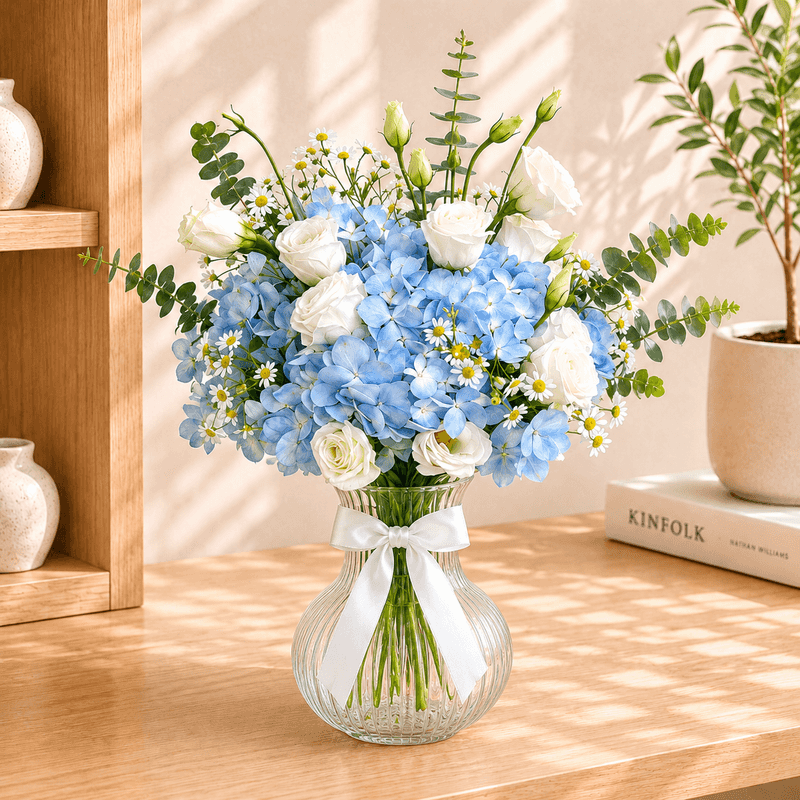
Your hydrangea can carry an entire bouquet on its own thanks to those big, billowy flower heads. Choose fully developed blooms that have not started to wilt, and rush them into water right after cutting so air does not block their drink.
Here is the trick many folks miss: hydrangeas ooze a milky sap that clogs their own stems. Dip the cut ends in hot water for 5 to 10 seconds to seal it, then arrange as usual.
Wilting later? Mist the petals or float the whole bloom in cool water, since hydrangeas can actually drink through their petals.
A dip of the stem in alum powder helps them soak up even more.
6. Dahlias
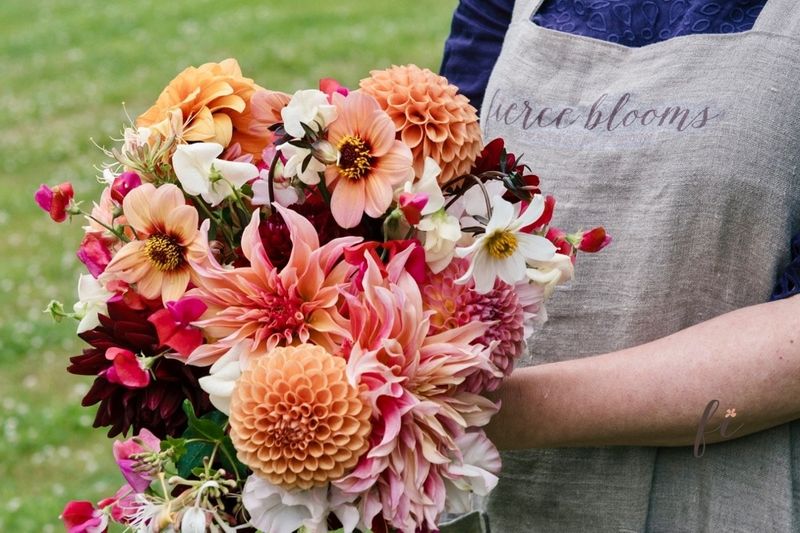
From dinner-plate giants to tidy little pompons, dahlias come in a dizzying range of shapes and shades. One thing to remember, they will not open from a tight bud after cutting, so wait until they are halfway to two-thirds open.
Cut in the cool morning, snipping deep just above a strong pair of leaves to trigger more blooms. Their hollow stems trap air easily, so plunge them into clean, cool water immediately.
For serious longevity, condition the freshly cut stems in very hot water, around 160 to 180 degrees, for about an hour. Change the water every other day and keep the vase away from bananas and melons, which release aging gas.
Expect three to five days, longer with attentive care.
7. Zinnias
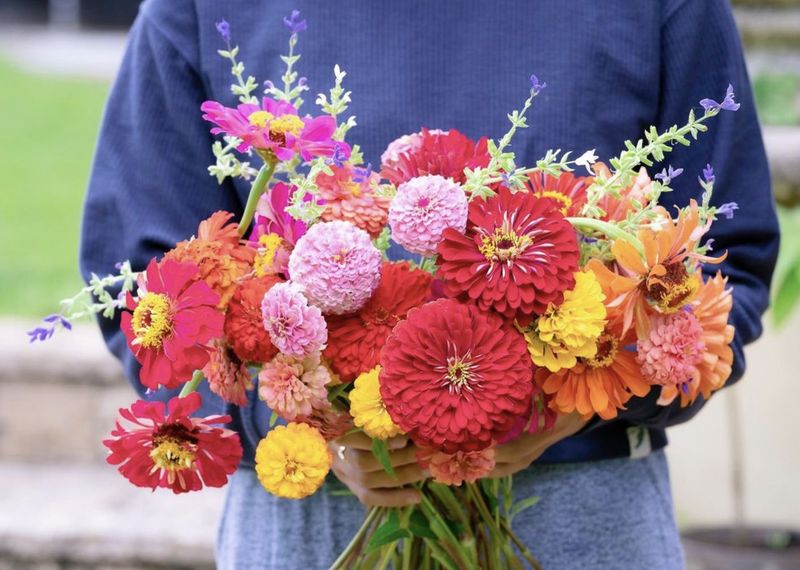
Cheerful and nearly foolproof, zinnias are the classic “cut and come again” flower, meaning the more you snip, the more they pump out. Pinch young plants around 8 to 12 inches tall to encourage branching and longer, sturdier stems.
Wait until blooms are fully open, then use the wiggle test: shake the stem about 8 inches below the flower, and if it stays stiff, it is ready. A floppy stem means it needs more time.
Zinnias are messy in the vase and foul their water fast, earning them the nickname “dirty cut flowers.” A drop or two of bleach keeps the water clean, and you will enjoy five to seven days of color.
8. Delphinium
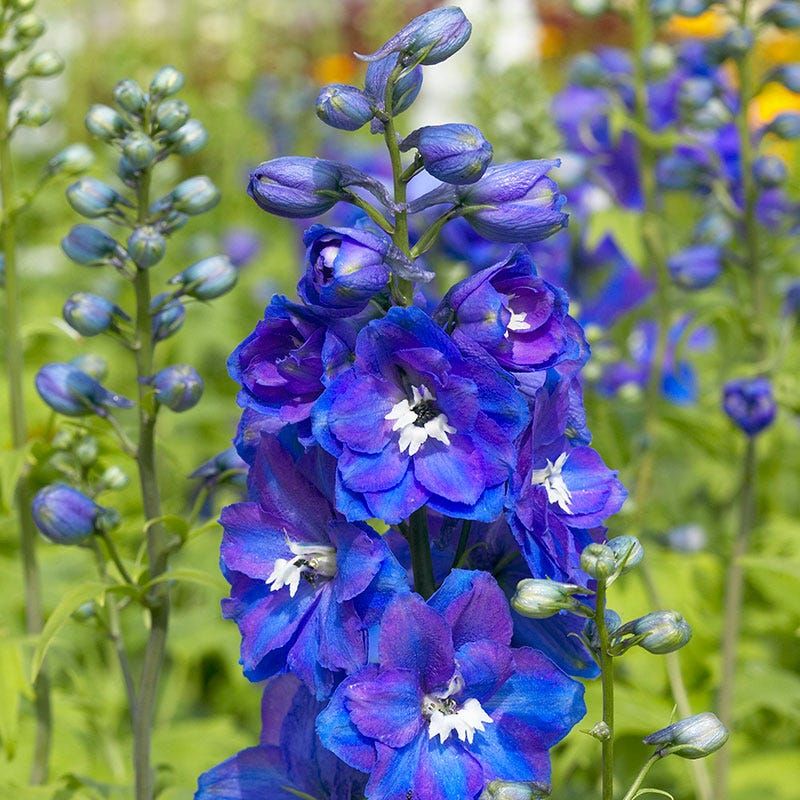
If you crave true blue, a color that is genuinely rare among flowers, delphinium delivers it on towering, grand spikes. Harvest in the early morning when the first 25 to 35 percent of the florets have opened, cutting deep at the base to promote lateral stems.
Their long stems need support, so stand them in tall, narrow buckets and strip all the foliage below the waterline. Recut at an angle and add flower food for the best water uptake.
Handle them gently, because those florets bruise easily and the plant is quite sensitive to ethylene gas. Keep them cool, humid, and away from fruit, and they will reward you with 8 to 12 days.
9. Stock Flower (Matthiola)
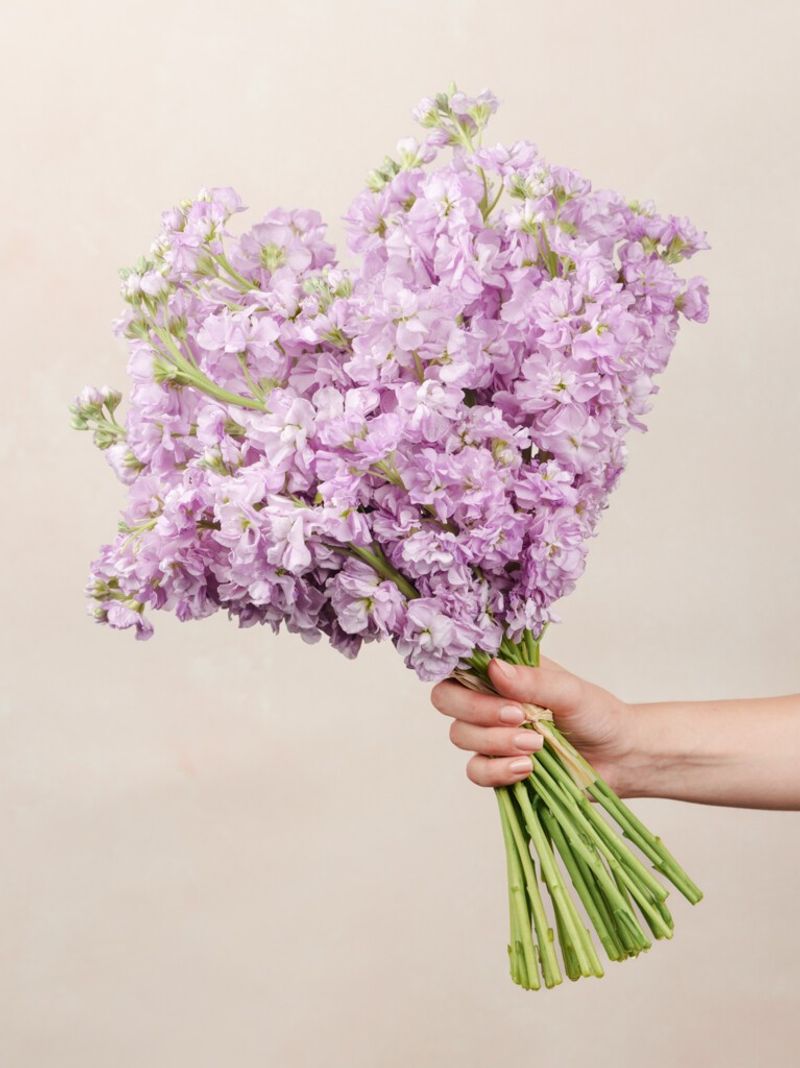
Lean in close and you will understand why stock is a favorite, its dense spikes give off a sweet, spicy fragrance that fills a room. It loves full sun but hits the brakes once temperatures climb, so it is best as a cool-season pick.
Cut when one-third to one-half of the florets have opened and show strong color. Strip the lower leaves, cut at a 45-degree angle, and refresh the water often.
Stock is unusually fussy about two things: bacteria building up in the vase and ethylene from ripening fruit. Keep it cool, away from fruit and heat vents, and give it an overnight drink in very cold water for the best results.
It typically lasts 7 to 10 days.
10. Sweet Peas
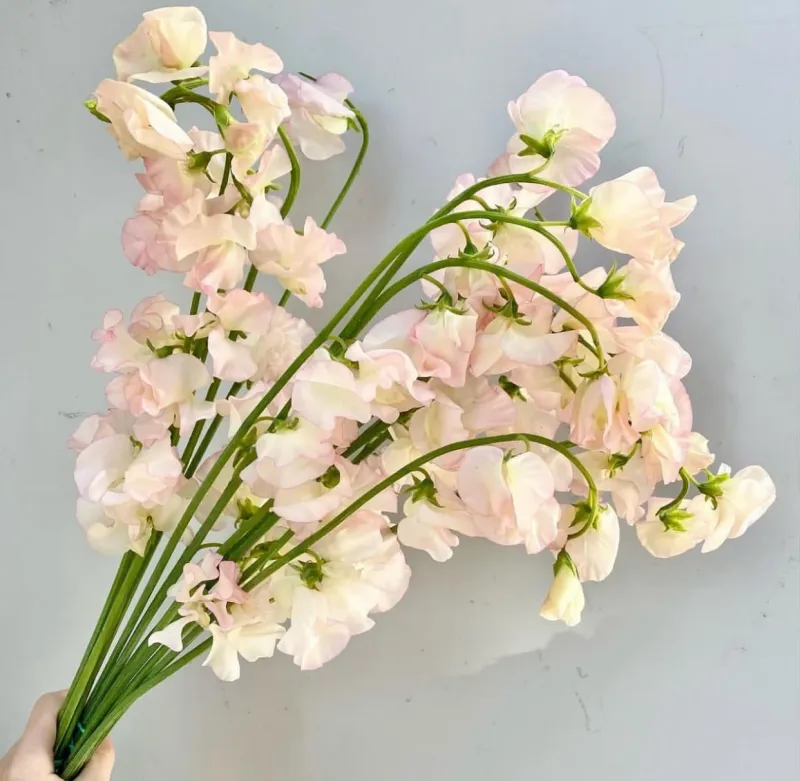
The scent alone makes sweet peas worth growing, that heady perfume paired with dreamy pastel shades feels almost old-fashioned in the best way. For cutting, reach for varieties bred with long, sturdy stems.
Names worth hunting down include ‘Percy Thrower’, ‘Wiltshire Ripple’, ‘Matucana’, ‘White Supreme’, ‘Erewhon’, and ‘Mollie Rilstone’. Older, pre-19th century types tend to handle heat a bit better if your summers run warm.
Keep the care simple with clean, cool water and a spot out of the heat to hold onto that delicate charm. Snipping often actually encourages the vines to keep producing more blooms for you.
11. Cosmos
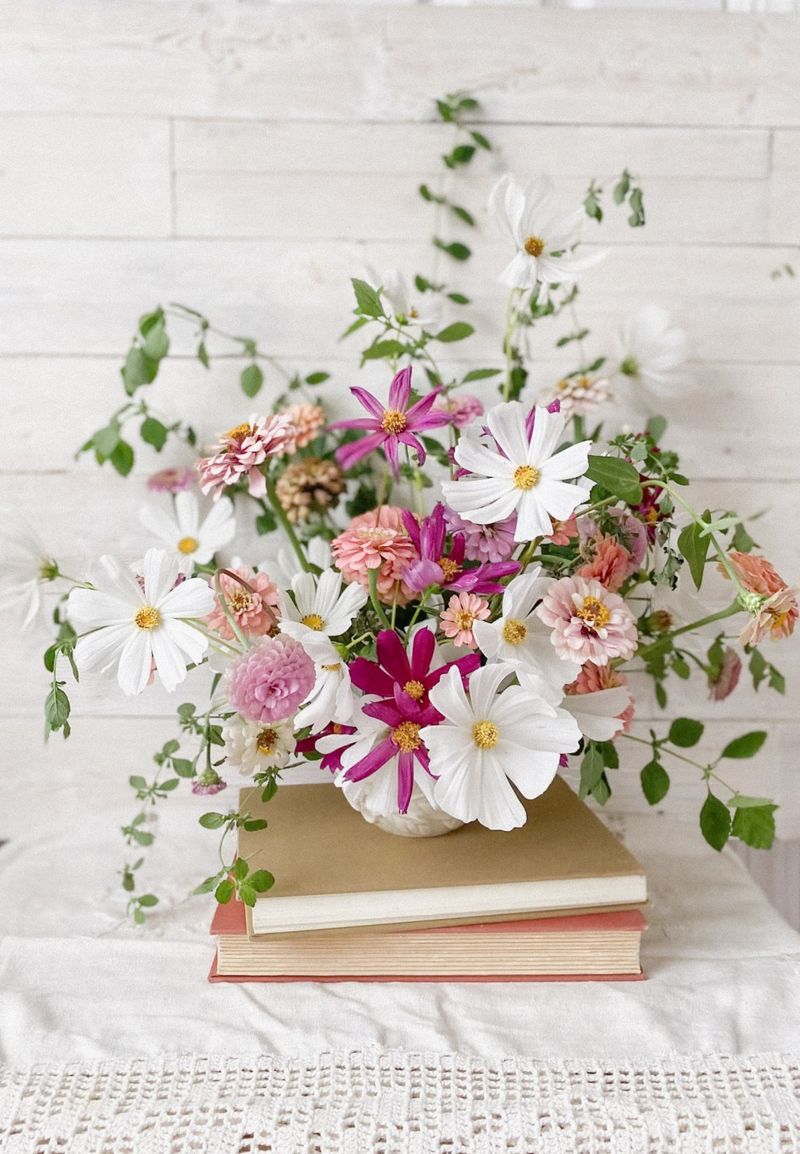
Light, airy, and endlessly productive, cosmos wave their daisy-like blooms on wispy stems that add movement to any bouquet. Sow seeds right in the ground after your last spring frost, or start them indoors four to six weeks ahead.
Pinch the plants at about 12 inches tall to spark vigorous branching. Harvest when buds are colored but not yet wide open, which both extends vase life and keeps insects from pollinating them early.
Drop a floral preservative in the water and keep the stems well hydrated. Some cultivars react to ethylene, and powdery mildew can creep in during humid stretches, so space plants out for good airflow.
Individual blooms last four to six days, but each stem keeps opening over about a week.
12. Sunflowers
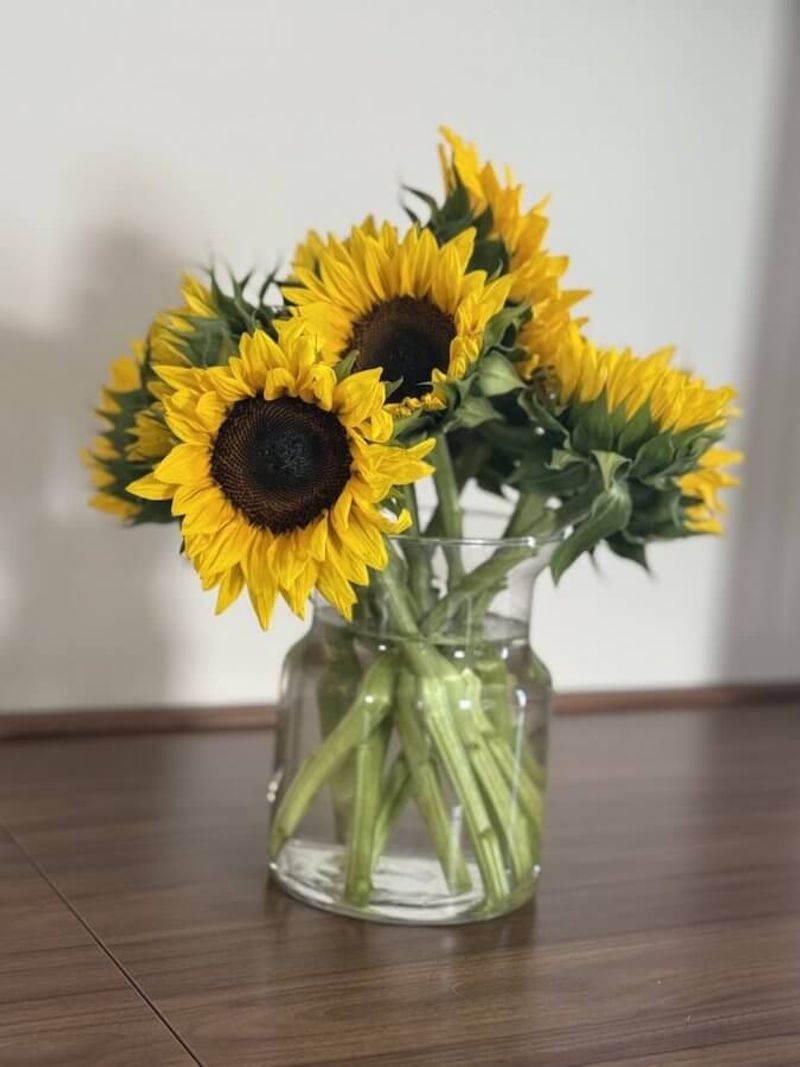
Nothing says sunshine quite like a sunflower, and pollen-free varieties keep your table clean while lasting the longest. Sow seeds in full sun after your last frost, spacing single-stem types 4 to 6 inches apart and branching types a bit wider.
Catch them at the “cracking color” stage, when the green bud just splits and the first hint of petal peeks out but has not unfurled. Strip the bottom three-fourths of the leaves before arranging.
These are heavy drinkers with thick, hairy stems that dirty the water quickly, so use a tall, sturdy vase and check levels daily. If a head droops, it is almost always thirst, so recut the stem and stand it in deep water for an hour to perk it back up.
Pollen-free single-stem types last 7 to 12 days.
13. Larkspur
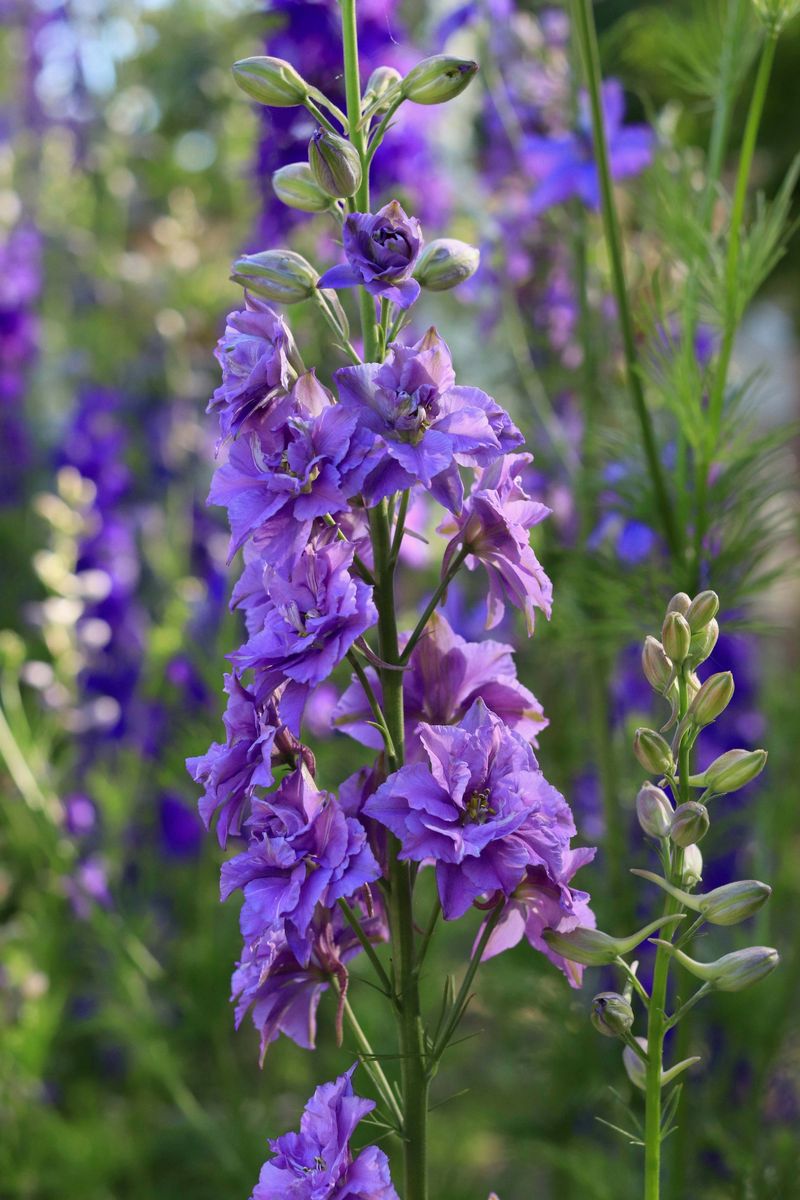
For that romantic, cottage-garden feeling, larkspur sends up tall, elegant spikes in soft blues, purples, pinks, and whites. It craves cool weather and full sun, and its seeds actually need a cold spell to wake up, so plant in early spring.
Taller varieties will flop without stakes or netting, so give them support early. Cut when only the lower third of the blooms have opened, since they keep opening from the bottom up right in the vase.
Trim an inch or two at a 45-degree angle, remove submerged foliage, and change the water every couple of days with floral preservative. The blooms are tender and drop petals if roughly handled, so be gentle.
Snipping back faded spikes encourages fresh ones to form.
14. Celosia
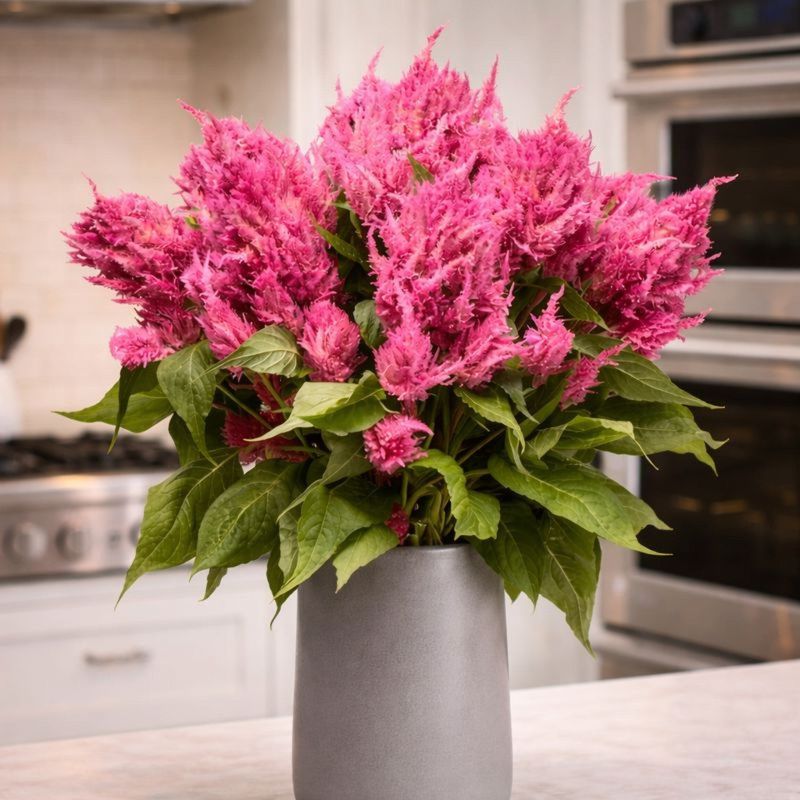
Unlike anything else on this list, celosia brings wild texture to the mix, either as feathery flame-like plumes or velvety, brain-like cockscombs. The colors are electric, from fiery reds to hot pinks and golds.
Start seeds indoors four to six weeks before your last frost, and give plants at least six to eight hours of direct sun, since shade produces weak, stubby stems. Harvest when heads are full, bright, and pass the firmness test, feeling thick, stiff, and fully developed.
Get the cut stems into cool, fresh water fast, trim on a diagonal, and add flower food or a touch of bleach to keep water clear. Keep moisture off the blooms and give plants airflow to fend off fungal trouble like botrytis.
Well-harvested celosia can last a generous 7 to 14 days.