
If Goosegrass Keeps Popping Up All Over Your Yard, Here Are 9 Hidden Uses That Make You Rethink Pulling It
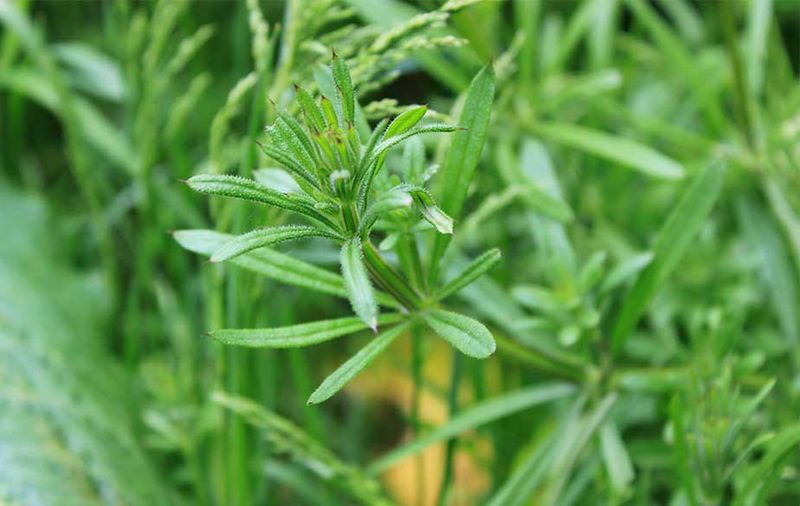
Goosegrass is that sticky, clingy plant that grabs onto your socks and seems to take over every corner of the yard. Most gardeners yank it out the second they spot it, but this scrappy weed is a lot more useful than it looks.
From free food to a clever trick for protecting your tomatoes, goosegrass has some surprising talents. Before you pull the next handful, take a look at what it can actually do for you.
1. A Nutritious Edible Green for Your Kitchen
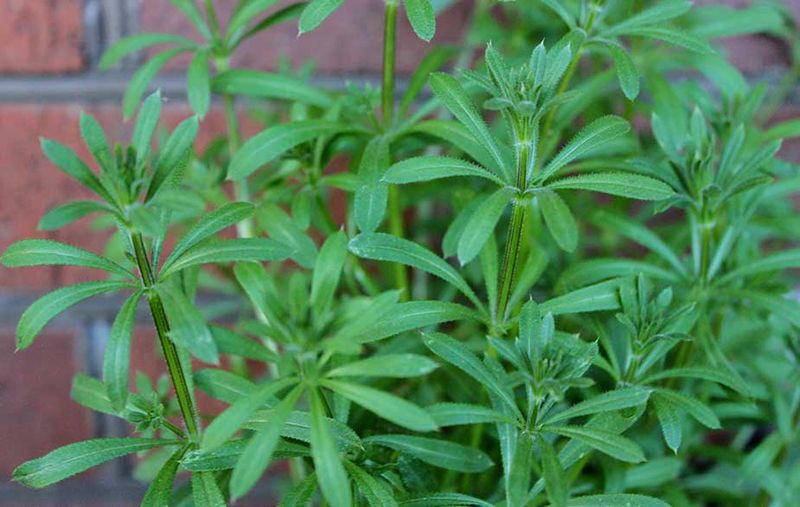
Ever wish you could grab a free salad straight from your backyard? Young goosegrass shoots and leaves are edible, and they give you a fresh leafy green without a single trip to the store.
The tender new growth is the part you want. Older plants turn fibrous and tough, so stick with the soft young stems.
You can boil them and toss them with a little olive oil or butter, drop them into soups and stews, or blend a handful into a green smoothie.
Give the leaves a good rinse first, since anything growing at ankle height picks up dust and critters. Start with a small taste to see how your stomach handles it before making it a regular thing.
It is a humble green, but knowing your yard can feed you feels pretty satisfying.
2. A Caffeine-Free Coffee Substitute
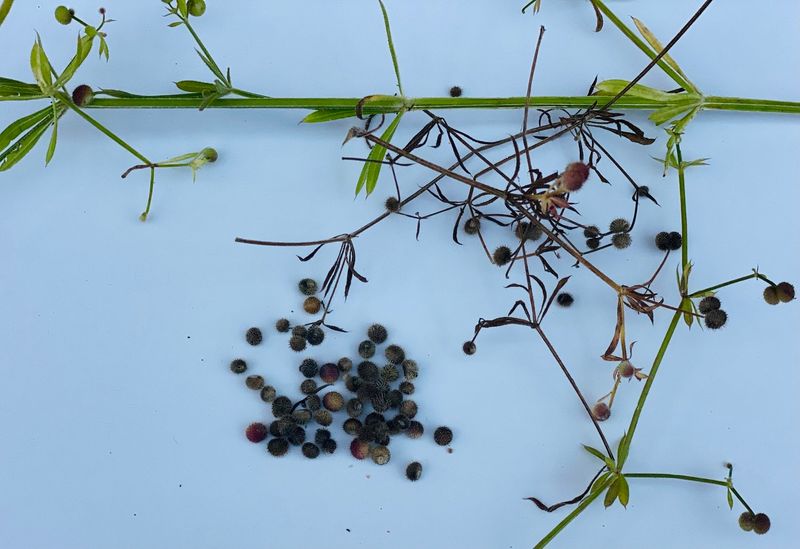
Here is a trick that sounds almost too clever to be true. Those little goosegrass seeds that stick to everything can be turned into a coffee-like drink with zero caffeine.
Wait until the seeds ripen, then roast them slowly at a low temperature until they darken. Grind them up and brew them like you would any coffee.
The result is a warm, earthy beverage that will not keep you buzzing at midnight. Goosegrass belongs to the same plant family as coffee, which is part of why the swap works so well.
If you are cutting back on caffeine but miss that morning ritual, it is a fun homegrown option to experiment with.
3. A Natural Aphid Trap to Protect Your Plants
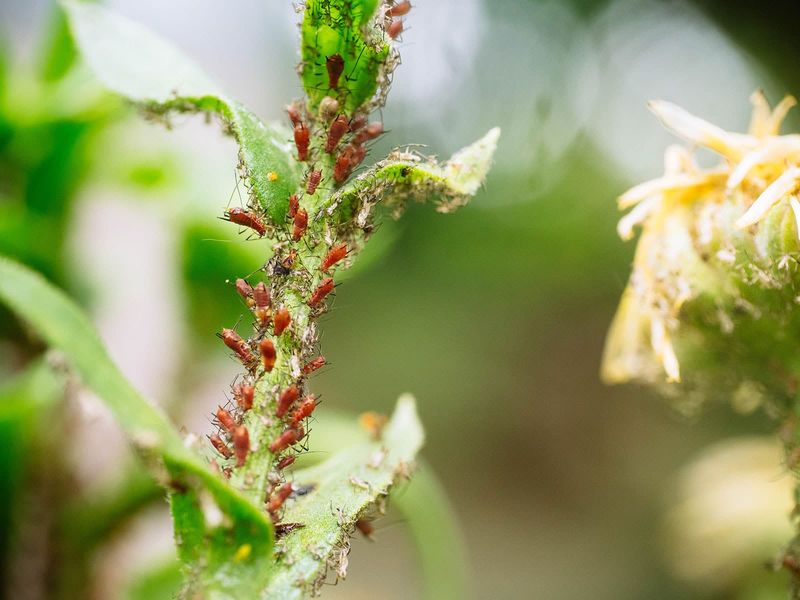
If aphids have been swarming your tomatoes, this use alone might change your mind about goosegrass. Aphids are drawn to it like a magnet, which makes the weed a handy decoy.
Gardeners call plants like this a trap crop. Instead of attacking your prized vegetables, the aphids gather on the goosegrass and leave your tomatoes, beans, peas, and lettuce alone.
The move is simple. Let a patch of goosegrass grow near your beds and let it soak up the pest pressure.
When it fills up with aphids, you can remove that plant and take a big chunk of the problem with it. It may not clear every bug, but it can pull a lot of them away from the plants you actually want to protect.
4. An Indicator and Helper for Compacted Soil
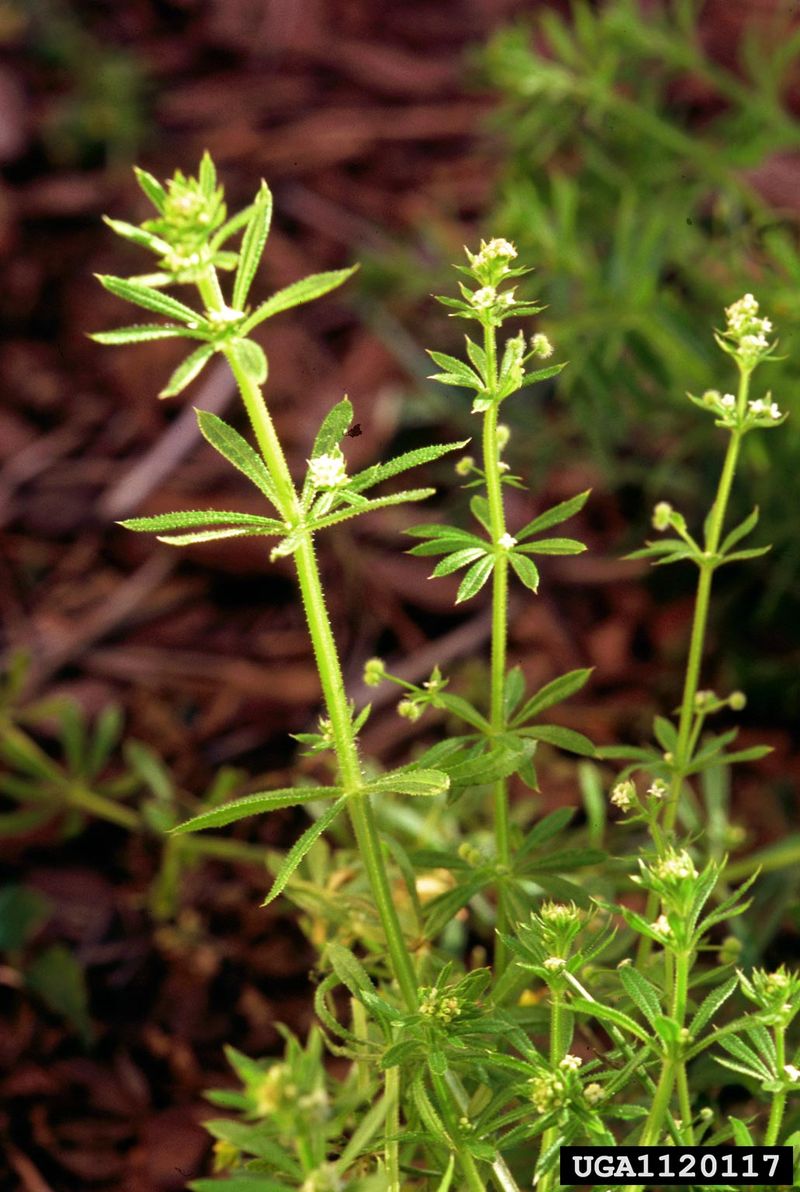
Sometimes a weed is trying to tell you something. When goosegrass spreads across your yard, it can be a signal that your soil is compacted and struggling underneath.
Goosegrass tolerates the tough, packed conditions that many plants hate. Its roots even help hold loose, sandy soil in place while it grows.
Seeing it take over is your cue to grab an aerator and loosen things up. Improving drainage and breaking up that hardpan will make your other plants far happier.
In a way, the weed is doing you a favor by pointing out a problem you might not have noticed until your favorite flowers started sulking.
5. A Chop-and-Drop Green Manure
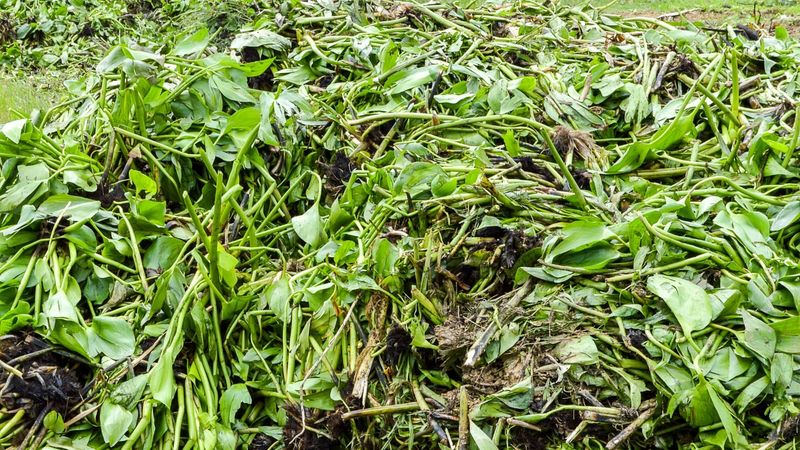
Free fertilizer hiding in plain sight? That is basically what goosegrass becomes when you treat it as green manure.
Catch the plants while they are young and before they set seed. Chop them up and drop them right onto your garden beds as mulch.
As they break down, they feed organic matter and nutrients back into the soil and improve its structure.
One warning matters here. Goosegrass seeds are tough little survivors that can make it through a typical backyard compost pile, so only use young, seedless plants for this trick.
Do it right, and you turn a nuisance into a nutrient boost for the plants you are actually growing on purpose.
6. A Welcome Forage for Backyard Animals

Keep a few chickens or geese? They might already be eyeing your goosegrass as a snack.
Plenty of backyard animals happily graze on it, including geese, chickens, horses, sheep, pigs, and even wandering deer. What you see as a pesky weed, they see as a free green buffet.
Rather than bagging it for the trash, toss a fresh handful into the run or let your flock free-range near a patch. Introduce any new forage gradually and keep an eye on how they react.
It is a tidy little loop where your yard weeds become part of the feed bill you get to skip.
7. A Natural Herbal Tea for Wellness
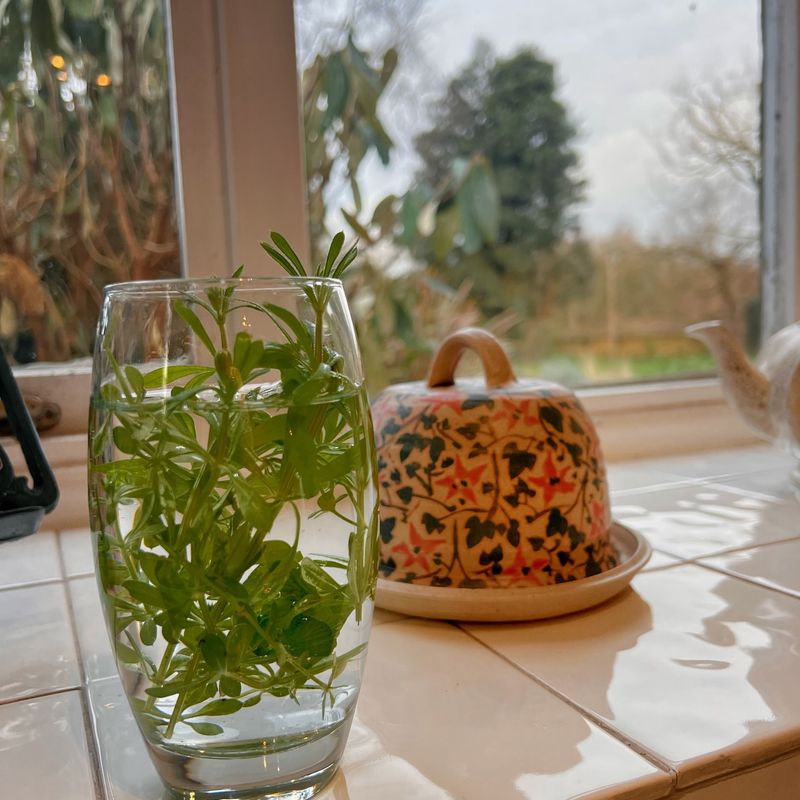
Long before it landed on the weed hit list, goosegrass had a spot in the herbal medicine cabinet. People have brewed it into tea for generations.
The plant is known for its diuretic properties, which means it may help support urinary tract health, reduce water retention, and assist the body’s natural way of flushing things out.
To make it, steep the fresh or dried plant in hot water like any other herbal infusion. The flavor is mild and grassy, nothing overpowering.
Always check with a healthcare professional before using any herb for a health reason, especially if you take medication or have a medical condition. Treat it as a gentle traditional drink, not a cure-all.
8. A Calming Poultice for Minor Skin Irritations
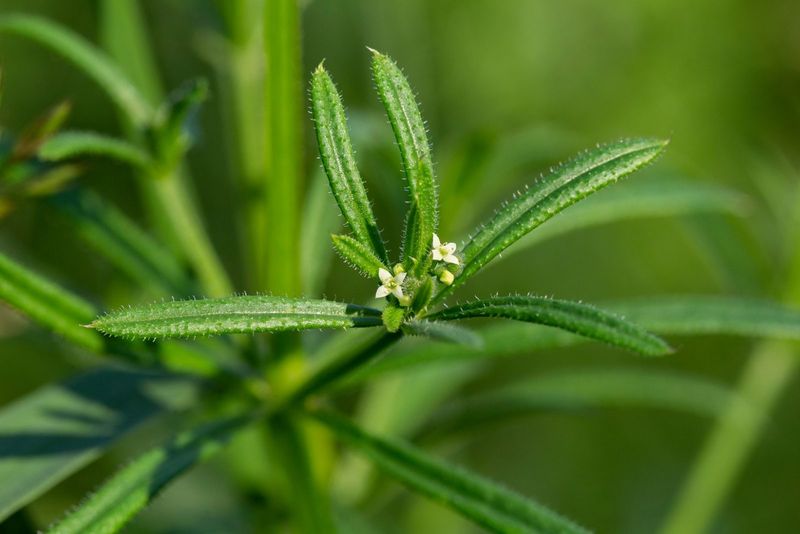
Folk remedies have leaned on goosegrass for skin troubles for a very long time. Crushed into a poultice, it has been applied to soothe irritated skin.
Traditionally, people used it for minor cuts, scrapes, and flare-ups of conditions like eczema or psoriasis. The plant is thought to have anti-inflammatory qualities that may calm redness and help minor wounds along.
Making one is straightforward. Mash up clean, fresh leaves into a paste and press it gently onto the irritated spot.
Do a small patch test first, since skin reacts differently for everyone, and see a doctor for anything serious or slow to heal. It is a humble old-fashioned trick worth knowing about even if you never need it.
9. Temporary Ground Cover to Suppress Other Weeds
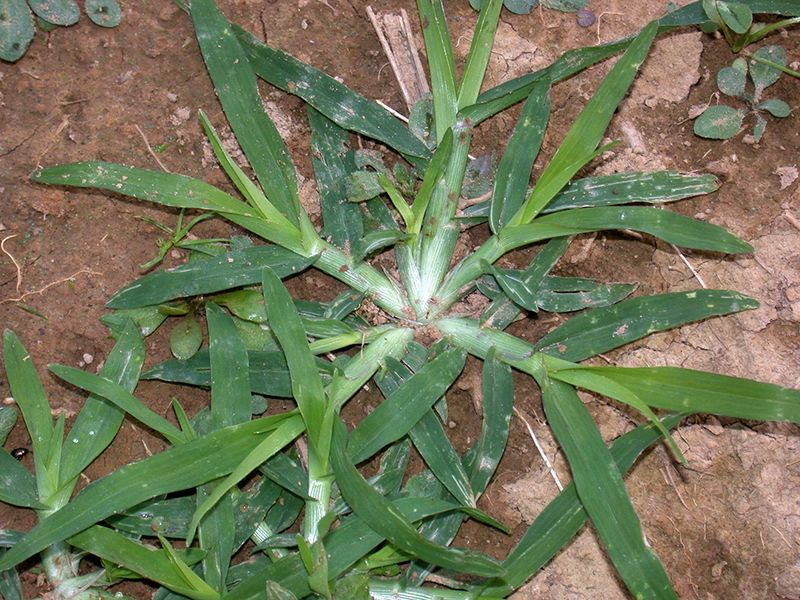
Fighting fire with fire has a certain appeal, and goosegrass can do exactly that with other weeds. In a contained patch, it will sprawl into a thick green mat.
That dense cover shades the ground, which can crowd out competing weeds and help the soil hold onto moisture during dry stretches.
Here is the catch you cannot ignore. Goosegrass grows fast and self-seeds like crazy, so it will happily escape and bully your good plants if you let it.
Use it only where you can rip it out before it goes to seed, and stay on top of its spread. Handled with a firm hand, this pushy weed can pull temporary duty as a living blanket over bare soil.