
Crushing Sage Releases More Aroma, But Here Is What the Mosquito Research Actually Shows
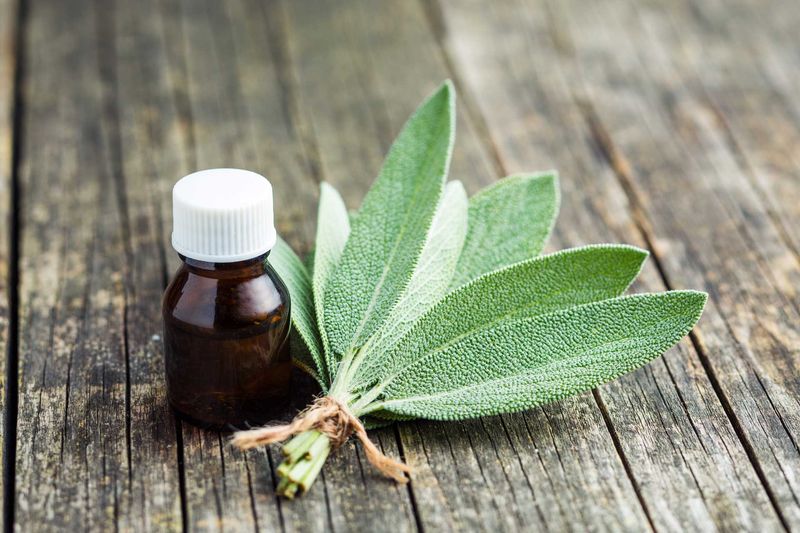
Mosquitoes seem to find you the second you pull up a chair outside, and it is natural to look for a simple fix growing right in the garden. Culinary sage has a reputation for keeping bugs at bay, and some gardeners swear that crushing a few leaves does the trick.
The truth is more interesting than the shortcut, and understanding what actually happens inside a sage leaf can help you decide when the experiment is worth trying and when you need something stronger.
Damaging sage leaves releases more of their aroma
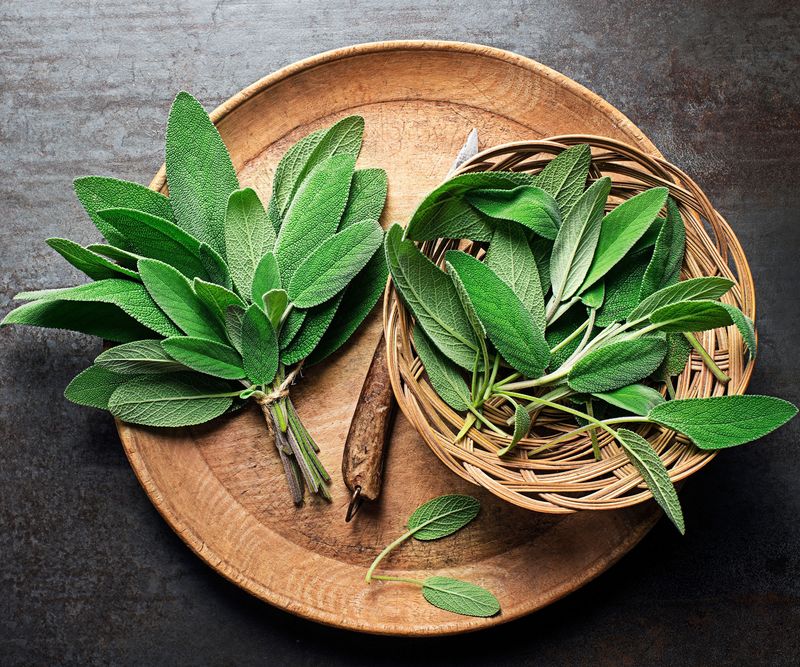
Pick up a sprig of culinary sage and hold it without squeezing. The scent is mild, almost polite.
Pinch or tear the same leaf and the aroma sharpens immediately. That difference is not accidental; it comes from the plant’s structure.
Research on glandular trichomes in Salvia officinalis shows that the leaves of culinary sage carry tiny oil-producing and oil-storing structures called glandular trichomes. These microscopic glands sit on the leaf surface and hold concentrated pockets of volatile compounds.
When the leaf tissue is intact, those compounds stay mostly contained inside the glands. Bruising, tearing, or crushing the tissue breaks the gland walls and allows the stored oils to escape into the surrounding air.
The result is a quick, noticeable burst of scent that fades as the volatile compounds evaporate. This is why a freshly crushed sage leaf smells far more intense than an untouched plant sitting beside your chair.
The plant is not suddenly producing more oil; the physical damage is simply unlocking what was already there.
That release mechanism is real and well-documented in plant biology. What it does not automatically tell you is whether the released compounds affect mosquitoes in any meaningful way at the concentrations reached outdoors.
Iowa State University Extension notes that aromatic plants release more scent when their leaves are handled, but also cautions that living plants generally do not produce a reliable mosquito-free zone. Increased aroma explains why crushed sage smells different.
Mosquito repellency is a separate question that requires separate evidence.
Sage releases volatile compounds when its tissue is bruised
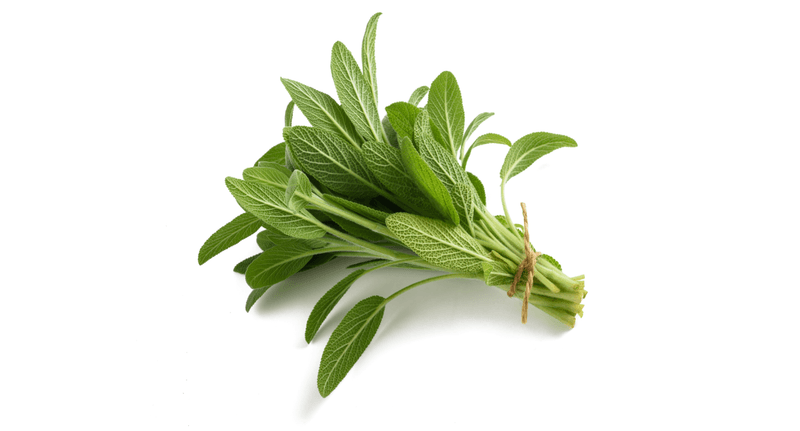
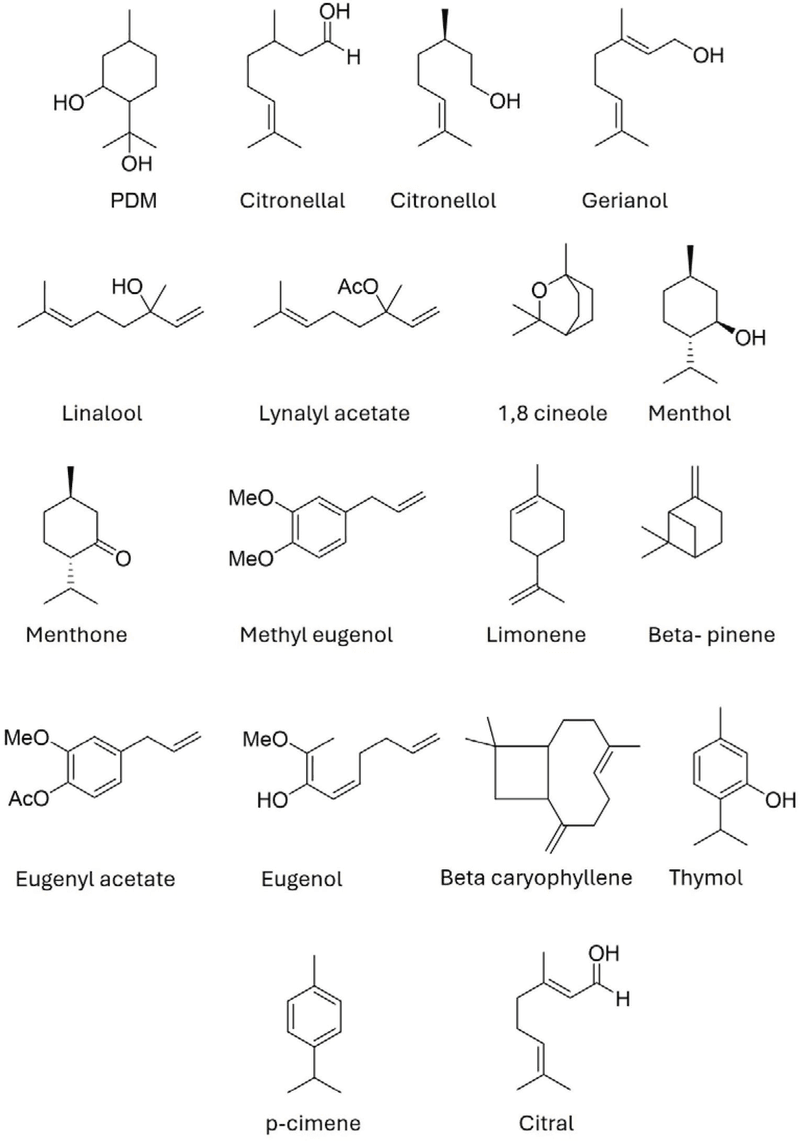
Culinary sage, Salvia officinalis, contains a mix of volatile compounds that give it the sharp, slightly medicinal smell most cooks recognize. Among the most studied are camphor and thujene-related terpenes, along with other constituents such as 1,8-cineole and borneol.
Analysis of S. officinalis essential oil confirms that these compounds vary in proportion depending on the plant’s origin, growing conditions, the part of the plant sampled, harvest timing, and the method used to extract the oil.
That variability matters more than it might seem. Two sage plants growing in different soil or harvested at different times of season can have meaningfully different chemical profiles.
A plant stressed by heat or drought may produce different concentrations than one growing in cool, moist conditions. This means there is no single fixed formula for what a handful of backyard sage will release when crushed.
When leaf tissue is bruised, the volatile compounds that escape into the air are real and detectable to the human nose. A stronger human scent does not automatically translate into stronger, longer-lasting, or dependable deterrence for insects, though.
The nose is sensitive to aromatic compounds at concentrations far lower than what might actually influence mosquito behavior.
Laboratory studies on Salvia essential oils work with extracted, concentrated oil at carefully measured doses, not with the ambient scent drifting from a few crushed leaves. Penn State Extension acknowledges that rubbing crushed aromatic leaves can release scent compounds, but also warns that any effect is fleeting and that skin contact with plant material may cause irritation.
A stronger smell from your garden herb is an interesting starting point, not a confirmed outcome.
The mosquito studies tested sage oil, not crushed kitchen leaves
Laboratory research on sage and mosquitoes does exist, and the findings are genuinely interesting. The problem is that what those studies tested and what a backyard gardener actually does are two very different things.
A study comparing four Salvia essential oils against two mosquito species found that S. officinalis oil showed biting-deterrent activity under controlled laboratory conditions. The researchers used extracted, concentrated essential oil applied at measured doses to specific test surfaces, then exposed particular mosquito species to those surfaces.
The conditions were carefully managed, repeatable, and designed to isolate the oil’s effect. That is what makes a laboratory study useful for understanding chemistry.
It is also what makes it hard to apply directly to a patio scenario.
The same comparative study found that S. officinalis oil was less active than several other Salvia species tested and performed below DEET in biting deterrence. That is not a reason to dismiss sage research entirely, but it is a reason to be cautious about treating sage as an equivalent or near-equivalent to proven repellents.
Other chemical analyses of S. officinalis document the presence of mosquito-relevant compounds, reinforcing that the plant’s chemistry has biological interest. Still, a handful of bruised leaves in open air delivers an unknown, almost certainly much lower dose of those compounds than a concentrated extract applied in a closed test chamber.
Research on other Salvia species similarly demonstrates activity from extracted oil under controlled conditions, but none of these studies measure the ambient scent from crushed leaves placed beside a person sitting outdoors.
Sage chemistry has real deterrent potential worth studying. What the current evidence does not show is that crushing culinary leaves next to your chair reliably protects the person sitting in it.
A crushed-sage trial can test the scent, not guarantee protection
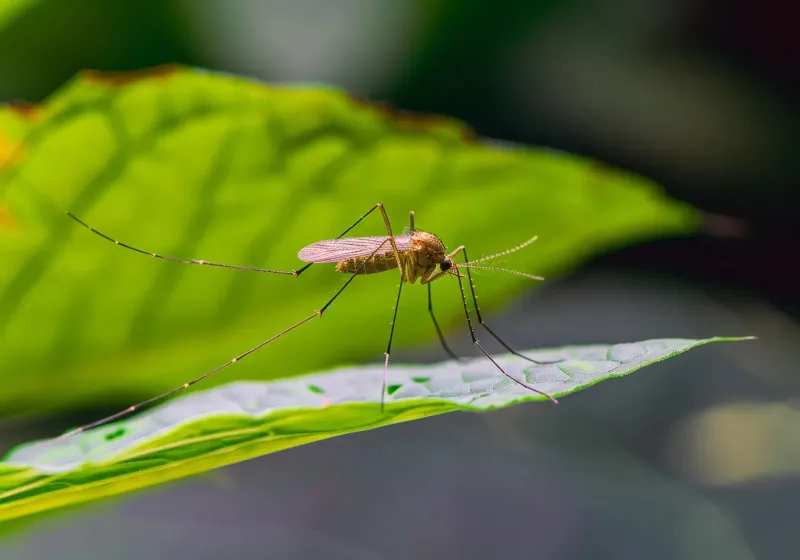
Trying crushed sage near your seating area is a reasonable informal experiment, as long as you are clear about what you are testing. You are testing the scent, not establishing a protective barrier.
To try it, take a small handful of fresh culinary sage leaves and bruise or crush them firmly between your fingers or with the back of a spoon. Place the crushed leaves on a nearby surface, such as a table or armrest, close to where you are sitting.
Notice the aroma. It will likely be sharp and pleasant for a few minutes, then fade as the volatile compounds evaporate into the air.
That fading is normal and expected. Penn State Extension notes that any scent effect from crushed aromatic leaves is fleeting, and also cautions that rubbing plant material directly on skin or clothing may cause irritation without providing verified protection.
Do not rub the crushed leaves on your arms or legs as a substitute for repellent. The scent experiment is about observing what the plant releases into nearby air, not applying an untested preparation to skin.
Iowa State University Extension and Clemson Cooperative Extension both point out that aromatic plants, even strongly scented ones, generally do not produce a meaningful mosquito-free zone outdoors. The scent dissipates, wind disperses it, and the concentration reaching a mosquito’s antennae is unlikely to match what laboratory tests used.
Field research reinforces this caution. A study evaluating ornamental mosquito-repellent plants in realistic outdoor conditions found no meaningful reduction in mosquito captures from intact or mechanically damaged plants, while a commercial spatial-repellent device did reduce captures.
That study used different plant species, not sage, but the finding illustrates why a living or freshly crushed plant beside a chair should not be assumed to work the way a tested product does. Enjoy the aroma if you like it, and stay curious about the biology, but treat the result as an observation rather than protection.
Species, dose, weather, and wind can change the result
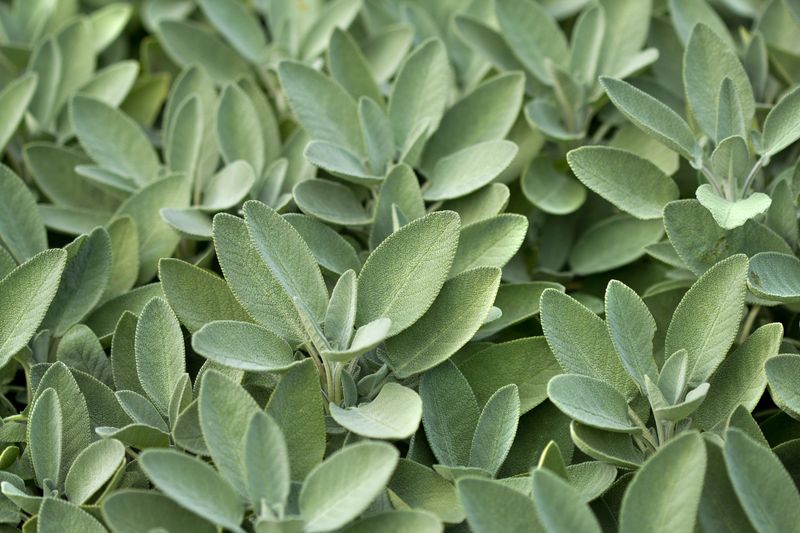
Even if crushed culinary sage produced consistent deterrent effects in a controlled setting, several real-world variables would make the outcome unpredictable in a backyard. Starting with the plant itself: “sage” is not one thing.
Garden centers sell culinary sage (Salvia officinalis), pineapple sage, clary sage, Mexican bush sage, and many ornamental salvias under the same common name. The comparative Salvia study tested four distinct species and found meaningfully different activity levels among them.
Evidence for one Salvia species does not transfer automatically to another. If the plant in your garden is an ornamental salvia rather than true S. officinalis, the chemistry may be quite different from what the research measured.
Mosquito species add another layer. Studies test specific insects, often Aedes aegypti, Aedes albopictus, or Anopheles species.
Research on Salvia essential oils against multiple mosquito species shows that activity can vary across species. The mosquitoes visiting your patio may not be the same species tested in any published study.
Dose and delivery matter enormously. Plant-oil repellency studies consistently show that effectiveness is dose-dependent and that many plant oils evaporate quickly, shortening any window of activity.
A concentrated extract applied to a test surface delivers a reliably measured amount. Crushed leaves placed on a patio table deliver an unknown quantity that begins evaporating immediately.
Temperature and wind make the outdoor situation even harder to predict. Warm air speeds evaporation, reducing the time volatile compounds remain near the seating area.
Chemical composition analysis of S. officinalis also shows that the plant’s volatile profile shifts with growing conditions, meaning two different plants or two different harvests may not perform the same way. There is no established protection radius or reliable number of hours that applies to crushed kitchen sage outdoors.
Use registered repellents when avoiding bites matters
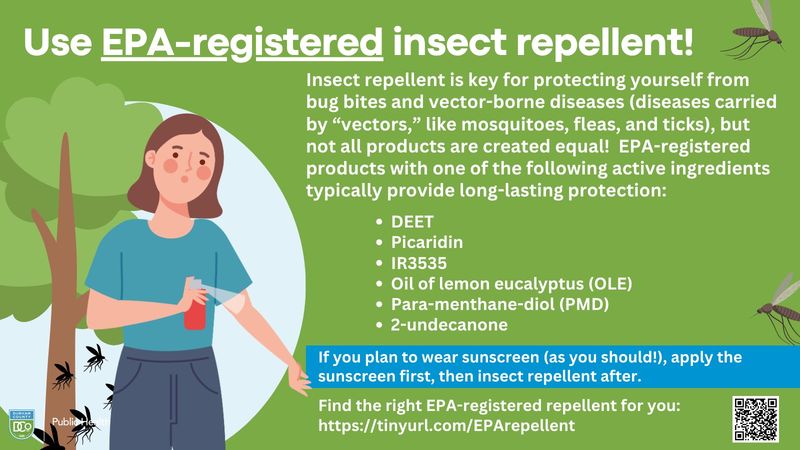
Crushed sage is a scent experiment. When preventing bites actually matters, the tools that have been tested, reviewed, and registered for that purpose are the ones worth reaching for.
CDC guidance on preventing mosquito bites recommends EPA-registered repellents used according to the product label. Active ingredients with established safety and effectiveness records include DEET, picaridin, IR3535, oil of lemon eucalyptus or its derivative PMD, and 2-undecanone.
Each has been evaluated for both effectiveness and safety through the EPA registration process. CDC explicitly states that the effectiveness of many non-EPA-registered natural repellents is unknown.
The joint EPA and CDC statement on insect repellents reinforces that registered products should be applied following label directions, including guidance on reapplication intervals, use around children, and application near eyes and mouth. A repellent used correctly and reapplied on schedule gives you a known level of protection that no amount of crushed herb can match.
Physical measures add meaningful protection alongside repellents. Loose-fitting long sleeves and pants reduce exposed skin.
Clothing treated with permethrin provides an additional barrier. Screens and air conditioning keep mosquitoes out of the immediate environment.
CDC also recommends eliminating or managing standing water around the home, since that is where mosquitoes breed. Emptying containers, maintaining gutters, and treating water features can reduce the local mosquito population over time.
One more thing worth knowing about homemade sage preparations: Poison Control notes that essential oils can cause irritation, allergic reactions, and serious harm when swallowed or misused, and should be kept away from children and pets. Do not apply undiluted sage oil or homemade leaf preparations to skin as a repellent substitute.
The concentration and composition of a homemade preparation are inconsistent, and the risk of skin irritation or sensitization is real without any verified protective benefit to offset it.
Crushed sage may add scent, but it is not a mosquito shield
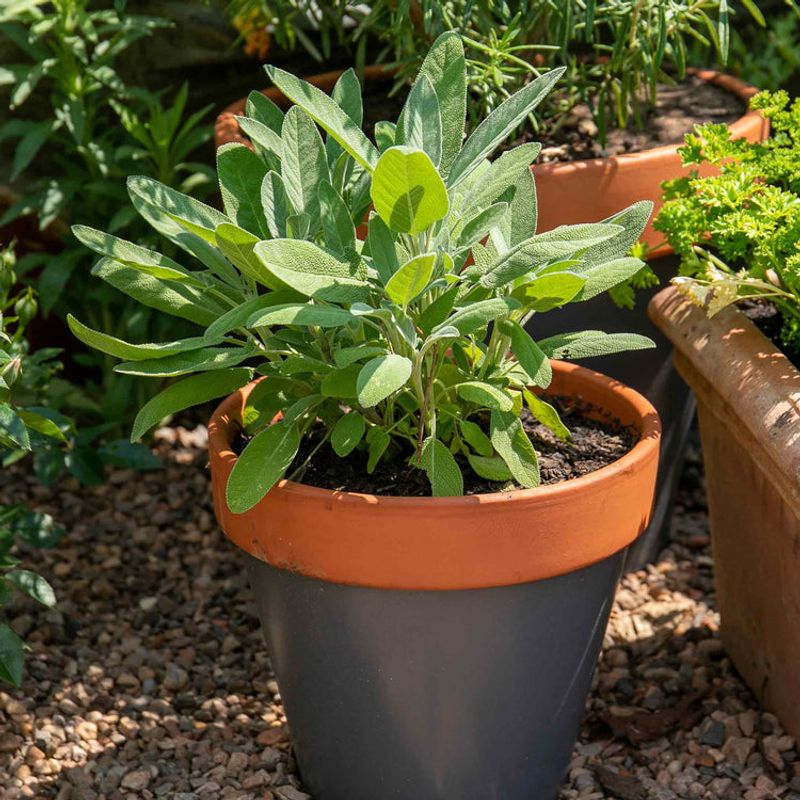
Bruising or crushing culinary sage leaves does release more aromatic compounds than leaving the plant untouched. That part of the popular claim holds up.
The volatile oils stored in the leaf’s glandular structures escape when the tissue breaks, creating a brief, noticeable scent in the immediate area.
What the available evidence does not show is that this scent creates dependable outdoor protection from mosquitoes. Penn State Extension and other university sources consistently describe any effect from crushed aromatic leaves as fleeting and insufficient to establish a reliable barrier.
Laboratory studies tested concentrated extracted oil, not ambient scent from a few bruised leaves, and even those controlled studies found S. officinalis oil less active than DEET.
The practical decision is straightforward. If you enjoy the smell of fresh sage and want to crush a few leaves near your seating area as a sensory experiment, go ahead.
Expect the aroma to fade within minutes and do not treat the result as protection. When mosquito bites or the diseases they can carry are a real concern, CDC-recommended EPA-registered repellents and established exposure-reduction measures are what actually stand between you and a bite.
Your sage plant is a fine herb for cooking; its mosquito credentials are still waiting on better evidence.