
If Hummingbirds Stop Visiting As Flowers Fade, Here Are 12 Feeder Fillers That Bring Them Back (And 6 To Never Use)
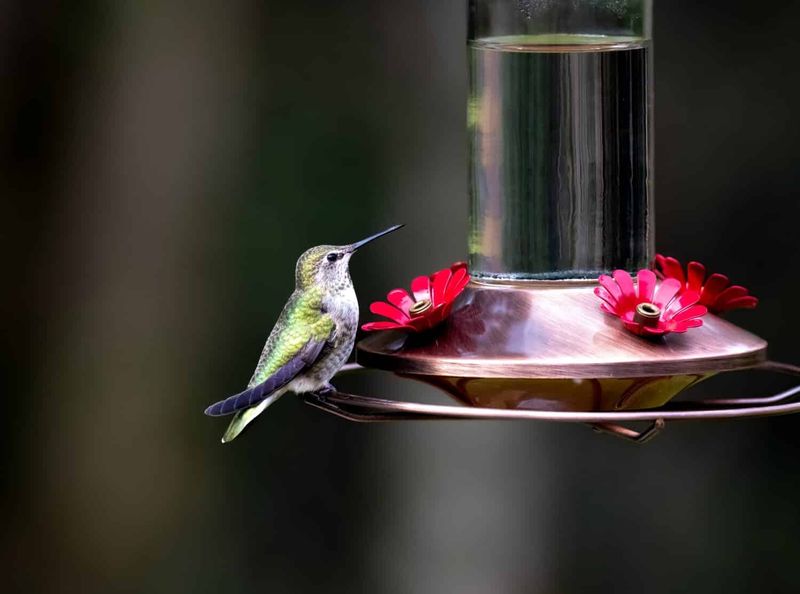
When the flowers in your yard start to fade, the hummingbirds you love watching can suddenly disappear too. The good news is that a clean feeder filled with the right nectar can pull them right back to your porch.
But not every sweet mix is safe, and some common pantry items can actually make these tiny birds sick. Here are 12 feeder fillers that keep hummingbirds coming, plus 6 you should never pour in.
1. Plain White Granulated Sugar and Water (The 1:4 Classic)
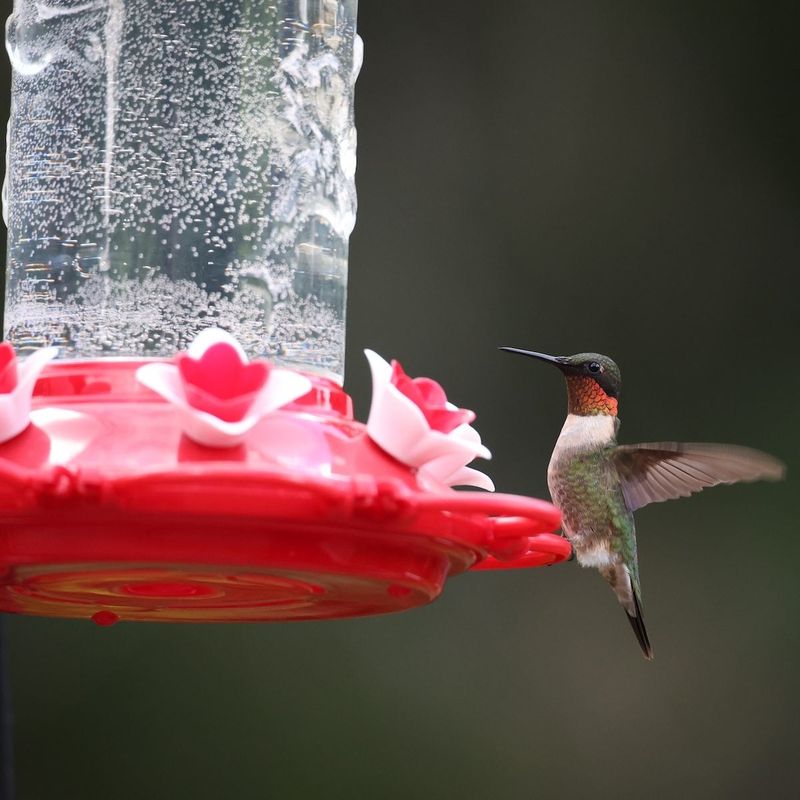
If you only ever memorize one recipe, make it this one. Mix one part refined white granulated sugar into four parts water, stir until it disappears, and you have nectar that almost perfectly copies what hummingbirds sip from real flowers.
The magic is in the sucrose, the same sugar found in natural blossoms. Both cane sugar and beet sugar work, so you likely already have the right bag in your cabinet.
No coloring, no extras, no fuss. This simple 1:4 blend is the gold standard that every wildlife expert points back to, and it is exactly what brings faded-flower stragglers back to your yard.
2. Cold Weather and Early Spring Nectar (The 1:3 Energy Boost)
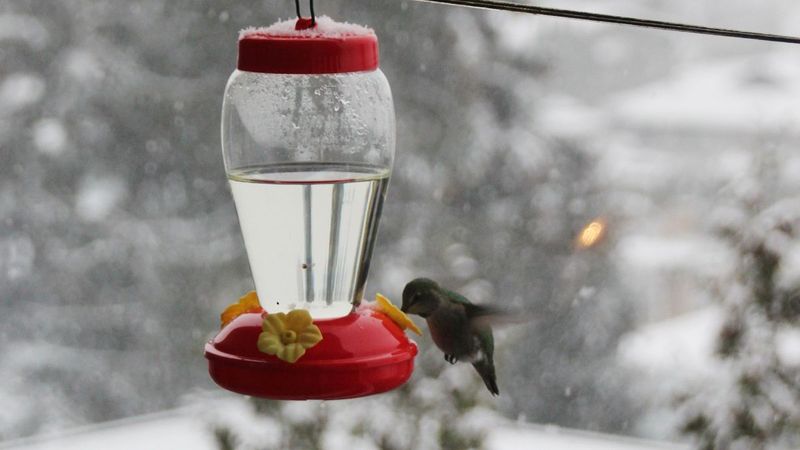
Picture a tiny bird burning through its fuel just to stay warm on a chilly spring morning. During those cold snaps and early migration, a slightly richer mix of one part sugar to three parts water gives them extra calories when they need them most.
The stronger concentration acts like a warm meal on a cold day, helping birds that are working overtime to hold their body heat.
Treat this as a temporary boost, not the everyday pour. Once the weather warms up and flowers return, switch back to the standard 1:4 ratio so the nectar stays easy on their systems.
3. Cane Sugar Nectar
Cane sugar earns its own spot because so many gardeners reach for it first, and it is a completely safe choice. Pulled from sugarcane and fully refined into pure sucrose, it dissolves cleanly and mimics natural nectar without any hidden surprises.
There is no molasses left behind and no odd minerals to worry about, which is exactly what you want in a feeder.
Fun fact: hummingbirds cannot taste the difference between cane and beet sugar because both break down into the same simple sugars their bodies crave. Either one keeps your visitors happy and healthy.
4. Beet Sugar Nectar
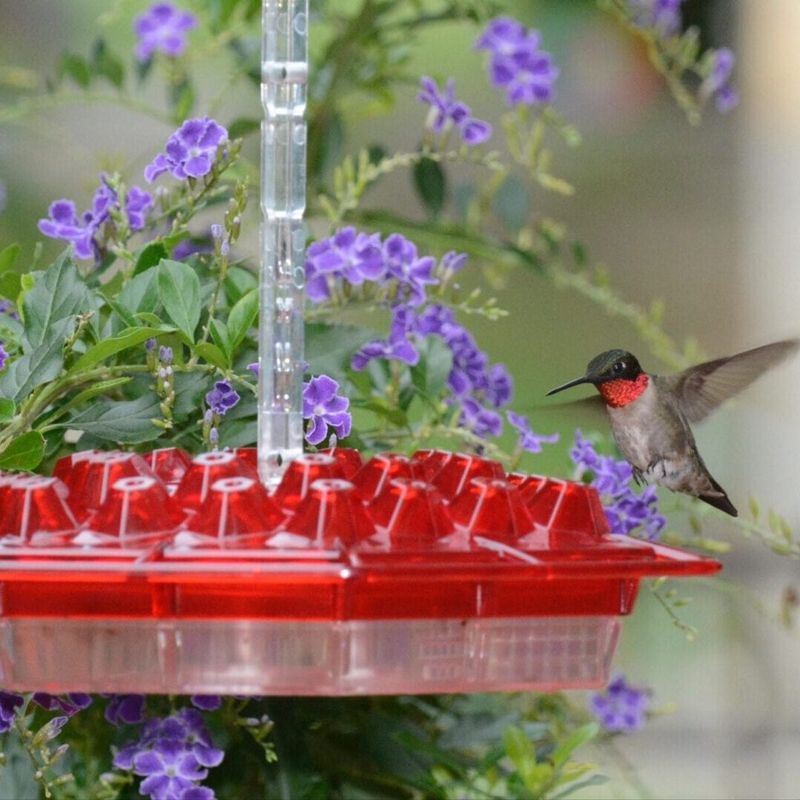
Beet sugar rarely gets a headline, but it deserves a nod because it is just as good as its cane cousin. Refined from sugar beets, it becomes the same pure sucrose that hummingbirds pull from flower blooms.
Most white sugar sold in stores is a mix of cane and beet anyway, so you have probably been using it without realizing.
The takeaway is simple and freeing: you do not need a fancy specialty product. Grab whatever refined white granulated sugar is on the shelf, cane or beet, and your feeder will do its job.
5. Boiled-Then-Cooled Nectar
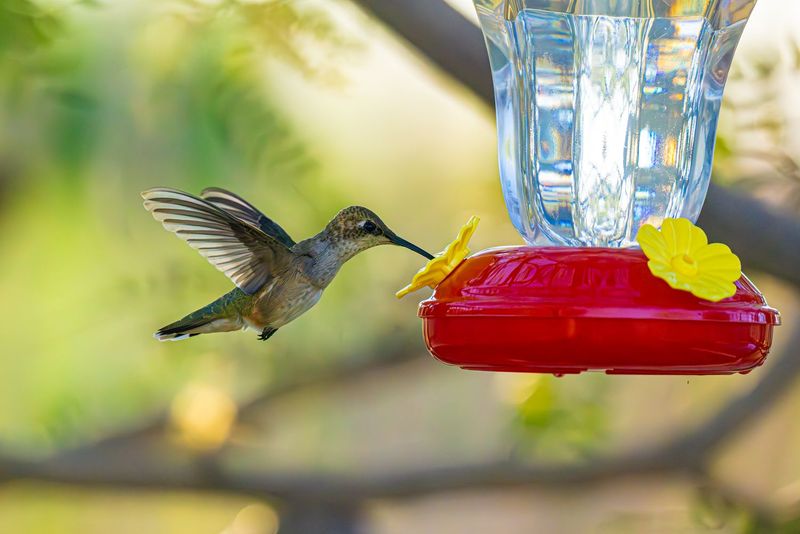
Here is a small trick that makes a big difference if your tap water is iffy. Boiling the water before you mix in the sugar helps chase out impurities and slows down how fast the nectar goes bad.
Stir the sugar in while the water is still warm so it dissolves fully, then let the whole thing cool to room temperature before filling the feeder.
Never pour hot nectar into a feeder and never serve it warm to the birds. The extra few minutes of cooling protects both your feeder and the little visitors depending on it.
6. Refrigerator-Stored Batch Nectar
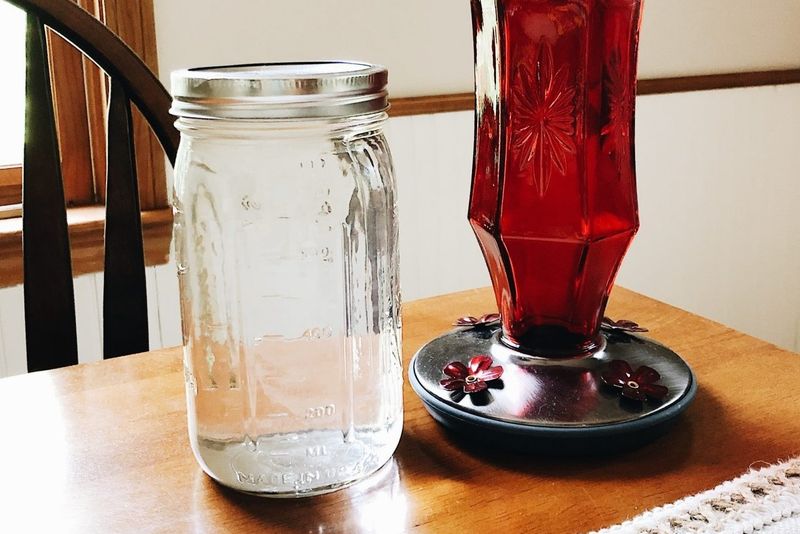
Making one big batch and stashing it saves you a lot of daily kitchen time. Extra nectar keeps nicely in the refrigerator for up to two weeks, so you can refill in seconds instead of measuring every single day.
Keep it in a clean, sealed jar and give it a quick sniff before each use to be sure it still smells fresh.
If you notice cloudiness or an odd odor, toss it and start over. A ready-to-pour supply in the fridge means your feeder never sits empty when a hungry bird swings by.
7. Freshly Refilled Nectar in a Shaded Feeder

Where you hang the feeder matters almost as much as what goes in it. Nectar sitting in direct sun ferments and spoils fast, sometimes in a single hot afternoon, so tuck your feeder into a shaded spot.
A cooler location under a tree or eave keeps the sugar water fresh far longer and stretches the time between changes.
Fresh nectar in shade is the combo that turns an occasional visitor into a regular. Birds remember reliable, clean food sources and will circle back day after day.
8. Nectar in a Red-Accented Feeder
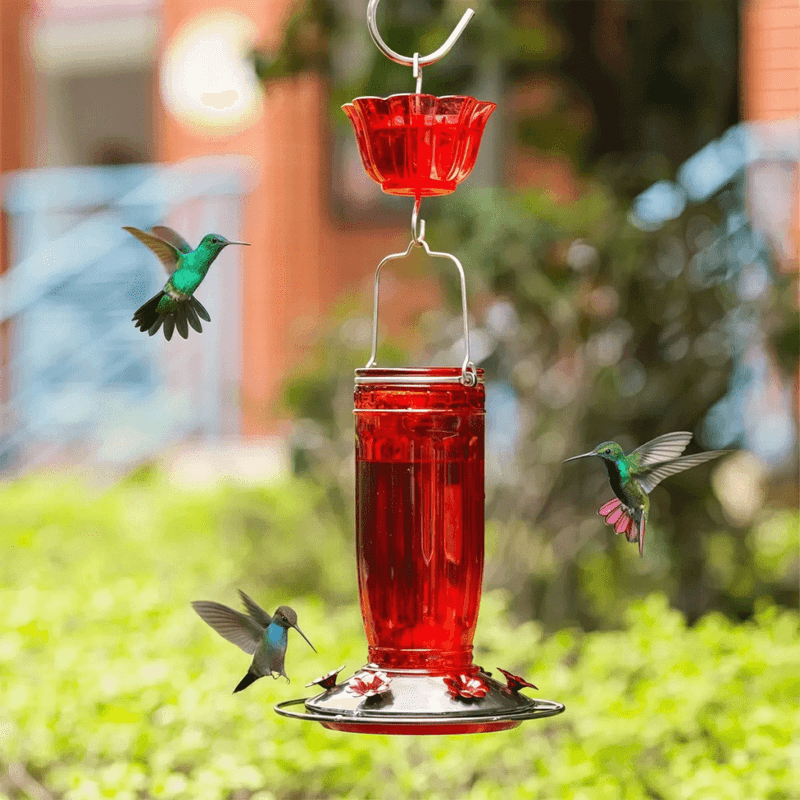
Color is the flag that flags down passing hummingbirds. These birds are naturally drawn to red, which is why so many feeders sport red bases, ports, or flowers.
If your feeder is mostly clear or plain, tie a red ribbon near it to catch their eye from across the yard.
Skip the temptation to dye the nectar itself. The red should live on the feeder, not in the sugar water, and that bright accent alone is plenty to guide them home.
9. Nectar in a Freshly Cleaned Feeder
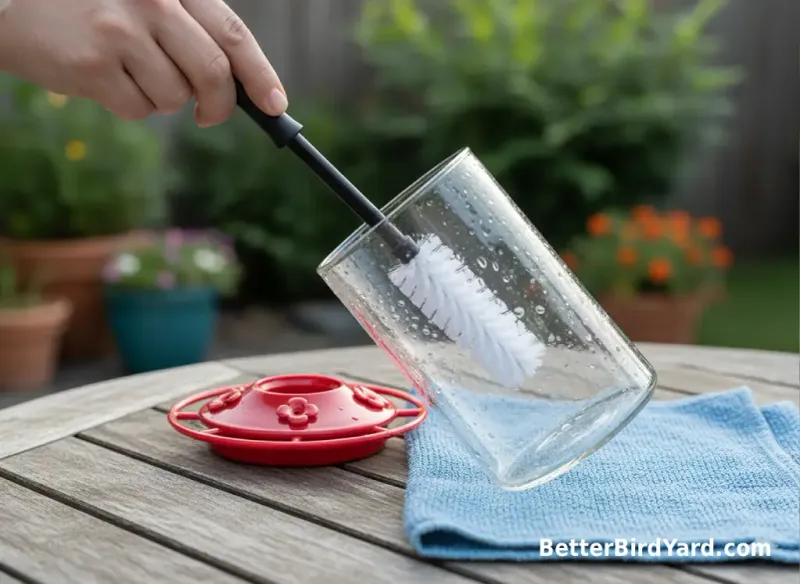
Even perfect nectar turns dangerous inside a dirty feeder. Mold and bacteria love sugar water, so a clean feeder is really the secret ingredient that keeps birds coming back.
In hot weather, clean daily or every other day. In mild weather, every three days works, and in cool weather, twice a week is enough.
Use hot water and a bottle brush to scrub every port and crevice where gunk likes to hide. A sparkling feeder filled with fresh nectar is the safest meal you can offer.
10. Vinegar-Rinsed Feeder Nectar
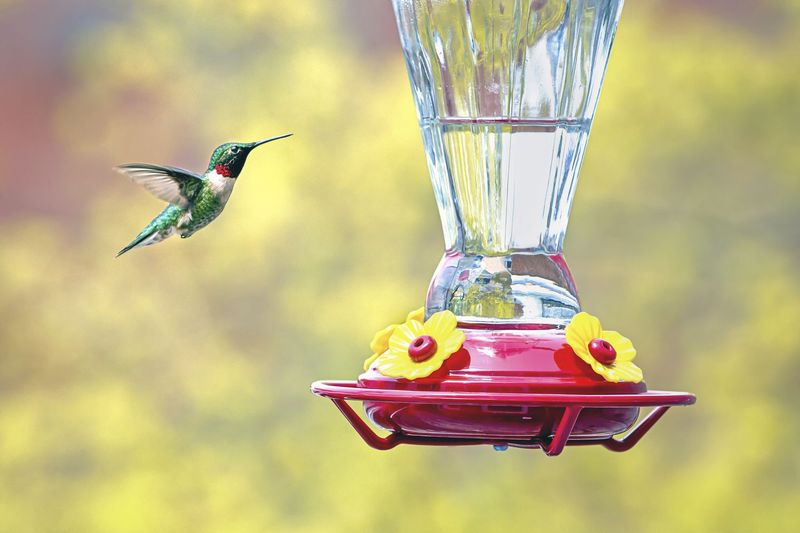
Sometimes a bottle brush alone cannot reach the grime, and that is where a gentle vinegar rinse shines. A weak solution of one part white vinegar to two parts water safely breaks down buildup in those tiny ports.
It cuts through residue without leaving behind chemicals that could bother sensitive birds.
Rinse thoroughly with plain water afterward so no vinegar taste lingers. This natural deep-clean keeps the feeder ready for fresh nectar, and the birds never know the difference.
11. Bleach-Sanitized Feeder Nectar
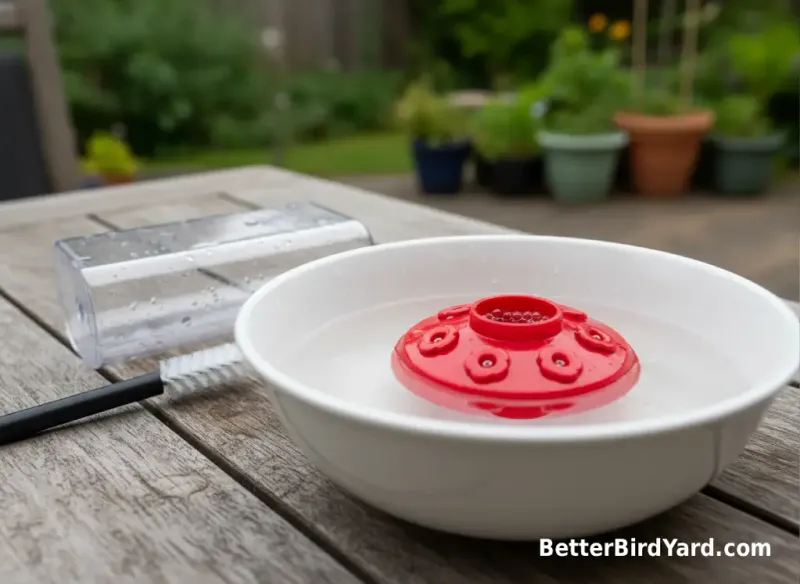
For a feeder that has developed stubborn black mold, a diluted bleach soak is the heavy-duty fix. Mix just one tablespoon of bleach per quart of water to sanitize deeply without harming the birds later.
Let the feeder soak, scrub the trouble spots, and you will knock out fungus that regular washing misses.
The golden rule here is rinsing until every trace of bleach is gone. Do this right, refill with fresh nectar, and you have essentially reset the feeder to brand-new safety.
12. Soap-Free, Residue-Free Nectar
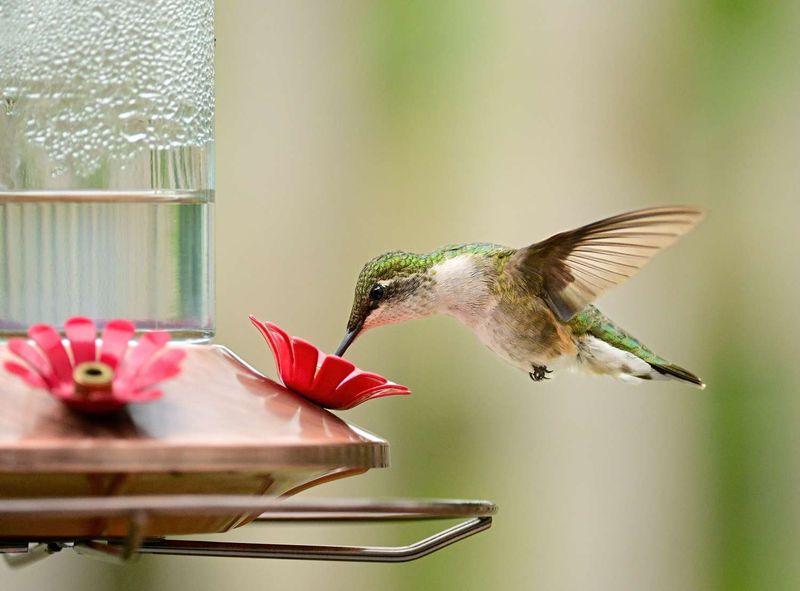
You might assume dish soap is the way to a clean feeder, but hummingbirds are surprisingly sensitive to leftover soap residue. Sticking to hot water, brushes, vinegar, or diluted bleach keeps their food free of anything that might irritate them.
Soap film can cling inside the ports and taint the nectar, even after what looks like a good rinse.
Keeping things soap-free is one of those quiet habits that protects birds without any extra effort. Clean gear plus safe nectar equals a feeder they can trust every visit.