
North Carolina Counties Are Banning These Plants And Homeowners Deserve To Know Which Ones
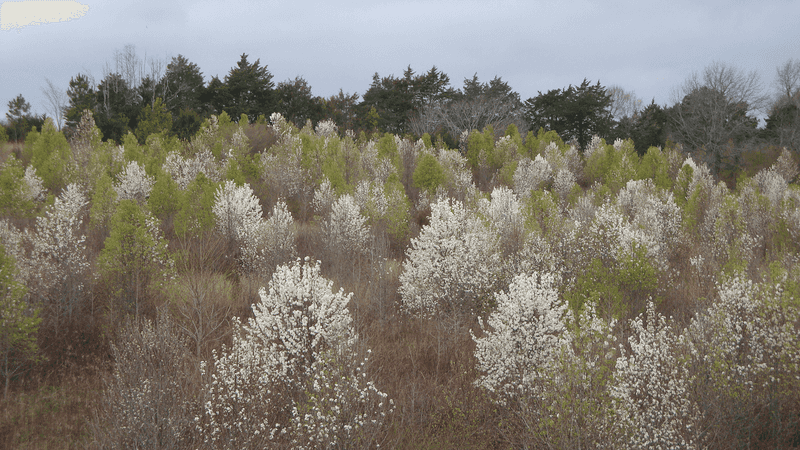
If you garden anywhere in North Carolina, some of the plants sold at big-box stores are actually illegal to grow, sell, or move across county lines. State and county rules target invasive plants that choke out our native species and hurt the box turtles, fireflies, and songbirds we love.
Knowing which plants made the list helps you protect your own yard and swap in natives that give wildlife a real home. Here are seven plants NC keeps a close eye on, and what to plant instead.
1. Beach Vitex
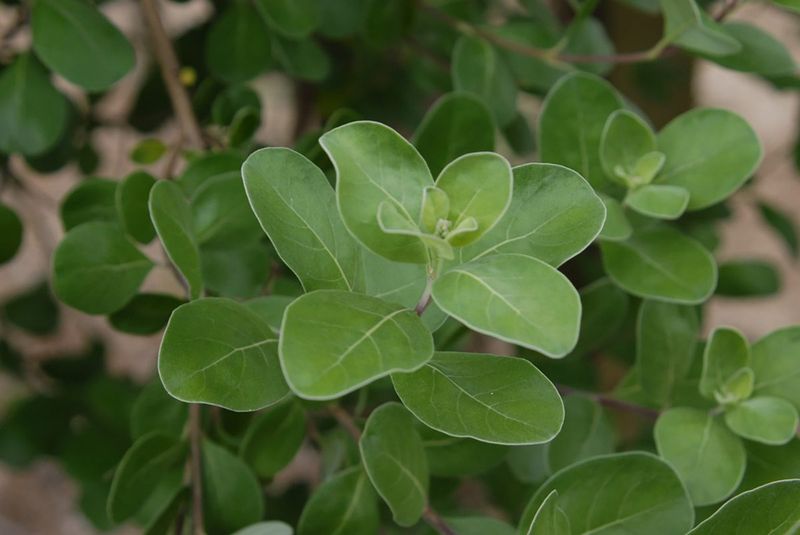
Coastal homeowners in Brunswick, Carteret, Currituck, Dare, Hyde, New Hanover, Onslow, and Pender counties know this one by an uglier nickname: the beach kudzu. Movement of beach vitex out of those counties is specifically prohibited because it smothers dunes and crowds out the plants sea turtles and shorebirds depend on.
It was once sold as a pretty, salt-tolerant groundcover, which is exactly how it escaped into the wild. Its woody runners lock down sand so tightly that native dune builders like sea oats can’t compete.
If you live near the coast and spot its rounded gray-green leaves, report it to your county extension office rather than moving cuttings around. For a wildlife-friendly swap, sea oats and beach morning glory hold dunes just as well while feeding local pollinators.
2. Bushkiller
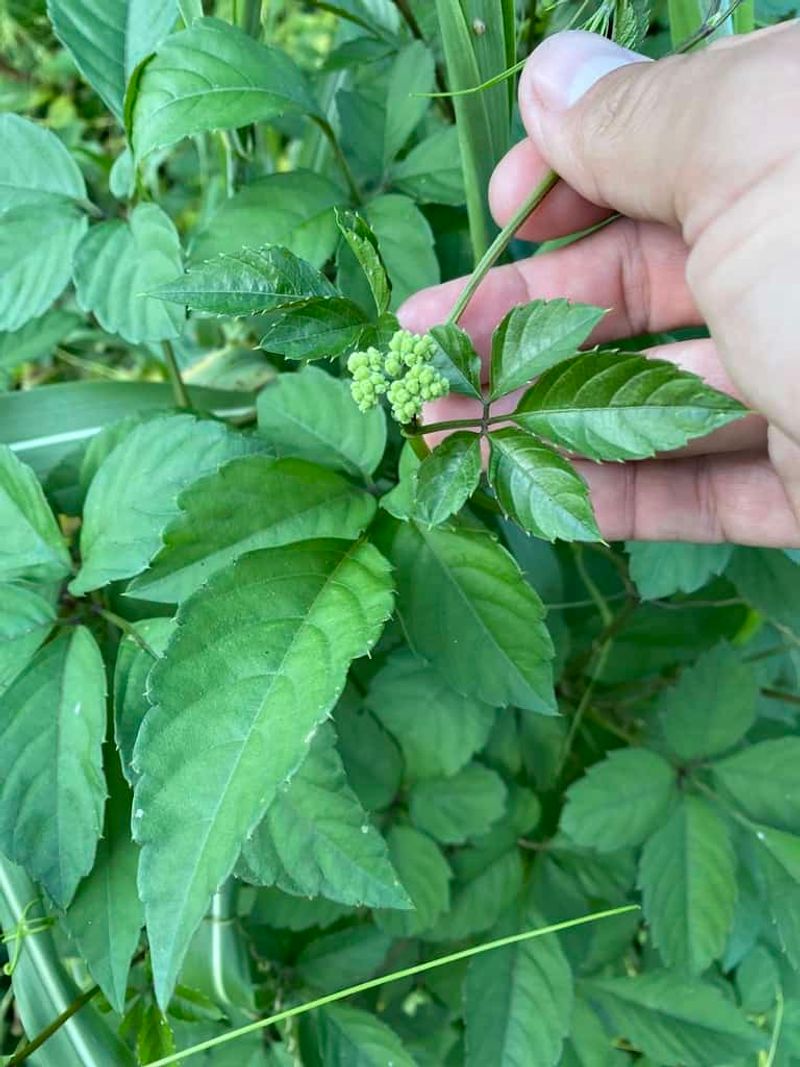
The name says it all. Bushkiller earns its reputation by draping entire shrubs and small trees in a green blanket until they collapse from lack of light.
Movement of this aggressive vine is banned specifically out of Davidson, Forsyth, and Mecklenburg counties, where it has already gained a foothold. Once established, it spreads through both seeds and root fragments, so a single careless yard-waste pile can start a new infestation down the street.
Piedmont gardeners who find its five-leaflet clusters climbing a fence should bag every scrap rather than compost it. If you want a vine that behaves, try native coral honeysuckle instead, which trades bad manners for tubular red flowers that ruby-throated hummingbirds adore.
3. Purple Loosestrife
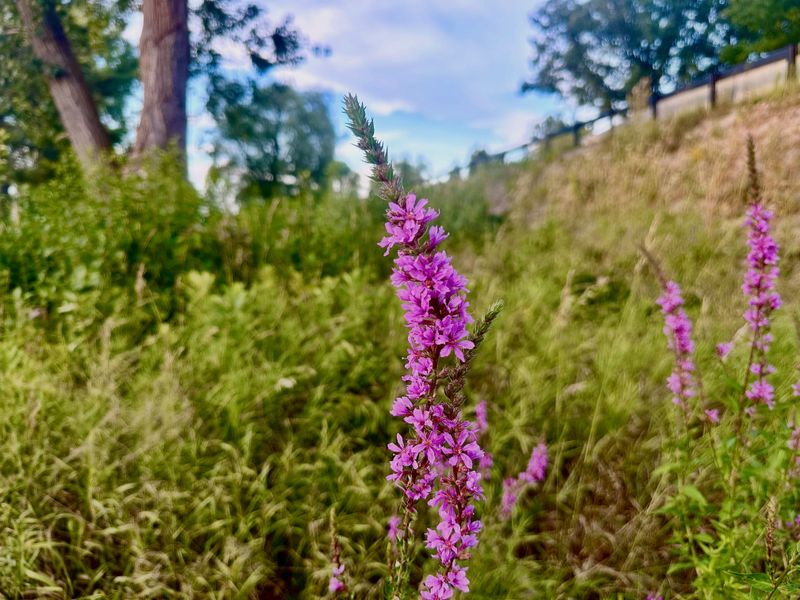
Those tall magenta spikes look gorgeous in a wet ditch, and that beauty is precisely the problem. Non-native purple loosestrife has movement bans in Forsyth and Watauga counties because a single mature plant can toss out over two million seeds in one season.
Where it takes over a wetland, it turns diverse marsh habitat into a solid stand of one plant, leaving frogs, ducks, and native pollinators with far less to eat and hide in.
Mountain and Piedmont gardeners tempted by the color have great native options. Blazing star and cardinal flower bring the same vertical purple-and-red drama while actually feeding butterflies and hummingbirds.
Skip the roadside transplant and let the wetland keep its variety.
4. Asian Bittersweet
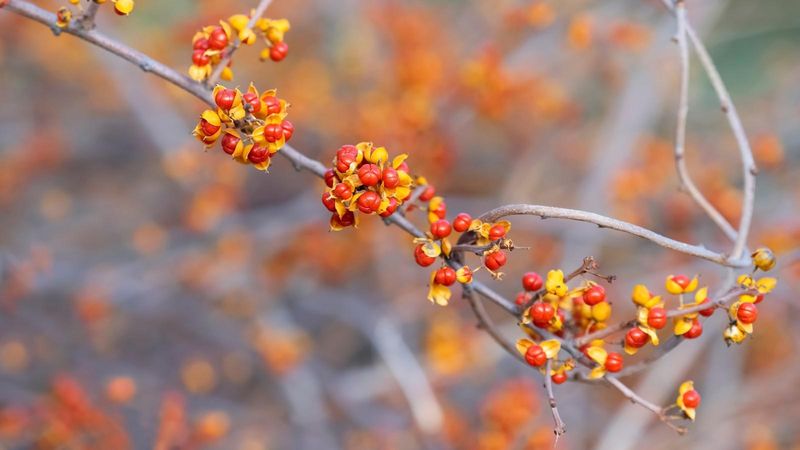
You have probably seen its orange berries twisted into fall wreaths, and that craft-store popularity is how Asian bittersweet keeps spreading. Moore County’s development ordinance lists it as a prohibited species that cannot be used in required landscaping, and for good reason.
The vine spirals around tree trunks so tightly it strangles them, and birds happily scatter the seeds far and wide after eating the berries.
Homeowners often mix it up with our harmless native American bittersweet, so check where the fruit clusters sit before you pull. If you want fall color that supports wildlife instead of choking your oaks, native Virginia creeper and American bittersweet give you red and orange without the death grip.
Toss any bittersweet wreaths in the trash, never the compost.
5. Japanese Honeysuckle
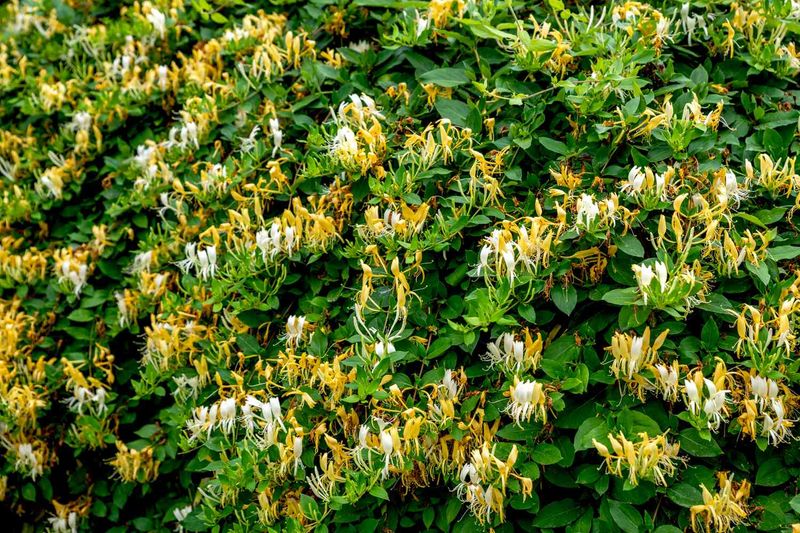
Sweet-smelling, nostalgic, and utterly ruthless. Japanese honeysuckle is the vine many of us remember tasting nectar from as kids, but Moore County banned it from required landscaping because charm does not cancel out the damage.
Its evergreen tangles smother young trees and shrubs, and it grows so densely that ground-nesting birds and box turtles lose the open forest floor they need to move and feed.
The good news is that our native coral honeysuckle offers the same climbing habit with even showier red-orange trumpets, minus the aggression. It hosts native bees and pulls in hummingbirds all summer long.
Swapping one for the other is one of the easiest wildlife wins you can pull off in a single weekend. Cut the Japanese vine at the base and paint the stump to keep it from resprouting.
6. Autumn Olive
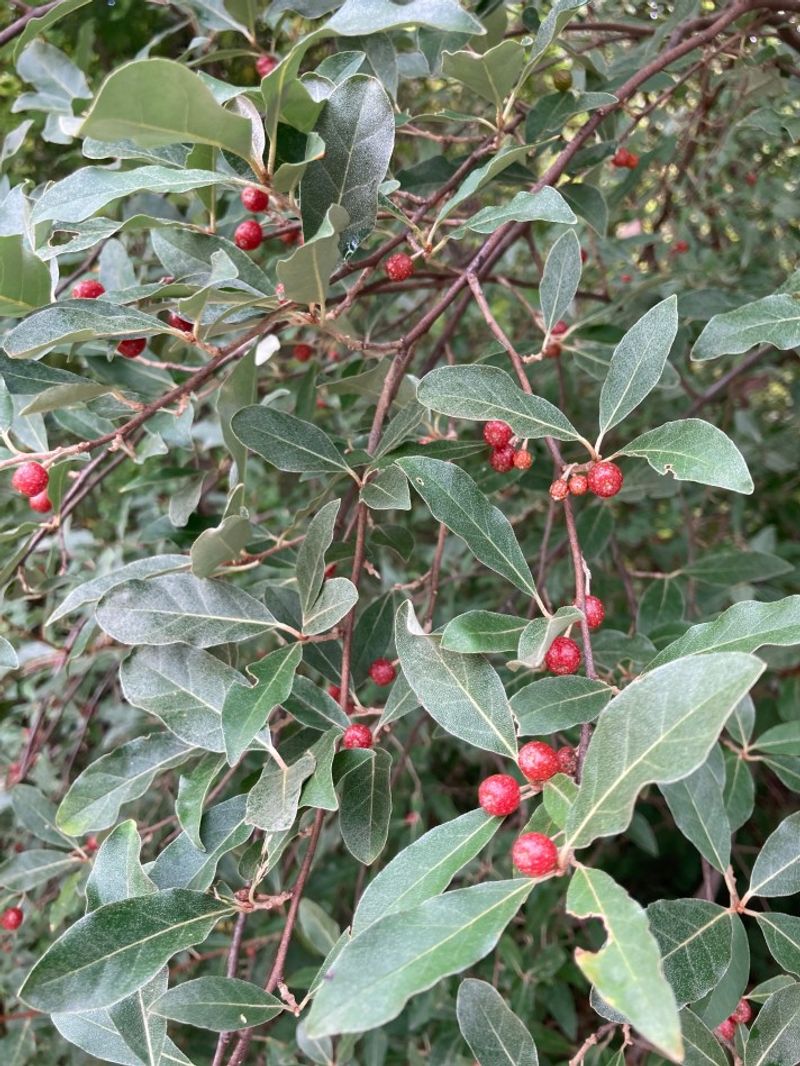
Once handed out as a wonder shrub for erosion control and wildlife food, autumn olive turned out to be a wolf in sheep’s clothing. Moore County now bars it from required landscaping, and NC experts warn homeowners away from it statewide.
Here is the sneaky part: it fixes nitrogen in the soil, which sounds helpful but actually rewrites the ground chemistry so native plants struggle to return even after you remove it.
Birds love the speckled red berries and spread thousands of seeds along field edges and fence rows, letting a single shrub seed an entire hedgerow.
For berries that genuinely help NC birds and pollinators, plant native serviceberry, American beautyberry, or elderberry instead. They feed goldfinches and songbirds without hijacking your soil.
7. Puncturevine
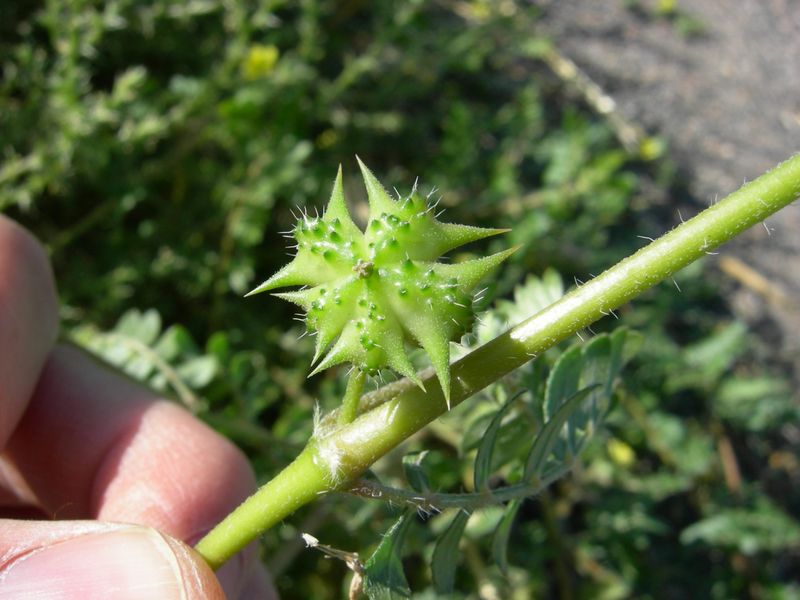
Step on this one barefoot and you will never forget it. Puncturevine, sometimes called goathead, produces hard spiny seed pods sharp enough to flatten a bike tire, and its movement is specifically prohibited out of New Hanover County.
The low, sprawling mats favor gravel driveways, sidewalk cracks, and dry disturbed ground, spreading fast through those hitchhiking burrs that cling to shoes, tires, and paws.
Beyond the pain factor, it crowds out low native groundcovers and offers almost nothing to local wildlife. Pull young plants before they set those seed pods, wear gloves, and bag everything tightly.
Fun bit of caution for pet owners: those goatheads can lodge in a dog’s paw pads, so clearing them early protects your yard and your walking buddy at the same time.