
Fireflies Come Back To North Carolina Yards That Grow These Overlooked Native Plants
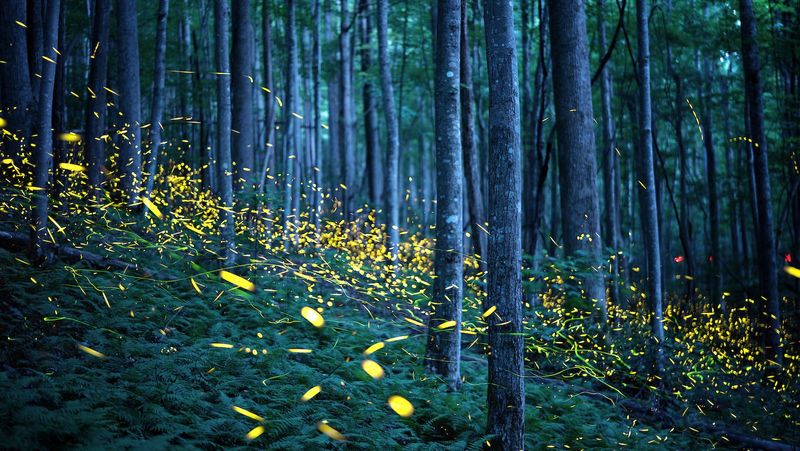
Remember chasing fireflies on warm summer nights? In a lot of North Carolina yards, those blinking lights have gotten harder to find, and it is not just bad luck.
Fireflies need moist soil, leaf litter, and layered native plants to survive their long life underground before they ever glow. The good news is that a handful of overlooked NC native plants can bring them right back to your backyard.
1. Black Tupelo (Nyssa sylvatica)

If you only have room for one firefly tree, make it black tupelo. Ecologists across the Southeast rank it as one of the best trees for lightning bug habitat, and North Carolina yards with damp low spots are exactly where it wants to grow.
The magic happens on the ground. Each fall, black tupelo drops a heavy layer of rich leaves that slowly rot into the moist, organic soil firefly larvae hunt through for a year or two before they ever glow.
Fireflies aside, this tree earns its keep. The autumn color is a jaw-dropping scarlet, and its spring flowers feed native bees.
Give it a wetter corner of the yard, leave the fallen leaves right where they land, and you are quietly building a nursery for next summer’s light show.
2. Inkberry (Ilex glabra)
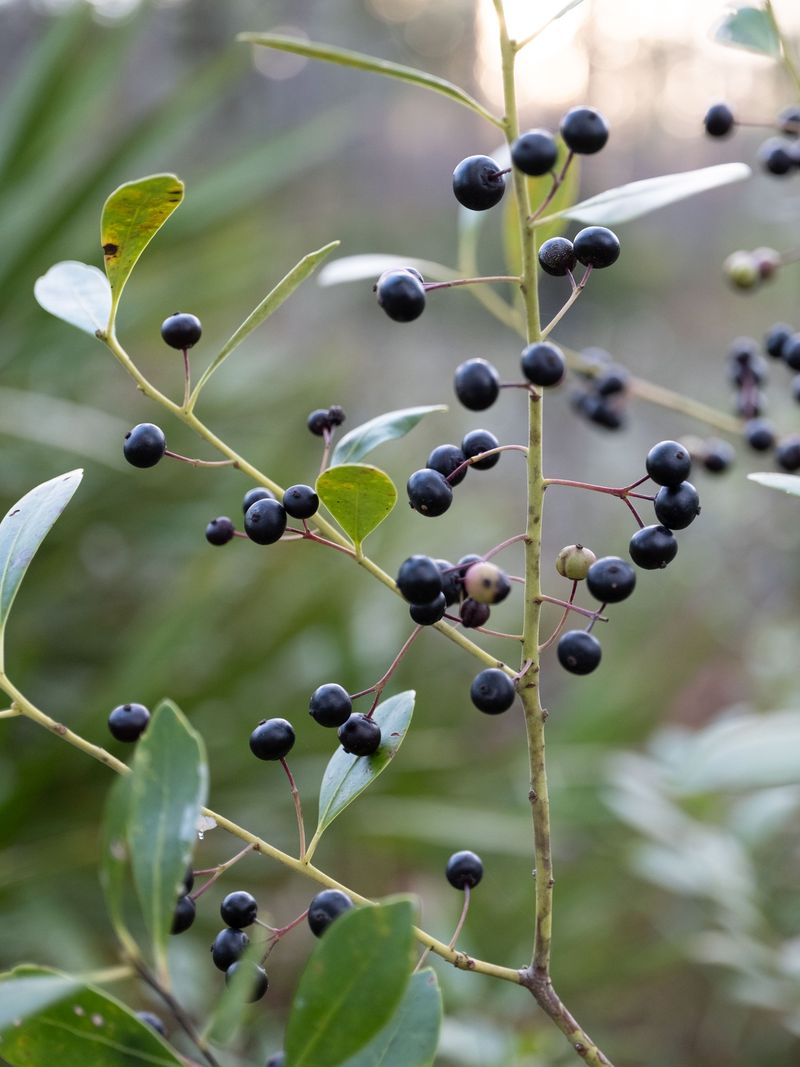
Fireflies do most of their flashing and mating in the understory, and inkberry gives them a shady, humid clubhouse to do it in. This evergreen holly is native to North Carolina’s wet pine flatwoods and pocosins, so soggy or part-shade spots that stump other plants are right up its alley.
Left to spread, inkberry forms tidy colonies that trap moisture and shade the soil underneath. That cool, damp ground becomes prime hunting territory for larvae stalking snails and slugs.
Here is a swap worth making: if you have been fighting invasive Chinese privet or nandina along a wet edge, pull it and put inkberry in its place. You get the same year-round green screen without feeding an invasive that crowds out native cover fireflies actually use.
3. Summersweet (Clethra alnifolia)
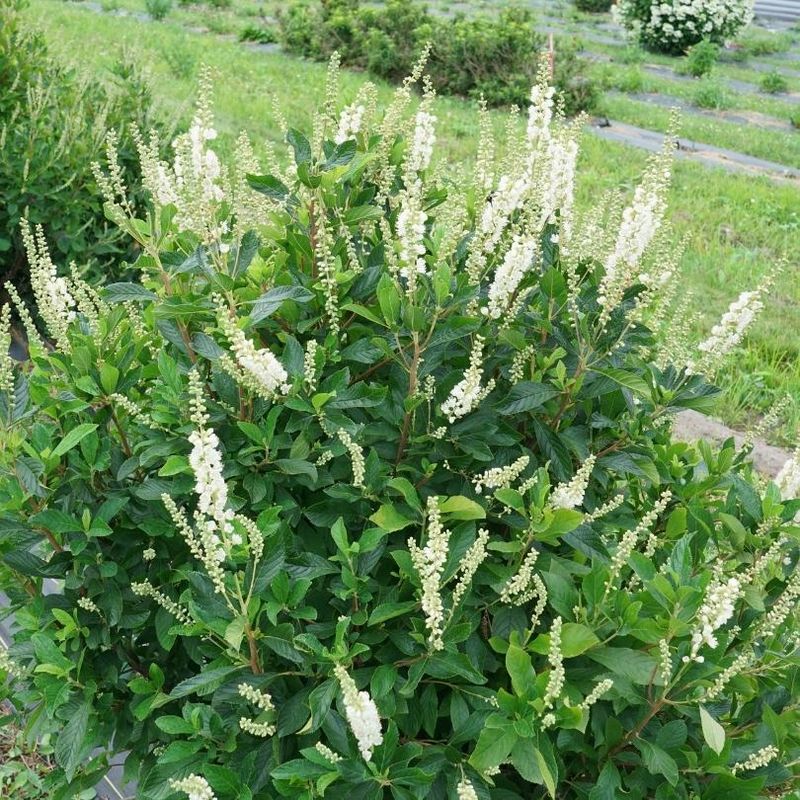
Some plants pull double duty, and summersweet is a showoff about it. In mid-summer, right when fireflies are peaking, this shrub sends up fragrant white bottlebrush spikes that perfume the whole yard and hum with pollinators.
Out in the wild, it grows in swamps and along moist woodland edges, which tells you exactly what it wants: damp ground and a little shade beneath your canopy trees. Planted there, it fills in the leafy middle layer where adult fireflies rest and signal after dark.
Bonus for nervous gardeners: summersweet is easygoing and slowly suckers into a soft colony over time. Tuck it under your tupelo or an oak, and you have knit together two layers of the habitat fireflies drift between all evening.
4. River Oats (Chasmanthium latifolium)
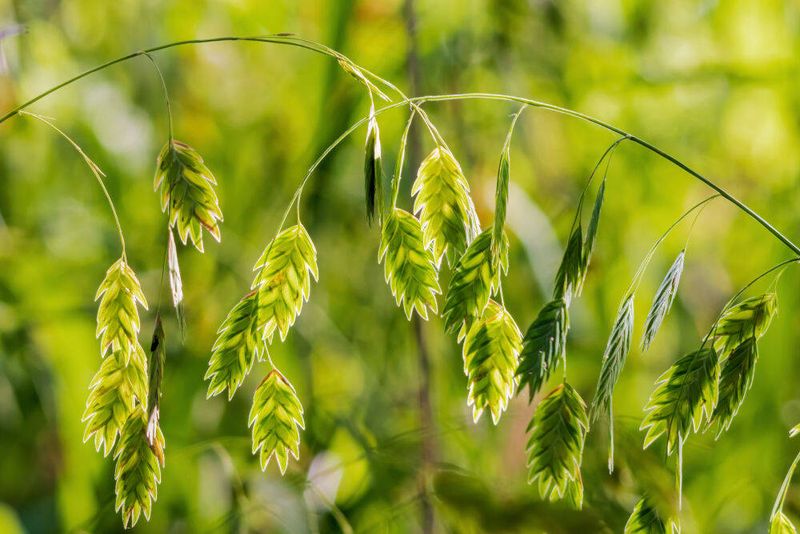
Picture a firefly needing somewhere to tuck away and doze through the hot daylight hours. River oats, sometimes called inland sea oats, is that hideout.
Its arching stems and flat, dangling seed heads create a shady tangle where adults rest before their nighttime performance.
Underground, the story is just as good. Deep roots grip moisture in the soil, keeping the ground damp enough for larvae living below to survive dry stretches.
Unlike sun-loving prairie grasses, river oats actually thrives in shady, moist corners where most turf gives up. Plant it under trees or along a damp path, but give it room to reseed, because it will happily fill space and shelter fireflies while doing it.
5. Switchgrass (Panicum virgatum)
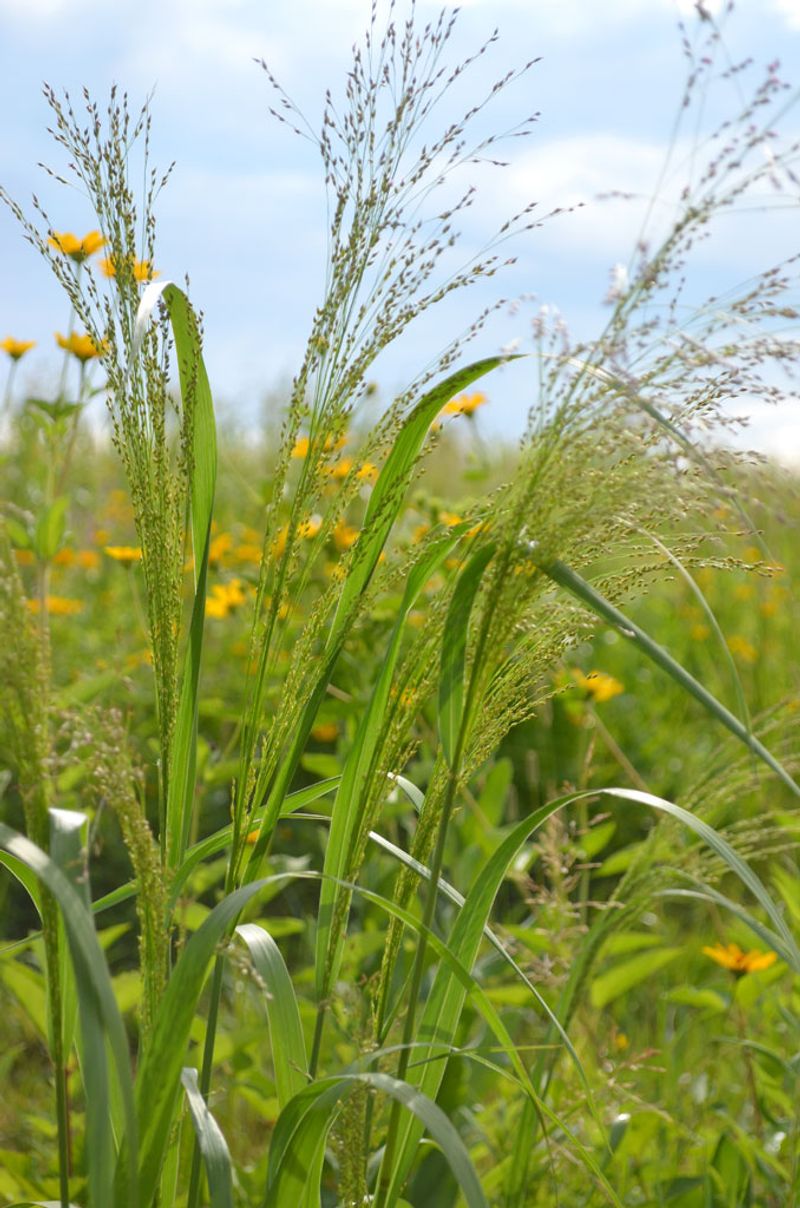
Where river oats handles the shade, switchgrass takes the sunny open stretches of your yard. Tall and standing straight up, its dense clumps of stems give adult fireflies a vertical thicket to tuck into during the day.
The real workhorse part is hidden. Switchgrass roots plunge several feet down, holding onto underground dampness that keeps larvae alive through summer heat.
Try letting a patch of lawn convert into a small switchgrass island instead of mowing it flat every week. You cut down on mowing, you give fireflies resting cover, and by autumn you get airy seed heads that goldfinches and other seed-eating birds pick over.
That is a lot of wildlife payoff for a corner you used to just cut.
6. Buttonbush (Cephalanthus occidentalis)
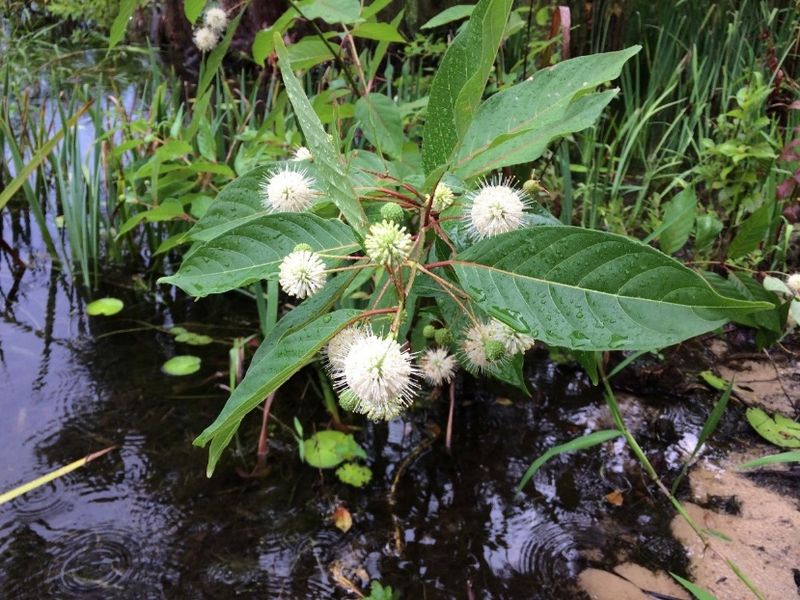
Got a soggy low spot that never seems to dry out? Buttonbush treats that as prime real estate.
This water-loving native shrug is happiest with wet feet, so ditches, pond edges, and boggy corners are exactly where it shines.
Those quirky round flowers look like little white pincushions and buzz with bees, but for fireflies the real gift is the cover and the constant moisture. Damp ground near a water feature is where larvae thrive and adults gather to flash.
Fun bit of trivia: buttonbush seeds float, which is how it naturally spreads along wet edges in the wild. Plant it beside a rain garden or that puddle that refuses to drain, and you have turned a yard problem into a firefly breeding ground.
7. Swamp Milkweed (Asclepias incarnata)
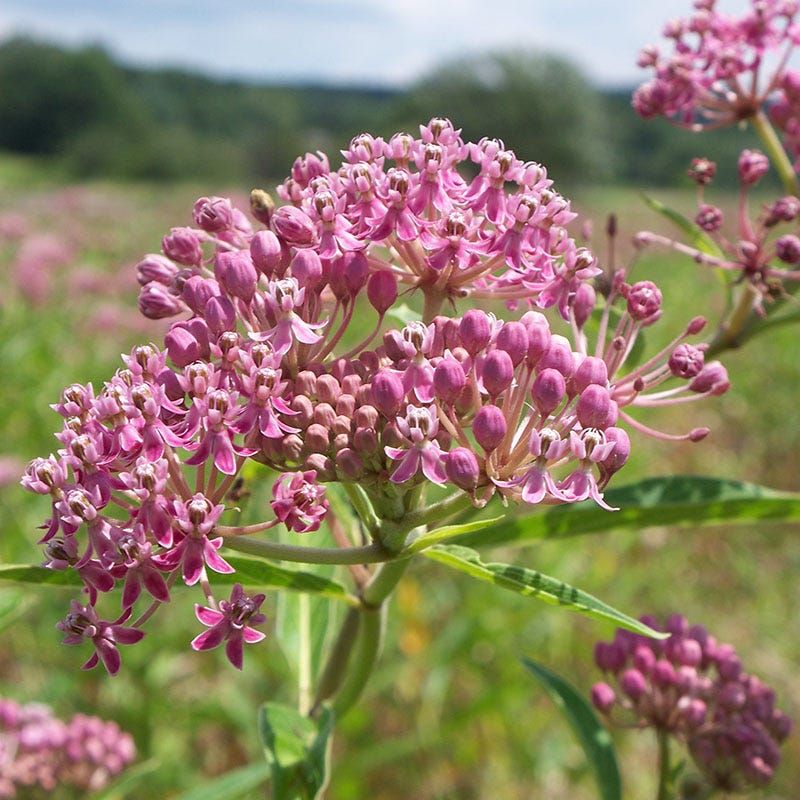
Most folks plant milkweed for monarchs, and swamp milkweed absolutely delivers there. But its love of moist ground makes it a sneaky-good teammate for fireflies too, since the damp, insect-rich patch it anchors is exactly the kind of lively soil firefly larvae prefer.
Unlike common milkweed that spreads aggressively, swamp milkweed stays put in a tidy clump, sending up soft pink flower clusters in mid to late summer. It fits neatly into a rain garden or a wet border without taking over.
Think of it as the finishing touch on a layered firefly yard. Pair it with your buttonbush and joe-pye weed in the damp spots, keep the whole area free of pesticides, and you build the moist, buzzing little ecosystem that supports fireflies from egg to glow.