
Foxes Keep Crossing Your North Carolina Yard At Dusk Because The Rodents Are Drawing Them In
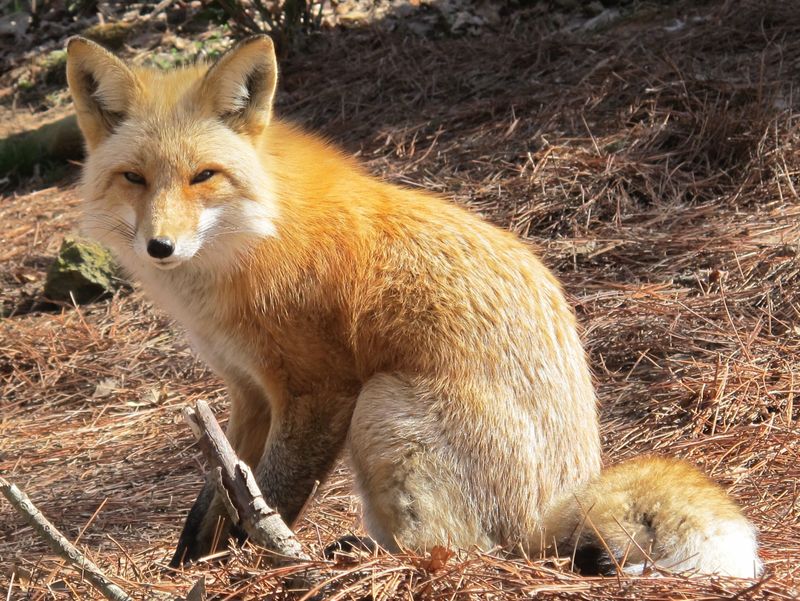
Spotting a fox slipping through your yard at dusk can feel like a mystery worth solving, and many North Carolina homeowners jump straight to the conclusion that something has gone wrong with the local rodent population. The truth is a little more complicated and a lot less alarming.
A fox crossing your property in the evening is doing exactly what foxes do, and understanding why it shows up is more useful than worrying about what it means.
A dusk crossing does not diagnose a rodent problem
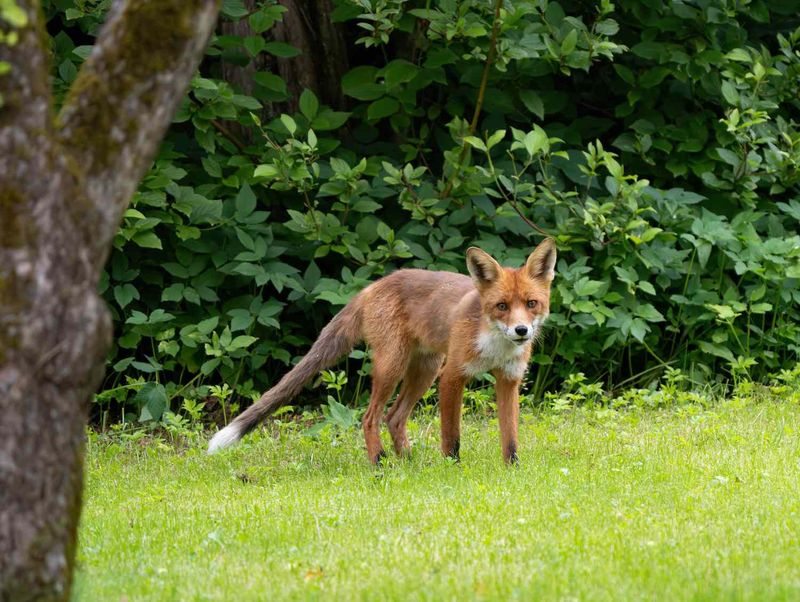
Watching a fox trot across your yard as the sun goes down feels significant, but the timing alone does not tell you much. Dusk is simply when foxes move.
NC Wildlife’s red fox profile confirms that red foxes are primarily nocturnal but can be active at any hour, and a sighting during the day is not automatically a sign of disease either. The animal is following its own schedule, not signaling that something has gone wrong in your yard.
North Carolina is home to two fox species. The red fox is common statewide and tends to favor edges between open fields and wooded areas, which describes most suburban neighborhoods well.
Florida Fish and Wildlife’s gray fox profile notes that the gray fox, also present across North Carolina, is a skilled climber and often moves through denser cover. Either species may pass through a residential yard on a routine evening patrol without any unusual trigger.
The article’s title frames this as a cause-and-effect story: rodents are up, so foxes are coming in. That framing is too confident.
A single crossing, or even several crossings over a week, does not establish that your yard’s rodent population has climbed. NC Parks’ mammal appendix documents the wide range of habitat and food conditions that support fox activity across the state, none of which require a rodent surge to explain a yard visit.
The productive response is not to assume the worst but to shift from assumption to inspection. A fox sighting is a reasonable prompt to check your yard for independent evidence of rodents, not a diagnosis on its own.
The sections below walk through what to look for and what to do about it.
Several food and shelter sources may bring a fox through

Mice and rats get most of the blame when a fox appears near a house, but the menu a fox works from is far broader than that. NC Wildlife lists mice, meadow voles, and rabbits as primary prey for red foxes, then adds insects, birds, eggs, fruit, berries, carrion, garbage, and pet food as regular supplements.
On any given evening, the fox crossing your yard might be chasing a grasshopper just as readily as a mouse.
Meadow voles are worth singling out because homeowners rarely think of them. These small, stocky rodents live in dense grass, ground cover, and garden edges rather than inside buildings, and a lawn with thick thatch or an overgrown border can support a healthy vole population without producing a single gnaw mark on your baseboards.
A fox hunting voles in your garden is not the same situation as a mouse problem inside your walls, and the right response to each differs considerably.
Birdseed is another underappreciated draw. Feeders that spill seed onto the ground attract sparrows, finches, and other small birds, but they also pull in mice and rats, which then attract predators.
NC Wildlife’s conflict-prevention guidance specifically calls out pet food, birdseed, garbage, and fallen fruit as common neighborhood attractants for foxes and other wildlife.
Shelter matters just as much as food. Ornamental shrubs, brush piles, wood stacks, and the space under a deck or shed can all serve as denning sites or temporary cover during a hunting run.
A fox that appears night after night may have found a reliable food source nearby, or it may simply be using your yard as a corridor between two patches of better habitat. Repeated visits justify a closer look, but they do not automatically confirm a rodent infestation.
Inspect for rodent evidence before you treat the yard
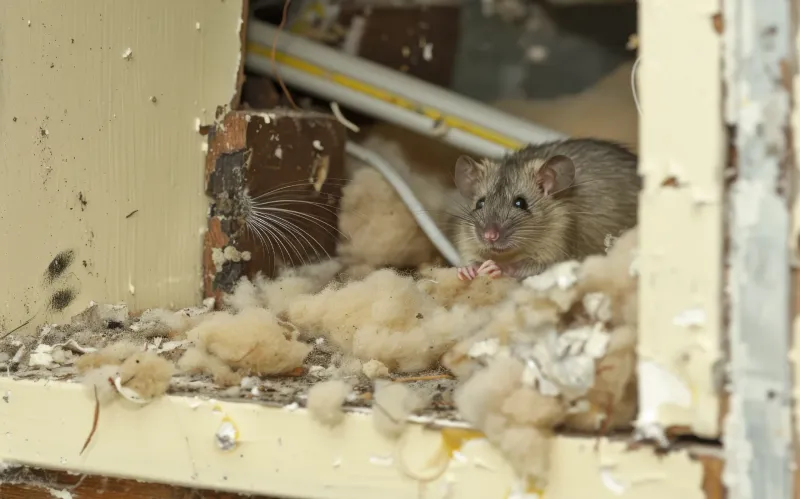
Before you change anything about your yard or home, spend thirty minutes looking for actual rodent evidence. A fox crossing your property is not proof that mice or rats are present; it is a reason to check.
The inspection sequence below covers the spots where rodents leave the clearest signs.
Start inside and work outward. In the house, focus on the kitchen, pantry, utility room, basement, and any area where food or pipes are present.
Look for dark, rice-grain-sized droppings along walls and in cabinet corners, gnaw marks on food packaging or structural wood, and shredded paper or fabric tucked into hidden corners. CDC rodent-control recommendations identify droppings, nests, gnawing, and direct sightings as the primary evidence of active rodent activity in and around buildings.
Move to the garage, shed, and any outbuilding next. Check along the base of walls, behind stored items, and around any gap where pipes or wires enter.
Mice can squeeze through an opening roughly the width of a pencil eraser, so even a small crack at the foundation line deserves attention. Look for grease marks, which are dark smudges left by rodents repeatedly brushing the same surface.
At the yard’s edges, the signs shift. Meadow voles leave surface runways, which are narrow, grass-worn trails about an inch wide winding through dense turf or ground cover, and may create small burrow openings at the base of plants.
Colorado State Extension’s vole management guide notes that vole runways and burrow systems are most visible after snow melts or when dense vegetation is pulled back, and that gnawing at the base of shrubs or young trees is a common sign of their presence.
Repeated fox sightings give you good reason to run through this checklist, but the checklist itself is what tells you whether you have a rodent problem. The fox is a prompt, not a diagnosis.
Remove the conditions that attract wildlife and rodents
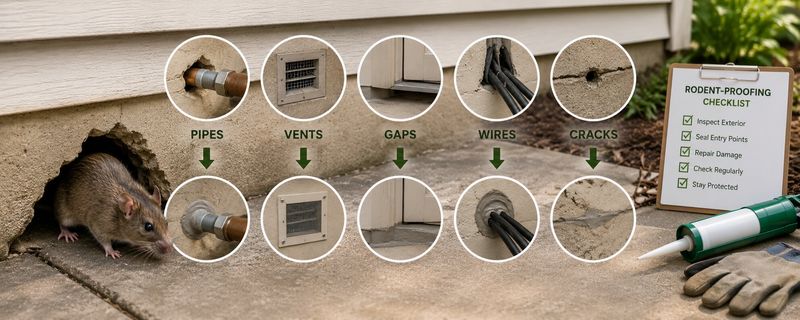
Once you know what you are dealing with, the next step is to remove the conditions that made your yard and home attractive in the first place. This works for both the foxes and any rodents that may have moved in, and most of the changes are straightforward weekend tasks.
Food sources come first. NC Wildlife’s conflict-prevention page advises feeding pets indoors or removing food and water bowls immediately after meals.
Secure garbage in cans with tight-fitting lids, store animal feed in metal containers, and keep compost in a sealed bin. Fallen fruit from trees should be picked up regularly rather than left to accumulate.
Bird feeders deserve special attention. Move them as far from the house as practical, use a squirrel baffle to reduce spill, and sweep up fallen seed every day or two.
CDC rodent-reduction guidance specifically recommends managing birdseed because spilled seed is one of the most reliable ways to draw mice and rats close to a structure. Fewer rodents near the house means fewer reasons for a fox to linger there.
Shelter removal matters too. Trim grass and ground cover along fence lines and building foundations, clear brush piles, and stack firewood away from the house on an elevated rack.
Reducing available cover forces rodents to move through open ground, where they are more vulnerable and less likely to stay.
Sealing entry points is the most durable fix for keeping rodents out of buildings. Mice can enter gaps roughly one-quarter inch wide, so check where pipes, wires, and vents pass through walls.
CDC’s seal-up guidance recommends durable materials such as hardware cloth, sheet metal, cement mortar, and caulk over steel wool for permanent repairs. CDC’s supplemental rodent-control resource also cautions against sealing an opening before confirming that rodents are not trapped inside, since a sealed-in animal will die in the wall and create a different problem entirely.
A fox may eat rodents without managing an infestation

Foxes genuinely do eat rodents, and researchers have documented that predation can be substantial at a local scale. A published study on red fox predation and small rodent populations found that fox activity influenced local prey numbers meaningfully.
A separate study on red fox diet and prey preference confirmed that small rodents, especially voles, make up a large portion of what red foxes eat across seasons.
That said, a single fox passing through a residential yard is not a rodent-control program. Rodent populations are shaped by far more than predator pressure.
Food availability, shelter, breeding rate, weather, habitat quality, and competition from other animals all influence whether a mouse or vole population grows, stays steady, or declines. A pair of mice can produce dozens of offspring in a single season, and a fox that takes some of them does not necessarily prevent the population from rebounding.
Colorado State Extension’s vole management resource makes this point plainly: natural predators including foxes, raptors, and snakes can reduce vole numbers locally but rarely eliminate an established population or prevent one from recovering when habitat and food remain favorable. The same logic applies to mice and rats in a suburban North Carolina yard.
When independent evidence confirms that rodents are actually present inside a building, the right tool is integrated pest management, not patience for the fox. CDC’s integrated pest management overview identifies exclusion, sanitation, and carefully placed snap traps as the foundation of effective rodent control indoors.
Snap traps should be set along walls and in areas inaccessible to children and pets, following product directions. The fox can coexist with that effort; it just cannot replace it.
Protect the fox, pets, and other backyard animals
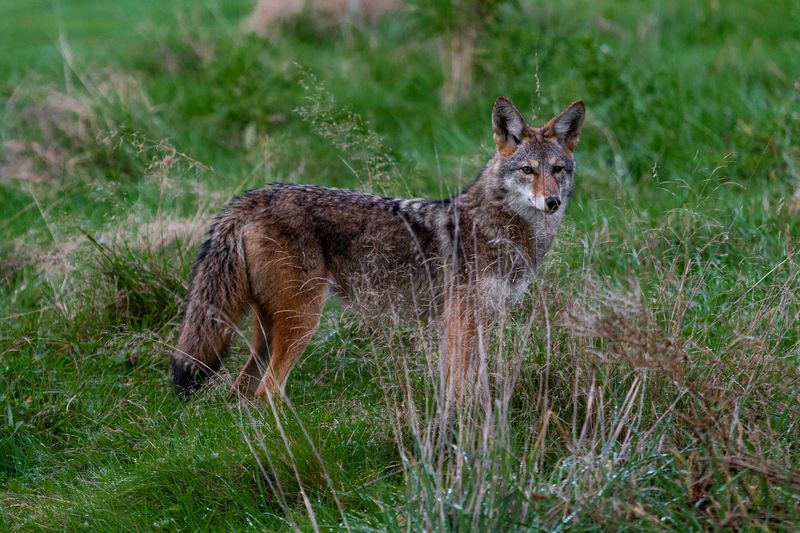
Sharing a yard with a passing fox goes more smoothly when everyone keeps their distance. NC Wildlife advises against feeding, approaching, chasing, or attempting to handle foxes under any circumstances.
Feeding is especially counterproductive: a fox that associates people with food loses its wariness, spends more time near the house, and may attract additional wildlife or draw rodents to whatever you put out.
Utah State University Extension’s fox coexistence guidance recommends supervising dogs outdoors around dawn and dusk, when fox activity peaks. Small dogs are at greater risk than large breeds, but any dog left unattended near a fox den or a hungry animal could have a tense encounter.
Cats fare better indoors full-time, both for their own safety and for the benefit of local birds and small mammals. Poultry, rabbits, and other small animals kept outdoors need secure enclosures with hardware cloth on all sides, including the bottom, and a latched door that a fox cannot nudge open.
Rodenticide is a specific hazard in this context. A fox that eats a poisoned mouse or rat can suffer secondary poisoning, and the same risk extends to raptors, neighborhood pets, and other predators working the same area.
EPA’s rodenticide safety review documents both direct and secondary risks to nontarget wildlife from rodent-control products. EPA restrictions on rodenticide products require that certain higher-risk formulations be used only by licensed professionals and that all products be applied exactly according to their label.
Nonchemical control methods, specifically exclusion, sanitation, and snap traps, carry none of that secondary risk and remain more effective over time. If a poison product is ever used, collect and dispose of any carcasses as the label directs to reduce the chance of a predator finding and eating them.
Know when a fox encounter needs outside help
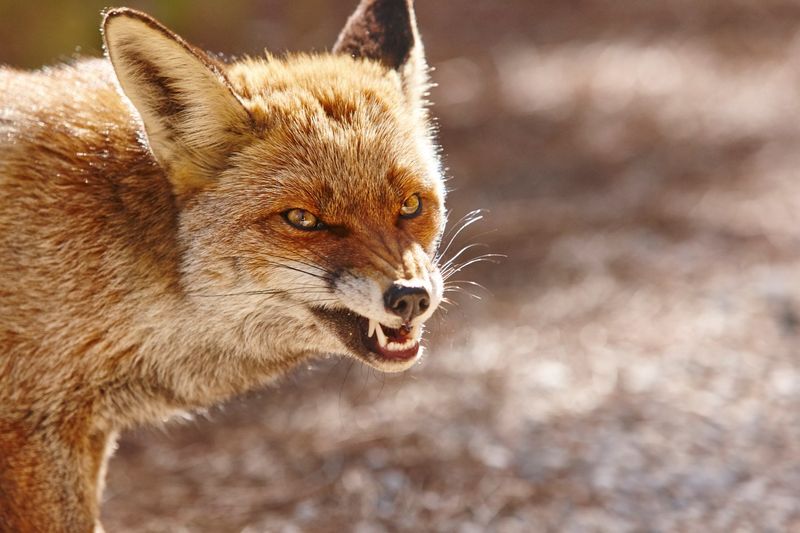
Most fox sightings in a North Carolina yard call for nothing more than observation and the preventive steps described above. A few situations, though, cross a line that warrants outside help, and knowing the difference matters.
Normal fox behavior includes moving through a yard at dusk, pausing to investigate a smell, and retreating when a person appears. Behavior that should prompt concern looks different: a fox that approaches people repeatedly without provocation, seems unable to move normally, appears disoriented or unusually tame, or acts aggressively toward people or pets is showing signs that something may be wrong.
Keep your distance, bring pets inside, and contact your local animal control office or county health department. NC Wildlife’s rabies information notes that unusual behavior, not daytime activity alone, is the key indicator of concern.
Any bite or scratch from a fox is a separate and urgent matter, regardless of how the contact started. Wash the wound thoroughly with soap and water for at least 15 minutes, then seek medical or public-health advice about rabies exposure without delay.
CDC’s rabies prevention guidance is clear that post-exposure evaluation should happen promptly and that the decision about treatment belongs to a medical professional, not to the person assessing the animal’s appearance.
If you believe a fox needs to be removed from your property, check current North Carolina rules before taking any action. Relocating a fox is illegal in North Carolina, and a trapped animal cannot simply be released somewhere else.
NC Wildlife’s wildlife problem FAQs and the current hunting and trapping regulations outline what is permitted by season and county. For removal questions, contact a licensed fox-trapping professional listed by NC Wildlife rather than attempting to handle the situation yourself.
Use the sighting as a reason to check, not a reason to panic

A fox moving through your yard at dusk is a wildlife encounter worth paying attention to, not a crisis. The practical response is straightforward: let the fox pass, then use the sighting as a prompt to run through the inspection steps described earlier.
Look for droppings, gnaw marks, burrows, runways, and entry points. If you find independent evidence of rodents, address it with exclusion, sanitation, and snap traps.
If you find nothing, the fox may simply be using your yard as part of a wider nightly circuit.
Remove the attractants that could make your yard a regular stop regardless of what the fox is hunting. Secured garbage, managed birdseed, indoor pet feeding, and reduced ground cover near the foundation make the property less inviting to rodents and, by extension, to the predators that follow them.
NC Wildlife’s red fox profile is a useful reference for understanding what the animal is actually doing and what conditions support its presence.
The fox may eat some mice or voles along the way, and that predation is a genuine, if modest, ecosystem service. CDC’s integrated pest management framework remains the reliable foundation for any confirmed rodent problem indoors; natural predation is a supplement, not a substitute.
A yard that supports passing wildlife while staying unattractive to rodents is the goal, and the fox crossing your property at dusk is a good reminder to check whether you are still hitting that mark.