
That Persimmon Tree In Your North Carolina Yard Feeds Deer, Foxes, And Songbirds All Fall
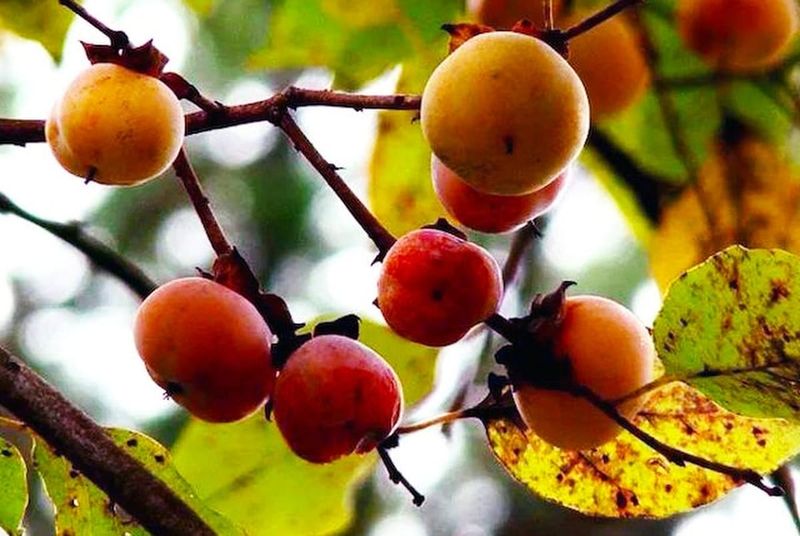
A single native tree growing at the back of a North Carolina yard can quietly become one of the most active spots in your outdoor space come September. American persimmon, Diospyros virginiana, produces small orange fruit that deer, foxes, raccoons, turkeys, and fruit-eating birds are documented to eat from fall into early winter.
Whether wildlife actually shows up at your tree depends on your neighborhood, nearby habitat, and how good the crop turns out to be that year. This guide explains what the tree can realistically offer, how to choose and place one, and how to support wildlife without turning your yard into an unmanaged feeding station.
American Persimmon Gives a North Carolina Yard a Seasonal Food Source
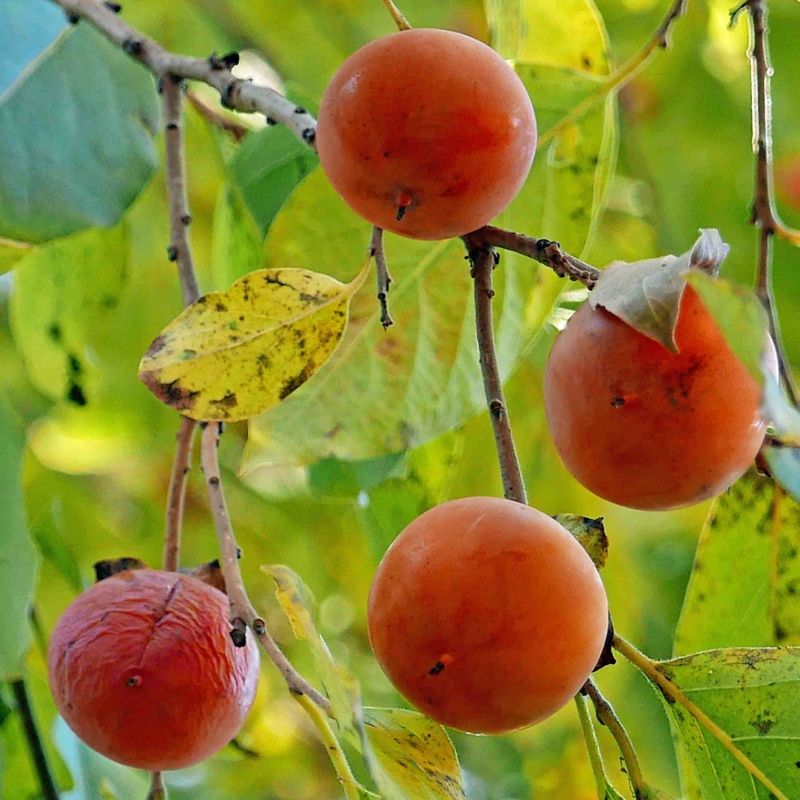
American persimmon, known botanically as Diospyros virginiana, is a native tree that grows across much of North Carolina, from the Piedmont and Coastal Plain up into the lower mountain foothills. The NC State Herbarium notes that the species is generally absent from the higher mountain elevations, but it is well suited to most of the state where residential yards are concentrated.
Recognizing this tree by name matters because not every persimmon species behaves the same way in terms of wildlife value, fruiting behavior, or cold hardiness.
What makes Diospyros virginiana worth knowing is its fruit. Each fall, a productive female tree drops small, orange, sugar-rich persimmons that serve as a seasonal soft mast resource for a range of native animals.
The U.S. Forest Service Silvics manual lists songbirds, raccoons, opossums, skunks, fox squirrels, white-tailed deer, wild turkeys, bobwhite, crows, and rabbits among the animals that eat the fruit.
That is a meaningful list for a homeowner trying to support native wildlife with a single planting decision.
Framing matters here, though. One tree supplies fruit during one season; it does not replace the cover, nesting sites, insects, water, and plant diversity that wildlife needs year-round.
NC State Extension describes American persimmon as a wildlife-supporting native, and that description holds up best when the tree is understood as one productive food layer inside a more varied yard rather than a self-contained habitat. Think of it as a reliable seasonal contribution, not a guarantee of a backyard wildlife spectacle.
What Ripens—and When?
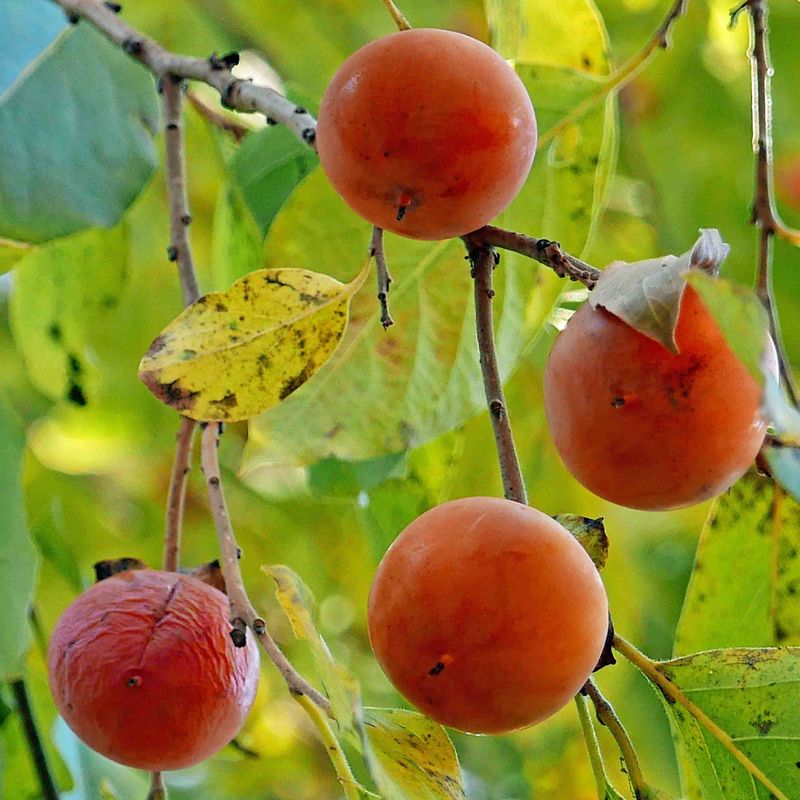
Fruit timing is one of the first things homeowners ask about, and the honest answer is that it varies. American persimmon generally begins ripening in September, with most fruit becoming available through October and into November.
The U.S. Forest Service reports that fruit can fall from September all the way to late winter, meaning some trees hold fruit well past the typical fall window.
Individual trees, local weather patterns, and cultivar differences all influence exactly when a given tree drops its crop.
Crop size adds another layer of variability. The Forest Service FEIS species review notes that good crops commonly occur about every two years, with lighter production in between.
A homeowner who expects a heavy fruit drop every single fall may be disappointed in alternating years, which is worth knowing before planting. Treating this as a soft mast resource with variable annual output is more accurate than treating it as a reliable annual feeding event.
One persistent myth deserves a clear correction: frost does not cause persimmons to ripen. University of Georgia Extension identifies this as a common misconception, explaining that astringent fruit simply becomes edible when it reaches full ripeness and softens naturally.
Frost may coincide with ripening in some years, but it is not a trigger. Wildlife does not wait for a freeze to start feeding; animals begin visiting as soon as fruit softens and falls.
For anyone curious about tasting the fruit themselves, Penn State Extension explains that unripe astringent persimmons contain high levels of tannins that cause intense mouth-puckering, well beyond what most people would call simply sour. The practical test is softness: a fully ripe persimmon feels almost jelly-like and has lost its pucker.
Wildlife instinctively seeks out the soft, ripe fruit, so fallen persimmons that have softened are the ones drawing animals to the base of the tree.
The Fruit Draws Wildlife—Not a Guarantee
The list of animals documented to eat American persimmon fruit is genuinely impressive. The U.S.
Forest Service Silvics manual names songbirds, skunks, raccoons, opossums, fox squirrels, white-tailed deer, wild turkeys, bobwhite quail, crows, and rabbits as fruit consumers. NC State Extension adds foxes and black bears to that roster for North Carolina specifically.
Knowing which animals are capable of eating the fruit is useful background, but it is a different thing from predicting which ones will show up in a particular yard on a particular October morning.
Birds are among the more reliably documented visitors. Audubon’s native plant profile for common persimmon connects the tree to fruit-eating species including cedar waxwings, catbirds, woodpeckers, and robins, all of which are plausible fall visitors across much of North Carolina.
Turkeys and crows are also documented consumers, and both are present in many parts of the state. Calling every small bird a potential persimmon visitor overstates the case; the fruit appeals most strongly to species that regularly seek soft, sugary food.
Foxes present the most nuanced picture. Gray fox in particular are documented omnivores that eat fruit seasonally.
The Forest Service FEIS profile for common gray fox confirms fruit consumption as part of their diet, but whether a fox uses your yard depends heavily on local movement corridors, nearby cover, road networks, and competing food sources. A tree alone cannot summon a fox that does not already range through your neighborhood.
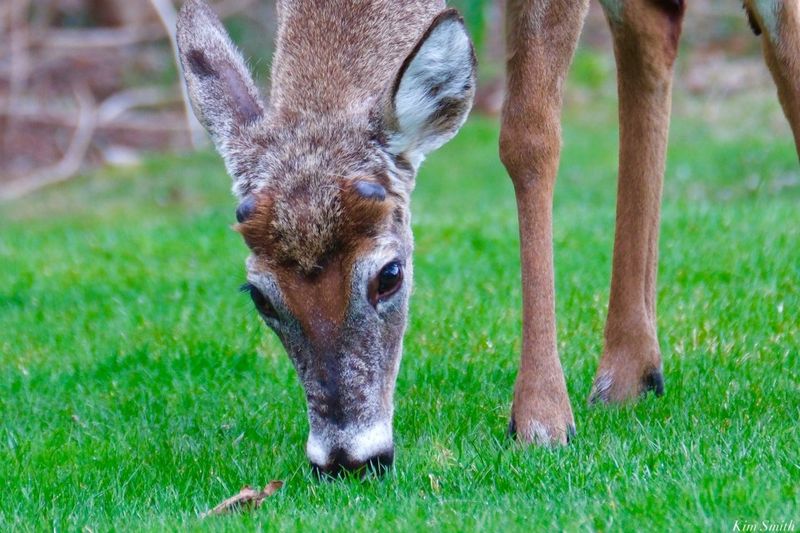
Deer visits follow a similar logic. White-tailed deer readily eat fallen persimmons, and a productive tree near a woodland edge or travel corridor can become a consistent stop on their route.
Deer in more suburban settings may or may not reach a given yard depending on fencing, roads, and development density. The honest framing is that the fruit creates an opportunity, and local conditions determine whether and how often that opportunity is taken.
Can Your Tree Actually Produce the Fruit Wildlife Wants?
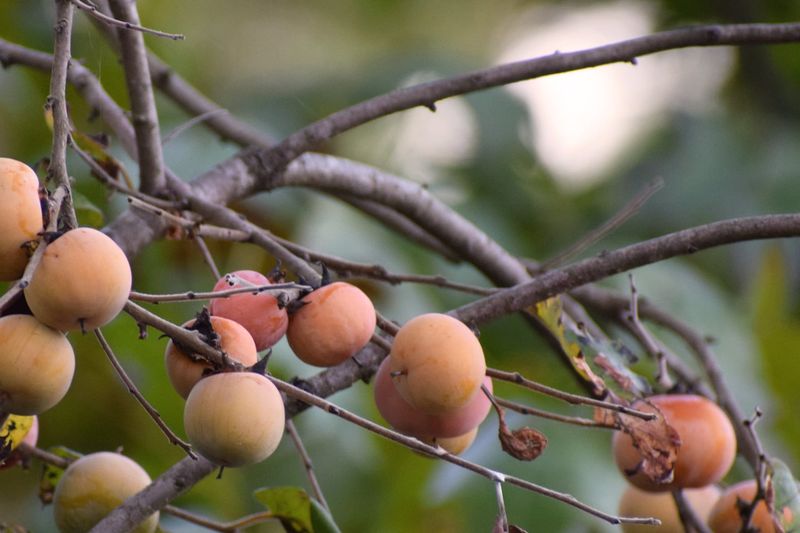
Planting a persimmon and waiting for fruit is a reasonable goal, but a few biological facts determine whether that fruit actually appears. American persimmon is usually dioecious, meaning male and female flowers typically occur on separate trees.
A female tree generally needs pollen from a nearby male to set fruit. NC State Extension confirms this flowering arrangement and notes that some selections or individual trees may carry perfect flowers capable of self-pollination, so the rule is not absolute.
Saying “usually dioecious” is more accurate than presenting male-female planting as a strict requirement for every tree.
The practical implication is that a homeowner buying a random seedling from a general nursery has no guarantee of getting a fruiting female, let alone one with a compatible pollinator nearby. The U.S.
Forest Service notes that the species reproduces from seed, root sprouts, and stump sprouts in the wild, which means wild populations often have both sexes present nearby. A yard tree planted in isolation may not have that advantage.
Timeline is the other variable that surprises people. Seed-grown trees can take roughly four to nine years before they begin fruiting, and full production may take longer still.
Penn State Extension notes that grafted trees tend to fruit sooner than seedlings, making them a better choice for homeowners who want a productive tree within a reasonable timeframe rather than a decade-long waiting game.
The most practical advice for a North Carolina homeowner is to visit a reputable native plant nursery and ask specifically about grafted female selections or named cultivars known to produce well in the Southeast. Ask whether the selection requires a separate male pollinator or carries some capacity for self-fruitfulness.
Getting clear answers before purchase saves years of waiting for fruit that may never come from a tree that turns out to be male or simply too young. Patience is still required, but informed patience is more likely to result in the fall fruit drop that wildlife will eventually find.
Site the Tree Where Wildlife Can Visit Without Taking Over the Yard
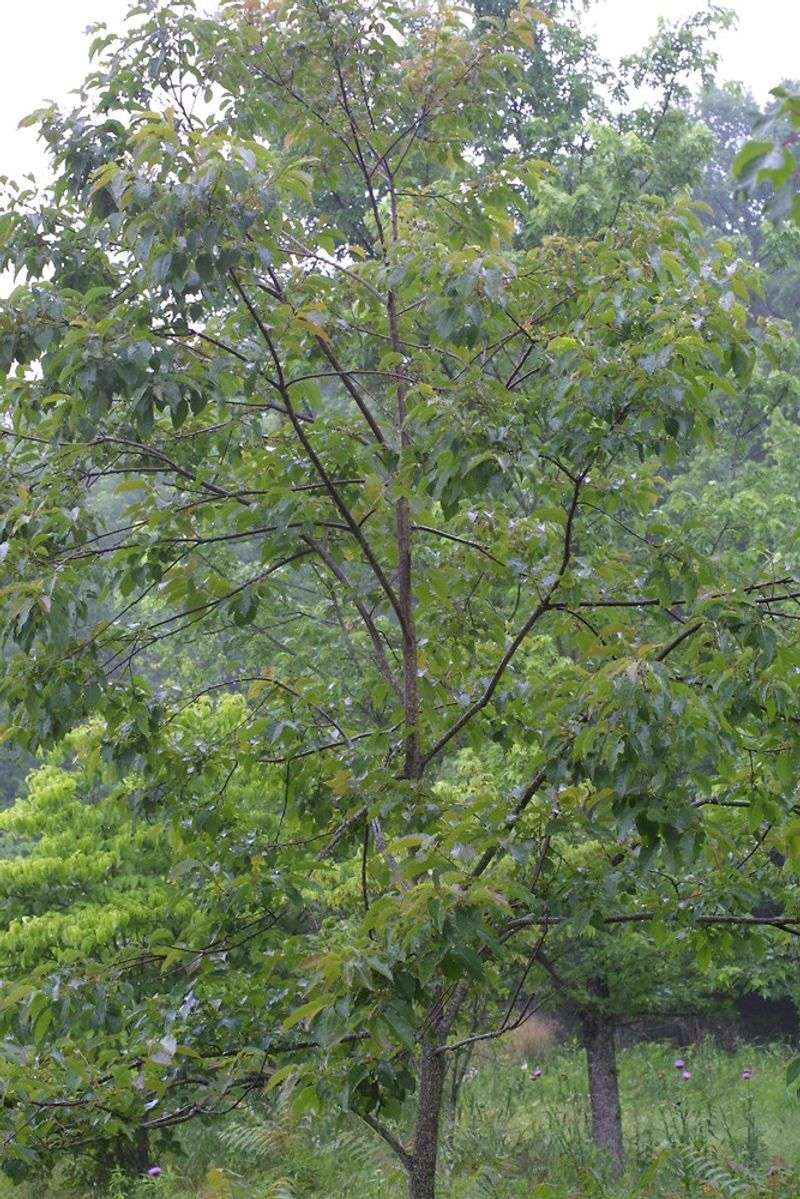
American persimmon is a genuinely adaptable tree, but adaptable does not mean small or tidy. NC State Extension lists a potential mature height of 30 to 80 feet with a spread of 20 to 35 feet, which puts it firmly in the large-tree category.
A tree that size dropping soft fruit in a predictable radius needs to be sited where falling persimmons land somewhere other than a driveway, sidewalk, deck, or children’s play area. Planning the placement at the time of planting is far easier than managing a mature tree later.
UF/IFAS Extension flags fruit litter and scavenger attraction as real landscape considerations for persimmon, and both apply in a residential setting. Raccoons and opossums drawn to fallen fruit at night are not a problem when the fruit drops at the far edge of the property; they become a nuisance when they are working ten feet from the back door.
Siting the tree at a naturalized edge, along a back fence line, or near a woodland border gives wildlife room to feed without pushing those encounters into high-traffic parts of the yard.
Growing conditions are forgiving once the tree is established. Full sun produces the best fruit set, though the tree tolerates partial shade.
It grows in a range of soils and handles heat, drought, and the compacted or nutrient-poor conditions common in older suburban lots. The catch is getting it established in the first place.
The Forest Service FEIS review notes that American persimmon develops a deep taproot, making established trees very difficult to transplant successfully. Buying a container-grown tree and planting it directly in its permanent location avoids that problem entirely.
Root suckers are an additional consideration for smaller lots. The tree can send up shoots from its roots over time, which requires occasional management if the naturalized edge is not meant to expand.
On a larger property or true woodland border, that suckering habit can eventually create a small thicket that adds its own wildlife cover value. On a compact suburban lot, plan to remove suckers as they appear rather than letting the tree expand beyond its intended footprint.
Let Natural Fruit Drop Support Habitat—Without Baiting Wildlife
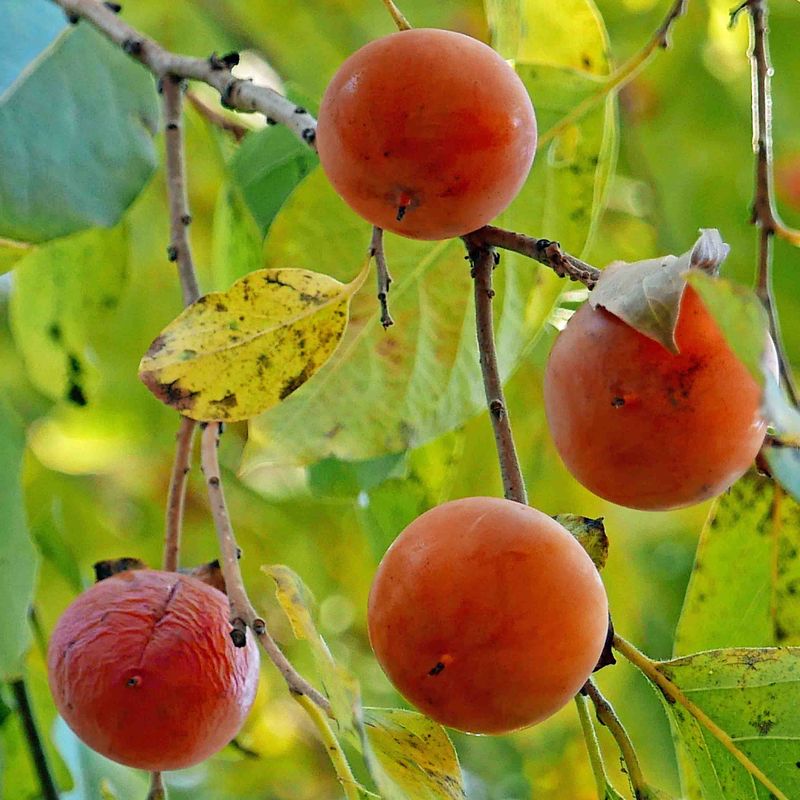
A tree that drops fruit naturally is doing exactly what native trees are supposed to do. That is meaningfully different from raking persimmons into a pile, adding apples or corn nearby, or otherwise deliberately concentrating food to draw animals to a specific spot.
The North Carolina Wildlife Resources Commission advises against intentionally feeding or concentrating wildlife, noting that artificial feeding increases disease transmission risks, habituates animals to human spaces, encourages property damage, and can escalate conflicts between wildlife and people.
Letting fallen persimmons lie where they drop under a well-sited tree does not cross that line. Animals find the fruit on their own schedule, consume what is available, and move on.
The problem arises when homeowners try to amplify or extend that dynamic by supplementing with additional food or creating a concentrated food source that keeps animals returning to one small spot repeatedly. NC Wildlife’s conflict prevention guidance reinforces that natural plant-based food sources are part of healthy habitat, while deliberate feeding creates conditions that harm both wildlife and the human-wildlife relationship over time.
The broader habitat picture matters just as much as the fruit itself. One persimmon tree offers food during one season; wildlife needs cover, water, insects, and nesting opportunities across the full year.
Adding native shrubs that provide dense cover, plants that support caterpillars and other insects, and a reliable water source gives the yard far more wildlife value than any single fruiting tree can deliver alone. Native plantings layered together create the kind of interconnected habitat that supports wildlife through every season, with the persimmon contributing its reliable fall fruit as one productive piece of a larger, healthier whole.
A Persimmon Belongs in a Managed Wildlife Yard
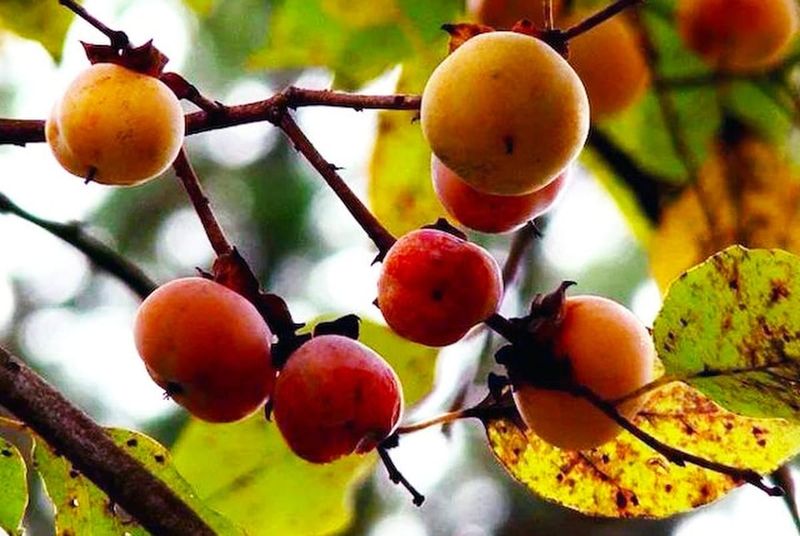
American persimmon earns its place in a North Carolina wildlife yard when the site can honestly accommodate what the tree becomes. That means room for a large canopy, tolerance for seasonal fruit drop, willingness to manage root suckers, and a location set back from patios, play areas, and main walkways.
Those are real tradeoffs, and a narrow foundation bed or small urban lot is probably not the right fit. A back corner, woodland border, or naturalized edge is.
Crops and wildlife visits will vary from year to year. A good fruit season may draw deer, foxes, raccoons, turkeys, and cedar waxwings to the same corner of the yard over several weeks.
A light crop year may produce little visible activity at all. Neither outcome means the tree failed; it means the tree is behaving like a native plant in a real seasonal landscape rather than a guaranteed attraction.
One thing the tree cannot do is reduce tick pressure. Attracting deer brings ticks closer, and CDC tick prevention guidance recommends keeping deer and brushy habitat away from frequently used yard areas, maintaining a managed buffer around play spaces and seating, and removing leaf litter near high-traffic zones.
Site the persimmon away from those areas and follow standard Lyme disease prevention practices regardless of what the yard contains. Pair the tree with other NC native plantings for cover, insects, and food across more seasons.
The persimmon does its part reliably; a thoughtfully managed yard does the rest.